Things to do in Osaka
Osaka's most iconic structures including the famous castle and historic temples that define the city's skyline
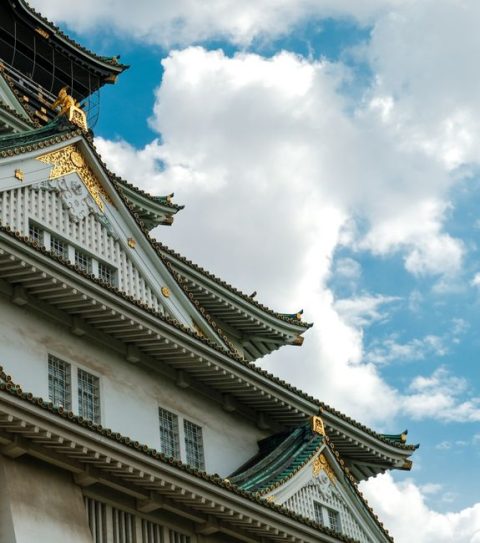
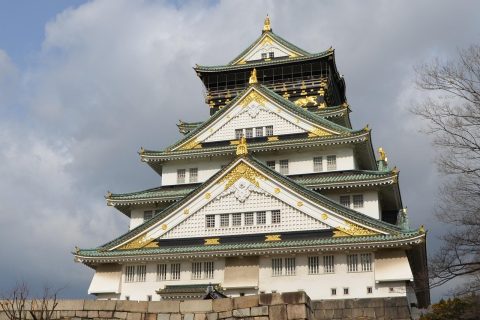
Japan's most famous castle, originally built in 1583 by Toyotomi Hideyoshi. The five-story keep stands 50 meters tall and dominates the skyline. Visitors can explore eight floors of exhibits covering Osaka's feudal history, view samurai armor and weapons, and enjoy panoramic city views from the observation deck. The surrounding castle park offers beautiful gardens and cherry blossoms in spring.
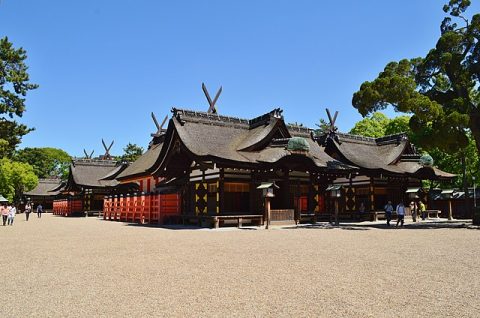
One of Japan's oldest Shinto shrines, founded in the 3rd century. This architectural masterpiece features distinctive red torii gates and traditional shrine buildings arranged in a unique linear pattern. The shrine is renowned for its unique architectural style that predates Buddhist temple influences. Visitors enjoy walking through the sacred grounds and crossing the ornate stone bridges.
Tips for Landmarks & Monuments
- Osaka Castle is particularly stunning during cherry blossom season (late March-early April)
- Buy a combination ticket if visiting multiple attractions
- Visit Osaka Castle early morning to avoid peak crowds
- The castle grounds offer excellent photo opportunities at sunset
World-class museums showcasing art, history, and contemporary culture with rotating exhibitions
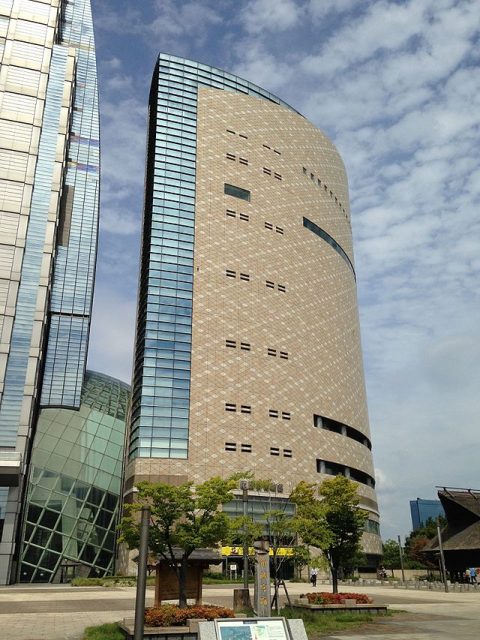
A state-of-the-art museum documenting Osaka's evolution from ancient settlement to modern metropolis. Eight floors explore different eras through artifacts, interactive displays, and multimedia exhibits. The observation deck on the 8th floor offers 360-degree views of the city. Exhibitions cover ancient ceramics, feudal period armor, and modern urban development.

Learn about Japan's famous Asahi beer through interactive displays and historical exhibits spanning 130 years of brewing tradition. The museum features tasting experiences (additional fee), vintage beer bottles, and historic brewing equipment. Visitors can sample different beer varieties and learn traditional brewing techniques in a modern facility overlooking the Okawa River.
Tips for Museums & Galleries
- Many museums offer English-language audio guides
- Student discounts available with valid ID
- Combination museum passes offer savings
- Tuesday is typically less crowded than weekends
Serene green spaces and meticulously maintained gardens offering escape from urban bustle
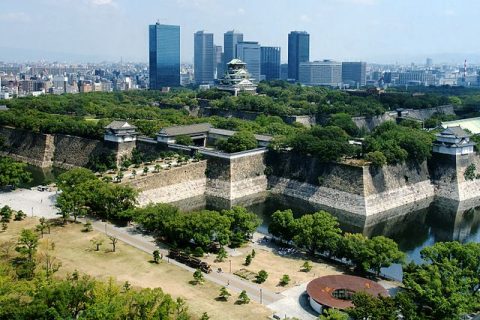
A scenic 106-acre park surrounding Osaka Castle with 3,000+ cherry trees that create spectacular displays each spring. The park features manicured gardens, walking paths along the castle moat, seasonal flower beds, and panoramic photo spots. Summer brings lantern festivals, while autumn displays stunning foliage. The park is perfect for picnics and leisurely strolls.
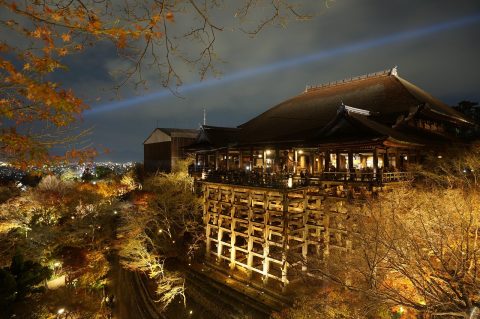
An ancient Buddhist temple garden dating to 593 CE with tranquil landscaping and traditional architecture. The garden features stone lanterns, moss-covered bridges, and seasonal plantings creating a peaceful atmosphere. The temple complex includes multiple buildings with historical significance. Perfect for meditation and experiencing traditional Japanese garden design principles.
Tips for Parks & Gardens
- Spring cherry blossoms are peak season but extremely crowded
- Visit gardens early morning for best light and fewer tourists
- Autumn foliage (November-December) is less crowded than spring
- Free entry to most parks
Sacred temples and shrines representing centuries of Japanese spiritual tradition
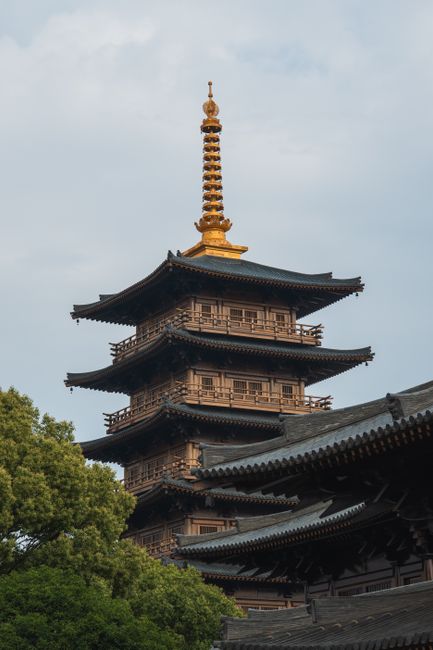
A significant Zen Buddhist temple founded in the 13th century with beautifully landscaped gardens and traditional architecture. The temple features a five-story pagoda and meditation halls. Visitors can participate in zazen (meditation) sessions or simply explore the peaceful grounds. The temple garden changes seasonally with blooming flowers and autumn colors creating photographer's paradise.
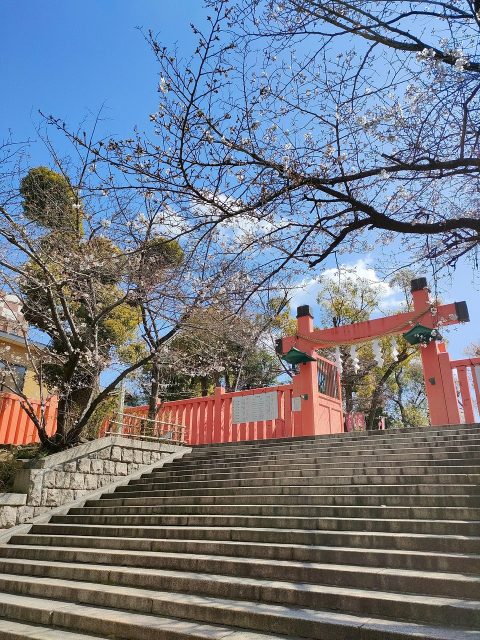
One of Japan's oldest shrines with origins dating to 2000 years ago. This historic shrine dedicated to marine deities features traditional architecture and peaceful surroundings despite its central location. The shrine offers various rituals and blessings year-round. Annual festivals celebrate seasonal transitions and draw crowds for celebrations and performances.
Tips for Religious Sites
- Remove shoes when entering temple buildings
- Respectful dress is appreciated (cover shoulders and knees)
- Photography may be restricted in certain areas
- Visit during festival times for traditional celebrations
Distinctive areas each with unique character, from historic merchant quarters to modern entertainment zones
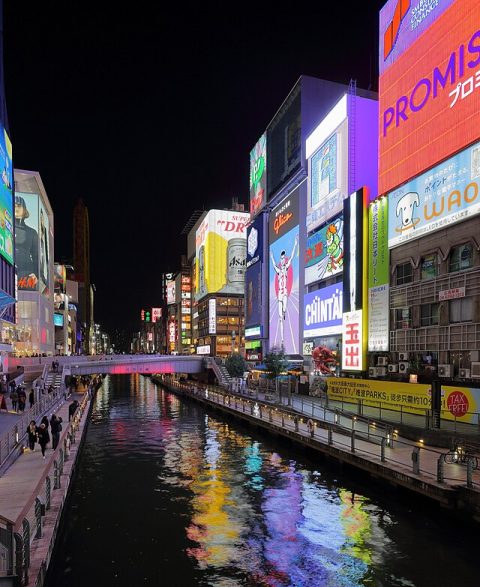
Osaka's most iconic entertainment district featuring a lively atmosphere with brilliant neon signs, street food stalls, and packed shops. This historic merchant quarter along the Dotonbori Canal transforms into a sensory explosion at night. Visitors navigate through crowds sampling takoyaki, okonomiyaki, and specialty foods. The giant mechanical crab sign marks this as the heart of Osaka's casual food culture.
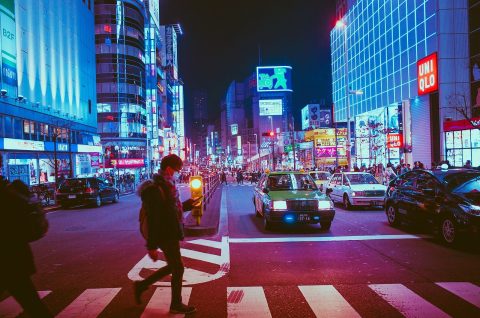
An atmospheric entertainment area filled with hostess bars, izakayas, and traditional wooden machiya buildings. This historic geisha district captures old Osaka charm with narrow alleyways and lantern-lit evenings. Visitors can experience authentic local dining and entertainment without the Dotonbori crowds. The area is particularly vibrant after dark when establishments light up.
Tips for Neighborhoods & Districts
- Dotonbori is best experienced at night when neon signs light up
- Go hungry to sample various street food options
- Shinchi is more upscale; casual clothing appropriate for daytime exploration
- Both areas offer ATMs but keep cash handy for small vendors
Public spaces and pedestrian areas showcasing urban design and community gathering spots
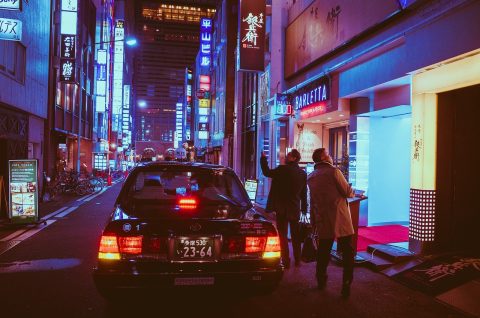
A major shopping avenue connecting Namba Station to surrounding neighborhoods with hundreds of retail stores, restaurants, and entertainment venues. The covered arcade provides weather protection while exploring contemporary fashion, technology, and dining options. The area serves as a major transit hub connecting multiple train lines and shopping complexes.
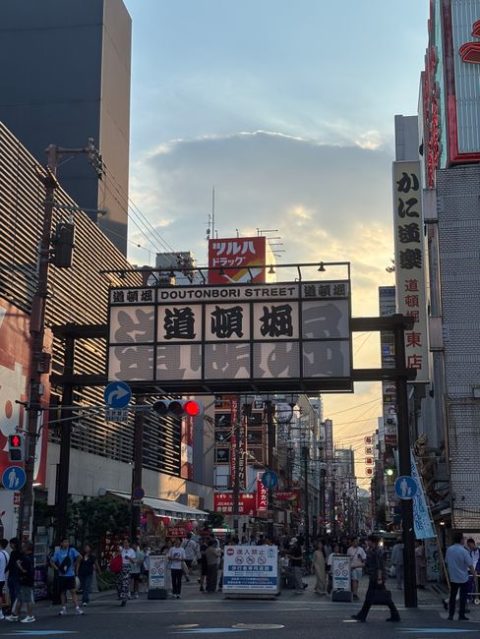
Osaka's most prestigious street featuring luxury brand flagship stores, upscale hotels, and fine dining establishments. Tree-lined sidewalks and modern architecture create an elegant atmosphere. The street stretches from Yodoyabashi to Namba and serves as the city's fashion and commerce hub. Evening strolls offer excellent people-watching and urban photography opportunities.
Tips for Squares & Streets
- Midosuji is ideal for upscale shopping and people-watching
- Namba street is busy but offers value shopping options
- Visit during off-peak hours for more relaxed browsing
- Both areas offer excellent dining options throughout the day
Guided experiences and interactive activities providing deeper cultural insights and entertainment
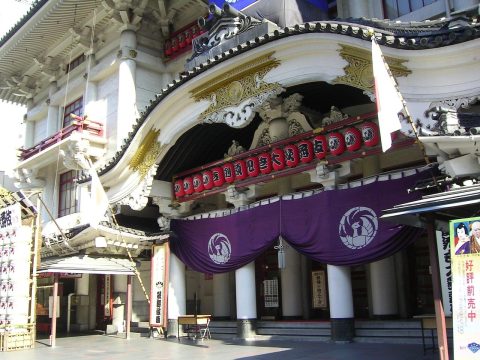
Experience traditional Japanese kabuki drama featuring elaborate costumes, dynamic choreography, and classical music. Performances run multiple times daily with varying durations allowing flexible scheduling. Rented audio guides in multiple languages explain plot and theatrical techniques. The ornate theater interior itself is architecturally significant and worth viewing even without attending performances.
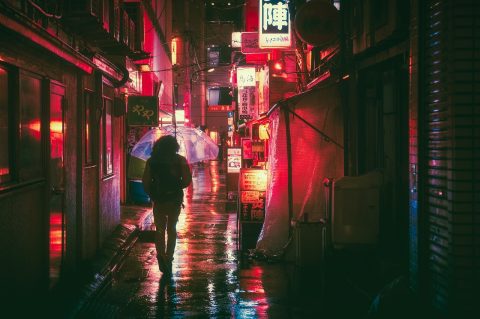
Join a culinary walking tour through Dotonbori and surrounding neighborhoods sampling authentic Osaka specialties. Expert guides explain food history and preparation techniques while visitors taste takoyaki, okonomiyaki, kushikatsu, and regional favorites. Tours typically include 5-8 food stops with drinks and provide deep cultural insights into Osaka's food-loving lifestyle.
Tips for Tours & Activities
- Book kabuki tickets in advance as popular shows sell out
- Audio guides enhance the experience for non-Japanese speakers
- Food tours are best booked with reputable companies through hotels
- Wear comfortable walking shoes for food tours
Nearby destinations easily accessible by train offering varied experiences from mountains to coastal areas
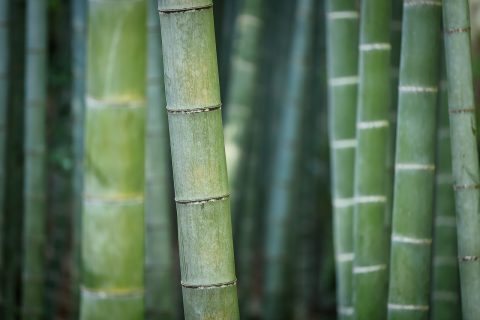
One of Japan's most photogenic natural wonders featuring towering bamboo stalks creating an ethereal forest canopy. Located in nearby Kyoto (75 minutes by train), this UNESCO World Heritage area draws photographers worldwide. Early morning visits offer peace before crowds arrive. The surrounding Arashiyama district includes temples, gardens, and traditional restaurants creating a full-day excursion destination.
Explore Japan's most cosmopolitan port city 30 minutes west of Osaka. Kobe offers waterfront dining, shopping in modern malls, and historic architecture reflecting its international trade history. The nearby Nada sake brewing district features traditional breweries offering tastings and tours. Fresh seafood and Kobe beef restaurants provide culinary highlights distinct from Osaka's casual street food culture.
Tips for Day Trips & Excursions
- JR Pass holders get free travel to Kyoto and Kobe
- Bamboo Grove is best before 8 AM to avoid crowds
- Book sake brewery tours in advance
- Allow 8-10 hours for full day trips including travel time
Real, highly-rated Restaurants in Osaka, sourced from Google Places (rating above 4★).
Osaka Omakase Sushi & Wagyu Steak Halal Dotonbori Restaurant is a highly-rated restaurant in Osaka, rated 4.9★ from 419 reviews. Located at Japan, 〒542-0083 Osaka, Chuo Ward, Higashishinsaibashi, 1-chōme−18−6 ギャラリービルディング 4F.
Opening Hours
- Monday: 11:00 AM – 11:00 PM
- Tuesday: 11:00 AM – 11:00 PM
- Wednesday: 11:00 AM – 11:00 PM
- Thursday: 11:00 AM – 11:00 PM
- Friday: 11:00 AM – 11:00 PM
- Saturday: 11:00 AM – 11:00 PM
- Sunday: 11:00 AM – 11:00 PM
Halal Wagyu&Vegan Ramen Gyumon Osaka Dotonbori is a highly-rated restaurant in Osaka, rated 4.9★ from 12735 reviews. Located at Japan, 〒542-0071 Osaka, Chuo Ward, Dōtonbori, 1-chōme−10−5 1階.
Opening Hours
- Monday: 12:00 – 11:30 PM
- Tuesday: 12:00 – 11:30 PM
- Wednesday: 12:00 – 11:30 PM
- Thursday: 12:00 – 11:30 PM
- Friday: 12:00 – 11:30 PM
- Saturday: 12:00 – 11:30 PM
- Sunday: 12:00 – 11:30 PM
Kokuryu Osaka is a highly-rated restaurant in Osaka, rated 4.9★ from 1272 reviews. Located at Japan, 〒542-0076 Osaka, Chuo Ward, Namba, 1-chōme−4−10 戎橋h+7F.
Opening Hours
- Monday: 11:00 AM – 11:00 PM
- Tuesday: 11:00 AM – 11:00 PM
- Wednesday: 11:00 AM – 11:00 PM
- Thursday: 11:00 AM – 11:00 PM
- Friday: 11:00 AM – 11:00 PM
- Saturday: 11:00 AM – 11:00 PM
- Sunday: 11:00 AM – 11:00 PM
Explore Osaka on the Map
Seasonal Overview
Spring (March-May): Cherry blossom season brings stunning pink blooms and mild weather (15-25°C). Parks and temples overflow with visitors creating crowded but vibrant atmosphere. Hotels book quickly so reserve well in advance.
Autumn (September-November): Comfortable temperatures (10-20°C) and spectacular foliage make this ideal season. Fewer crowds than spring while maintaining perfect weather for sightseeing. Typhoon season (late September) may cause weather disruptions.
Summer (June-August): Hot and humid (25-35°C) with occasional rain. Fewer tourists create smaller crowds at popular sites. Festival season brings exciting evening events throughout the city.
Winter (December-February): Cold but dry (5-10°C) with occasional light snow. Best prices for accommodations and food tours. Lower humidity and clear skies provide excellent photography conditions.
Public Transit
Subway & Trains: Extensive subway network connects all major areas with color-coded lines. Passes available for 1-3 days provide unlimited travel. Single journey tickets start at ¥180 (~$1.30). Purchase IC cards (Icoca, Suica) for convenient payment.
JR Train: The Japan Railway operates the fast JR Loop Line circling Osaka. Connections link to Kyoto (75 min), Kobe (30 min), and Hiroshima (90 min). Affordable day passes enable affordable regional exploration.
Buses & Taxis: Bus network covers areas beyond subway reach. Taxis are expensive (starting ¥680) but useful late-night after transit closes at midnight.
Airport Access: Kansai International Airport is 75 minutes south via Haruka Express train (¥3,600) or buses (¥2,600, 90 minutes).
✈️ Airport Transfer
Kansai International Airport (KIX) to city center:
- JR Haruka Express: Direct to Shin-Osaka Station in about 50 minutes, around 2900 yen unreserved seat
- Nankai Rapi:t Limited Express: Direct to Namba Station in about 35 minutes, around 1500 yen
- Airport Limousine Bus: Serves major hotels and Osaka Station in 55 to 70 minutes, around 1800 yen
- Taxi: To central Osaka in about 50 minutes, typically 15000 to 20000 yen
Shopping Districts
Dotonbori: Street food, casual fashion, electronics, and souvenirs in the heart of entertainment. Shops stay open until midnight. Good for budget shopping and unique local products.
Namba Parks: Modern shopping mall with international brands, restaurants, and cinema. Climate-controlled comfort appeals to those avoiding crowds on Midosuji.
Midosuji: Luxury flagship stores for Gucci, Louis Vuitton, Chanel, and Japanese designers. Fine dining restaurants and exclusive boutiques define this prestigious avenue.
Shinsaibashi: Covered shopping arcade featuring fashion retailers, cosmetics, jewelry, and department stores. Protection from weather makes this popular year-round.
Tax Refund
Eligible visitors (non-residents) receive 8-10% tax refunds on purchases over ¥5,000. Request tax-free forms at retail counters. Process refunds at airport before departure.
Annual Events
Yodoyabashi Light Festival: December - Elaborate illumination displays transform streets into glowing wonderland (December 1-25). Free public celebration attracting hundreds of thousands daily.
Tenjin Festival (July): One of Japan's three great festivals featuring night processions on the Okawa River. Traditional floats, fireworks, and food stalls create electrifying atmosphere (July 24-25).
Dotonbori Festival (August): Summer festival with street performances, food vendors, and traditional entertainment throughout the district (August 15-16).
Osaka Castle Cherry Festival (late March-early April): 3,000+ illuminated trees create magical night viewing. Day and evening events celebrate spring's arrival with food, music, and crowds.
New Year Celebrations (January 1): Shrine visits for blessings, special foods, and traditional performances mark the year's beginning throughout the city.
5-Day Osaka Itinerary
Day 1 - Historic Osaka: Start at Osaka Castle (2 hours), explore surrounding park, visit nearby Shitennoji Temple (2 hours), lunch at local restaurant, evening stroll through Shinchi District, traditional dinner at izakaya.
Day 2 - Food & Entertainment: Morning at Kuromon Market for fresh seafood breakfast, explore museum of your choice (2.5 hours), afternoon shopping on Midosuji, dinner and street food crawl in Dotonbori (3 hours), evening at karaoke bar or entertainment venue.
Day 3 - Temples & Gardens: Early morning visit to Sumiyoshi Taisha shrine (1.5 hours), train to nearby Sakai district, explore Daisen-kofun ancient burial mound, afternoon tea ceremony experience (booking required), evening relaxation in hot spring onsen bath.
Day 4 - Day Trip to Kyoto: Train to Kyoto (75 min), visit Arashiyama Bamboo Grove at dawn, temple exploration, traditional kaiseki lunch, shopping in Higashiyama district, return to Osaka for evening activities.
Day 5 - Markets & Modern Osaka: Shinchi morning exploration, lunch at standing sushi bar, Umeda Sky Building (observation deck), shopping in Yodoyabashi district, sunset dinner with city views, final evening in Dotonbori soaking in the atmosphere.
Instagram-Worthy Locations
Arashiyama Bamboo Grove (Kyoto): Golden hour lighting creates ethereal atmosphere among towering bamboo. Visit 6-8 AM before crowds arrive for clear shots. Overcast days provide even lighting without harsh shadows.
Osaka Castle at Night: Illuminated castle reflects beautifully in the moat. Best photography 30 minutes after sunset when city lights balance with twilight. Park locations offer multiple angles and compositions.
Dotonbori at Dusk: Neon signs reflect off canals creating vibrant colors. Golden hour (5-6 PM) provides natural light complementing artificial lights. Mechanical crab sign marks iconic photo spot.
Kiyomizu-dera Temple, Kyoto (day trip): Traditional wooden veranda overlooks Kyoto valley. Cherry blossom season offers stunning foreground color. Sunset visits capture warm light on temple structures.
Umeda Sky Building Observation Deck: 360-degree city views capture sprawling metropolis at sunset. Clear evenings show distant mountains. Sunrise shoots reveal different lighting and less crowded conditions.
Shinchi District Lantern Alley: Traditional machiya buildings lit by lanterns create nostalgic atmosphere. Early evening (6-7 PM) provides best lighting balance. Rainy evenings enhance reflections of lantern light.
Power Standards
Voltage: Japan operates on 100V AC at 50-60 Hz (varying by region; Osaka is 60 Hz). American 110V devices work fine, but European 220V devices require converter.
Plug Types: Japan uses Type A plugs (two parallel flat pins) and Type B (two flat pins plus round ground). Most outlets accommodate standard flat-pin plugs.
Adapters & Converters: Purchase multi-adapter plugs at airport for broader compatibility. Universal adapters work but may not fit tightly in Japanese outlets. Voltage converters for non-100V devices available at electronics stores and airports.
USB Charging: Many hotels, airports, and cafes offer USB charging stations. Power banks are reliable backup option for all-day sightseeing. Carrying spare charging cables recommended.
Must-Try Osaka Dishes
Takoyaki (Octopus Balls): Breaded batter-fried balls filled with tender octopus, onion, and pickled ginger. Topped with takoyaki sauce, mayo, bonito flakes, and seaweed. Essential street food experience in Dotonbori (¥800-1,200 per serving).
Okonomiyaki (Savory Pancake): Layered cabbage, egg, meat, and noodles in wheat flour batter, cooked on griddle. Topped with sauce, mayo, bonito flakes, and aonori. Osaka-style includes yakisoba or udon inside (¥800-1,500).
Kushikatsu (Deep-Fried Skewers): Various ingredients (meat, seafood, vegetables) on sticks, breaded and deep-fried until golden. Dipped in tangy sauce and wasabi. Order multiple skewers for variety tasting experience (¥1,500-3,000).
Kitsune Udon: Hot noodle soup with sweet fried tofu pockets. Light yet satisfying comfort food available at udon restaurants throughout city (¥700-1,000).
Dotonbori Ramen: Rich tonkotsu or shoyu-based broths topped with tender chashu pork, soft eggs, and green onions. Legendary ramens shops fill quickly during lunch/dinner (¥900-1,500).
Dining Tips
Vending machines outside restaurants display plastic replicas of dishes with prices enabling easy ordering without language barriers. Most casual restaurants use ticket machines requiring cash. Tipping is not expected or customary in Japan. Standing sushi bars and ramen shops offer exceptional value and quick service.
Tourist Passes
Osaka Amazing Pass
All-inclusive pass providing unlimited subway/train travel and free entry to 30+ major attractions (Osaka Castle, museums, temples, entertainment venues). Available for 1-day (¥2,700) or 2-day (¥5,300) passes. Easily pays for itself with three major attraction visits plus transit usage. Purchase at airport or hotel concierge.
www.osakamaze.comIcoca Card (IC Card)
Rechargeable transit card accepted on all Osaka subways, buses, trains, and partner convenience stores. Initial ¥2,000 includes ¥1,500 usable balance plus ¥500 deposit. Speeds up boarding without purchasing individual tickets. Keep loaded during stay for convenience and efficiency throughout city.
www.icoca.or.jpJR Pass (Japan Rail Pass)
National railway pass for unlimited train travel on JR lines throughout Japan for 7/14/21 consecutive days. Covers travel to Kyoto, Kobe, and distant cities. Only purchasable by foreign visitors before arriving in Japan (through travel agents in home country) or upon arrival with visa. Excellent value for multi-city travel plans (starting ¥29,650/week).
www.jrpass.comKobe Marumaruku Pass
Day pass for Kobe day trip providing unlimited local train/bus travel within Kobe. Covers Nada sake district breweries, port area, shopping districts, and restaurants. Purchase at Kobe Station or travel offices (¥1,000). Worthwhile if planning extensive Kobe exploration without Osaka base returns.
www.kktp.co.jp