Kyoto rewards visitors who prioritize its most iconic sights over trying to see everything. Kinkaku-ji, the gold-leafed Golden Pavilion, and Fushimi Inari Taisha, with its endless tunnel of vermilion torii gates, deliver the two images most travelers picture when they think of Japan. Kiyomizu-dera Temple adds a dramatic wooden terrace with sweeping city views, while a stroll through Arashiyama Bamboo Grove and the Gion District rounds out the experience with quiet nature and glimpses of geisha culture. These picks balance spiritual landmarks, architecture, and atmosphere, giving a short trip real depth without the exhaustion of chasing every temple in the city.
Kyoto's skyline is defined by iconic structures that have stood for centuries — from the luminous Golden Pavilion to the endless rows of vermillion torii gates winding up Mount Inari.
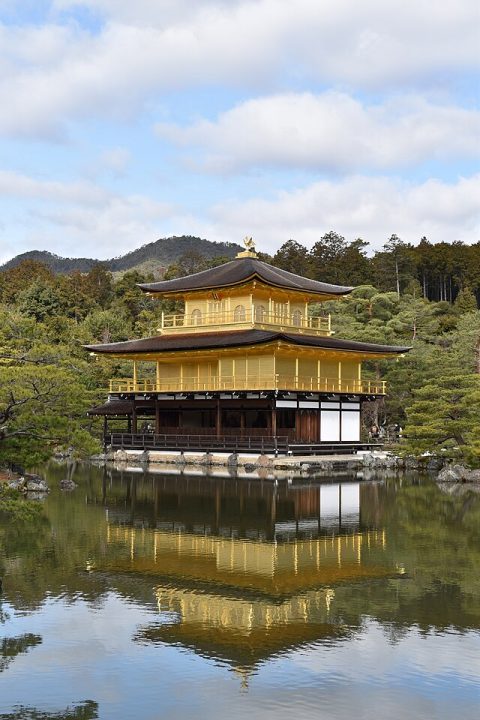
Kinkaku-ji, the Temple of the Golden Pavilion, is Kyoto's most photographed landmark. The top two floors of this three-story Zen Buddhist temple are completely covered in gold leaf, shimmering above a mirror-like reflecting pond. Originally built as a retirement villa for Shogun Ashikaga Yoshimitsu in 1397, it was converted to a Zen temple after his death. The surrounding stroll garden features ancient pines and stone lanterns framing perfect reflections of the golden structure. Visit early morning for the best light and fewest crowds.
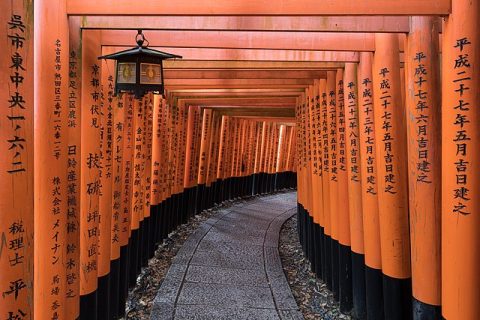
Fushimi Inari Taisha is Kyoto's most iconic Shinto shrine, famous for thousands of vermillion torii gates winding up Mount Inari. Dedicated to the god of rice, the shrine has existed since 711 AD. The full hike to the summit takes 2–3 hours and rewards with panoramic views. The lower gates are crowded during daylight — arriving at dawn or dusk transforms the tunnels into an ethereal experience. Free and open 24 hours.
Tips for Landmarks & Monuments
- Arrive at Kinkaku-ji and Fushimi Inari before 8:30 AM to avoid tour groups
- Fushimi Inari summit hike is free and open 24 hours — pre-dawn visits are magical
- Many landmarks require entrance fees of ¥500–¥1,000; carry cash
- Combine Kinkaku-ji, Ryoan-ji, and Ninna-ji in one northern loop itinerary
With over 1,600 Buddhist temples and 400 Shinto shrines, Kyoto is the spiritual heartland of Japan. Each site carries centuries of ritual, architecture, and meditative landscape design.
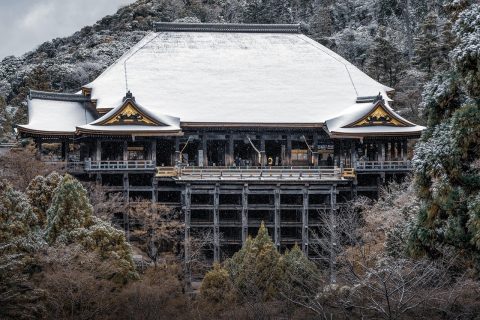
Kiyomizu-dera, founded in 778 AD, is Kyoto's most beloved temple and a UNESCO World Heritage Site. Its famous wooden stage, built without nails, juts 13 meters above a forested hillside offering sweeping city views. The Otowa waterfall below divides into three streams — visitors drink from them for longevity, academic success, and a fortunate love life. The surrounding Higashiyama district, with stone-paved lanes and traditional shops, is one of Kyoto's most atmospheric walks.

Ryoan-ji houses the world's most celebrated Zen rock garden — 15 carefully placed stones on raked white gravel, framed by earthen walls stained with centuries of moss. Founded in 1450, the garden's meaning remains deliberately ambiguous: no matter where you stand, one stone is always hidden. The surrounding grounds include a large mirror pond and ancient cedar trees. A UNESCO World Heritage Site, best experienced in contemplative silence during quiet morning hours.
Tips for Religious Sites
- Temple admission typically ranges from ¥400–¥800; carry cash as many do not accept cards
- Dress modestly — shoulders and knees covered are respectful at religious sites
- Remove shoes when entering temple interiors; wear slip-on footwear for convenience
- Early morning (7–9 AM) offers peaceful temple visits before tour groups arrive
Kyoto served as Japan's imperial capital for over a thousand years. Its castles, imperial palaces, and ancient quarters preserve the living memory of emperors, shoguns, and samurai.
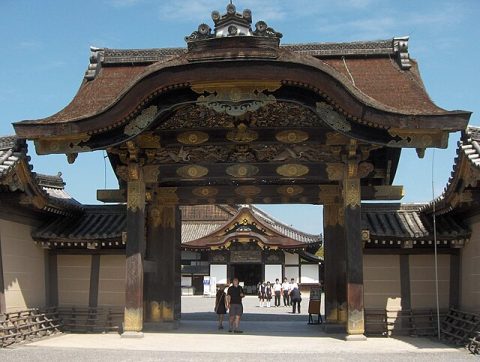
Nijo Castle was built in 1603 as the Kyoto residence of the first Tokugawa shogun. A UNESCO World Heritage Site, its Ninomaru Palace features the famous uguisubari 'nightingale floors' — boards deliberately constructed to creak, alerting guards to intruders. Interior walls are lavishly painted by Kano-school masters. The palace garden was designed by master Kobori Enshu. The castle was the site of the Meiji Restoration declaration in 1867.
Tips for Ancient & Historical Sites
- Book Katsura Imperial Villa months in advance — slots fill quickly
- Nijo Castle is closed on Tuesdays from December to February
- The Imperial Palace park is free to enter and ideal for a morning walk or cycling
- Combine Nijo Castle with the nearby Nishiki Market for a full central Kyoto day
Kyoto's neighborhoods each carry a distinct identity — from the geisha district of Gion to the bamboo groves of Arashiyama, each quarter rewards unhurried exploration on foot.
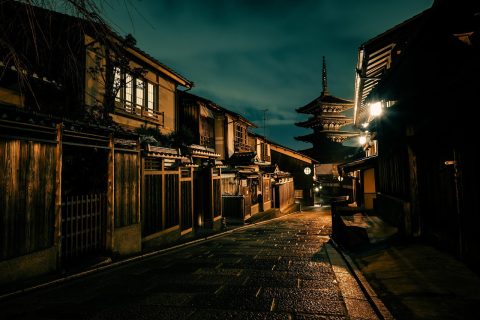
Gion is Kyoto's most famous geisha district, centered on Hanamikoji Street — a perfectly preserved lane of wooden ochaya (teahouses) where geiko and maiko entertain guests in private banquets. The district is richest in atmosphere at dusk, when lanterns glow and formally attired geisha move between engagements. The Gion Matsuri Festival (July) transforms the streets into one of Japan's greatest spectacles.
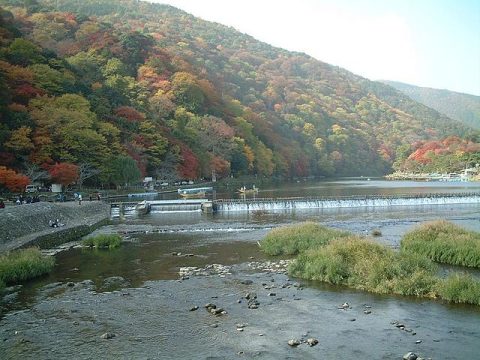
Arashiyama is Kyoto's most scenic district, where the Oi River curves beneath forested mountains. It encompasses the Bamboo Grove, Tenryu-ji garden, hillside temples, boat rentals, and the Sagano Romantic Train. The district is atmospheric in all seasons: cherry blossoms in spring, crimson maples in autumn, snow-dusted bamboo in winter. Best explored on foot or by rented bicycle.
Tips for Neighborhoods
- Explore Gion on foot after 5 PM for the best chance of seeing geiko and maiko
- Arashiyama's bamboo grove is best before 8 AM — later in the day it becomes extremely crowded
- Rent a bicycle to connect Arashiyama's spread-out sights efficiently
- The Philosopher's Path between Ginkaku-ji and Nanzen-ji connects Higashiyama's northern end
Kyoto's gardens represent Japan's highest achievement in landscape design — meditative rock gardens, stroll gardens that unfold as theatrical sequences of views, and ancient forests that change color with the seasons.
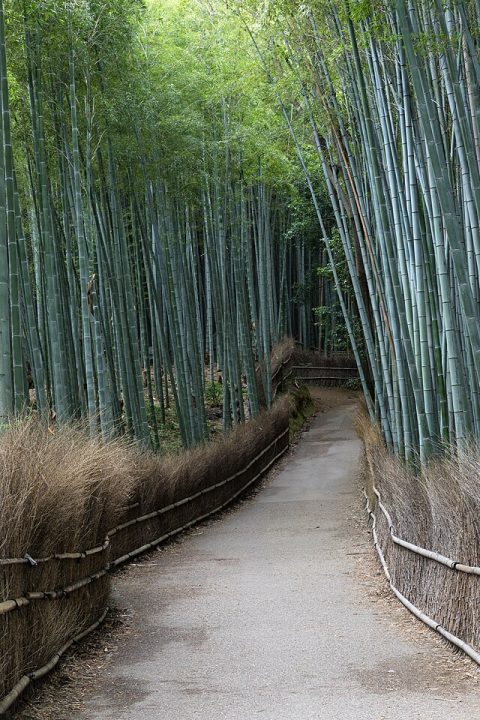
The Arashiyama Bamboo Grove is one of Japan's most iconic natural landscapes — a towering canopy of bamboo stalks that filters light into an ethereal green glow and creates a distinctive rustling sound recognized as one of Japan's 100 best soundscapes. The main path runs 500 meters between Tenryu-ji's northern gate and Nonomiya Shrine. Most immersive at first light, when low mist drifts between the stalks and the path is nearly empty.
Tips for Parks & Gardens
- Cherry blossom season (late March to mid April) is Kyoto's most crowded period — book accommodations 6+ months in advance
- Autumn foliage (mid-November) is equally spectacular and equally crowded
- The Bamboo Grove is free; visit before 7:30 AM or after 5 PM for photography without crowds
- Tenryu-ji charges separate entry for the garden (¥500) and the main hall (¥300)
Kyoto's central location makes it an ideal base for exploring nearby ancient capitals, mountain villages, and World Heritage Sites within 30–90 minutes by train.
Nara, Japan's first permanent capital (710–794 AD), is 45 minutes from Kyoto by JR or Kintetsu train. Nara Park is home to over 1,200 freely roaming sacred sika deer. Todai-ji Temple houses the world's largest bronze Buddha (15 meters tall) inside the world's largest wooden building. Kasuga Taisha Shrine is famous for its 3,000 stone and bronze lanterns. Naramachi, the preserved merchant district, is ideal for craft shopping and traditional sweets.
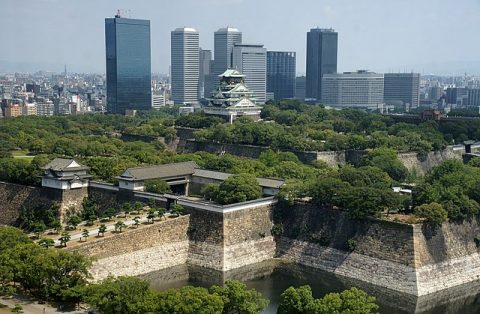
Osaka is 15 minutes from Kyoto by Shinkansen and 40 minutes by Hankyu express, making it one of Japan's most accessible day trips. The city contrasts sharply with Kyoto's contemplative elegance — Osaka is energetic, commercial, and food-obsessed. Key attractions include Osaka Castle, Dotonbori's neon-lit entertainment district, and the Kuromon Ichiba market. Osaka street food — takoyaki, okonomiyaki, kushikatsu — is legendary.
Tips for Day Trips
- Use the JR Pass for Shinkansen day trips to Hiroshima and Osaka
- Nara is best visited on a weekday to avoid weekend crowds at Todai-ji
- Combine Kurama and Kibune in one day — hike the 90-minute forest trail between them
- For Hiroshima/Miyajima, depart Kyoto by 7:30 AM to maximize the day
Real, highly-rated Restaurants in Kyoto, sourced from Google Places (rating above 4★).
Halal Wagyu Sukiyaki Kyoto Panga | Kyoto Halal restaurant is a highly-rated restaurant in Kyoto, rated 4.9★ from 4989 reviews. Located at Japan, 〒604-8006 Kyoto, Nakagyo Ward, Shimomaruyachō, 410|ハラルレストラン.
Opening Hours
- Monday: 5:00 – 10:30 PM
- Tuesday: 5:00 – 10:30 PM
- Wednesday: 5:00 – 10:30 PM
- Thursday: 5:00 – 10:30 PM
- Friday: 5:00 – 10:30 PM
- Saturday: 5:00 – 10:30 PM
- Sunday: 5:00 – 10:30 PM
The Wagyu Burger by PANGA | Kyoto halal restaurant is a highly-rated restaurant in Kyoto, rated 4.9★ from 1926 reviews. Located at Japan, 〒604-8006 Kyoto, Nakagyo Ward, Shimomaruyachō, 406 1F.
Opening Hours
- Monday: 12:30 – 3:00 PM, 5:00 – 9:00 PM
- Tuesday: 12:30 – 3:00 PM, 5:00 – 9:00 PM
- Wednesday: 12:30 – 3:00 PM, 5:00 – 9:00 PM
- Thursday: 12:30 – 3:00 PM, 5:00 – 9:00 PM
- Friday: 12:30 – 3:00 PM, 5:00 – 9:00 PM
- Saturday: 12:00 – 2:30 PM, 5:00 – 8:30 PM
- Sunday: 12:00 – 2:30 PM, 5:00 – 8:30 PM
MABRUR HALAL DINING Kyoto is a highly-rated restaurant in Kyoto, rated 4.9★ from 2454 reviews. Located at Japan, 〒604-8004 Kyoto, Nakagyo Ward, Nakajimachō, 98 御所飴ビル 2階.
Opening Hours
- Monday: 12:00 – 10:30 PM
- Tuesday: 12:00 – 10:30 PM
- Wednesday: 12:00 – 10:30 PM
- Thursday: 12:00 – 10:30 PM
- Friday: 4:00 – 10:30 PM
- Saturday: 11:30 AM – 10:30 PM
- Sunday: 11:30 AM – 10:30 PM
Nijiya is a highly-rated restaurant in Kyoto, rated 4.9★ from 1126 reviews. Located at Japan, 〒604-8022 Kyoto, Nakagyo Ward, Minamikurumayachō, 287 木屋町会館 1階.
Opening Hours
- Monday: 5:30 – 8:00 PM
- Tuesday: 12:00 – 2:30 PM, 5:30 – 8:00 PM
- Wednesday: 12:00 – 2:30 PM, 5:30 – 8:00 PM
- Thursday: 12:00 – 2:30 PM, 5:30 – 8:00 PM
- Friday: Closed
- Saturday: 12:00 – 2:30 PM, 5:30 – 8:30 PM
- Sunday: 12:00 – 6:00 PM
Kyoto Omakase Sushi & Wagyu Halal Gion Restaurant 京都寿司和牛餐厅 is a highly-rated restaurant in Kyoto, rated 4.8★ from 569 reviews. Located at 135 Tominagachō, Higashiyama Ward, Kyoto, 605-0078, Japan.
Opening Hours
- Monday: 11:00 AM – 11:00 PM
- Tuesday: 11:00 AM – 11:00 PM
- Wednesday: 11:00 AM – 11:00 PM
- Thursday: 11:00 AM – 11:00 PM
- Friday: 11:00 AM – 11:00 PM
- Saturday: 11:00 AM – 11:00 PM
- Sunday: 11:00 AM – 11:00 PM
GYUKATSU Kyoto Katsugyu Teramachi Kyogoku is a highly-rated restaurant in Kyoto, rated 4.8★ from 11555 reviews. Located at 529-2 Higashigawachō, Nakagyo Ward, Kyoto, 604-8046, Japan.
Opening Hours
- Monday: 10:00 AM – 10:30 PM
- Tuesday: 10:00 AM – 10:30 PM
- Wednesday: 10:00 AM – 10:30 PM
- Thursday: 10:00 AM – 10:30 PM
- Friday: 10:00 AM – 10:30 PM
- Saturday: 10:00 AM – 10:30 PM
- Sunday: 10:00 AM – 10:30 PM
KAWARAMACHI BEEF-TEI is a highly-rated restaurant in Kyoto, rated 4.8★ from 2987 reviews. Located at Japan, 〒604-8034 Kyoto, Nakagyo Ward, Matsugaechō, 456 2F.
Opening Hours
- Monday: 11:00 AM – 1:00 AM
- Tuesday: 11:00 AM – 1:00 AM
- Wednesday: 11:00 AM – 1:00 AM
- Thursday: 11:00 AM – 1:00 AM
- Friday: 11:00 AM – 1:00 AM
- Saturday: 11:00 AM – 1:00 AM
- Sunday: 11:00 AM – 1:00 AM
GYUMON is a highly-rated restaurant in Kyoto, rated 4.8★ from 9974 reviews. Located at Japan, 〒604-8054 Kyoto, Nakagyo Ward, Nishidaimonjichō, 616−1 富小路ビル 1階.
Opening Hours
- Monday: 12:00 – 10:00 PM
- Tuesday: 12:00 – 10:00 PM
- Wednesday: 12:00 – 10:00 PM
- Thursday: 12:00 – 10:00 PM
- Friday: 12:00 – 10:00 PM
- Saturday: 12:00 – 10:00 PM
- Sunday: 12:00 – 10:00 PM
Kobe Beef Steak Mouriya Gion is a highly-rated restaurant in Kyoto, rated 4.8★ from 1668 reviews. Located at Japan, 〒605-0802 Kyoto, Higashiyama Ward, Yamatochō, 7−1 祇園モーリヤビル 1F.
Opening Hours
- Monday: 11:30 AM – 9:00 PM
- Tuesday: 11:30 AM – 9:00 PM
- Wednesday: 11:30 AM – 9:00 PM
- Thursday: 11:30 AM – 9:00 PM
- Friday: 11:30 AM – 9:00 PM
- Saturday: 11:30 AM – 9:00 PM
- Sunday: 11:30 AM – 9:00 PM
Yakimeshi to Men Kyoto is a highly-rated restaurant in Kyoto, rated 4.8★ from 2504 reviews. Located at 14-1 Ishibashichō, Nakagyo Ward, Kyoto, 604-8036, Japan.
Opening Hours
- Monday: 11:00 AM – 9:30 PM
- Tuesday: 11:00 AM – 9:30 PM
- Wednesday: 11:00 AM – 9:30 PM
- Thursday: 11:00 AM – 9:30 PM
- Friday: 11:00 AM – 9:30 PM
- Saturday: 11:00 AM – 9:30 PM
- Sunday: 11:00 AM – 9:30 PM
GYUKATSU Kyoto Katsugyu Pontocho Honten is a highly-rated restaurant in Kyoto, rated 4.8★ from 10641 reviews. Located at 188 Zaimokuchō, Nakagyo Ward, Kyoto, 604-8017, Japan.
Opening Hours
- Monday: 11:00 AM – 10:30 PM
- Tuesday: 11:00 AM – 10:30 PM
- Wednesday: 11:00 AM – 10:30 PM
- Thursday: 11:00 AM – 10:30 PM
- Friday: 11:00 AM – 10:30 PM
- Saturday: 11:00 AM – 10:30 PM
- Sunday: 11:00 AM – 10:30 PM
Teppan Tavern Tenamonya is a highly-rated restaurant in Kyoto, rated 4.8★ from 707 reviews. Located at Japan, 〒605-0074 Kyoto, Higashiyama Ward, Gionmachi Minamigawa, 537−2 B1F.
Opening Hours
- Monday: 5:00 – 10:00 PM
- Tuesday: 5:00 – 10:00 PM
- Wednesday: Closed
- Thursday: Closed
- Friday: 5:00 – 10:00 PM
- Saturday: 5:00 – 10:00 PM
- Sunday: 5:00 – 10:00 PM
Kyoto Wamen Yukichi Honpo is a highly-rated restaurant in Kyoto, rated 4.8★ from 744 reviews. Located at 506-1 Higashigawachō, Nakagyo Ward, Kyoto, 604-8046, Japan.
Opening Hours
- Monday: 11:00 AM – 9:30 PM
- Tuesday: 11:00 AM – 9:30 PM
- Wednesday: 11:00 AM – 9:30 PM
- Thursday: 11:00 AM – 9:30 PM
- Friday: 11:00 AM – 9:30 PM
- Saturday: 11:00 AM – 9:30 PM
- Sunday: 11:00 AM – 9:30 PM
Kobe Beef Kisshokichi - Kyoto Main Store is a highly-rated restaurant in Kyoto, rated 4.8★ from 2367 reviews. Located at Japan, 〒604-8001 Kyoto, Nakagyo Ward, Kamiōsakachō, 521 京都エンパイヤビル 8階.
Opening Hours
- Monday: 11:00 AM – 10:00 PM
- Tuesday: 11:00 AM – 10:00 PM
- Wednesday: 11:00 AM – 10:00 PM
- Thursday: 11:00 AM – 10:00 PM
- Friday: 11:00 AM – 10:00 PM
- Saturday: 11:00 AM – 10:00 PM
- Sunday: 11:00 AM – 10:00 PM
Teppanyaki Manryu is a highly-rated restaurant in Kyoto, rated 4.7★ from 767 reviews. Located at Japan, 〒605-0083 Kyoto, Higashiyama Ward, Hashimotochō, 2丁目382−2 1F.
Opening Hours
- Monday: 12:00 – 10:30 PM
- Tuesday: 12:00 – 10:30 PM
- Wednesday: Closed
- Thursday: 12:00 – 10:30 PM
- Friday: 12:00 – 10:30 PM
- Saturday: 12:00 – 10:30 PM
- Sunday: Closed