Riga's skyline is defined by stunning architectural masterpieces that span eight centuries, from medieval spires to Art Nouveau facades. The city boasts over 800 Art Nouveau buildings, making it home to one of the finest collections in Europe.
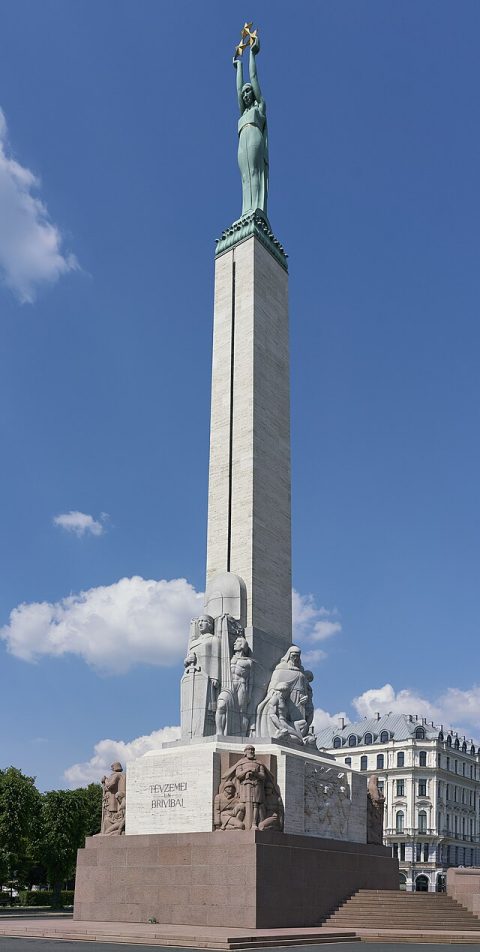
Freedom Monument
Standing 42 meters tall in the heart of Riga, the Freedom Monument (Brīvības piemineklis) is Latvia's most important national symbol. Erected in 1935, the monument commemorates soldiers killed during the Latvian War of Independence. The copper figure of Liberty atop the granite base holds three golden stars representing Latvia's historical regions. Witness the solemn changing of the guard ceremony, which takes place daily and attracts both locals and tourists who gather to pay their respects.
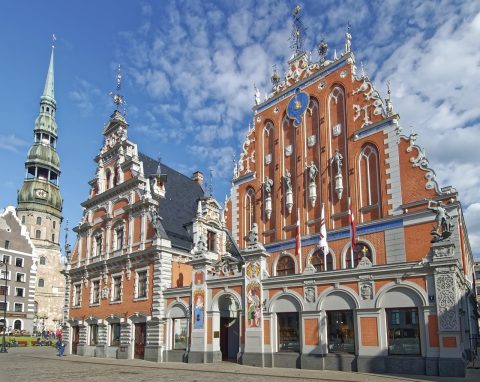
House of the Blackheads
The spectacular House of the Blackheads dominates Town Hall Square with its ornate Gothic-Renaissance facade adorned with golden details and sculptural elements. Originally built in 1334 for the Brotherhood of Blackheads (unmarried merchants), It was rebuilt in 1999; the source confirms construction in 1334 and later rebuilding, but does not substantiate the WWII destruction claim. The interior features elaborate ceremonial halls with stunning chandeliers, historical artifacts, and period furnishings. Don't miss the basement museum showcasing archaeological findings and the building's fascinating history through interactive displays.
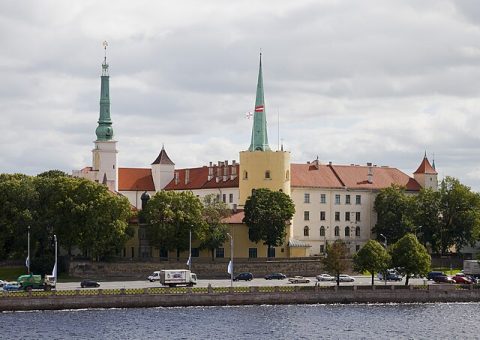
Riga Castle
Riga Castle, founded in 1330 by the Livonian Order, now serves as the official residence of Latvia's President. This fortress complex along the Daugava River has witnessed centuries of rulers, from Teutonic Knights to Swedish kings. The castle is the President’s residence; visits are by advance arrangement on announced dates.. Visitors can explore exhibitions ranging from ancient Baltic tribes to contemporary Latvian culture, all within walls that have shaped the nation's destiny for nearly 700 years.
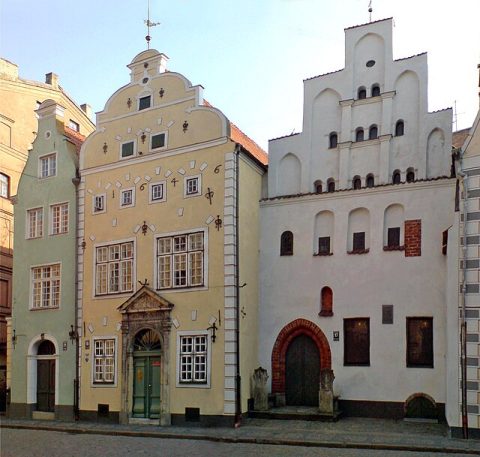
Three Brothers
The Three Brothers is Riga's oldest residential complex, showcasing medieval domestic architecture at its finest. These three adjoining houses (White, Middle, and Green) date from the 15th, 17th, and 17th centuries respectively, each representing different architectural periods. The White Brother (No. 17), built around 1490, is the oldest stone residential building in Riga. The Museum of Architecture is temporarily closed during its move; check its site for reopening information before visiting., offering insights into the city's building traditions and urban development through engaging exhibits and historical models.
Tips for Landmarks & Monuments
- Photography: The House of the Blackheads is beautifully illuminated at night, making it perfect for evening photography
- Guard Ceremony: The changing of the guard at the Freedom Monument occurs every hour from 9 AM to 6 PM
- Combined Visit: The Three Brothers and Swedish Gate are within walking distance combine them for an efficient medieval architecture tour
- Free Access: Most exterior landmarks can be appreciated without entrance fees, though museum interiors require tickets