Podgorica's urban fabric weaves together distinct neighborhoods and public spaces, each with its own character and story. From the atmospheric Ottoman quarter to modern shopping districts, exploring these areas reveals the city's diverse identity.
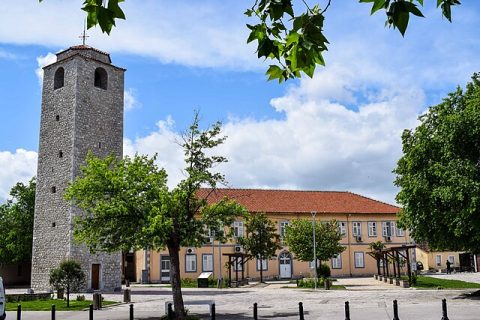
Stara Varoš (Old Town)
Stara Varoš is Podgorica's most atmospheric neighborhood and a testament to the city's 400-year Ottoman past. This historic quarter retains traces of its Turkish heritage through winding narrow streets, traditional architecture, and historic structures like mosques and the Clock Tower. Unlike newer districts destroyed in World War II, Stara Varoš preserves the intimate scale and character of the old Turkish town that was once Podgorica's bustling center. Walking these streets offers a stark contrast to modern Podgorica and provides essential context for understanding the city's layered history. Visitors discover small cafes, traditional shops, and residential buildings that maintain their historic character. The neighborhood rewards slow, exploratory wandering to appreciate architectural details and absorb the distinctive atmosphere of this cultural heritage zone.
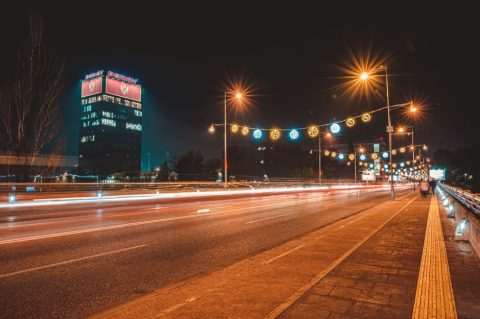
Downtown Podgorica (City Kvart)
Modern Downtown Podgorica, particularly the lively City Kvart area, pulses with contemporary Montenegrin urban life. This district features a concentrated collection of restaurants, cafes, bars, and shops housed in modern buildings that replaced structures destroyed during World War II. The downtown area showcases Podgorica's transformation into a 21st-century capital with fashionable establishments, international cuisine, vibrant nightlife, and young professional energy. Tree-lined boulevards like Bulevar Svetog Petra Cetinjskog connect major landmarks and shopping areas. The district is highly walkable and offers excellent people-watching opportunities in its many outdoor cafes and terraces.
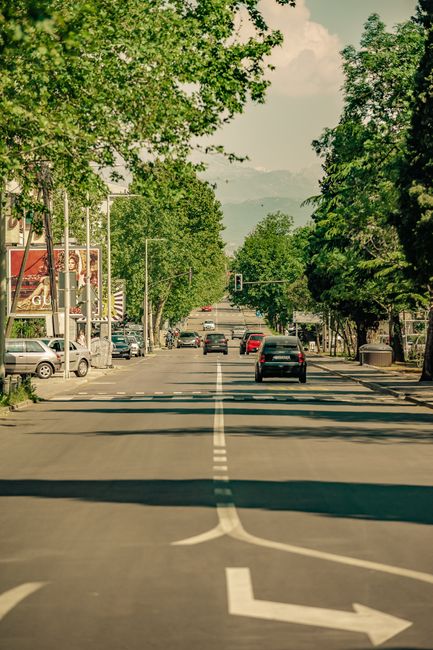
Blok 5 District
The unique Blok 5 District represents a fascinating example of Yugoslav-era urban planning and socialist modernist architecture. This residential neighborhood features distinctive brutalist apartment blocks that tell the story of Podgorica's post-war reconstruction and development during the Yugoslav period. While not conventionally beautiful, the district offers valuable architectural and historical interest for those curious about 20th-century Eastern European urban design. The area has its own character and provides insight into how ordinary Montenegrins lived during the socialist era.
Tips for Neighborhoods & Districts
- Walking tours: Stara Varoš is best explored on foot; wear comfortable shoes for cobblestone streets
- Evening atmosphere: Downtown comes alive after 6 PM when locals fill cafes and restaurants
- Local cafes: Stop for Montenegrin coffee and rakija to experience authentic cafe culture
- Architecture enthusiasts: Blok 5 offers unusual photographic opportunities for brutalism fans
- Orientation: Podgorica's compact size makes neighborhoods easy to explore in a single day