Things to do in Casablanca
Iconic structures that define Casablanca's skyline and historical importance
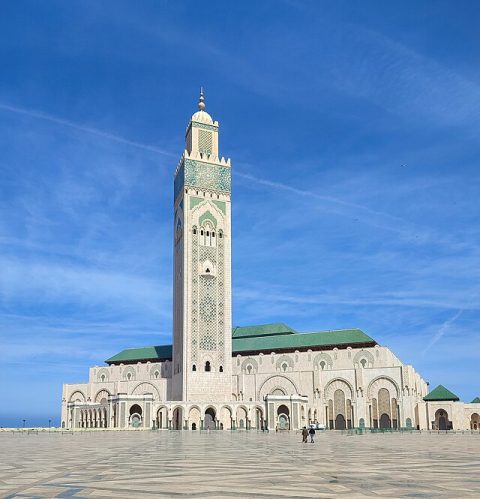
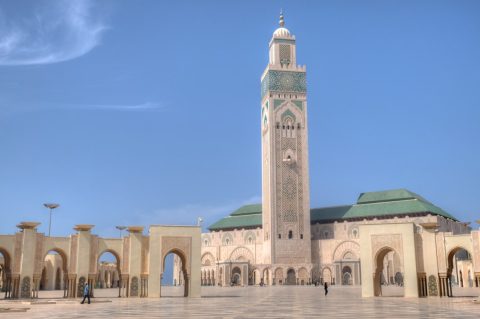
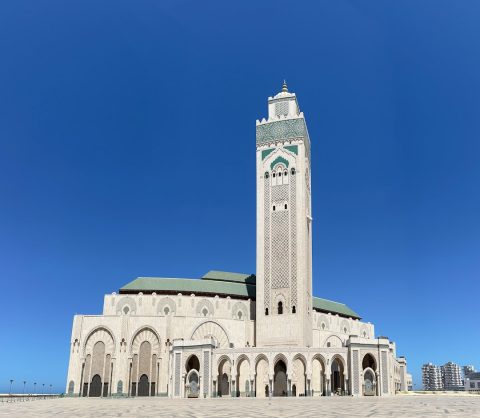
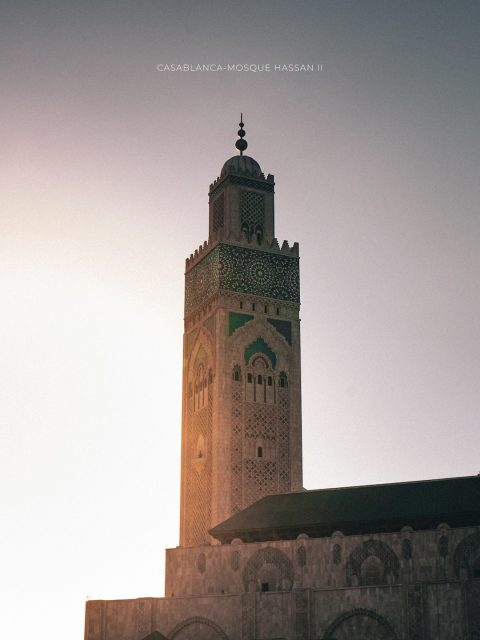
One of the world's largest mosques with a 200-meter minaret overlooking the Atlantic Ocean. Built in 1993, it features intricate tilework, carved cedar, and can accommodate 25,000 worshippers. The mosque showcases Moroccan architectural mastery with modernist design elements. Non-Muslims cannot enter the prayer hall but can view the exterior and surrounding plaza.
The historic walled city dating back centuries, featuring narrow winding streets, traditional shops, and authentic souks. Explore vendors selling spices, textiles, and handicrafts. The medina retains traditional architecture with residential homes built around courtyards. Includes the old souks and the historic port area with fishing activity.
The official residence of the King of Morocco, featuring stunning Moroccan architecture with blue-tiled walls and ornate gates. Located in the heart of the city, the palace gates are a photogenic landmark. Only the exterior can be viewed by tourists as the palace is an active royal residence.
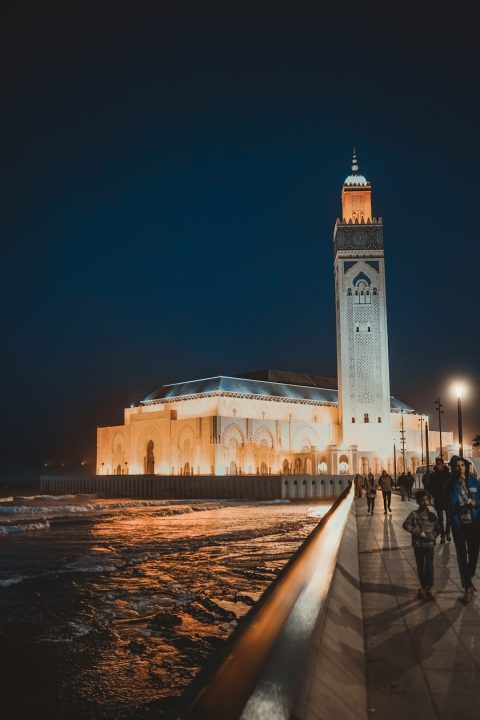
A scenic 10-kilometer coastal promenade offering views of the Atlantic Ocean and sandy beaches. Perfect for leisurely walks, sunset viewing, and beach activities. The corniche includes numerous cafes, restaurants, and water sports facilities. Stretches from Hassan II Mosque northward with modern and traditional beachfront sections.
Tips for Landmarks & Monuments
- Visit Hassan II Mosque courtyard in late afternoon for best photography light
- Best time to explore the medina is early morning before crowds arrive
- Wear comfortable walking shoes for navigating narrow medina streets
- The corniche is particularly beautiful at sunset
Art, culture, and history museums showcasing Moroccan heritage and contemporary work
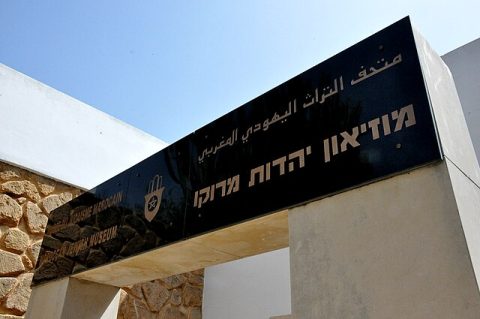
The only museum dedicated to Jewish Moroccan heritage in the world, featuring artifacts, textiles, and documents spanning centuries. Exhibits showcase the rich cultural contributions of Moroccan Jews. Located in the Ain Chock neighborhood with guided tours available. Comprehensive collection of religious items, traditional dress, and historical photographs.
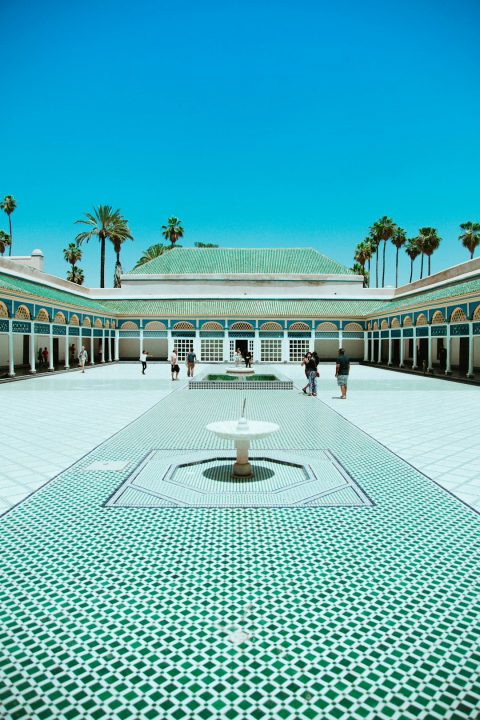
Contemporary art gallery featuring works by Moroccan and international artists. Rotating exhibitions showcase modern painting, sculpture, and mixed media. Located in the city center with elegant white-washed galleries. Focus on contemporary artistic expressions and emerging talents in North African art scene.
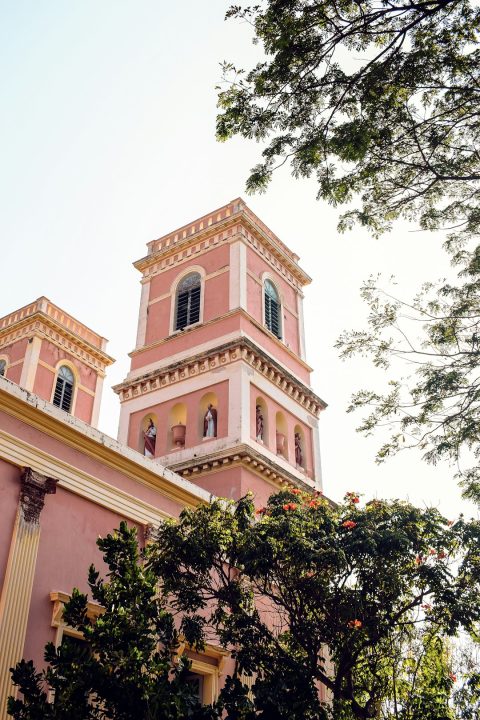
A cultural center and art museum housed in a former royal villa with modernist design. Exhibits contemporary Moroccan art, photography, and design. Multiple galleries on multiple floors showcase diverse mediums. Regular cultural events, workshops, and artist residencies. Beautiful courtyard with traditional Moroccan fountains.
Tips for Museums & Galleries
- Check opening hours before visiting as some galleries have limited schedules
- Guided tours enhance understanding of Moroccan Jewish history
- Photography policies vary by museum - ask permission before photographing
- Visit on weekday mornings for fewer crowds
Sacred spaces including the magnificent Hassan II Mosque and other spiritual sites
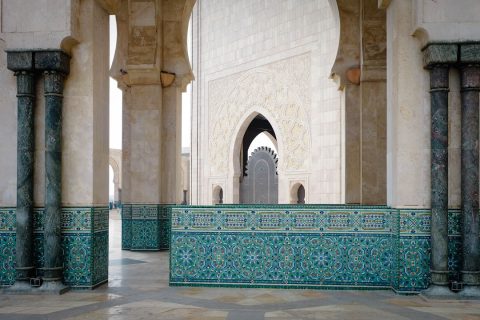
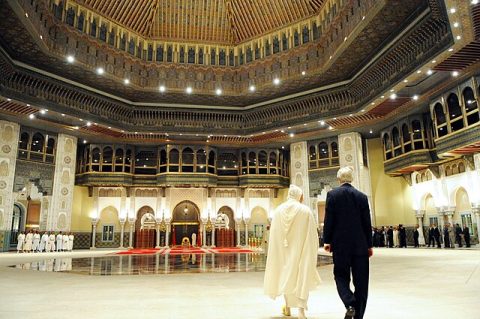
The massive open courtyard can accommodate 80,000 worshippers with retractable roof sections. Features intricate tilework (zellige) in traditional geometric patterns and carved cedarwood details. The ablution pools are fed by heated Atlantic seawater. Architectural masterpiece combining Islamic tradition with modern engineering and technology.
A white Art Deco style Catholic church built in the colonial era, featuring beautiful stained glass windows and elegant interior design. Located in the downtown area, it represents the multicultural heritage of Casablanca. Active parish with services and open to visitors during designated hours for viewing architecture.
A venerated Islamic shrine located on a rocky islet just offshore, accessible via a natural causeway at low tide. White-washed walls and green-tiled roofs create a striking appearance. Houses the tomb of a saint revered in Morocco. Pilgrimage site for Muslim devotees and unique architectural feature along the corniche.
Tips for Religious Sites
- Dress modestly when visiting religious sites (covered knees and shoulders)
- Remove shoes when entering prayer areas
- Non-Muslims cannot enter mosque prayer halls but courtyards are accessible
- Visit outside prayer times for better access to courtyards
Distinctive areas of Casablanca with unique character and atmosphere
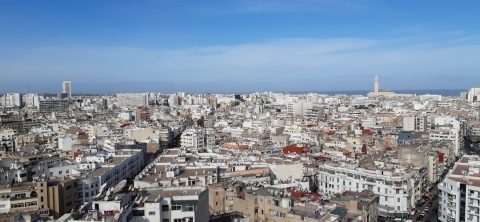
A French-designed neighborhood built in 1930s to expand the medina while maintaining traditional Moroccan architecture and urban planning. Features winding streets, arched passageways, and traditional souks selling carpets, crafts, and spices. Less touristy than old medina with authentic local life, residential courtyards, and traditional cafes. Great for shopping and experiencing genuine Moroccan culture.
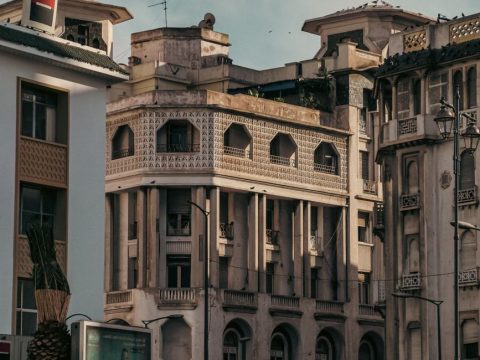
The modern downtown area featuring Art Deco and contemporary architecture. Home to modern shops, cafes, cinemas, and office buildings. Built during the French colonial period, it showcases early 20th-century European urban planning with wide avenues and residential buildings. Hub of commercial activity, dining, and entertainment with mix of traditional and modern establishments.
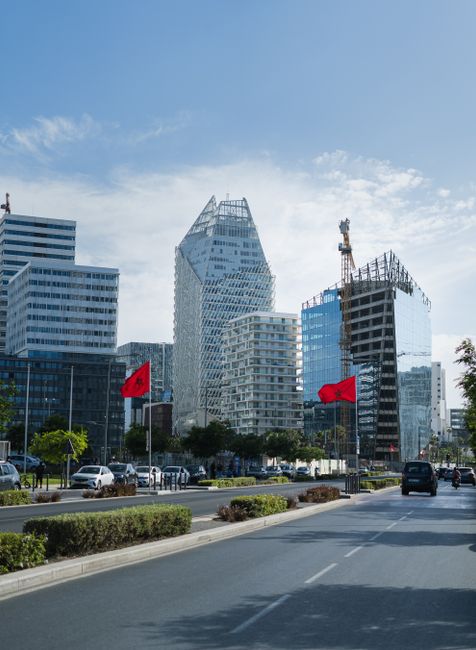
Affluent hillside neighborhoods offering panoramic views of the Atlantic Ocean and city. Features upscale villas, luxury hotels, and high-end restaurants. Anfa district is home to diplomatic residences and wealthy merchants. Beautiful tree-lined streets with modern architecture and manicured gardens. Popular for sunset views and evening strolls.
Tips for Neighborhoods & Districts
- Habous Quarter is best explored on foot with comfortable shoes
- Bargaining is expected in Habous souks - negotiate respectfully
- Nouvelle Ville has better restaurants and modern amenities
- Take a taxi or car to Anfa district as it's spread across hills
Green spaces and gardens offering respite from urban activity
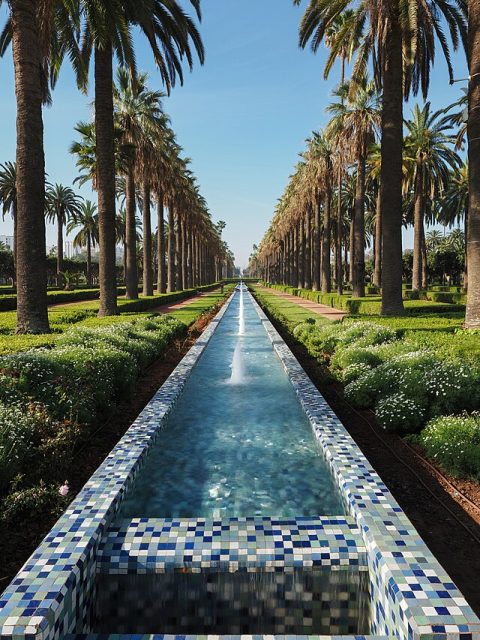
The largest public park in Casablanca featuring extensive green spaces, walking paths, and recreational areas. Includes gardens, fountains, and shaded seating areas perfect for relaxation and picnics. Modern amenities with playgrounds for children. Popular gathering place for locals during weekends. Well-maintained landscapes with native plants and tree-lined avenues.
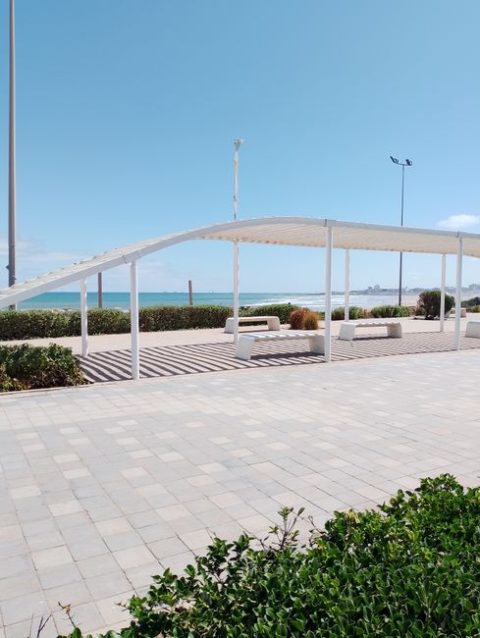
A sandy beach along the Atlantic coast with modern beach facilities including lifeguards and water sports rentals. Backed by a pleasant promenade with cafes and restaurants. Popular with locals and tourists for swimming, sunbathing, and beach activities. Gradually shelving sandy bottom suitable for families. Clean facilities and nearby parking.
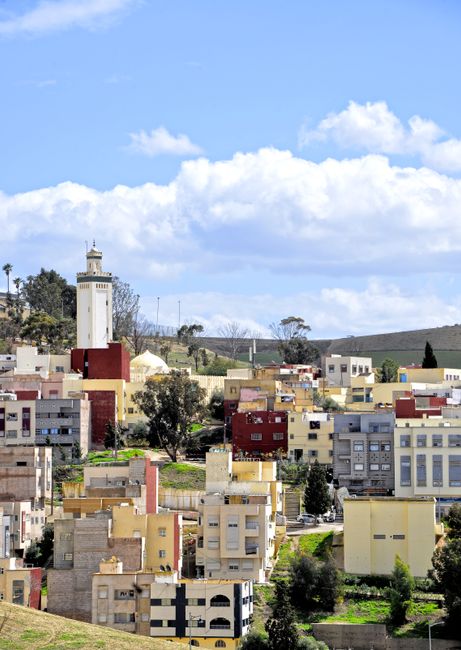
An urban park with sculpture gardens and modern landscaping. Features contemporary art installations and botanical displays. Quiet alternative to busier parks with walking trails through themed garden areas. Benches and shaded areas throughout. Hosts occasional cultural events and art exhibitions.
Tips for Parks & Gardens
- Parks are best visited in early morning or late afternoon to avoid heat
- Bring water and sun protection when spending time outdoors
- Maâmoura Beach is family-friendly with good safety standards
- Local food vendors in parks offer authentic snacks and drinks
Important public spaces and thoroughfares that define the city's character
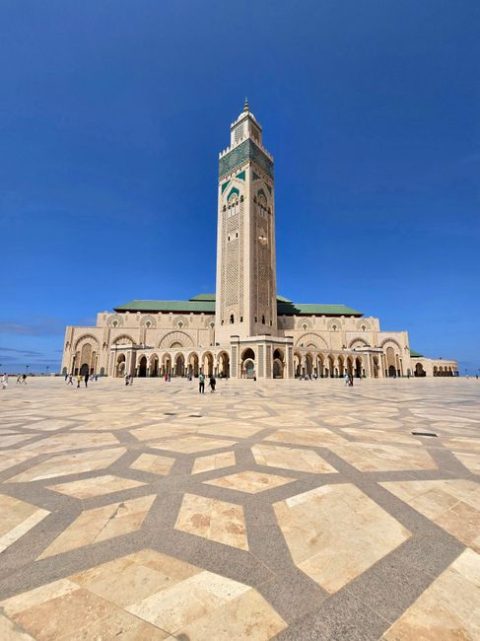
The main civic square surrounded by important government and cultural buildings including the Town Hall and Law Courts. Features impressive colonial architecture from the 1920s and manicured gardens with fountains. Open plaza used for public gatherings and celebrations. Excellent example of French urban planning with symmetrical design and architectural harmony.
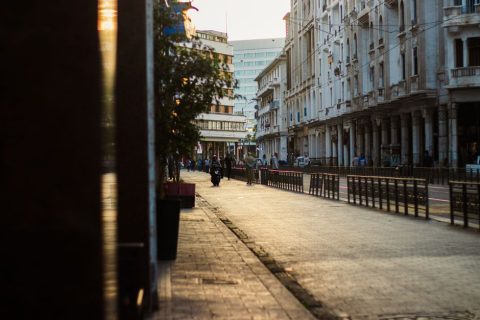
The scenic seaside boulevard stretching 10 kilometers along the Atlantic coast offering stunning ocean views and access to beaches. Lined with restaurants, cafes, nightclubs, and hotels. Perfect for leisurely walks, cycling, or driving with Atlantic breeze and sunset views. Mix of modern facilities and traditional establishments catering to tourists and locals.
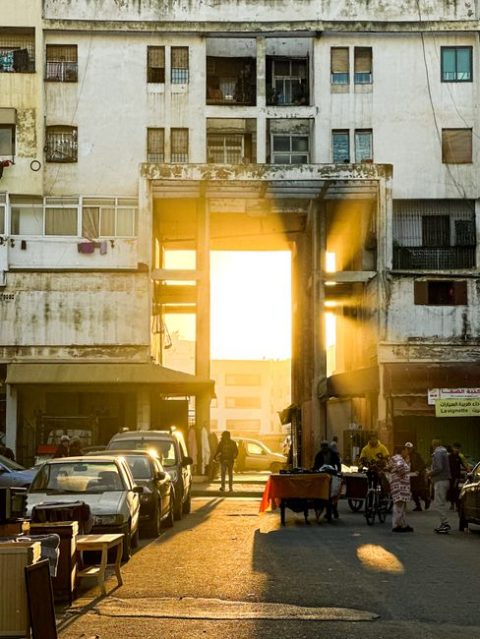
A bustling pedestrian street in the medina filled with traditional shops, vendors, and market stalls. Selling textiles, spices, crafts, and local merchandise. Narrow cobblestone street with Arabic and French signage. Authentic sensory experience with aromas of spices and sounds of merchants. Packed with activity especially in mornings.
Tips for Squares & Streets
- Place Mohammed V is best visited during daytime for photography
- Walk the corniche at sunset for spectacular views and cooler temperatures
- Rue Driba is crowded in mornings - visit early for best experience
- Watch for pickpockets in crowded market streets
Guided experiences and activities for exploring Casablanca
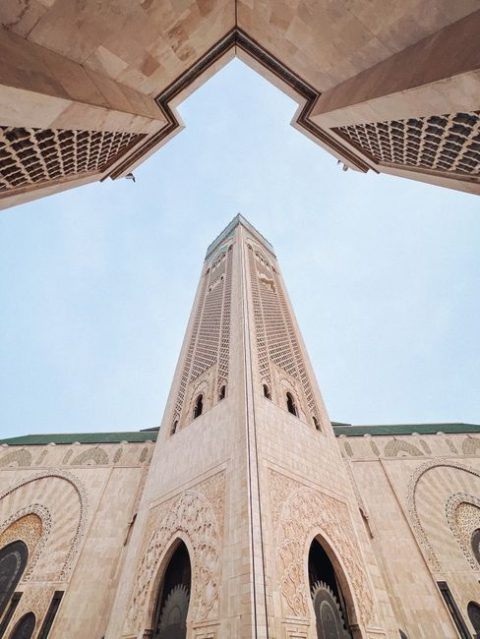
Official guided tours of Hassan II Mosque courtyard and exterior with guides providing detailed information about architecture and Islamic significance. Tours explain the intricate tilework, calligraphy, and architectural innovations. Access to areas not visible to casual visitors. Tours available in multiple languages with knowledgeable guides discussing design symbolism and construction details.
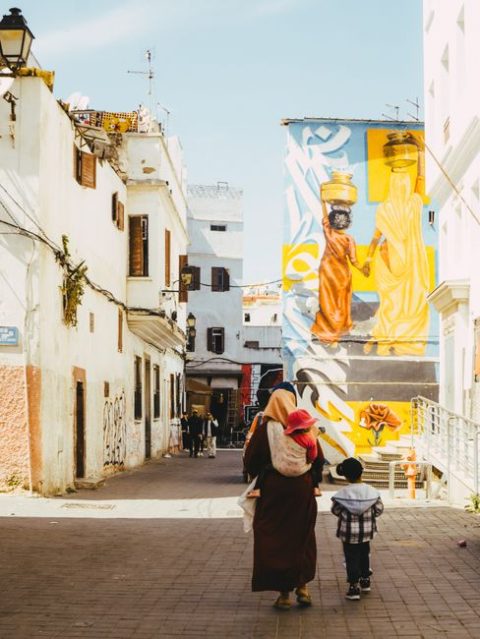
Guided walking tours through the historic medina with knowledgeable local guides explaining history, architecture, and culture. Explore hidden alleyways, traditional shops, and authentic souks. Learn about daily life in traditional neighborhoods and shopping customs. Tours typically 2-3 hours and can be customized for interests. Guides provide context on historical significance and local traditions.
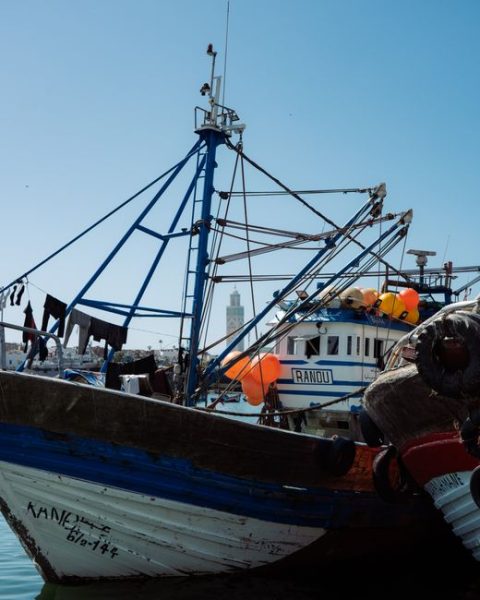
Scenic boat tours departing from the Casablanca harbor offering views of the coastline, Hassan II Mosque from the sea, and fishing activities. Observe local fishermen and marine life during the journey. Tours typically 1-2 hours with opportunity to see the city skyline from the water. Some tours include fishing experiences or sunset cruises.

Learn to prepare traditional Moroccan seafood dishes in hands-on cooking classes held in local kitchens or cooking schools. Instructors teach preparation techniques, spice combinations, and traditional recipes. Includes market tour to select fresh ingredients, cooking instruction, and meal tasting. Classes available in various languages and dietary accommodations offered. Typically 3-4 hours.
Tips for Tours & Activities
- Book tours in advance through reputable companies or hotels
- Morning tours offer cooler temperatures and fewer crowds
- Wear comfortable shoes for walking tours through medinas
- Bring sun protection and water for outdoor activities
Nearby destinations easily accessible from Casablanca
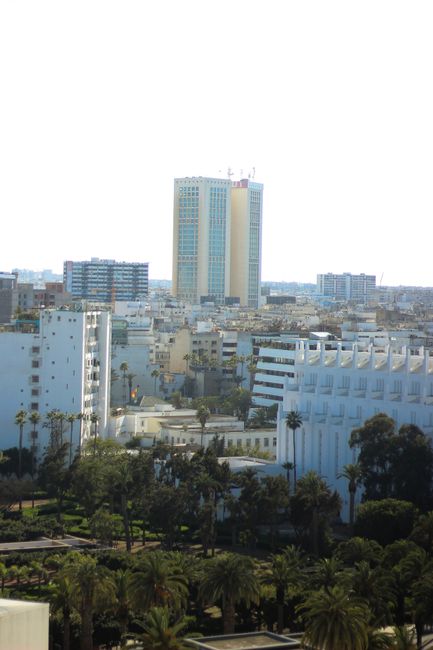
Morocco's capital located just 90 kilometers north of Casablanca featuring the stunning Kasbah of the Udayas, Hassan Tower, and Mausoleum of Mohammed V. Explore the medina, modern neighborhoods, and Atlantic beaches. Palace grounds and archaeological museums showcase Islamic art and culture. Easy train or bus connections from Casablanca for half-day or full-day excursions.
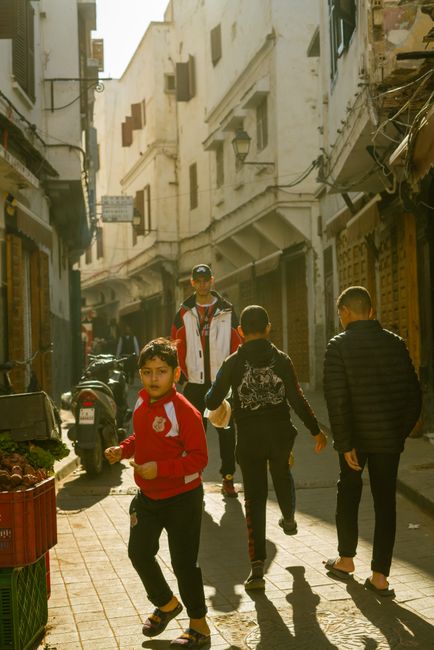
Morocco's most visited destination 240 kilometers south famous for vibrant Jemaa el-Fnaa Square, stunning palaces, and desert views. Explore bustling souks, beautiful gardens, and traditional riads. Located near the Atlas Mountains and Sahara Desert for extended excursions. Easy train or bus connections from Casablanca for overnight trips or longer stays.
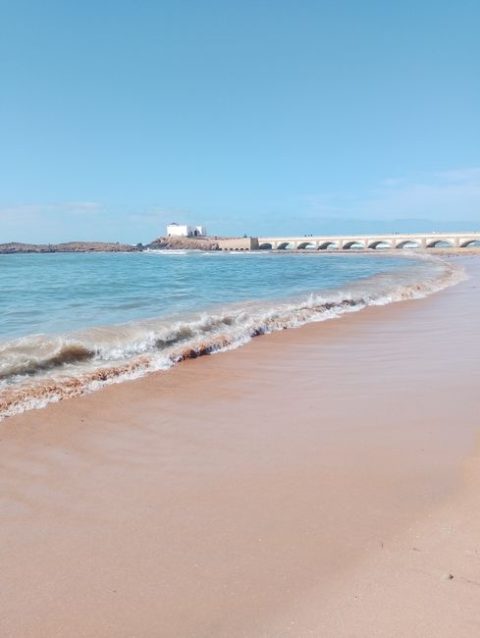
A picturesque seaside town 320 kilometers southwest known for beautiful beaches and fresh seafood. Features the historic medina, Portuguese fortifications, and vibrant fishing port. Famous for windsurfing and water sports with sandy beaches and coastal charm. Day trips available via direct train from Casablanca (about 3 hours). Excellent for beach days and seafood dining.
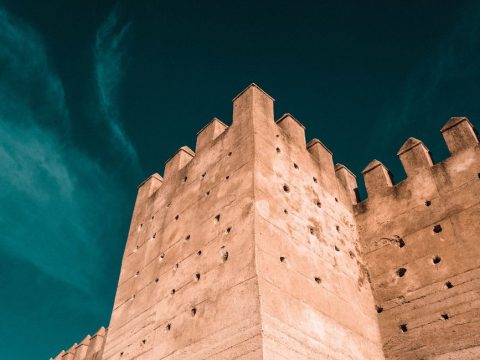
One of Morocco's oldest and most important cities, 470 kilometers southeast featuring one of the world's oldest universities and UNESCO-listed medina. Ancient tanneries, labyrinthine souks, and Islamic architecture. World's largest car-free zone with traditional crafts and artisans. Accessible via train or car for overnight or multi-day trips exploring medieval Islamic culture.
Tips for Day Trips & Excursions
- Train travel is efficient and comfortable between major cities
- Early morning departures allow full-day exploration
- Rabat makes ideal half-day trip via train (just 45 minutes)
- Book overnight accommodations in advance during peak seasons
Real, highly-rated Restaurants in Casablanca, sourced from Google Places (rating above 4★).
Table III is a highly-rated restaurant in Casablanca, rated 4.9★ from 230 reviews. Located at 4 Av. de la Côte d'Emeraude, Casablanca, Morocco.
Opening Hours
- Monday: 7:30 – 11:00 PM
- Tuesday: 12:30 – 3:00 PM, 7:30 – 11:00 PM
- Wednesday: 12:30 – 3:00 PM, 7:30 – 11:00 PM
- Thursday: 12:30 – 3:00 PM, 7:30 – 11:00 PM
- Friday: 12:30 – 3:00 PM, 7:30 – 11:00 PM
- Saturday: 12:30 – 3:30 PM, 7:30 – 11:00 PM
- Sunday: Closed
L'OCTAVE is a highly-rated restaurant in Casablanca, rated 4.9★ from 261 reviews. Located at 6 Rue Michel Ange, Casablanca 20250, Morocco.
Opening Hours
- Monday: 6:30 PM – 2:00 AM
- Tuesday: 6:30 PM – 2:00 AM
- Wednesday: 6:30 PM – 2:00 AM
- Thursday: 6:30 PM – 2:00 AM
- Friday: 6:30 PM – 2:00 AM
- Saturday: 6:30 PM – 2:00 AM
- Sunday: Closed
Olive Tree Café-Restaurant is a highly-rated restaurant in Casablanca, rated 4.9★ from 4020 reviews. Located at Marina Shopping Center, Casablanca, Morocco.
Opening Hours
- Monday: 8:00 AM – 11:00 PM
- Tuesday: 8:00 AM – 11:00 PM
- Wednesday: 8:00 AM – 11:00 PM
- Thursday: 8:00 AM – 11:00 PM
- Friday: 8:00 AM – 11:00 PM
- Saturday: 8:00 AM – 11:00 PM
- Sunday: 8:00 AM – 11:00 PM
Explore Casablanca on the Map
April-May and September-October offer the best weather with temperatures around 18-24°C (64-75°F) and minimal rainfall. These shoulder seasons avoid summer crowds and heat.
Summer (June-August): Hot with temperatures reaching 25-30°C (77-86°F), crowded with tourists, but ideal for beach activities and water sports. Lower accommodation rates in June and September.
Winter (November-March): Mild temperatures 10-18°C (50-64°F) with occasional rain. December-January can be damp and cloudy, but fewer tourists and lower prices. Excellent for sightseeing without heat.
Avoid Ramadan if you prefer normal dining times, as many restaurants close during fasting hours, though the month offers unique cultural experiences.
Taxis: Abundant and inexpensive, metered white petit taxis for short distances (4-5 dirhams minimum) and larger grand taxis for longer routes. Always ensure meters are running or agree on fares beforehand.
Buses: CTM and ALSA offer comfortable long-distance buses to other Moroccan cities. City buses (Cartem) serve Casablanca neighborhoods for 5-10 dirhams.
Trains: ONCF trains connect Casablanca to Rabat (45 min), Fes (5 hours), and Marrakech (3.5 hours) from the main train station. Comfortable and reliable with dining cars on longer routes.
Rental Cars: Available from international companies at the airport. Driving requires international license and adapting to local traffic patterns. Parking available throughout the city though often limited.
Walking: Medina and downtown areas best explored on foot. Wear comfortable shoes and stay alert in crowded areas.
Airport Transfers: Marrakech Menara Airport is 20 km south. Taxis, shuttle buses, and car rentals available. About 30-45 minutes by road from city center.
✈️ Airport Transfer
Mohammed V International Airport (CMN) to city center:
- Al Bidaoui Train (ONCF): Direct rail service to Casa Voyageurs station in about 35 minutes, roughly 43 MAD one-way
- CTM Airport Bus: Scheduled coach service to city center in around 45 minutes, about 30 MAD
- Petit Taxi or Grand Taxi: Metered or fixed-fare ride to downtown Casablanca in 25-30 minutes, typically 250-300 MAD
- Private Transfer: Pre-booked car with driver to your hotel in about 30 minutes, roughly 350-450 MAD
Traditional Souks: Old Medina and Habous Quarter feature authentic shops selling leather goods, carpets, textiles, metalwork, and ceramics. Bargaining is expected and part of the cultural experience. Start at 50-60% of asking price and negotiate respectfully.
Spice Markets: Purchase authentic Moroccan spices including saffron, cumin, cinnamon, and Ras el Hanout (spice blend). Buy from reputable vendors for quality assurance.
Handicrafts: Handmade items include Moroccan slippers (babouches), tagine pots, brass items, and wood carvings. Supports local artisans when purchased directly from makers.
Modern Shopping: Casablanca Twin Center and other malls offer international brands and modern shopping. Boulevard de la Corniche has upscale boutiques and restaurants.
Flea Markets: Sunday morning markets feature vintage items, antiques, and secondhand goods at negotiable prices. Popular with locals and tourists seeking unique finds.
Argan Oil: Cosmetic and food-grade argan oil from Moroccan cooperatives. Verify authenticity and origin for best quality.
Casablanca Festival of Popular Arts (May): Annual celebration featuring traditional music, dance, theater, and cultural performances throughout the city.
Casablanca Jazz Festival (October): International jazz event attracting renowned musicians. Held at various venues with ticket information available online.
Moussem of Moulay Abdessalam Ben Mchich (August): Religious pilgrimage festival honoring a saint with traditional celebrations, processions, and local gatherings.
Ramadan (Varies - Islamic calendar): Month-long Islamic observance with modified business hours, evening festivities after sunset, and special foods. Eid al-Fitr celebrates month's end with public holidays and family gatherings.
New Year & National Holidays: January 1 (New Year), January 11 (Independence), May 1 (Labour Day), July 30 (Throne Day), August 21 (Revolution), September 21 (Youth Day), November 6 (Green March). Many shops and attractions have modified hours.
Eid al-Adha (Islamic calendar): Major Islamic holiday with public celebrations, family gatherings, and special markets. Public holidays with many businesses closed for several days.
Day 1: Hassan II Mosque & Medina Exploration
Morning: Visit Hassan II Mosque exterior and courtyard (if non-Muslim) or book official guided tour. Take photos from the surrounding plaza overlooking the Atlantic Ocean. Explore the neighboring Old Medina winding streets and traditional shops.
Afternoon: Lunch at a medina restaurant with traditional Moroccan tagine. Continue exploring souks and purchasing spices, textiles, or handicrafts. Bargain at market stalls for authentic souvenirs.
Evening: Sunset walk along the Corniche boulevard. Dinner at a waterfront restaurant with ocean views. Relax at a traditional café with mint tea.
Day 2: Habous Quarter & Cultural Sites
Morning: Explore Habous Quarter (New Medina) less touristy medina with traditional architecture. Visit the Grand Mosque and shopping areas selling carpets and handicrafts. Less crowded than Old Medina with authentic atmosphere.
Afternoon: Museum of Moroccan Judaism (book in advance) showcasing unique cultural heritage. Rest at a café in Nouvelle Ville downtown area. Visit modern shops and galleries along Boulevard de la Corniche.
Evening: Dinner in Nouvelle Ville at upscale or traditional restaurant. Evening stroll through Place Mohammed V illuminated at night.
Day 3: Beaches & Relaxation
Morning: Beach day at Maâmoura or Ain Diab with swimming, sunbathing, and water sports. Rent sunbeds and umbrellas from beach vendors. Enjoy fresh seafood at beachfront café.
Afternoon: Walk the Corniche promenade for scenic ocean views. Visit an upscale neighborhood (Anfa) for afternoon tea at a sophisticated café with panoramic views.
Evening: Sunset viewing from Corniche. Dinner at casual beachfront restaurant or fish restaurant serving daily catch.
Day 4: Day Trip to Rabat
Morning: Train to Rabat (45 minutes). Visit Kasbah of the Udayas medina with ocean views. Explore Hassan Tower archaeological site and Mausoleum of Mohammed V with stunning architecture.
Afternoon: Rabat Museum of Moroccan Arts and History. Stroll through Rabat's medina for shopping and cultural immersion. Visit local cafés for mint tea.
Evening: Return train to Casablanca. Casual dinner and evening rest.
Day 5: Art & Modern Culture
Morning: Villa des Arts contemporary art museum with rotating exhibitions and cultural events. Browse modern Moroccan and international artwork.
Afternoon: Arab League Park for relaxation and walking. Lunch at park café. Visit modern shopping malls for contemporary retail and dining options.
Evening: Cooking class to learn Moroccan cuisine (book in advance) or gourmet dinner at highly-rated restaurant. Experience local food culture and culinary traditions.
Hassan II Mosque at Sunset: The mosque's white walls and blue tilework glow beautifully during golden hour (30 minutes before sunset). Position yourself on the corniche or plaza for the best angle. Evening light creates dramatic shadows on the minaret. Best December-February when sunset is earlier.
Old Medina Streets: Narrow winding streets with traditional blue doors and whitewashed walls create perfect Instagram moments. Shoot early morning before crowds for cleaner compositions. Doorways, textiles, and spice vendors provide colorful shots. Ask permission before photographing people.
Corniche at Sunset: The long waterfront boulevard offers unobstructed views of the setting sun over the Atlantic. Arrive early to secure viewing spots along the promenade. Street vendors, cafés, and pedestrians add human interest. Golden hour (last 30 minutes before sunset) provides best lighting.
Sidi Abderrahman Zaouia: The white shrine on the rocky island creates striking contrast against blue sky and sea. Photograph from the corniche or causeway at different times of day. Best shots in morning light or late afternoon. Dramatic during stormy weather.
Place Mohammed V: Elegant colonial architecture surrounding manicured plaza with fountains. Shoot during morning or late afternoon for side-lighting on buildings. Night photography captures beautiful building illumination. Symmetrical compositions work well here.
Market Scenes in Medina: Colorful spice piles, textile vendors, and local merchants provide vibrant street photography. Shoot during morning hours when light penetrates into alleyways. Portrait photography of merchants and locals (with permission) captures authentic culture.
Anfa Neighborhood Views: Panoramic city views overlooking Hassan II Mosque and the Atlantic Ocean from hillside vantage points. Best at golden hour for warm light and clear visibility. Residential architecture and tree-lined streets provide scenic compositions.
Voltage & Frequency: Morocco uses 220V, 50Hz electrical supply. Power sockets are the European two round-pin plugs (Type E/F, Schuko), standard throughout Europe and compatible with many other countries.
Plug Types: Primary plug type is Type E (French) or Type F (Schuko). Both use two round pins and are identical electrically. Older buildings might have Type C (two round pins without earth) but Type E/F are now standard in modern establishments.
Voltage Converters: US devices (110-120V) require step-down converters or dual-voltage devices. Check your device labeling: if it states 110-240V, it's dual-voltage and only needs a plug adapter. UK, EU, and Australian travelers typically only need a plug adapter as their voltage matches Morocco's.
Plug Adapters: Essential for non-European travelers. Universal adapters work for Type E/F plugs. Available at airport shops, electronics stores, and hotels. Budget travelers should bring adapters from home as prices are higher locally.
Power Stability: Electricity is generally reliable in urban areas. Occasional power dips in older buildings or neighborhoods. Use surge protectors for sensitive electronics. Brown-outs rare but possible during high-demand periods. Batteries recommended for small devices.
Where to Buy: Electronics shops (Marjane, Carrefour), airport duty-free, and larger hotels sell adapters and converters. Supermarkets typically don't carry adapters. Prices higher than online ordering.
Must-Try Dishes:
Moroccan Tagine: Slow-cooked stew in traditional cone-shaped pot. Meat (chicken, lamb, beef) or vegetarian with dried fruits, nuts, and aromatic spices. Top dishes include lamb with prunes and almonds, chicken with preserved lemons. Served with bread for dipping. Universal comfort food throughout Morocco.
Couscous: Semolina granules topped with meat, vegetables, and rich broth. Usually served Friday lunch. Couscous Royale features multiple meats and vegetables. Lighter fish couscous available in coastal areas. Simply seasoned varieties with just vegetables available.
Pastilla (B'stilla): Crispy phyllo pastry filled with shredded chicken, almonds, and fragrant spices, dusted with powdered sugar and cinnamon. Sweet-savory combination is uniquely Moroccan. Occasionally made with seafood or vegetables. Served as appetizer or light meal.
Seafood Specialties: Fresh grilled fish prepared whole or filleted. Shrimp and octopus common in Casablanca near coast. Harira fish soup traditional during Ramadan. Prepared simply with lemon, olive oil, and spices to highlight freshness. Seaside restaurants offer excellent preparations.
Soup & Bread: Harira (spiced tomato-lentil soup) served with dates during Ramadan or anytime. Traditional round bread (khobz) baked daily in communal ovens. Amlou (argan spread with almonds and honey) on breakfast bread. Bread perfect for soaking up tagine broths.
Sweets & Desserts: Moroccan pastries filled with marzipan, dates, or custard, drizzled with honey and sprinkled with pistachios. Cinnamon rolls and almond-filled croissants at cafés. Ice cream available in many flavors. Mint tea and Moroccan coffee standard with meals.
Drinks: Fresh-squeezed orange juice abundant and inexpensive. Mint tea (atay) served throughout day, essential in Moroccan culture. Coffee traditionally prepared in a special pot and served in small glasses. Avoid tap water; purchase bottled water widely available. Street vendors sell fresh juice and smoothies.
Dining Tips: Lunch is main meal (1-3 PM), dinner later (8-10 PM). Bargain with restaurant owners for best prices in medinas. Tipping 10-15% expected at restaurants. Fast food (merguez sandwiches, kebabs) available from street vendors. Eating with right hand respectful in traditional settings. Alcohol available in many restaurants (non-alcoholic beverages served at traditional establishments).
Tourist Passes
Casablanca Visitor Pass
Comprehensive pass offering discounts at major attractions including Hassan II Mosque tours, museums, restaurants, and shops. Valid 1-3 days with flexible options. Typically includes free or discounted entry to 10+ attractions and restaurant vouchers. Purchased at hotels, tourist information centers, or online. Savings typically 20-30% off full prices if visiting multiple sites.
www.visitmorocco.comMuseum Pass Morocco
National pass valid at major museums throughout Morocco including Casablanca museums. Valid 3 or 7 days with unlimited entry. Covers Museum of Moroccan Judaism, Villa des Arts, and participating galleries. Priority entry and skip-the-line access at most venues. Usually 30-50% savings if visiting 3+ museums. Available online or in-person at museum entrances.
www.visitmorocco.comMorocco Rail Pass
Train pass for unlimited travel on ONCF trains throughout Morocco. Flexible options for 3, 5, or 8 days within 15 days. Perfect for visiting Rabat, Marrakech, and Fes from Casablanca base. Includes first-class seating on most trains. Significant savings if taking multiple train journeys. Valid consecutive or non-consecutive days. Book in advance online for best rates.
www.oncf.maAdventure Activity Packages
Bundled packages including medina tours, cooking classes, boat trips, and day excursions. Operators offer custom packages for 2-5 days with accommodation and meals included. Typically 10-15% cheaper than booking separately. Group discounts available for 4+ people. Local tour operators provide authentic experiences with knowledgeable guides. Book through reputable companies with reviews.
www.visitmorocco.com