Things to do in Marrakech
Iconic structures that define Marrakech's skyline and heritage, from towering minarets to historic fortifications
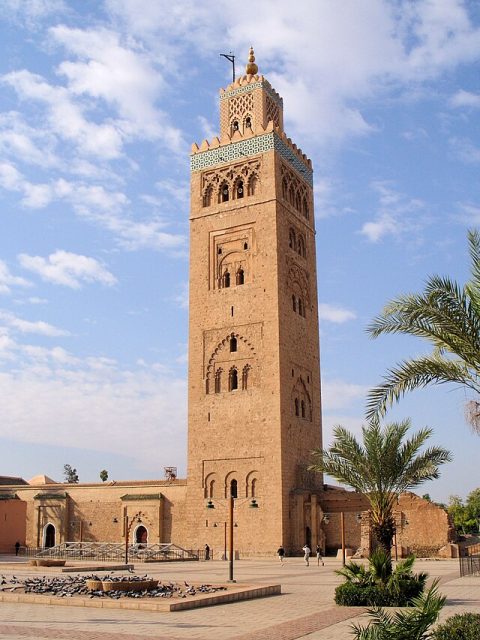
The largest mosque in Marrakech with its iconic 77-meter minaret visible from across the city. Built in the 12th century, this architectural masterpiece blends Almohad and Moroccan design. The mosque is a symbol of Marrakech and is beautifully illuminated at night. Non-Muslims cannot enter the interior, but the exterior and surrounding gardens are accessible.
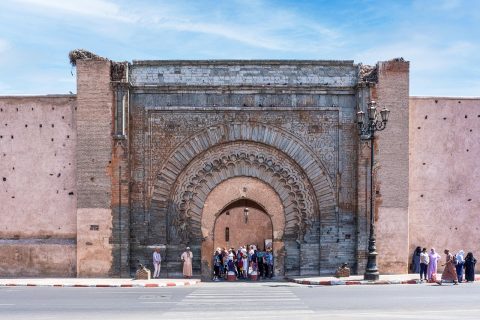
One of Marrakech's most photographed monuments, this ornate gate features stunning green tile work and intricate carvings. Dating back to the 12th century, it served as an entrance to the royal palace. The gate's honey-colored sandstone and decorative patterns showcase traditional Moroccan architecture at its finest.
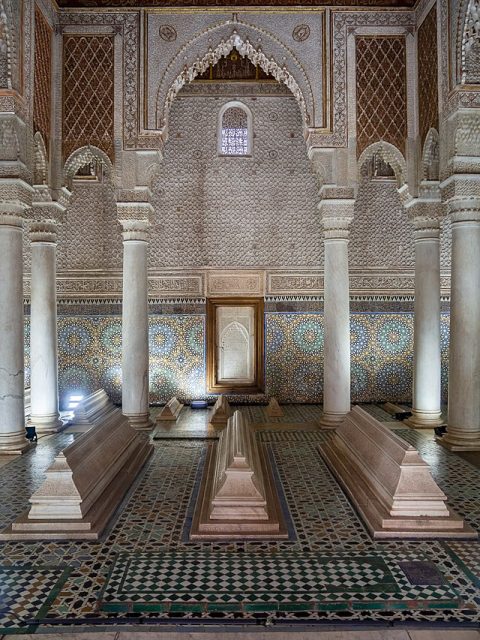
Hidden for centuries until their rediscovery, these ornate tombs date back to the 16th century and house Moroccan royal families and sultans. The intricate zellige tilework, carved cedar, and marble create an atmosphere of serene grandeur. The two main chambers contain stunning geometric patterns and calligraphic inscriptions.
Tips for Landmarks & Monuments
- Visit Koutoubia Mosque at sunset for stunning photography
- Wear modest clothing when visiting religious sites
- Early morning visits avoid crowds at major monuments
- Purchase a Marrakech City Pass for discounted entry to multiple sites
Collections showcasing Moroccan art, history, and culture in beautifully restored palaces and contemporary spaces
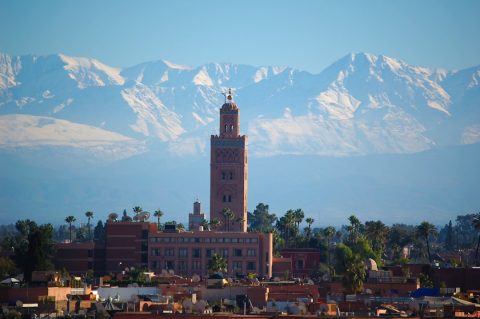
A stunning 19th-century palace that was once the residence of a powerful vizier. With over 150 rooms featuring exquisite decorations, the palace showcases intricate zellige tilework, carved cedar, and painted ceilings. Visitors can explore the harem, courtyard, and richly decorated salons. The architecture represents the pinnacle of Moroccan craftsmanship.
Housed in a beautifully renovated Moroccan riad, this museum features traditional Berber artifacts, textiles, and jewelry. The collection includes historic photographs, pottery, weapons, and everyday items that illuminate Berber culture. The museum building itself is architecturally significant with its ornate decorations and peaceful central courtyard.
A private museum displaying Moroccan and Saharan art, jewelry, carpets, and crafts collected over decades. The riad houses an extraordinary collection of traditional textiles, leather goods, and decorative items arranged in ethnographic displays. The building's traditional architecture complements the cultural artifacts within.
Tips for Museums & Galleries
- Museum tickets are inexpensive (30-60 MAD); combine visits for better value
- Many museums close during midday; plan morning or late afternoon visits
- Photography may be restricted in some exhibits
- Hire a guide for deeper cultural insights into displays
Sacred spaces that reflect Morocco's Islamic heritage and spiritual significance
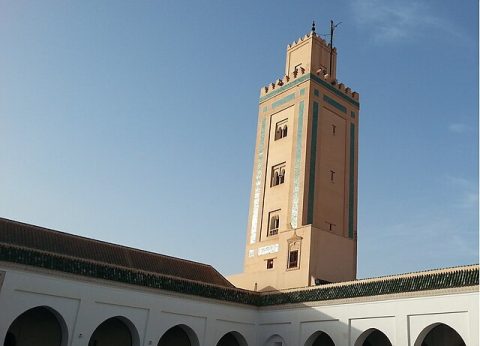
One of the largest mosques in the Maghreb, featuring a stunning minaret with zellige tilework and a massive prayer hall. Built in the 12th century and expanded over centuries, it showcases remarkable Islamic architecture with its carved cedar doors and decorated columns. The minaret is visible from across the city and is particularly beautiful when illuminated at night.
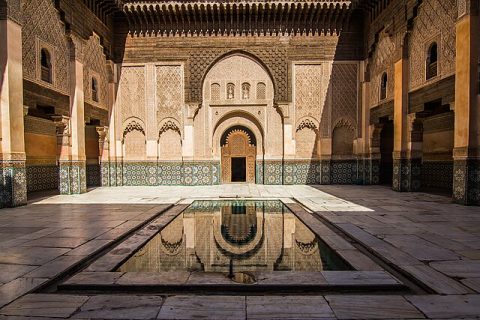
Adjacent to the mosque, this 16th-century Islamic school displays extraordinary geometric tilework and carved plaster. The intricate courtyard and decorated student chambers demonstrate the height of Moroccan architectural craftsmanship. Every surface features precise geometric patterns and calligraphic inscriptions in a mesmerizing display of Islamic art.
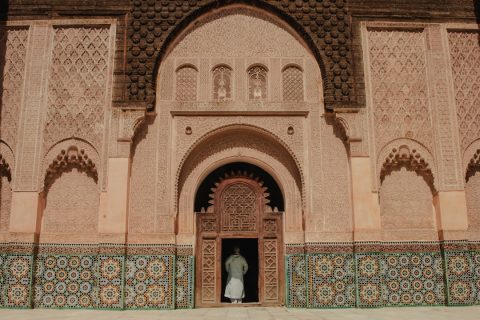
A sacred shrine dedicated to a venerated saint, this site attracts pilgrims year-round. The whitewashed sanctuary features traditional Islamic architecture with a central courtyard and decorated prayer hall. The tomb is an important spiritual center and offers insight into Moroccan devotional practices and local religion.
Tips for Religious Sites
- Remove shoes when entering religious sites
- Dress respectfully with covered shoulders and knees
- Women should wear headscarves; some are provided at entrances
- Non-Muslim visitors cannot enter prayer halls during prayer times
- Photography may be prohibited; always ask permission
Archaeological treasures and historic structures that reveal Marrakech's layered past
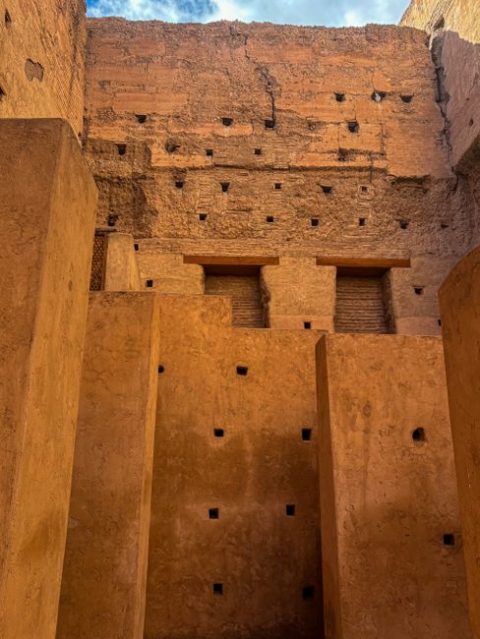
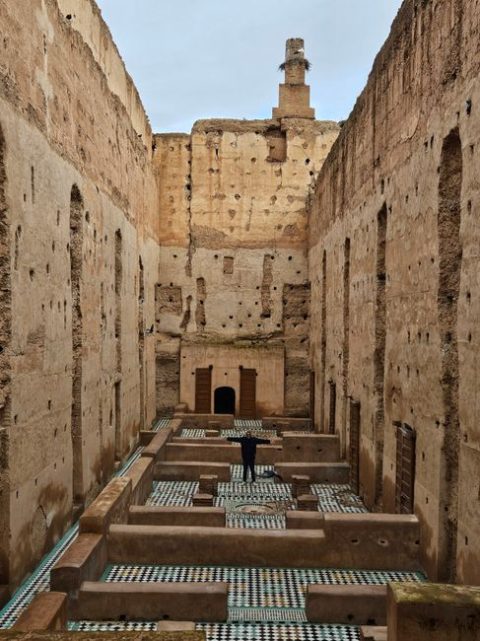
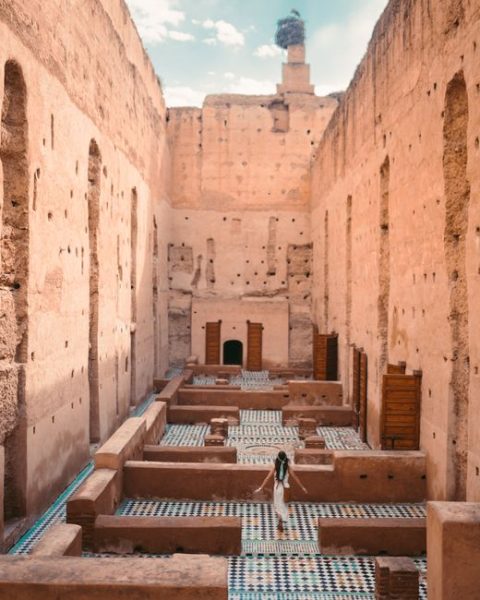
Built in the 12th century, this fortified palace complex once served as a royal residence. The impressive crenellated walls and gates showcase military architecture alongside palatial quarters. Though partially ruined, the remaining structures provide insight into medieval Moroccan palace design. The surrounding gardens and courtyards remain beautiful even in their current state.
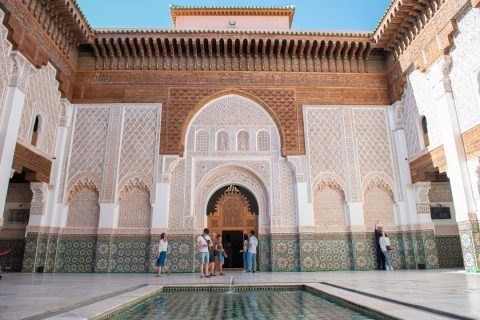
Restored traditional riads (palace houses) function as museums showcasing domestic life in medieval Marrakech. These beautifully preserved homes feature central courtyards, carved wooden ceilings, tilework, and furnished rooms. The riads demonstrate the architectural innovation and interior design aesthetics of wealthy Moroccan families over centuries.
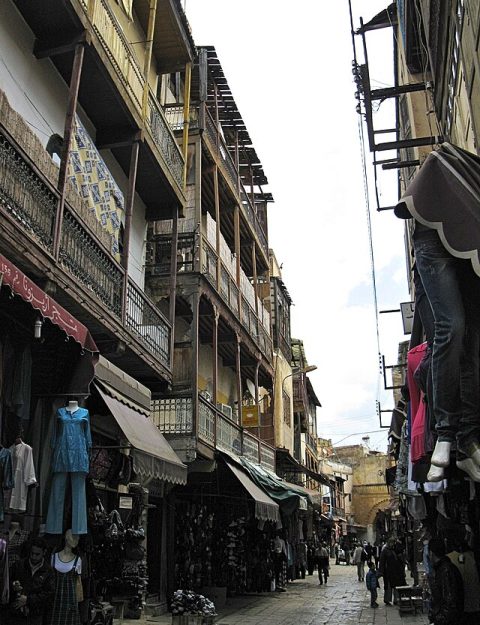
The historic Jewish quarter preserves traditional residential architecture and narrow winding streets that tell stories of Morocco's Jewish heritage. Ancient synagogues and schools can be found within the community spaces. This neighborhood offers visitors a glimpse into the multicultural history of Marrakech and the important role Jewish communities played in Moroccan society.
Tips for Ancient & Historical Sites
- Hire a local guide for deeper historical context
- Visit early morning to avoid afternoon heat and crowds
- Wear comfortable walking shoes for narrow medina streets
- Photography opportunities are abundant but ask before photographing people
Vibrant public spaces that pulse with life, culture, and authentic Moroccan experience
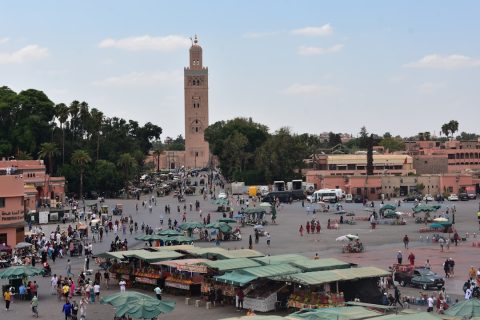
The iconic heart of Marrakech, this UNESCO-listed square buzzes with snake charmers, acrobats, musicians, food stalls, and merchants. By day it's an open-air market; by night it transforms into a dining destination with food vendors. The square represents authentic Moroccan culture and offers endless photo opportunities and sensory experiences. Expect crowds but embrace the vibrant chaos.
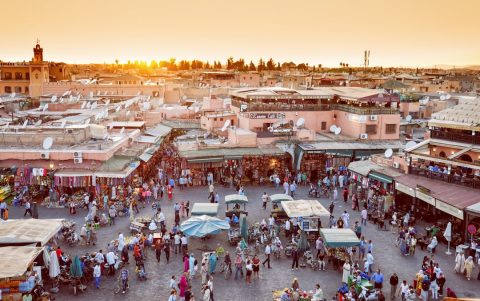
A labyrinthine network of covered and open-air markets selling spices, textiles, leather goods, metalwork, and souvenirs. Each souk specializes in different products: the Souk des Teinturiers for dyed fabrics, Souk des Babouches for slippers, Souk des Épices for spices. Getting lost in the souks is part of the experience; hidden gems and authentic shops await around every corner.
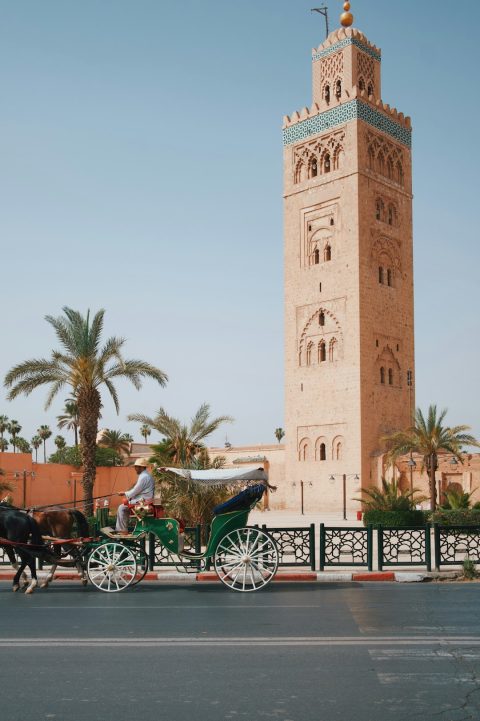
A charming medina street lined with traditional shops, cafes, and architectural gems offering a local perspective on garden design. This lesser-known gem features authentic landscaping without the tourist crowds of main squares. The garden provides insight into how Moroccan families design private outdoor spaces with functional plantings and aesthetic appreciation.
Tips for Squares & Streets
- Visit Jemaa el-Fnaa early morning for fewer crowds and better light
- Bring small bills for market transactions; haggling is expected
- Beware of pickpockets in crowded souks; secure valuables
- Street food is generally safe; eat where locals eat for authenticity
- Wear comfortable walking shoes and carry water
- Sunset in the square is magical with evening activities ramping up
Distinct districts each with unique character, from historic medinas to modern neighborhoods
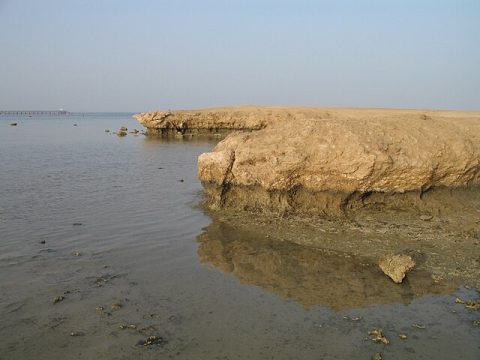
The historic heart of Marrakech, walled and maze-like, featuring traditional riads, souks, mosques, and narrow streets that haven't changed for centuries. The medina is where authentic Moroccan culture thrives with local residents, craftspeople, and merchants. Every corner reveals artistic details: zellige tilework, carved doors, ornate fountains. The medina requires time to explore and rewards wanderers.
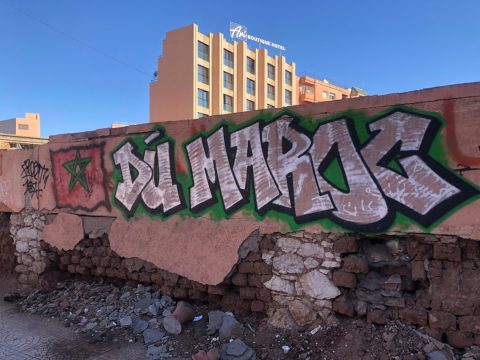
The modern district developed during the French protectorate, featuring contemporary architecture, cafes, restaurants, and galleries. Gueliz offers a different perspective on Marrakech with art galleries, boutique shops, and international dining. The neighborhood provides respite from medina crowds while maintaining authentic Moroccan hospitality and culture.
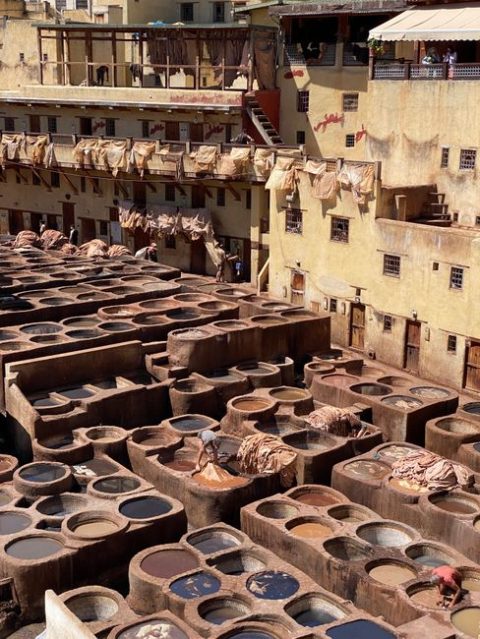
The modern extension of Marrakech with wider streets, contemporary shops, hotels, and restaurants. This district caters to contemporary tourism and international visitors. While less atmospheric than the medina, it offers convenience, modern amenities, and interesting examples of 20th-century urban planning. The neighborhood has grown significantly in recent decades.
Tips for Neighborhoods & Districts
- Stay in the medina for authentic atmosphere; modern areas feel generic
- Get a map or hire a guide for medina navigation
- Gueliz offers modern facilities when you need a break from medina intensity
- Each neighborhood has distinct restaurant and cafe scenes
- Evening walks reveal different character as locals emerge
Lush green spaces offering respite from urban hustle and showcasing Moroccan garden design
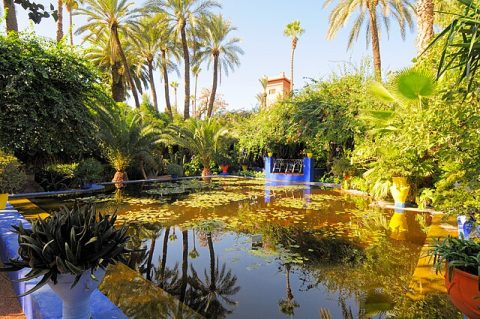
A stunning botanical garden featuring exotic plants, vibrant blue-painted structures, and ornamental water features. Created in the 1920s by French painter Jacques Majorelle and later owned by Yves Saint Laurent, the garden blends Art Deco design with Moroccan aesthetics. The azure blue buildings contrast strikingly with green plants and create exceptional photo opportunities. A museum honors YSL's connection to the space.
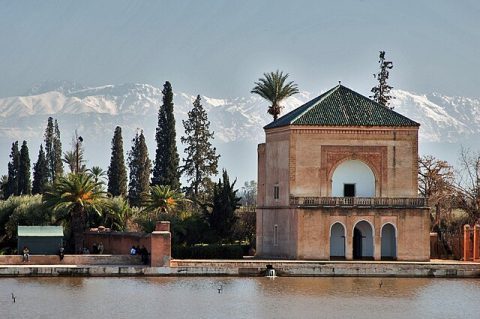
An expansive garden with a central reflecting pool, pavilion, and mountain views. Built in the 12th century, these gardens served royal families and now welcome visitors seeking peaceful respite. The olive groves and irrigated plantings demonstrate traditional Moroccan agricultural techniques. The backdrop of the Atlas Mountains creates memorable views, especially at sunset when the mountains glow.
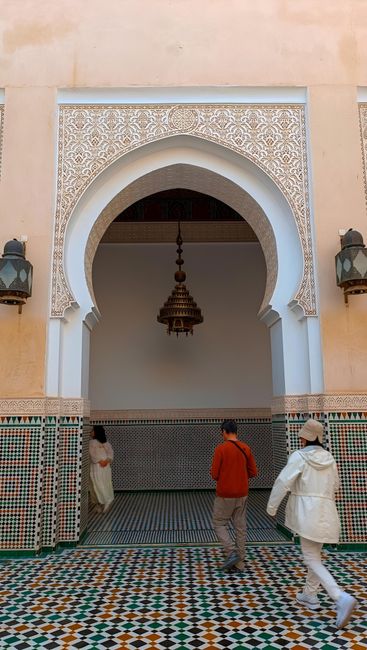
A traditional Moroccan garden with fruit trees, aromatic plants, and peaceful pathways offering a local perspective on garden design. This lesser-known gem features authentic landscaping without the tourist crowds of Majorelle or Menara. The garden provides insight into how Moroccan families design private outdoor spaces with functional plantings and aesthetic appreciation.
Tips for Parks & Gardens
- Visit gardens early morning or late afternoon for pleasant temperatures
- Majorelle Garden is crowded midday; arrive at opening or late afternoon
- Bring water and sunscreen; shade is limited in open areas
- Menara Gardens offer excellent sunset viewing; plan accordingly
- Gardens are peaceful escapes from medina crowds and heat
Guided experiences and activities that deepen understanding and create memorable moments
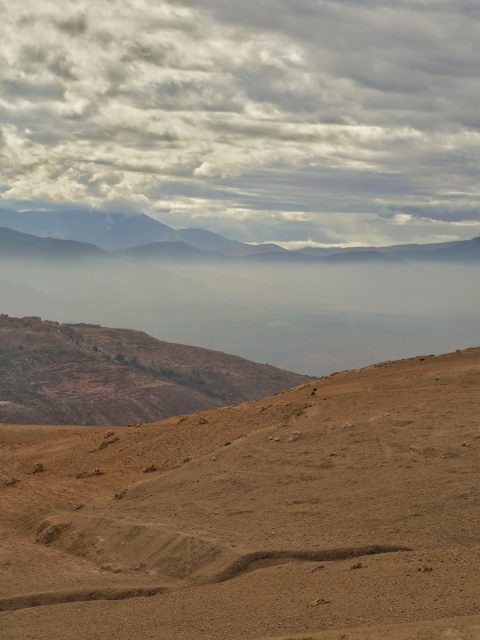
Multi-day treks through high mountain passes, Berber villages, and stunning alpine scenery. Popular routes include Mount Toubkal, Africa's highest peak, and Imlil Valley treks. Visitors encounter traditional Berber communities, sleep in mountain refuges, and experience pristine wilderness. Trekking season runs April-October; winter brings snow and challenging conditions.
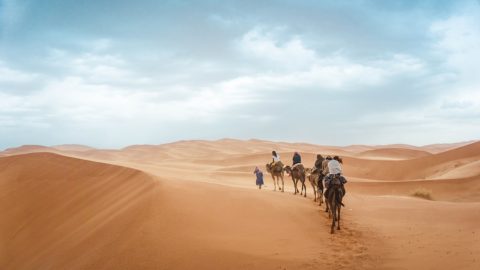
Desert camping and camel trekking experiences through golden sand dunes, Berber encampments, and night skies unpolluted by light. Multi-day tours from Marrakech include Merzouga or Zagora desert camps. Visitors experience traditional Berber hospitality, traditional music, and authentic desert life. Sunrise over dunes is spectacular; nights reveal extraordinary star displays.
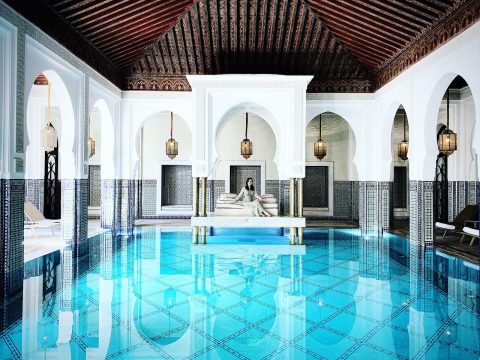
Traditional Turkish bath experience featuring steam rooms, exfoliation, massage, and relaxation in authentic or upscale settings. Hammams are integral to Moroccan culture; locals frequent public hammams while tourists often visit spas. The experience includes sweating in steam, vigorous scrubbing by attendants, and full-body massage. Men and women have separate sessions or separate days.
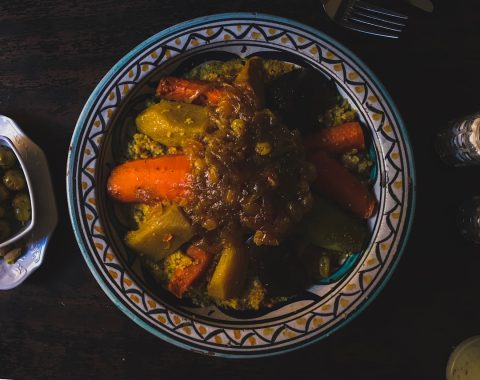
Hands-on classes teaching preparation of tagines, couscous, bread, and traditional pastries using authentic techniques. Classes typically include market visits to select ingredients, then cooking in a riad kitchen. Participants learn about spice blending, slow-cooking methods, and cultural food traditions. Meals are eaten family-style with tea and conversation.
Tips for Tours & Activities
- Book desert and mountain tours through established agencies
- Trekking requires good physical fitness; acclimatization time helps
- Desert tours include guides, transportation, meals, and accommodation
- Cooking classes are best booked through your hotel or online platforms
- Hammams can be overwhelming for first-timers; communicate comfort levels
- All-inclusive packages often offer better value than individual bookings
Nearby destinations easily reached from Marrakech, each offering distinct experiences
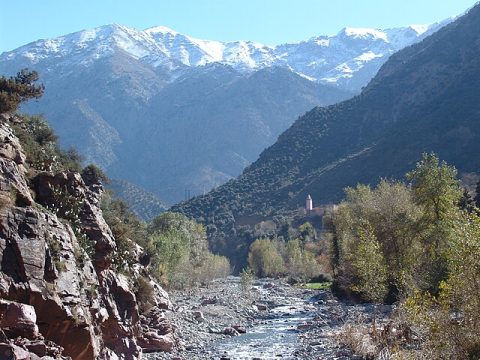
A scenic river valley south of Marrakech featuring Berber villages, waterfalls, and mountain scenery. The valley offers hiking trails, swimming in natural pools, and authentic village visits. Markets showcase traditional crafts and foods. The valley is perfect for a day trip combining nature, culture, and adventure. Restaurants along the river serve fresh trout and traditional Moroccan dishes.
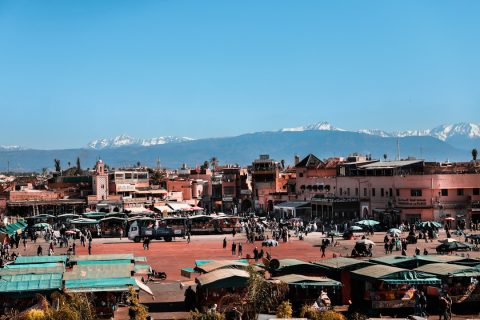
A UNESCO-listed fortified village with centuries-old architecture built from clay and stone. The kasbah dramatically perches on a hillside overlooking the valley. The site has been featured in numerous films. Walking through narrow alleys and climbing to rooftops reveals panoramic views and architectural craftsmanship. The village remains partially inhabited by locals who welcome visitors.
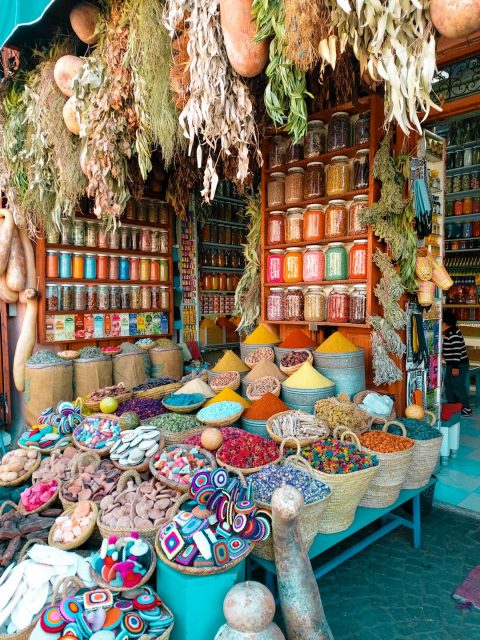
A charming Atlantic coastal city featuring fresh seafood, windy beaches, historic port, and artistic culture. Essaouira offers respite from desert heat with ocean breezes. The medina is smaller and less overwhelming than Marrakech. The fishing port is picturesque; fresh fish restaurants line the waterfront. The town has vibrant artistic communities and galleries.
Tips for Day Trips & Excursions
- Day trips require early starts to maximize time
- Hire private drivers or book organized tours for safety and convenience
- Bring sun protection, water, and comfortable walking shoes
- Respect local culture and seek permission before photographing people
- Pack light snacks despite abundant street food options
Decorative water features and artistic installations that add beauty to streets and squares
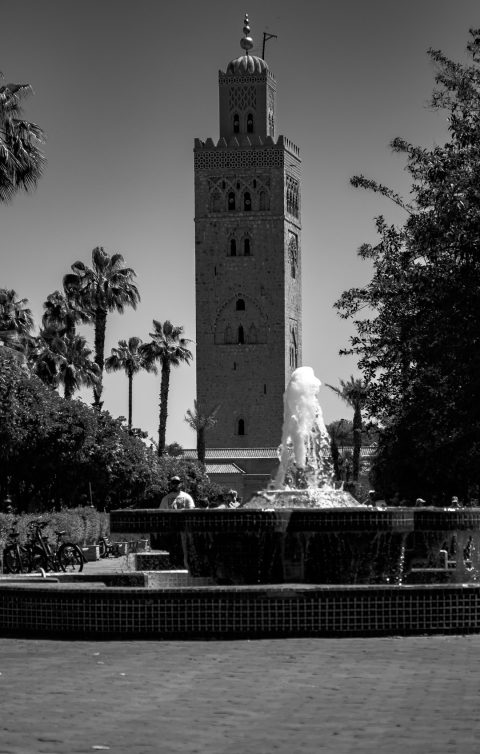
Throughout the medina, ornamental fountains with zellige tilework serve both decorative and functional purposes. These fountains showcase intricate geometric patterns and are gathering places for locals and visitors. Water features reflect Islamic tradition valuing water's spiritual and practical significance. The fountains are particularly striking when illuminated at night.
Tips for Fountains & Public Art
- Photograph fountains in early morning or late afternoon light
- Fountains are throughout the medina; explore to discover different styles
- Water features are central to medina design and layout
Real, highly-rated Restaurants in Marrakech, sourced from Google Places (rating above 4★).
Ritzi Restaurant - Marrakech is a highly-rated restaurant in Marrakech, rated 4.9★ from 285 reviews. Located at N 8 RDV residence AMALFI, Rue Zoubeir, Av. Hassan II, Marrakech 40000, Morocco.
Opening Hours
- Monday: Closed
- Tuesday: 7:00 PM – 12:00 AM
- Wednesday: 7:00 PM – 12:00 AM
- Thursday: 7:00 PM – 12:00 AM
- Friday: 7:00 PM – 12:00 AM
- Saturday: 7:00 PM – 12:00 AM
- Sunday: 7:00 PM – 12:00 AM
Tanjia secrets is a highly-rated restaurant in Marrakech, rated 4.9★ from 1421 reviews. Located at N, 59 Rue Kennaria, Marrakesh 40000, Morocco.
Opening Hours
- Monday: 12:00 PM – 12:00 AM
- Tuesday: Closed
- Wednesday: 12:00 PM – 12:00 AM
- Thursday: 12:00 PM – 12:00 AM
- Friday: 12:00 PM – 12:00 AM
- Saturday: 12:00 PM – 12:00 AM
- Sunday: 12:00 PM – 12:00 AM
Restaurant Le Grand Bazar Marrakech is a highly-rated restaurant in Marrakech, rated 4.8★ from 7938 reviews. Located at PROPRIETE ZANKET EL GUASSABINE, Marrakech 40000, Morocco.
Opening Hours
- Monday: 12:00 PM – 12:00 AM
- Tuesday: 12:00 PM – 12:00 AM
- Wednesday: 12:00 PM – 12:00 AM
- Thursday: 12:00 PM – 12:00 AM
- Friday: 12:00 PM – 12:00 AM
- Saturday: 12:00 PM – 12:00 AM
- Sunday: 12:00 PM – 12:00 AM
Explore Marrakech on the Map
Best Seasons
October to April offers ideal weather with warm days (20-25°C) and cool evenings. This is peak tourist season with higher prices and crowds.
November to March provides the most comfortable temperatures for exploring. December to February can include rain and occasional snow in mountains.
May to September brings intense heat (30-40°C+), making midday exploration challenging. Early morning and evening are best if visiting summer. Prices drop significantly off-season.
Seasonal Highlights
- Spring (March-April): Almond blossoms, moderate weather, fewer tourists
- Fall (September-October): Perfect temperatures, grape harvest season, festivals
- Winter (November-February): Low prices, cool weather, fewer crowds despite being high season
Getting Around Marrakech
Medina: Walking is essential; streets are too narrow for cars. Wear comfortable shoes; expect to get temporarily lost.
Taxis: Red petit taxis (small shared taxis) are cheap and common. Negotiate fares beforehand or insist on meters. Grand taxis (larger shared vehicles) connect neighborhoods and towns.
Car Rental: Explore countryside and day-trip destinations by renting cars. International license required; drive on right side of road.
Caleche (Horse-drawn carts): Traditional way to explore medina and nearby sites. Negotiate prices and confirm durations before boarding.
Getting to Marrakech: Marrakech Menara Airport (RAK) has international connections. Buses from other Moroccan cities cost 50-150 MAD. Train service connects major cities with overnight and day options.
Local Transportation Tips
- Petit taxis are reliable; red color indicates shared taxis
- Always agree on prices before entering non-metered taxis
- Grand taxis depart when full, not on schedules
- Apps like Uber and Careem are available in modern areas
- Walking the medina is necessary; use paper maps or offline Google Maps
✈️ Airport Transfer
Marrakech Menara Airport (RAK) to city center:
- City Bus Line 19: Runs every 30 minutes to Jemaa el-Fnaa and major hotels in about 25 minutes, 30 MAD one-way
- Petit Taxi: Metered ride to the Medina takes roughly 15-20 minutes and costs around 70-100 MAD, though drivers often push a flat rate
- Private Transfer: Pre-booked car or minivan to riads in the Medina or Gueliz takes about 20 minutes and costs 150-250 MAD
- Grand Taxi: Shared or private older Mercedes taxi to the city center in around 20 minutes for roughly 100-150 MAD if not shared
What to Buy
Carpets and Textiles: Moroccan carpets are renowned for traditional designs and quality. Hand-woven items from mountain villages are authentic. The Berber carpet souks offer the best selection.
Spices: Saffron, cumin, turmeric, and traditional spice blends in paper cones are fragrant souvenirs. The Spice Souk (Souk des Épices) offers affordable options for travelers.
Metalwork and Lanterns: Brass lanterns (fantouches) with colored glass, intricately engraved plates, and decorative metalwork are stunning. These items are heavy but worth the effort if you have luggage space.
Babouches (Slippers): Leather embroidered slippers in bright colors are comfortable souvenirs. Custom-made options are available and relatively affordable.
Argan Oil: Pure argan oil from the Argan Cooperative is luxurious and expensive. Buy only from reputable sources; synthetic versions flood the markets.
Ceramics and Pottery: Blue-and-white pottery from Fes, hand-painted tiles, and decorative plates showcase Moroccan craftsmanship.
Shopping Tips
- Haggling is expected in souks; start at 50-60% of asked price
- Avoid high-pressure salesmen; walk away if uncomfortable
- Visit cooperatives for fair prices and artisan support
- Buy certificates of authenticity for expensive items like carpets
- Shop in Souk Laksour for fixed prices if haggling exhausts you
- Visit Gueliz for contemporary Moroccan design at fixed prices
- Thursday markets in villages offer authentic goods and lower prices
Annual Events
Marrakech Popular Arts Festival (May): Multi-day celebration featuring traditional music, dance, storytelling, and cultural performances throughout the medina and venues.
Marrakech International Film Festival (December): Premier event showcasing international and Moroccan cinema with screenings, red carpet events, and cultural celebrations.
Imilchil Marriage Festival (September): Annual Berber wedding ceremony where dozens of couples marry simultaneously; celebration includes music and traditional festivities.
Islamic Holidays: Eid al-Fitr (end of Ramadan) and Eid al-Adha are major celebrations with special prayers, family gatherings, and modified business hours.
Ramadan (dates vary by lunar calendar): Holy month when restaurants close during daylight and locals fast. Special atmosphere in evenings when markets buzz with iftar (breaking-fast) preparations.
Festival Considerations
- Book accommodation early for major festivals
- Restaurants and shops have modified hours during Ramadan
- Experience local culture by participating respectfully in celebrations
- Prices increase during festival periods
Day 1: Medina & Historic Center
Start at Jemaa el-Fnaa Square early morning to avoid crowds. Explore snake charmers, water sellers, and street performers. Visit Ben Youssef Mosque and adjacent Madrasa to see intricate tilework. Wander through Souk quarter, getting beautifully lost among spice stalls, textile shops, and craftspeople. Lunch on street food in the square. Afternoon visit to Palais de la Bahia to admire palatial interiors. Return to square for sunset and dinner among food vendors.
Day 2: Gardens & Modern District
Morning at Majorelle Garden exploring exotic plants and striking blue structures. Mid-morning visit Berber Museum (Musée de Marrakech) nearby. Lunch in Gueliz district at a contemporary cafe. Afternoon stroll through Gueliz visiting galleries, boutiques, and shops. Return to medina late afternoon for dinner at a rooftop restaurant overlooking Koutoubia Mosque.
Day 3: Outer Sites & Sunset
Morning trip to Menara Gardens enjoying mountain views and olive groves. Visit Saadian Tombs observing intricate decoration of royal burial chambers. Afternoon tea at a riad (traditional house-hotel) courtyard. Late afternoon visit Kasbah of Marrakech exploring fortified walls. End day watching sunset from Menara Gardens as Atlas Mountains turn golden.
Day 4: Mountain Day Trip
Full-day excursion to Ourika Valley combining hiking, swimming in natural pools, and village exploration. Pack picnic or eat at riverside restaurants. Return to Marrakech evening.
Day 5: Desert or Coastal Escape
Multi-day option: Begin Sahara Desert tour heading toward Merzouga or Zagora for dune camping and camel trekking. Alternatively, day trip to Essaouira coastal town for fresh seafood, beaches, and change of scenery.
Instagram-Worthy Locations
Koutoubia Mosque & Gardens (Magic Hour): Golden light at sunrise and sunset illuminates the minaret. Best position: Koutoubia Gardens with mosque framed against sky. Least crowded early morning.
Jemaa el-Fnaa Square (Golden Hour): Evening light bathes the square in warm tones. Shoot from elevated cafes overlooking the square for panoramic views. Late afternoon provides best lighting without harsh shadows.
Majorelle Garden (Anytime): Vibrant blue structures contrast with lush greenery. Arrive early morning or late afternoon for fewer tourists in backgrounds. Overhead shots of blue buildings with green plants are particularly striking.
Bab Agnaou Gate (Early Morning): Golden sandstone glows with morning light. Photograph the intricate tilework and carvings from multiple angles. 7-9am offers best light and minimal crowds.
Saadian Tombs Interior (Midday): Bright overhead light illuminates intricate ceiling details and tilework. Geometric patterns photograph beautifully with strong sunlight highlighting textures.
Medina Narrow Streets: Winding alleys with carved doors and traditional architecture. Colored doors and windows make excellent portrait backgrounds. Shoot during golden hour for warm atmospheric light.
Menara Gardens at Sunset: Reflecting pools capture sky colors. Atlas Mountains backdrop turns pink and gold. Plan arrival 1-2 hours before sunset; position yourself for mountain framing.
Riad Courtyards: Central courtyards with fountains and zellige tilework. Many riads welcome photography from guests. Best light at midday when sunlight fills courtyards; avoid harsh shadows of low sun.
Photography Tips
- Always ask permission before photographing people, especially women and children
- Sunrise and sunset provide most flattering light for architecture
- Midday harsh light makes colors pop but creates strong shadows
- Blue hour (15-30 minutes after sunset) is magical for evening shots
- Narrow medina streets benefit from wide-angle lenses
- Carry neutral density filters for motion blur in busy squares
Power Standards
Voltage: Morocco uses 220V AC at 50Hz standard.
Outlet Types: The most common plug types are Type E (French standard) with two round pins and ground socket, and Type C (European standard) with two round pins. Some older buildings have Type H three-pin plugs.
Adapters Required: Visitors from North America (110V outlets) must bring voltage converters AND plug adapters. Visitors from Europe typically need only Type E adapters if using Type C appliances.
Converter vs. Adapter: Adapters merely change plug shapes (essential). Converters change voltage (necessary only for devices not dual-voltage). Most modern devices (phones, laptops) are dual-voltage; check labels or device manuals.
Practical Tips
- Buy adapters before traveling or at airport shops
- Pack multi-outlet adapters for charging multiple devices
- Larger hotels provide adapters at reception desks
- Riads and guesthouses often provide adapters for guests
- USB charging ports are increasingly common; ask hotel staff
- Power surges are common; use surge protectors for valuable electronics
- Blackouts occasionally occur; carry portable battery packs
Must-Try Moroccan Dishes
Tagine: Slow-cooked stew in a conical clay vessel featuring meat (chicken, lamb, goat) with vegetables, dried fruits, and aromatic spices. Each region and family has unique recipes; must-try varieties include tagine of lamb with prunes and almonds.
Couscous: Steamed semolina served with vegetable and meat stew poured over top. Friday is traditional couscous day in Morocco. The grain's fluffy texture and savory sauce make it comfort food.
Pastilla (Bastilla): Crispy phyllo pastry encasing sweet and savory fillings—traditionally pigeon but now chicken is common. Dusted with powdered sugar and cinnamon, the combination of sweet and savory is distinctive.
Harira: Thick tomato-based soup with lentils, chickpeas, and meat, served during Ramadan and winter. Warming and filling, it's eaten with dates and bread as a light meal.
Tfaya: Onion and meat dish featuring slow-cooked caramelized onions with lamb or beef, topped with sesame seeds. The sweetness of onions contrasts with savory meat.
Grilled Fish: Fresh Mediterranean and Atlantic fish grilled simply with lemon and herbs. Coastal towns like Essaouira specialize in daily-caught varieties.
Mezze Platters: Assortments of small dishes including hummus, baba ghanoush, pickled vegetables, preserved lemons, and olives served with bread.
Dining Tips
- Lunch is typically 12-2pm; dinner is 7-10pm (later in summer)
- Street food in busy squares is authentic and safe; eat where locals eat
- Rooftop restaurants in the medina offer atmosphere and views
- Ramadan restaurants (seasonal) serve hearty meals during evening fast-breaking
- Mint tea is complimentary in most establishments; accept hospitality graciously
- Bread (khobz) is served free; used to scoop tagines instead of utensils
- Tap water is generally unsafe; drink bottled water
- Negotiating restaurant prices in medina is acceptable for groups
Tourist Passes
Marrakech City Pass
Combined ticket providing discounted or free entry to multiple museums and cultural sites. Pass typically includes Palais de la Bahia, Saadian Tombs, Ben Youssef Madrasa, and Berber Museum. Valid for consecutive days; check specific offerings at purchase. Good value if visiting multiple paid attractions.
www.marrakechcitypass.comGarden Pass
Combined ticket for Majorelle Garden and Menara Gardens at discounted rates compared to individual entry. Includes transportation between gardens on some packages. Ideal if planning to visit both major gardens during your stay.
www.marrakech-gardens.com