Amsterdam's iconic landmarks tell the story of a city that has been a center of trade, culture, and innovation for centuries. From the UNESCO World Heritage canal ring to historic bridges and architectural marvels, these monuments define the city's unique character.
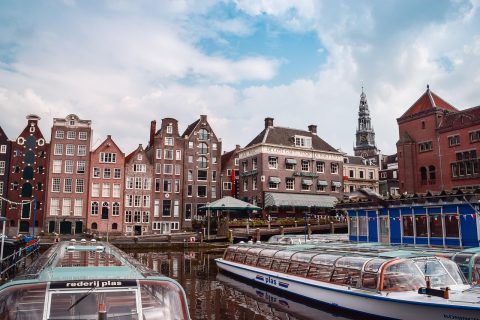
Amsterdam Canal Ring
The Canal Ring of Amsterdam is a UNESCO World Heritage Site consisting of the Herengracht, Keizersgracht, and Prinsengracht canals. Built during the Dutch Golden Age in the 17th century, this engineering marvel showcases elegant merchant houses, picturesque bridges, and tree-lined waterways. Walking or boating through the canals offers an unparalleled glimpse into Amsterdam's historical prosperity and architectural beauty. The area spans 1,550 hectares with over 90 islands connected by more than 1,500 bridges.
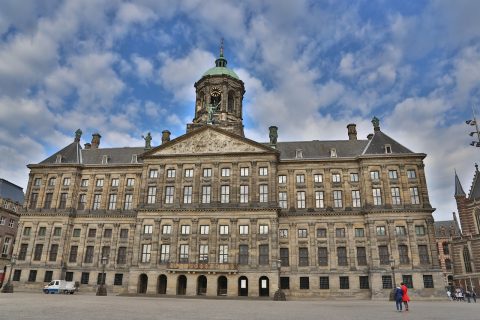
Royal Palace Amsterdam
The Royal Palace (Koninklijk Paleis) dominates Dam Square as one of Amsterdam's most magnificent buildings. Originally built as a city hall in 1655 during the Dutch Golden Age, it now serves as an official residence of the Dutch Royal Family for state functions. The palace features opulent Empire-style interiors, marble sculptures, and the famous Citizens' Hall with a floor map of the world. Visitors can explore the lavishly decorated rooms showcasing Dutch art and craftsmanship from the 17th century.
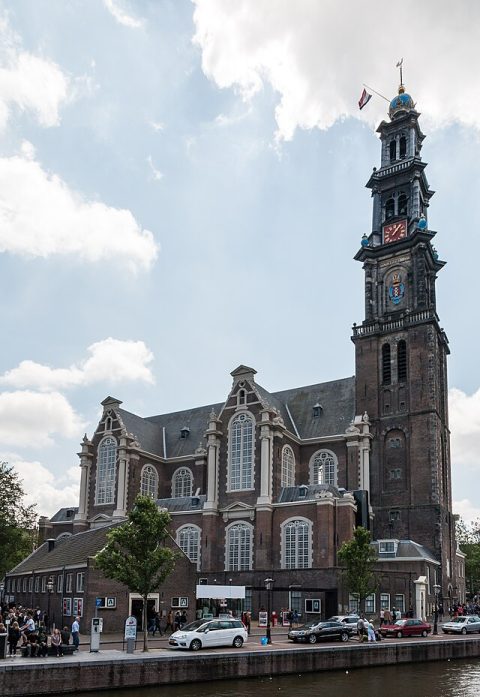
Westerkerk
Westerkerk is Amsterdam's largest Protestant church and one of its most recognizable landmarks with its 85-meter tower crowned by the imperial crown of Maximilian of Austria. Built between 1620-1631 in Dutch Renaissance style, the church is where Rembrandt was buried in 1669. Visitors can climb the Westertoren for panoramic city views. The carillon of 50 bells chimes every Tuesday between noon and 1 PM, creating a magical atmosphere in the Jordaan neighborhood.
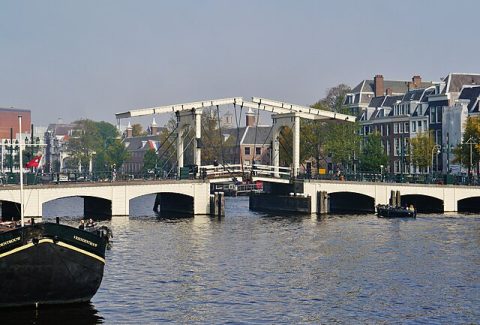
Magere Brug (Skinny Bridge)
The Magere Brug is Amsterdam's most famous bridge, a beautiful white wooden drawbridge spanning the Amstel River. Dating from 1691 and rebuilt in 1934, this double-swinging bridge is illuminated by 1,200 light bulbs at night, creating a romantic spectacle. The bridge opens several times daily to allow boats to pass. Legend says it was built for two wealthy sisters living on opposite sides of the river, though the name likely refers to its narrow (mager) width.
Tips for Landmarks & Monuments
- Best photography: Visit the canals during golden hour (sunrise/sunset) for stunning light
- Canal tours: Book evening boat tours to see bridges illuminated
- Royal Palace: Check opening times as the palace closes during royal events
- Free walking: The canal ring is best explored on foot - wear comfortable shoes