Lima's architectural treasures showcase centuries of history, from colonial-era masterpieces to pre-Columbian ruins nestled between modern skyscrapers. The city's UNESCO-listed Historic Center preserves Spanish colonial heritage while coastal monuments celebrate contemporary Peru.
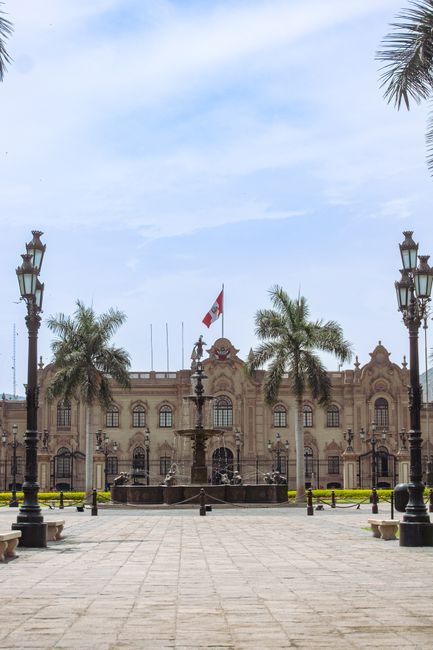
Plaza de Armas (Plaza Mayor)
The historic heart of Lima since its founding by Francisco Pizarro in 1535. This grand square features a magnificent bronze fountain from 1650 and is surrounded by architectural gems including the Cathedral of Lima, the Government Palace (Palacio de Gobierno), the Archbishop's Palace, and the Municipal Palace. The plaza represents the nerve center of Peru's capital where important historical events have unfolded for nearly 500 years. On the last Sunday of July each year, the water fountain is filled with Pisco to celebrate National Pisco Day.
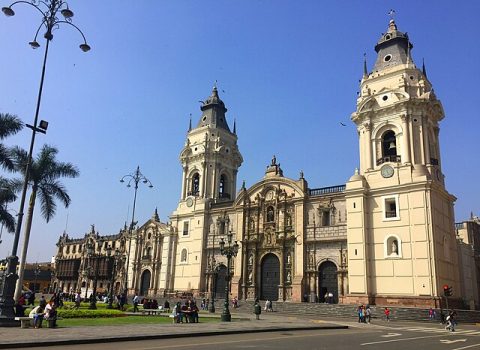
Cathedral of Lima
An impressive baroque masterpiece dominating the Plaza de Armas' east side. Despite being rebuilt numerous times after earthquakes, it retains its magnificent facade and houses a dozen gold-decked chapels. The cathedral sits on the plot designated by Pizarro for Lima's first church in 1535 and contains his tomb. Guided tours available in Spanish and English, including access to the connected religious art museum featuring colonial paintings and sculptures.
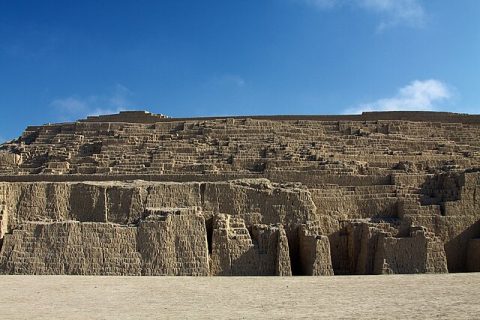
Huaca Pucllana
A spectacular pre-Inca ceremonial site built from millions of adobe bricks by the Lima culture between 200-700 AD. This seven-tiered pyramid served as an administrative center and was dedicated to the god Pachacamac. Located in the modern Miraflores district, it offers a fascinating glimpse into ancient Peruvian civilizations. Guided tours available explaining the site's archaeological significance. The adjacent upscale restaurant allows dining with views of the illuminated ruins at night.
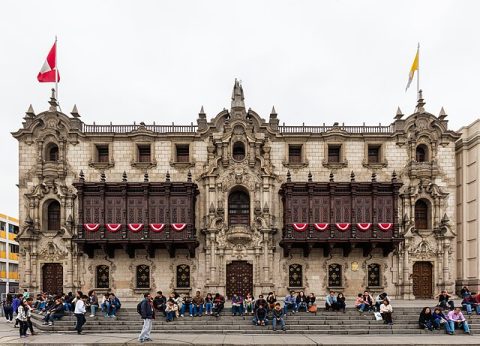
Archbishop's Palace
A stunning example of neo-colonial architecture completed in 1924, featuring intricately carved dark cedar and mahogany balconies on either side of an ornate stone portico. The interior showcases Mudejar-style balconies overlooking airy courtyards decorated with Sevillian azulejos tiles. Currently serves as the headquarters of the Ministry of Foreign Affairs. While not generally open for interior visits, the incredible exterior architecture makes it a must-see when visiting Plaza de Armas.
Tips for Landmarks & Monuments
- Visit Plaza de Armas early morning or late afternoon to avoid crowds and heat
- The changing of the guard at Government Palace occurs daily at noon
- Huaca Pucllana is spectacular when illuminated at night - consider dining at the on-site restaurant
- Dress modestly when visiting religious sites