Plan your trip to Porto
- How long
- 2-3 days: the Ribeira and Clérigos, port wine cellars in Gaia, plus a Douro Valley day.
- Best for
- Wine, tile and river lovers: steep riverside lanes, port lodges, azulejo churches and São Bento Station.
- Skip it if
- You dislike hills and stairs: Porto is very steep, and cobbled lanes can be slippery when wet.
If you only do three things
- São Bento Station, the Clérigos Tower and Livraria Lello area.
- Ribeira and the Dom Luís I Bridge walk to Gaia.
- A port wine cellar tasting (Taylor's, Graham's or Calem) and a Douro cruise or valley day.
A one-day route
- Morning: São Bento Station, then the Clérigos Tower and Avenida dos Aliados.
- Midday: Lunch near Bolhão Market.
- Afternoon: Ribeira, then across the Dom Luís I Bridge to the Gaia cellars.
- Evening: Sunset from the Serra do Pilar or the Gaia riverfront; dinner in Ribeira.
Before you go
- Porto Airport connects to the center by metro (Line E) in about 30 minutes; check the current fares and Andante options.
- Book Clérigos Tower and cellar tastings ahead in summer.
- Wear comfortable shoes: the old town is steep.
- Douro Valley trips are best booked ahead; autumn is harvest season.
Prices, opening status and transport in this plan checked against official sources on 30 September 2026.
Things to do in Porto
Porto's skyline is defined by spectacular landmarks that showcase centuries of architectural evolution. From medieval towers to engineering marvels like the Dom Luís I Bridge, these iconic structures tell the story of a city that has been a vital European port for millennia.
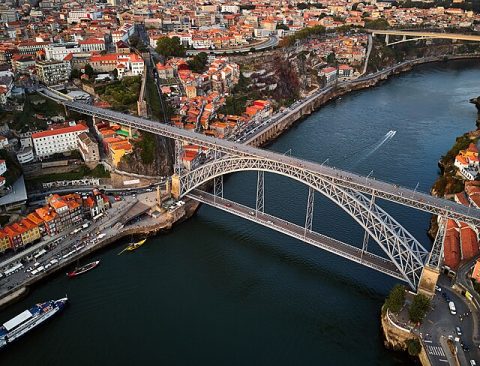
Dom Luís I Bridge
This magnificent double-deck metal arch bridge is Porto's most iconic landmark, designed by Théophile Seyrig, a disciple of Gustave Eiffel. Completed in 1886, it connects Porto to Vila Nova de Gaia across the Douro River. The upper deck carries the modern metro line and offers spectacular 360-degree views high above the water, while the lower deck serves vehicular traffic. Walking across either level provides unforgettable perspectives of the historic Ribeira district and wine cellars. Best visited at sunset for golden-hour photography.
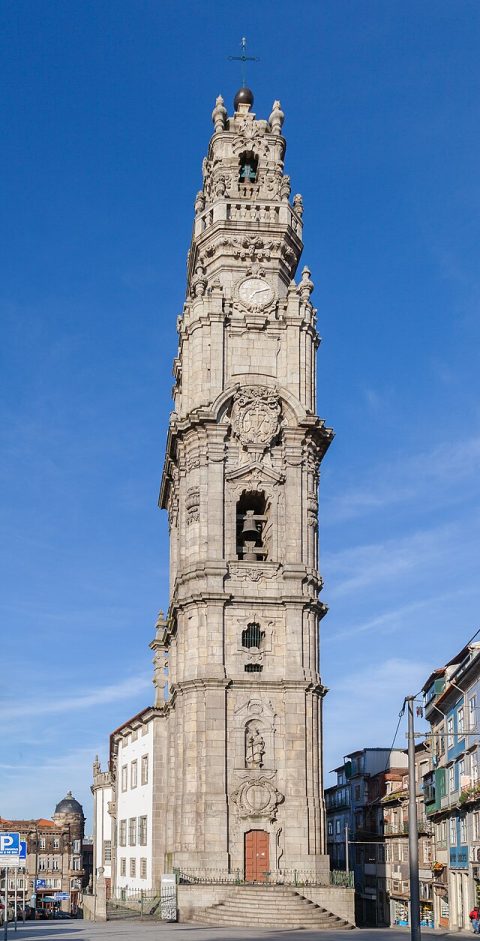
Torre dos Clérigos
Standing at 76 meters, this iconic baroque bell tower is Porto's most recognizable structure and offers the city's finest panoramic viewpoint. Built between 1754-1763 by Italian architect Nicolau Nasoni, the tower features 225 steps leading to breathtaking views over Porto's historic center, the Douro River, and beyond. The attached Clérigos Church showcases stunning baroque architecture with ornate interiors. The complex has been declared a National Monument and is illuminated beautifully at night. Tip: Visit early morning to avoid crowds and capture clear photographs.
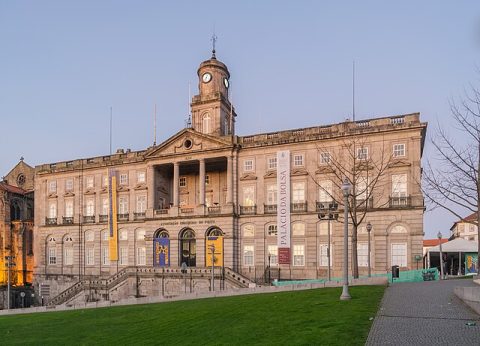
Palácio da Bolsa
This stunning neoclassical building served as Porto's Stock Exchange Palace and stands as a masterpiece of 19th-century Portuguese architecture. The crown jewel is the Arabian Hall, an opulent Moorish-revival room covered in gold leaf that took 18 years to complete. Other highlights include the Tribunal Room, Nations Hall with portraits of Portuguese monarchs, and the magnificent Golden Stairs. Built by Porto's Commercial Association starting in 1842, it showcases Portugal's wealth and international trading power during its golden age. Guided tours only, available in multiple languages.
Tips for Landmarks & Monuments
- Photography: Visit Dom Luís I Bridge at sunset for spectacular golden light on the city
- Timing: Book Torre dos Clérigos tickets online to skip queues, especially during summer months
- Combo tickets: Consider purchasing combined tickets for multiple monuments to save money
- Accessibility: Note that Torre dos Clérigos has 225 steps with no elevator access
Porto's museum scene ranges from contemporary art installations to fascinating collections exploring the city's maritime heritage, wine culture, and artistic traditions. These cultural institutions offer deep insights into Portuguese history and creativity.
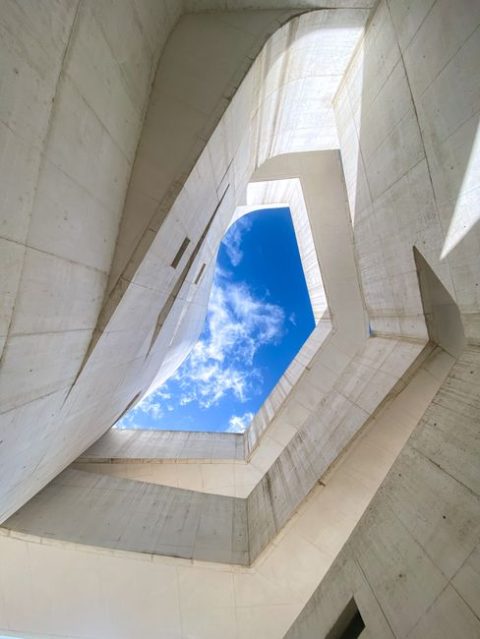
Serralves Museum of Contemporary Art
This internationally acclaimed contemporary art museum features rotating exhibitions of modern and contemporary art in a striking white Art Deco building designed by Álvaro Siza Vieira. Set within 18 hectares of stunning landscaped gardens, Serralves combines architecture, art, and nature seamlessly. The museum complex includes the Serralves Villa, a magnificent Art Deco house from the 1930s with original furnishings. The gardens feature sculptures, themed sections, and a traditional farm. Special exhibitions showcase leading Portuguese and international contemporary artists. Perfect for art enthusiasts and families alike.
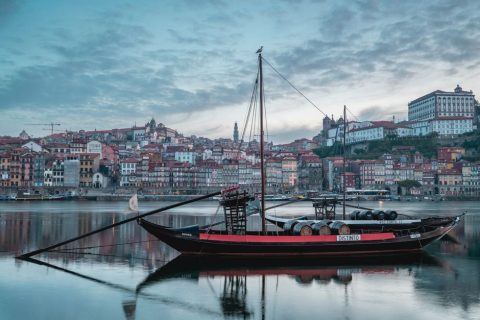
World of Wine (WOW)
This innovative cultural district in Vila Nova de Gaia opened in 2020 and features seven immersive museums celebrating Portuguese culture, wine, and gastronomy. Museums include The Wine Experience, Planet Cork, Porto Region Across the Ages, The Chocolate Story, Pink Palace (rosé wine), and Fashion & Fabric. Each museum combines interactive exhibits, multimedia displays, and tastings. The complex also features restaurants, wine bars, a wine school, and shops with stunning views over Porto. Allow a full day to experience multiple museums. Perfect for families and culture enthusiasts.
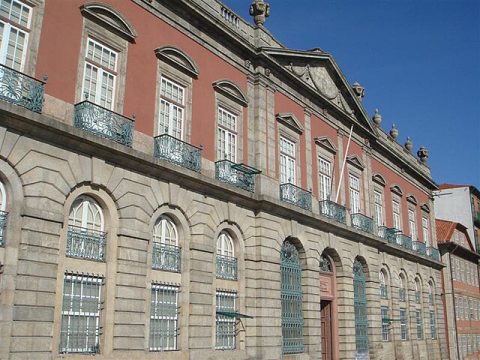
Museu Nacional Soares dos Reis
Its origins date to 1833 as Portugal’s first public art museum; it became a National Museum in 1932, houses an impressive collection of Portuguese art from the 19th and 20th centuries. Named after sculptor António Soares dos Reis, the museum occupies the beautiful Carrancas Palace. Collections include painting, sculpture, decorative arts, ceramics, and glasswork. Highlights feature works by Portuguese masters, ornate furniture, jewelry, and the famous sculptures of Soares dos Reis himself. The applied arts section showcases exceptional Portuguese craftsmanship including azulejos, gold and silverwork. An essential stop for understanding Portuguese artistic heritage.
Tips for Museums & Galleries
- Free admission: Some Porto museums have free-entry days; check each site
- Porto Card: Purchase a Porto Card for discounted or free museum entry plus transport
- Guided tours: Book guided tours at Serralves and WOW for deeper insights
- Combined tickets: WOW offers multi-museum packages at significant savings
Porto's religious architecture spans centuries and styles, from medieval Romanesque simplicity to baroque extravagance. The city's churches and cathedrals are adorned with magnificent azulejo panels, gilded woodwork, and sacred art that reflect Portugal's deep Catholic heritage.
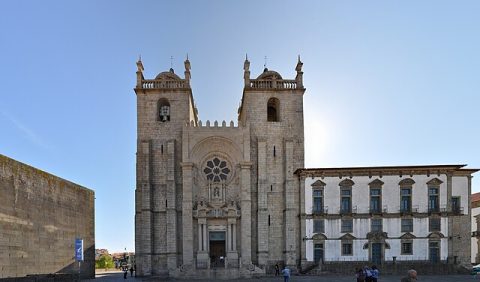
Sé do Porto (Porto Cathedral)
Porto's fortified Romanesque cathedral stands majestically on the city's highest point, Pena Ventosa hill, dating from the 12th century. The fortress-like exterior contrasts with the ornate baroque interiors added in the 17th-18th centuries. Highlights include the silver altar in the Chapel of the Holy Sacrament, the Gothic cloister decorated with blue and white azulejo tiles depicting biblical scenes, and panoramic terraces overlooking the Douro River and Ribeira. The rose window and main chapel showcase beautiful architectural details. Essential for understanding Porto's medieval origins and religious heritage.
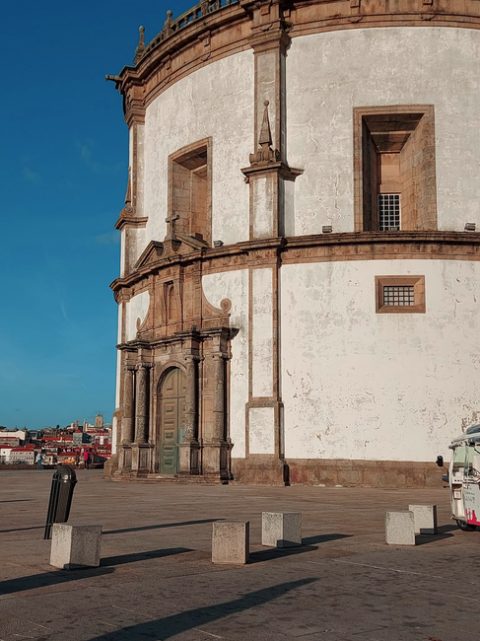
Igreja de São Francisco
This Gothic church is renowned for its breathtakingly ornate baroque interior covered with approximately 400kg of gold leaf, making it one of Portugal's most magnificent examples of baroque art. Built in the 14th century, the interior was transformed in the 17th-18th centuries with elaborate gilded woodwork (talha dourada). The Tree of Jesse sculpture is a masterpiece of carved polychrome wood. The catacombs contain ancient burial chambers, and the museum displays religious art and artifacts. Absolutely stunning and a must-see for architecture and art enthusiasts.
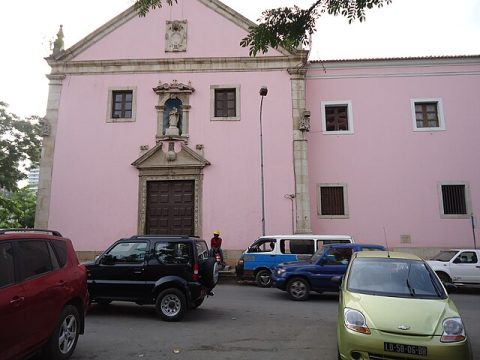
Igreja do Carmo
This 18th-century Rococo church features one of Porto's most photographed facades: a spectacular lateral wall completely covered in blue and white azulejo tiles depicting scenes from the founding of the Carmelite Order. Created by Silvestre Silvestri in 1912, the tile panel measures 1,000 square meters. The baroque interior showcases gilded carvings and religious art. The church adjoins the Igreja dos Carmelitas, separated by one of the world's narrowest houses (just 1 meter wide). Located near Clérigos Tower, it's easily combined with other historic center visits.
Tips for Religious Sites
- Dress code: Wear modest clothing covering shoulders and knees when visiting churches
- Mass times: Avoid visiting during religious services unless attending mass
- Photography: Check individual church policies; many prohibit flash photography
- Combined visits: Igreja do Carmo and Clérigos Tower are within walking distance
Porto's historic districts showcase the authentic character of Portuguese urban life. From the UNESCO-listed Ribeira waterfront to the bohemian streets of Miragaia, each neighborhood offers unique architecture, local traditions, and atmospheric charm that captures Porto's soul.
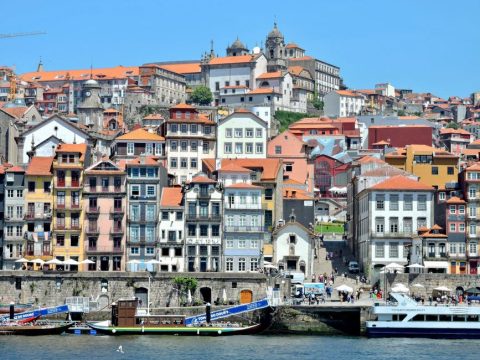
Ribeira
Porto's most iconic neighborhood, Ribeira is a UNESCO World Heritage Site featuring medieval alleyways, colorful buildings with azulejo facades, and the lively riverside Cais da Ribeira promenade. This historic district dates to medieval times when it served as the city's commercial hub. Narrow cobblestone streets wind between ancient houses leading to the vibrant waterfront filled with restaurants, cafes, and bars. The area offers spectacular views of Dom Luís I Bridge and Vila Nova de Gaia across the river. Traditional rabelo boats add authentic charm. Perfect for wandering, dining, and river cruises. Evenings bring magical atmosphere with live music.
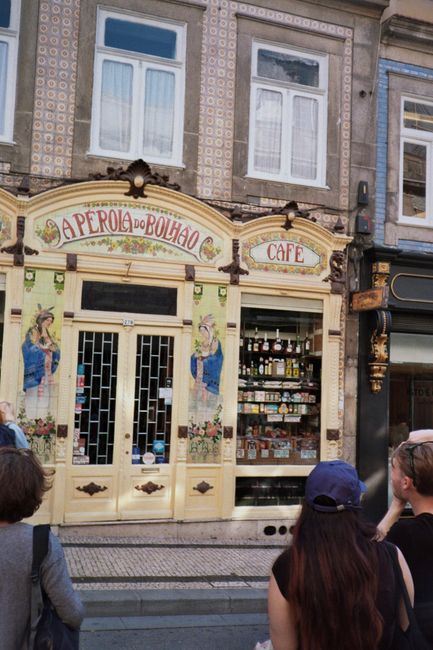
Bolhão & Baixa
The city's downtown commercial heart centers around the historic Bolhão Market and Avenida dos Aliados. This area features grand Belle Époque architecture, traditional shops, and the famous Mercado do Bolhão (recently renovated) where locals shop for fresh produce, fish, meat, and flowers. Rua de Santa Catarina, Porto's main shopping street, runs through the district offering both international brands and traditional Portuguese stores. Café Majestic, a stunning Art Nouveau café, is a must-visit. The neighborhood includes City Hall, São Bento Station, and numerous traditional restaurants serving authentic Porto cuisine.
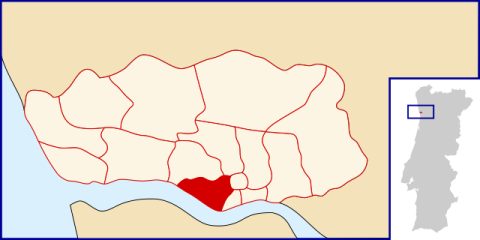
Miragaia
This authentic riverside neighborhood west of Ribeira retains its traditional working-class character with narrow streets, local taverns, and genuine Porto atmosphere. Historically a fishing community, Miragaia offers a less touristy experience with colorful tiled houses, small shops, and neighborhood cafes where locals gather. The area features several historic churches including São Pedro de Miragaia and interesting street art. Excellent for authentic Portuguese dining at family-run restaurants and tascas. The riverside walk connects to both Ribeira and Foz do Douro, offering beautiful Douro River views throughout.
Tips for Neighborhoods & Districts
- Navigation: Wear comfortable shoes; Porto's historic neighborhoods have steep cobblestone streets
- Safety: Ribeira is generally safe but watch belongings in crowded areas
- Dining: Venture into side streets for more authentic and affordable restaurants
- Best times: Visit Bolhão Market in the morning for the liveliest atmosphere
Porto offers beautiful green spaces ranging from formal romantic gardens to expansive riverside parks. These urban oases provide peaceful retreats from the bustling city center with stunning landscaping, ocean views, and opportunities for relaxation.
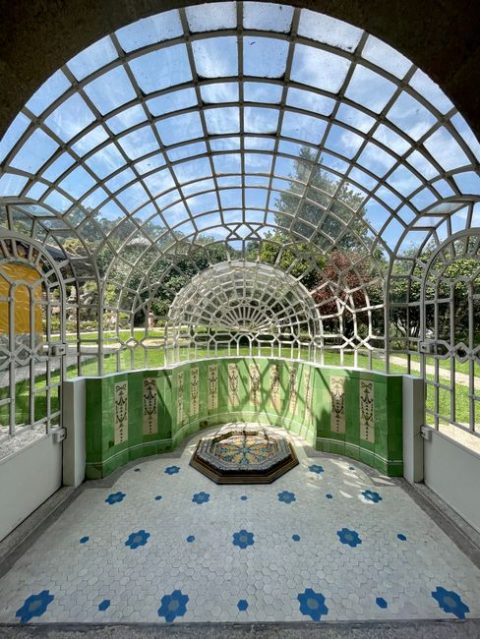
Jardins do Palácio de Cristal
These magnificent romantic gardens span 8 hectares on a hillside overlooking the Douro River and Atlantic Ocean. Originally created in the 1860s around the Crystal Palace, the gardens feature diverse themed areas including rose gardens, aromatic plant gardens, and formal parterres. The Super Bock Arena (Pavilhão Rosa Mota) replaced the original palace. Visitors enjoy spectacular viewpoints, tree-lined avenues, sculptures, fountains, and peacocks roaming freely. The gardens include a library, sports facilities, and café. Perfect for romantic walks, picnics, and sunset views. Free entry and popular with both tourists and locals.
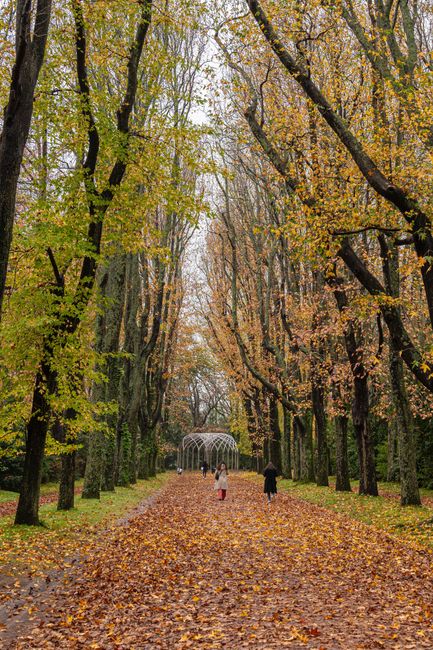
Serralves Gardens
These internationally acclaimed 18-hectare gardens surrounding the Serralves Museum blend formal landscaping with contemporary art installations. Designed by French landscape architect Jacques Gréber in the 1930s and expanded by João Gomes da Silva, the gardens feature diverse areas: romantic garden, formal garden, rose garden, aromatic herb garden, and lakeside settings. Tree-lined avenues, sculptures, and the traditional Serralves Farm (with animals and organic crops) complete the experience. The Art Deco Serralves Villa sits within the grounds. Combined tickets with the museum offer best value. Perfect for art and nature lovers alike.
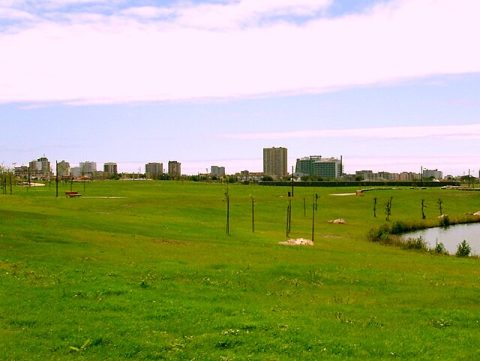
Parque da Cidade
Portugal's largest urban park covers 83 hectares stretching from residential neighborhoods to the Atlantic coast. Designed by landscape architect Sidónio Pardal, the park features lakes, walking and cycling paths, gardens, sports facilities, and playgrounds. The park connects to Praia do Molhe beach, offering a unique park-to-ocean experience. Popular for jogging, cycling, picnicking, and family outings. Wildlife includes ducks, swans, and various bird species. The Contemporary Art Museum (Serralves) is nearby. Free entry and accessible by public transport. Ideal for outdoor activities and escaping city crowds.
Tips for Parks & Gardens
- Best seasons: Spring (April-May) for blooming flowers; autumn for colorful foliage
- Picnics: Parks allow picnicking; pick up supplies at local markets
- Activities: Parque da Cidade offers bike rentals and jogging paths
- Sunset: Crystal Palace Gardens provide spectacular sunset viewpoints over the Douro
Porto's public squares and iconic streets form the social and architectural heart of the city. From grand tree-lined avenues to intimate medieval plazas, these spaces showcase diverse architectural styles and serve as gathering points for locals and visitors.
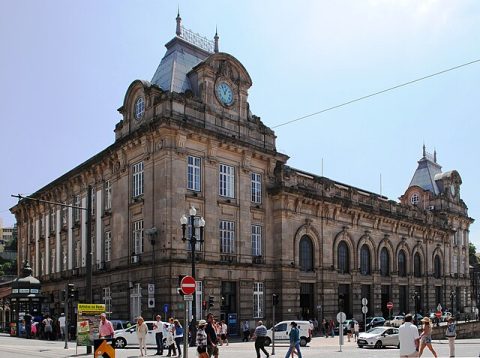
São Bento Railway Station
While primarily a functioning train station, São Bento is famous for its stunning entrance hall covered with 20,000 azulejo tiles. Created by Jorge Colaço in 1905-1916, the blue and white tile panels depict scenes from Portuguese history including battles, royal gatherings, and the evolution of transportation. The Beaux-Arts building from 1916 stands on the site of a former Benedictine monastery. The magnificent atrium makes this one of the world's most beautiful train stations. Free to enter and admire. Unmissable for azulejo art and Portuguese history. Excellent photo opportunity.
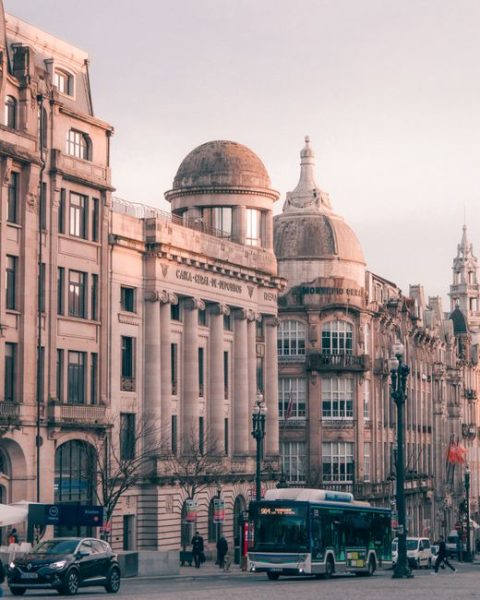
Avenida dos Aliados
Porto's grand central avenue and main plaza feature impressive Belle Époque and Art Deco architecture. The wide boulevard leads to the monumental City Hall has a tower approximately 70 metres high. The avenue is flanked by historic buildings housing banks, hotels, and cafes. The central area often hosts major public events, concerts, and festivals including New Year's celebrations and São João festival activities. Statues honor Portuguese kings and historical figures. The avenue connects the historic center to shopping district Rua de Santa Catarina. Essential for understanding Porto's civic identity and Belle Époque grandeur.
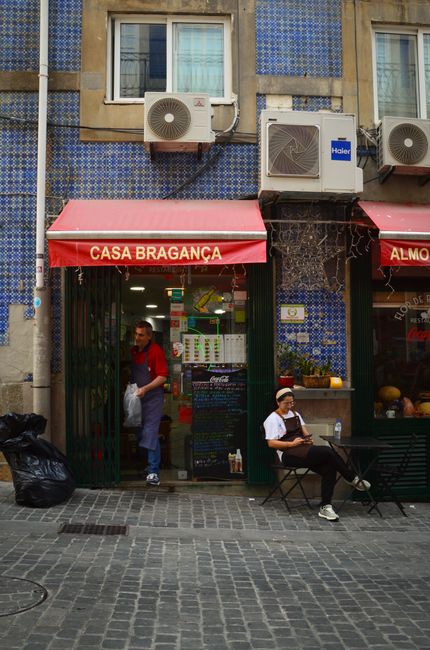
Rua de Santa Catarina
Porto's most famous shopping street stretches 1.5 kilometers through the city center, featuring both international brands and traditional Portuguese shops. The partly pedestrianized street showcases beautiful 19th and early 20th-century architecture. Key highlights include Café Majestic, one of the world's most beautiful Art Nouveau cafés, and Capela das Almas covered entirely in blue and white azulejo tiles. Street performers, flower vendors, and bustling crowds create lively atmosphere. The street connects Batalha to Marquês, passing through the shopping heart of Porto. Perfect for shopping, people-watching, and experiencing local life.
Tips for Squares & Streets
- Photography: São Bento Station is best photographed early morning before crowds arrive
- Shopping: Rua de Santa Catarina offers both modern and traditional Portuguese products
- Cafés: Book ahead for Café Majestic or visit during off-peak hours
- Events: Check Avenida dos Aliados event schedule during your visit
Wine & Port Cellars
Vila Nova de Gaia, across the Douro from Porto, houses the famous Port wine cellars (caves) where this world-renowned fortified wine has been aged for centuries. Visiting the cellars offers insights into Port production, history, and of course, tastings of various Port styles.
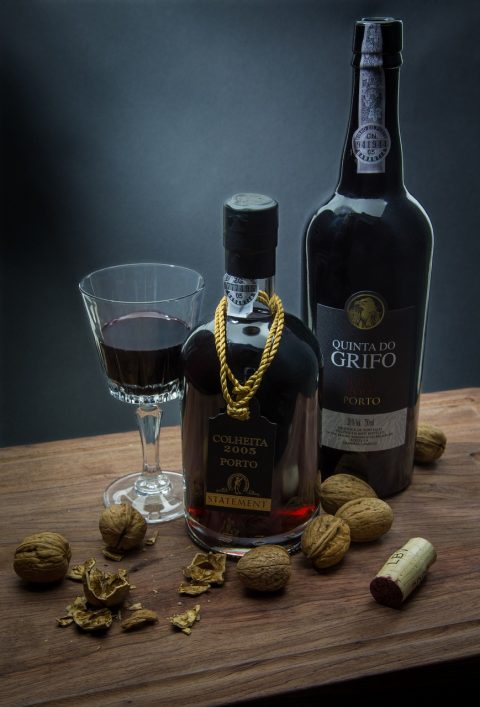
Taylor's Port Wine Cellars
One of the oldest and most prestigious Port houses, Taylor's offers exceptional cellar tours with panoramic rooftop terraces overlooking Porto and the Douro. Founded in 1692, Taylor's is one of the few remaining family-owned Port houses. Tours explore historic cellars housing thousands of barrels and explain the art of Port making, aging, and blending. The guided tasting includes premium Ports paired with chocolates. The elegant terrace restaurant serves traditional Portuguese cuisine with wine pairings. Gift shop offers exclusive Ports and Port accessories. Higher-end experience perfect for wine connoisseurs. Book ahead, especially for restaurant.
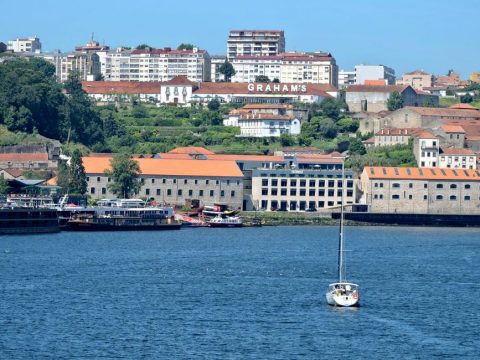
Graham's Port Lodge
Graham's offers excellent value cellar tours with beautiful views from its hilltop location in Vila Nova de Gaia. Founded in 1820 by brothers William and John Graham, it's one of the leading Port houses. Tours include atmospheric barrel-filled cellars, detailed explanations of Port production and vintage varieties. Multiple tasting options range from basic to premium experiences featuring rare vintage Ports. The 1890 Lodge restaurant serves Portuguese cuisine with Port pairings on a terrace overlooking the Douro. Engaging guides and comprehensive experience make this a top choice for Port education.
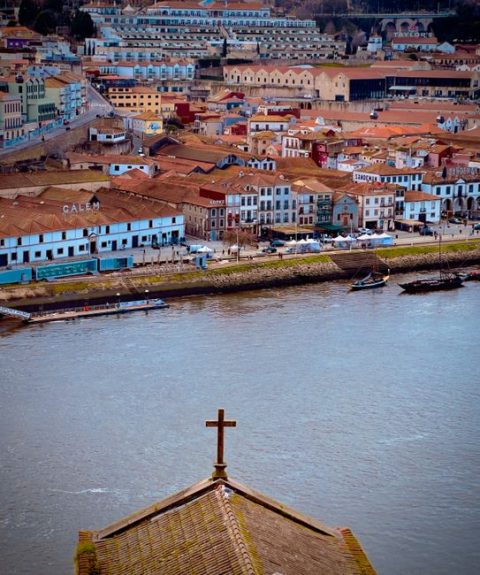
Calem Port Wine Cellars
Located directly on the Gaia waterfront, Calem offers convenient and interactive tours ideal for first-time Port visitors. Founded in 1859, Calem remains Portuguese-owned. The modern museum-style tour uses multimedia presentations alongside traditional cellar visits to explain Port history and production. Tours include tastings of two Ports and are available in multiple languages. The Fado concert and dinner experience combines Port tasting with traditional Portuguese music in atmospheric settings. The terrace café offers light meals and Port by the glass with river views. Excellent for families and beginners. Budget-friendly option.
Tips for Wine & Port Cellars
- Booking: Reserve tours online in advance, especially during peak season (May-September)
- Multiple visits: Consider visiting 2-3 cellars to compare styles and offerings
- Transport: Walk across Dom Luís I Bridge or take the cable car for scenic access to Gaia
- Timing: Afternoon tours allow you to enjoy sunset views from cellar terraces
- Designated driver: Plan transport if tasting multiple cellars; use metro or taxi
Porto offers diverse experiences from river cruises along the Douro to food tours exploring Portuguese cuisine, walking tours through historic districts, and unique cultural activities. These guided experiences provide deeper insights into Porto's culture, history, and traditions.
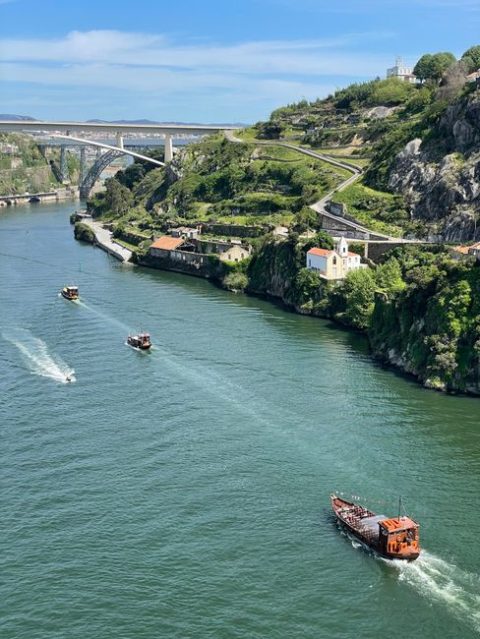
Six Bridges Douro River Cruise
This popular 50-minute river cruise sails under Porto's six iconic bridges including Dom Luís I, Infante, and Maria Pia, offering spectacular views of both Porto and Vila Nova de Gaia from the water. Departing from the Ribeira quay, cruises pass colorful riverside buildings, Port wine cellars, and historic rabelo boats. Audio guides available in multiple languages explain the history and architecture of each bridge and landmark. Sunset cruises offer particularly beautiful golden-hour photography. Some tours include Port wine tasting onboard. Essential experience for understanding Porto's relationship with the Douro River. Multiple departures daily make it easy to fit into any itinerary.
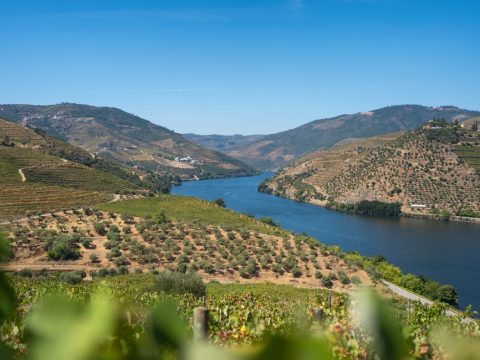
Douro Valley Wine Tour
Full-day excursions to the UNESCO-listed Douro Valley wine region offer breathtaking terraced vineyard landscapes, wine estate visits, and tastings. Tours typically include transportation from Porto, visits to 2-3 quintas (wine estates), guided vineyard walks, wine and olive oil tastings, and a traditional Portuguese lunch. The scenic journey follows the Douro River through dramatic landscapes of steep hillsides covered in vine terraces. Many tours include a river cruise segment and stops at viewpoints like São Leonardo da Galafura. Small group and private tour options available. Highly recommended for wine enthusiasts and photographers. Book tours that include lunch and multiple winery visits.
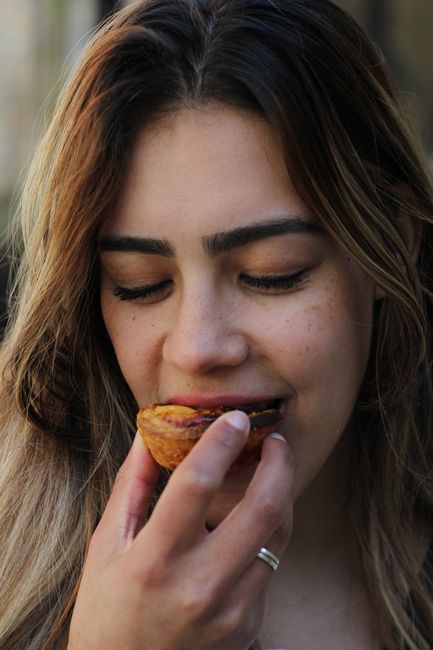
Porto Food Tours
Guided walking food tours explore Porto's culinary traditions through tastings at markets, bakeries, taverns, and specialty shops. Tours typically include 8-12 tastings featuring Portuguese delicacies: bacalhau (salted cod), presunto (cured ham), Portuguese cheeses, pastel de nata (custard tarts), francesinha (Porto's signature sandwich), and Port wine. Expert guides share stories about Portuguese food culture, history, and local traditions. Tours visit Bolhão Market, traditional tascas, family bakeries, and hidden local spots tourists rarely find. Small groups ensure personalized attention. Perfect for food lovers wanting authentic culinary experiences. Vegetarian options usually available with advance notice.
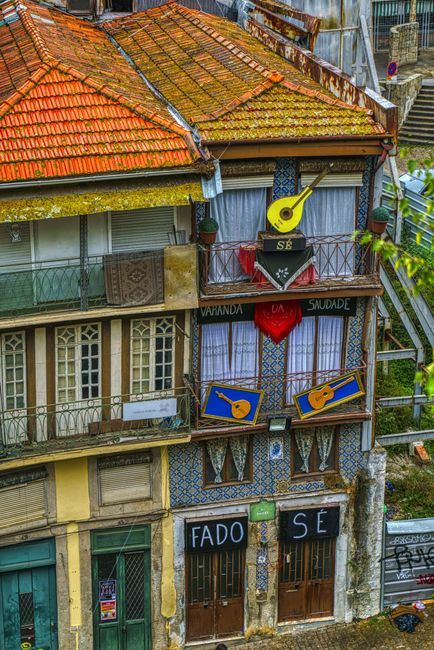
Fado Music Experience
Experience Portugal's soulful traditional music at intimate Fado houses in Porto's historic neighborhoods. Fado performances feature vocalists accompanied by Portuguese guitar, expressing themes of longing, fate, and Portuguese soul (saudade). Many venues combine live Fado with traditional Portuguese dinner featuring regional specialties and Port wine. Performances typically last 1.5-2 hours with multiple fadistas (singers) performing. Smaller, authentic venues in Ribeira and Miragaia offer more intimate experiences than larger tourist-oriented shows. Some Port wine cellars also host Fado nights. Culturally enriching experience providing insight into Portuguese identity and musical heritage.
Tips for Tours & Activities
- Advance booking: Popular tours sell out quickly, especially Douro Valley tours; book 1-2 weeks ahead
- Weather dependent: River cruises may cancel in rough weather; have backup plans
- Dietary needs: Inform food tour operators of allergies or dietary restrictions when booking
- Comfortable shoes: Walking tours cover cobblestone streets; wear appropriate footwear
- Small groups: Choose small group tours for more personalized experiences
Porto's strategic location provides easy access to diverse destinations including charming coastal towns, historic cities, and Portugal's oldest national park. Day trips reveal different facets of northern Portugal's culture, history, and natural beauty.
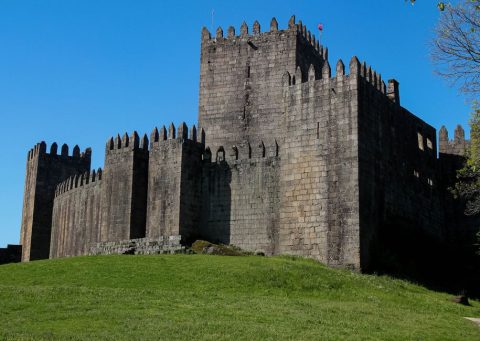
Guimarães - Birthplace of Portugal
This UNESCO World Heritage medieval city, 55km from Porto, is considered the birthplace of Portugal where the nation's first king, Afonso Henriques, was born. The exceptionally preserved historic center features narrow medieval streets, the 10th-century Guimarães Castle, and the Ducal Palace of Braganza with period furnishings and tapestries. The charming Largo da Oliveira square, Gothic churches, and traditional architecture transport visitors to medieval times. The cable car to Penha mountain offers panoramic views. Local specialties include Toucinho do Céu dessert. Reachable by train or bus (1 hour). Essential for Portuguese history enthusiasts. Allow full day to explore thoroughly.
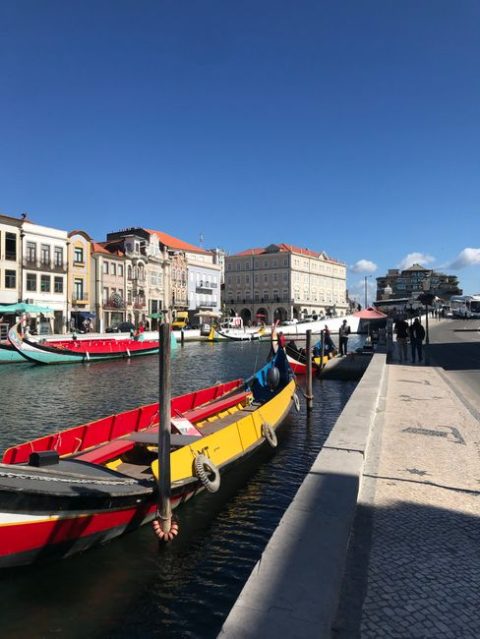
Aveiro - Portuguese Venice
Located 75km south of Porto, Aveiro is known as the 'Venice of Portugal' for its picturesque canals, colorful moliceiro boats, and Art Nouveau architecture. The charming town features canals lined with traditional boats once used to harvest seaweed, now offering tourist rides. Key attractions include the Aveiro Cathedral, Art Nouveau Museum, Costa Nova beach with striped houses, and the town's famous ovos moles (sweet egg confection). The historic fish market, pedestrian shopping streets, and waterfront cafes create delightful atmosphere. Easily accessible by train (40-60 minutes from Porto). Perfect half-day or full-day trip combining culture, architecture, and beach. Consider visiting nearby Costa Nova for lunch.
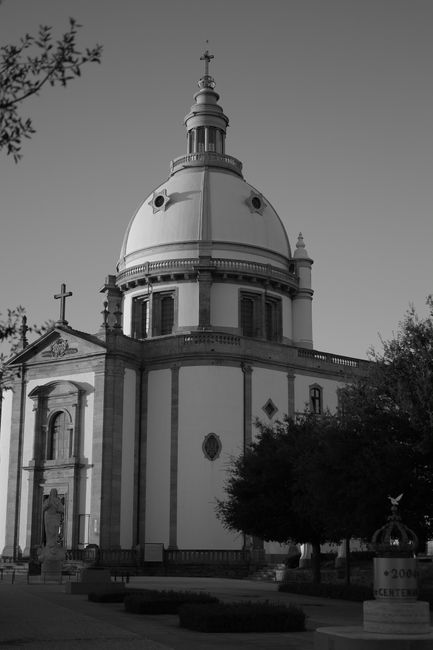
Braga - Religious Capital
Portugal's religious capital and one of Europe's oldest cities, Braga sits 55km northeast of Porto. The city features over 30 churches including the magnificent Braga Cathedral (Portugal's oldest), beautiful baroque sanctuaries, and the stunning Bom Jesus do Monte sanctuary reached by ornate baroque stairway or funicular. The historic center offers Roman ruins, medieval squares, traditional shops, and excellent restaurants. The Archbishop's Palace gardens and Raio Palace with blue azulejo facade are highlights. Known for religious festivals and traditional Holy Week celebrations. Accessible by train (1 hour). Combine with Guimarães for a full-day northern Portugal cultural experience. Rich history spanning Roman to modern times.
Peneda-Gerês National Park
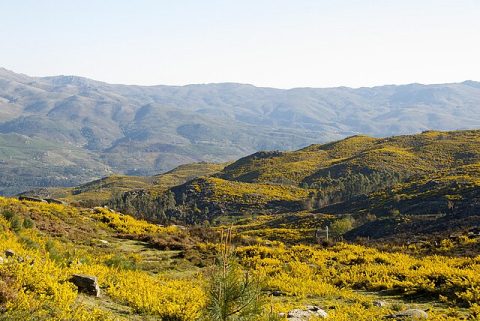
Portugal's only national park, Peneda-Gerês offers dramatic mountain landscapes, traditional villages, waterfalls, and hiking trails about 100km from Porto. The park encompasses granite peaks, oak forests, pristine rivers, and ancient stone villages where traditional ways of life continue. Activities include hiking to cascading waterfalls, swimming in natural pools, visiting historic monasteries, and spotting wildlife including wild ponies. The medieval village of Lindoso with its castle and espigueiros (granaries) is a highlight. Tours from Porto typically include scenic drives, waterfall visits, and village exploration. Best for nature lovers and hikers. Full-day trips recommended for meaningful exploration.
Tips for Day Trips & Excursions
- Transportation: Most day trips accessible by public transport; Guimarães and Braga easily reached by train
- Guided tours: Consider guided tours for Douro Valley and Peneda-Gerês for convenience and local insights
- Combined trips: Guimarães and Braga can be visited in one full day
- Advance planning: Check train schedules and attraction hours before departing
- Early start: Depart Porto early morning to maximize time at destinations
Porto's Atlantic coastline offers beautiful beaches, scenic coastal walks, and charming seaside neighborhoods. From urban beaches easily accessible by tram to more remote coastal areas, the seafront provides refreshing alternatives to city sightseeing.
Foz do Douro
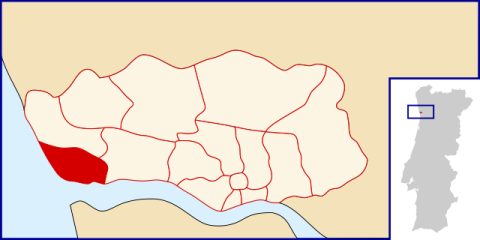
This elegant seaside neighborhood where the Douro River meets the Atlantic offers beautiful coastal walks, beaches, gardens, and upscale dining. The area features two lighthouses, the 16th-century Castelo do Queijo (Cheese Castle) fortress, and Molhe Beach. The riverside and oceanfront promenades provide scenic walks with dramatic seascapes. Praça de Gonçalves Zarco gardens and numerous cafes and restaurants make this a favorite local retreat. The neighborhood showcases beautiful early 20th-century architecture and maintains an refined atmosphere. Easily reached by historic Tram 1 along the river (30 minutes from downtown). Perfect for sunset, seafood dining, and relaxing beach time.
Matosinhos Beach
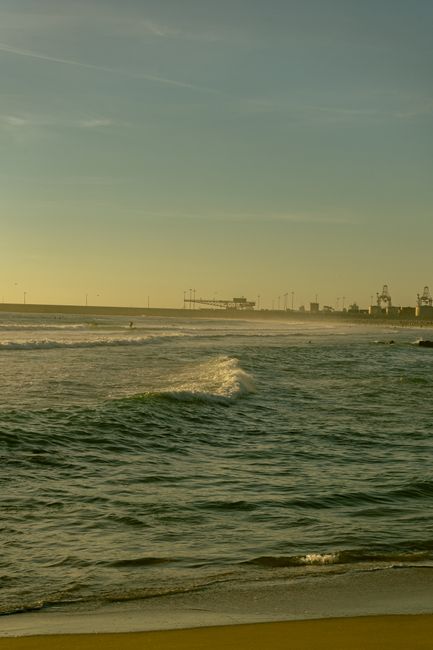
Just north of Porto, Matosinhos offers Porto's best urban beach with golden sand, consistent surf conditions, and excellent seafood restaurants lining the waterfront. The long beach is popular with surfers, families, and beachgoers. The area is famous for grilled fresh fish restaurants where locals dine on sardines, sea bass, and other seafood prepared on outdoor grills. The modern cruise terminal and fish market add authentic atmosphere. Surf schools offer lessons for beginners. The beach is easily accessible by metro (30 minutes from city center). Ideal for combining beach time with authentic Portuguese seafood dining. Very popular with Porto residents, especially on weekends.
Tips for Beaches & Coastal Areas
- Water temperature: Atlantic waters are cool (16-20°C); beaches more suitable for sunbathing than swimming
- Surf conditions: Matosinhos has consistent waves; surf lessons available for all levels
- Seafood: Matosinhos restaurants offer better value than tourist areas; arrive early for best selection
- Historic tram: Take Tram 1 from Ribeira to Foz for scenic coastal journey
- Sunset: Foz do Douro offers spectacular Atlantic sunsets; arrive at lighthouse area by 6-7 PM
Real, highly-rated Restaurants in Porto, sourced from Google Places (rating above 4★).

DAMA pé de cabra
DAMA pé de cabra is a highly-rated restaurant in Porto, rated 4.9★ from 1453 reviews. Located at Passeio de São Lázaro 5, 4000-507 Porto, Portugal.
Opening Hours
- Monday: Closed
- Tuesday: 12:00 – 3:00 PM, 7:00 – 10:00 PM
- Wednesday: 7:00 – 10:00 PM
- Thursday: 7:00 – 10:00 PM
- Friday: 12:00 – 3:00 PM, 7:00 – 10:00 PM
- Saturday: 12:00 – 3:00 PM, 7:00 – 10:00 PM
- Sunday: Closed

Muu Steakhouse
Muu Steakhouse is a highly-rated restaurant in Porto, rated 4.9★ from 3809 reviews. Located at Rua do Almada 149A, 4050-037 Porto, Portugal.
Opening Hours
- Monday: 6:00 PM – 12:00 AM
- Tuesday: 6:00 PM – 12:00 AM
- Wednesday: 6:00 PM – 12:00 AM
- Thursday: 6:00 PM – 12:00 AM
- Friday: 12:00 – 4:00 PM, 6:00 PM – 12:00 AM
- Saturday: 12:00 – 4:00 PM, 6:00 PM – 12:00 AM
- Sunday: 12:00 – 4:00 PM, 6:00 PM – 12:00 AM

ZA IN PORTO
ZA IN PORTO is a highly-rated restaurant in Porto, rated 4.9★ from 913 reviews. Located at R. da Boavista 21, 4050-107 Porto, Portugal.
Opening Hours
- Monday: Closed
- Tuesday: 12:00 – 3:00 PM
- Wednesday: 12:00 – 3:00 PM, 6:30 – 10:00 PM
- Thursday: 12:00 – 3:00 PM, 6:30 – 10:00 PM
- Friday: 12:00 – 3:00 PM, 7:00 – 10:00 PM
- Saturday: 12:00 – 3:00 PM, 7:00 – 10:00 PM
- Sunday: 12:00 – 3:00 PM, 7:00 – 10:00 PM
Real, highly-rated Beach Bars in Porto, sourced from Google Places (rating above 4★).

SENI Beach Bar
SENI Beach Bar is a highly-rated beach bar in Porto, rated 5★ from 69 reviews. Located at Av. do Brasil módulo 16 e 18, 4150-153 Porto, Portugal.
Opening Hours
- Monday: 9:00 AM – 12:00 AM
- Tuesday: 9:00 AM – 12:00 AM
- Wednesday: 9:00 AM – 12:00 AM
- Thursday: 9:00 AM – 12:00 AM
- Friday: 9:00 AM – 12:00 AM
- Saturday: 9:00 AM – 12:00 AM
- Sunday: 9:00 AM – 12:00 AM

The 41 Bar
The 41 Bar is a highly-rated beach bar in Porto, rated 4.8★ from 432 reviews. Located at R. de Sá de Noronha 41, 4050-159 Porto, Portugal.
Opening Hours
- Monday: 6:00 PM – 12:00 AM
- Tuesday: Closed
- Wednesday: 6:00 PM – 12:00 AM
- Thursday: 6:00 PM – 12:00 AM
- Friday: 6:00 PM – 12:00 AM
- Saturday: 6:00 PM – 12:00 AM
- Sunday: 6:00 PM – 12:00 AM

The Sea - Coffee Bar
The Sea - Coffee Bar is a highly-rated beach bar in Porto, rated 4.5★ from 533 reviews. Located at Praia de Lavadores Norte, Av. da Beira-Mar 896, 4400-382 Vila Nova de Gaia, Portugal.
Opening Hours
- Monday: 9:30 AM – 8:00 PM
- Tuesday: 9:30 AM – 8:00 PM
- Wednesday: 9:30 AM – 8:00 PM
- Thursday: 9:30 AM – 8:00 PM
- Friday: 9:30 AM – 8:00 PM
- Saturday: 9:30 AM – 8:00 PM
- Sunday: 9:30 AM – 8:00 PM
Explore Porto on the Map
Best Time to Visit Porto
Spring (April-June): Ideal weather with temperatures 15-25°C (59-77°F), blooming gardens, and fewer crowds than summer. Perfect for sightseeing and outdoor activities. The São João festival in late June is Porto's biggest celebration.
Summer (July-September): Peak tourist season with warm weather (20-28°C/68-82°F) and many festivals. Beaches are most enjoyable. Expect crowds at major attractions and higher prices. Book accommodations well in advance.
Autumn (October-November): Excellent choice with mild weather (15-20°C/59-68°F), grape harvest season in Douro Valley, and reduced crowds. October offers beautiful fall colors and wine-related events.
Winter (December-March): Coolest and wettest season (8-15°C/46-59°F) but least crowded and most affordable. Perfect for museum visits, Port wine tasting, and authentic local experiences. Christmas markets add festive atmosphere.
| Month | Avg Temp | Rainfall | Crowds |
|---|---|---|---|
| Jan-Mar | 8-15°C | High | Low |
| Apr-Jun | 15-25°C | Medium | Medium |
| Jul-Sep | 20-28°C | Low | High |
| Oct-Dec | 10-20°C | High | Low-Medium |
Recommended: May, June, September, and October offer the best balance of weather, crowds, and prices.
Getting Around Porto
✈️ Airport Transfer
Metro: The most economical option. Line E connects the airport to Trindade; change lines to reach Bolhão or São Bento. Journey takes 25-35 minutes. The airport trip requires a Z4 Andante ticket, which costs €2.30 in 2026. €1.30 with rechargeable Andante Card.
Taxi/Uber: Fixed taxi fare to city center is approximately €25-30. Uber and Bolt cost €15-25 depending on time and destination. Journey time: 20-30 minutes.
STCP lines 601 and 602 serve the airport; line 3M runs overnight. Check the current timetable and onboard fare before travel.
Public Transportation
Metro: Six lines (A-F) cover Porto and suburbs efficiently. Operating hours: 6am-1am. Andante single fares vary by zone; Z2 costs €1.40 and Z4 costs €2.30 in 2026, day pass €7.00 with Andante Card. Essential for reaching beaches, Serralves Museum, and suburbs.
Buses: Extensive STCP bus network covers areas metro doesn't reach. Same Andante Card system. Useful for hilltop neighborhoods.
Historic Tram: Three vintage tram lines offer scenic routes. Line 1 (most popular) runs along the Douro River from downtown to Foz do Douro seaside district (30 minutes, €4.00). Lines 18 and 22 serve hillside neighborhoods.
Funicular: Funicular dos Guindais connects Batalha Square to Ribeira waterfront, offering scenic ride down steep hillside. Operating 8am-8pm (10pm summer). Cost: €3.00 one-way.
Walking
Porto's compact historic center is best explored on foot. Important: Wear comfortable shoes with good grip; cobblestone streets are steep and can be slippery when wet. Most major attractions in Ribeira, Baixa, and historic center are within 20-30 minutes walking distance.
Taxis & Ride-Sharing
Taxis are metered and reliable. Uber and Bolt widely available and often cheaper. Useful for evening returns from restaurants or hilly neighborhoods.
Car Rental
Not recommended for city exploration due to narrow streets, steep hills, limited parking, and pedestrian zones. However, useful for Douro Valley day trips and exploring northern Portugal independently. Rental agencies at airport and downtown locations.
Money-saving tip: Purchase an Andante Tour 1-day (€7.00) or 3-day (€15.00) pass for unlimited metro, bus, and some train travel.
Shopping in Porto
What to Buy
Port Wine: Purchase directly from Port wine cellars in Vila Nova de Gaia for best selection and prices. Look for vintage Ports, tawny Ports aged 10-40 years, and late bottled vintage (LBV). Cellars ship internationally.
Azulejo Tiles: Traditional Portuguese ceramic tiles make beautiful souvenirs. Buy from specialized shops in historic center or Rua de Santa Catarina. Ranges from small decorative pieces to custom-made panels.
Cork Products: Portugal produces 50% of world's cork. Purchase wallets, bags, shoes, umbrellas, and accessories. Eco-friendly and uniquely Portuguese. Find at markets and specialty shops.
Portuguese Ceramics: Hand-painted pottery from Barcelos (colorful roosters), Coimbra (blue and white), and Vista Alegre porcelain. Available at craft markets and specialty stores.
Gourmet Products: Olive oil, canned fish (conservas), flor de sal (sea salt), honey, regional cheeses, and port wine chocolates. A Vida Portuguesa store offers curated selection of traditional Portuguese products.
Textiles & Linens: Traditional embroidered linens, wool blankets from Serra da Estrela, and Portuguese cotton towels.
Sardines: Decorative tinned sardines from brands like Conserveira de Lisboa with vintage-style packaging make quirky gifts.
Shopping Areas
Rua de Santa Catarina: Main shopping street with international brands (Zara, H&M, Mango) and Portuguese chains. Centro Comercial Via Catarina shopping mall. Café Majestic and Capela das Almas nearby.
Bolhão Market: Historic market (recently renovated) for fresh produce, flowers, meat, fish, and local products. Open Monday-Saturday mornings. Surrounded by traditional shops.
Rua das Flores: Charming pedestrian street in historic center with boutique shops, craft stores, galleries, and artisan workshops. A Vida Portuguesa flagship store here.
Ribeira Riverside: Tourist-oriented shops selling souvenirs, Port wine, cork products, and ceramics. Higher prices but convenient location.
CC Bombarda (Miguel Bombarda Street): Trendy area with independent art galleries, vintage shops, design stores, and creative spaces. Best for unique finds and contemporary Portuguese design.
Feira da Vandoma: Saturday antique and flea market (8am-5pm) near Campanhã. Find vintage items, antiques, collectibles, and curiosities.
Shopping Hours
Traditional shops: Monday-Friday 9am-7pm, Saturday 9am-1pm (closed Sunday). Shopping centers and chain stores: Daily 10am-11pm/midnight.
Bargaining: Not customary in regular shops but acceptable at flea markets. Always negotiable at Feira da Vandoma.
VAT Refund: Non-EU residents can claim VAT refund on purchases over €61.50. Request tax-free form at purchase, validate at airport before departure.
Festivals & Events
Major Annual Festivals
São João Festival (June 23-24): Porto's biggest celebration honoring Saint John the Baptist. The city erupts in festivities with street parties, live music, traditional dances, fireworks, and midnight display over Douro River. Locals playfully hit each other with plastic hammers and leeks. Traditional grilled sardines eaten throughout the night. Cascading barbecues line Avenida dos Aliados. Absolutely unmissable if visiting in June, but book accommodations months ahead.
Festa de São João do Porto (entire June): Month-long celebrations leading up to São João night with concerts, street markets, exhibitions, and cultural events throughout the city.
Serralves em Festa (late May/early June): 40-hour non-stop contemporary arts festival at Serralves Foundation with music, dance, theater, visual arts, workshops, and performances. Over 200 activities attract 200,000+ visitors. Park open all night with special illumination.
Fantasporto (February-March): International Film Festival specializing in fantasy, horror, and sci-fi cinema. One of world's oldest fantasy film festivals, attracting filmmakers and fans globally.
NOS Primavera Sound (June): Major indie and alternative music festival in Parque da Cidade featuring international and Portuguese artists. Multi-day event with multiple stages.
Queima das Fitas (early May): Porto University student celebration marking end of academic year with parades, concerts, and festivities. Colorful ribbons (fitas) burned in ceremonial tradition.
Matosinhos Jazz Festival (late October): Weekend jazz festival featuring Portuguese and international jazz musicians in venues around Matosinhos.
Public Holidays
- January 1: New Year's Day
- February/March: Carnival (Mardi Gras) - variable date
- March/April: Good Friday & Easter Sunday - variable dates
- April 25: Freedom Day (Revolution of 1974)
- May 1: Labour Day
- June 10: Portugal National Day
- June 24: São João do Porto (Porto municipal holiday)
- August 15: Assumption of Mary
- October 5: Republic Day
- November 1: All Saints' Day
- December 1: Independence Restoration Day
- December 8: Immaculate Conception
- December 25: Christmas Day
Planning note: Many shops, restaurants, and some attractions close on public holidays. Museums often closed Mondays. Plan accordingly and book restaurants ahead during festivals.
Sample Day Itineraries
Day 1: Historic Porto Essentials
Morning (9am-1pm): Start at São Bento Station to admire azulejo tiles (30 min). Walk to Sé Cathedral for panoramic views and cloisters (1 hour). Descend through medieval streets to Ribeira district, exploring narrow alleys and riverside promenade. Coffee break at riverside café.
Afternoon (2pm-6pm): Lunch at traditional tasca in Ribeira featuring bacalhau or francesinha. Walk across Dom Luís I Bridge lower deck to Vila Nova de Gaia (15 min). Visit Taylor's or Graham's Port cellar for tour and tasting (1.5 hours). Return via bridge upper deck for spectacular views.
Evening (6pm-10pm): Take funicular or walk to Torre dos Clérigos for sunset views (1 hour). Dinner in historic center. Evening stroll on Avenida dos Aliados. Optional: Fado music performance.
Day 2: Culture & Wine
Morning (9am-1pm): Visit Igreja de São Francisco for gilded baroque interior (1 hour). Explore Palácio da Bolsa with guided tour including Arabian Hall (1 hour). Walk through Rua das Flores browsing boutiques and craft shops. Visit A Vida Portuguesa for Portuguese products.
Afternoon (2pm-6pm): Lunch at local restaurant. Take Six Bridges River Cruise from Ribeira (1 hour). Visit WOW (World of Wine) museums - choose 2-3 museums based on interests (3 hours).
Evening (6pm-10pm): Dinner at WOW restaurants with Port wine pairing and views over Porto. Walk back across illuminated Dom Luís I Bridge.
Day 3: Art, Gardens & Beach
Morning (9am-1pm): Take bus to Serralves. Explore Contemporary Art Museum and gardens (3 hours). Visit Art Deco Villa and Farm. Café lunch on premises.
Afternoon (2pm-6pm): Metro or bus to Matosinhos Beach for seaside relaxation and surf watching (2 hours). Late lunch at seafood restaurant featuring grilled fresh fish.
Evening (6pm-10pm): Return to city center. Shopping on Rua de Santa Catarina. Dinner and drinks in trendy Miguel Bombarda art district or rooftop bar with views.
Day 4: Douro Valley Wine Experience
Full Day (8am-7pm): Join organized Douro Valley wine tour departing Porto. Visit 2-3 wine estates (quintas) with vineyard walks and tastings. Traditional Portuguese lunch included. Douro River cruise segment. Stop at scenic viewpoints. Return to Porto evening. This is a full-day commitment but absolutely worth it for wine lovers and photographers.
Alternative: If staying in city, visit Crystal Palace Gardens morning (1.5 hours), lunch in Miragaia, afternoon at Museu Soares dos Reis, take historic Tram 1 to Foz do Douro for sunset and seafood dinner.
Day 5: Day Trip Options
Option A - Guimarães & Braga: Train to Guimarães (1 hour). Explore castle, Ducal Palace, historic center (3 hours). Lunch. Continue to Braga by bus/train (30 min). Visit Bom Jesus do Monte sanctuary and cathedral (2.5 hours). Return to Porto evening.
Option B - Aveiro & Costa Nova: Train to Aveiro (1 hour). Moliceiro boat ride through canals, explore Art Nouveau architecture and town center (3 hours). Bus to Costa Nova beach for striped houses and seaside lunch (2 hours). Return to Porto late afternoon.
Option C - Relaxed Porto: Morning at Bolhão Market, brunch at Café Majestic, browse bookstores including Livraria Lello. Afternoon food tour through Porto neighborhoods. Evening shopping for last souvenirs, farewell dinner at favorite restaurant, Port wine nightcap at riverside bar.
Pacing advice: Porto's hills are demanding. Build in rest time, don't overpack days. Allow flexibility for spontaneous discoveries. Save energy for evening activities and dining.
Best Photography & Instagram Spots
Iconic Viewpoints
Dom Luís I Bridge Upper Deck: Classic Porto shot capturing terracotta rooftops cascading to Douro River with Vila Nova de Gaia wine cellars opposite. Best time: Sunset (golden hour) or blue hour after sunset. Walk across for different angles. Metro crosses bridge providing unique moving perspectives.
Torre dos Clérigos Tower Top: 360-degree panoramic views over Porto's historic center, river, ocean, and surrounding areas. Best time: Early morning (fewer people) or late afternoon. 225 steps provide exercise before photoshoot. Baroque tower itself is photogenic from street level.
Jardins do Palácio de Cristal - Miradouro: Romantic garden viewpoint overlooking Douro River and Atlantic Ocean. Beautiful framing with trees, sculptures, and gardens. Best time: Sunset for dramatic river views. Peacocks add whimsical elements to photos.
Miradouro da Vitória: Terrace viewpoint in historic center offering sweeping views over Ribeira, river, bridges, and Gaia. Surrounded by cafes perfect for refreshments. Best time: Golden hour. Less crowded than major monuments.
Serra do Pilar Monastery (Gaia Side): Across river in Vila Nova de Gaia, this elevated viewpoint provides the most comprehensive Porto skyline shots. Capture entire historic center, all bridges, and river. Best time: Sunset or twilight when Porto illuminates. Moderate uphill walk but worth effort.
Architectural Details
São Bento Station Interior: Magnificent azulejo tile panels covering walls create stunning blue and white photographs. Best time: Mid-morning when natural light fills hall but before peak crowds. Use wide-angle lens to capture full panels. Free entry, always accessible.
Igreja do Carmo Azulejo Wall: Spectacular blue and white tiled lateral facade depicting religious scenes. Best time: Morning (east-facing) for soft directional light. Position to capture narrow house between two churches. One of Porto's most photographed facades.
Livraria Lello Interior: Neo-Gothic bookstore interior with famous red staircase, ornate woodwork, and stained glass ceiling. Ticket required (€5, redeemable against book purchase). Best time: Opening time or late afternoon to avoid extreme crowds. Photography allowed but challenging with people.
Rua de São Miguel & Rua Fonte Taurina: Colorful narrow streets in Ribeira with traditional tiled buildings, hanging laundry, and authentic atmosphere. Best time: Mid-morning for light in narrow alleys. Captures authentic Porto character.
Riverside & Waterfront
Cais da Ribeira at Dusk: Colorful buildings reflecting in Douro River with Dom Luís Bridge illuminated and rabelo boats moored. Best time: Blue hour (30-45 minutes after sunset) when building lights glow and sky retains color. Tripod useful for long exposures.
Ponte Infante Don Henrique from Water Level: Modern sleek bridge photograph from Ribeira waterfront or during river cruise. Best time: Late afternoon for dramatic angle. Less photographed than Dom Luís, offers contemporary contrast.
Foz do Douro Lighthouse: Lighthouse at river mouth where Douro meets Atlantic Ocean. Dramatic seascapes with waves crashing on rocks. Best time: Sunset for warm light or stormy weather for dramatic conditions. Tram 1 provides access.
Hidden Gems
Escadas do Codeçal: Colorful tiled staircase connecting different city levels with vibrant azulejos and street art. Instagram-worthy patterns and colors. Usually quiet, allowing uninterrupted photography.
Miradouro das Fontainhas: Lesser-known viewpoint near São Bento Station offering unique angles of terraced colorful houses cascading to river. Best time: Morning light. Local secret, rarely crowded.
Rua da Alfândega: Narrow medieval street with dramatic perspective leading toward river, lined with traditional buildings. Best time: Late afternoon when sun illuminates one side creating contrast. Captures Porto's steep topography.
Photography tips: Porto's best light is early morning and evening golden hour. Midday creates harsh shadows on buildings. Weather: Overcast days actually provide beautiful soft light for architectural photography. Rain creates reflections on cobblestones adding atmosphere. Bring wide-angle lens for interiors and landscapes, telephoto for details. Respect residents' privacy in residential areas.
Instagram hashtags: #VisitPorto #PortoPortugal #PortoLovers #ILovePorto #PortugalLovers #PortoCity #DiscoverPorto #PortoCool
Electricity & Plugs
Voltage: Portugal uses 230V electrical supply at 50Hz frequency, same as most of Europe.
Plug Types: Type C (European 2-pin) and Type F (European 2-pin with earth clips - "Schuko") are standard. These are the same plugs used throughout continental Europe.
US/UK Visitors: North American devices (110V) and UK devices (Type G plugs) require adapters. Most modern electronics (phones, laptops, cameras) have dual-voltage capability (check device specifications showing "110-240V") and only need plug adapter, not voltage converter.
Where to Buy Adapters: Purchase at airport shops, electronics stores in city center, hotels (often available at reception), or bring from home. Airport prices higher but convenient. Multi-country universal adapters work well if visiting multiple destinations.
USB Charging: Most modern hotels and accommodations provide USB charging ports. Many restaurants and cafes offer USB charging at tables. Public spaces increasingly have charging stations.
Recommendation: Bring universal travel adapter with multiple plug types and USB ports for charging multiple devices simultaneously. Check hotel amenities before traveling.
Porto Food & Dining Guide
Must-Try Porto Specialties
Francesinha: Porto's signature dish - a hefty sandwich with ham, linguiça sausage, fresh sausage, steak or roast meat, covered with melted cheese and hot beer-tomato sauce, often topped with fried egg. Served with French fries. Invented in Porto in 1960s. Try at: Café Santiago, Bufete Fase, or Casa Guedes. Rich and filling - perfect for sharing or post-nightlife meal.
Bacalhau (Salt Cod): Portugal's national dish with supposedly 365 preparation methods. Must-try versions: Bacalhau à Brás (shredded cod with matchstick potatoes and eggs), Bacalhau à Gomes de Sá (baked with potatoes, onions, and olives), Bacalhau com Natas (cod with cream). Despite being dried, properly prepared bacalhau is tender and flavorful.
Tripas à Moda do Porto: Traditional Porto tripe stew with white beans, sausages, and vegetables. Historic dish dating to 15th century. Porto locals nicknamed "tripeiros" (tripe eaters) because of this specialty. Acquired taste but authentic local experience.
Alheira: Unique Portuguese sausage invented by Jews during Inquisition, traditionally made with bread and poultry (not pork). Usually grilled and served with fried egg and fries. Lighter than typical sausages.
Sardinhas Assadas: Charcoal-grilled sardines, especially popular during São João festival (June). Best enjoyed simply: grilled with coarse salt, olive oil, and grilled peppers, served with broa (corn bread). Peak season: May-October.
Caldo Verde: Traditional Portuguese soup with kale, potatoes, onions, garlic, and sliced chouriço sausage. Comfort food served throughout Portugal but perfect for Porto's cooler evenings.
Bifana: Popular Portuguese pork sandwich - marinated pork cutlet in crusty bread roll. Simple, delicious, and authentic. Grab from local cafes and tascas.
Sweets & Desserts
Pastel de Nata: Portugal's famous custard tarts with flaky pastry and creamy egg custard center, often dusted with cinnamon and powdered sugar. While originated in Lisbon, excellent versions throughout Porto. Try at Manteigaria or Nata Lisboa.
Pastel de Chaves: Northern Portuguese specialty - savory pastry filled with spiced veal. Different from pastel de nata despite similar name.
Bola de Berlim: Portuguese doughnut filled with sweet egg cream. Sold at beaches and bakeries.
Toucinho do Céu: "Bacon from Heaven" - traditional almond and egg yolk cake, specialty of Guimarães but available in Porto. Despite name, contains no bacon.
Rabanadas: Portuguese-style French toast made with bread soaked in milk/wine, egg-coated and fried, served with cinnamon and sugar. Christmas specialty but available year-round.
Where to Eat
Traditional Tascas (Taverns): Family-run establishments serving authentic Portuguese home cooking. Usually small, unpretentious, and excellent value. Look in Miragaia and residential neighborhoods away from Ribeira tourist area.
Mercado do Bolhão: Renovated historic market (opened 2022) with food stalls, traditional market vendors, and restaurants. Authentic atmosphere and fresh products. Best visited morning for market experience.
Matosinhos Seafood: Head to Matosinhos (metro access) for Porto's freshest seafood. Restaurants with outdoor grills line the waterfront. Fish priced by weight - ask before ordering. Better value and quality than tourist restaurants.
Cais da Ribeira: Most touristy dining area with premium prices and varying quality. Views are spectacular but research restaurants carefully. Venture one street back for better value.
Rua das Flores & Rua Galeria de Paris: Trendy streets with contemporary restaurants, cafes, and bars. Higher-end dining with creative Portuguese cuisine.
Dining Tips
Couvert (Appetizers): Restaurants place bread, butter, olives, cheese, or pâté on table. These are not free - you're charged if consumed (€1-3 per person). Politely decline if not interested.
Meal Times: Portuguese dine later - lunch 1-3pm, dinner 8-10pm. Many restaurants closed between services (3-7pm). Kitchen may stop serving 10-10:30pm even if restaurant open later.
Service Charge: Service included in bill. Tipping optional but appreciated - round up or leave 5-10% for good service. Not expected at casual cafes.
Reservations: Recommended for popular restaurants, especially weekends and summer. Small tascas often don't take reservations - arrive early (7:30pm) or late (9:30pm).
Menu do Dia: Daily lunch menu (fixed price, 2-3 courses) offers excellent value, typically €8-15. Usually only available weekday lunches.
Portions: Portuguese portions are generous. Consider sharing or ordering starter-sized portions (meia dose - half portion). Restaurants accustomed to this request.
Local secret: Best value dining in working-class neighborhoods like Miragaia, Campanhã, and away from tourist center. Ask locals for recommendations.
Safety & Practical Advice
General Safety
Overall Safety: Porto is very safe by European standards with low violent crime rates. Visitors can walk comfortably day and night in tourist areas. Standard travel precautions apply.
Petty Theft: Main concern is pickpocketing in crowded tourist areas (Ribeira, São Bento Station, busy metro stations, markets). Keep valuables secure, use anti-theft bags, avoid displaying expensive items. Be especially vigilant in crowded tourist restaurants and on public transport.
Scams: Generally uncommon but be aware of: inflated taxi fares (use meter or ride-sharing apps), restaurant overcharging (check bills carefully, especially for couvert items), and unofficial tour guides. Always use licensed taxis or Uber/Bolt.
Safe Areas: All central tourist neighborhoods are safe. Ribeira, Baixa, Foz do Douro, Boavista, and Miragaia safe day and night. Some peripheral areas less touristy but no significant danger zones in central Porto.
Emergency Numbers: General emergency 112 (ambulance, police, fire). Tourist Police (Polícia de Segurança Pública) available in tourist areas and speak English.
Health & Medical
Healthcare: Excellent healthcare system. EU citizens should bring European Health Insurance Card (EHIC). Non-EU visitors should have travel insurance. Hospital de Santo António is main central hospital. Private clinics available for non-emergencies.
Pharmacies: Well-stocked pharmacies (Farmácia) throughout city with green cross signs. Pharmacists provide advice and over-the-counter medications. Some 24-hour pharmacies posted at each pharmacy or check farmacias.pt.
Tap Water: Safe to drink throughout Portugal. Porto's tap water is excellent quality and free in restaurants if requested (água da torneira).
Sun Protection: Summer sun intense despite Atlantic location. Use sunscreen, sunglasses, and hats especially if visiting beaches or walking tours.
Accessibility
Mobility Challenges: Porto's historic center has steep cobblestone streets, stairs, and limited accessibility. Many older buildings lack elevators. Dom Luís I Bridge upper deck and metro system are accessible. Torre dos Clérigos has 225 steps with no elevator. Newer attractions (WOW, Serralves) have good accessibility.
Accessible Transport: Metro system fully accessible. Many buses have wheelchair access. Accessible taxis available by request. Funicular dos Guindais provides accessible route between levels.
Language & Communication
Language: Portuguese is official language. English widely spoken in tourist areas, hotels, restaurants, and by younger generation. Older locals and in residential areas less English spoken. Learn basic Portuguese phrases - locals appreciate effort.
Common Phrases: Olá (hello), Obrigado/a (thank you m/f), Por favor (please), Desculpe (excuse me), Fala inglês? (Do you speak English?), Quanto custa? (How much?), A conta, por favor (the bill, please).
WiFi & Data: Free WiFi widely available in hotels, restaurants, cafes, and tourist attractions. EU visitors can use mobile data without roaming charges. Non-EU visitors should consider local SIM cards (Vodafone, MEO, NOS) at airport or phone shops - very affordable with tourist packages.
Money & Banking
Currency: Euro (€). Portugal uses standard Euro coins and notes.
ATMs: Widely available (Multibanco). Withdraw from bank ATMs rather than standalone machines to avoid fees. Notify your bank of travel dates. Daily withdrawal limits typically €200-400.
Credit Cards: Visa and Mastercard widely accepted. American Express less common. Small shops, tascas, and markets may be cash-only. Always carry some cash.
Tipping: Not obligatory but appreciated. Round up taxi fares. Leave 5-10% in restaurants for good service (service charge already included in bill). Not expected in cafes for coffee/drinks.
Prices: Porto more affordable than many Western European cities. Budget: €40-60/day. Mid-range: €80-120/day. Upscale: €150+/day. Museum entries €3-10, meals €10-25, Port cellar tours €12-25.
Money-saving tips: Eat at tascas away from Ribeira, visit museums Sunday mornings (often free), buy picnic supplies at markets, use public transport, drink local wine (excellent and inexpensive), share portions (Portuguese servings are large).
Cultural Etiquette & Local Customs
Social Customs
Greetings: Portuguese greet with handshakes (business) or two kisses on cheeks (social, starting right). Address people formally with Senhor (Mr.) or Senhora (Mrs.) plus surname unless invited to use first names. Portuguese value politeness and formality initially.
Punctuality: Expected for business but social occasions more relaxed. Arriving 10-15 minutes late for dinner invitations acceptable.
Dress Code: Portuguese dress smartly, especially for dining out and attending cultural events. Casual but neat attire appropriate for daytime sightseeing. Beachwear only at beach. Cover shoulders and knees for churches (enforced at major religious sites).
Table Manners: Wait for host to start eating. Keep hands visible on table. Finish everything on plate (compliments chef). Toast with eye contact saying "Saúde!" (to health!). Bread used to push food onto fork, not eaten with hands.
Cultural Considerations
Siesta Culture: Many shops close 1-3pm for lunch, especially small businesses. Plan shopping and services around lunch closure. Restaurants busier 1-3pm and 8-10pm.
Religion: Portugal predominantly Catholic with strong religious traditions. Respect religious sites, ceremonies, and holidays. Photography often restricted in churches during services.
Fado Music: Traditional fado performances require respectful silence during singing. No talking, photography, or phone use during performances. Applaud between songs. Deeply emotional art form expressing Portuguese soul.
Family Values: Portuguese culture highly family-oriented. Multi-generational dining common. Children welcomed at restaurants, even late evening. Family businesses prevalent throughout city.
Do's and Don'ts
DO:
- Learn basic Portuguese phrases - effort appreciated
- Greet shop owners when entering (Olá/Bom dia)
- Try local specialties and Port wine
- Walk on right side of narrow streets and stairs
- Ask permission before photographing locals
- Respect quiet hours (generally 10pm-8am in residential areas)
- Stand right on metro escalators (walk left)
- Validate metro/bus tickets (spot checks with fines)
DON'T:
- Compare Portugal to Spain negatively (sensitive topic)
- Assume everyone speaks Spanish (use English instead)
- Rush through meals - Portuguese savor dining
- Wear beach clothes in city center or churches
- Be loud in residential areas at night
- Expect fast service - Portuguese pace more relaxed
- Skip saying goodbye when leaving shops (Adeus/Até logo)
- Refer to Port wine as simply "Port" - use "Porto" or "Vinho do Porto"
Portuguese Pride
Historical Achievements: Portuguese proud of Age of Discovery heritage, maritime exploration, and global historical influence. Vasco da Gama, Henry the Navigator, and Ferdinand Magellan important figures.
Football (Soccer): National passion. FC Porto is local team with passionate fanbase. Respect football culture and rivalries (particularly FC Porto vs. Benfica/Sporting).
Saudade: Uniquely Portuguese concept - melancholic longing, nostalgia, or yearning. Central to Portuguese identity, expressed in fado music and literature. Understanding saudade helps appreciate Portuguese soul.
Cultural insight: Portuguese people are warm, hospitable, and genuinely friendly but may seem reserved initially. Making effort to speak Portuguese, showing interest in culture, and demonstrating respect opens doors to authentic experiences and recommendations.
Where to Stay in Porto
Best Neighborhoods for Tourists
Ribeira (Riverside Historic Center): Most atmospheric location in heart of UNESCO World Heritage area. Colorful buildings, riverside dining, iconic views. Pros: Walking distance to everything, incredible ambiance, river views. Cons: Steep cobblestone streets, noise from bars/restaurants, touristy, higher prices, challenging with luggage. Best for: First-time visitors wanting immersive experience.
Baixa/Sé (Downtown): Central location near São Bento Station, Clérigos Tower, shopping streets. Pros: Excellent transport connections, close to attractions, restaurants, and shops, good value. Cons: Can be busy, less charming than Ribeira. Best for: Convenient base for sightseeing and day trips.
Boavista/Foz do Douro (Western Neighborhoods): Upscale residential areas near ocean. Pros: Quieter, more local atmosphere, beaches nearby, parks, excellent restaurants, safer parking. Cons: 20-30 minutes from historic center by metro/tram, less walkable to main sights. Best for: Longer stays, families, beach lovers, those seeking authenticity.
Vila Nova de Gaia: Across river from Porto, home to Port wine cellars. Pros: Spectacular Porto views, proximity to cellars, quieter, good value, walkable to Ribeira via bridge. Cons: Uphill walk from waterfront, feels less central. Best for: Wine enthusiasts, photographers, budget-conscious travelers.
Cedofeita/Miguel Bombarda (Arts District): Trendy neighborhood with galleries, boutiques, restaurants, nightlife. Pros: Hip atmosphere, local character, good dining/nightlife, near Clérigos and downtown. Cons: Some streets sketchy late night. Best for: Young travelers, art lovers, nightlife seekers.
Accommodation Types & Budget
Budget (€30-60/night): Hostels, guesthouses, basic hotels. Good options in Baixa and Gaia. Quality hostels offer private rooms with shared facilities. Many have common areas and organized activities.
Mid-Range (€60-120/night): 3-star hotels, boutique guesthouses, vacation rentals. Best value category with comfortable amenities, good locations, breakfast included. Book Ribeira/Baixa locations for convenience.
Upscale (€120-250/night): 4-5 star hotels, luxury boutique properties, restored palaces. Historic buildings with modern amenities, often include pools, spas, fine dining. Intercontinental Porto, Pestana Vintage Porto, The Yeatman are top properties.
Luxury (€250+/night): Premium hotels with exceptional service, Michelin-starred restaurants, exclusive amenities. The Yeatman (wine hotel in Gaia with 2-Michelin-star restaurant) exemplifies top tier.
Booking Tips
Book Early: Porto increasingly popular. Book 2-3 months ahead for summer, São João Festival (June), and Christmas/New Year. Last-minute deals possible off-season (November-March excluding holidays).
Location Considerations: Prioritize location over luxury in compact Porto. Walking distance to metro saves time and money. Check elevation - some streets very steep with luggage.
Parking: If renting car, confirm parking availability. Historic center has limited street parking and expensive garages (€15-25/day). Hotels in Boavista/Foz offer better parking options.
Noise: Ribeira can be noisy until late. Request interior rooms or upper floors. Check reviews specifically mentioning noise levels.
Recommendation: For first-time visitors staying 3-4 days, choose Baixa or eastern Ribeira for balance of location, atmosphere, and practicality. Longer stays or return visits: explore Boavista or Foz for authentic local experience.
Sustainable & Responsible Tourism
Overtourism Awareness
Porto experiencing rapid tourism growth putting pressure on historic neighborhoods and local residents. Be a responsible visitor: Respect residential areas, avoid excessive noise, support local businesses over international chains, visit during shoulder season when possible, explore beyond Ribeira and Baixa to distribute tourism impact.
Sustainable Practices
Use Public Transport: Porto's excellent metro, bus, and tram system reduces carbon footprint. Walk whenever possible - city compact and walkable (though hilly). Avoid rental cars for city exploration.
Support Local Economy: Choose family-owned tascas over tourist restaurants, shop at traditional markets (Bolhão), buy from local artisans and craft shops. A Vida Portuguesa exclusively sells Portuguese products supporting local producers.
Reduce Plastic: Carry reusable water bottle (tap water excellent), refuse plastic bags (bring reusable shopping bag), choose restaurants avoiding single-use plastics.
Respect Cultural Heritage: Follow rules at historic sites, don't touch azulejo tiles or monuments, stay on designated paths. Many historic buildings fragile - respectful behavior ensures preservation.
Waste Management: Use recycling bins (blue for paper, yellow for plastics/metals, green for glass, brown for organic). Littering rare in Porto - maintain standards.
Ethical Experiences
Animal Welfare: Avoid attractions exploiting animals. Serralves Farm treats animals ethically. Porto's carriage horses (rabelo boat horses no longer used) now mostly decorative.
Cultural Appropriation: Experience fado music at authentic venues supporting fadistas. Avoid tourist-trap performances. Purchase authentic Portuguese crafts, not imported imitations.
Photography Ethics: Ask permission before photographing locals, especially in residential areas. Street performers appreciate tips if photographed. Respect privacy in churches and during religious observances.
Give back: Consider volunteering opportunities through Porto-based organizations, tip service workers fairly, leave positive reviews for small businesses providing excellent service, share responsible tourism practices with fellow travelers.
Tourist Passes
Porto Card
The official Porto tourist card offers free or discounted entry to over 40 museums and monuments, plus unlimited public transport (metro, bus, some trains). Available in 1-day (€13), 2-day (€20), 3-day (€25), and 4-day (€33) options. Includes free entry to major attractions like Torre dos Clérigos, Palácio da Bolsa, Port wine cellar discounts, river cruise discounts, and Serralves Museum discount. Best value for visitors planning to use public transport and visit multiple paid attractions. Purchase online or at tourist information offices, airport, and some hotels. Cost-effective if visiting 3+ paid attractions plus using transport. Calculate based on your planned activities.
www.portocard.cityAndante Tour Card (Transport Only)
For visitors primarily needing public transport without museum entries, the Andante Tour card offers better value. Provides unlimited metro, bus, and some urban train travel. Available as 1-day (€7), 3-day (€15), or rechargeable Andante card with pay-per-trip option (€0.60 card + €1.30 per trip in Z2 zone). Covers Porto metro network, STCP buses, and train connections within zone. Recommended for beach visits, Matosinhos trips, and general city transport. Purchase at metro stations, airport, and some newsagents. Best choice if accommodation is outside walkable center or visiting beaches/suburbs.
www.linhandante.comPorto Wine Cellars Combined Tickets
While not an official pass, many Port wine cellars offer combined packages and multi-cellar discounts. WOW (World of Wine) offers multi-museum passes - 2 museums (€22), 3 museums (€30), or all 7 museums (€42) representing significant savings versus individual tickets. Some cellar tours include multiple experiences: tour, tasting, restaurant discount, and cable car. Book directly through cellar websites for best online discounts. Compare individual tour prices before committing to passes. Good value if spending full day in Gaia wine district or particularly interested in wine culture.
www.wow.ptLisboa Card (for Combined Trips)
If combining Porto with Lisbon visit, consider the Lisboa Card for Lisbon portion of your trip (separate from Porto Card). Offers free public transport and free/discounted entry to Lisbon attractions. Not valid in Porto but worth mentioning for comprehensive Portugal itinerary planning. Available in 24h (€21), 48h (€35), or 72h (€44) versions. Purchase when arriving in Lisbon, not in Porto. Covers Lisbon metro, trams, buses, trains to Sintra/Cascais, and 39+ museums including Jerónimos Monastery, Belém Tower, and major museums.
www.lisboacard.orgMore about Porto
Photo credits (32)
- Dom Luís I Bridge: photo by Deensel, CC BY 2.0, via Wikimedia Commons
- Torre dos Clérigos: photo by Diego Delso, CC BY-SA 3.0, via Wikimedia Commons
- Palácio da Bolsa: photo by Krzysztof Golik, CC BY-SA 4.0, via Wikimedia Commons
- Serralves Museum of Contemporary Art: photo by Gabriel de Andrade Fernandes from São Paulo, Brasil, CC BY-SA 2.0, via Wikimedia Commons
- Museu Nacional Soares dos Reis: photo by Jose Goncalves, Public domain, via Wikimedia Commons
- World of Wine (WOW): photo by Dale Cruse - 10M views from San Francisco, CA, USA, CC BY 4.0, via Wikimedia Commons
- Sé do Porto (Porto Cathedral): photo by Laszlo Daroczy from Miskolc, Hungary, CC BY 2.0, via Wikimedia Commons
- Igreja de São Francisco: photo by John Samuel, CC BY-SA 4.0, via Wikimedia Commons
- Igreja do Carmo: photo by Fabio Vanin, CC BY-SA 3.0, via Wikimedia Commons
- Ribeira: photo by Luis Miguel Bugallo Sánchez (Lmbuga), CC BY-SA 3.0, via Wikimedia Commons
- Miragaia: photo by Renata Martins, CC BY-SA 2.0, via Wikimedia Commons
- Bolhão & Baixa: photo by Joehawkins, CC BY-SA 4.0, via Wikimedia Commons
- Jardins do Palácio de Cristal: photo by John Samuel, CC BY-SA 4.0, via Wikimedia Commons
- Parque da Cidade: photo by PedroPVZ, CC BY-SA 3.0, via Wikimedia Commons
- Serralves Gardens: photo by Daniel VILLAFRUELA., CC BY-SA 4.0, via Wikimedia Commons
- Avenida dos Aliados: photo by Krzysztof Golik, CC BY-SA 4.0, via Wikimedia Commons
- Rua de Santa Catarina: photo by Bernard Gagnon, CC BY 4.0, via Wikimedia Commons
- São Bento Railway Station: photo by HombreDHojalata, CC BY-SA 4.0, via Wikimedia Commons
- Taylor's Port Wine Cellars: photo by Ricardo Tulio Gandelman, CC BY 2.0, via Wikimedia Commons
- Calem Port Wine Cellars: photo by Michael Gaylard from Horsham, UK, CC BY 4.0, via Wikimedia Commons
- Porto Food Tours: photo by Taste Porto, CC BY-SA 4.0, via Wikimedia Commons
- Peneda-Gerês National Park: photo by manjerix, CC BY-SA 2.0, via Wikimedia Commons
- Foz do Douro: photo by Reis Quarteu, CC BY-SA 4.0, via Wikimedia Commons
- Matosinhos Beach: photo by John Samuel, CC BY-SA 4.0, via Wikimedia Commons
- ZA IN PORTO: photo by Alvesgaspar, CC BY-SA 3.0, via Wikimedia Commons
- The Door: photo by Bernard Gagnon, CC BY 4.0, via Wikimedia Commons
- Ribeira Square: photo by Alvesgaspar, CC BY-SA 4.0, via Wikimedia Commons
- Porta 4: photo by Palauenc05, CC BY-SA 4.0, via Wikimedia Commons
- Gruta: photo by Dosp84, CC BY-SA 4.0, via Wikimedia Commons
- Brasão Aliados: photo by Vitor Oliveira from Torres Vedras, PORTUGAL, CC BY-SA 2.0, via Wikimedia Commons
- Base Porto: photo by Myrabella, CC BY-SA 3.0, via Wikimedia Commons
- Beach Bar: photo by lilivanili from London, UK, CC BY 2.0, via Wikimedia Commons
.jpg)

.jpg)
.jpg)

.jpg)
.jpg)
.jpg)


.jpg)

_13.jpg)


.jpg)
.jpg)

_-_Mar_2010.jpg)
.jpg)

_(2).jpg)


.jpg)

.jpg)