Seoul rewards a short trip if you prioritize the right mix of old and new. Gyeongbokgung Palace anchors the itinerary, its grand gates and courtyards showing the scale of the Joseon dynasty, while the smaller, more intimate Changdeokgung Palace reveals a UNESCO-listed secret garden just steps away. Nearby, Bukchon Hanok Village lets you wander alleys of traditional wooden houses with the skyline behind them, and Insadong offers galleries, teahouses, and antique shops for a slower pace. Round it out with a stop at Gwangjang Market for legendary street food. Together these picks capture royal history, village charm, and everyday Seoul in a compact, walkable loop.
Seoul's iconic landmarks showcase the city's rich royal heritage and modern architectural marvels. From ancient palaces to contemporary towers, these sites define the city's skyline and history.
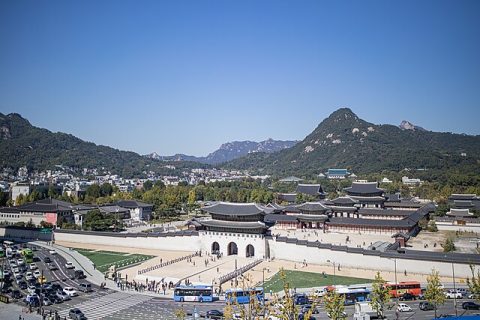
The largest and most iconic of Seoul's Five Grand Palaces, Gyeongbokgung was built in 1395 as the main royal residence. Witness the Royal Guard Changing Ceremony at the main gate, explore the National Palace Museum, and stroll through beautiful gardens. The palace complex features stunning traditional architecture including the Gyeonghoeru Pavilion and the elegant Hyangwonjeong Pavilion surrounded by a lotus pond. Tip: Visit in hanbok (traditional Korean dress) for free admission and incredible photos.
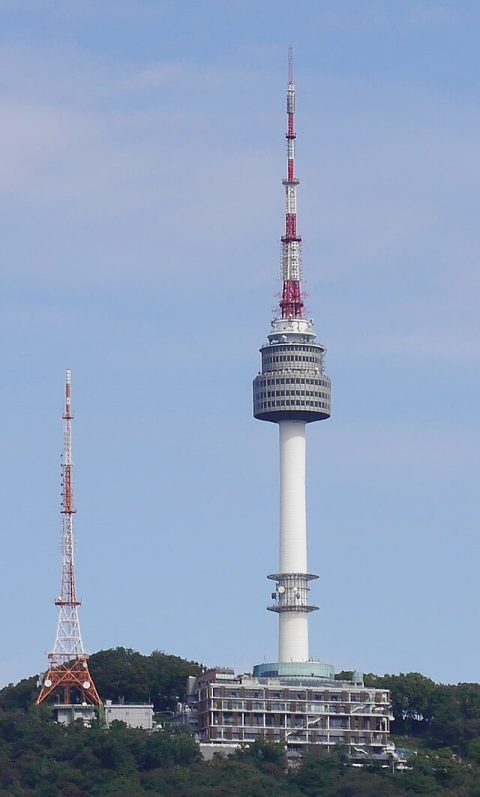
Standing atop Namsan Mountain at 479.7 meters above sea level, this iconic tower offers 360-degree panoramic views of Seoul. The observation deck provides breathtaking vistas, especially at sunset and night when the city lights sparkle below. The tower features restaurants, cafes, and the famous Locks of Love terrace where couples attach padlocks as symbols of eternal love. Take the cable car up Namsan Mountain or hike the scenic trails.
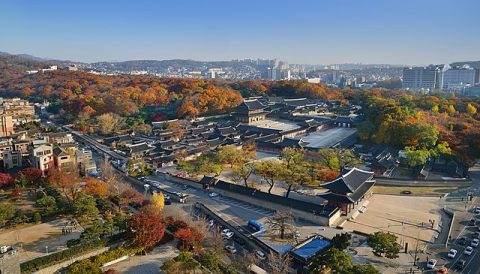
A UNESCO World Heritage Site, Changdeokgung is renowned for its beautiful Secret Garden (Huwon), a 78-acre woodland garden with pavilions, ponds, and centuries-old trees. This palace served as the main royal residence for many kings and is considered the most well-preserved of Seoul's palaces. The architecture harmoniously integrates with the natural landscape. Note: Secret Garden requires a guided tour (available in multiple languages) with limited daily capacity, so book in advance.
Tips for Landmarks & Monuments
- Hanbok Rental: Many shops near palaces offer traditional Korean dress rentals (₩15,000-30,000 for 2-4 hours). Wearing hanbok grants free palace admission.
- Guard Ceremonies: Royal Guard Changing Ceremonies at Gyeongbokgung occur at 10 AM and 2 PM (except Tuesdays), Deoksugung at 11 AM, 2 PM, and 3:30 PM (except Mondays).
- Palace Closures: Most palaces close on Mondays or Tuesdays check schedules before visiting.
- Combined Tickets: Consider the Four Palace + Jongmyo Shrine integrated ticket (₩10,000) valid for 3 months.
Seoul boasts world-class museums covering everything from ancient Korean artifacts to contemporary art and cutting-edge technology. Many offer free admission or discounted rates.
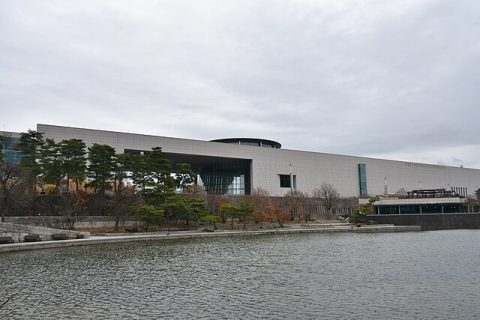
One of Asia's largest museums with over 310,000 artifacts spanning Korean history from prehistoric times to modern era. The stunning architecture and spacious galleries house treasures including ancient ceramics, Buddhist sculptures, and royal artifacts. Highlights include the 10-story Gyeongcheonsa Pagoda and the Bangasayusang (Pensive Bodhisattva). The museum offers free admission to permanent exhibitions and beautiful outdoor gardens. English audio guides and tours available.
Tips for Museums & Galleries
- Free Admission: National Museum of Korea, War Memorial, National Palace Museum, and National Folk Museum offer free entry to permanent collections.
- Museum Night: Many museums offer extended hours and special programs on the last Wednesday of each month.
- Audio Guides: Most major museums provide free English audio guides or smartphone apps.
- Photography: Flash photography usually prohibited; check specific gallery rules before taking photos.
Each of Seoul's neighborhoods offers distinct character from traditional hanok villages to ultra-modern shopping districts, trendy youth culture zones to sophisticated residential areas.
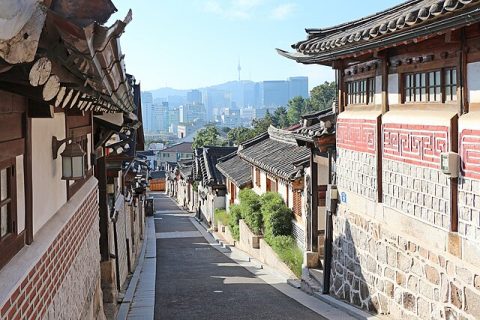
A stunning 600-year-old neighborhood of traditional hanok houses nestled between Gyeongbokgung and Changdeokgung palaces. Narrow alleyways wind through preserved homes, many now serving as cultural centers, guesthouses, tea houses, and craft shops. Famous viewpoints like Bukchon 8 Views offer postcard-perfect photo opportunities of traditional rooftops against modern Seoul. Important: This is a residential area be respectful, quiet, and follow posted guidelines. Visit early morning or late afternoon to avoid crowds.
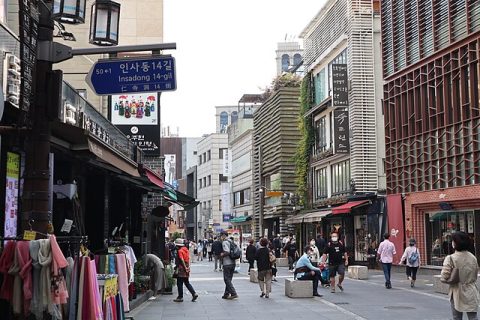
Seoul's cultural heart and antique district, famous for traditional crafts, art galleries, tea houses, and souvenir shops. The main pedestrian street (closed to cars on Sundays) is lined with vendors selling calligraphy, ceramics, hanbok, and traditional snacks. Explore narrow side alleys for hidden galleries, craft workshops, and authentic restaurants. Ssamziegil, a unique spiral shopping mall, houses dozens of artisan boutiques. Perfect for finding unique Korean gifts and experiencing traditional culture in a vibrant atmosphere.
Tips for Neighborhoods & Districts
- Bukchon Respect: Quiet hours (10 AM-5 PM) enforced in Bukchon. No tour groups, no loudspeakers. Be considerate of residents.
- Shopping Tax Refunds: Look for Tax Free signs in Myeongdong and Gangnam. Spend over ₩30,000 at participating stores to claim VAT refund at airport.
- Neighborhood Hopping: Use Seoul's efficient subway to visit multiple neighborhoods in one day. Northern villages (Bukchon, Insadong) pair well together, as do southern districts (Gangnam, Itaewon).
- Best Photography: Early morning (7-9 AM) in Bukchon for soft light and empty streets. Golden hour (sunset) at N Seoul Tower viewpoints for neighborhood panoramas.
From sprawling traditional markets to high-tech shopping malls, Seoul offers unparalleled retail therapy combining local culture with global brands.
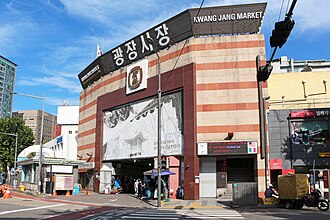
Korea's oldest traditional market (since 1905) and a foodie paradise famous for authentic street food. Navigate crowded aisles filled with bindaetteok (mung bean pancakes), mayak gimbap (mini seaweed rice rolls), tteokbokki (spicy rice cakes), and fresh raw beef. The market also sells fabrics, hanbok, and vintage clothing. Featured in Netflix's Street Food series, it's now internationally famous but retains its local character. Visit hungry vendors offer generous samples. Cash only at most stalls.
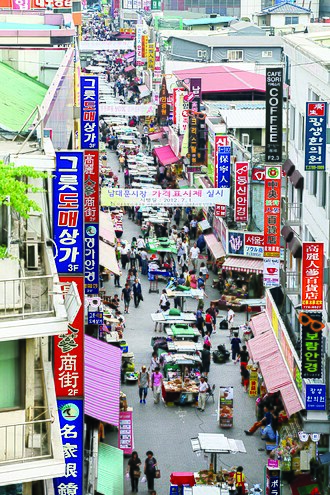
Korea's largest traditional market with over 10,000 vendors selling virtually everything clothing, accessories, kitchenware, ginseng, street food, and souvenirs. The market operates day and night (especially busy late evening/early morning for wholesale). Prices are negotiable, making it perfect for bargain hunting. The night food stalls are legendary, particularly for kalguksu (knife-cut noodles) and hotteok (sweet pancakes). Located near Seoul Station, making it convenient for travelers.
Tips for Markets & Shopping
- Bargaining: Negotiate prices at traditional markets (Namdaemun, Dongdaemun). Start at 60-70% of asking price. Fixed prices at department stores and modern malls.
- Market Hours: Traditional markets busiest 10 AM-6 PM. Dongdaemun fashion malls open late evening until dawn (10 PM-5 AM). Gwangjang best for lunch/early dinner (11 AM-8 PM).
- Cash vs. Card: Traditional market stalls prefer cash. Modern malls accept all cards. ATMs widely available.
- Shipping Services: Major markets offer international shipping. Many stores provide tax-free shopping for tourists bring your passport.
Real, highly-rated Restaurants in Seoul, sourced from Google Places (rating above 4★).
Hangong-Gan is a highly-rated restaurant in Seoul, rated 5★ from 1194 reviews. Located at South Korea, Seoul, Mapo-gu, 연남동 561-4.
Opening Hours
- Monday: 5:00 PM – 12:00 AM
- Tuesday: Closed
- Wednesday: 5:00 PM – 12:00 AM
- Thursday: 5:00 PM – 12:00 AM
- Friday: 5:00 PM – 12:00 AM
- Saturday: 5:00 PM – 12:00 AM
- Sunday: 5:00 PM – 12:00 AM
Vegan Kitchen is a highly-rated restaurant in Seoul, rated 4.9★ from 1778 reviews. Located at 21 Toegye-ro 20-gil, Jung District, Seoul, South Korea.
Opening Hours
- Monday: 10:30 AM – 9:30 PM
- Tuesday: 10:30 AM – 9:30 PM
- Wednesday: 10:30 AM – 9:30 PM
- Thursday: 10:30 AM – 9:30 PM
- Friday: 10:30 AM – 9:30 PM
- Saturday: 10:30 AM – 9:30 PM
- Sunday: 10:30 AM – 9:30 PM
Cherry Garden is a highly-rated restaurant in Seoul, rated 4.9★ from 1524 reviews. Located at South Korea, Seoul, Jongno District, il)-dong 1 KR 서울특별시 종로구 서울 종로구 종로 326 330-2 Changsin https://naver.me/5Vm1R32v.
Opening Hours
- Monday: 10:00 AM – 10:00 PM
- Tuesday: 10:00 AM – 10:00 PM
- Wednesday: 10:00 AM – 10:00 PM
- Thursday: 10:00 AM – 10:00 PM
- Friday: 10:00 AM – 10:00 PM
- Saturday: 10:00 AM – 10:00 PM
- Sunday: 10:00 AM – 10:00 PM
Myeongdong Korean BBQ Mongvely is a highly-rated restaurant in Seoul, rated 4.9★ from 4944 reviews. Located at South Korea, Seoul, Jung District, Myeongdong 8na-gil, 9 3층.
Opening Hours
- Monday: 11:30 AM – 2:00 AM
- Tuesday: 11:30 AM – 2:00 AM
- Wednesday: 11:30 AM – 2:00 AM
- Thursday: 11:30 AM – 2:00 AM
- Friday: 11:30 AM – 2:00 AM
- Saturday: 11:30 AM – 2:00 AM
- Sunday: 11:30 AM – 2:00 AM
bogwangjung is a highly-rated restaurant in Seoul, rated 4.9★ from 3241 reviews. Located at 1 floor, 118 Bogwang-ro, Yongsan District, Seoul, South Korea.
Opening Hours
- Monday: 4:00 PM – 12:00 AM
- Tuesday: 4:00 PM – 12:00 AM
- Wednesday: 4:00 PM – 12:00 AM
- Thursday: 4:00 PM – 12:00 AM
- Friday: 4:00 PM – 12:00 AM
- Saturday: 12:00 PM – 12:00 AM
- Sunday: 12:00 PM – 12:00 AM
Haepo is a highly-rated restaurant in Seoul, rated 4.9★ from 877 reviews. Located at South Korea, Seoul, Jung District, Eulji-ro 44-gil, 17-9 1층.
Opening Hours
- Monday: 11:30 AM – 11:00 PM
- Tuesday: 11:30 AM – 11:00 PM
- Wednesday: 11:30 AM – 11:00 PM
- Thursday: 11:30 AM – 11:00 PM
- Friday: 11:30 AM – 11:00 PM
- Saturday: 11:30 AM – 10:00 PM
- Sunday: Closed
Snack seoul samcheongdong restaurant is a highly-rated restaurant in Seoul, rated 4.8★ from 364 reviews. Located at 46 Palpan-gil, Jongno District, Seoul, South Korea.
Opening Hours
- Monday: 11:00 AM – 9:00 PM
- Tuesday: 11:00 AM – 9:00 PM
- Wednesday: 11:00 AM – 9:00 PM
- Thursday: 11:00 AM – 9:00 PM
- Friday: 11:00 AM – 9:00 PM
- Saturday: 11:00 AM – 9:00 PM
- Sunday: 11:00 AM – 9:00 PM
LUCKY SEOUL is a highly-rated restaurant in Seoul, rated 4.8★ from 620 reviews. Located at 14 Changgyeonggung-ro 1-gil, Jung District, Seoul, South Korea.
Opening Hours
- Monday: 8:00 AM – 4:00 PM
- Tuesday: 8:00 AM – 4:00 PM
- Wednesday: 8:00 AM – 4:00 PM
- Thursday: 8:00 AM – 4:00 PM
- Friday: 8:00 AM – 4:00 PM
- Saturday: 8:00 AM – 4:00 PM
- Sunday: 8:00 AM – 4:00 PM
대가인생순두부 명동본점 is a highly-rated restaurant in Seoul, rated 4.8★ from 266 reviews. Located at 7-7 Myeongdong 10-gil, Jung District, Seoul, South Korea.
Opening Hours
- Monday: 10:30 AM – 10:30 PM
- Tuesday: 10:30 AM – 10:30 PM
- Wednesday: 10:30 AM – 10:30 PM
- Thursday: 10:30 AM – 10:30 PM
- Friday: 10:30 AM – 10:30 PM
- Saturday: 10:30 AM – 10:30 PM
- Sunday: 10:30 AM – 10:30 PM
Seouljip is a highly-rated restaurant in Seoul, rated 4.7★ from 471 reviews. Located at South Korea, Seoul, Jung District, Eulji-ro 44-gil, 6 2층.
Opening Hours
- Monday: 11:00 AM – 11:00 PM
- Tuesday: 11:00 AM – 11:00 PM
- Wednesday: 11:00 AM – 11:00 PM
- Thursday: 11:00 AM – 11:00 PM
- Friday: 11:00 AM – 11:00 PM
- Saturday: 11:00 AM – 11:00 PM
- Sunday: 11:00 AM – 11:00 PM
Kampungku Restaurant is a highly-rated restaurant in Seoul, rated 4.7★ from 3747 reviews. Located at 16-4 Namsan-dong 2(i)-ga, Jung District, Seoul, South Korea.
Opening Hours
- Monday: 11:00 AM – 9:00 PM
- Tuesday: 11:00 AM – 9:00 PM
- Wednesday: 11:00 AM – 9:00 PM
- Thursday: 11:00 AM – 9:00 PM
- Friday: 11:00 AM – 9:00 PM
- Saturday: 11:00 AM – 9:00 PM
- Sunday: 11:00 AM – 9:00 PM
Petra is a highly-rated restaurant in Seoul, rated 4.6★ from 2267 reviews. Located at 33 Noksapyeong-daero 40-gil, Yongsan District, Seoul, South Korea.
Opening Hours
- Monday: 11:00 AM – 9:00 PM
- Tuesday: 11:00 AM – 9:00 PM
- Wednesday: 11:00 AM – 9:00 PM
- Thursday: 11:00 AM – 9:00 PM
- Friday: 11:00 AM – 9:00 PM
- Saturday: 11:00 AM – 9:00 PM
- Sunday: 11:00 AM – 9:00 PM