Things to do in Seoul
Seoul's iconic landmarks showcase the city's rich royal heritage and modern architectural marvels. From ancient palaces to contemporary towers, these sites define the city's skyline and history.
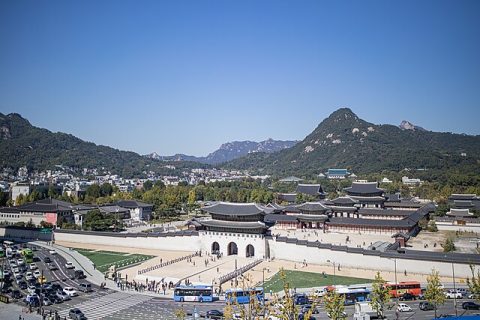
The largest and most iconic of Seoul's Five Grand Palaces, Gyeongbokgung was built in 1395 as the main royal residence. Witness the Royal Guard Changing Ceremony at the main gate, explore the National Palace Museum, and stroll through beautiful gardens. The palace complex features stunning traditional architecture including the Gyeonghoeru Pavilion and the elegant Hyangwonjeong Pavilion surrounded by a lotus pond. Tip: Visit in hanbok (traditional Korean dress) for free admission and incredible photos.
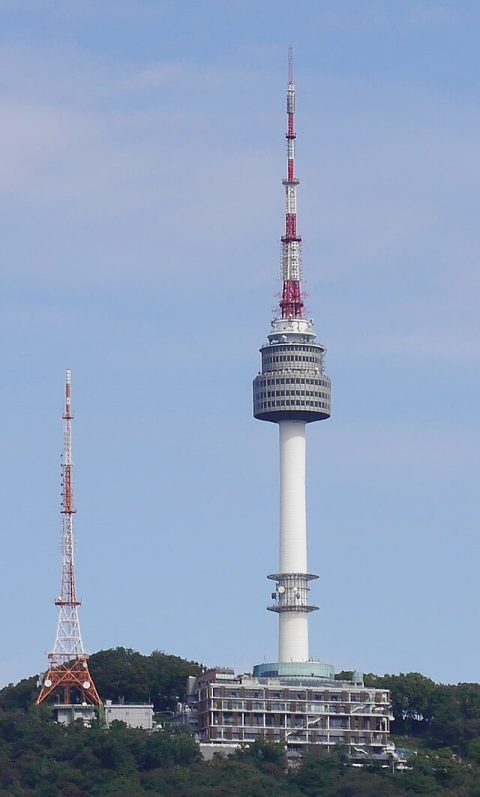
Standing atop Namsan Mountain at 479.7 meters above sea level, this iconic tower offers 360-degree panoramic views of Seoul. The observation deck provides breathtaking vistas, especially at sunset and night when the city lights sparkle below. The tower features restaurants, cafes, and the famous Locks of Love terrace where couples attach padlocks as symbols of eternal love. Take the cable car up Namsan Mountain or hike the scenic trails.
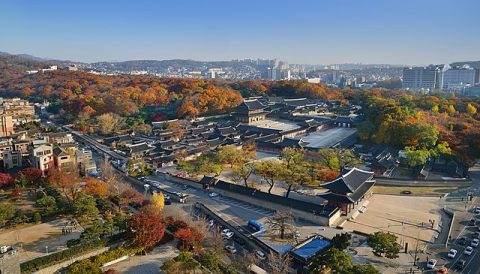
A UNESCO World Heritage Site, Changdeokgung is renowned for its beautiful Secret Garden (Huwon), a 78-acre woodland garden with pavilions, ponds, and centuries-old trees. This palace served as the main royal residence for many kings and is considered the most well-preserved of Seoul's palaces. The architecture harmoniously integrates with the natural landscape. Note: Secret Garden requires a guided tour (available in multiple languages) with limited daily capacity, so book in advance.
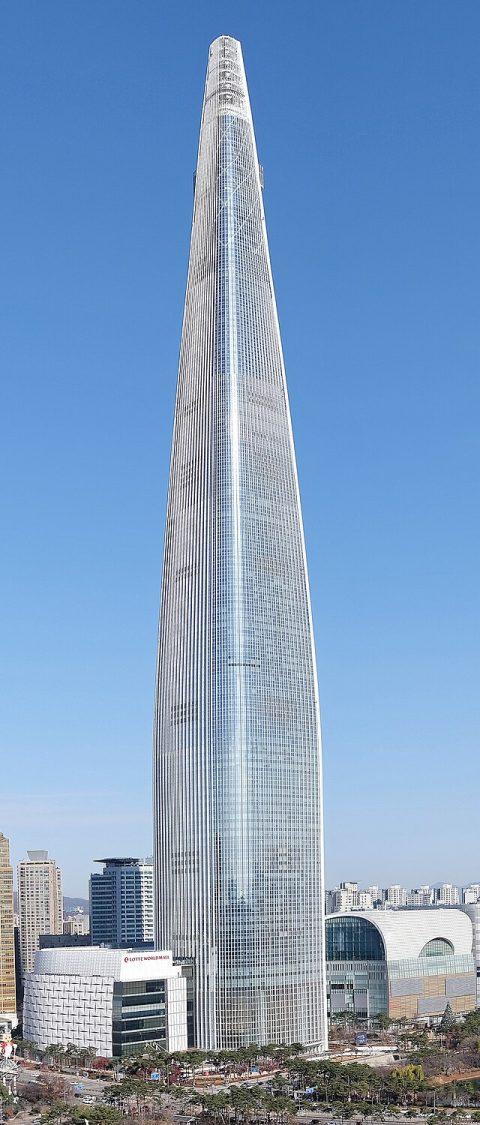
South Korea's tallest building and the 5th tallest in the world at 555 meters, featuring the Seoul Sky observation deck on floors 117-123. Experience one of the world's fastest elevators and enjoy unparalleled views through floor-to-ceiling glass windows. The tower includes a luxury hotel, shopping mall, offices, and residences. Visit at different times to see the city in various lights sunrise, daylight, and the glittering night skyline are all spectacular.
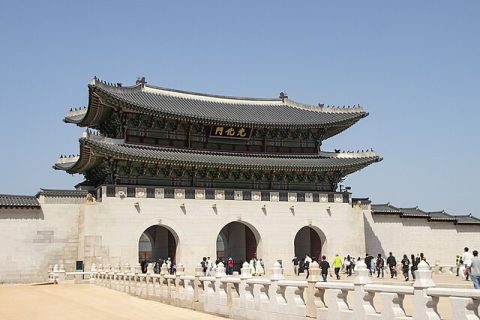
The main gate of Gyeongbokgung Palace and a powerful symbol of Seoul. Recently restored to its original 1395 design, this massive wooden structure stands at the center of the city. Gwanghwamun Square extends from the gate, featuring statues of King Sejong (inventor of Hangul) and Admiral Yi Sun-sin. The area hosts various cultural events and is surrounded by museums and government buildings, making it Seoul's ceremonial center.
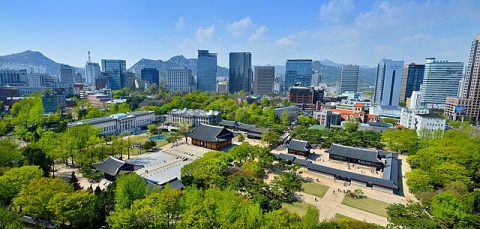
Unique among Seoul's palaces for its blend of Korean and Western architecture, Deoksugung features the stone-built Seokjojeon Hall in neoclassical style alongside traditional Korean buildings. The palace grounds include beautiful gardens and the royal guard changing ceremony. Its location in downtown Seoul makes it easily accessible. The adjacent Deoksugung Stone Wall Path is one of Seoul's most romantic walking routes, especially beautiful during autumn.
Tips for Landmarks & Monuments
- Hanbok Rental: Many shops near palaces offer traditional Korean dress rentals (₩15,000-30,000 for 2-4 hours). Wearing hanbok grants free palace admission.
- Guard Ceremonies: Royal Guard Changing Ceremonies at Gyeongbokgung occur at 10 AM and 2 PM (except Tuesdays), Deoksugung at 11 AM, 2 PM, and 3:30 PM (except Mondays).
- Palace Closures: Most palaces close on Mondays or Tuesdays check schedules before visiting.
- Combined Tickets: Consider the Four Palace + Jongmyo Shrine integrated ticket (₩10,000) valid for 3 months.
Seoul boasts world-class museums covering everything from ancient Korean artifacts to contemporary art and cutting-edge technology. Many offer free admission or discounted rates.
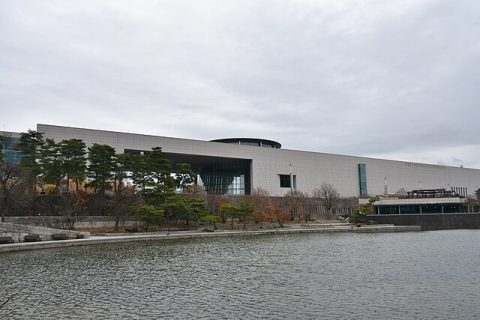
One of Asia's largest museums with over 310,000 artifacts spanning Korean history from prehistoric times to modern era. The stunning architecture and spacious galleries house treasures including ancient ceramics, Buddhist sculptures, and royal artifacts. Highlights include the 10-story Gyeongcheonsa Pagoda and the Bangasayusang (Pensive Bodhisattva). The museum offers free admission to permanent exhibitions and beautiful outdoor gardens. English audio guides and tours available.
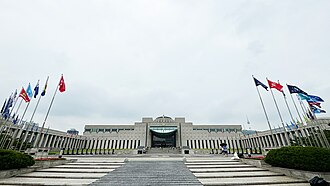
A comprehensive museum documenting Korea's military history with particular focus on the Korean War (1950-1953). Six indoor galleries feature uniforms, weapons, vehicles, and interactive exhibits. The outdoor exhibition displays tanks, aircraft, and naval vessels. The Memorial Hall honors fallen soldiers. This free museum provides crucial context for understanding Korea's modern history and division. Emotional and educational, it's one of Seoul's most visited museums.
Seoul's premier private art museum featuring two contrasting buildings: one housing traditional Korean art (ceramics, paintings, calligraphy) and another showcasing contemporary international art by artists like Rothko, Warhol, and Damien Hirst. The architecture itself designed by Mario Botta, Jean Nouvel, and Rem Koolhaas is remarkable. The collection bridges Korea's artistic heritage with global contemporary movements. Reservations recommended for this popular museum.

Located within Gyeongbokgung Palace grounds, this museum displays royal treasures and artifacts from the Joseon Dynasty. Collections include royal seals, crowns, court paintings, ceremonial objects, and scientific instruments. The exhibits provide deep insights into royal court life, Confucian culture, and traditional Korean craftsmanship. Free admission makes this an excellent addition to your palace visit. English descriptions available throughout.
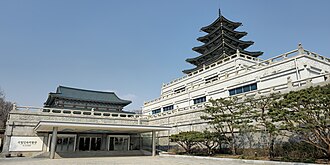
Also within Gyeongbokgung grounds, this museum explores traditional Korean daily life through three main exhibitions: History of Korean People, Korean Way of Life, and Life Cycle of Koreans. Interactive displays, dioramas, and thousands of artifacts illustrate farming, clothing, housing, food, and cultural practices. The outdoor exhibition features traditional Korean houses and agricultural tools. Particularly engaging for families and those interested in cultural anthropology.
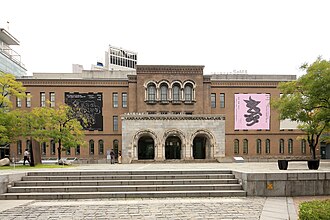
The city's public art museum showcasing Korean contemporary art alongside international exhibitions. Located in a renovated 1920s government building, SeMA features rotating exhibitions of painting, sculpture, installation, and media art. Multiple branch locations across Seoul host diverse programs. The main museum near Deoksugung Palace is free to enter and offers insights into Korea's vibrant contemporary art scene.
Tips for Museums & Galleries
- Free Admission: National Museum of Korea, War Memorial, National Palace Museum, and National Folk Museum offer free entry to permanent collections.
- Museum Night: Many museums offer extended hours and special programs on the last Wednesday of each month.
- Audio Guides: Most major museums provide free English audio guides or smartphone apps.
- Photography: Flash photography usually prohibited; check specific gallery rules before taking photos.
Seoul's temples and shrines offer peaceful retreats and insights into Korean Buddhism, Confucianism, and shamanism. These sacred spaces blend spirituality with stunning architecture and nature.
The headquarters of Korean Buddhism's Jogye Order, located in the heart of downtown Seoul. This active temple welcomes visitors to observe Buddhist ceremonies, admire intricate paintings and lanterns, and experience urban spirituality. The compound features a magnificent 500-year-old white pine tree and a gorgeous main hall decorated with dancheong (traditional colorful patterns). During Buddha's Birthday (April/May), thousands of lanterns transform the temple into a magical sight. Free temple stay programs available.
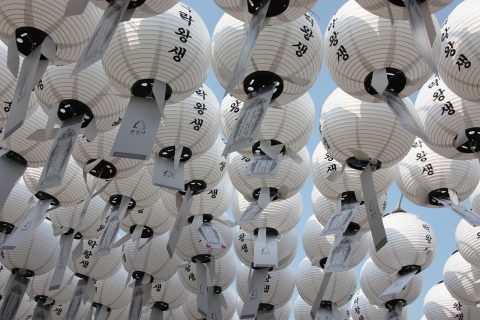
A 1,200-year-old temple offering a striking contrast to the modern skyscrapers of Gangnam surrounding it. Bongeunsa features beautiful traditional architecture, a massive 23-meter Buddha statue (Mireukdaebul), and serene meditation halls. Participate in temple stay programs to experience monastic life, learn meditation, and enjoy vegetarian temple cuisine. The temple's location near COEX makes it easily accessible and offers unique photos of traditional and modern Seoul together.
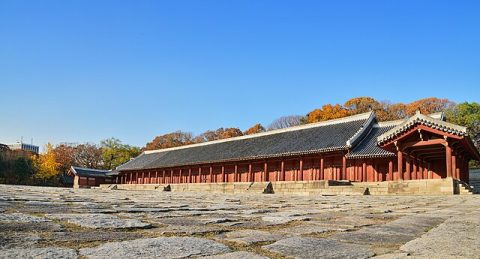
A UNESCO World Heritage Site and the oldest royal Confucian shrine, where kings of the Joseon Dynasty performed ancestral rites. The shrine's minimalist architecture reflects Confucian principles with long, austere halls housing memorial tablets of kings and queens. Visit during the Jongmyo Daeje ceremony (first Sunday of May) to witness traditional court music, dance, and ritual performances that haven't changed in 500 years. Regular visits require joining guided tours available in multiple languages.
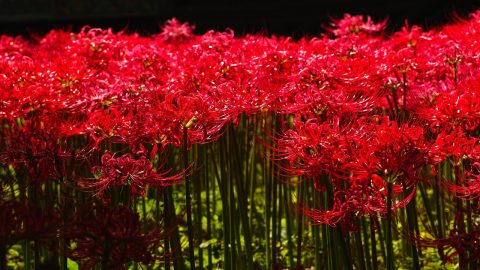
A peaceful temple tucked into the mountains of northern Seoul, formerly a high-end restaurant converted into a Buddhist temple in 1995. The unique history gives it a distinctive character with beautiful gardens cascading down the hillside. The temple offers a serene escape from city bustle with meditation halls, prayer rooms, and quiet walking paths. Less touristy than other temples, it's perfect for contemplation. Participate in temple stay programs or simply enjoy the tranquil atmosphere.
Tips for Religious Sites
- Temple Etiquette: Dress modestly, remove shoes before entering halls, speak quietly, and ask before taking photos of ceremonies or monks.
- Temple Stay: Many temples offer overnight programs (₩50,000-70,000) including meditation, ceremonies, and meals. Book in advance through templestay.com.
- Best Times: Visit early morning to see monks' morning chants, or during Buddha's Birthday (8th day of 4th lunar month) for spectacular lantern displays.
- Free Admission: Most temples have free entry, though some programs or special areas may charge minimal fees.
Each of Seoul's neighborhoods offers distinct character from traditional hanok villages to ultra-modern shopping districts, trendy youth culture zones to sophisticated residential areas.
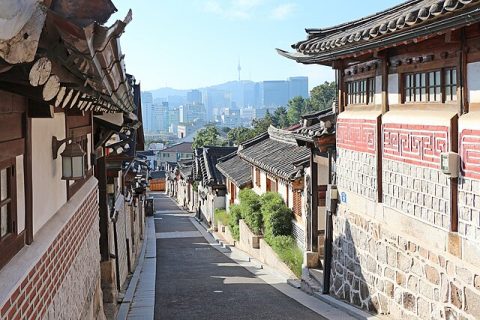
A stunning 600-year-old neighborhood of traditional hanok houses nestled between Gyeongbokgung and Changdeokgung palaces. Narrow alleyways wind through preserved homes, many now serving as cultural centers, guesthouses, tea houses, and craft shops. Famous viewpoints like Bukchon 8 Views offer postcard-perfect photo opportunities of traditional rooftops against modern Seoul. Important: This is a residential area be respectful, quiet, and follow posted guidelines. Visit early morning or late afternoon to avoid crowds.
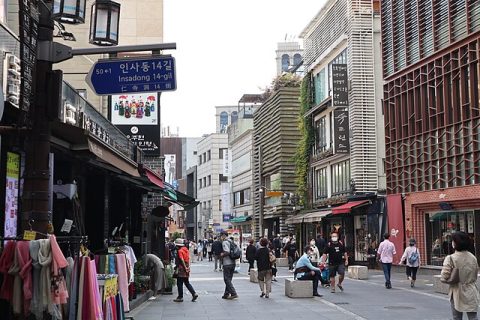
Seoul's cultural heart and antique district, famous for traditional crafts, art galleries, tea houses, and souvenir shops. The main pedestrian street (closed to cars on Sundays) is lined with vendors selling calligraphy, ceramics, hanbok, and traditional snacks. Explore narrow side alleys for hidden galleries, craft workshops, and authentic restaurants. Ssamziegil, a unique spiral shopping mall, houses dozens of artisan boutiques. Perfect for finding unique Korean gifts and experiencing traditional culture in a vibrant atmosphere.
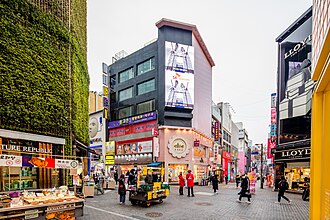
Seoul's premier shopping and beauty district, a pedestrian paradise packed with international brands, Korean cosmetics stores, street food vendors, and restaurants. This is ground zero for K-beauty products every major brand has flagship stores here offering samples and demonstrations. The area buzzes from morning until late night with shoppers, street performers, and food stalls selling Korean street food favorites. Connected to Namdaemun Market and close to several hotels, making it convenient for tourists.
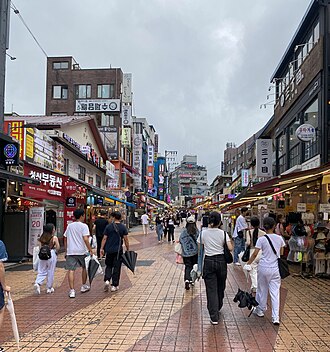
The epicenter of youth culture and indie arts, named after Hongik University nearby. This vibrant neighborhood pulses with live music venues, clubs, indie boutiques, street art, and creative cafes. Street performers fill Hongdae Playground nightly, and the area hosts weekend free markets. Known for its progressive, artistic atmosphere and energetic nightlife, Hongdae appeals to young travelers and those seeking Seoul's alternative culture scene. Excellent vintage shopping and unique dining experiences.
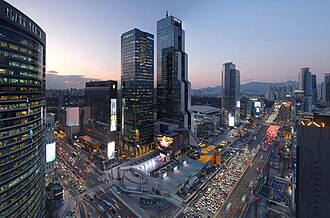
Made famous by PSY's song, Gangnam is Seoul's upscale business and shopping district south of the Han River. Home to luxury boutiques, high-end department stores (COEX Mall, Starfield Library), trendy restaurants, and K-pop entertainment company headquarters. The neighborhood embodies modern Seoul sleek, sophisticated, and affluent. Visit Gangnam Station area for shopping and people-watching, or explore Apgujeong Rodeo Street for luxury fashion. Nightlife in Gangnam caters to an older, more affluent crowd than Hongdae.
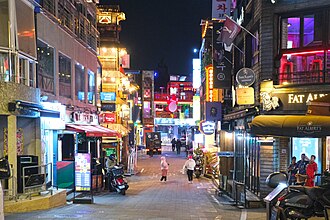
Seoul's most international and diverse neighborhood, historically a foreign district near the US military base. Itaewon offers global cuisines, international shops, and a cosmopolitan atmosphere rare in Seoul. Home to mosques, temples, and churches serving diverse communities. The area is known for LGBTQ+ friendly venues, halal restaurants, and specialty shops. Recently, nearby Haebangchon and Gyeongnidan-gil have emerged as trendy areas with hip cafes, craft beer bars, and fusion restaurants.
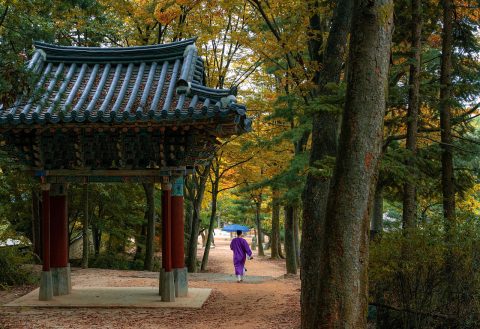
A hipster hanok village near Insadong, where renovated traditional houses host trendy cafes, cocktail bars, boutiques, and restaurants. Smaller and less touristy than Bukchon, Ikseon-dong successfully blends heritage preservation with contemporary culture. The maze-like alleys reveal hidden gems artisan coffee shops, craft beer bars, and Instagram-worthy dessert cafes. This neighborhood exemplifies Seoul's talent for modernizing tradition. Best visited in afternoon/evening when establishments are open. Can get crowded on weekends.
Tips for Neighborhoods & Districts
- Bukchon Respect: Quiet hours (10 AM-5 PM) enforced in Bukchon. No tour groups, no loudspeakers. Be considerate of residents.
- Shopping Tax Refunds: Look for Tax Free signs in Myeongdong and Gangnam. Spend over ₩30,000 at participating stores to claim VAT refund at airport.
- Neighborhood Hopping: Use Seoul's efficient subway to visit multiple neighborhoods in one day. Northern villages (Bukchon, Insadong) pair well together, as do southern districts (Gangnam, Itaewon).
- Best Photography: Early morning (7-9 AM) in Bukchon for soft light and empty streets. Golden hour (sunset) at N Seoul Tower viewpoints for neighborhood panoramas.
From sprawling traditional markets to high-tech shopping malls, Seoul offers unparalleled retail therapy combining local culture with global brands.
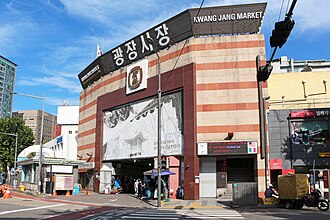
Korea's oldest traditional market (since 1905) and a foodie paradise famous for authentic street food. Navigate crowded aisles filled with bindaetteok (mung bean pancakes), mayak gimbap (mini seaweed rice rolls), tteokbokki (spicy rice cakes), and fresh raw beef. The market also sells fabrics, hanbok, and vintage clothing. Featured in Netflix's Street Food series, it's now internationally famous but retains its local character. Visit hungry vendors offer generous samples. Cash only at most stalls.
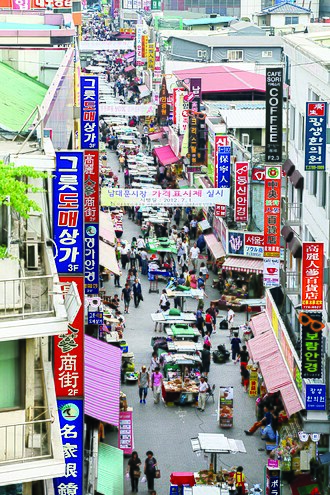
Korea's largest traditional market with over 10,000 vendors selling virtually everything clothing, accessories, kitchenware, ginseng, street food, and souvenirs. The market operates day and night (especially busy late evening/early morning for wholesale). Prices are negotiable, making it perfect for bargain hunting. The night food stalls are legendary, particularly for kalguksu (knife-cut noodles) and hotteok (sweet pancakes). Located near Seoul Station, making it convenient for travelers.
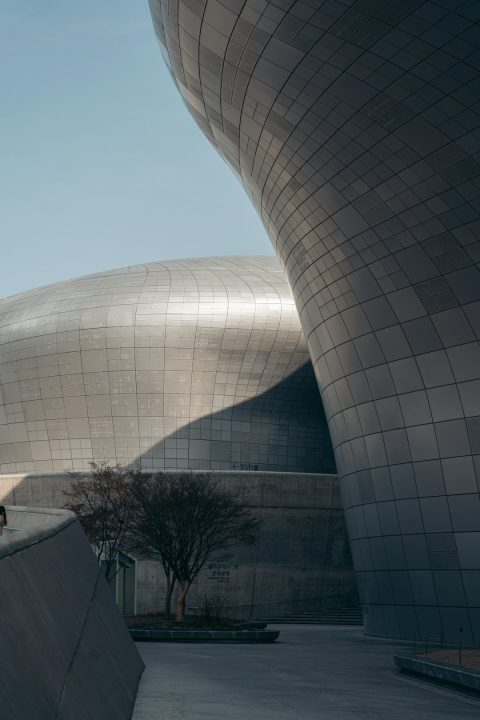
An architectural marvel designed by Zaha Hadid, this futuristic complex hosts exhibitions, fashion shows, and design markets. The surrounding Dongdaemun area is Seoul's 24-hour fashion district with massive shopping malls (Doota, Migliore, Hello apM) open until dawn. Wholesale fashion, accessories, and fabrics at unbeatable prices attract both retailers and shoppers. The night market and LED Rose Garden make evening visits magical. This is where Seoul's fashion industry pulses trendy, fast-paced, and endlessly energetic.
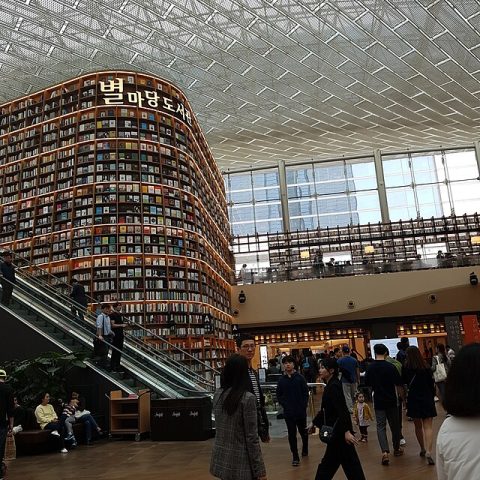
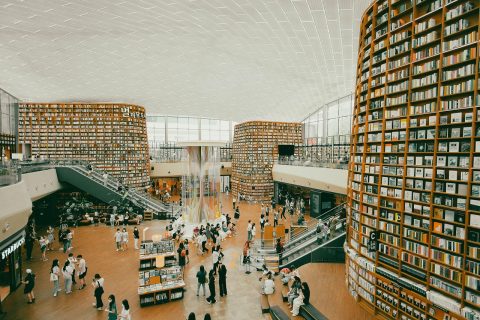
Asia's largest underground shopping mall featuring the stunning Starfield Library a 13-meter-high book haven with over 50,000 volumes creating Instagram-worthy visuals. The mall includes 260+ stores, restaurants, cinemas, an aquarium, and the K-pop entertainment shops. Connected to COEX Convention Center and surrounded by luxury hotels in Gangnam. The library is free to visit and open late, making it a popular evening destination. Perfect for rainy days or escaping summer heat.
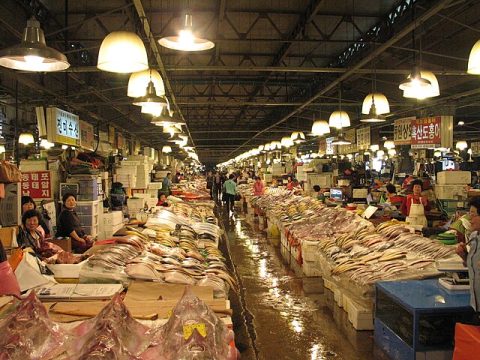
Korea's largest seafood market operating 24/7 with hundreds of vendors selling every imaginable marine creature live fish, shellfish, octopus, sea cucumber, and more. Purchase seafood downstairs, then take it upstairs to restaurants that will prepare it immediately as sashimi or cooked dishes for a small fee. The experience is authentic, lively, and uniquely Korean. Visit early morning (5-7 AM) to see the auction action. Bring cash and bargaining skills. An adventurous culinary experience not for the squeamish.
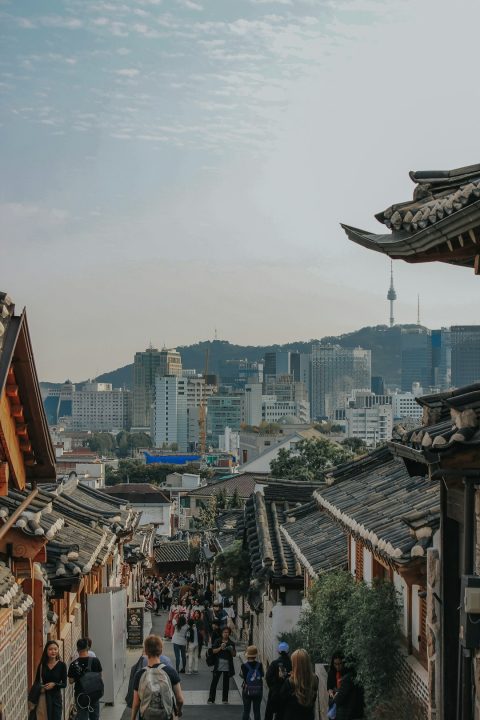
The flagship Lotte stores offer luxury shopping experiences with international brands, Korean designers, gourmet food halls, and rooftop gardens. The World Mall in Jamsil connects to Lotte World Tower and features 1,000+ stores across multiple buildings. Duty-free shops cater to tourists with tax benefits. Food courts showcase Korean and international cuisines. Department stores in Korea are experiences perfectly curated, impeccable service, and often featuring art exhibitions or cultural events.
Tips for Shopping & Markets
- Bargaining: Negotiate prices at traditional markets (Namdaemun, Dongdaemun). Start at 60-70% of asking price. Fixed prices at department stores and modern malls.
- Market Hours: Traditional markets busiest 10 AM-6 PM. Dongdaemun fashion malls open late evening until dawn (10 PM-5 AM). Gwangjang best for lunch/early dinner (11 AM-8 PM).
- Cash vs. Card: Traditional market stalls prefer cash. Modern malls accept all cards. ATMs widely available.
- Shipping Services: Major markets offer international shipping. Many stores provide tax-free shopping for tourists bring your passport.
Despite being a dense metropolis, Seoul offers abundant green spaces mountain parks, riverside trails, urban gardens, and recreational areas providing natural respites.
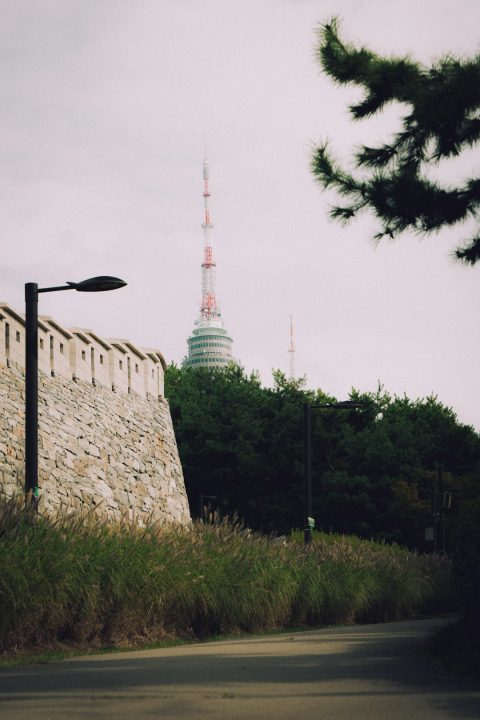
A verdant mountain park in central Seoul offering hiking trails, city wall walks, and panoramic views. Multiple trails lead to N Seoul Tower at the summit take the cable car or hike up. The restored Seoul Fortress Wall provides a scenic walking route with historical significance. Cherry blossoms in spring and autumn foliage make seasonal visits spectacular. The park includes botanical gardens, traditional pavilions, and rest areas. Accessible from multiple subway stations with well-marked trails for all fitness levels.
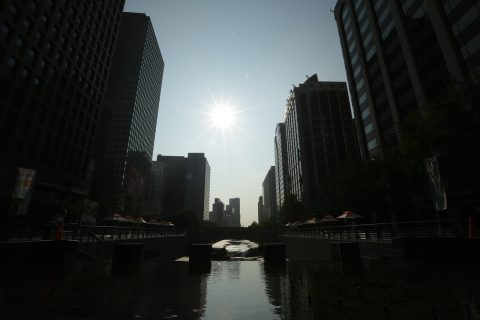
An 11-kilometer urban renewal project transforming a covered highway into a beautiful streamside walkway through downtown Seoul. The elevated stream features waterfalls, bridges, stepping stones, art installations, and landscaped banks. Popular for evening strolls when illuminated by LED lights. The stream hosts seasonal events and provides cooling relief in summer. Starting from Gwanghwamun, it's an easy, pleasant walk through the city center connecting multiple neighborhoods and attractions. Free and accessible 24/7.
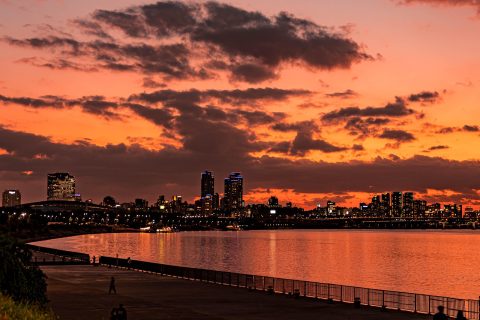
The Han River divides Seoul with 12 riverside parks offering cycling, picnicking, water sports, and entertainment. Yeouido Park is famous for cherry blossoms and hosts festivals. Banpo Park features the Rainbow Fountain Bridge the world's longest bridge fountain with nightly shows. Rent bikes (₩3,000/hour), enjoy chicken and beer (chimaek) on the grass, or take dinner cruises. Koreans flock here for outdoor activities, especially warm evenings and weekends. Each park has different amenities cafes, sports facilities, swimming pools.
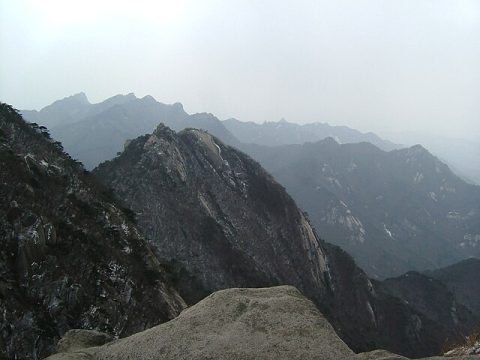
Seoul's premier mountain hiking destination with granite peaks, Buddhist temples, and fortress walls. Multiple trails range from easy walks to challenging climbs, with Baegundae Peak (836m) offering breathtaking views. The park covers 80 square kilometers with well-maintained paths, rest areas, and natural springs. Popular year-round cherry blossoms in spring, lush greenery in summer, spectacular foliage in autumn, snowy landscapes in winter. Accessible via subway. Bring hiking boots, water, and snacks. Koreans take hiking seriously expect fully-equipped hikers even on easy trails.
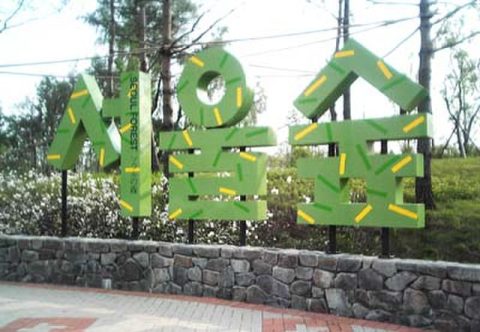
A large ecological park along the Han River featuring themed gardens, deer parks, butterfly conservatory, and extensive walking/cycling paths. Modeled after parks like Hyde Park and Central Park, it offers diverse landscapes wetlands, meadows, forests. Rent bikes, enjoy picnics, or simply relax in nature. The park hosts cultural events, outdoor exhibitions, and seasonal festivals. Particularly beautiful during cherry blossom season and autumn. Less crowded than Han River parks, providing a more peaceful natural experience within the city.
Tips for Parks & Gardens
- Hiking Culture: Koreans hike in full gear proper boots, trekking poles, technical clothing. You don't need to match this, but wear comfortable shoes and bring water.
- Seasonal Highlights: Cherry blossoms (late March-early April), azaleas (April-May), autumn foliage (mid-October-early November), winter snow hikes (December-February).
- Bike Rentals: Available at Han River parks and Seoul Forest (₩3,000-5,000/hour). Bring ID for deposit. Rental kiosks open March-November, weather permitting.
- Safety: Trails well-marked but can be steep and rocky. Check weather before mountain hikes. Download Naver Maps for trail navigation.
From K-pop experiences to traditional performances, theme parks to unique cafes, Seoul offers endless entertainment options catering to all interests and ages.
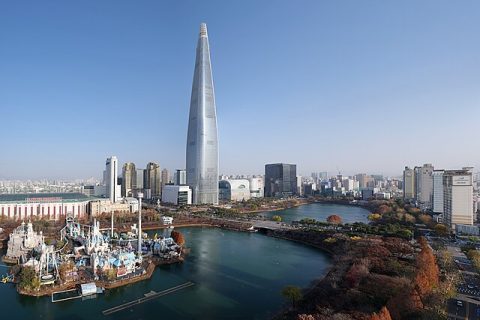
The world's largest indoor theme park plus outdoor Magic Island, offering year-round entertainment regardless of weather. Features thrilling rides, parades, laser shows, ice rink, and folk museum. The indoor park creates a perpetual spring atmosphere with theme zones representing different countries. Magic Island on Seokchon Lake provides outdoor adventures. Extremely popular with families and couples. Long queues on weekends consider Magic Pass for faster access. The spectacular parades and evening shows are highlights. Connected to Lotte World Mall and Tower.
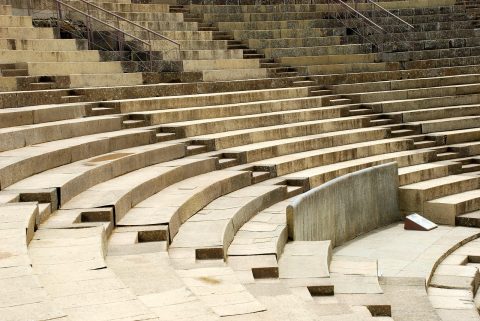
Korea's longest-running non-verbal comedy show combining traditional Korean rhythms with modern performance art. Set in a kitchen where chefs prepare a wedding banquet, the show features spectacular knife skills, comedic timing, acrobatics, and audience interaction. No language barrier makes it perfect for international visitors. Multiple daily performances at dedicated theaters in Myeongdong and Hongdae. The 90-minute show is energetic, funny, and showcases Korean performance excellence. Has toured globally and won numerous awards. Book in advance for best seats.
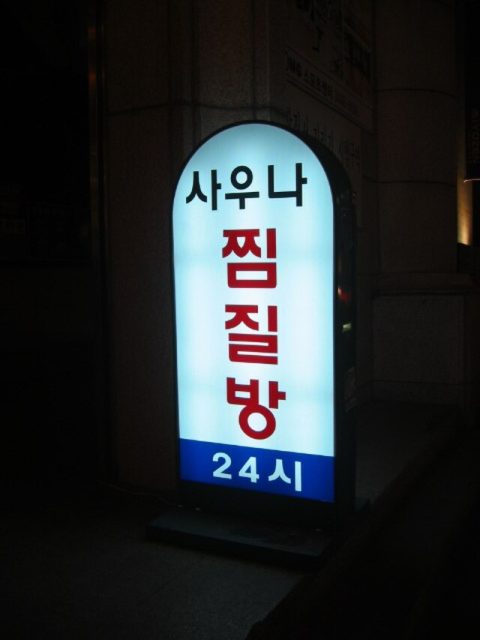
Traditional 24-hour bathhouses offering therapeutic bathing, saunas, sleeping areas, and entertainment facilities. Strip down for gender-segregated hot spring baths with varying temperatures and minerals, then don provided uniforms for co-ed areas featuring themed saunas (salt, jade, ice, clay), sleeping rooms, restaurants, and entertainment. Popular chains include Dragon Hill Spa, Siloam Spa, and Spa Lei. A quintessentially Korean experience combining relaxation, socializing, and wellness. Budget-friendly (₩10,000-15,000) with overnight stays allowed. Bring or rent towels; scrub services available for extra fee.
A K-pop paradise for fans of SM Entertainment artists (EXO, NCT, aespa, Red Velvet, Super Junior, etc.). The multi-floor complex includes official merchandise stores, hologram concerts, photo zones, cafes, and interactive exhibits. Purchase exclusive goods, take photos with life-size cutouts, and experience virtual reality performances. Located in COEX Mall for easy combination with other Gangnam attractions. Other entertainment companies (HYBE Insight, JYP, YG) also have dedicated spaces across Seoul for comprehensive K-pop tourism.
Interactive 3D art museums where visitors become part of the artwork through optical illusions and creative photography. Pose with paintings that appear three-dimensional, create impossible scenarios, and capture Instagram-worthy photos. Multiple themed zones include safari, adventure, aquarium, and masterpiece recreations. Fun for all ages and perfect for rainy days. Located in Hongdae and Insadong with different exhibits at each location. Allow time for creative photo sessions the museums provide suggestions for best poses and angles.
Tips for Nightlife & Entertainment
- K-pop Concert Tickets: Book months in advance through official channels. Check Melon Ticket, Yes24, Interpark for legitimate sales. Beware of scalpers and unofficial sellers.
- Performance Discounts: Many shows offer discounted tickets through hotel concierges or tourist information centers. Online booking often cheaper than box office.
- Jjimjilbang Etiquette: Shower thoroughly before entering baths, no swimsuits in gender-segregated areas, quiet hours after 10 PM in sleeping rooms, shoes off at entrance.
- Cafe Reservations: Popular themed cafes (especially animal cafes) may require reservations or have time limits during busy periods. Check operating hours and policies online first.
Real, highly-rated Restaurants in Seoul, sourced from Google Places (rating above 4★).
Hangong-Gan is a highly-rated restaurant in Seoul, rated 5★ from 1194 reviews. Located at South Korea, Seoul, Mapo-gu, 연남동 561-4.
Opening Hours
- Monday: 5:00 PM – 12:00 AM
- Tuesday: Closed
- Wednesday: 5:00 PM – 12:00 AM
- Thursday: 5:00 PM – 12:00 AM
- Friday: 5:00 PM – 12:00 AM
- Saturday: 5:00 PM – 12:00 AM
- Sunday: 5:00 PM – 12:00 AM
Vegan Kitchen is a highly-rated restaurant in Seoul, rated 4.9★ from 1778 reviews. Located at 21 Toegye-ro 20-gil, Jung District, Seoul, South Korea.
Opening Hours
- Monday: 10:30 AM – 9:30 PM
- Tuesday: 10:30 AM – 9:30 PM
- Wednesday: 10:30 AM – 9:30 PM
- Thursday: 10:30 AM – 9:30 PM
- Friday: 10:30 AM – 9:30 PM
- Saturday: 10:30 AM – 9:30 PM
- Sunday: 10:30 AM – 9:30 PM
Cherry Garden is a highly-rated restaurant in Seoul, rated 4.9★ from 1524 reviews. Located at South Korea, Seoul, Jongno District, il)-dong 1 KR 서울특별시 종로구 서울 종로구 종로 326 330-2 Changsin https://naver.me/5Vm1R32v.
Opening Hours
- Monday: 10:00 AM – 10:00 PM
- Tuesday: 10:00 AM – 10:00 PM
- Wednesday: 10:00 AM – 10:00 PM
- Thursday: 10:00 AM – 10:00 PM
- Friday: 10:00 AM – 10:00 PM
- Saturday: 10:00 AM – 10:00 PM
- Sunday: 10:00 AM – 10:00 PM
Explore Seoul on the Map
Best Time to Visit Seoul
Spring (March-May): Peak season. Perfect weather with cherry blossoms (late March-early April) and azaleas. Temperatures 10-20°C (50-68°F). Parks and palaces are stunning. Book accommodations early as this is the most popular time.
Summer (June-August): Hot and humid with monsoon season (late June-July). Temperatures 23-30°C (73-86°F) with high humidity. Advantages: fewer tourists, indoor attractions ideal, summer festivals, and night markets. Pack light clothes, umbrella, and prepare for air-conditioned interiors.
Autumn (September-November): Second peak season. Comfortable temperatures 10-23°C (50-73°F) with spectacular fall foliage (mid-October-early November). Clear skies perfect for mountain hiking and outdoor activities. Many festivals including Seoul Lantern Festival. Excellent time to visit.
Winter (December-February): Cold with temperatures -6 to 5°C (21-41°F). Snow creates beautiful scenery, fewer crowds, and great deals on accommodation. Ice skating, winter festivals, and cozy cafes. Indoor attractions like museums, shopping, and jjimjilbang perfect for cold days. Pack heavy winter clothing.
| Season | Temperature | Pros | Cons |
|---|---|---|---|
| Spring | 10-20°C | Cherry blossoms, ideal weather | Crowded, higher prices |
| Summer | 23-30°C | Festivals, fewer tourists | Hot, humid, rain |
| Autumn | 10-23°C | Foliage, clear skies | Popular, book early |
| Winter | -6 to 5°C | Low prices, snow scenery | Very cold, short days |
Insider Tip: Late October-early November offers the best combination of beautiful weather, autumn colors, and manageable crowds.
Getting Around Seoul
🚇 Seoul Metro
One of the world's best subway systems with 22 lines covering the entire city. Signs in Korean, English, Chinese, and Japanese. Trains run 5:30 AM-midnight with 2-5 minute intervals during peak hours.
- T-money Card: Rechargeable transit card (₩2,500 deposit) used on all public transport. Buy at convenience stores (GS25, CU, 7-Eleven) or subway stations. Base fare ₩1,250, transfers free within 30 minutes.
- Single Journey Tickets: Available at stations (₩1,350 base fare + ₩500 refundable deposit). Less convenient than T-money.
- Tourist Passes: M Pass (1/2/3/5/7 days) unlimited subway and bus rides. Good value if making 4+ trips daily.
- Apps: Download Kakao Metro or Naver Map for real-time routes, station info, and exit guidance.
🚌 Buses
Extensive network but more complex for tourists. Color-coded by route type: Blue (main routes), Green (local), Red (express), Yellow (circular). Same T-money card works. Base fare ₩1,200. Use apps for routes as signs primarily in Korean.
🚕 Taxis
Regular Taxis: Silver/white cars, base fare ₩3,800 (first 2km). Metered and affordable. Deluxe Taxis: Black with yellow sign, higher quality and English-speaking drivers, base fare ₩6,500. International Taxis: Orange with "International Taxi" sign, drivers speak English/Chinese/Japanese, reservations recommended.
- Apps: Kakao T (most popular), Uber available but limited
- Tips: Have destination written in Korean, use hotel business cards, few drivers speak English
- Late Night: 20% surcharge midnight-4 AM
✈️ Airport Transfer
Incheon Airport (ICN) to Seoul (60km):
- Airport Railroad Express (AREX): Express train to Seoul Station (43 min, ₩9,500) or All-Stop train (58 min, ₩4,150). Most convenient option.
- Airport Limousine Bus: Comfortable buses to major hotels/districts (60-90 min, ₩10,000-16,000). Buy tickets at airport.
- Taxi: To central Seoul ₩60,000-80,000 (60-90 min depending on traffic). Flat rates available to major districts.
- KTX Train: Direct train service from Terminal 2 to Seoul Station and beyond.
Gimpo Airport (GMP) to Seoul (20km):
- Subway: Airport line connects to subway system (40-50 min, ₩1,450-2,150)
- Limousine Bus: To major hotels (40-60 min, ₩7,000-9,000)
- Taxi: ₩25,000-35,000 (30-40 min)
🚗 Car Rental
Not recommended for tourists. Seoul has excellent public transport, difficult parking, heavy traffic, and navigation challenges. If needed: International Driving Permit required, drive on right side, tolls on expressways.
Pro Tip: Get a T-money card immediately upon arrival. Works everywhere and saves time. Rechargeable at convenience stores and subway stations.
Shopping in Seoul
🛍️ What to Buy
Korean Cosmetics (K-Beauty): Sheet masks, cushion compacts, essences, BB creams from brands like Innisfree, Etude House, The Face Shop, Sulwhasoo, Laneige. Myeongdong is K-beauty central with flagship stores offering samples.
Korean Snacks: Honey butter chips, seaweed snacks, Pepero, Korean ginseng candy, instant noodles (Shin Ramyun, Samyang), traditional teas, Korean honey. Convenient store packages or Lotte Mart for variety.
Traditional Items: Hanbok (traditional dress), hanji (traditional paper products), mother-of-pearl crafts, celadon ceramics, Korean tea sets, traditional fans, calligraphy supplies. Best at Insadong and Namdaemun Market.
Fashion: Korean streetwear brands, Dongdaemun wholesale fashion, designer knock-offs (quality varies), unique accessories. Dongdaemun for trendy clothes, Gangnam for luxury.
Ginseng: Korean red ginseng (홍삼) products, roots, extracts, teas, candies. Korea Ginseng Corporation shops or Namdaemun Market. Verify authenticity.
K-pop Merchandise: Official albums, lightsticks, posters, photo cards from entertainment company stores, Synnara Record shops, or online (Ktown4u with pickup options).
Electronics: Samsung and LG latest products, gaming accessories, phone cases, tech gadgets at Yongsan Electronics Market or official stores in malls.
🏪 Where to Shop
- Budget Shopping: Namdaemun Market, Dongdaemun Market, Gwangjang Market, E-mart/Lotte Mart supermarkets
- Mid-Range: Myeongdong, Hongdae, COEX Mall, underground shopping centers
- Luxury: Gangnam (Apgujeong Rodeo Street), Cheongdam-dong, Lotte/Shinsegae Department Stores
- Souvenirs: Insadong, Namdaemun Market, airport duty-free
💰 Bargaining & Tax Refunds
Bargaining: Expected at traditional markets (Namdaemun, Dongdaemun, Gwangjang). Start at 50-70% of asking price. Not acceptable in department stores, malls, or fixed-price shops. Be polite and friendly.
Tax-Free Shopping: Look for "Tax Free" signs. Spend over ₩30,000 at participating stores to claim VAT refund (usually 8-10%). Get tax refund form from store, validate at airport Customs before check-in, receive refund at airport refund counter or credited to card. Keep receipts and purchases accessible for customs inspection.
Duty-Free: Major duty-free shops in Myeongdong, Dongdaemun, malls, and airports. Order online, pick up at airport before departure. Prices competitive for luxury goods and cosmetics.
💳 Payment Methods
Korea is highly cashless. Credit cards accepted almost everywhere. Visa, Mastercard, AmEx widely accepted. Mobile payments (Samsung Pay, Apple Pay) common. However, carry some cash for:
- Traditional markets and small street vendors
- Some local restaurants and cafes
- Temple donations
- Emergency backup
ATMs widely available at banks, convenience stores (GS25, CU, 7-Eleven), subway stations. International cards accepted but check fees.
Shopping Strategy: Compare prices at markets vs. stores. Myeongdong cosmetic stores constantly offer promotions. Buy heavy items (ginseng, electronics) early and use hotel luggage storage. Shipping services available at major markets.
Annual Festivals & Events
🌸 Spring Festivals (March-May)
- Cherry Blossom Festivals (Late March-Early April): Yeouido Spring Flower Festival along Han River, Seokchon Lake Cherry Blossom Festival near Lotte World, Seoul Forest. Peak bloom varies yearly but typically early April.
- Lotus Lantern Festival (April/May): Celebrating Buddha's Birthday with lantern parades, traditional performances, and temple decorations. Massive lantern parade from Dongdaemun to Jogyesa Temple.
- Seoul Friendship Fair (May): International festival at COEX showcasing global cultures, food, performances from embassies and cultural organizations.
☀️ Summer Festivals (June-August)
- Hangang Summer Festival (July-August): Water sports, outdoor concerts, night markets along Han River parks. Fireworks displays and evening entertainment.
- Boryeong Mud Festival (July): While not in Seoul, this famous festival is worth a day trip. Mud slides, wrestling, and skin-care benefits in beach setting.
- Seoul Bamdokkaebi Night Market (March-October, peak summer): Various locations offering street food, crafts, performances on weekend evenings.
🍂 Autumn Festivals (September-November)
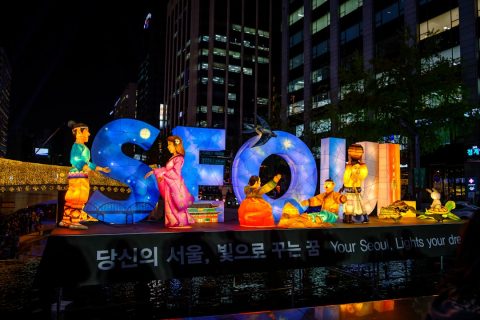
- Seoul Lantern Festival (November): Cheonggyecheon Stream illuminated with elaborate lantern displays depicting traditional and contemporary themes. Free event, incredibly photogenic.
- Seoul Fireworks Festival (October): Spectacular fireworks show over Han River with music synchronization. Massive crowds arrive early for good spots.
- Seoul Kimchi Making & Sharing Festival (November): Learn to make kimchi, taste varieties, and experience this UNESCO-recognized cultural tradition.
- Seoul Performing Arts Festival (October): International theater, dance, and music performances at venues citywide.
❄️ Winter Festivals (December-February)
- Seoul Christmas Festival (December): Cheonggyecheon Stream and downtown areas decorated with lights. Christmas markets in Myeongdong and around city.
- New Year's Eve Bell Ringing Ceremony (December 31): Bosingak Bell ringing at midnight in downtown Seoul with massive crowds and celebrations.
- Seoul Lantern Festival (Often extends to January): Winter illuminations at various locations.
🎌 National Holidays
- Lunar New Year (Seollal): Late January/Early February - 3-day holiday. Many businesses close, palaces offer traditional games and performances.
- Independence Movement Day: March 1 - Commemorating 1919 independence movement.
- Buddha's Birthday: 8th day of 4th lunar month (April/May) - Temples decorated with lanterns, free admission, ceremonies.
- Children's Day: May 5 - Family activities, crowded attractions.
- Memorial Day: June 6 - Honoring fallen soldiers.
- Liberation Day: August 15 - Celebrating liberation from Japan (1945).
- Chuseok (Korean Thanksgiving): 15th day of 8th lunar month (September/October) - 3-day holiday. Many businesses close, traditional celebrations, harvest festival.
- National Foundation Day: October 3 - Celebrating Korea's founding.
- Hangeul Day: October 9 - Celebrating Korean alphabet invention.
Important: During Lunar New Year and Chuseok, many shops and restaurants close for 2-3 days. Tourist attractions usually remain open. Book transportation and accommodation well in advance as Koreans travel domestically during these holidays.
5-Day Sample Itineraries
Day 1: Historic Seoul & Palace District
Morning (9:00-12:00):
- Start at Gyeongbokgung Palace (opens 9 AM). Arrive early to beat crowds. Watch the Guard Changing Ceremony at 10 AM at Gwanghwamun Gate.
- Explore palace grounds (2 hours), visit National Palace Museum and National Folk Museum inside.
Lunch (12:00-13:30): Traditional Korean lunch in Insadong area - try bibimbap or Korean set meal (hanjeongsik).
Afternoon (13:30-17:00):
- Walk through Bukchon Hanok Village (30 min from palace). Explore alleyways, visit cultural centers, tea houses.
- Browse Insadong for souvenirs, traditional crafts, and art galleries.
- Visit Ssamziegil shopping complex for unique artisan goods.
Evening (17:00-21:00):
- Stroll Cheonggyecheon Stream at sunset.
- Dinner in Insadong or walk to Myeongdong for Korean BBQ.
- Evening shopping in Myeongdong - K-beauty stores, street food, night market atmosphere.
Day 2: Modern Seoul & Han River
Morning (9:00-12:00):
- Gangnam exploration - start at Gangnam Station, walk Gangnam-daero.
- Visit COEX Mall and the stunning Starfield Library.
- Browse K-pop stores (SM Town, etc.) if interested.
Lunch (12:00-13:30): COEX food court or nearby Samseong-dong restaurant.
Afternoon (13:30-18:00):
- Visit Bongeunsa Temple behind COEX - beautiful contrast of traditional temple amid skyscrapers.
- Head to Lotte World Tower - visit Seoul Sky observation deck (arrive by 4 PM for daylight views transitioning to sunset and night).
Evening (18:00-21:00):
- Han River Park (Banpo or Yeouido) - rent bikes or have picnic with chicken and beer.
- Watch Banpo Bridge Rainbow Fountain Show (times vary by season).
- Dinner at riverside restaurant or casual picnic from convenience store.
Day 3: Markets, Culture & Entertainment
Morning (9:00-12:00):
- Gwangjang Market for breakfast/brunch - bindaetteok, mayak gimbap, fresh street food.
- Explore market stalls, vintage clothing section.
- Walk to nearby Dongdaemun Design Plaza (DDP) - explore architecture, exhibitions.
Lunch (12:00-13:30): Dongdaemun area restaurants or continue market snacking.
Afternoon (13:30-18:00):
- Changdeokgung Palace & Secret Garden - book Secret Garden tour in advance (English tours limited).
- Explore palace grounds and beautiful gardens (allow 2-3 hours).
Evening (18:00-22:00):
- Ikseon-dong Hanok Village - trendy cafes and restaurants in traditional houses.
- Dinner at one of Ikseon-dong's unique restaurants.
- Optional: Attend Nanta Show in Myeongdong (book tickets in advance) OR explore Dongdaemun night shopping (malls open until dawn).
Day 4: Youth Culture, Art & Nightlife
Morning (10:00-12:00):
- Hongdae area - explore indie shops, street art, cafes.
- Visit quirky themed cafes (animal cafe, character cafe).
- Browse Hongdae Free Market (Saturdays) or vintage shops.
Lunch (12:00-13:30): Trendy Hongdae restaurant - try Korean fried chicken, fusion cuisine, or vegetarian options.
Afternoon (13:30-18:00):
- National Museum of Korea - extensive collection, allow 2-3 hours minimum.
- OR War Memorial of Korea - powerful history, indoor and outdoor exhibits.
- Alternative: Trick Eye Museum and shopping in Hongdae.
Evening (18:00-late):
- Itaewon for international dining - choose from countless cuisines.
- Explore Haebangchon or Gyeongnidan-gil for hip bars and cafes.
- Experience Seoul nightlife - clubs, live music venues, karaoke (noraebang).
- OR relaxing option: Visit jjimjilbang (Dragon Hill Spa) for traditional Korean spa experience.
Day 5: Nature, Views & Departure Prep
Morning (8:00-12:00):
- Namsan Park - hike or take cable car to N Seoul Tower.
- Enjoy panoramic city views from observation deck.
- Walk sections of Seoul City Wall for historical perspective and nature.
Lunch (12:00-13:30): Namsan area or return to Myeongdong.
Afternoon (13:30-17:00):
- Namdaemun Market - final souvenir shopping, ginseng, snacks, gifts.
- Visit nearby Deoksugung Palace if time permits - watch Guard Changing Ceremony.
- Walk Deoksugung Stone Wall Path - romantic tree-lined walkway.
Evening (17:00-21:00):
- Final dinner - choose a restaurant featuring cuisine you haven't tried yet.
- Last-minute shopping or revisit favorite neighborhood.
- Pack and prepare for departure.
Customization Tips:
- Slower Pace: Remove one attraction from each day, add more cafe time and spontaneous exploration.
- K-pop Focus: Replace Day 4 museum with entertainment district tours, company buildings, K-pop dance classes.
- Family-Friendly: Swap Day 2 evening with Lotte World theme park (full afternoon/evening). Add Seoul Forest to Day 5.
- Foodie Version: Book Korean cooking class, add more market time, include food tour, visit Noryangjin Fish Market early morning.
- Budget Option: Focus on free attractions (palaces with hanbok, parks, markets, temple visits), skip tower observation decks, use kimbap restaurants and convenience stores for meals.
📸 Best Photography & Instagram Locations
🏯 Historical & Cultural
- Gyeongbokgung Palace: Main throne hall with mountains backdrop, Gyeonghoeru Pavilion reflection (morning for best light), guard ceremony. Best time: 8-10 AM golden hour, rent hanbok for photos.
- Bukchon Hanok Village: Bukchon 8 Views for rooftop panoramas, narrow alleys, traditional architecture. Best time: 7-9 AM before crowds, late afternoon golden hour.
- Changdeokgung Secret Garden: Buyongjeong Pavilion reflection in pond, autumn foliage, traditional architecture in nature. Requires tour booking, best in autumn.
🌃 City Views & Skylines
- N Seoul Tower: 360-degree city panoramas, especially stunning at sunset/twilight when city lights emerge. Outdoor terraces for unobstructed photos. Best time: 1 hour before sunset, stay through blue hour.
- Lotte World Tower (Seoul Sky): Floor 117-123 observation deck, glass floors, ultra-modern views. Best time: Late afternoon into night for changing light.
- Banpo Bridge Rainbow Fountain: Colorful water show, Han River reflections, illuminated bridge. Best time: Evening shows (times vary by season), use slow shutter for water trails.
- Sebitseom Floating Islands: Illuminated structures on Han River, futuristic architecture, reflections. Best time: Blue hour and night.
🎨 Modern & Trendy
- Starfield Library (COEX): Towering bookshelves, symmetrical architecture, 13-meter-high columns of books. Best time: Weekday afternoons less crowded, evening for dramatic lighting.
- Dongdaemun Design Plaza (DDP): Zaha Hadid's curvy architecture, LED Rose Garden at night, futuristic exterior. Best time: Night for illuminated building and roses, twilight for both structure and light.
- Ikseon-dong Hanok Village: Trendy cafes in traditional houses, colorful doors, alley photography, vintage meets modern aesthetic. Best time: Afternoon when cafes open, avoid weekend crowds.
- Common Ground: Blue shipping container mall in Gangnam, urban industrial aesthetic, street art. Best time: Late afternoon, evening for lights.
🌳 Nature & Seasonal
- Seokchon Lake: Cherry blossom reflections (spring), Lotte World Tower backdrop, swan boats. Best time: Early April for blossoms, sunrise or sunset.
- Yeouido Cherry Blossom Path: Tunnel of pink blossoms (1.7km path), couples and families. Best time: First week of April, early morning or evening to avoid crowds.
- Namsan Park Autumn Foliage: Colored leaves, city views, Seoul Tower backdrop. Best time: Late October-early November, morning light.
- Seoul Forest: Deer park, seasonal flowers, tree-lined paths, urban forest vibes. Best time: Spring for flowers, autumn for colors, early morning for wildlife.
🌊 Han River Scenes
- Banpo Hangang Park: Rainbow fountain, bridge photos, picnic scenes, city skyline across river. Best time: Fountain shows evening, sunset for skyline.
- Yeouido Hangang Park: Cherry blossoms with river (spring), cycling paths, wide open spaces. Best time: Sunrise for river mist, spring afternoons.
- Ttukseom Hangang Park: Sebitseom view, boardwalk photos, water sports. Best time: Blue hour for floating islands.
🎭 Unique & Quirky
- Ihwa Mural Village: Street art, painted stairs, flower decorations, artistic community. Best time: Morning-afternoon, respect residential area.
- Themed Cafes: Animal cafes for cute pet photos, character cafes (Line Friends, Kakao), flower cafes surrounded by blooms. Check individual cafe photography policies.
- Cheonggyecheon Stream: Urban stream, illuminated during festivals, bridge architecture, seasonal decorations. Best time: Evening for lights, lantern festival (November) spectacular.
- Gwangjang Market: Street food action shots, vendor portraits (ask permission), colorful food displays. Best time: Lunch/early dinner when busy, natural light better than evening.
📱 Instagram Hashtags
Popular hashtags for Seoul photos: #Seoul #SeoulKorea #VisitSeoul #SeoulTravel #KoreaTravel #SouthKorea #GyeongbokgungPalace #BukchonHanokVillage #NSeoulTower #SeoulCityView #HanRiver #Gangnam #Hongdae #Myeongdong #KoreanFood #KBeauty #Hanbok #SeoulCafe #KoreaTrip
Photography Tips:
- Golden Hours: Sunrise (6-8 AM) and sunset (5-7 PM depending on season) provide best natural light.
- Crowds: Arrive early (before 9 AM) at popular spots like Bukchon. Weekdays less crowded than weekends.
- Hanbok Rental: Wearing traditional dress gets free palace admission and amazing photos. Rental shops near palaces (₩15,000-30,000).
- Seasonal Planning: Cherry blossoms (late March-early April), autumn colors (late October-early November), winter snow (December-February).
- Respect: Bukchon is residential be quiet and respectful. Ask permission before photographing people in markets. No flash in museums/temples.
- Night Photography: Bring tripod or use image stabilization for city lights, fountains, illuminated buildings. DDP, N Seoul Tower, Han River excellent for night shots.
⚡ Electricity & Adapters
Voltage: 220V
Frequency: 60Hz
Plug Types: Type C (European two round pins) and Type F (European two round pins with grounding clips)
What You Need to Know:
- North American Devices (110-120V): You need both a plug adapter AND a voltage converter/transformer for devices that don't support 220V. Check your device label many modern electronics (laptops, phone chargers, cameras) are dual voltage (110-240V) and only need a plug adapter.
- UK/European Devices: European plugs (Type C) work directly. UK plugs (Type G) need an adapter.
- Australian/Chinese Devices: Need plug adapter (220-240V compatible).
Where to Buy Adapters:
- Incheon Airport: Convenience stores (GS25, CU) in arrival halls sell universal adapters (₩5,000-15,000).
- Convenience Stores: Throughout Seoul - GS25, CU, 7-Eleven, Emart24.
- Electronics Stores: Yongsan Electronics Market, large marts (E-mart, Lotte Mart).
- Hotels: Many hotels provide adapters at front desk (deposit may required).
Voltage Converter vs. Adapter:
Plug Adapter: Changes plug shape only, doesn't convert voltage. Use for dual-voltage devices (110-240V).
Voltage Converter: Converts 220V to 110V. Needed for single-voltage devices (hair dryers, curling irons, some appliances). Can be heavy and expensive (₩30,000-50,000).
Money-Saving Tip: Buy a cheap hair dryer in Korea (₩10,000-20,000 at Daiso or marts) instead of bringing converter for your 110V hair dryer. Donate it before leaving or keep for future trips.
Device Compatibility Guide:
| Device Type | Usually Dual Voltage? | What You Need |
|---|---|---|
| Smartphone/Tablet chargers | ✅ Yes (100-240V) | Adapter only |
| Laptop chargers | ✅ Yes (100-240V) | Adapter only |
| Camera battery chargers | ✅ Yes (100-240V) | Adapter only |
| Electric toothbrush | ✅ Usually | Check label, adapter only if dual |
| Hair dryer | ❌ Usually not | Adapter + Converter OR buy in Korea |
| Flat iron/Curling iron | ❌ Usually not | Adapter + Converter OR buy in Korea |
| Electric razor | ⚠️ Varies | Check device label |
| CPAP machine | ✅ Usually | Check label, usually adapter only |
How to Check Your Device:
Look for a label on the device or power adapter showing INPUT specifications:
- "INPUT: 100-240V" = Dual voltage, only need adapter
- "INPUT: 110V" or "120V" = Single voltage, need converter + adapter
- Check before your trip to avoid buying unnecessary equipment
USB Charging:
Korea has excellent USB charging infrastructure:
- Most cafes have power outlets and USB ports
- Subway stations have charging stations
- Convenience stores sell portable USB chargers (₩10,000-30,000)
- Hotels provide USB outlets or adapters
- Consider bringing a multi-port USB charger with adapter for all your devices
Important: Using wrong voltage can damage devices or create fire hazards. When in doubt, check device specifications or ask hotel staff. Many hotels can loan appropriate equipment.
🍜 Korean Cuisine Guide
Must-Try Dishes
Korean BBQ (Gogigui): Grilled meat (beef, pork, chicken) cooked at your table. Wrap in lettuce with ssamjang (sauce), garlic, and peppers. Try: Samgyeopsal (pork belly), galbi (beef short ribs), bulgogi (marinated beef). Where: Everywhere, but Mapo and Gangnam known for quality. Budget: ₩15,000-40,000 per person.
Bibimbap: Mixed rice bowl with vegetables, meat, egg, and gochujang (chili paste). Jeonju-style is famous. Mix thoroughly before eating. Where: Gogung (Insadong), Jinokhwa Halmae Wonjo Dakhanmari. Budget: ₩8,000-15,000.
Kimchi: Fermented vegetables (usually napa cabbage) with chili, garlic, ginger. Served with every meal as banchan (side dish). Hundreds of varieties exist. Free refills at restaurants. Try making it at kimchi-making experiences.
Korean Fried Chicken: Double-fried for extra crispiness, various flavors (soy garlic, spicy, honey butter). Perfect with beer (chimaek = chicken + maekju/beer). Try: Kyochon, BBQ Chicken, Bonchon. Where: Everywhere, especially Hongdae. Budget: ₩16,000-25,000 per chicken.
Tteokbokki: Spicy rice cakes in gochujang sauce, chewy and addictive street food. Often includes fish cakes, boiled eggs. Where: Gwangjang Market, Myeongdong street stalls, pojangmacha (tents). Budget: ₩3,000-5,000.
Japchae: Sweet potato glass noodles stir-fried with vegetables and meat, slightly sweet soy sauce flavor. Popular party/celebration dish. Where: Most Korean restaurants as side or main dish. Budget: ₩8,000-12,000.
Samgyetang: Ginseng chicken soup - whole young chicken stuffed with rice, jujubes, garlic, ginseng. Healthy, energizing, especially popular in summer. Where: Tosokchon (famous but touristy), Yongsusan. Budget: ₩15,000-20,000.
Jjajangmyeon: Korean-Chinese black bean noodles, comfort food favorite. Sweet-savory sauce over thick noodles. Often paired with tangsuyuk (sweet and sour pork). Where: Chinese restaurants in Myeongdong. Budget: ₩6,000-8,000.
Budae Jjigae (Army Stew): Fusion dish from post-war era combining kimchi, spam, hot dogs, ramen, cheese in spicy broth. Born from necessity, now beloved comfort food. Where: Uijeongbu (origin) or chains throughout Seoul. Budget: ₩10,000-15,000 per person.
Naengmyeon: Cold buckwheat noodles in icy broth or spicy sauce. Refreshing summer dish but eaten year-round. Try: Mul-naengmyeon (in broth) or bibim-naengmyeon (spicy mixed). Where: Woo Lae Oak, Eulji Myeonok. Budget: ₩10,000-15,000.
Street Food Favorites
- Hotteok: Sweet pancakes filled with brown sugar, cinnamon, nuts. Crispy outside, gooey inside. Popular winter snack. ₩1,000-2,000.
- Bungeoppang: Fish-shaped pastry filled with sweet red bean paste. Classic winter street food. ₩1,000-2,000.
- Eomuk (Odeng): Fish cake on skewers in warm broth. Drink the broth for comfort on cold days. ₩1,000-2,000.
- Gyeran-ppang: Egg bread - fluffy sweet bread with whole egg baked inside. ₩2,000-3,000.
- Twigim: Korean tempura - deep fried vegetables, squid, seaweed. Served with tteokbokki sauce. ₩3,000-5,000.
- Dakgangjeong: Sweet and spicy fried chicken bites, crispy and addictive. ₩5,000-7,000.
Where to Eat
Markets (Best for Street Food):
- Gwangjang Market: Bindaetteok (mung bean pancakes), mayak gimbap, tteokbokki, live octopus. Most famous food market.
- Namdaemun Market: Kalguksu (knife-cut noodles), hotteok, mandu (dumplings). Open late.
- Mangwon Market: Local favorite, less touristy. Various Korean dishes, snacks.
Restaurant Areas:
- Myeongdong: Tourist-friendly restaurants, international options, street food central.
- Gangnam: High-end dining, trendy restaurants, modern Korean fusion.
- Hongdae: Casual dining, unique cafes, budget-friendly, international fusion.
- Itaewon: Most international district - halal, Indian, Mediterranean, American, etc.
- Jongno: Traditional Korean restaurants, historic establishments.
Dining Etiquette & Tips
- Banchan (Side Dishes): Complimentary and refillable. Don't hesitate to ask for more (더 주세요 - deo juseyo).
- Communal Dining: Koreans often share main dishes. Order enough for the table.
- Table Service: Press call button on table to summon server. Don't wave or shout.
- Chopsticks: Metal chopsticks are standard (heavier than wood). Use provided spoon for rice and soup.
- Soju Culture: Korea's national liquor. Accept drinks with two hands as sign of respect. Never pour your own drink.
- No Tipping: Tipping is not customary or expected in Korea.
- Water: Usually self-service or ask server. Generally safe to drink tap water but bottled available.
- Spice Levels: Korean food can be very spicy. Ask for "덜 맵게" (deol maepge) = less spicy.
Dietary Restrictions
Vegetarian/Vegan: Challenging as Korean cuisine heavily features meat and seafood. Temple food (사찰음식) restaurants offer authentic vegan Korean cuisine. Apps like HappyCow helpful. Watch out for fish sauce, anchovy broth in seemingly vegetarian dishes.
Halal: Itaewon has halal restaurants and grocery stores. Look for Korea Muslim Federation certified restaurants. Apps like HalalTrip useful.
Gluten-Free: Difficult as soy sauce (contains wheat) is ubiquitous. Rice-based dishes safer. Learn "밀가루 없이" (milgaru eobs-i) = without wheat flour.
Allergies: Carry allergy card in Korean explaining your restrictions. Many dishes contain shellfish, nuts, sesame.
Food Apps & Delivery
- Coupang Eats, Baemin (Baedal Minjok), Yogiyo: Food delivery apps (Korean interface, may need Korean number).
- Naver Map: Restaurant search, reviews, menus in Korean.
- MangoPlate: Restaurant reviews, some English, good for finding recommended spots.
Budget Eating: Convenience store meals (kimbap, instant noodles, triangular kimbap) ₩2,000-5,000. Kimbap chains (Kimbap Cheonguk, Kimbap Heaven) ₩3,000-5,000. Lunch specials cheaper than dinner. Markets offer best value for authentic food experiences.
Tourist Passes
Discover Seoul Pass
Comprehensive digital pass offering discounts and perks at 40+ attractions, restaurants, and shops. Includes palace admissions, museum entries, N Seoul Tower, tours, and dining discounts. Available as 24-hour (₩39,900), 48-hour (₩55,000), or 72-hour (₩70,000) passes. Purchase online or at tourist information centers. Best for: Visitors planning to see multiple paid attractions in short time. Compare with individual ticket costs to determine value. Pass activates on first use.
www.discoverseoulpass.comSeoul City Pass
All-in-one pass combining attractions and transportation. Includes unlimited subway/bus rides plus entry to top attractions like palaces, N Seoul Tower, museums, and tours. Available in 1-day (₩55,000), 2-day (₩75,000), or 3-day (₩95,000) options. Mobile pass activated via app. Best for: First-time visitors wanting hassle-free sightseeing with transport included. Especially valuable if staying far from attractions requiring multiple transit rides daily.
www.seoulcitypass.comKorea Tour Card (M Pass)
Transportation-focused pass providing unlimited subway and bus rides throughout Seoul and surrounding areas. Available for 1, 2, 3, 5, or 7 consecutive days (₩15,000-57,500). Also includes discounts at tourist attractions, restaurants, and shops. Physical T-money card that can be recharged after pass expires. Purchase at convenience stores, subway stations, tourist information centers. Best for: Budget travelers making frequent transit trips. Calculate if you'll make 4+ trips daily to determine value.
www.visitseoul.netPalace Combination Ticket
Integrated ticket for four palaces plus Jongmyo Shrine (Gyeongbokgung, Changdeokgung, Changgyeonggung, Deoksugung, and Jongmyo). Valid for 3 months from date of purchase, can visit attractions on different days. Cost: ₩10,000 (significant savings vs. individual tickets totaling ₩19,000). Purchase at any included palace ticket office. Best for: Palace enthusiasts planning to visit multiple royal sites. Remember to book Secret Garden tour separately for Changdeokgung.
www.royalpalace.go.krKorea Rail Pass (KR Pass)
Unlimited rail travel on KTX, ITX, and Korail trains throughout South Korea. Available for 1, 3, 5, or 7 consecutive days or flexible days within 10-day period. Not valid for Seoul subway but excellent for day trips from Seoul (Busan, Gyeongju, Suwon, Jeonju, etc.). Must be purchased before arrival to Korea (cheaper) or at major stations. Best for: Visitors planning multiple day trips or traveling beyond Seoul. Calculate vs. individual KTX ticket costs.
www.letskorail.comSeoul Subway Pass (T-money/Cashbee)
Rechargeable transportation card for all Seoul buses and subways. Not a pass but a payment method offering small discounts (₩100 per ride) and free transfers within 30 minutes. Initial card cost: ₩2,500-4,000 (design varies), then recharge as needed. Works at convenience stores for purchases and taxis. Best for: Everyone visiting Seoul. Essential item to purchase immediately upon arrival. Available at all subway stations and convenience stores. Keep as souvenir or get ₩500 refund when returning card.
www.t-money.co.krMuseum Pass Korea
Free or discounted admission to over 400 museums and cultural facilities nationwide including major Seoul museums. Available as 3-month pass (₩30,000) providing unlimited visits. Covers National Museum of Korea, contemporary art museums, science museums, and cultural centers. Best for: Museum enthusiasts spending extended time in Seoul or traveling throughout Korea. Calculate value based on museum admission costs (many national museums free, but special exhibitions and private museums charge ₩5,000-15,000).
www.museumpass.or.kr