Plan your trip to Bandung
- How long
- 2 days: the city's Art Deco sights, then Lembang, Tangkuban Perahu and Kawah Putih in the highlands.
- Best for
- Cool-weather weekenders, food and factory-outlet shoppers: Dutch-era Art Deco, volcano craters and tea-plantation views.
- Skip it if
- You want big monuments: Bandung is about highland scenery, food and shopping.
If you only do three things
- Gedung Sate and the Braga Street Art Deco area.
- Tangkuban Perahu volcano and Lembang.
- Kawah Putih crater lake in Ciwidey.
A one-day route
- Morning: Gedung Sate and the Geological Museum.
- Midday: Lunch on Braga Street.
- Afternoon: Tangkuban Perahu crater and Lembang.
- Evening: Dinner in Dago with a view.
Before you go
- Husein Sastranegara Airport is about 5 km from the center; the new Kertajati airport is far away.
- The trip is about 46 minutes between Halim and Tegalluar; Tegalluar is outside central Bandung, so allow extra time for the onward journey.
- Weekend traffic to Lembang and Ciwidey is heavy.
- Check volcano and crater access status before you go.
Prices, opening status and transport in this plan checked against official sources on 30 September 2026.
Things to do in Bandung
Bandung's iconic landmarks represent the city's rich history, colonial heritage, and modern development. These structures define the skyline and serve as important cultural markers.
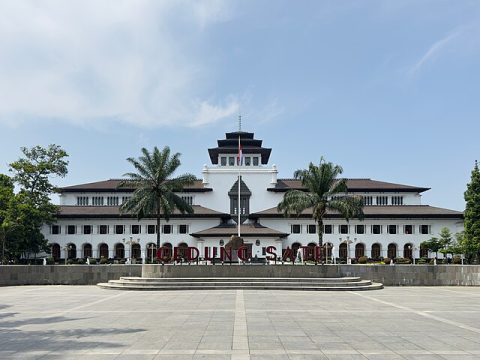
Gedung Sate (Indonesia's Ministry of Public Works Building)
This iconic Art Deco building, Construction began in 1920; the building was completed in 1924, is instantly recognizable by its distinctive spire. The tower is topped by six ball ornaments resembling a satay skewer; they symbolize the six million guilders spent on construction. The symmetrical yellow-cream facade and classical architectural elements make it one of Bandung's most photographed landmarks. Once the hub of Dutch colonial administration, It is the seat of the West Java provincial government and includes the Gedung Sate Museum. The building exemplifies early 20th-century Indonesian architecture.
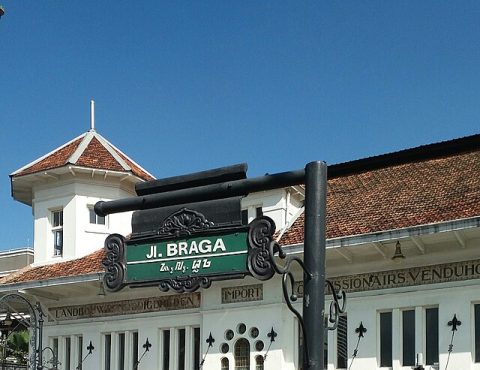
Braga Street (Jalan Braga)
Bandung's most famous street stretches over 800 meters through the city center, lined with historic colonial buildings from the 1910s-1940s. This pedestrian-friendly boulevard features elegant storefronts, art galleries, cafes, and restaurants housed in beautifully maintained heritage buildings. Walking Braga Street is stepping through Bandung's cultural and commercial history, especially vibrant during evening hours and weekends.
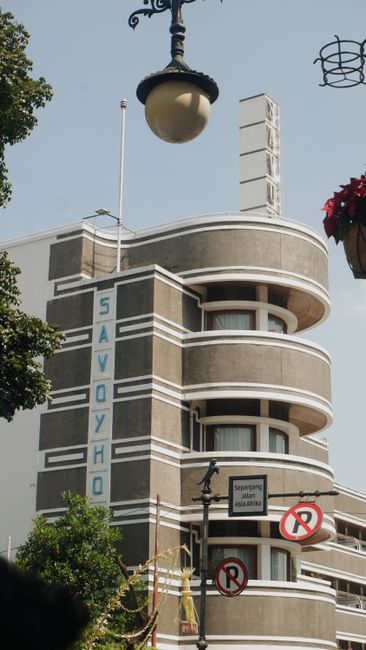
Grand Hotel Preanger
Built in 1929, this luxurious colonial hotel represents the golden age of Dutch hospitality in Bandung. The building's impressive Art Deco architecture features grand columns, period furnishings, and an ornate lobby. Grand Hotel Preanger continues to operate as a hotel, it remains an iconic symbol of Bandung's colonial elegance and a must-see for architecture enthusiasts. Visitors can enjoy afternoon tea at the historic café.
Tips for Landmarks & Monuments
- Visit Braga Street during evening (5-8 PM) when the street lights create a magical atmosphere and outdoor cafes fill with locals
- Photography enthusiasts should visit early morning for better light on colonial buildings with fewer crowds
- Many colonial buildings house boutique shops, galleries, and cafes – allocate time to explore interiors
- Wear comfortable walking shoes as the street offers much to discover on foot
Bandung's museums and art galleries showcase the city's creative culture, from contemporary art to ethnographic collections. These institutions preserve Indonesia's cultural heritage and promote local artistic expression.
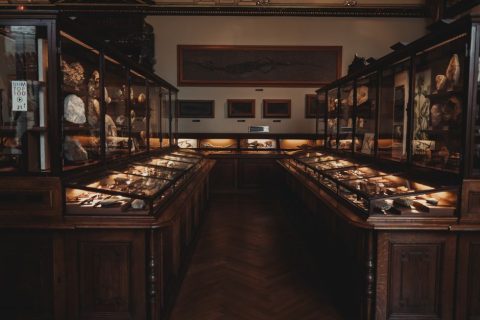
Museum Geologi (Geological Museum)
Housed in a grand colonial building, this museum displays Indonesia's geological history through extensive mineral, fossil, and rock collections. The exhibits include dramatic displays of volcanic eruptions, earthquake information, and mineral specimens from across the archipelago. The museum's impressive architecture and informative displays make it both educational and visually engaging for all ages.
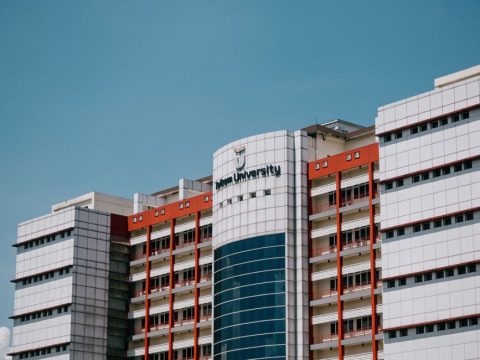
Bandung Institute of Technology (ITB) Campus
This prestigious technical university features stunning Art Deco buildings and manicured grounds worth exploring. The campus architecture blends Dutch colonial style with modern facilities. The institution is known for innovative design and engineering, and the campus itself is an open-air museum of architectural excellence. Visitors can walk the grounds and view the impressive buildings that have shaped Indonesia's innovators.
Tips for Museums & Galleries
- Museum Geologi is best visited on weekday mornings to avoid school groups and enjoy a peaceful experience
- Ciumbuleuit galleries often close on Mondays – check ahead before planning a visit
- Many galleries feature rotating exhibitions; check local websites for current shows
- Consider hiring a guide at Museum Geologi for deeper insights into Indonesia's geological significance
Bandung's diverse religious architecture reflects Indonesia's pluralistic society. Visit these sacred spaces to understand local spiritual traditions and appreciate architectural heritage.
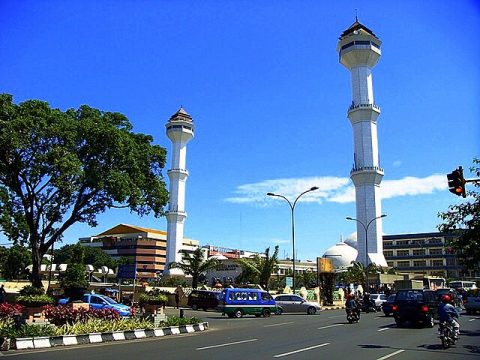
Masjid Raya Bandung (Grand Mosque of Bandung)
This imposing mosque, with its distinctive green dome and minarets, dominates the Bandung skyline. Completed in the 1950s, it showcases modern Islamic architecture with space for thousands of worshippers. The mosque's geometric design and spiritual atmosphere make it a significant religious landmark. Visitors are welcome outside prayer times and should observe appropriate dress codes and customs.
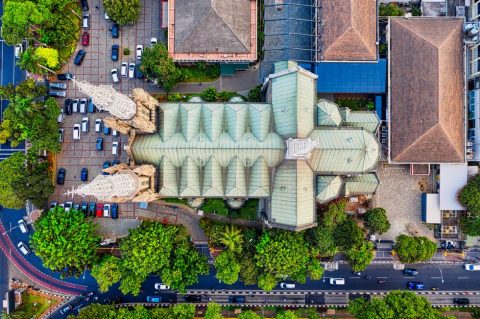
Cathedral of Bandung (Katedral Santo Primus dan Paulus)
This impressive Roman Catholic cathedral features Neo-Gothic architecture with beautiful stained glass windows and soaring ceilings. Built in the early 20th century, it represents Christianity's presence in Bandung. The cathedral's serene interior provides a peaceful retreat and beautiful photography opportunities. Visitors can attend services or simply appreciate the architectural and spiritual significance.
Tips for Religious Sites
- When visiting mosques, dress respectfully with covered shoulders and knees; women should bring headscarves
- Check prayer times before visiting – some areas are restricted during five daily prayers
- Remove shoes before entering prayer areas; designated shoe racks are typically available
- Visitors are welcome but should be respectful and avoid loud conversations
Bandung's lush parks and gardens showcase the city's famous cool highland climate and botanical diversity. These green spaces offer respite, recreation, and natural beauty.
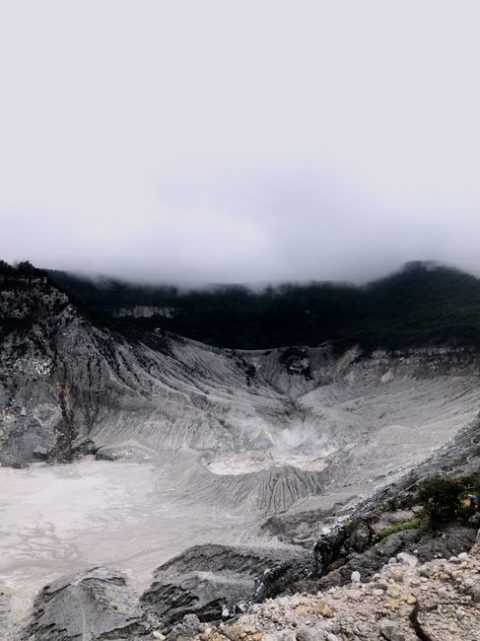
Tangkuban Perahu National Park
Located 30 km north of Bandung, this natural park centers on an active volcano with scenic landscapes, hiking trails, and hot springs. The main crater offers panoramic views of the surrounding mountains and lowlands. Visitors can trek to viewpoints, soak in warm mineral springs, and explore sulfur vents. The cool highland air and lush vegetation make it a refreshing escape from the city.
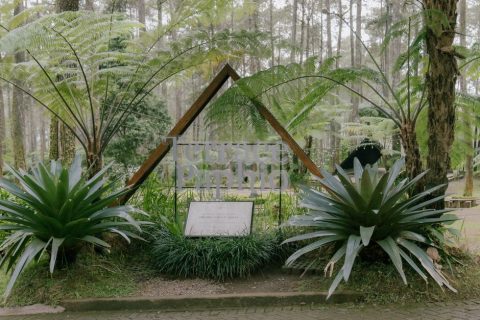
Taman Saribu Bunga (Thousand Flowers Garden)
This sprawling botanical park features thousands of flowers arranged in themed gardens throughout its 10 hectares. Colorful flower displays, manicured lawns, small ponds, and walking paths create a peaceful retreat. The park is especially beautiful during flower blooming seasons (August-October and February-April). Facilities include restaurants, gift shops, and comfortable seating areas for relaxation and photography.
Tips for Parks & Gardens
- Visit flower gardens early morning (6-8 AM) for fresh blooms and fewer crowds
- Bring a camera and comfortable walking shoes for exploring park trails
- Peak flower seasons are August-October and February-April – plan accordingly for best displays
- Many parks have benches and cafes; pack a picnic or enjoy local snacks
- For Tangkuban Perahu, arrange transportation early as most visitors book through hotels or tour operators
Bandung's diverse neighborhoods each offer distinct character, from bohemian creative districts to fashion centers. Explore the city's cultural diversity through its vibrant communities.
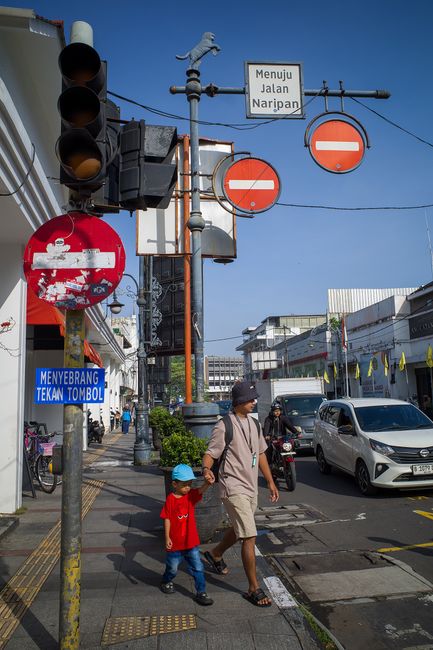
Dago Street (Jalan Dago)
Bandung's trendiest shopping and dining destination stretches through the upscale Dago area with boutique shops, contemporary cafes, restaurants, and art galleries. The street showcases modern Bandung with a bohemian atmosphere, creative businesses, and a vibrant young demographic. It's perfect for shopping, people-watching, and experiencing the city's contemporary culture.
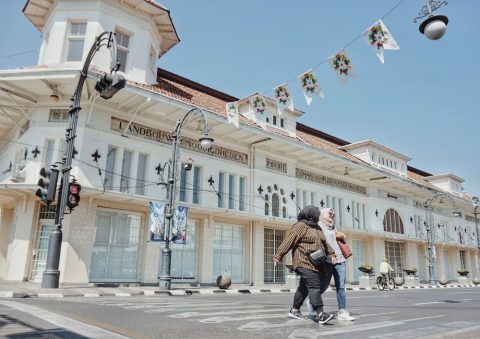
Cihampelas Street (Fashion District)
This bustling street is the heart of Bandung's garment industry and fashion retail scene. Rows of clothing shops, textile outlets, and boutique stores offer incredible bargains on branded and local designer pieces. The street buzzes with activity, especially evenings and weekends when locals and tourists shop for fashion, accessories, and fabrics at wholesale prices.
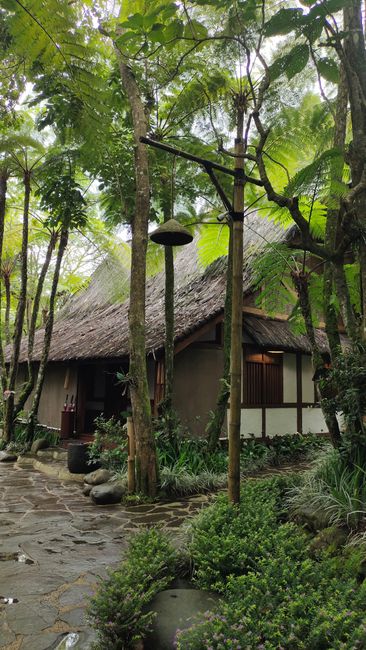
Lembang Village
A picturesque highland village 15 km north of Bandung featuring strawberry farms, scenic viewpoints, cafes, and homestays. The cooler climate and rural atmosphere offer respite from the city. Popular attractions include strawberry picking, garden cafes with panoramic views, and colonial-era buildings. The area is famous for weekend getaways and Instagram-worthy photo locations.
Tips for Neighborhoods & Districts
- Dago Street is best explored during evening hours when shops are open and the atmosphere is lively
- Cihampelas Street offers best bargains on weekdays; negotiate prices at textile shops
- Wear comfortable shoes for shopping-focused neighborhood walks
- Visit Lembang early on weekends to avoid traffic congestion from day-trippers
Bandung offers diverse experiences from adventure activities to cultural tours. These curated experiences provide deeper insights into the city and surrounding regions.
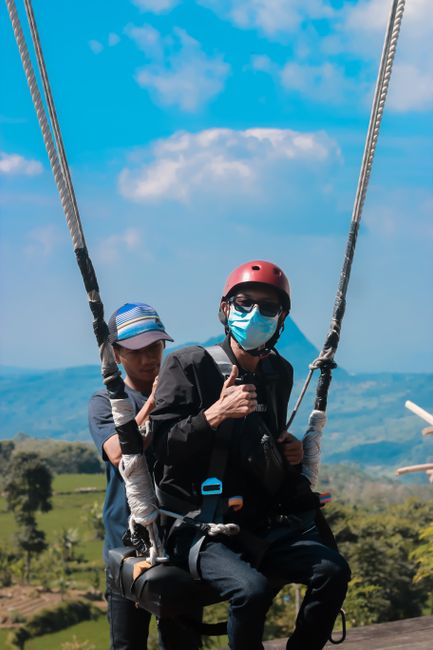
Paragliding Near Bandung
Experience thrilling panoramic views of Bandung and surrounding mountains through paragliding from a hilltop launch site. Professional pilots provide tandem flights for beginners, offering an unforgettable perspective of the city. The activity operates year-round weather permitting, with flights typically lasting 20-30 minutes. Morning hours (6-9 AM) offer best wind conditions and clearest views.
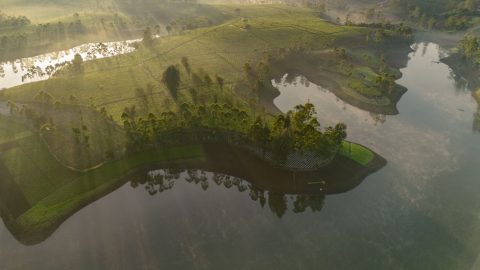
Tea Plantation Tours (Patenggang Lake Area)
Explore verdant tea plantations in the highlands south of Bandung, experiencing sustainable agriculture while enjoying panoramic mountain views. Tours include guided walks through terraced plantations, tea processing explanations, and tastings at plantation cafes. The cool climate and misty mountain scenery create magical photography opportunities. Combined trips often include visits to Patenggang Lake and Kawah Putih crater.
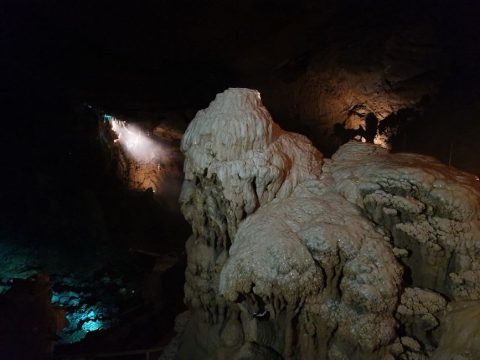
Caving & Spelunking Adventures
Bandung's nearby karst formations feature spectacular caves with underground rivers, stalactites, and stalagmites. Professional guides lead expeditions through caves like Candi Pawon and Masigit, providing helmets and safety equipment. Activities range from easy walks to challenging adventure caving for experienced enthusiasts. The cool cave interiors and geological formations create unforgettable underground experiences.
Tips for Tours & Activities
- Book adventure activities 1-2 days in advance through reputable tour operators or hotels
- Wear appropriate clothing for activities – layers for highland activities, closed shoes for caving
- Bring sunscreen, water bottles, and cameras for outdoor activities
- Check weather forecasts before scheduling paragliding; morning flights have better conditions
- Tea plantation tours are best during dry season (May-August) for clearer views
Bandung's location in West Java highlands offers convenient access to spectacular natural attractions, hot springs, and cultural sites within 30-100 km radius.
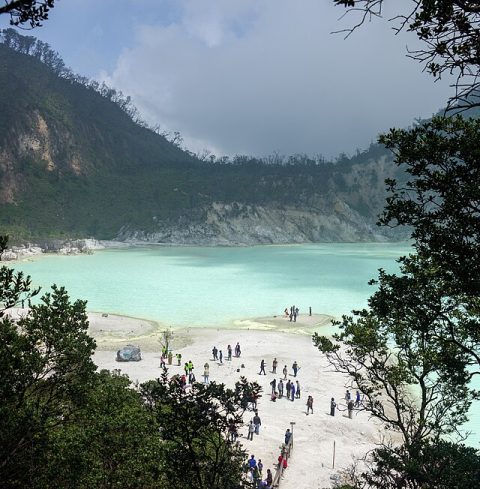
Kawah Putih (White Crater)
This stunning crater lake 50 km south of Bandung features distinctive white, turquoise, and yellow-hued waters caused by sulfur content and mineral concentration. The otherworldly landscape with barren crater walls and mineral-rich lake creates spectacular photo opportunities. Visitors can walk around the crater rim, descend to the lake shore, and enjoy crater-view cafes. The ethereal landscape attracts photographers and nature enthusiasts from worldwide.
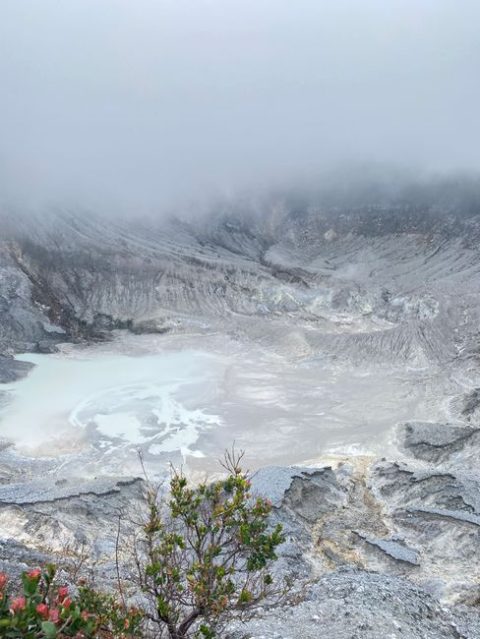
Crater Ciwidey Hot Springs
Natural geothermal hot springs near Kawah Putih offer therapeutic bathing experiences with mineral-rich waters. The facilities range from basic natural pools to modern resort-style spas with multiple temperature options. Local legend attributes healing properties to the sulfurous waters. Many visitors combine visits with Kawah Putih exploration, creating a comprehensive geothermal experience in the highlands.
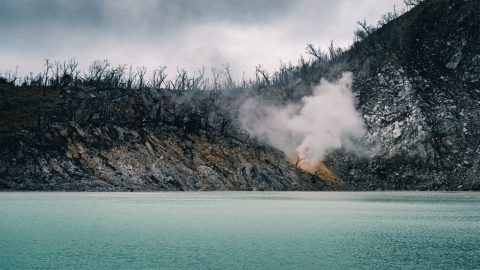
Kawah Rengganis (Rengganis Crater & Natural Hot Spring)
Located within accessible hiking distance of Kawah Putih, this active crater features sulfur vents, steaming fumaroles, and a natural hot spring lake. The combination of geological activity, mineral deposits, and natural hot water creates a dynamic landscape. Adventurous visitors enjoy trekking to the crater rim where views extend across layered mountains and neighboring volcanic peaks.
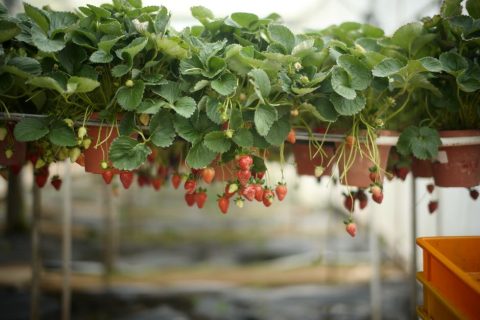
Strawberry Fields & Agritourism (Lembang Area)
The highland regions near Lembang feature extensive strawberry farms open for pick-your-own experiences. Visitors explore verdant strawberry fields, harvest fresh berries, and enjoy farm-fresh treats at on-site cafes. Many farms offer additional agritourism activities including cooking classes, farm stays, and purchases of local produce. The combination of outdoor activity, fresh mountain air, and farm-to-table dining makes this an ideal family day trip.
Tips for Day Trips & Excursions
- Kawah Putih is best visited early morning before mist clears; afternoon light reveals more color variations
- Wear sturdy hiking shoes with good grip for uneven crater terrain and sulfur-covered surfaces
- Bring sunscreen, hats, and water – the crater offers limited shade
- Drive carefully on mountain roads; hire drivers familiar with winding routes
- Strawberry farms typically charge per kilogram of picked berries; plan budget accordingly
Bandung's decorative fountains and public art installations enhance urban spaces and reflect the city's creative spirit and cultural pride.
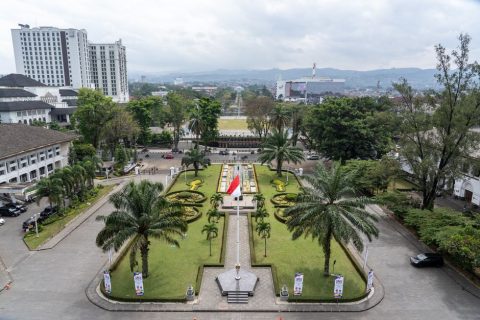
Alun-Alun Bandung (Central Square & Fountain)
Bandung's iconic central square features manicured lawns, decorative fountains, and sculptures creating a vibrant urban gathering space. The square's distinctive twin fountain displays frame the square's center, providing photo opportunities and refreshing visual elements. Evening illumination transforms the fountains into dramatic focal points. The square hosts cultural events, performances, and community gatherings, especially during holidays and weekends.
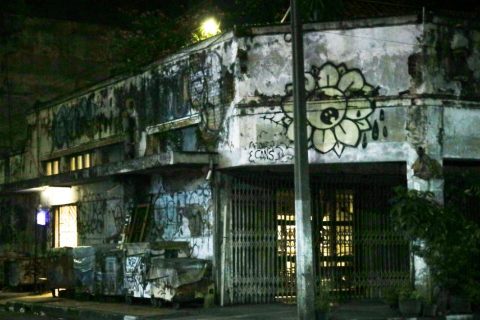
Street Art & Mural Districts
Bandung's creative neighborhoods, particularly around Dago and Ciumbuleuit, feature vibrant street art and murals created by local artists. Colorful walls illustrate social messages, cultural themes, and artistic expressions, transforming alleyways into outdoor art galleries. These constantly-evolving artworks provide excellent photography opportunities and insights into Bandung's creative community values.
Tips for Fountains & Public Art
- Visit Alun-Alun in early evening (5-7 PM) when fountains are illuminated and crowds gather
- Street art changes frequently; ask locals for current mural hotspots
- Respect property – street art is on public and permitted spaces only
- Photography is best during golden hour for artistic lighting on murals and fountains
Real, highly-rated Restaurants in Bandung, sourced from Google Places (rating above 4★).
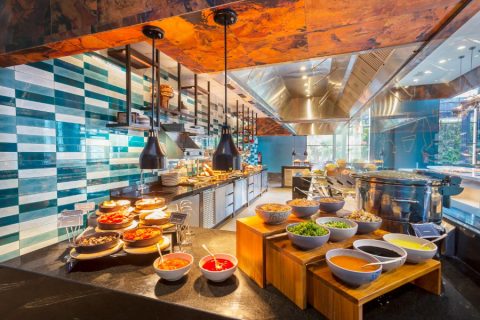
Sadrasa Kitchen & Bar
Sadrasa Kitchen & Bar is a highly-rated restaurant in Bandung, rated 5★ from 6812 reviews. Located at Jl. Diponegoro No.27, Citarum, Kec. Bandung Wetan, Kota Bandung, Jawa Barat 40115, Indonesia.
Opening Hours
- Monday: 6:30 AM – 10:00 PM
- Tuesday: 6:30 AM – 10:00 PM
- Wednesday: 6:30 AM – 10:00 PM
- Thursday: 6:30 AM – 10:00 PM
- Friday: 6:30 AM – 10:30 PM
- Saturday: 6:30 AM – 10:30 PM
- Sunday: 6:30 AM – 10:00 PM
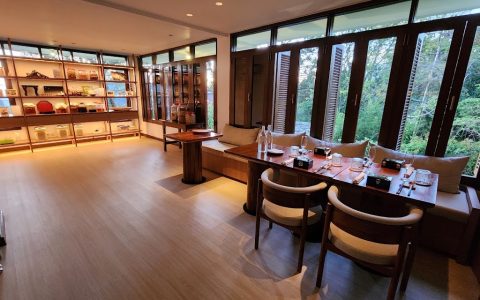
Jung Chan Dining
Jung Chan Dining is a highly-rated restaurant in Bandung, rated 5★ from 266 reviews. Located at Jl. Bukit Pakar Timur No.76E, Ciburial, Kec. Cimenyan, Kabupaten Bandung, Jawa Barat 40198, Indonesia.
Opening Hours
- Monday: Closed
- Tuesday: Closed
- Wednesday: 7:00 – 10:22 PM
- Thursday: 7:00 – 10:22 PM
- Friday: 7:00 – 10:22 PM
- Saturday: 6:00 – 9:21 PM
- Sunday: Closed
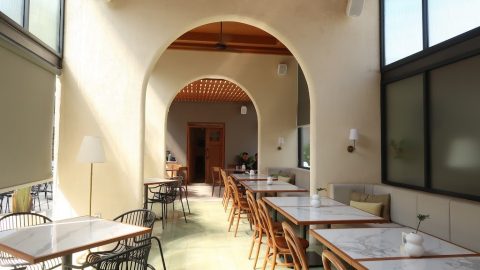
Bijan Restoran Nusantara
Bijan Restoran Nusantara is a highly-rated restaurant in Bandung, rated 4.9★ from 2254 reviews. Located at Jl. Jawa No.54, Merdeka, Kec. Sumur Bandung, Kota Bandung, Jawa Barat 40113, Indonesia.
Opening Hours
- Monday: 7:00 AM – 10:00 PM
- Tuesday: 7:00 AM – 10:00 PM
- Wednesday: 7:00 AM – 10:00 PM
- Thursday: 7:00 AM – 10:00 PM
- Friday: 7:00 AM – 10:00 PM
- Saturday: 7:00 AM – 10:00 PM
- Sunday: 7:00 AM – 10:00 PM
Explore Bandung on the Map
Climate Overview
Bandung's highland elevation (768m) provides a cool, temperate climate year-round, averaging 15-25°C. The city experiences two main seasons:
Dry Season (May-August)
Best for general tourism with clear skies, lower rainfall, and excellent visibility for mountain views. Daytime temperatures average 20-22°C; nights drop to 12-15°C. Perfect for outdoor activities, hiking, and photography. Accommodation prices peak during this period, particularly on weekends.
Wet Season (November-March)
Characterized by afternoon rainfall and overcast skies, but lush green vegetation and fewer tourists. Morning activities are typically dry. Temperatures average 18-24°C. Budget-friendly rates on accommodation. Flash floods are possible on mountain roads; check conditions before traveling.
Shoulder Seasons (April, September-October)
Ideal transition periods combining decent weather with moderate tourist crowds and reasonable prices. Rainfall is minimal, and temperatures are pleasant.
Recommendation: Visit May-August for guaranteed fair weather; April and September-October for ideal balance of weather and crowds.
Getting Around Bandung
Public Transportation
Rapid Bus (TransBandung): Affordable modern bus system with air-conditioning covering major routes throughout the city. Fares are low per ride. Purchase cards at ticketing offices or on buses.
Traditional Minibuses (Angkots): Colorful shared minibuses following fixed routes with frequent stops. Cheaper than rapid buses (cheaper) but less comfortable. Ideal for short distances and local flavor.
Ride-sharing Apps: Grab is available throughout Bandung, offering convenient door-to-door service at a low starting fare. Preferable for tourists unfamiliar with routes.
Taxis
Metered taxis are available but less common than ride-sharing. Use Blue Bird taxi or negotiate fares with non-metered taxis beforehand. Tips are appreciated but not obligatory.
Private Transportation
Car Rentals: Affordable daily rental rates (daily rental rates vary) available from international and local agencies. International license acceptable. Driving on left side; traffic can be chaotic.
Tourist Shuttles: Many hotels arrange private shuttles to major attractions. Book through your accommodation or tour operators.
✈️ Airport Transfer
Husein Sastranegara has scheduled service again as of August 2026, including Wings Air flights to Lampung; travelers should check current routes: Accessible via taxi (a higher fare than ride-sharing), ride-sharing (price shown in the app), or hotel shuttles. Journey time: 30-45 minutes depending on traffic.
Getting to Day Trips
Hire private cars or join organized tours for destinations like Kawah Putih, Tangkuban Perahu, and Lembang. Ride-sharing is more economical for group travel to nearby destinations.
Shopping in Bandung
Fashion & Textiles (Bandung's Specialty)
Bandung is Indonesia's fashion capital with incredible bargains on clothing, textiles, and accessories. Cihampelas Street offers wholesale prices on branded and local designer pieces (haggling is expected). Dago Street features contemporary boutiques with higher-quality curated selections at premium prices.
Shopping Malls
Paris Van Java: Modern European-style mall with international brands, local designers, restaurants, and entertainment. Paskal Hypersquare: Upscale shopping, dining, and entertainment complex. Bandung Indah Mall: Traditional shopping center with local and international stores.
Handicrafts & Souvenirs
Local artisan shops throughout Dago and Ciumbuleuit offer wooden crafts, batik, pottery, and uniquely Indonesian souvenirs. Support local artists by purchasing directly from studios and galleries.
Markets
Pasar Baru (Old City Market): Historic traditional market for textiles, spices, and local goods. Bargaining is standard practice. Visit early morning for best selections.
Shopping Tips
• Bargaining is expected at street vendors and traditional markets but not in malls or restaurants
• Tax is included in posted prices (no sales tax)
• Popular items: batik, textiles, woodcrafts, local snacks (martabak, bandung coffee)
• Department stores: Matahari, Indomaret, Alfamart for convenience shopping
• Avoid purchasing endangered species products (shells, coral, animal skins)
Festivals & Events in Bandung
Annual Celebrations
Bandung Coffee Festival (Multiple dates throughout year): Celebrates Bandung's thriving coffee culture with tastings, competitions, and café experiences. Local coffee entrepreneurs showcase premium beans and brewing methods.
Bandung Fashion Week (Various dates): Showcases Indonesian fashion designers with runway shows, exhibitions, and shopping opportunities. Events typically occur twice yearly with different seasonal focuses.
National Holidays
Indonesia observes these major holidays affecting store and attraction hours:
• Independence Day (August 17): Street parades, flag ceremonies, cultural performances
• Lebaran/Eid al-Fitr (Islamic calendar): Religious observance with family gatherings; offices closed 3-5 days
• Christmas (December 25): Observed by Indonesian Christians; some businesses closed
• Nyepi (Hindu New Year, Bali-centered): Limited tourism operations in West Java
• Bandung’s anniversary is September 25; the city’s founding date is officially set as September 25, 1810: City celebration with cultural events, parades, street performances
Religious & Cultural Observances
Ramadan (Islamic holy month) affects restaurant hours and business operations; many eateries stay closed during daylight fasting hours. Night markets and food stalls flourish during evening hours.
5-Day Sample Itineraries
Day 1: Colonial Heritage & Architecture
Morning: Start at Gedung Sate (8:00-9:00 AM) for exterior photos and colonial history orientation. Walk to nearby Bandung Cathedral (9:15-10:00 AM).
Late Morning: Breakfast at Braga Street café (10:00-11:00 AM). Explore colonial buildings and boutiques along the historic street.
Afternoon: Visit Museum Geologi (12:00-2:00 PM) with lunch break. Explore impressive geological exhibits and colonial architecture.
Late Afternoon: Rest at hotel or visit Grand Hotel Preanger (3:00-4:00 PM) for afternoon tea and heritage viewing.
Evening: Dinner on Braga Street (5:30-7:00 PM) with evening stroll experiencing street ambiance.
Day 2: Modern Creative Bandung
Morning: Explore Dago Street boutiques and galleries (8:00-11:00 AM). Visit contemporary art galleries and design studios.
Lunch: Trendy café lunch on Dago (11:00 AM-12:30 PM).
Afternoon: Visit Galeri Ciumbuleuit art district (1:30-4:00 PM). Explore galleries, artist studios, and emerging creative spaces.
Late Afternoon: Shopping on Cihampelas Street for fashion bargains (4:30-6:30 PM).
Evening: Dinner and street art exploration in creative neighborhood.
Day 3: Natural Beauty & Day Trip
Early Morning: Depart for Kawah Putih (5:30 AM departure) with private car or tour group. Arrive by 7:00-8:00 AM for best light and fewer crowds.
Morning-Afternoon: Explore white crater, crater lake, and rim walks (7:00 AM-12:00 PM). Photography and mineral spring visits.
Lunch: Crater-view café lunch (12:00-1:00 PM).
Afternoon: Visit Ciwidey Hot Springs (2:00-4:00 PM) for mineral-rich bathing.
Evening: Return to Bandung (4:30-6:30 PM). Light dinner and rest.
Day 4: Gardens, Tea Plantations & Highlands
Early Morning: Depart for Lembang strawberry farms (7:00 AM) with private transport. Pick-your-own strawberry experience (7:30-9:00 AM).
Mid-Morning: Farm breakfast or fresh juice (9:00-10:00 AM).
Late Morning: Visit tea plantation with guided tour (10:30 AM-12:30 PM). Learn about tea cultivation and tasting.
Lunch: Plantation café lunch with mountain views (1:00-2:00 PM).
Afternoon: Explore Tangkuban Perahu volcano (2:30-4:30 PM) with crater walks and natural hot springs.
Evening: Return to Bandung (5:00-6:30 PM). Rest and dinner.
Day 5: Urban Relaxation & Local Experiences
Morning: Visit Taman Saribu Bunga flower garden (8:00-10:30 AM). Leisurely walk through themed gardens and flower displays.
Late Morning: Café break with garden views (10:30-11:30 AM).
Lunch: Local restaurant for traditional Indonesian cuisine (12:00-1:30 PM).
Afternoon: Alun-Alun central square (2:00-3:30 PM) for people-watching and photography. Visit local shops if time permits.
Late Afternoon: Shopping last-minute souvenirs on Dago or Cihampelas (4:00-5:30 PM).
Evening: Farewell dinner at recommended restaurant (6:30-8:00 PM).
Best Photography Locations
Golden Hour Magic (6:00-8:00 AM, 4:30-6:30 PM)
Gedung Sate: Shoot from street level during golden hour for warm light on cream-colored Art Deco facade. Include distinctive spire against blue sky. Early morning offers clearer skies with fewer crowds.
Braga Street: Evening light creates dramatic shadows on colonial building facades. Capture outdoor café seating and pedestrian energy during peak hours (5:00-7:00 PM).
Landscape & Nature Photography
Kawah Putih Crater: Pre-sunrise arrival captures misty atmosphere with ethereal white waters. Midday brings color variations from sulfur deposits. Afternoon golden light illuminates crater walls. Best overall lighting: 6:00-8:00 AM.
Tangkuban Perahu: Early morning mist creates moody volcanic landscape photos. Clear afternoon skies provide distant mountain panoramas. Bring wide-angle lens for expansive crater views.
Tea Plantations (Ciwidey): Morning mist rolling through terraced plantations creates dreamlike imagery. Shoot from elevated positions for layered plantation patterns. Afternoon Golden hour transforms green slopes to golden-green.
Urban & Street Photography
Dago Street: Capture vibrant street life, creative storefronts, and diverse crowds. Evening hours offer dramatic lighting on building facades and street-level vendors.
Alun-Alun Central Square: Evening illuminated fountains create dramatic focal points. Capture community gatherings and architectural lighting during performances (weekends, holidays).
Street Art Districts: Morning soft light reveals mural details without harsh shadows. Overcast days provide even light distribution ideal for color-saturated street art photography.
Photography Tips
• Altitude Considerations: Bandung's elevation and cool climate result in clearer, purer colors compared to lower regions
• Permits: Ask permission before photographing individuals; respect cultural sensitivities
• Weather: Afternoon clouds common; morning photography often rewards with clearer skies
• Peak Seasons: Expect crowds at popular spots during Indonesian holidays and weekends
• Equipment: Bring polarizing filter for crater lake color enhancement; tripod useful for landscape and long exposures
• Safety: Avoid isolated areas after dark; stick to main tourist routes for personal security
Electrical Information
Voltage & Frequency
Indonesia operates on 220 volts, 50 Hz AC electrical system. Most modern electronics from various countries will operate safely with voltage converters.
Plug Types
Indonesia uses Type C and Type I plugs:
Type C: Two round pins (common in Europe, Southeast Asia). Most electrical outlets in hotels, shops, and homes use this standard.
Type I: Two flat pins in V-shape with ground pin (Australian standard). Less common but found in newer buildings and hotels.
Adapter Recommendations
• Purchase a combination adapter supporting both Type C and I plugs (cheap from local electronics shops)
• Most hotels provide adapters upon request
• Universal travel adapters work but verify Type C/I compatibility before purchase
• Bring adapters from home country as selection in Bandung is limited
Power Reliability
Bandung has reliable electricity with occasional brief outages during monsoon season. Hotels and shopping malls have backup generators ensuring uninterrupted power. Water heaters typically require manual switching; ask hotel staff for operation instructions.
Device Charging
USB charging ports are increasingly common in hotels, cafes, and shopping malls. Carry USB power adapters and cables for convenient charging. Power banks (portable chargers) are highly recommended for all-day exploration away from accommodation.
Culinary Guide to Bandung
Must-Try Dishes
Bandung Perkedel: Fried potato croquettes, a Bandung specialty served as side dish or snack. Crispy exterior with soft creamy potato interior, often paired with peanut sauce.
Martabak Bandung: Folded pancakes filled with chocolate, cheese, or savory ingredients. Found at street stalls; ideal afternoon snack or dessert.
Nasi Liwet: Rice cooked with chicken broth and coconut milk in bamboo containers, served with side dishes (chicken, tempeh, sambal). Signature Bandung breakfast dish.
Soto Bandung: Rich beef broth soup with turmeric and local spices, served with rice and crispy shallots. Warming comfort food.
Bandung Coffee: Renowned local coffee from nearby highlands, served strong and black (Kopi Tubruk) or with condensed milk (Kopi Susu). Coffee shops throughout the city showcase local roasters.
Local Cuisine Characteristics
Bandung cuisine reflects West Java traditions emphasizing:
• Spice Balance: Layers of flavor from turmeric, galangal, chilies, and garlic without overwhelming heat
• Fresh Ingredients: Mountain vegetables, local herbs, and highland-sourced proteins
• Cooking Methods: Grilling (sate), boiling (soto), frying (perkedel), and steaming (wrapped in banana leaves)
• Coconut Milk Usage: Creamy rich sauces and curries (gulai, rendang)
Where to Eat
Street Food Stalls (Warung): Authentic, affordable, casual seating. Try martabak, perkedel, soto, and grilled specialties. Budget: 10,000-30,000 IDR per meal. Exercise caution with hygiene; popular stalls with high turnover are generally safe.
Casual Restaurants (Rumah Makan): Family-style dining with varied menus, reasonable prices, basic ambiance. Popular for lunch (11:00 AM-2:00 PM) with working crowds. Budget: 30,000-80,000 IDR.
Contemporary Cafes & Restaurants: Found on Dago and Ciumbuleuit, offering fusion cuisine, local specialties with modern presentation, and ambiance-focused dining. Higher prices (80,000-200,000 IDR+) but excellent food quality.
Hotel Restaurants: Offer international options and higher standards; typically 150,000-400,000 IDR for main courses.
Dining Tips
• Street Food: Eat where locals eat; high turnover indicates fresh food
• Hygiene: Opt for cooked-to-order dishes rather than pre-prepared items
• Spice Level: Request "tidak pedas" (not spicy) or "pedas sedikit" (a little spicy)
• Rice Basis: Most meals center on rice with side proteins and vegetables
• Coffee Culture: Coffee accompanied by casual conversation is central to Bandung social life
• Pricing: Prices increase significantly away from city center; eat where locals do for value
• Hours: Most restaurants close by 9:00-10:00 PM; eat dinner earlier than Western hours
Tourist Passes
More about Bandung
Photo credits (12)
- Gedung Sate (Indonesia's Ministry of Public Works Building): photo by Rahmatdenas, CC BY-SA 4.0, via Wikimedia Commons
- Braga Street (Jalan Braga): photo by J-lorentz, CC BY-SA 4.0, via Wikimedia Commons
- Grand Hotel Preanger: photo by RasyaAbhirama13, CC BY-SA 4.0, via Wikimedia Commons
- Museum Geologi (Geological Museum): photo by KemejaAmir8876, CC BY-SA 4.0, via Wikimedia Commons
- Masjid Raya Bandung (Grand Mosque of Bandung): photo by Prayudi Setiadharma, Public domain, via Wikimedia Commons
- Cathedral of Bandung (Katedral Santo Primus dan Paulus): photo by Chainwit., CC BY 4.0, via Wikimedia Commons
- Dago Street (Jalan Dago): photo by Mohd Fazlin Mohd Effendy Ooi, CC BY 2.0, via Wikimedia Commons
- Cihampelas Street (Fashion District): photo by Midori, CC BY 3.0, via Wikimedia Commons
- Lembang Village: photo by Aprizal1642, CC0, via Wikimedia Commons
- Kawah Putih (White Crater): photo by Crisco 1492, CC BY-SA 4.0, via Wikimedia Commons
- Kawah Rengganis (Rengganis Crater & Natural Hot Spring): photo by Yudi Zakaria, CC BY-SA 4.0, via Wikimedia Commons
- Alun-Alun Bandung (Central Square & Fountain): photo by Nuroni, CC BY-SA 4.0, via Wikimedia Commons


_-_img_08.jpg)


