Plan your trip to Dhaka
- How long
- 2 days: Old Dhaka and the riverfront, plus the museums and Lalbagh Fort.
- Best for
- Adventurous travellers into history and street life: Mughal-era forts, Old Dhaka's lanes, the Buriganga river and rickshaw art.
- Skip it if
- You dislike chaos: Dhaka has extreme traffic, pollution and heat, and sightseeing takes longer than the map suggests.
If you only do three things
- Old Dhaka: Ahsan Manjil, Star Mosque and the Buriganga riverfront.
- Lalbagh Fort.
- The National Museum and the Liberation War Museum.
A one-day route
- Morning: Ahsan Manjil and the Buriganga riverfront (early, before the heat).
- Midday: Lunch in Old Dhaka; the Star Mosque.
- Afternoon: Lalbagh Fort.
- Evening: Liberation War Museum if open, then dinner in Gulshan or Banani.
Before you go
- Hazrat Shahjalal Airport (DAC) is in the north; traffic makes the ride to the center 30-50 minutes or more.
- Use ride-hailing apps or hotel cars; agree fares first for rickshaws.
- Dress modestly; check prayer times and Friday hours before visiting mosques and museums.
- The Sundarbans is a multi-day trip from Khulna, not a day trip from Dhaka.
Prices, opening status and transport in this plan checked against official sources on 30 September 2026.
Things to do in Dhaka
Dhaka's iconic structures showcase centuries of architectural heritage and cultural significance. From Mughal-era buildings to colonial masterpieces, these landmarks tell the story of the city's rich past.
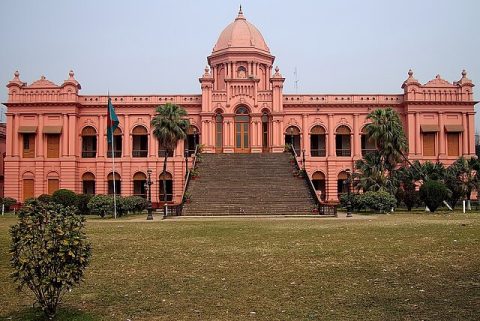
Ahsan Manjil (Pink Palace)
A stunning 19th-century pink mansion overlooking the Buriganga River. Built in 1872, this three-story palace is a blend of Indo-Saracenic and European styles. Now a museum showcasing period furniture, artwork, and historical artifacts from the Nawab family's era.
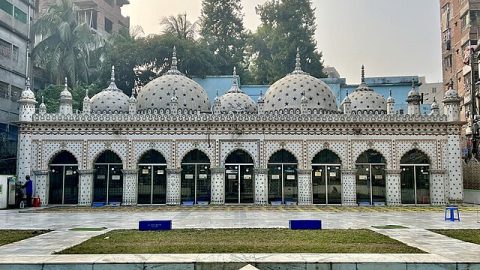
Star Mosque (Tara Masjid)
A 19th-century mosque renowned for its exquisite blue star-patterned tiles and intricate decorative work. Located in the old city, this intimate prayer space features stunning hand-painted ceramic tiles covering interior walls with geometric and floral patterns.
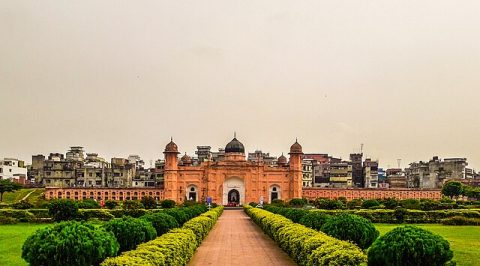
Lalbagh Fort
A 17th-century Mughal fort built in 1678 with impressive red sandstone structures and defensive walls. Features the Diwan-i-Aam (Hall of Commons), a mosque, and underground chambers. The fortress showcases Mughal military architecture and remains a significant historical monument.
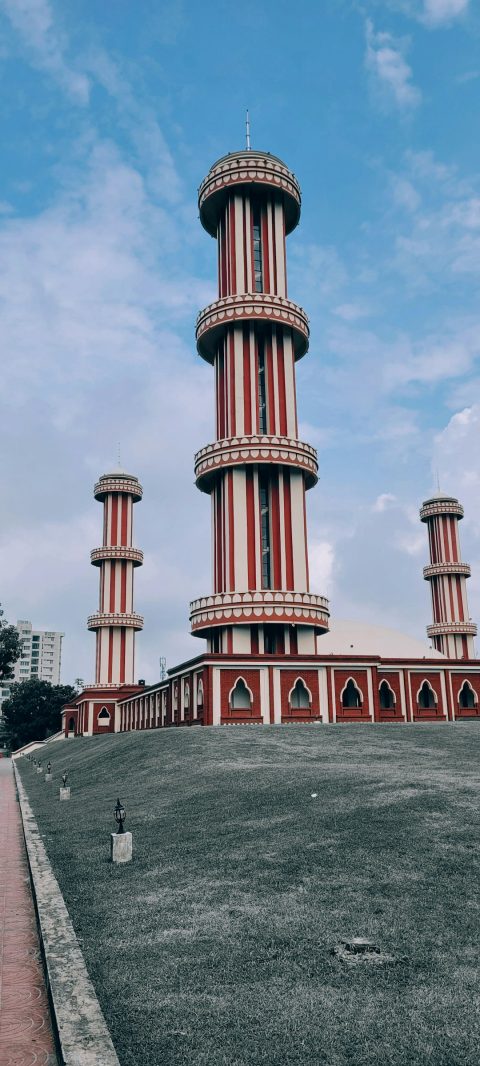
Shahid Minar (Martyr's Monument)
An iconic monument dedicated to those who died during the 1952 Language Movement. The current monument, completed in 1963 to replace the first, temporary one of 1952, has become a symbol of Bengali national pride and cultural identity. Beautifully illuminated at night.
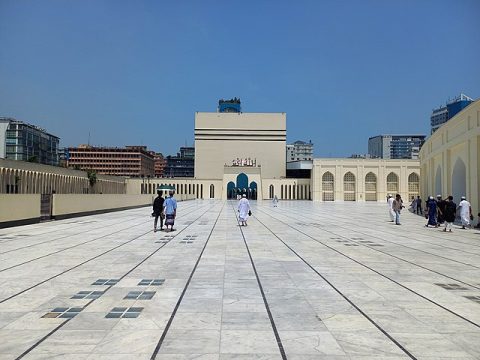
Baitul Mukarram National Mosque
One of Asia's largest mosques, built in the 1960s as the national mosque. Features modern Islamic architecture with a spacious main prayer hall, beautiful geometric tile work, and a distinctive white marble courtyard providing a serene atmosphere for reflection.
Tips for Landmarks & Monuments
- Visit Lalbagh Fort early morning to avoid crowds and heat
- Dress modestly when visiting mosques; remove shoes before entering prayer areas
- Photography may be restricted in some religious sites; always ask permission
- Star Mosque is best photographed during golden hour for stunning tile reflections
- Combine visits to nearby monuments in the old city to minimize travel time
Dhaka's museums preserve Bangladesh's rich cultural heritage, from ancient artifacts to contemporary art. Discover treasures spanning archaeology, history, textiles, and modern creative expression.
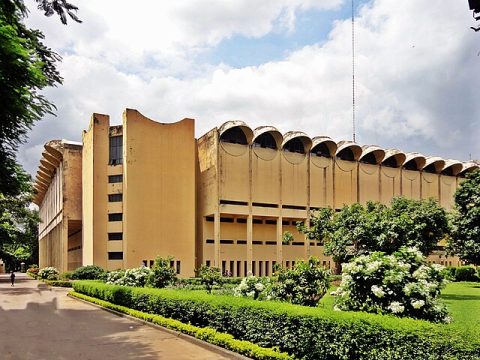
National Museum of Bangladesh
The country's premier museum housing over 31,000 artifacts across 47 galleries. Collections include Buddhist sculptures, manuscripts, royal regalia, traditional weapons, textiles, and contemporary art spanning 5,000 years. Comprehensive overview of Bengali civilization and culture.
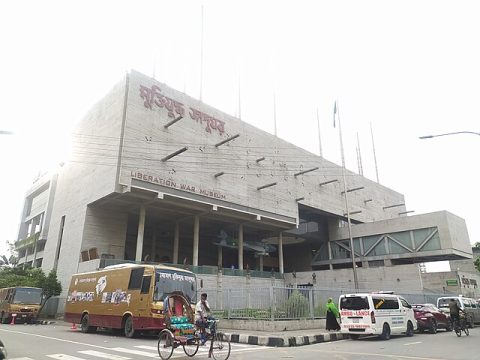
Liberation War Museum
A powerful museum dedicated to Bangladesh's 1971 Independence War. Documents through photographs, documents, weapons, and personal narratives the struggle for liberation. Deeply moving exhibits preserving memory of the conflict and nation's birth.
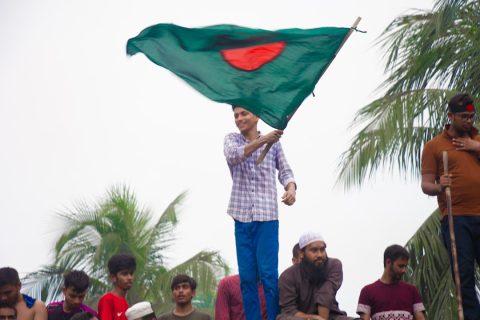
Bangladesh National Art Gallery
Showcasing contemporary and classical Bengali art with regularly rotating exhibitions. Features works by renowned artists like Zainul Abedin and modern innovators. Beautiful gallery spaces in Segunbagicha with a focus on promoting local artistic talent.
Tips for Museums & Galleries
- Book tickets for Liberation War Museum in advance during peak season
- The Bangladesh National Museum closes weekly on Thursday; its published hours list Saturday–Wednesday and Friday visiting times.
- The National Museum has English-speaking guides available for hire
- Photography restrictions apply in some exhibitions; ask staff before photographing
- Plan museum visits during cooler morning or evening hours
Dhaka's diverse religious architecture reflects the city's multicultural heritage. Ancient temples, grand mosques, and historic shrines offer spiritual experiences and architectural beauty across different faiths.
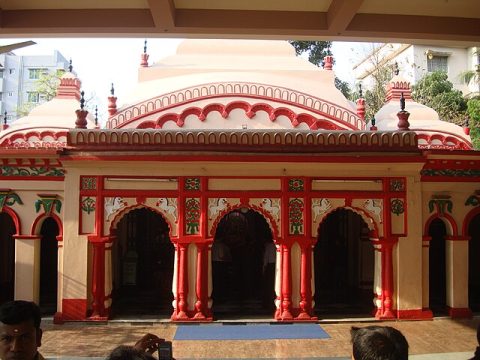
Dhakeshwari Temple
An ancient Hindu temple believed to be founded in the 12th century, dedicated to the goddess Dhakeshwari. Features intricate stone carvings and traditional Hindu architecture. Still an active place of worship hosting major festivals with elaborate celebrations during Durga Puja.
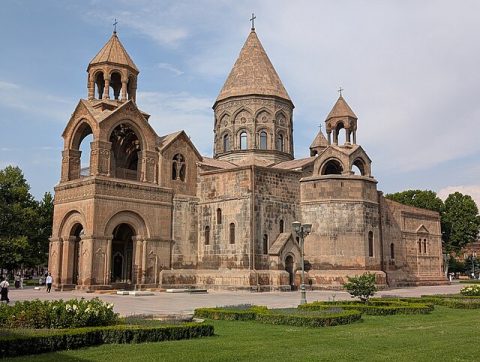
Armenian Church
A historic Christian church dating to the 18th century, featuring beautiful neo-classical architecture with white stone facade. One of the oldest churches in Dhaka, it showcases Anglo-Indian architectural style and remains an active place of worship for the Armenian and Christian communities.
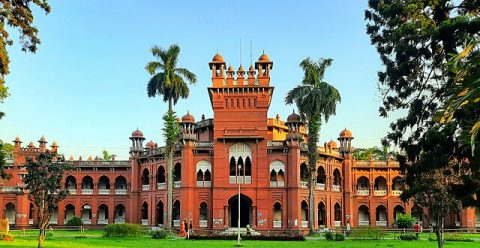
Curzon Hall
A stunning colonial-era building completed in 1904, named after Lord Curzon. Features grand Indo-Saracenic architecture with distinctive red brick facade and ornate details. Hosts exhibitions and cultural events, blending historical significance with contemporary use as a cultural venue.
Tips for Religious Sites
- Visitors of all faiths are welcome, but dress respectfully (covered shoulders, knees)
- Remove shoes before entering temples and prayer areas
- Avoid visiting during prayer times unless you wish to participate
- Photography inside religious buildings may be restricted; ask permission
- Visit during major festivals for authentic cultural experiences and celebrations
Dhaka's diverse neighborhoods each possess distinct character, from vibrant market districts to upscale residential areas. Wandering through these streets reveals authentic local life, street food, and neighborhood culture.
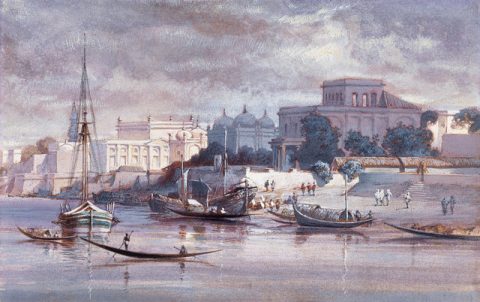
Old Dhaka (Puran Dhaka)
The historic heart of the city featuring narrow winding streets, traditional wooden architecture, and centuries-old bazaars. Home to iconic monuments, traditional craftspeople, spice merchants, and textile traders. Chaotic, colorful, and intensely authentic—the soul of Dhaka.
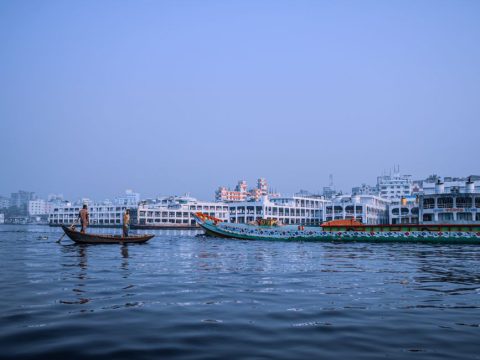
Buriganga Riverfront
The scenic waterfront area along Dhaka's main river, offering picturesque views and riverside activities. Boat rides, waterfront restaurants, and scenic promenades provide respite from urban hustle. Best visited during sunset for stunning photography and atmosphere.
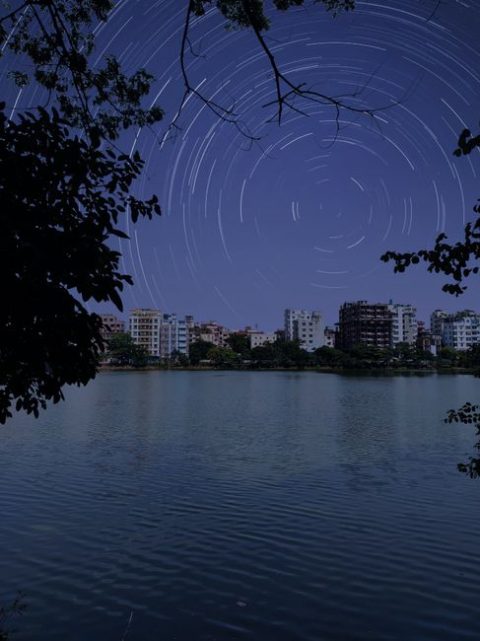
Gulshan & Banani
Modern upscale residential neighborhoods featuring contemporary architecture, international cuisine restaurants, shopping malls, and parks. Trendy cafes, boutiques, and cultural venues cater to affluent residents and tourists seeking modern urban conveniences.
Tips for Neighborhoods & Districts
- Old Dhaka is best explored on foot or by rickshaw; avoid during peak traffic hours
- Hire a local guide to navigate Old Dhaka's maze-like streets and get insider access
- Visit markets early morning for best experience and fewer crowds
- Bring small change for local transactions; not all shops accept cards
- Respect locals' privacy when photographing; ask permission before taking pictures of people
Dhaka's green spaces provide respite from urban congestion, offering peaceful gardens, recreational parks, and waterfront areas for relaxation and outdoor activities.
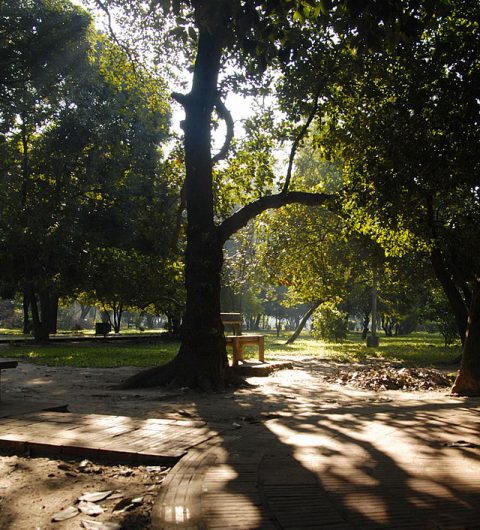
Ramna Batsidheswar (Ramna Park)
A historic public park spanning 83 acres with lush green lawns, botanical collections, and walking trails. Home to monuments, sports facilities, and serene gardens. Once the city's premier recreational space, it's ideal for morning walks, picnics, and family outings.
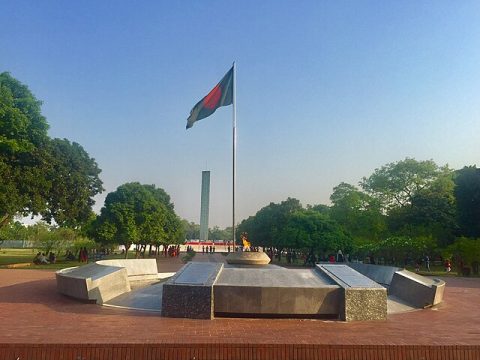
Suhrawardy Udyan (Race Course Ground)
A large urban park hosting cultural events, concerts, and public gatherings. Features the Suhrawardy Memorial and open green spaces ideal for relaxation. Transformed into a vibrant cultural hub while maintaining its recreational function for residents and tourists.
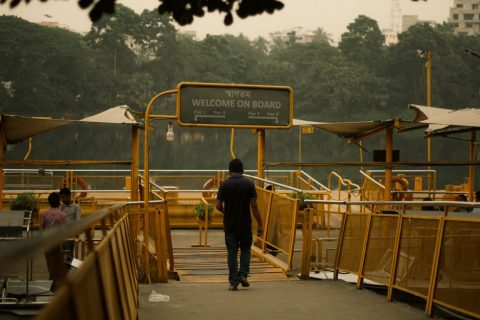
Hatirjheel Lake
An artificial lake and recreational area featuring walking trails, cycling paths, and waterfront restaurants. Urban development transformed this wetland into a modern park offering evening activities, water sports, and scenic views for residents and visitors.
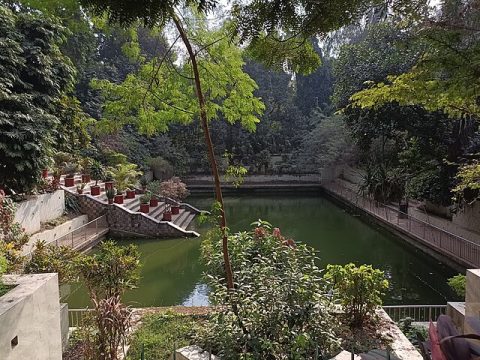
Baldha Garden
A hidden botanical gem featuring rare plants, orchids, and medicinal herbs in a meticulously designed garden setting. Once a private garden, it now showcases diverse flora and serves as a peaceful retreat. Known for exotic plant collections and tranquil atmosphere away from city chaos.
Tips for Parks & Gardens
- Visit parks early morning or evening to avoid midday heat and crowds
- Bring water and sunscreen for daytime visits
- Parks are family-friendly; many have playgrounds and recreational facilities
- Evening visits offer cooler temperatures and atmospheric lighting
- Respect park rules and avoid photography in restricted areas
Discover Dhaka through guided experiences, cultural workshops, culinary adventures, and interactive activities that provide deeper insight into the city's vibrant culture and traditions.
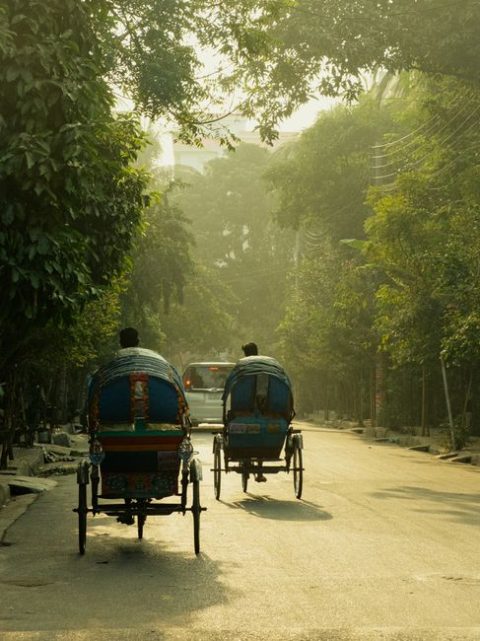
Traditional Rickshaw Tour
Experience Dhaka in a hand-pulled or motorized traditional rickshaw through colorful streets. Navigate through local neighborhoods, visit hidden temples, and interact with street vendors. A quintessential Bengali transportation experience combining sightseeing with cultural immersion.
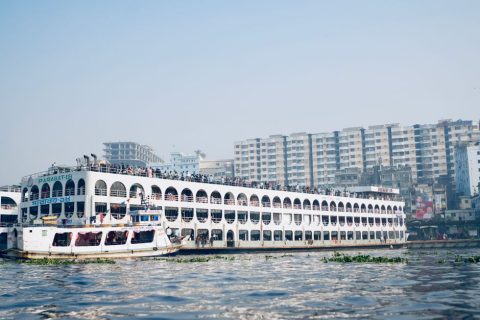
Buriganga River Boat Cruise
A scenic boat journey along Dhaka's main river offering waterfront views of historic landmarks, industrial zones, and local life. Evening cruises provide stunning sunset photography opportunities with refreshments and local guides sharing historical narratives.
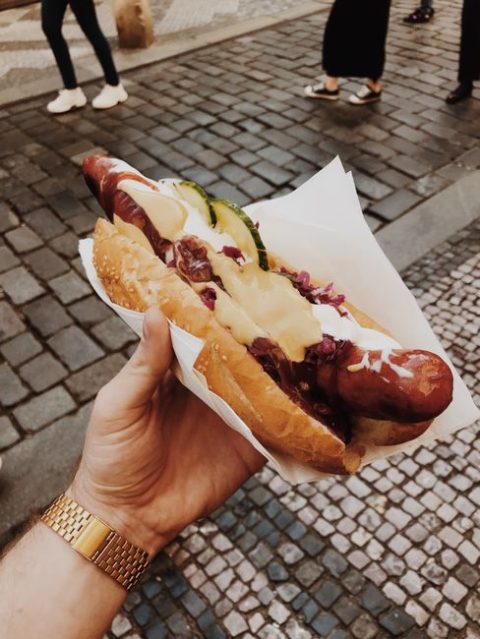
Street Food Walking Tour
Guided culinary exploration through Dhaka's famous street food stalls and local eateries. Sample authentic Bengali dishes like fuchka, chotpoti, biriyani, and sweet treats. Learn about local food culture, ingredients, and cooking traditions from knowledgeable guides.
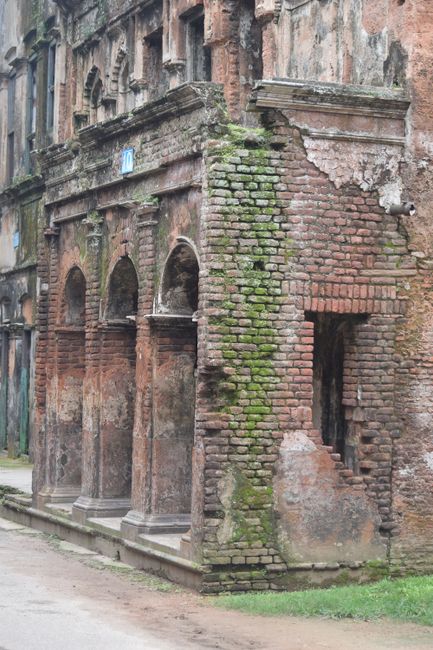
Heritage Walking Tour
Comprehensive guided tours through Old Dhaka covering historic monuments, religious sites, and cultural landmarks. Professional guides provide context on architecture, history, and contemporary urban life. Customizable itineraries for special interests.
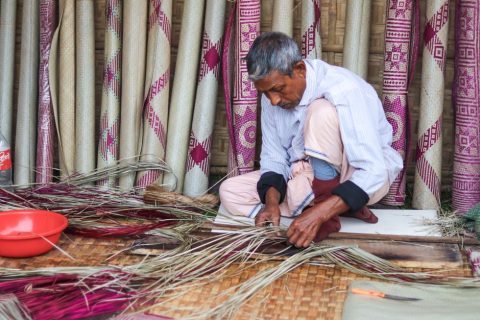
Nakshi Kantha Workshop
Learn traditional embroidery techniques from master craftspeople in hands-on workshops. Create personalized textile art using centuries-old methods. Participants understand cultural significance while producing authentic handcrafted souvenirs to take home.
Tips for Tours & Activities
- Book tours through reputable operators to ensure quality guides and safety
- Street food tours are best done when stomach is somewhat settled for maximum enjoyment
- Wear comfortable walking shoes and light clothing for physical activities
- Bring cash for street food purchases and small tips
- Early morning tours offer better lighting and fewer crowds for photography
Escape the urban bustle with nearby destinations offering nature, wildlife, history, and cultural experiences within easy reach from Dhaka's city center.
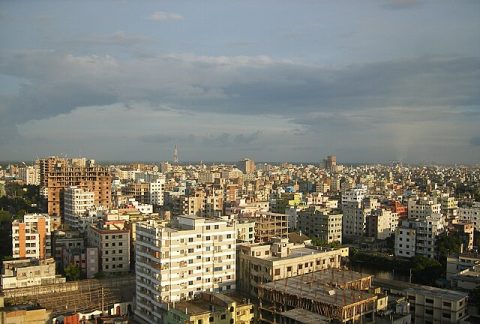
Narayanganj (Muslin City)
Historic city (30km south) once famous for legendary Dhaka muslin cloth production. Explore heritage sites, riverside activities, and traditional textile markets. Located on the Sitalakhya River, it offers cultural insights into Bangladesh's artisanal traditions and historical trade significance.
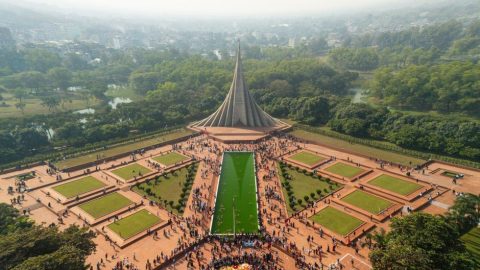
National Martyrs' Memorial (Savar)
Historic 1971 independence war site (40km north) featuring monuments, museums, and preserved battlegrounds. Educational experience honoring fallen freedom fighters with memorials and exhibitions. Important cultural heritage site maintaining Bangladesh's independence struggle memories.
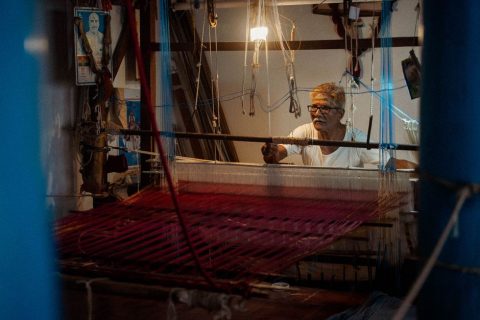
Tangail (Handloom Weavers)
Handloom capital (60km northwest) renowned for traditional saree and textile production. Visit weaving cooperatives, learn ancient techniques from artisans, and purchase authentic handcrafted textiles directly from makers. Immersive cultural experience supporting traditional craftspeople.
Tips for Day Trips & Excursions
- The Sundarbans is a multi-day trip that requires permits and licensed tour operators (it is not a day trip from Dhaka)
- Book day trips in advance, especially during peak season (November-February)
- Bring sun protection, insect repellent, and appropriate footwear for outdoor activities
- Hire local guides familiar with areas and languages for better experiences
- Start early morning trips to maximize daylight and minimize travel time
Real, highly-rated Restaurants in Dhaka, sourced from Google Places (rating above 4★).
Meat Theory
Meat Theory is a highly-rated restaurant in Dhaka, rated 4.8★ from 5439 reviews. Located at Tower B11, Level 14 Plot 43, Block F Road No. 11, Dhaka 1213, Bangladesh.
Opening Hours
- Monday: 1:00 – 10:30 PM
- Tuesday: 1:00 – 10:30 PM
- Wednesday: 1:00 – 10:30 PM
- Thursday: 1:00 – 11:00 PM
- Friday: 1:00 – 11:00 PM
- Saturday: 1:00 – 10:30 PM
- Sunday: 1:00 – 10:30 PM
Hongbao
Hongbao is a highly-rated restaurant in Dhaka, rated 4.7★ from 1020 reviews. Located at 65 Gulshan Ave, Dhaka 1212, Bangladesh.
Opening Hours
- Monday: 12:00 – 3:30 PM, 7:00 – 10:30 PM
- Tuesday: 12:00 – 3:30 PM, 7:00 – 10:30 PM
- Wednesday: 12:00 – 3:30 PM, 7:00 – 10:30 PM
- Thursday: 12:00 – 3:30 PM, 7:00 – 10:30 PM
- Friday: 12:00 – 3:30 PM, 7:00 – 10:30 PM
- Saturday: 12:00 – 3:30 PM, 7:00 – 10:30 PM
- Sunday: 12:00 – 3:30 PM, 7:00 – 10:30 PM
Amrit restaurant
Amrit restaurant is a highly-rated restaurant in Dhaka, rated 4.7★ from 973 reviews. Located at 21 Road No. 17, Dhaka 1212, Bangladesh.
Opening Hours
- Monday: 1:00 – 11:00 PM
- Tuesday: 1:00 – 11:00 PM
- Wednesday: 1:00 – 11:00 PM
- Thursday: 1:00 – 11:00 PM
- Friday: 1:00 – 11:00 PM
- Saturday: 10:00 AM – 11:00 PM
- Sunday: 1:00 – 11:00 PM
Explore Dhaka on the Map
Climate Overview
Dhaka experiences a tropical monsoon climate with three distinct seasons:
Winter (November-February)
Best time to visit. Temperatures range from 12-25°C (54-77°F) with clear skies and minimal rainfall. Dry, pleasant weather perfect for sightseeing and outdoor activities. Festivities and cultural events peak during this season. Hotels and attractions are busier.
Spring (March-May)
Temperatures rise to 25-35°C (77-95°F) with occasional pre-monsoon storms. Heat increases significantly by May. Less crowded than winter but less comfortable for daytime activities. Good for budget travelers seeking fewer tourists.
Summer/Monsoon (June-October)
Hot, humid, and wet with heavy rainfall, especially July-August. Temperatures reach 28-37°C (82-99°F) with high humidity making outdoor exploration difficult. Flooding possible in low areas. Not recommended for general tourism, though monsoon reveals Dhaka's lush greenery. Budget accommodations available.
Getting Around Dhaka
Public Transportation
- Rickshaws (Auto-rickshaws): Three-wheeled motorized vehicles, the most popular local transport. Quote fares in Bangladeshi taka (৳), not Indian rupees; confirm the fare before boarding, chaotic but quintessential Dhaka experience. Negotiate fares before boarding.
- Taxis & Ride-hailing: Apps like Uber, Pathao, and local taxis available. More reliable for tourists but pricier than rickshaws Quote ride-hailing fares in Bangladeshi taka (৳); app fares vary by route and demand.
- Buses: City buses connect major areas cheaply Quote bus fares in Bangladeshi taka (৳), not Indian rupees. Requires local knowledge to navigate routes.
- MRT Line 6 currently runs from Uttara North to Motijheel; the airport line is a separate planned route. Efficient for specific routes at minimal cost (₹10-50).
- Ferries: Traditional water transport across rivers. Scenic and economical for riverside destinations.
Between Cities
- Inter-city Buses: Comfortable coaches connect Dhaka to other cities. Book through operators or online platforms.
- Trains: Rail network connects major destinations. Local and express options at varying speeds and prices.
- Air Travel: Biman Bangladesh Airlines and international carriers operate from Hazrat Shahjalal International Airport.
Within Attractions
Most monuments and museums are accessible on foot once reached. Old Dhaka requires walking on narrow streets. Wear comfortable shoes and stay hydrated.
✈️ Airport Transfer
Hazrat Shahjalal International Airport (DAC) to city center:
- Airport Taxi: Metered or prepaid taxi to Gulshan or Banani in 30-45 minutes depending on traffic, at a fare to agree first
- Ride-hailing (Uber/Pathao): App-based car to central Dhaka in 30-50 minutes, at the price shown in the app
- Private Transfer/Hotel Car: Pre-arranged private car to city hotels in 30-45 minutes, at a price to confirm when booking
- The documented BRTC airport shuttle serves the airport terminal, airport railway station and nearby bus station; its published launch fare was ৳20. Check current service details before relying on it for a city-centre trip, at a low fare, but slower due to traffic
Shopping in Dhaka
Traditional Markets (Bazaars)
- Gulshan Market: Modern shopping hub with boutiques, international brands, and local designer stores.
- Baishakhi Palli: Authentic artisan quarter for handcrafted textiles, Nakshi Kantha embroidery, and traditional crafts.
- Old Dhaka Bazaars: Chaotic traditional markets—Shakhari Bazaar for sweets, Chawkbazar for traditional goods, Sadar Lane for textiles and clothing.
- Kawran Bazaar: Wholesale market for traditional handicrafts, dried goods, and local products at bargain prices.
What to Buy
- Textiles: Nakshi Kantha embroidered fabrics, muslin cloth replicas, traditional sarees at unbeatable prices.
- Handicrafts: Pottery, metal work, bamboo items, wooden carvings from local artisans.
- Food Items: Sweets (Pitha, Rosogolla), spices, dried fish, specialty Bengal gram products.
- Art & Souvenirs: Contemporary art, rickshaw art reproductions, cultural memorabilia from museum shops.
Shopping Tips
- Bargaining: Expected in traditional markets and bazaars (haggle 20-40% off opening prices).
- Fair Trade: Support artisan cooperatives directly to ensure craftspeople receive fair compensation.
- Authenticity: Buy from established shops or directly from makers to avoid counterfeit products.
- Hours: Most shops open 10 AM-7 PM; markets busier morning and evening. Avoid midday crowds.
- Payment: Cash preferred in traditional markets; modern malls accept cards.
Festivals & Celebrations in Dhaka
Bengali New Year (Pahela Boishakh) - April 14
Vibrant celebration welcoming the Bengali calendar year. Traditional music, colorful processions, cultural performances, and street fairs dominate neighborhoods. Ramna Park hosts massive celebrations. Traditional food and clothing (Panjabi and Lungi) everywhere. Immersive cultural experience showcasing Bengali identity.
International Mother Language Day (Shahbag) - February 21
Commemorates Language Movement with midnight vigils at Shahid Minar, rallies, cultural performances, and memorial events. Markets close, flags displayed, and national pride is visible. Peaceful demonstrations and cultural shows fill the day.
Independence Day - March 26
National holiday celebrating 1971 independence. Official ceremonies, military parades, building illuminations, and public gatherings. Patriotic fervor, flag displays, and historical documentaries. Evening fireworks and cultural performances.
Eid al-Fitr & Eid al-Adha
Islamic festivals celebrated with prayers, family gatherings, special foods, and bazaar activities. Mosques overflow with worshippers. Markets bustle with Eid shopping. Festive atmosphere, meat distribution (Eid al-Adha), and traditional sweets everywhere.
Durga Puja’s dates vary by year; in 2026, the Bangladesh Bank calendar lists Nabami and Bijoya Dashami on October 20–21.
Hindu festival celebrated with elaborate pandal constructions, traditional rituals, and cultural performances. Dhakeshwari Temple hosts major celebrations. Colorful processions, traditional music, dance performances, and communal feasting.
Bangladesh National Day - December 16 (Bijoy Dibos)
Victory Day celebration commemorating 1971 war's conclusion. Official ceremonies, military parades, memorial services, and patriotic gatherings. Street decorations, flag hoisting, and public celebrations throughout the city.
5-Day Sample Itineraries for Dhaka
Day 1: Historic Old Dhaka
- Morning (8:00 AM): Hire rickshaw, explore Lalbagh Fort's Mughal architecture and underground chambers.
- Mid-morning (10:00 AM): Visit nearby Star Mosque's stunning tile-work and craftsmanship.
- Lunch (12:30 PM): Street food experience at local stalls—fuchka, chotpoti, mishti doi.
- Afternoon (2:00 PM): Ahsan Manjil Pink Palace museum with historical artifacts and period furniture.
- Evening (5:00 PM): Buriganga River sunset boat ride with refreshments and local guide commentary.
- Dinner (7:30 PM): Traditional Bengali restaurant meal in Baishakhi Palli neighborhood.
Day 2: Museums & Monuments
- Morning (9:00 AM): National Museum comprehensive galleries covering 5,000 years of Bengali civilization.
- Lunch (1:00 PM): Nearby cafe or restaurant break.
- Afternoon (2:30 PM): Liberation War Museum's powerful 1971 independence struggle exhibits.
- Late afternoon (4:00 PM): Shahid Minar monument and Suhrawardy Udyan cultural park exploration.
- Evening (5:30 PM): Walking through Ramna Park's botanical gardens and recreational areas.
- Dinner (7:30 PM): Modern restaurant in Gulshan upscale neighborhood.
Day 3: Religious & Cultural Sites
- Morning (8:00 AM): Dhakeshwari Temple sacred Hindu site with traditional architecture and rituals.
- Mid-morning (9:30 AM): Armenian Church architectural beauty and Christian heritage exploration.
- Late morning (11:00 AM): Baitul Mukarram National Mosque impressive Islamic architecture and courtyard.
- Lunch (1:00 PM): Halal restaurant or food court meal.
- Afternoon (2:30 PM): Textile and handicraft workshop learning Nakshi Kantha traditional embroidery techniques.
- Evening (5:00 PM): Curzon Hall cultural venue exploring exhibitions and colonial heritage.
- Dinner (7:30 PM): International cuisine in Banani neighborhood.
Day 4: Nature & Gardens
- Morning (7:00 AM): Ramna Park early walk through lush botanical gardens and peaceful pathways.
- Mid-morning (9:00 AM): Baldha Garden botanical gem with rare orchids and medicinal plants.
- Lunch (12:30 PM): Picnic or local restaurant meal.
- Afternoon (2:00 PM): Hatirjheel Lake walking trails and recreational activities.
- Evening (5:00 PM): Cycling or walking Hatirjheel promenade with scenic lake views.
- Dinner (7:30 PM): Waterfront restaurant with evening ambiance.
Day 5: Day Trip & Local Experience
- Early morning (6:00 AM): Depart for Sundarbans National Park (boat journey begins) OR visit Narayanganj historic site.
- Sundarbans option: Tiger safari, mangrove forest exploration, diverse bird watching, authentic nature immersion (requires overnight).
- Narayanganj option: Explore muslin heritage sites, riverside activities, traditional markets, textile workshops.
- Return evening (6:00 PM): Arrive back in Dhaka, relax from day trip activities.
- Dinner (8:00 PM): Farewell dinner at favorite discovered restaurant or upscale dining establishment.
Best Photography & Instagram Locations
Golden Hour Magic (Best at Sunrise/Sunset)
- Ahsan Manjil Pink Palace: Stunning pink facade glows beautifully during sunset, especially when reflected in nearby water features. Arrive 30 minutes before sunset.
- Buriganga River Waterfront: Perfect sunset backdrops with boats, bridges, and river activity. Evening golden light transforms the industrial riverscape.
- Shahid Minar: Monument illumination creates dramatic lighting at dusk. Best photographed 30-45 minutes after sunset when lights enhance the white marble.
Street & Architecture Photography
- Star Mosque Interior: Intricate blue tile-work photographed during bright midday hours captures detail perfectly. Empty mornings offer uncluttered shots.
- Old Dhaka Narrow Streets: Chaotic, colorful scenes with traditional shopfronts, hanging textiles, and local life. Early morning provides best light and fewer crowds.
- Rickshaw Art Lanes: Vibrant hand-painted auto-rickshaws create vivid color compositions. Shoot against neutral backgrounds for maximum impact. Mid-morning light optimal.
- Curzon Hall Facade: Colonial Indo-Saracenic architecture best photographed with soft overcast light to capture architectural details without harsh shadows.
Cultural & Event Photography
- Street Food Bazaars: Authentic vendor scenes and colorful food displays. Early morning (6-8 AM) captures best activity and natural light without excessive crowds.
- Festival Celebrations: Pahela Boishakh processions and Durga Puja pandals offer vibrant cultural moments. Arrive early for exclusive access and better positioning.
- Religious Rituals: Temple ceremonies and mosque prayers offer profound cultural imagery. Ask permission before photographing; respect sacred moments.
Landscape & Nature Photography
- Baldha Garden: Botanical compositions with rare flowers and landscaping. Soft morning light illuminates foliage beautifully without harsh shadows.
- Hatirjheel Lake: Waterfront reflections during dawn create serene, mirror-like compositions. Overcast days produce best water reflections.
- Ramna Park Pathways: Tree-lined walks and garden compositions photographed during golden hours with selective focus on botanical details.
Photography Tips
- Respect & Ethics: Always ask permission before photographing people, religious ceremonies, or private spaces.
- Light Management: Dhaka's harsh midday sun requires seeking shade or shooting during early morning/late evening hours.
- Gear Protection: Monsoon humidity and dust can damage equipment; use protective cases and clean lenses regularly.
- Permit Awareness: Museums and temples may have photography restrictions; verify before shooting.
Electrical Standards & Adapters
Voltage & Frequency
220-240 volts, 50 Hz frequency across Bangladesh including Dhaka. All power supplied at this standard.
Plug Types
Bangladesh uses primarily Type A (2 flat pins) and Type C (2 round pins) plugs. Some locations may have Type D (3 round pins) British-style sockets.
Adapter Recommendations
- Bring universal travel adapters compatible with Type A, C, and D outlets for all eventualities.
- Multi-outlet power banks enable charging multiple devices simultaneously without multiple adapters.
- Voltage converters (220V to 110V) needed only for North American appliances; most modern chargers auto-convert.
Power Supply Reliability
- Dhaka generally has stable electricity in tourist areas and modern hotels.
- Power cuts (load shedding) possible during peak demand hours; keep devices charged.
- Battery-operated backup lights recommended for extended outages.
- Hotels provide adapters upon request; plan charging during stable hours.
Safety Considerations
- Avoid overloading outlets with multiple high-power devices simultaneously.
- Use surge protectors for valuable electronics protection against voltage fluctuations.
- Never touch electrical outlets or wiring with wet hands.
- Report any damaged outlets immediately to hotel staff.
Food Culture & Must-Try Dishes
Street Food Staples
- Fuchka (Golgappa): Crispy hollow bread spheres filled with spiced mashed potatoes, lentils, and tamarind water. Give Dhaka street-food prices in Bangladeshi taka (৳), not Indian rupees.
- Chotpoti: Spiced mixture of potatoes, eggs, and chickpeas with tamarind sauce. Savory street snack enjoyed with bread. ₹30-60.
- Pani Puri: Water-filled bread puffs with spiced potato filling. Refreshing, light snack. ₹15-40.
- Jhal Muri: Puffed rice mixed with potatoes, peas, mustard, and spices. Savory snack from street vendors. ₹20-50.
Main Dishes
- Biryani: Fragrant rice dish with meat (chicken/mutton), cooked with aromatic spices. Dhaka's biryani is world-famous. ₹150-300 per plate.
- Bhuna Khichuri: Rice and lentil comfort food cooked with vegetables and spices. Nutritious, flavorful, authentic Bengali dish. ₹80-150.
- Hilsa Fish Curry: National fish prepared in mustard sauce or traditional curry. Delicate, flavorful, seasonal specialty. ₹200-400.
- Beef Curry: Tender beef slow-cooked in onion-tomato gravy with aromatic spices. Hearty, satisfying dish. ₹180-300.
Desserts & Sweets
- Rosogolla: Spongy cottage cheese balls in sugar syrup. Sweet, light, iconic Bengali dessert. ₹50-100 per serving.
- Sandesh: Compressed cottage cheese sweet with various flavors and textures. Traditional confection. ₹40-80.
- Mishti Doi: Sweet yogurt in terracotta cups. Creamy, caramel-flavored authentic Bengali dessert. ₹40-70.
- Pitha: Rice cake variations (sweet and savory) traditional during festivals. ₹30-80.
Dining Tips
- Hygiene Awareness: Eat street food from busy vendors with high turnover ensuring freshness. Avoid questionable cleanliness.
- Spice Levels: Request reduced spice if unaccustomed to Bengali heat. Most restaurants accommodate preferences.
- Restaurant Categories: High-end restaurants in Gulshan (₹600-1500+), mid-range in Banani/Dhanmondi (₹300-600), street food (₹30-150).
- Drinking Water: Consume only purified/bottled water; most hotels provide filtered water freely.
- Vegetarian Options: Readily available in Bangladesh; mention dietary requirements to restaurants upfront.
- Payment: Cash accepted everywhere; upscale restaurants accept cards. Tipping: 5-10% at restaurants, rounding for street vendors.
Tourist Passes
More about Dhaka
Photo credits (20)
- Ahsan Manjil (Pink Palace): photo by Mahbub Hossain Shaheed (mahosha), CC BY-SA 4.0, via Wikimedia Commons
- Star Mosque (Tara Masjid): photo by Dead.rabbit, CC BY-SA 4.0, via Wikimedia Commons
- Lalbagh Fort: photo by Farha Fawzia Atashi, CC BY-SA 4.0, via Wikimedia Commons
- Shahid Minar (Martyr's Monument): photo by Rocky Masum, CC BY-SA 4.0, via Wikimedia Commons
- Baitul Mukarram National Mosque: photo by CAPTAIN RAJU, CC BY-SA 4.0, via Wikimedia Commons
- National Museum of Bangladesh: photo by Asufdc, CC BY-SA 4.0, via Wikimedia Commons
- Bangladesh National Art Gallery: photo by U.S. Embassy Dhaka from Bangladesh, Public domain, via Wikimedia Commons
- Liberation War Museum: photo by Md Joni Hossain, CC BY-SA 4.0, via Wikimedia Commons
- Dhakeshwari Temple: photo by Ishrat jahan, CC BY-SA 3.0, via Wikimedia Commons
- Armenian Church: photo by Yerevantsi, CC BY 4.0, via Wikimedia Commons
- Curzon Hall: photo by S.M.M.Musabbir Uddin, CC BY-SA 4.0, via Wikimedia Commons
- Old Dhaka (Puran Dhaka): photo by Nayeemibnmatiur, CC BY-SA 4.0, via Wikimedia Commons
- Gulshan & Banani: photo by Kritzolina, CC BY-SA 4.0, via Wikimedia Commons
- Ramna Batsidheswar (Ramna Park): photo by Hameem Shakhawat, CC BY-SA 3.0, via Wikimedia Commons
- Suhrawardy Udyan (Race Course Ground): photo by Aminul joy, CC BY-SA 4.0, via Wikimedia Commons
- Baldha Garden: photo by Anik Sarker, CC BY-SA 4.0, via Wikimedia Commons
- Hatirjheel Lake: photo by Nahid Sultan, CC BY-SA 3.0, via Wikimedia Commons
- Narayanganj (Muslin City): photo by MIKParadox, CC BY-SA 4.0, via Wikimedia Commons
- National Martyrs' Memorial (Savar): photo by Pinu Rahman, CC BY-SA 4.0, via Wikimedia Commons
- Tangail (Handloom Weavers): photo by NahidHossain, CC BY-SA 4.0, via Wikimedia Commons


.jpg)
.jpg)


.jpg)
.jpg)

