Things to do in Jakarta
Jakarta's iconic landmarks tell the story of Indonesia's journey from colonial past to independent nation. These monumental structures define the city's skyline and represent its spirit.
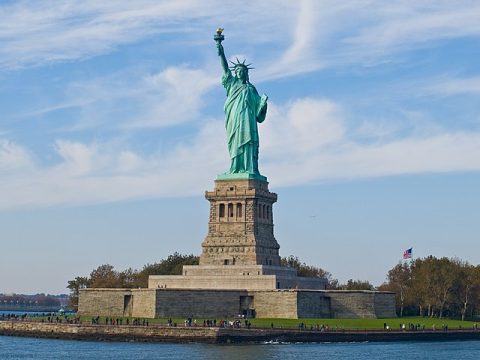
The 132-meter tall Monas towers over Merdeka Square as Jakarta's principal landmark and most recognizable symbol. Completed in 1975, this marble obelisk is crowned with a flame gilded in 50kg of gold leaf, representing Indonesia's burning spirit of independence. Take the elevator to the observation deck at 115 meters for panoramic city views. The base houses the National History Museum with 51 dioramas depicting Indonesia's struggle for freedom. The surrounding 80-hectare park features historical reliefs, fountains, and is a popular gathering spot for locals, especially during the weekend Car Free Day. Visit before 8am on weekdays or arrive early on weekends to avoid long queues for the elevator.
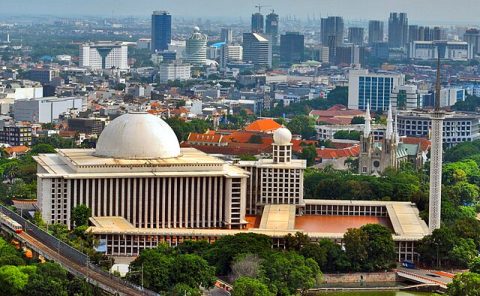
The largest mosque in Southeast Asia, Istiqlal can accommodate nearly 200,000 worshippers. Built between 1961-1978 to commemorate Indonesian independence, its name means 'Independence' in Arabic. The stunning white architecture features a 90-meter minaret and massive prayer halls with elegant Islamic geometric designs. Free guided tours are available from the tour desk. Both male and female tourists are welcome (modest dress required). The mosque symbolizes Indonesia's religious harmony, standing directly across from Jakarta Cathedral. Tours provide insight into Islamic architecture and Indonesian culture, making it a must-visit for understanding the nation's spiritual diversity.
Tips for Landmarks & Monuments
- Monas tickets: Museum & Courtyard Rp 5,000, Observation Deck Rp 15,000. Closed Mondays.
- Best time: Early morning (before 8am) to avoid crowds and heat.
- Modest dress: Required for Istiqlal Mosque - long pants/skirts, covered shoulders.
- Weekend crowds: Both attractions are busiest on Sundays and holidays.
Jakarta's museums showcase Indonesia's rich artistic heritage, from ancient artifacts to contemporary masterpieces, colonial history to modern banking.
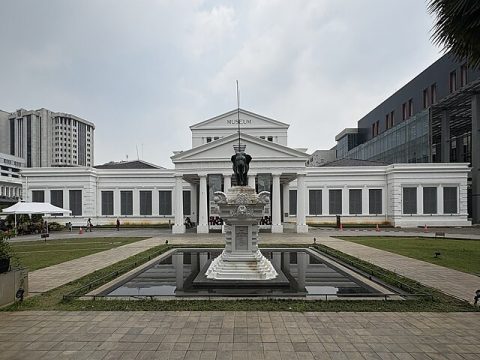
Nicknamed the 'Elephant Museum' after the bronze elephant statue gifted by Thailand's King Chulalongkorn in its courtyard, this is Indonesia's premier museum with over 100,000 artifacts including prehistoric fossils, Hindu-Buddhist sculptures, ancient ceramics, and royal jewelry.
The museum fronts Merdeka Square (Lapangan Merdeka), Jakarta's vast central plaza, placing it steps from the National Monument (Monas) — combine both in a single morning visit. A Tourist Police post is stationed at the square near the museum entrance, offering visitor assistance and directions; it is one of the most accessible tourist police points in central Jakarta.
The top floor displays spectacular gold artifacts from Indonesian kingdoms. Exhibition halls cover archaeology, ethnography, geography, and numismatics. First-century batik cloths demonstrate the longevity of Indonesian textile traditions. The museum provides essential context for understanding Indonesia's diverse cultural heritage spanning thousands of years.
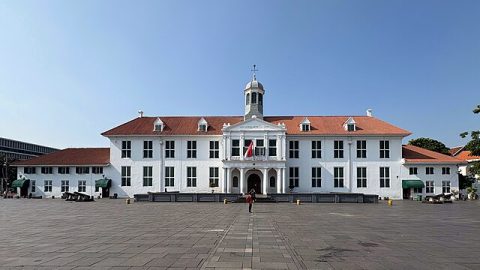
Housed in the former Dutch Governor-General's residence built in 1710, this museum sits in Kota Tua's main square (Taman Fatahillah). The building itself is a colonial architectural gem with thick white walls and period furnishings. Exhibitions cover Jakarta's evolution from ancient Sunda Kelapa port through Dutch colonial Batavia to modern metropolis. Collections include maps, paintings, furniture, and archaeological finds. The museum provides crucial context for understanding Jakarta's layered history and multicultural influences that shaped Indonesia's capital.
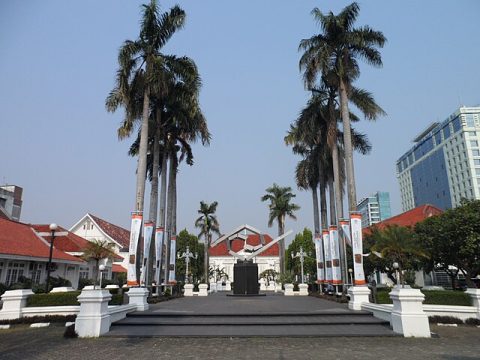
A vibrant cultural hub showcasing contemporary and traditional Indonesian art. The gallery features rotating exhibitions from emerging and established artists, workshops, educational programs, and cultural events. Collections span painting, sculpture, installations, and multimedia art. Regular exhibitions highlight regional artistic traditions and modern interpretations. The gallery serves as an important platform for understanding Indonesia's evolving art scene and creative expression. Perfect for art enthusiasts wanting to explore Indonesian creativity beyond ancient artifacts.
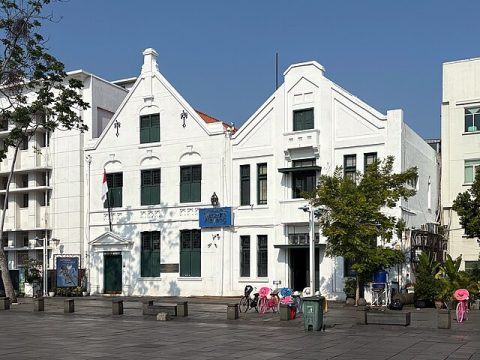
Dedicated to Indonesia's traditional shadow puppet theater (wayang), an ancient storytelling art form. The museum displays hundreds of puppets in various styles from across Indonesia and Southeast Asia. Collections include wayang kulit (leather shadow puppets), wayang golek (wooden rod puppets), and masks used in traditional performances. Interactive exhibits explain the cultural significance, religious symbolism, and performance techniques. Occasional live demonstrations bring the art form to life.
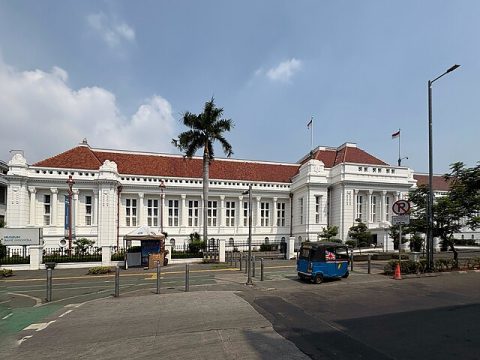
Housed in a lavish colonial building directly across from Jakarta Kota Station, this museum charts Indonesia's financial and banking history in an surprisingly engaging way. The ornate Dutch architecture alone is worth the visit. Interactive exhibits cover the evolution of Indonesian currency, economic development, central banking, and the role of finance in nation-building. Well-curated displays make economic history accessible and interesting even for non-specialists.
Tips for Museums & Galleries
- Museum cluster: National Museum, Monas, and National Gallery are within walking distance near Merdeka Square.
- Kota Tua museums: Combine Jakarta History Museum, Bank Indonesia Museum, and Wayang Museum in one visit.
- Free double-decker tour: A free city bus stops at the National Museum and goes to Kota Tua.
- Photography: Most museums allow photography without flash; check signage.
Jakarta's houses of worship represent Indonesia's religious diversity and tolerance, with stunning Islamic, Christian, and other religious architecture.
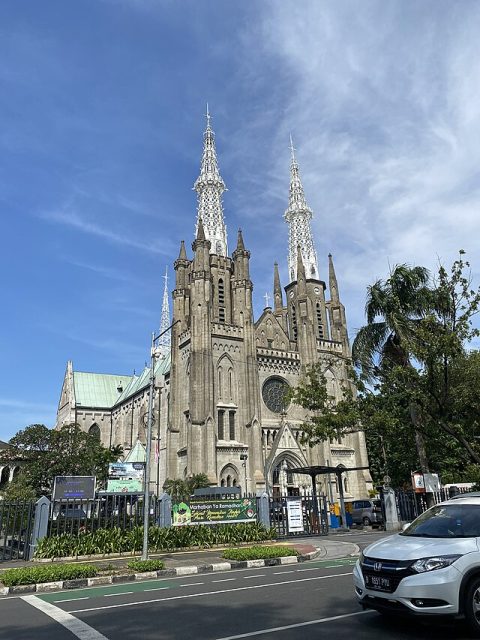
A beautiful neo-Gothic Roman Catholic cathedral located directly across from Istiqlal Mosque, symbolizing Indonesia's interfaith harmony. Built in the late 19th century during Dutch colonial rule, it features stunning stained-glass windows, soaring spires, and intricate stonework. The cathedral serves the city's Catholic community and stands as an important example of European architectural influence in Indonesia. The juxtaposition with the massive Istiqlal Mosque across the street powerfully represents Indonesia's constitutional commitment to religious freedom and tolerance.
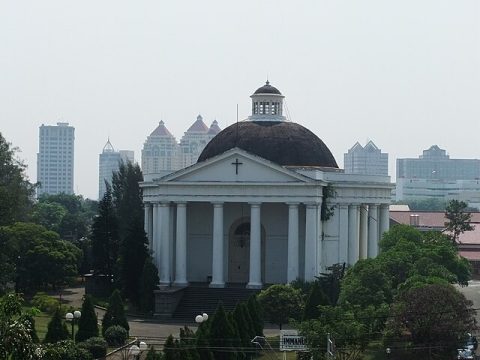
A beautiful and historic Protestant church (Gereja Immanuel) representing Jakarta's Christian heritage. The church features colonial-era architecture with white facades and traditional design elements. It remains an active place of worship for Jakarta's Protestant community and welcomes visitors interested in religious architecture and Indonesia's diverse spiritual landscape. The church's historical significance and architectural beauty make it a noteworthy stop for those exploring Jakarta's religious and cultural heritage.
Tips for Religious Sites
- Dress modestly: Cover shoulders and knees when visiting religious sites.
- Prayer times: Avoid visiting during worship services unless attending as a worshipper.
- Istiqlal-Cathedral tour: Visit both locations in one trip - they're across the street from each other.
- Respectful behavior: Speak quietly, ask permission before photographing, and follow posted guidelines.
Explore Jakarta's colonial past through preserved Dutch buildings, historic ports, and heritage structures that reveal centuries of cultural exchange.
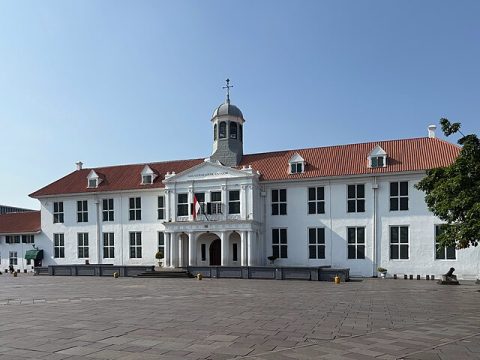
Jakarta's historic heart, Kota Tua preserves the colonial Dutch architecture from when Jakarta was called Batavia and served as the headquarters of the Dutch East India Company. The main square (Taman Fatahillah) is surrounded by impressive 17th-18th century buildings with clean white facades. Colorful rented bicycles fill the cobblestone plaza where locals and tourists gather. The area includes multiple museums, cafés in restored colonial buildings (like the famous Café Batavia), and street performers. Weekend visits are liveliest with traditional puppet shows and cultural performances. The area represents a fascinating blend of European colonial architecture and Indonesian street life.
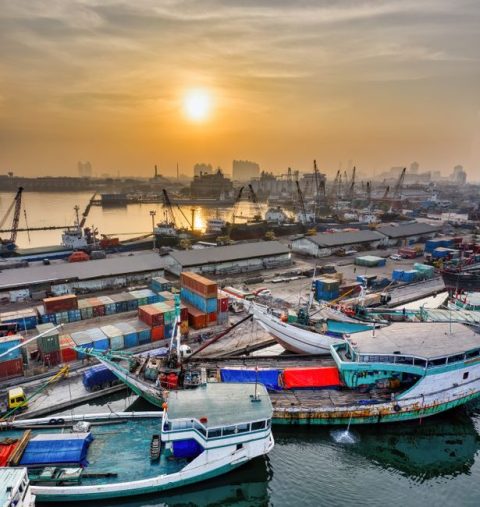
Jakarta's historic port where traditional Bugis schooners (pinisi) still dock, maintaining centuries-old maritime traditions. The wooden sailing ships transport goods between Indonesian islands using wind power as they have for generations. The harbor offers glimpses into Indonesia's seafaring heritage and maritime trade history. Visitors can observe cargo loading, ship maintenance, and traditional boat building. The area contrasts sharply with modern Jakarta, providing authentic insight into Indonesia's maritime culture. Best visited in early morning or late afternoon for optimal photography and to see active port operations.
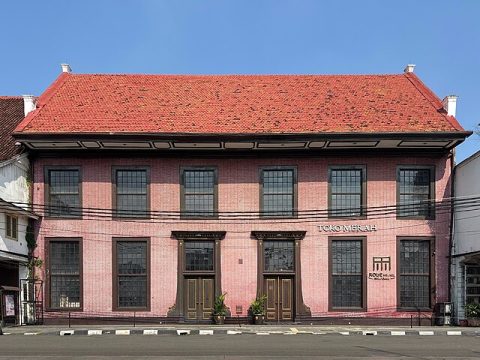
A beautifully preserved Dutch colonial building dating from 1730, originally the residence of Governor-General Gustaaf Willem. The name 'Red Shop' refers to its distinctive red exterior. Now serves as a venue for conferences, meetings, and exhibitions, the building stands as one of Jakarta's most important examples of colonial architecture. Its vintage setting attracts photographers and history enthusiasts. Located in Kota Tua, it's easily combined with other Old Town attractions. The structure represents Jakarta's layered history and architectural heritage from the Dutch colonial period.
Tips for Ancient & Historical Sites
- Kota Tua access: Take TransJakarta bus or KRL train to Jakarta Kota Station.
- Weekend vibes: Kota Tua is most atmospheric on weekends with performances and food vendors.
- Walking tour: Hire a local guide for deeper historical context (available on-site).
- Café Batavia: Iconic colonial restaurant perfect for lunch break in historic surroundings.
- Hot and humid: Wear light clothing, bring water, and plan for frequent shade breaks.
Each Jakarta neighborhood offers distinct character, from diplomatic enclaves to bustling Chinatowns and trendy entertainment districts.
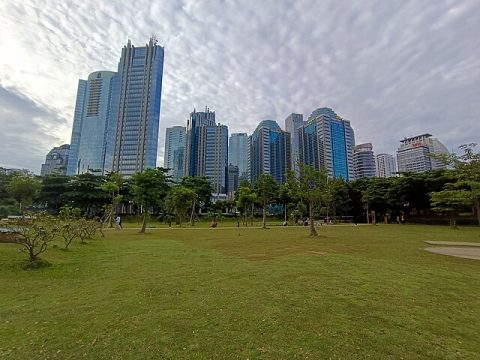
Jakarta's modern financial and commercial heart, featuring soaring skyscrapers, international hotels, upscale shopping, and fine dining. The district represents Indonesia's economic power with gleaming towers housing corporate headquarters, banks, and multinational offices. Shopping destinations like Pacific Place and Plaza Senayan offer luxury brands. The area contrasts dramatically with old Jakarta, showcasing the city's rapid modernization and global business integration. Excellent restaurants, rooftop bars, and contemporary architecture make it worth exploring beyond business hours.
Tips for Neighborhoods & Districts
- Different districts, different vibes: Mix traditional (Glodok, Kota Tua) with modern (SCBD, Kemang).
- Menteng walks: Best explored on foot in early morning or evening when cooler.
- Food adventures: Glodok for Chinese-Indonesian, Kemang for international, Senopati for fine dining.
- Transport: Use ride-hailing apps (Gojek, Grab) to navigate between neighborhoods efficiently.
Green oases provide respite from Jakarta's urban intensity, offering spaces for recreation, wildlife encounters, and cultural immersion.
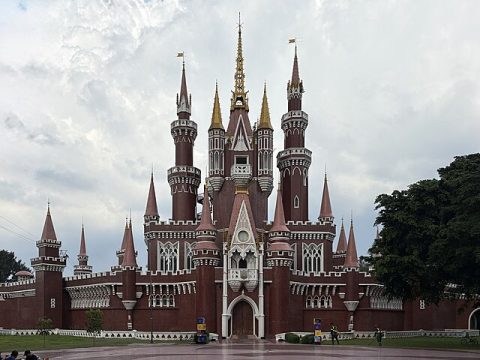
A sprawling 150-hectare cultural theme park showcasing Indonesia's incredible diversity. Life-sized replicas of traditional houses from all Indonesian provinces allow visitors to explore architecture from Sumatra to Papua in one day. The park includes museums (including a miniature Borobudur temple), gardens, an aviary with 760 native birds, traditional handicraft markets, and regional restaurants. Free traditional performances occur at provincial houses in evenings. This is the ultimate destination for understanding Indonesia's cultural variety across its 17,000 islands and 600+ ethnic groups. Plan a full day to properly experience this unique cultural showcase.
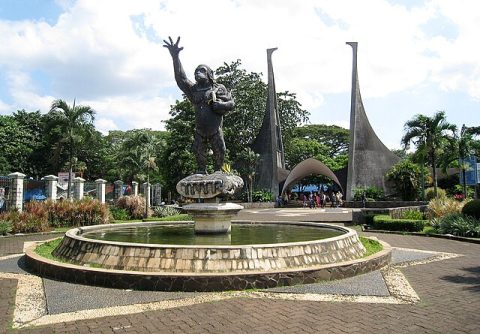
An animal conservation center housing endangered and threatened species from Indonesia. Home to orangutans, gorillas, langurs, macaques, Javan mouse deer, porcupines, and many other Indonesian wildlife species. The zoo emphasizes conservation education and breeding programs for endangered animals. Dedicated areas include primate sections, children's playgrounds, and a small train ride. While facilities are basic compared to Western zoos, it provides valuable opportunity to see Indonesian wildlife including rare species rarely seen in the wild. Best visited early morning when animals are most active and temperatures are cooler.
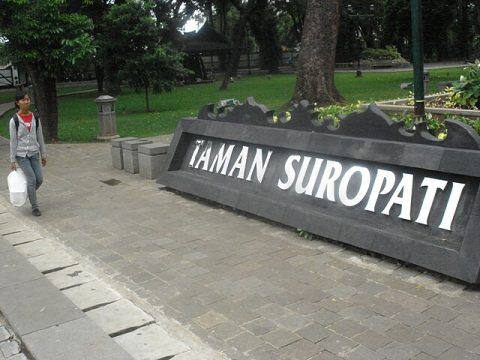
A tranquil green oasis in the upscale Menteng neighborhood, originally a village green surrounded by colonial mansions. Now a favorite escape from Jakarta's traffic and noise. The park features mature trees, walking paths, and is famous for its friendly resident cats that visitors can pet. On weekends, local musicians gather with acoustic guitars creating a relaxed atmosphere. Perfect for a lazy afternoon after visiting busier attractions. The park represents Jakarta's more peaceful side and offers glimpse into local leisure culture.
Tips for Parks & Gardens
- TMII planning: Arrive early, wear comfortable shoes, bring sun protection. Consider renting bicycles or using park shuttle.
- Cultural shows: Check TMII schedule for traditional performance times at provincial houses.
- Zoo timing: Visit Ragunan Zoo in morning (before 10am) when animals are active and weather is cooler.
- Weekend crowds: Parks are busiest on Sundays and holidays; weekdays are more peaceful.
Family-friendly attractions, theme parks, aquariums, and entertainment complexes offer fun for all ages in climate-controlled comfort.
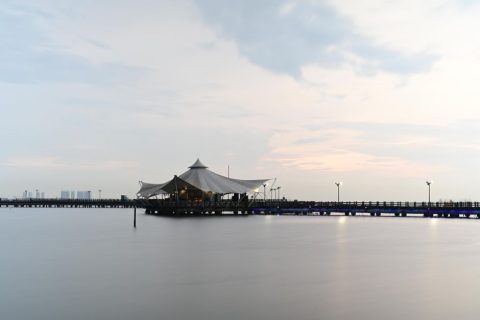
Jakarta's largest integrated recreation complex along the waterfront. This massive entertainment hub includes Dunia Fantasi (Dufan) theme park with roller coasters and rides, Sea World aquarium, water park, beach areas, hotels, restaurants, and the Alive Museum with interactive 3D art. Dufan offers rides ranging from gentle children's attractions to thrilling roller coasters and a Ferris wheel. Visit on weekdays to avoid crowds. The complex provides a full day of entertainment with something for every age group. Beach areas offer respite with sea views, though swimming conditions vary. Perfect for families wanting varied activities in one location.

Indonesia's largest indoor terrarium housing over 3,500 aquatic, terrestrial, reptile, and amphibian species in about one hectare. Interactive exhibits allow close encounters with marine life. Features include underwater tunnels, touch pools, and educational presentations. The facility combines aquarium and safari zoo concepts under one climate-controlled roof. Perfect rainy-day activity or escape from Jakarta's heat. Educational programs teach about marine conservation and Indonesian biodiversity. Located in shopping complex, easily combined with dining and shopping.
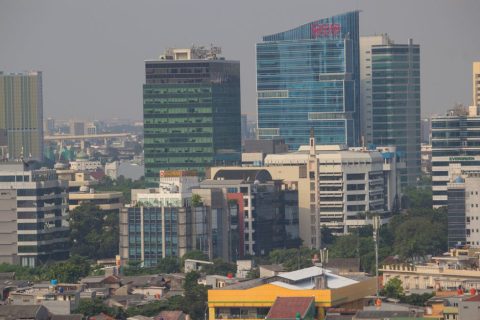
An interactive edutainment center where children role-play adult occupations in a kid-sized city. Children can try being doctors, pilots, chefs, firefighters, and dozens of other professions in realistic environments. Educational entertainment teaches life skills, financial literacy, and career awareness through play. Located in Pacific Place mall, easily combined with shopping and dining. Extremely popular with Indonesian families, especially on weekends and school holidays. Advance booking recommended.
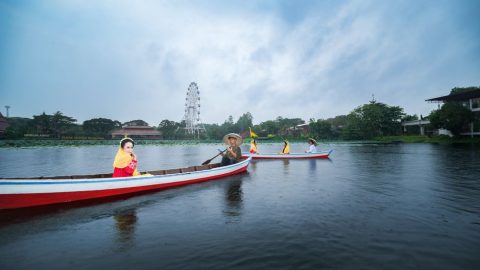
A unique interactive 3D art museum featuring optical illusions and creative displays. Visitors pose with artworks that create fun, mind-bending photos that appear to come to life. Perfect for social media enthusiasts and families seeking Instagram-worthy moments. The museum encourages interaction with exhibits, making it more engaging than traditional galleries. Climate-controlled environment provides comfortable exploration regardless of Jakarta's weather. Great rainy-day activity combining art appreciation with entertainment.
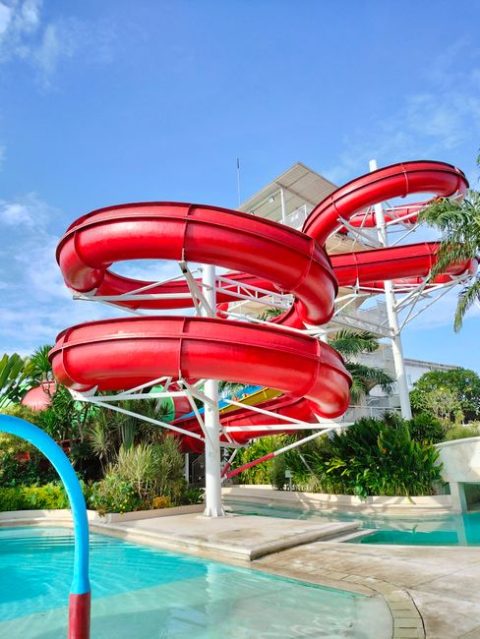
Popular family destination featuring thrilling water slides, swimming pools, and aquatic entertainment. Offers refreshing escape from Jakarta's heat with attractions for all ages from gentle pools for children to adrenaline-pumping slides for thrill-seekers. Well-maintained facilities include changing rooms, lockers, and food outlets. Ideal for families seeking active fun and cool relief. Located in Bekasi, about 30-45 minutes from central Jakarta depending on traffic.
Tips for Nightlife & Entertainment
- Advance tickets: Book KidZania and popular attractions online to skip queues.
- Weekday visits: Attractions much less crowded Monday-Friday versus weekends.
- Full-day destinations: Ancol and waterparks require full day; plan nothing else.
- Bring essentials: Waterparks require swimwear, sunscreen, towels (or rent on-site).
- Food options: Most complexes have restaurants, but outside food policies vary.
From ultra-modern mega-malls to traditional antique markets, Jakarta offers unparalleled shopping diversity catering to all tastes and budgets.
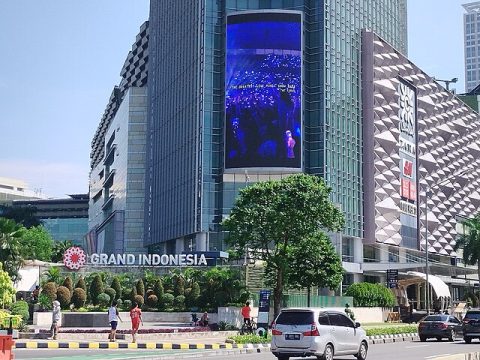
One of Jakarta's most prestigious shopping destinations in the heart of the city. This massive complex features international luxury brands, Indonesian retailers, dozens of restaurants from casual to fine dining, a cinema complex, and the iconic fountain plaza. Connected to Plaza Indonesia, creating an enormous shopping ecosystem. The mall represents Indonesia's growing middle class and appetite for global brands. Architecture and design rival international luxury malls. Excellent dining options span Indonesian, Japanese, Italian, and more. Located at Bundaran HI, easily accessible via MRT.
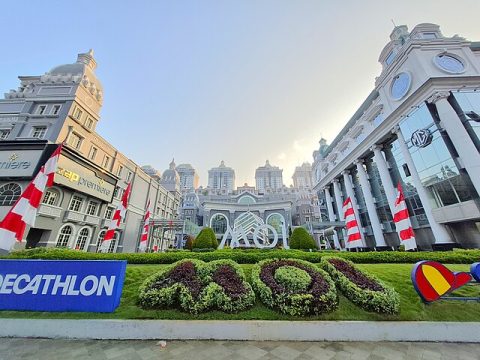
One of Jakarta's largest shopping centers offering extensive range of retail, dining, and entertainment. Multiple floors house Indonesian and international brands from budget to premium. Large food court and restaurants cater to diverse tastes. Cinema complexes screen both domestic and international films. Family-friendly with children's play areas and entertainment zones. The mall reflects Indonesia's vibrant retail culture and growing consumer economy. Offers one-stop destination for shopping, dining, and entertainment under air-conditioned comfort.
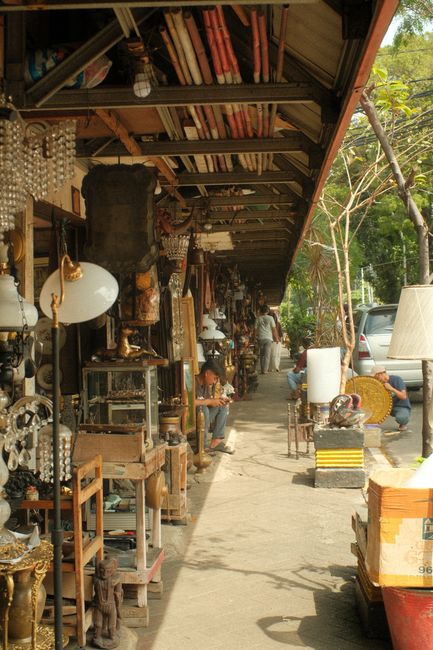
Famous for its antique market and vintage treasures, this street offers unique shopping experience unlike modern malls. Browse through colonial-era artifacts, vintage cameras, traditional wayang puppets, old coins, batik textiles, and eclectic collectibles. Bargaining is expected and part of the fun. Items range from authentic antiques to reproduction crafts. Perfect for finding unique souvenirs with character and history. The market represents Jakarta's trading heritage and offers glimpses into Indonesia's past through objects. Visit in morning or late afternoon for best browsing conditions and most vendor activity.
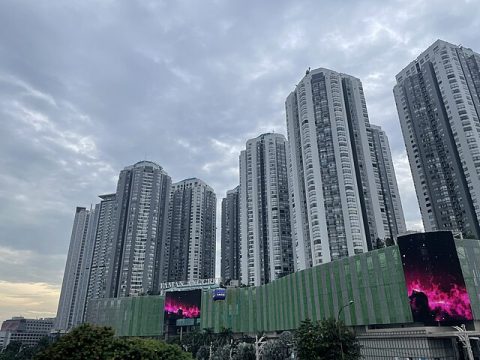
Named 'Orchid Garden Mall' after the orchid garden that previously occupied the site, this shopping center spans seven floors with over 500 specialized stores. Notable for housing Southeast Asia's first indoor ice-skating rink. Mix of international and local brands, extensive food court, and entertainment facilities. Popular with local families and offers authentic Jakarta shopping experience less tourist-oriented than central malls. Good option for escaping heat while experiencing local retail culture.
Tips for Shopping & Markets
- Mall culture: Malls are social centers in Jakarta - locals spend hours eating, shopping, and escaping heat.
- Bargaining: Expected at traditional markets like Jalan Surabaya; start at 50-60% of asking price.
- MRT access: Grand Indonesia directly connected to Bundaran HI MRT station.
- Food courts: Mall food courts offer safe, air-conditioned dining with diverse Indonesian and international options.
- Weekend crowds: Malls extremely busy on weekends; visit weekdays for comfortable browsing.
Specialized experiences from food tours to cultural workshops help visitors deeply engage with Jakarta's authentic character and traditions.
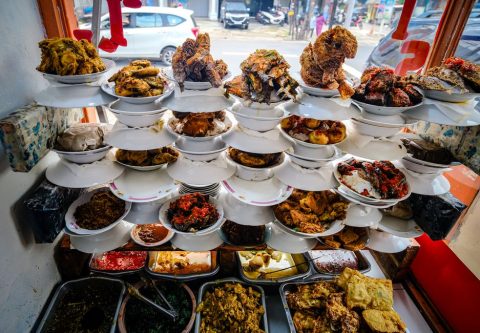
Jakarta Food Tour
Discover Jakarta's incredible street food culture through guided culinary adventures. Expert guides lead small groups through local neighborhoods, night markets, and hidden food stalls tourists rarely find independently. Sample iconic dishes like nasi goreng, satay, gado-gado, martabak, and more while learning about Indonesian culinary traditions and cultural significance. Tours often include 8-12 different food stops with generous portions. Perfect introduction to Indonesian cuisine in safe, guided setting. Vegetarian options available with advance notice. Tours provide cultural context, food safety guidance, and insider knowledge about ingredients and preparation methods.
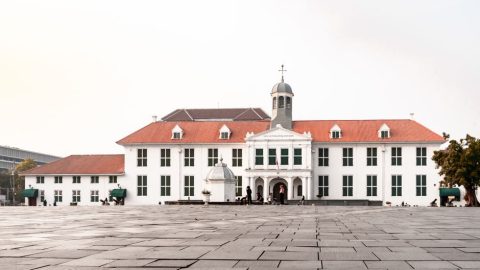
Jakarta Walking Tour
Professional guides lead heritage walking tours through Old Town, exploring colonial architecture, local markets, and hidden historical sites. Learn about Jakarta's transformation from ancient Sunda Kelapa port through Dutch Batavia to modern megacity. Tours typically cover Jakarta History Museum, Fatahillah Square, Café Batavia, and Sunda Kelapa Harbor. Small group sizes ensure personalized attention and opportunity to ask questions. Guides provide historical context, architectural insights, and local perspectives. Some tours include samplings of traditional snacks and drinks. Essential for history enthusiasts wanting deeper understanding beyond self-guided exploration.
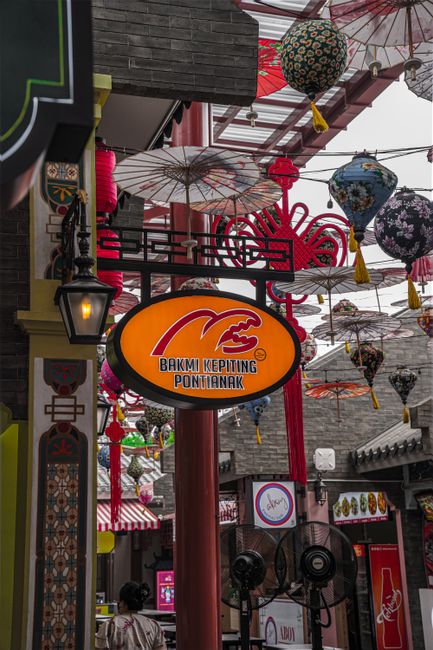
Jakarta Night Market Tour
Experience Jakarta's vibrant night market scene where locals gather for street food, shopping, and socializing after dark. Guides navigate bustling pasar malam (night markets) introducing visitors to authentic Indonesian street food culture. Sample grilled seafood, sweet martabak, es campur (shaved ice dessert), and regional specialties. Browse stalls selling clothes, accessories, and local crafts. Markets come alive with energy, music, and aromatic cooking. Tours ensure safe exploration of sometimes chaotic environments while maximizing authentic experiences. Best way to experience local nightlife beyond bars and clubs.
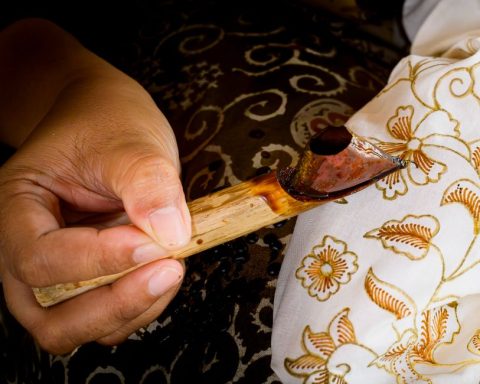
Batik Workshop
Learn the ancient Indonesian art of batik textile making in hands-on workshops. Instructors explain the wax-resist dyeing technique that creates intricate patterns on fabric. Participants design and create their own batik piece to take home. Workshops cover batik's cultural significance, regional styles, and symbolism. Experience ranges from beginner-friendly sessions to advanced techniques. Takes place in traditional settings or cultural centers. Perfect cultural immersion activity that produces meaningful, self-made souvenir. Most workshops provide all materials and English instruction.
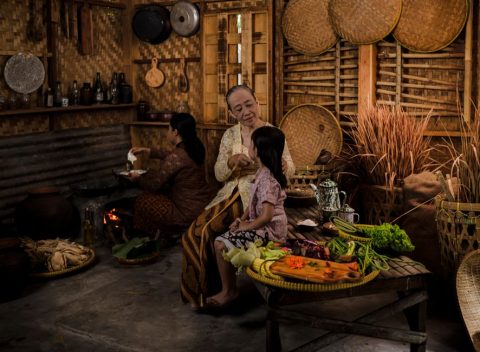
Indonesian Cooking Class
Master Indonesian cuisine with professional chefs teaching traditional cooking techniques. Classes cover market visits to select fresh ingredients, spice grinding, and preparation of signature dishes like rendang, satay, or nasi goreng. Learn about Indonesian herbs, spices, and flavor profiles. Hands-on instruction ensures participants can recreate dishes at home. Classes accommodate various skill levels and dietary preferences. Enjoy eating your creations at the end. Takes place in professional kitchens or traditional settings. Includes recipes and cooking tips to take home.
Tips for Tours & Activities
- Book in advance: Popular tours fill quickly, especially weekends and holidays.
- Comfortable shoes: Walking tours cover several kilometers on varied surfaces.
- Dietary needs: Inform tour operators of allergies or restrictions when booking.
- Small groups: Look for tours with maximum 8-12 people for better experience.
- Hotel pickup: Many tours offer hotel pickup for convenience; confirm when booking.
Venture beyond Jakarta to discover volcanic landscapes, pristine beaches, and historic cities within easy reach of the capital.
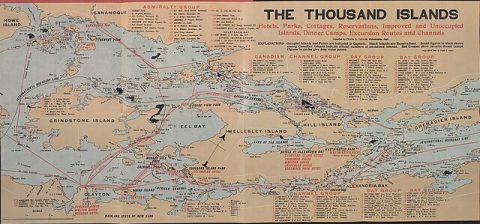
An archipelago of 110 tropical islands just north of Jakarta in the Java Sea, offering pristine beaches, coral reefs, and marine life. Popular islands include Pramuka, Tidung (connected by wooden bridge), and Pari. Activities include snorkeling, diving, swimming, kayaking, and beach relaxation. Islands range from developed tourist resorts to uninhabited nature preserves. Crystal-clear waters reveal colorful coral gardens and tropical fish. Day trips depart from Marina Ancol via speedboat (2-3 hours) or traditional boat. Overnight stays available on several islands. Perfect escape from urban Jakarta to tropical paradise. Best visited during dry season for calm seas and good visibility.
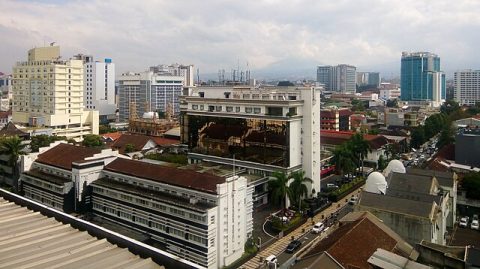
West Java's cultural capital, nicknamed 'Paris of Java,' located 3 hours from Jakarta by car or train. Known for colonial architecture, art deco buildings, cool mountain climate, factory outlets, and creative culture. Visit Tangkuban Perahu volcano with walkable crater, hot springs, tea plantations, and volcanic landscapes. Bandung offers shopping paradise with numerous factory outlets selling branded goods at discount prices. The city's café culture, street food scene, and creative industries attract young Indonesians. Cooler temperatures provide relief from Jakarta's heat and humidity. Easily done as day trip but overnight recommended to fully experience the city.
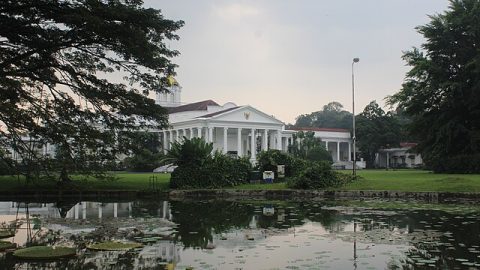
A hill town south of Jakarta famous for its botanical gardens and refreshing mountain climate. The Bogor Botanical Gardens (Kebun Raya Bogor) span 87 hectares with over 15,000 plant species including giant water lilies, orchids, and towering palm trees. Established in 1817, the gardens provide scientific research and peaceful retreat. Visit the Presidential Palace grounds (exterior only) and enjoy cooler temperatures. Afternoon rains are common, earning Bogor nickname 'Rain City.' Excellent day trip combining nature, history, and relief from Jakarta's heat. Accessible by train (90 minutes) or car (1-2 hours depending on traffic).
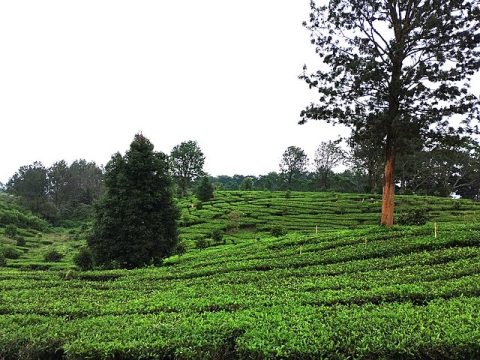
A mountain resort area between Jakarta and Bandung offering cool climate, tea plantations, and outdoor activities. Drive through scenic mountain roads with panoramic views. Visit tea plantations where visitors can tour facilities and sample fresh tea. Safari parks and adventure activities available. Popular weekend getaway for Jakarta residents escaping heat and crowds. The winding mountain road (Puncak Pass) offers dramatic scenery. Accommodations range from budget guesthouses to luxury resorts. Best visited on weekdays as weekend traffic can be severe. Perfect for nature lovers seeking fresh mountain air and green landscapes.
Tips for Day Trips & Excursions
- Thousand Islands: Book tours in advance; check weather as rough seas cancel trips.
- Bandung trains: Book high-speed rail tickets early for best prices and comfort.
- Weekend traffic: Avoid traveling to Bogor/Puncak on weekends when traffic is extreme.
- Early departure: Leave Jakarta before 7am to beat traffic on all routes.
- Private drivers: Consider hiring driver for flexibility and convenience on day trips.
Modern transportation options including MRT, commuter trains, buses, and ride-hailing apps make navigating Jakarta increasingly efficient.
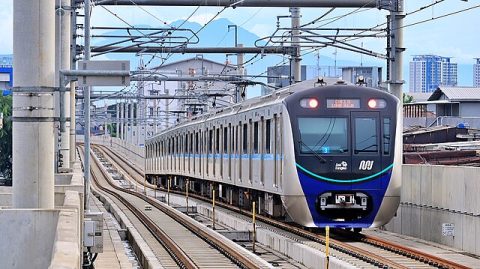
Jakarta's modern Mass Rapid Transit system opened in 2019, providing fast, air-conditioned transport along the North-South corridor. The system connects Bundaran HI (central Jakarta) to Lebak Bulus (South Jakarta) with 13 stations. Clean, efficient, and punctual trains run every 5-10 minutes. Stations feature modern amenities including elevators, escalators, and clear signage in English and Indonesian. Purchase single-journey tickets or multi-trip cards at station kiosks. Connects major shopping areas (Grand Indonesia, Senayan) and business districts. Expansion lines under construction. The MRT represents Jakarta's modernization and provides reliable alternative to notorious traffic congestion.
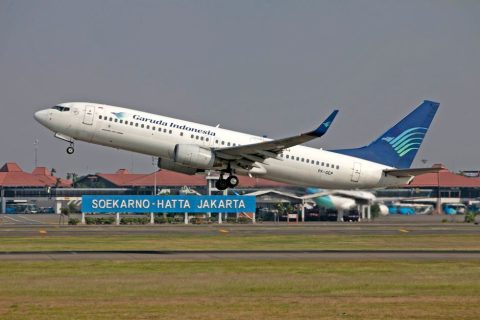
Soekarno-Hatta Airport Train
Direct rail connection between Soekarno-Hatta International Airport and central Jakarta (BNI City Station). The journey takes approximately 55 minutes with trains departing every 30-60 minutes. Modern, comfortable trains with luggage storage and air conditioning. Connects to MRT and TransJakarta networks for onward travel. Significantly cheaper and more reliable than taxis during rush hour. Advance ticket purchase recommended during peak travel times. The service provides stress-free airport transfer avoiding Jakarta's unpredictable traffic.
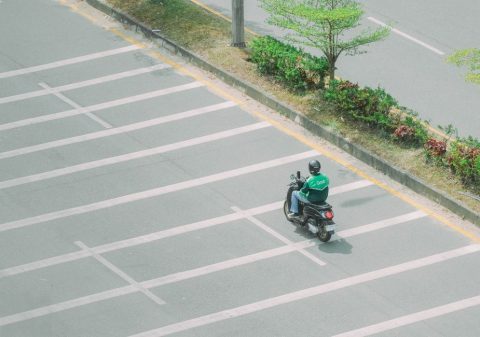
Ride-Hailing Apps (Gojek & Grab)
Essential transportation in Jakarta where Gojek and Grab dominate. Both apps offer car rides, motorcycle taxis (ojek), food delivery, and courier services. Motorcycle taxis navigate traffic efficiently and cost a fraction of car rides. Apps provide fare estimates, driver ratings, and cashless payment. English interface available. Download and set up before arrival. Motorcycle taxis require holding driver's bag while wearing provided helmet. Cars offer more comfort but take longer in traffic. Both services are reliable, affordable, and integral to Jakarta life.
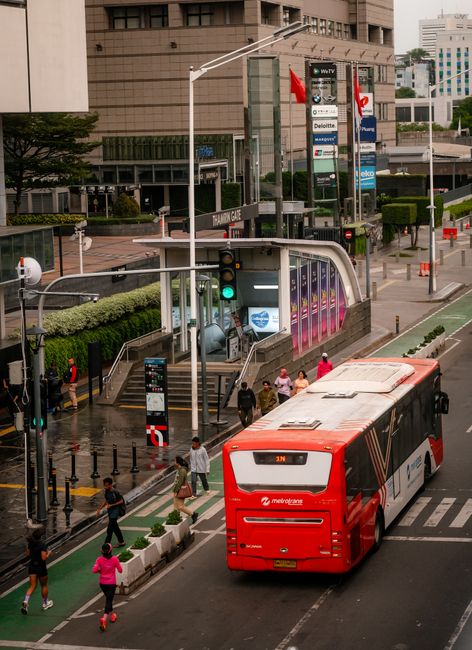
TransJakarta Bus Rapid Transit
The world's longest BRT system with dedicated bus lanes throughout Jakarta. Over 250 stops serve most major destinations including airports, shopping centers, and tourist sites. Air-conditioned buses provide affordable transportation (flat fare regardless of distance). Dedicated lanes bypass much of Jakarta's traffic congestion. Routes connect to MRT and KRL commuter rail stations. Service runs early morning to late evening. Electronic payment cards (JakCard or e-money) required. Maps and route information available in English at major stations. Essential for budget-conscious travelers and experiencing local transportation culture.
Tips for Transportation
- MRT cards: Buy multi-trip cards to save time versus single tickets.
- Rush hour: Avoid traveling 7-9am and 5-8pm when traffic and public transport are most crowded.
- Motorcycle taxis: Fastest option in traffic but not for those uncomfortable on bikes.
- App credit: Load Gojek/Grab wallet with credit for seamless payments.
- Station maps: Download offline transit maps before traveling.
Real, highly-rated Restaurants in Jakarta, sourced from Google Places (rating above 4★).
Ginger Flower is a highly-rated restaurant in Jakarta, rated 5★ from 430 reviews. Located at Jl. Pecenongan Raya No.7-17, RT.1/RW.4, Kb. Klp., Kecamatan Gambir, Kota Jakarta Pusat, Daerah Khusus Ibukota Jakarta 10120, Indonesia.
Opening Hours
- Monday: 6:00 AM – 10:00 PM
- Tuesday: 6:00 AM – 10:00 PM
- Wednesday: 6:00 AM – 10:00 PM
- Thursday: 6:00 AM – 10:00 PM
- Friday: 6:00 AM – 10:00 PM
- Saturday: 6:00 AM – 10:00 PM
- Sunday: 6:00 AM – 10:00 PM
Bastian Jakarta is a highly-rated restaurant in Jakarta, rated 4.9★ from 2229 reviews. Located at East Mall Grand Indonesia (Ramayana, Lobby), Ground Floor, RT.1/RW.5, Kb. Melati, Kecamatan Tanah Abang, Kota Jakarta Pusat, Daerah Khusus Ibukota Jakarta 10310, Indonesia.
Opening Hours
- Monday: 10:00 AM – 11:00 PM
- Tuesday: 10:00 AM – 11:00 PM
- Wednesday: 10:00 AM – 11:00 PM
- Thursday: 10:00 AM – 11:00 PM
- Friday: 10:00 AM – 11:00 PM
- Saturday: 10:00 AM – 11:00 PM
- Sunday: 10:00 AM – 11:00 PM
Fat Duck Signature Restaurant Menteng is a highly-rated restaurant in Jakarta, rated 4.9★ from 2542 reviews. Located at FAT DUCK Menteng, Jl. HOS. Cokroaminoto No.54, RT.6/RW.4, Gondangdia, Kec. Menteng, Kota Jakarta Pusat, Daerah Khusus Ibukota Jakarta 10350, Indonesia.
Opening Hours
- Monday: 10:00 AM – 10:00 PM
- Tuesday: 10:00 AM – 10:00 PM
- Wednesday: 10:00 AM – 10:00 PM
- Thursday: 10:00 AM – 10:00 PM
- Friday: 10:00 AM – 10:00 PM
- Saturday: 10:00 AM – 10:00 PM
- Sunday: 10:00 AM – 10:00 PM
Explore Jakarta on the Map
Climate & Seasons
Jakarta has a tropical monsoon climate with two distinct seasons:
Dry Season (May-September): The best time to visit with less rainfall, lower humidity, and clearer skies. June-August are peak tourist months with the most comfortable weather. Ideal for outdoor activities, island hopping to Thousand Islands, and sightseeing. Expect warm temperatures around 28-32°C (82-90°F).
Wet Season (October-April): Heavy afternoon downpours and higher humidity characterize these months. December-February see the heaviest rainfall. However, mornings are often clear, and rain typically comes in short, intense bursts. Advantages include fewer tourists, lower hotel prices, and lush green landscapes. Indoor activities like museums, malls, and cultural centers remain excellent options.
Year-Round Considerations: Jakarta is hot and humid throughout the year with temperatures rarely dropping below 24°C (75°F) at night. The city experiences minimal temperature variation between seasons. Air quality can be poor, especially during dry season when pollution accumulates. Consider visiting during Ramadan (dates vary annually) for a unique cultural experience, though restaurants may have limited daytime hours and some attractions may close early.
Peak vs. Off-Peak
Peak Season: June-August and December-January coincide with summer holidays and year-end breaks. Expect higher prices, crowded attractions, and advance booking requirements for popular hotels and tours.
Shoulder Season: April-May and September-October offer good weather with fewer crowds and better prices. Ideal compromise between comfort and value.
Off-Peak: November and February-March see fewer international visitors due to heavy rains but offer best deals on accommodation and more intimate experiences at attractions.
What to Buy
Batik Textiles: Indonesia's traditional wax-resist dyed fabric, recognized by UNESCO. Available as clothing, scarves, art pieces, and fabric by the meter. Quality ranges from mass-produced prints to hand-drawn batik tulis. Best purchased at specialized batik shops, markets, or directly from artisans.
Traditional Crafts: Wayang puppets (shadow puppets), wooden carvings, silver jewelry, traditional masks, and woven baskets make unique souvenirs. Jalan Surabaya Antique Market offers variety.
Coffee & Tea: Indonesia produces world-renowned coffee (especially from Sumatra, Java, Sulawesi). Purchase from specialty coffee shops or markets. Also consider Indonesian black tea from Puncak region.
Spices & Seasonings: Fresh spices (nutmeg, cloves, cinnamon), sambal (chili paste), kecap manis (sweet soy sauce), and instant rendang or satay seasonings. Available at traditional markets or modern supermarkets.
Snacks & Sweets: Keripik (chips made from fruits/vegetables), dodol (sticky sweet), kue kering (cookies), and packaged Indonesian snacks from supermarkets make portable gifts.
Angklung: Traditional bamboo musical instrument creating melodic sounds. Various sizes available from specialty shops.
Natural Beauty Products: Indonesian natural cosmetics using local ingredients like coconut oil, coffee scrubs, and traditional jamu herbal remedies.
Where to Shop
Luxury Malls: Grand Indonesia, Plaza Indonesia, Pacific Place, and Senayan City offer international brands, high-end Indonesian designers, and premium shopping experiences. Air-conditioned comfort, diverse dining, and entertainment.
Local Malls: Mall of Indonesia, Taman Anggrek, and Mangga Dua offer more affordable options, local brands, and authentic Jakarta shopping culture. Less tourist-oriented with competitive prices.
Traditional Markets:
- Jalan Surabaya: Antiques, vintage items, collectibles. Strong bargaining expected.
- Tanah Abang: Massive textile market, Southeast Asia's largest. Wholesale and retail fabrics, clothing. Overwhelming but unbeatable prices for fabric buyers.
- Pasar Baru: Historic shopping street with textiles, fashion, electronics. Mix of traditional shops and modern stores.
Art Markets: Ancol Art Market and occasional weekend art markets showcase local artists, handicrafts, and unique pieces.
Factory Outlets: Bandung (3 hours away) is famous for factory outlets selling branded clothing at discount prices. Some outlets exist in Jakarta suburbs.
Bargaining Tips
- Where to bargain: Traditional markets, antique shops, street vendors. NOT in malls, restaurants, or modern stores with price tags.
- Starting price: Begin at 40-50% of asking price for experienced bargainers, 60-70% for beginners.
- Stay friendly: Smile, be respectful, and keep negotiations light-hearted. Never show too much interest.
- Walk away: If price doesn't drop, prepare to leave. Sellers often call you back with better offers.
- Cash ready: Having exact or near-exact amount strengthens your position.
- Bulk discounts: Buying multiple items usually results in better per-item prices.
- Compare prices: Check multiple stalls before committing to understand fair market value.
Payment & Practicalities
Currency: Indonesian Rupiah (IDR). ATMs widely available. Credit cards accepted in malls, hotels, and upscale restaurants but cash essential for markets, street food, and small vendors.
E-wallets: GoPay and OVO increasingly accepted. Load credit for seamless small purchases and ride-hailing.
Shopping Hours: Malls typically open 10am-10pm daily. Traditional markets operate 8am-5pm, busiest mornings. Some markets closed Sundays or Mondays.
Tax Refunds: International visitors can claim VAT refund on purchases over IDR 500,000 at participating stores. Process refund at airport departure.
Annual Events & Festivals
Independence Day (August 17): Indonesia's national day celebrating independence from Dutch colonial rule. Festivities include flag-raising ceremonies at Merdeka Palace, traditional games (panjat pinang - greased pole climbing, sack races), neighborhood competitions, and cultural performances. Streets decorated with red-and-white flags. Major celebrations occur at Monas and throughout the city.
Jakarta Fair (June-July): Annual trade fair at Jakarta Fair Kemayoran featuring exhibitions, entertainment, concerts, food stalls, and shopping. Lasts about one month showcasing Indonesian products, traditional performances, and modern attractions. Popular with local families.
Jakarta Fashion Week (October-November): Indonesia's premier fashion event showcasing designers from across the archipelago and internationally. Runway shows, exhibitions, and shopping events highlight Indonesian textile traditions and contemporary fashion.
Jakarta International Film Festival (JIFFEST, December): Showcases Indonesian and international cinema with screenings, workshops, and industry events. Celebrates Indonesian film culture and connects local filmmakers with global cinema.
Chinese New Year (January-February, dates vary): Celebrated enthusiastically in Glodok (Chinatown) with lion dances, lanterns, temple ceremonies, and special foods. Streets decorated in red and gold. Many businesses close for several days. Excellent time to experience Indonesian-Chinese culture.
Jakarta Anniversary (June 22): Commemorates Jakarta's founding with citywide events, cultural performances, exhibitions, and festivities.
Religious Holidays
Ramadan & Eid al-Fitr (Idul Fitri, dates vary): The Islamic holy month of fasting followed by major celebration. During Ramadan, Muslims fast from dawn to dusk. Many restaurants close during day but vibrant night markets (pasar Ramadan) emerge selling special foods. Eid al-Fitr brings mass exodus as residents return to hometowns (mudik). Jakarta becomes unusually quiet with reduced traffic. Businesses may close for several days. Witnessing Ramadan provides unique cultural insight, but plan for adjusted restaurant hours and services.
Nyepi (Balinese New Year, March-April): While primarily Balinese, Jakarta's Hindu community observes this 'Day of Silence' with scaled-down ceremonies.
Christmas (December 25): Celebrated by Indonesia's Christian minority. Shopping malls lavishly decorated. Many hotels offer special dinners and events. Not a public holiday affecting most businesses.
Waisak/Vesak (May, dates vary): Buddhist celebration observed at Buddhist temples throughout Jakarta. Main ceremonies at Dharma Jaya Vihara and other temples.
Local Events
Car Free Day (Every Sunday): Jalan Sudirman-Thamrin, Jakarta's main boulevard, closes to vehicles every Sunday morning (6am-11am). Thousands of residents walk, jog, cycle, and skateboard on normally clogged roads. Street food vendors, performances, and community atmosphere. Don't miss this unique Jakarta experience.
Traditional Dance Performances: Taman Mini Indonesia Indah hosts regular cultural performances at provincial pavilions, especially weekend evenings. Free traditional dances, music, and ceremonies representing Indonesia's diverse cultures.
Night Markets (Pasar Malam): Rotate locations throughout Jakarta on different nights. Check local listings for current locations. Feature street food, shopping, and entertainment.
5 Detailed Day-by-Day Sample Itineraries
Day 1: Jakarta Historic & Cultural Essentials
Morning (7:00am-12:00pm):
- 7:00am: Arrive at National Monument (Monas) when gates open to beat crowds. Visit observation deck for city views (30 minutes) and explore National History Museum in base (45 minutes). Walk around Merdeka Square gardens.
- 9:30am: Cross to Istiqlal Mosque (walk 10 minutes). Join free guided tour learning about Islamic architecture and Indonesian religious culture (45 minutes). Remember modest dress.
- 10:30am: Visit Jakarta Cathedral directly across from Istiqlal (15 minutes). Appreciate the contrast symbolizing religious harmony.
- 11:00am: Take Grab/Gojek or walk to National Museum of Indonesia (5-minute ride). Explore galleries featuring archaeological treasures, ethnographic collections, and gold artifacts (90 minutes).
Lunch (12:30pm-1:30pm): Eat at restaurant near museum or at Grand Indonesia mall (15-minute ride). Try Indonesian dishes like nasi Padang or soto ayam.
Afternoon (1:30pm-5:00pm):
- 1:30pm: Take MRT from Bundaran HI station to Senayan area. Visit Senayan City mall for air-conditioned break, coffee, and modern Jakarta atmosphere (1 hour).
- 3:00pm: Travel to Kota Tua (Old Town Batavia) via TransJakarta or Grab (30-40 minutes). Explore cobblestone square, colonial architecture, and Jakarta History Museum (Fatahillah Museum) housed in former Dutch Governor's mansion (1.5 hours).
Evening (5:00pm onwards):
- 5:00pm: Walk to Café Batavia for sunset drinks in colonial setting with live music. Alternatively, explore Sunda Kelapa Harbor (10-minute walk) to see traditional pinisi schooners.
- 7:00pm: Dinner in Old Town area or travel to Menteng/Kemang neighborhood for upscale dining and nightlife.
Day 2: Cultural Immersion & Local Experiences
Morning (8:00am-12:00pm):
- 8:00am: Join Jakarta Food Tour (pre-booked) exploring local neighborhoods and sampling street food classics. Tours typically include 8-12 food stops covering nasi goreng, satay, gado-gado, martabak, and more. Guides provide cultural context and ensure food safety (3.5 hours).
- Alternatively: Take Jakarta Walking Tour through Old Town with professional guide covering history, architecture, and hidden sites.
Lunch: Included in food tour, or independent lunch at traditional warung (local eatery).
Afternoon (12:30pm-5:00pm):
- 12:30pm: Travel to Taman Mini Indonesia Indah (TMII) - cultural theme park (30-40 minutes from center). Rent bicycle or use park shuttle to explore life-sized replicas of traditional houses from Indonesian provinces (3-4 hours). Visit museums, aviary, and watch free cultural performances at provincial pavilions.
- 4:30pm: Return to hotel to freshen up.
Evening (6:00pm onwards):
- 6:00pm: Join Jakarta Night Market Tour (pre-booked) experiencing authentic pasar malam atmosphere with street food, shopping, and local nightlife (2.5 hours).
- 9:00pm: Return to hotel or explore Kemang nightlife district with bars and live music venues.
Day 3: Modern Jakarta & Shopping
Morning (9:00am-12:00pm):
- 9:00am: Visit Grand Indonesia shopping mall when it opens. Explore luxury brands, Indonesian designers, and enjoy coffee at upscale café. Connected to Plaza Indonesia for extended shopping (2.5 hours).
- 11:30am: Walk or take MRT to National Gallery of Indonesia to view contemporary Indonesian art exhibitions (1 hour).
Lunch (12:30pm-1:30pm): Excellent food options in Grand Indonesia or nearby restaurants. Try modern Indonesian cuisine at upscale restaurant.
Afternoon (1:30pm-5:00pm):
- 1:30pm: Travel to SCBD (Sudirman Central Business District) to see Jakarta's modern skyline. Visit Pacific Place or Plaza Senayan malls. Alternatively, explore Senopati neighborhood boutiques and galleries.
- 3:30pm: Visit Jalan Surabaya Antique Market for unique souvenirs, vintage items, and traditional crafts. Practice bargaining skills (1.5 hours).
Evening (5:00pm onwards):
- 5:30pm: Head to Taman Suropati park in Menteng for relaxing atmosphere and people-watching (1 hour).
- 7:00pm: Dinner at fine dining restaurant in Senopati area known for culinary excellence. Try innovative Indonesian fusion cuisine.
- 9:00pm: Visit rooftop bar in SCBD for cocktails with city skyline views.
Day 4: Island Escape - Thousand Islands Day Trip
Full Day Excursion (6:00am-7:00pm):
- 6:00am: Early departure to Marina Ancol for boat to Thousand Islands. Pre-book tour including speedboat transport, snorkeling equipment, and lunch.
- 7:30am: Depart via speedboat to Pramuka Island or Tidung Island (2-3 hours depending on island choice).
- 10:00am-3:00pm: Enjoy island activities: snorkeling in coral reefs, swimming in crystal waters, beach relaxation, kayaking, and fresh seafood lunch. Pramuka offers turtle conservation center. Tidung features famous connecting bridge (Jembatan Cinta).
- 3:30pm: Return journey to Jakarta by speedboat (2-3 hours).
- 6:00pm-7:00pm: Arrive Marina Ancol. Option to explore Ancol Dreamland complex for dinner and evening entertainment, or return to hotel.
Note: This itinerary depends on weather conditions. Rough seas may cancel trips, especially during wet season. Book with reputable operator.
Day 5: Family Fun & Entertainment OR Bogor Day Trip
Option A: Family Entertainment Day
Morning-Afternoon (9:00am-4:00pm):
- 9:00am: Arrive at Ancol Dreamland complex. Purchase Dunia Fantasi (Dufan) theme park tickets. Enjoy roller coasters, rides, and attractions (4-5 hours). Alternatively, visit Sea World aquarium or water park within complex.
- 2:00pm: Lunch at Ancol restaurants with sea views.
- 3:00pm: Visit Alive Museum Ancol for interactive 3D art and photo opportunities (1.5 hours).
Evening (5:00pm onwards):
- 5:00pm: Return to hotel to rest.
- 7:00pm: Farewell dinner at special restaurant - consider sunset dining at Ancol beachfront or upscale restaurant in central Jakarta.
Option B: Bogor Botanical Gardens Day Trip
Full Day (7:00am-6:00pm):
- 7:00am: Take KRL commuter train from Jakarta to Bogor (90 minutes) or private car/driver (1-2 hours depending on traffic). Early departure beats traffic.
- 9:00am-1:00pm: Explore Bogor Botanical Gardens (Kebun Raya Bogor) - 87 hectares with 15,000+ plant species. Walk peaceful paths, see giant water lilies, orchid houses, and tropical plants. View Presidential Palace grounds from outside gardens.
- 1:00pm-2:00pm: Lunch at local restaurant sampling Sundanese cuisine.
- 2:30pm-4:00pm: Visit Bogor city center, browse local markets, and enjoy mountain town atmosphere.
- 4:30pm: Return journey to Jakarta, arriving early evening.
Itinerary Planning Tips
- Traffic buffer: Add 30-50% extra travel time during weekdays for unpredictable traffic.
- Early starts: Begin days early to maximize sightseeing before afternoon heat and crowds.
- Flexibility: Weather, traffic, and personal pace may require adjustments. Keep backup indoor options.
- Advance bookings: Reserve tours, island trips, and popular attractions ahead, especially weekends.
- Mix pace: Alternate intensive days with relaxed ones to avoid exhaustion in Jakarta's heat and intensity.
Best Instagram & Photography Locations
National Monument (Monas): Iconic shot from base looking up at golden flame, or panoramic city views from observation deck. Best timing: Morning (7-9am) for soft light and fewer crowds, or late afternoon (4-5pm) for golden hour. Weekend Car Free Day provides unique perspective with crowds on normally busy streets.
Kota Tua (Old Town) Fatahillah Square: Colonial architecture with colorful rented bicycles in foreground, white-walled museums, and cobblestone plaza. Best timing: Early morning (7-8am) for empty square with dramatic shadows, or late afternoon (4-6pm) for golden light on buildings. Weekends bring performers and crowds adding energy.
Istiqlal Mosque Interior: Stunning geometric Islamic architecture, soaring prayer halls with repeating patterns, and natural light streaming through windows. Best timing: Morning (9-11am) when light enters main hall beautifully. Always ask permission and respect prayer times. Remove shoes and dress modestly.
Sunda Kelapa Harbor: Traditional pinisi schooners with wooden masts against modern city backdrop. Colorful boats and harbor activities. Best timing: Early morning (6-8am) for active port operations with soft golden light, or late afternoon (4-6pm) for dramatic sunset silhouettes. Climb aboard (with permission) for unique angles.
Grand Indonesia Fountain: Modern landmark with illuminated water displays in front of Bundaran HI (Hotel Indonesia Roundabout). Best timing: Evening (7-9pm) when fountain is lit and surrounding buildings create backdrop. Long exposure captures water movement beautifully.
SCBD Skyline: Jakarta's modern face with soaring skyscrapers. Shoot from pedestrian overpasses, rooftop bars, or Pacific Place mall walkways. Best timing: Blue hour (6-7pm) when buildings light up and sky retains color, or night for dramatic lit towers.
Taman Mini Indonesia Indah: Miniature Indonesian archipelago with floating islands, traditional houses from every province, and cultural replicas. Aerial views show miniature Indonesia map. Best timing: Morning (8-10am) or late afternoon (3-5pm) for angled light highlighting details. Climb observation towers for overhead perspectives.
Jakarta Cathedral + Istiqlal Mosque: Capture both religious landmarks in one frame symbolizing Indonesia's religious harmony. Best timing: Afternoon (2-4pm) when both buildings well-lit, or evening when illuminated.
Street Photography - Glodok Chinatown: Authentic local life, traditional shophouses, Chinese temples, and bustling markets. Red lanterns, street vendors, and cultural details. Best timing: Morning (8-11am) when markets most active, or Chinese New Year period for decorations.
Café Batavia Interior: Colonial-era ambiance with vintage furniture, old photographs, wooden shutters, and period décor. Perfect atmospheric shots. Best timing: Afternoon (2-5pm) when natural light enters windows, or evening with warm interior lighting.
Ancol Beach Sunset: Jakarta's waterfront with Java Sea sunset, traditional boats, and beach activities. Best timing: 5:30-6:30pm during dry season for clearest sunsets. Scout locations along beach or from pier.
Menteng Boulevards: Tree-lined colonial-era streets, art deco architecture, grand fountains (especially at Jalan Diponegoro roundabout), and elegant neighborhoods. Best timing: Early morning (6-8am) or late afternoon (4-6pm) for side lighting through trees and fewer cars.
Photography Tips
- Permission: Always ask before photographing people, especially at religious sites and local markets. Smile and use basic Indonesian ("Boleh foto?").
- Heat haze: Morning shoots (before 10am) avoid worst heat distortion affecting distance shots.
- Monsoon creativity: Rain brings reflections, dramatic clouds, and unique moods. Protect equipment but embrace wet-season atmospherics.
- Cultural sensitivity: Avoid photographing poverty or people in vulnerable situations without consent. Respect prayer times and ceremonies.
- Drone regulations: Drone photography highly restricted in Jakarta. Permits required near government buildings, airports, and crowds. Research thoroughly before bringing drones.
- Air quality: Pollution can affect visibility in distance shots. Post-processing may be needed to enhance clarity.
- Golden hour brief: Tropical sunsets happen quickly (30-40 minutes). Scout locations beforehand and arrive early.
Electrical Standards
Voltage: Indonesia operates on 220V / 50Hz electrical system. This matches most of Europe, Asia, Africa, and Australia but differs from North America (110V) and parts of Japan (100V).
Plug Types: Indonesia primarily uses Type C and Type F European-style plugs (two round pins). Type C has two round pins without grounding. Type F has two round pins with grounding clips on sides. Many outlets accept both types plus some accept Type G (UK-style) in international hotels.
Adapters & Converters
Travelers from North America: Require both an adapter (to fit plug shape) AND a voltage converter (to handle 220V). However, most modern electronics (phones, laptops, cameras, tablets) have universal power supplies (100-240V) and only need an adapter. Check device specifications: if it says "INPUT: 100-240V" you only need adapter, not converter.
Travelers from Europe/Australia/Asia: Voltage compatible (220-240V regions). European travelers usually don't need adapters. Australian/UK travelers need plug adapter (Type C/F adapter for their Type I or G plugs).
Travelers from UK: Need adapter for Type C/F plugs. Voltage compatible at 230V.
Universal Travel Adapters: Recommended purchase - accepts plugs from any country and converts to Type C/F. Available at airports, electronics stores worldwide, or Amazon before departure. Also sold in Jakarta electronics stores and hotel gift shops (often overpriced).
Practical Charging Tips
- Hotel rooms: Most Jakarta hotels provide adequate outlets. International hotels often have universal outlets accepting multiple plug types. Budget accommodations may only have Indonesian sockets.
- USB charging: Many modern hotels, cafés, and malls provide USB charging ports. Bring USB cables for phones and devices.
- Power strips: If traveling with multiple devices, bring compact power strip with surge protection. Plug one adapter into wall, then connect multiple devices to strip.
- Portable batteries: Essential for long sightseeing days. Jakarta's heat drains phone batteries quickly with constant GPS/app usage. Charge power banks overnight.
- Voltage-sensitive devices: Hair dryers, curling irons, and other heating appliances from 110V countries require heavy-duty voltage converters or won't work properly. Consider using hotel-provided hair dryers instead of bringing non-compatible devices.
Power Reliability
Jakarta's electricity generally reliable in central areas, hotels, and tourist zones. Occasional outages can occur, especially during storms or in residential areas. Power surges possible - use surge protectors for expensive electronics. Most hotels have backup generators ensuring uninterrupted service.
Must-Try Indonesian Dishes
Nasi Goreng: Indonesia's iconic fried rice dish cooked with kecap manis (sweet soy sauce), garlic, shallots, tamarind, and chili. Typically topped with fried egg, prawn crackers (kerupuk), and served with pickled vegetables (acar). Available everywhere from street stalls to five-star hotels. Every cook has their own variation. Best places: Street food stalls in Kemang, Kota Tua vendors, hotel breakfast buffets.
Satay (Sate): Grilled meat skewers (chicken, beef, lamb, or goat) marinated in spices and served with peanut sauce or sweet soy sauce. Charcoal-grilled for smoky flavor. Regional variations include sate Padang (curry-flavored), sate Madura (with sweet soy), and sate ayam (chicken). Best places: Sate Khas Senayan restaurant chain, street vendors in Old Town, night markets.
Gado-Gado: Indonesian vegetable salad with boiled eggs, potatoes, tofu, tempeh, and vegetables topped with rich peanut sauce dressing. Served with kerupuk crackers. Nutritious and widely available. Popular lunch option. Best places: Gado-Gado Boplo (famous chain), traditional warungs, food courts.
Rendang: Slow-cooked beef curry originating from West Sumatra, named world's most delicious food by CNN. Meat simmered for hours in coconut milk with lemongrass, galangal, garlic, turmeric, ginger and chilies until tender and richly flavored. Dark, complex, and aromatic. Best places: Padang restaurants (Rumah Makan Padang), upscale Indonesian restaurants, Namaaz Dining.
Soto Ayam: Aromatic chicken soup with rice noodles, hard-boiled eggs, celery, and fried shallots in turmeric-infused broth. Comfort food served with sambal and lime. Regional variations exist throughout Indonesia. Best places: Soto Lamongan Cak Har, local warungs, food courts.
Nasi Padang: Not a single dish but a serving style from West Sumatra. Steamed rice served with numerous small dishes (rendang, curry, vegetables, fish, eggs) displayed in restaurant windows. Diners choose dishes; charged only for what's eaten. Flavors tend to be rich, spicy, and coconut-based. Best places: Rumah Makan Padang Sederhana, Garuda restaurant, countless Padang restaurants throughout Jakarta.
Martabak: Two completely different dishes share this name:
- Martabak Manis (sweet martabak): Thick pancake filled with chocolate, cheese, peanuts, or condensed milk. Indonesia's favorite dessert/snack. Cut into pieces and served hot.
- Martabak Telur (savory martabak): Crispy stuffed pancake filled with eggs, meat, and vegetables. Similar to Malaysian roti canai.
Bakso: Indonesian meatball soup with beef or chicken meatballs in savory broth with noodles, tofu, and vegetables. Served with sambal and kecap manis. Extremely popular comfort food. Best places: Bakso President, Bakso Boedjangan, street carts throughout city.
Nasi Uduk: Fragrant coconut rice cooked in coconut milk with pandan leaves and spices. Served with fried chicken, tempeh, egg, and sambal. Popular breakfast choice. Best places: Morning street vendors, traditional warungs, Kebon Sirih area.
Sop Buntut: Rich oxtail soup with tender meat falling off bone, vegetables, and aromatic broth. Influenced by Dutch colonial cuisine. Served with rice and sambal. Best places: Bogor Café (famous for this dish), upscale Indonesian restaurants.
Ayam Goreng: Indonesian fried chicken marinated in spices including turmeric, garlic, coriander, and galangal before frying. Crispy outside, flavorful throughout. Served with rice and sambal. Best places: Ayam Goreng Fatmawati, Ayam Bakar Wong Solo (also does grilled version).
Pecel Lele: Fried catfish served with rice, raw vegetables, and spicy sambal. Simple, delicious, and authentically Indonesian. Popular at roadside stalls. Best places: Street stalls throughout Jakarta, especially in residential areas.
Indonesian Snacks & Desserts
Es Campur: Shaved ice dessert with mixed ingredients: grass jelly, coconut, tropical fruits, condensed milk, and sweet syrup. Refreshing in Jakarta's heat. Variations include es teler (with avocado and young coconut).
Klepon: Sweet rice cake balls filled with palm sugar and coated in grated coconut. Bright green from pandan leaves. Bite releases sweet liquid center.
Pisang Goreng: Fried bananas in crispy batter. Simple but addictive snack sold by street vendors. Often served with coffee.
Kue: Collective term for traditional Indonesian cakes and snacks. Includes steamed cakes, sticky rice treats, and colorful layered desserts. Found at traditional markets and specialty shops.
Dining Tips
- Spice levels: Indonesian food can be extremely spicy. Ask for tidak pedas (not spicy) or sedikit pedas (a little spicy) if sensitive to heat. Sambal served on side allows control.
- Warung etiquette: Traditional warungs are casual eateries. Point to dishes you want, eat with right hand or spoon-fork combo (never left hand), and pay at end.
- Food safety: Stick to busy restaurants/stalls with high turnover. Avoid places with food sitting uncovered in heat. Hotels and malls offer safest options for sensitive stomachs.
- Water safety: Only drink bottled water. Avoid ice in street stalls unless certain it's from clean water. Restaurants and hotels generally use safe ice.
- Street food: Jakarta's street food is incredible but start cautiously. Let stomach adjust over first days before diving into spiciest options.
- Vegetarian options: Say saya vegetarian (I'm vegetarian). Many dishes contain shrimp paste or fish sauce. Tempeh and tofu widely available. Gado-gado, cap cay (stir-fried vegetables), and many dishes can be made vegetarian.
- Eating times: Lunch typically 12pm-2pm, dinner 6pm-9pm. Street food available much earlier/later. Breakfast foods like nasi uduk sold from early morning.
- Restaurant types: Rumah makan (eating house) = casual restaurant. Warung = simple eatery/food stall. Restoran = formal restaurant. Kaki lima = street food cart.
Where to Eat
Street Food Areas: Kemang, Kota Tua, Kebon Sirih, night markets (pasar malam) rotating locations. Food tours recommended for first-timers.
Traditional Restaurants: Lara Djonggrang (upscale Indonesian in stunning setting), Bunga Rampai (refined Indonesian), Plataran Menteng (colonial mansion setting).
Food Courts: Every mall has extensive food courts with Indonesian and international options. Clean, air-conditioned, and affordable. Grand Indonesia, Pacific Place, and Senayan City have excellent selections.
Fine Dining: Namaaz Dining (modern Indonesian tasting menu), AMUZ Gourmet (French-Indonesian fusion), Nusa Indonesian Gastronomy (elevated traditional).
International Cuisine: Jakarta offers excellent Japanese, Chinese, Italian, Middle Eastern, and other global cuisines. Kemang and Senopati neighborhoods known for international restaurants.
Jakarta does not currently offer comprehensive tourist passes like those found in European cities. However, several transportation and attraction options provide multi-use value:
General Safety
Jakarta is generally safe for tourists with normal precautions. Violent crime against tourists is rare. The main concerns are petty theft, scams, traffic, and health issues.
Common Issues & Prevention
Pickpocketing & Theft: Occurs in crowded areas (malls, markets, public transport). Keep valuables secure, use anti-theft bags, don't display expensive jewelry or electronics. Keep phones secure - snatching by motorcycle thieves happens occasionally. Use hotel safes for passports and excess cash.
Scams: Airport taxi touts may overcharge - use official taxi stands or ride-hailing apps. Some souvenir sellers dramatically overcharge tourists - research fair prices and bargain firmly. Fake tour operators exist - book through reputable companies or hotels.
Traffic Safety: Jakarta's traffic is chaotic and dangerous. Drivers rarely yield to pedestrians. Cross at designated crossings, use pedestrian overpasses, and stay alert. When using motorcycle taxis, ensure helmet provided and driver doesn't drive recklessly.
Food & Water: Stick to bottled water, avoid tap water including for brushing teeth. Start conservatively with street food, letting stomach adjust. Wash hands frequently or use hand sanitizer. Avoid raw foods at questionable establishments.
Air Quality: Pollution can affect sensitive individuals. Consider bringing masks during peak pollution periods. Limit outdoor exertion on high-pollution days. Check air quality index apps.
Flooding: During wet season, heavy rains cause flooding in low-lying areas. Monitor weather forecasts, avoid flood-prone areas during storms, and plan alternate routes.
Health Precautions
Vaccinations: Consult travel clinic 6-8 weeks before departure. Recommended vaccines: Hepatitis A & B, Typhoid, Tetanus, and routine vaccinations. No yellow fever vaccination required unless arriving from endemic countries.
Malaria: Not a concern in Jakarta proper. If visiting rural areas outside Jakarta, consult doctor about prophylaxis.
Dengue Fever: Mosquito-borne disease present year-round, especially wet season. Use insect repellent containing DEET, wear long sleeves/pants at dawn/dusk, and stay in air-conditioned accommodations when possible. Seek medical attention if experiencing high fever.
Medical Care: Jakarta has excellent international-standard hospitals including RSPI Pondok Indah, Siloam Hospitals, and JCI-accredited facilities. Travel insurance essential as medical care can be expensive. Pharmacies (apotek) widely available for minor ailments.
Emergency Contacts
- Police: 110
- Ambulance: 118 or 119
- Fire: 113
- Tourist Police: (021) 5703856
- Search & Rescue (SAR): 115
Cultural Sensitivity
Indonesia is Muslim-majority but religiously diverse and tolerant. Dress modestly at religious sites (covered shoulders/knees). Remove shoes when entering mosques, temples, and homes. Use right hand for eating and giving/receiving items (left hand considered unclean). Public displays of affection should be minimal. Respect prayer times and religious customs during Ramadan.
Mobile Phones & Internet
SIM Cards: Purchase local prepaid SIM cards at airport upon arrival or at convenience stores (Indomaret, Alfamart). Major providers: Telkomsel (best coverage), XL Axiata, and Indosat Ooredoo. Tourist packages available with generous data and limited calling. Prices: IDR 50,000-150,000 for tourist plans with 10-30GB data. Registration requires passport. Staff at airport kiosks help with setup.
Coverage: Excellent 4G/LTE coverage throughout Jakarta and major cities. Signal weaker in remote areas and some islands.
WiFi: Free WiFi available in most hotels, cafés, malls, restaurants, and many attractions. Quality varies - hotel WiFi generally reliable. Many cafés require purchase before providing password.
Apps to Download:
- Gojek & Grab: Essential ride-hailing and delivery apps
- Google Maps: Download offline maps for Jakarta
- WhatsApp: Widely used in Indonesia for messaging
- Google Translate: Indonesian-English translation with offline mode
- Traveloka or Tiket.com: Booking hotels, flights, attractions
- GoPay & OVO: E-wallet apps for cashless payments
International Calls: Use WhatsApp, Skype, or Facetime over WiFi/data instead of expensive international calling. Local SIM cards allow cheap calls within Indonesia.
Language
Official Language: Bahasa Indonesia (Indonesian). Similar to Malay with local influences. Written using Latin alphabet.
English Proficiency: Widely spoken in tourist areas, hotels, malls, and by younger generation. Less common in traditional markets and with older population. Restaurant staff in tourist areas usually speak basic English. Learning few Indonesian phrases appreciated.
Useful Phrases:
- Selamat pagi/siang/malam - Good morning/afternoon/evening
- Terima kasih - Thank you
- Sama-sama - You're welcome
- Maaf - Sorry/Excuse me
- Berapa harganya? - How much?
- Tidak pedas - Not spicy
- Boleh foto? - May I take a photo?
- Saya tidak mengerti - I don't understand
- Toilet di mana? - Where is the toilet?
- Tolong - Please/Help
Currency
Indonesian Rupiah (IDR): Official currency. Symbol: Rp. Notes: 1,000; 2,000; 5,000; 10,000; 20,000; 50,000; 100,000. Coins rarely used in tourist transactions. Large denominations common - IDR 100,000 note worth approximately USD $6-7 (rates fluctuate).
Exchange & Banking
ATMs: Widely available throughout Jakarta at banks, malls, and convenience stores. Accept international cards (Visa, Mastercard, Maestro, Cirrus). Withdrawal limits typically IDR 2,000,000-3,000,000 per transaction. Reputable banks: BCA, Mandiri, BNI, BRI. Use ATMs inside banks or malls for security. Notify your bank before travel to avoid card blocking.
Currency Exchange: Available at airport, banks, money changers, and malls. Best rates: Licensed money changers in central Jakarta (avoid airport unless necessary - poor rates). Check rates at multiple locations. Count money carefully before leaving counter. Avoid unlicensed street changers.
Credit Cards: Widely accepted at hotels, upscale restaurants, malls, and major attractions. Visa and Mastercard most common; American Express less accepted. Small vendors, street food, traditional markets, and budget accommodations require cash. Always carry sufficient cash.
E-Wallets: GoPay and OVO increasingly popular. Convenient for payments at many restaurants, stores, and for ride-hailing. Load via bank transfer or convenience stores.
Costs & Budgeting
Budget Daily (USD $30-50): Hostel/budget hotel, street food and warungs, public transport, free attractions, limited paid activities.
Mid-Range Daily (USD $75-150): Mid-range hotel, mix of local restaurants and malls, ride-hailing transport, paid attractions and tours, shopping.
Luxury Daily (USD $200+): International hotels, fine dining, private drivers, comprehensive tours, premium attractions, extensive shopping.
Sample Costs:
- Street food meal: IDR 15,000-35,000 ($1-2)
- Restaurant meal: IDR 50,000-150,000 ($3-10)
- Fine dining: IDR 300,000-1,000,000+ ($20-70+)
- MRT ride: IDR 3,000-14,000 ($0.20-1)
- Gojek car ride (5km): IDR 25,000-50,000 ($1.50-3)
- Monas entry: IDR 20,000 ($1.25)
- Museum entry: IDR 5,000-50,000 ($0.30-3)
- Budget hotel: IDR 200,000-400,000 ($13-25)
- Mid-range hotel: IDR 600,000-1,500,000 ($40-100)
- Luxury hotel: IDR 2,000,000+ ($130+)
Tipping
Tipping not traditionally expected in Indonesia but increasingly common in tourist areas. Guidelines:
- Restaurants: 5-10% if service charge not included (check bill). Round up bill for casual spots.
- Hotels: IDR 20,000-50,000 for helpful staff, bellboys, housekeeping.
- Drivers: IDR 20,000-50,000 for half/full-day drivers if excellent service.
- Tour guides: IDR 50,000-200,000 depending on tour length and quality.
- Spa/massage: 10-15% of treatment cost.
- Ride-hailing: Not expected but appreciated for exceptional service.