Modern transportation options including MRT, commuter trains, buses, and ride-hailing apps make navigating Jakarta increasingly efficient.
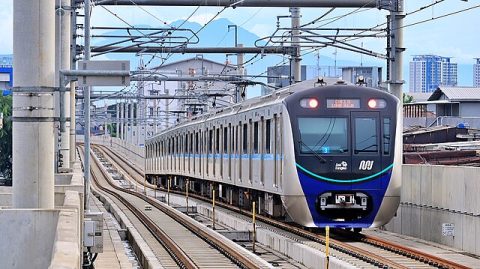
MRT Jakarta
Jakarta's modern Mass Rapid Transit system opened in 2019, providing fast, air-conditioned transport along the North-South corridor. The system connects Bundaran HI (central Jakarta) to Lebak Bulus (South Jakarta) with 13 stations. Clean, efficient, and punctual trains run every 5-10 minutes. Stations feature modern amenities including elevators, escalators, and clear signage in English and Indonesian. Pay with a contactless bank card, QRIS or the MRT app; single-journey tickets are sold at stations. Connects major shopping areas (Grand Indonesia, Senayan) and business districts. Expansion lines under construction. The MRT represents Jakarta's modernization and provides reliable alternative to notorious traffic congestion.
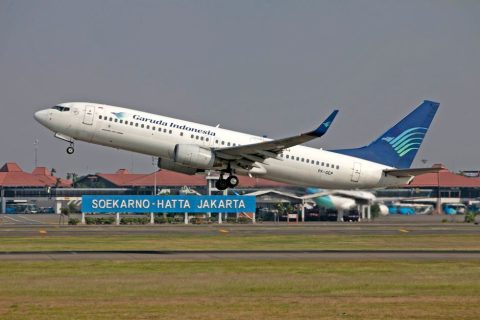
Soekarno-Hatta Airport Train
Direct rail connection between Soekarno-Hatta International Airport and central Jakarta (BNI City Station). The journey takes about 39 minutes with trains departing every 30-60 minutes. Modern, comfortable trains with luggage storage and air conditioning. Connects to MRT and TransJakarta networks for onward travel. Significantly cheaper and more reliable than taxis during rush hour. Advance ticket purchase recommended during peak travel times. The service provides stress-free airport transfer avoiding Jakarta's unpredictable traffic.
Ride-Hailing Apps (Gojek & Grab)
Essential transportation in Jakarta where Gojek and Grab dominate. Both apps offer car rides, motorcycle taxis (ojek), food delivery, and courier services. Motorcycle taxis navigate traffic efficiently and cost a fraction of car rides. Apps provide fare estimates, driver ratings, and cashless payment. English interface available. Download and set up before arrival. Motorcycle taxis require holding driver's bag while wearing provided helmet. Cars offer more comfort but take longer in traffic. Both services are reliable, affordable, and integral to Jakarta life.
TransJakarta Bus Rapid Transit
The world's longest BRT system with dedicated bus lanes throughout Jakarta. Over 250 stops serve most major destinations including airports, shopping centers, and tourist sites. Air-conditioned buses provide affordable transportation (flat fare regardless of distance). Dedicated lanes bypass much of Jakarta's traffic congestion. Routes connect to MRT and KRL commuter rail stations. Service runs early morning to late evening. Electronic payment cards (JakCard or e-money) required. Maps and route information available in English at major stations. Essential for budget-conscious travelers and experiencing local transportation culture.
Tips for Transportation
- MRT tickets: Pay with a stored-value bank card (e-money, Flazz, JakCard) or QRIS to skip ticket queues.
- Rush hour: Avoid traveling 7-9am and 5-8pm when traffic and public transport are most crowded.
- Motorcycle taxis: Fastest option in traffic but not for those uncomfortable on bikes.
- App credit: Load Gojek/Grab wallet with credit for seamless payments.
- Station maps: Download offline transit maps before traveling.