Jakarta's museums showcase Indonesia's rich artistic heritage, from ancient artifacts to contemporary masterpieces, colonial history to modern banking.
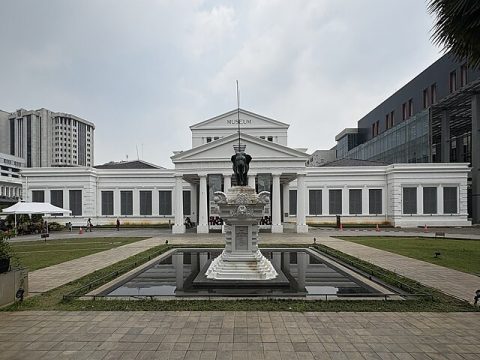
National Museum of Indonesia (Museum Gajah)
Nicknamed the 'Elephant Museum' after the bronze elephant statue gifted by Thailand's King Chulalongkorn in its courtyard, this is Indonesia's premier museum with over 100,000 artifacts including prehistoric fossils, Hindu-Buddhist sculptures, ancient ceramics, and royal jewelry.
The museum fronts Merdeka Square (Lapangan Merdeka), Jakarta's vast central plaza, placing it steps from the National Monument (Monas) — combine both in a single morning visit. A Tourist Police post is stationed at the square near the museum entrance, offering visitor assistance and directions; it is one of the most accessible tourist police points in central Jakarta.
The top floor displays spectacular gold artifacts from Indonesian kingdoms. Exhibition halls cover archaeology, ethnography, geography, and numismatics. Badly damaged by a fire in 2023, the museum reopened on 15 October 2024 with renovated galleries. The museum provides essential context for understanding Indonesia's diverse cultural heritage spanning thousands of years.
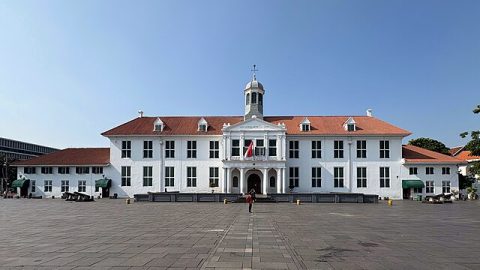
Jakarta History Museum (Museum Fatahillah)
Housed in the former Stadhuis (Batavia's town hall), inaugurated in 1710, this museum sits in Kota Tua's main square (Taman Fatahillah). The building itself is a colonial architectural gem with thick white walls and period furnishings. Exhibitions cover Jakarta's evolution from ancient Sunda Kelapa port through Dutch colonial Batavia to modern metropolis. Collections include maps, paintings, furniture, and archaeological finds. The museum provides crucial context for understanding Jakarta's layered history and multicultural influences that shaped Indonesia's capital.
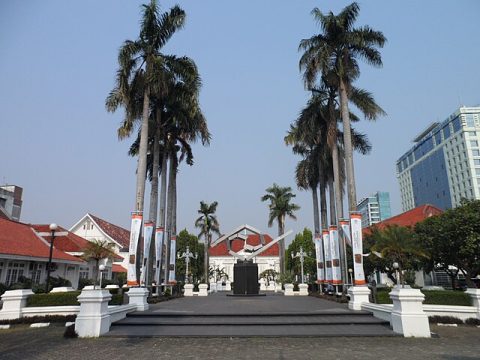
National Gallery of Indonesia
A vibrant cultural hub showcasing contemporary and traditional Indonesian art. The gallery features rotating exhibitions from emerging and established artists, workshops, educational programs, and cultural events. Collections span painting, sculpture, installations, and multimedia art. Regular exhibitions highlight regional artistic traditions and modern interpretations. The gallery serves as an important platform for understanding Indonesia's evolving art scene and creative expression. Perfect for art enthusiasts wanting to explore Indonesian creativity beyond ancient artifacts.
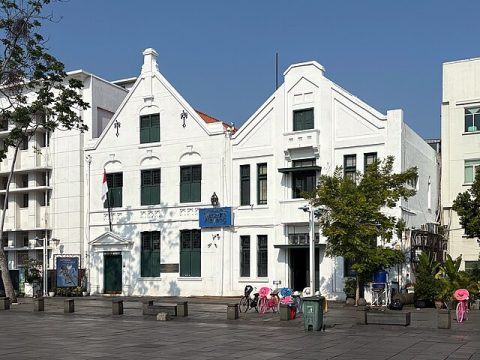
Wayang Museum
Dedicated to Indonesia's traditional shadow puppet theater (wayang), an ancient storytelling art form. The museum displays hundreds of puppets in various styles from across Indonesia and Southeast Asia. Collections include wayang kulit (leather shadow puppets), wayang golek (wooden rod puppets), and masks used in traditional performances. Interactive exhibits explain the cultural significance, religious symbolism, and performance techniques. Occasional live demonstrations bring the art form to life.
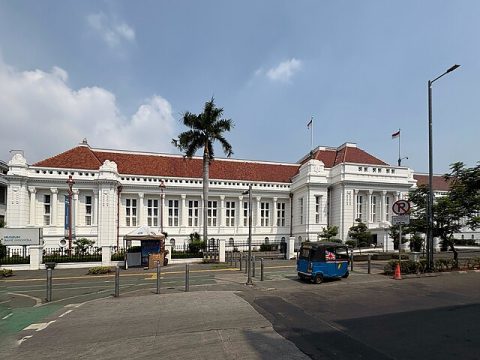
Bank Indonesia Museum
Housed in a lavish colonial building directly across from Jakarta Kota Station, this museum charts Indonesia's financial and banking history in an surprisingly engaging way. The ornate Dutch architecture alone is worth the visit. Interactive exhibits cover the evolution of Indonesian currency, economic development, central banking, and the role of finance in nation-building. Well-curated displays make economic history accessible and interesting even for non-specialists.
Tips for Museums & Galleries
- Museum cluster: National Museum, Monas, and National Gallery are within walking distance near Merdeka Square.
- Kota Tua museums: Combine Jakarta History Museum, Bank Indonesia Museum, and Wayang Museum in one visit.
- Free double-decker tour: A free city bus stops at the National Museum and goes to Kota Tua.
- Photography: Most museums allow photography without flash; check signage.