Plan your trip to Jaipur
- How long
- 2-3 days: the Pink City, Amber Fort and the forts, plus a Ranthambhore safari if you add days.
- Best for
- History and craft lovers: palaces, forts, the Pink City bazaars and the Jantar Mantar observatory (UNESCO).
- Skip it if
- You dislike heat and crowds: summer is very hot, and the old city is busy and chaotic.
If you only do three things
- Amber Fort (go early).
- The City Palace and Jantar Mantar.
- Hawa Mahal and the Pink City bazaars.
A one-day route
- Morning: Amber Fort at opening (about 11 km from the center).
- Midday: Lunch in the old city; the Hawa Mahal from the street.
- Afternoon: The City Palace and Jantar Mantar.
- Evening: Bapu and Johari Bazaar; sunset from Nahargarh Fort.
Before you go
- Jaipur Airport (JAI) is about 13 km from the center; prepaid taxis and ride apps run to town.
- Book Ranthambhore safaris well ahead; the park has seasonal closures.
- Bargain in the bazaars and watch your belongings in crowds.
- Check current ticket prices and opening hours on the official sites.
Prices, opening status and transport in this plan checked against official sources on 30 September 2026.
Things to do in Jaipur
Jaipur's most iconic structures showcase Rajasthani and Mughal architectural excellence, reflecting the city's rich historical heritage.
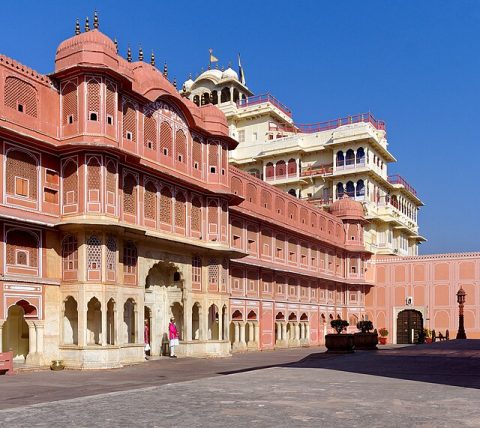
City Palace
A stunning blend of Rajasthani and Mughal architecture, the City Palace remains partially a royal residence. Marvel at intricately carved facades, courtyards, and the famous gate adorned with peacocks. The palace complex houses museums displaying royal artifacts, traditional weapons, and manuscripts. Visitors can explore the museum sections while respecting the private royal quarters.
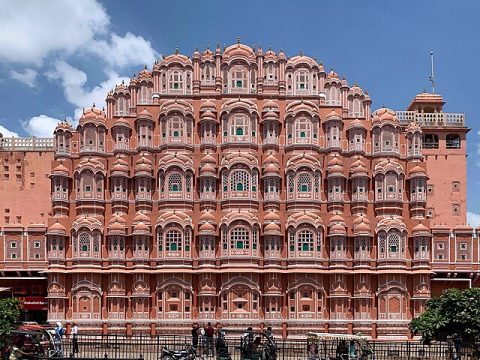
Hawa Mahal (Palace of Winds)
The iconic pink structure with 953 small windows was designed to allow royal women to observe street life unnoticed. This five-story architectural marvel is part of the UNESCO-listed walled city of Jaipur. The intricate honeycomb facade featuring delicate carvings creates a mesmerizing pattern. Climb the narrow staircases to enjoy panoramic city views from the top windows.
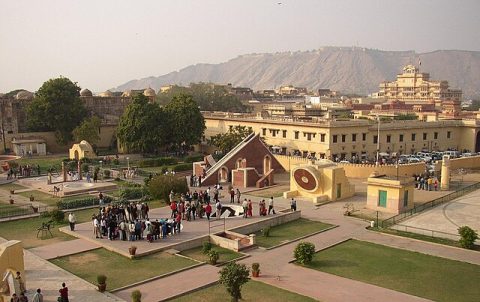
Jantar Mantar
A UNESCO World Heritage Site featuring 18th-century astronomical instruments built by Maharaja Sawai Jai Singh II. This unique collection of 19 architectural astronomical instruments was used for measuring time and predicting eclipses. Each instrument serves a specific astronomical purpose. The site demonstrates the convergence of Indian and Islamic astronomical traditions.
Tips for Landmarks & Monuments
- Visit Hawa Mahal early morning for clear photographs and fewer crowds
- Book City Palace tickets online to skip queues
- Jantar Mantar offers guided tours that explain the scientific instruments
- Combine these three sites in one day for optimal sightseeing
Discover Jaipur's artistic heritage and cultural treasures through extensive museum collections and contemporary galleries.
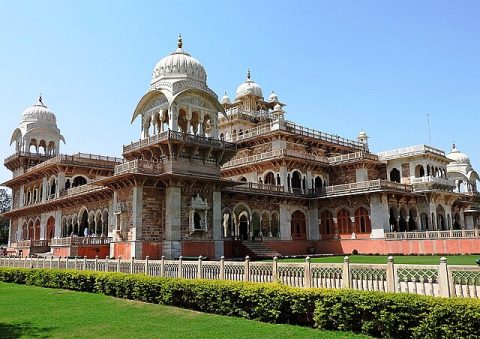
Albert Hall Museum
One of Jaipur's oldest museums, housed in a striking Victorian Gothic building. The museum displays Egyptian mummies, Indian sculptures, paintings, and decorative arts. Collections include miniature paintings, traditional weapons, textiles, and historical artifacts spanning centuries. The building itself is an architectural masterpiece reflecting Indo-European design. Perfect for history enthusiasts and families.
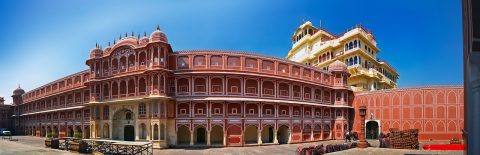
City Palace Museum
Located within City Palace, this museum showcases royal textiles, manuscripts, weapons, and personal belongings of the Maharajas. Visitors can view intricate brocades, traditional royal costumes, and historical documents. Jaipur was founded in 1727, so describe the palace’s collections as representing roughly three centuries of Jaipur royal heritage. Photography is restricted in some areas to preserve artifacts.
Tips for Museums & Galleries
- Many museums offer combined tickets for savings
- Hire a guide to gain deeper insights into artworks and historical context
- Photography policies vary; always ask permission before photographing exhibits
- Visit museums during non-peak hours for better experience and shorter queues
Experience the spiritual heart of Jaipur through sacred temples, gurudwaras, and other places of worship reflecting diverse faiths.
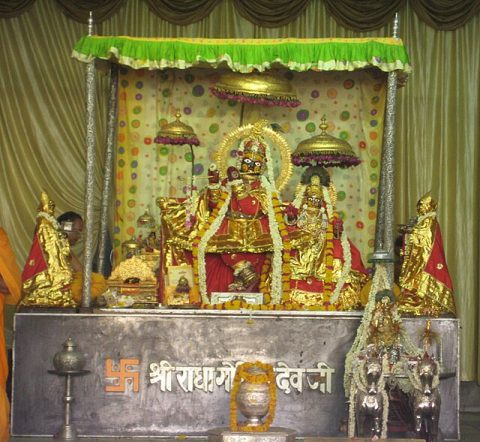
Govind Dev Ji Temple
One of the oldest temples in Jaipur, housing an image of Lord Krishna brought from Mathura. The temple is renowned for its spiritual significance and daily ceremonies featuring elaborate rituals and music. Devotees gather for aartis (prayers) conducted with traditional instruments. The temple courtyard offers a serene atmosphere amidst the bustling city.
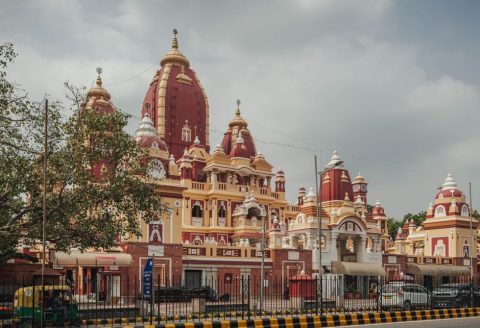
Birla Mandir
A magnificent white marble temple dedicated to Lord Lakshmi Narayan, built by the Birla family. The temple showcases modern Hindu architectural design with intricate marble carvings. The interiors feature stunning sculptures and religious murals. Evening aartis create a spiritually charged atmosphere with devotional singing and ringing bells.
Tips for Religious Sites
- Dress respectfully: cover shoulders and knees when visiting temples
- Remove shoes before entering temple sanctums
- Visit early morning for more peaceful and authentic experiences
- Ask permission before photographing deities and worshippers
- Participate in evening aartis for memorable spiritual experiences
Escape into Jaipur's green spaces offering tranquility, natural beauty, and recreational opportunities.
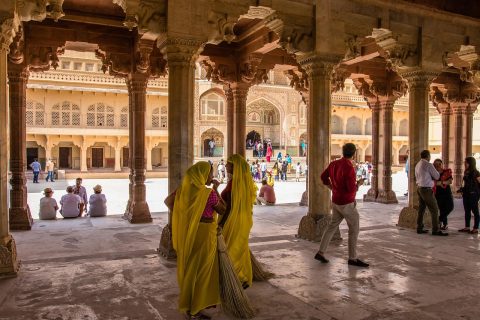
Ram Nivas Garden
A sprawling public garden established in 1868 featuring diverse flora, walking trails, and recreational facilities. The garden houses the Albert Hall Museum and offers beautiful scenic views. Pathways wind through landscaped areas with seasonal flowers. It's an ideal spot for morning walks, picnics, and wildlife observation. The garden attracts both locals and tourists year-round.
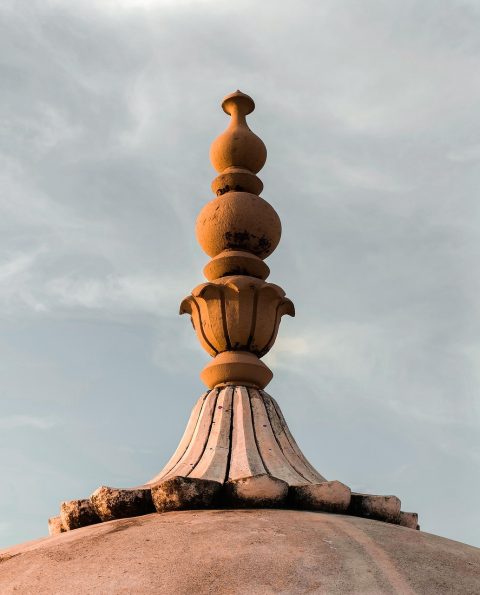
Central Park Jaipur
Jaipur's largest modern park featuring walking tracks, jogging paths, and recreational facilities. The park includes open green spaces, children's play areas, and scenic viewpoints. Evening hours see locals exercising and families enjoying leisure time. The park maintains beautiful landscaping with seasonal plantings creating a pleasant environment.
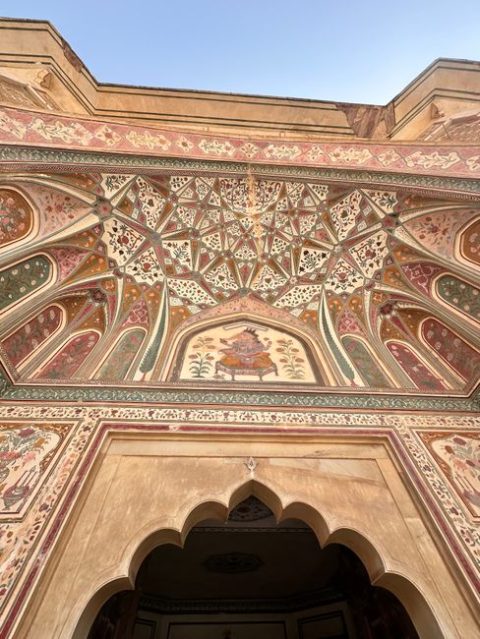
Sisodia Rani Garden
A picturesque Mughal garden built in the 18th century featuring multi-level terraces and artistic waterworks. The garden includes ponds, fountains, and pavilions showcasing Mughal architectural elegance. Visitors can explore various levels with artwork depicting Krishna's life. The garden offers peaceful retreats with scenic views and historical significance.
Tips for Parks & Gardens
- Visit gardens early morning for pleasant weather and fewer crowds
- Bring water and sun protection during midday visits
- Photography is allowed in most gardens; respect any restricted areas
- Many gardens offer benches and rest areas for relaxation
Explore vibrant traditional bazaars and modern shopping districts offering handicrafts, textiles, jewelry, and local products.
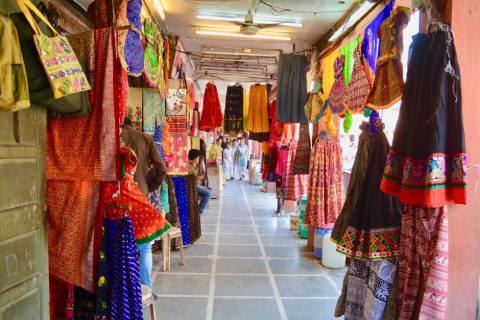
Bapu Bazaar
Jaipur's most famous traditional bazaar, brimming with colorful textiles, vibrant fabrics, and traditional garments. Vendors display brilliant embroidered materials, block-printed fabrics, and ready-made ethnic wear. The bazaar pulses with energy and authentic shopping atmosphere. Perfect for purchasing traditional Rajasthani clothing, sarees, and home décor items at reasonable prices.
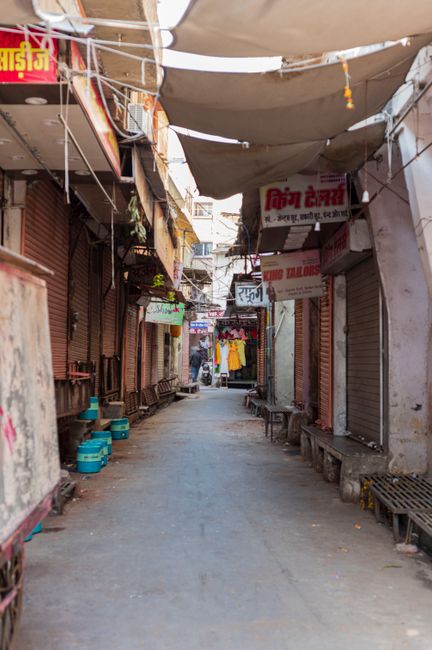
Johari Bazaar
The historic jewelry market of Jaipur renowned for precious stones, gold, silver, and gemstones. The bazaar features hundreds of jewelry shops with master craftsmen. Visitors can witness the jewelry-making process and purchase authentic pieces. The market offers various price ranges from budget to luxury items with certificates of authenticity.
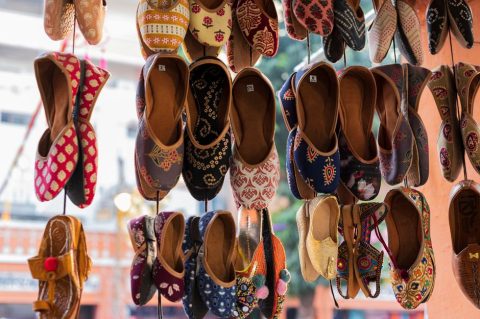
Tripolia Bazaar
A unique market featuring handcrafted items, bangles, and traditional Rajasthani products. Known for its narrow lanes and crowded stalls offering authentic merchandise. The bazaar showcases the raw energy of traditional Jaipur shopping. Visitors find colorful bangles, traditional crafts, and local souvenirs at negotiable prices.
Tips for Shopping & Markets
- Bargaining is expected in traditional bazaars; negotiate respectfully for better prices
- Carry cash; not all vendors accept cards
- Most markets are generally closed on Sundays; check which shops are open before planning a visit.
- Purchase from established shops for authentic merchandise and authenticity certificates
- Be cautious of pickpockets in crowded areas; secure your valuables
Engage in guided experiences and specialized activities for deeper exploration of Jaipur's culture and heritage.
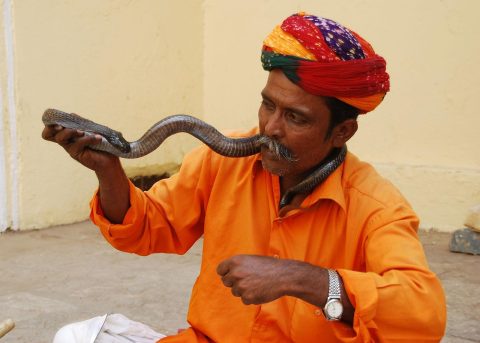
Jaipur City Tour
Comprehensive guided tours covering Hawa Mahal, City Palace, Jantar Mantar, and heritage bazaars. Professional guides provide historical context and architectural insights. Tours typically include transportation and are available in multiple languages. Options range from quick 4-hour tours to comprehensive day-long experiences with lunch inclusions.

Pottery Workshop Experience
Hands-on clay crafting sessions where visitors learn traditional pottery techniques from local artisans. Participants create their own pots, bowls, or decorative pieces under expert guidance. The workshop provides clay, tools, and instruction in this ancient craft. Perfect for cultural immersion and creating personal souvenirs of Jaipur.

Traditional Cuisine Cooking Class
Learn to prepare authentic Rajasthani dishes through interactive cooking classes with experienced chefs. Classes cover spice selection, traditional cooking methods, and cultural significance of cuisines. Participants prepare meals and enjoy tasting their creations. Classes are available in different durations and complexity levels.
Tips for Tours & Activities
- Book tours and activities through reputable companies with good reviews
- Early morning tours offer better weather and fewer crowds
- Confirm cancellation policies before booking
- Bring comfortable clothing and footwear for walking-intensive tours
- Ask guides about hidden gems and local recommendations
Venture beyond Jaipur to nearby attractions offering diverse experiences from wildlife to architectural marvels.
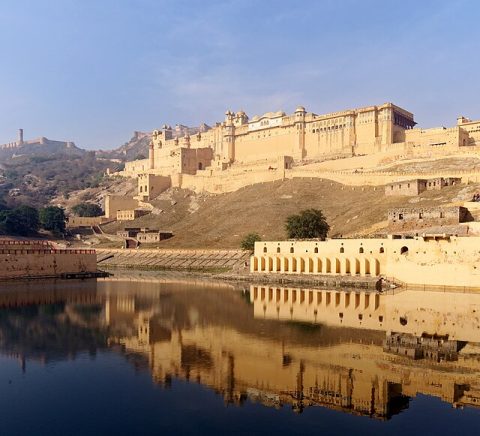
Amber Fort
One of Rajasthan's most iconic architectural monuments perched on a hilltop near Jaipur. The fort showcases magnificent blend of Hindu and Mughal architecture with intricate marble work and mirror decorations. Elephant rides offer unique access up the hill. Visitors can explore multiple courtyards, palaces, and ramparts with panoramic views. Photography from strategic points captures stunning vistas.
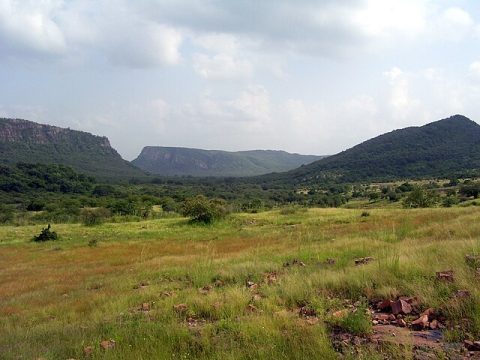
Ranthambhore National Park
A premier wildlife sanctuary home to Bengal tigers, leopards, and diverse fauna. Ranthambhore is roughly 180 km from Jaipur by road; allow for a several-hour drive, the park offers safari experiences through diverse ecosystems. Photography safaris capture wildlife in natural settings. The park combines wildlife observation with historical fort exploration within its boundaries. Trained guides enhance wildlife spotting opportunities.
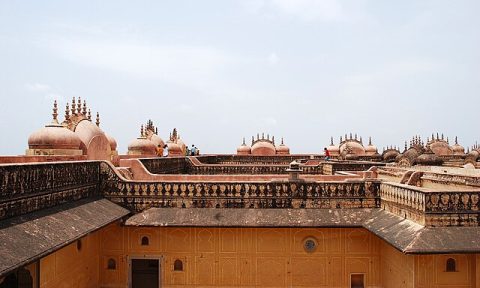
Nahargarh Fort
A defensive fort commanding panoramic views of Jaipur city and surrounding landscape. The fort features palace structures and bastions with strategic vantage points. Visitors enjoy sunset views from the fort. Hiking trails lead to scenic overlooks. The fort offers historical insight into defensive architecture and strategic military positioning.
Tips for Day Trips & Excursions
- Book safari and elephant ride tickets in advance during peak season
- Wear comfortable walking shoes for fort exploration
- Start day trips early to maximize time and avoid afternoon heat
- Bring water, sunscreen, and cameras for outdoor activities
- Hire local guides for detailed historical and natural information
Real, highly-rated Restaurants in Jaipur, sourced from Google Places (rating above 4★).
Rustic - Inspired Kitchen
Rustic - Inspired Kitchen is a highly-rated restaurant in Jaipur, rated 4.8★ from 1279 reviews. Located at G-3, Ground Floor, UKMS, AURUM, Tilak Marg, near CBI office, C Scheme, Ashok Nagar, Jaipur, Rajasthan 302005, India.
Opening Hours
- Monday: 11:00 AM – 11:00 PM
- Tuesday: 11:00 AM – 11:00 PM
- Wednesday: 11:00 AM – 11:00 PM
- Thursday: 11:00 AM – 11:00 PM
- Friday: 11:00 AM – 11:00 PM
- Saturday: 11:00 AM – 11:00 PM
- Sunday: 11:00 AM – 11:00 PM
Sura - Cocktails & Cuisine
Sura - Cocktails & Cuisine is a highly-rated restaurant in Jaipur, rated 4.8★ from 1810 reviews. Located at 5th Floor, Hathroi Fort, Ajmer Rd, inside Hotel Kalyan, Hathroi, Jaipur, Rajasthan 302001, India.
Opening Hours
- Monday: 2:00 PM – 1:00 AM
- Tuesday: 2:00 PM – 1:00 AM
- Wednesday: 2:00 PM – 1:00 AM
- Thursday: 2:00 PM – 1:00 AM
- Friday: 2:00 PM – 1:00 AM
- Saturday: 2:00 PM – 1:00 AM
- Sunday: 2:00 PM – 1:00 AM
Pakwaan Candlelight Dinner Restaurant
Pakwaan Candlelight Dinner Restaurant is a highly-rated restaurant in Jaipur, rated 4.8★ from 3684 reviews. Located at A- 40, near Peetal factory, Subash Nagar, Shastri Nagar, Jaipur, Rajasthan 302016, India.
Opening Hours
- Monday: 8:00 AM – 12:00 AM
- Tuesday: 8:00 AM – 12:00 AM
- Wednesday: 8:00 AM – 12:00 AM
- Thursday: 8:00 AM – 12:00 AM
- Friday: 8:00 AM – 12:00 AM
- Saturday: 8:00 AM – 12:00 AM
- Sunday: 8:00 AM – 12:00 AM
Explore Jaipur on the Map
Best Time to Visit Jaipur
The optimal season is October to March, when weather is pleasant and temperate. During these months, daytime temperatures range from 15-27°C, perfect for sightseeing and outdoor activities. Humidity is low, and rainfall is minimal, providing clear skies for photography.
Peak Season (October-February): Ideal for visiting but expect larger crowds and higher accommodation prices. Festivals occur frequently, offering cultural experiences.
Hot Season (April-June): Temperatures soar above 35°C, making daytime exploration uncomfortable. Budget accommodations are available. Visit early mornings and late evenings for sightseeing.
Monsoon (July-September): Rainfall and high humidity characterize this period. Green landscapes are beautiful, but heavy rains may disrupt travel plans. Fewer tourists mean better deals and shorter queues.
Getting Around Jaipur
By Auto-Rickshaw: The most popular local transport. Metered autos are reliable, though negotiating fare beforehand is recommended. Rides are inexpensive and offer authentic local experience.
By Taxi & Cab Services: Modern ride-sharing apps (Uber, Ola) operate in Jaipur with transparent pricing. Hotels arrange pre-booked taxis for airport transfers and tours.
By Bus: RSRTC (Rajasthan State Road Transport Corporation) provides city and intercity bus services. Routes connect major landmarks, though less convenient for tourists.
Walking & Cycling: The old city area is best explored on foot through narrow lanes and bazaars. Bicycle rentals are available from hotels and tourist shops.
From Airport: Jaipur International Airport is 13 km from city center. Taxis, airport shuttles, and ride-sharing services offer transportation. Journey takes 20-30 minutes depending on traffic.
✈️ Airport Transfer
Jaipur International Airport (JAI) to city center:
- Prepaid Taxi: Official prepaid counter in arrivals to city center in about 30 minutes, at a fixed rate (pay at the counter)
- App-based Cab (Ola/Uber): Pickup from designated zone to city center in 30-40 minutes, at the price shown in the app
- The airport’s FAQ says there is currently no public transport from the city to the airport; use a prepaid taxi, app cab, or auto.
- Private Transfer: Pre-booked car with driver direct to hotel in 25-35 minutes, at a price to confirm when booking
Shopping in Jaipur
Textiles & Fabrics: Jaipur is renowned for block-printed fabrics, embroidered textiles, and vibrant traditional clothing. Bapu Bazaar offers the widest selection at negotiable prices. Handkerchiefs, sarees, and kurtas make excellent souvenirs.
Jewelry: The city is famous for precious stones, gemstones, and jewelry craftsmanship. Johari Bazaar features hundreds of jewelers. Ensure authenticity certificates and lab-tested gemstones for major purchases.
Handicrafts & Souvenirs: Pottery, wooden crafts, miniature paintings, and traditional masks are popular. Local artisans create unique pieces. Purchase directly from makers for best value.
Bargaining: Negotiation is standard practice in traditional bazaars. Expect 20-30% discounts from initial asking prices. Polite haggling is culturally accepted and encouraged.
Timing: Shop early morning (7-9 AM) for peaceful browsing. Bazaars are crowded after 10 AM. Evening hours (6-8 PM) are also convenient with cooler weather.
Festivals & Events in Jaipur
Diwali (October-November): The festival of lights transforms Jaipur with oil lamps, fireworks, and decorations. Markets bustle with shoppers. Events include temple celebrations and community gatherings.
Holi (March): The colorful festival of spring celebrates with colored powder, water games, and traditional sweets. Streets fill with celebrants. Hotels organize events for visitors.
Makar Sankranti (January): Celebrated with kite flying throughout the city. Skies become colorful as residents fly traditional kites. Special events and processions occur in temples.
Teej (July-August): A women-centric monsoon festival featuring swings, traditional songs, and cultural performances. Processions and temple celebrations are vibrant. Local artisans showcase crafts.
Jaipur Literary Festival (January): An international literary event hosting authors, intellectuals, and artists. Venues include heritage sites. Discussions cover diverse cultural and social topics.
Jaipur Heritage Festival (March): Showcases Rajasthani culture through performances, exhibitions, and demonstrations. Traditional music, dance, and crafts are highlighted.
5-Day Sample Itinerary for Jaipur
Day 1: Pink City Heritage
Morning: Visit Hawa Mahal early to avoid crowds and capture clear photographs. Explore the surrounding market streets. Mid-morning: Tour City Palace and museum. Afternoon: Visit Jantar Mantar astronomical site. Evening: Explore Bapu Bazaar for shopping and street food. Dinner at traditional restaurant.
Day 2: Museums & Gardens
Morning: Albert Hall Museum for historical artifacts and Egyptian mummies. Mid-morning: Walk through Ram Nivas Garden. Lunch: Try local Rajasthani cuisine. Afternoon: Visit Birla Mandir temple. Evening: Explore Central Park for sunset views. Night: Rooftop dinner with city panorama.
Day 3: Amber Fort Adventure
Full Day: Early start to Amber Fort near Jaipur. Enjoy elephant ride up the fort. Explore multiple palace levels and courtyards. Lunch at fort-side restaurant. Visit Panna Meena Stepwell nearby. Optional evening visit to Nahargarh Fort for sunset views. Return to city for dinner.
Day 4: Artisan Experiences & Bazaars
Morning: Pottery workshop to learn traditional craftsmanship. Lunch: Street food at Johari Bazaar. Afternoon: Cooking class preparing Rajasthani dishes. Evening: Visit Sisodia Rani Garden for serene atmosphere. Night: Traditional puppet show or cultural performance.
Day 5: Relaxation & Local Immersion
Morning: Visit neighborhood temples for authentic spiritual experience. Mid-morning: Wellness activities (Ayurvedic massage, yoga). Lunch: Local restaurant with home-style cooking. Afternoon: Tripolia Bazaar for final shopping and souvenirs. Evening: Camel ride through countryside. Farewell dinner at rooftop restaurant overlooking illuminated Pink City.
Best Photography Locations in Jaipur
Hawa Mahal (Palace of Winds): Shoot from front courtyard at sunrise for soft golden light. Best time: 6:00-7:30 AM. Capture the iconic pink façade with crowds still minimal. The intricate lattice work photographs beautifully in morning sunlight. Late afternoon provides warm, golden tones.
City Palace: Photograph the ornate gates and courtyards from multiple angles. Best time: Late afternoon for warm light. Interior courtyards offer interesting architectural details. The peacock gate is particularly photogenic.
Jantar Mantar at Sunset: The astronomical instruments photograph dramatically during golden hour (4:30-6:00 PM). Dramatic shadows enhance the geometric structures. The pink walls glow in warm evening light creating stunning silhouettes.
Sisodia Rani Garden Terraces: Multi-level terraces offer varied perspectives and backgrounds. Best time: Morning light (7:00-9:00 AM) for clear, vibrant colors. Fountains and water features add visual interest. Lush landscaping frames photographs beautifully.
Amber Fort from Jaigarh Fort: Panoramic fortress views across valleys. Best time: Sunset (5:00-6:30 PM) creates silhouettes and golden light. Long-distance shots capture architectural grandeur. Bring telephoto lens for detailed fort photography.
Bapu & Johari Bazaars at Dawn: Capture the vibrant energy before midday crowds arrive. Best time: 7:00-9:00 AM for morning light streaming through lanes. Colors of textiles and bazaar merchandise are vivid. Street vendors and shop-owners add human interest.
Nahargarh Fort Sunrise: Dawn photography captures the city waking up below the fort. Best time: 5:30-6:30 AM for stunning light and minimal crowds. Clear skies provide dramatic backdrops. Panoramic city views are breathtaking.
Electricity & Power Standards
Voltage & Frequency: India uses 230 volts AC at 50 Hz frequency. Most devices from countries using 110-120V will require a step-down voltage converter for safe operation.
Plug Types: The primary plugs are types C, D, and M. Type D features three circular pins in triangular pattern. Type C is the two-round-pin European plug. Many accommodations have Type M (16-ampere round pin format). Combination plugs accepting multiple types are common in hotels.
Adapters & Converters: Carry universal power adapters compatible with Indian outlets. Purchase multi-plug adapters (2-4 USB ports) for charging multiple devices simultaneously. Step-down converters are essential for 110V devices. Electronics shops stock Indian adapters for short-term needs.
Power Reliability: Most hotels and tourist areas have reliable 24-hour electricity. Power cuts (load shedding) occasionally occur outside main tourist zones. Hotels maintain backup generators and inverters. Charge devices during daytime when available for backup power.
USB Charging: Many hotels provide USB charging ports. Portable power banks ensure uninterrupted device charging. USB chargers compatible with Indian voltage provide convenient charging solution.
Must-Try Rajasthani Cuisine
Dal-Baati-Churma: The signature Rajasthani dish combining lentil curry (dal), deep-fried bread (baati), and sweet crumbled bread (churma). Rich, hearty, and utterly delicious. Available in traditional restaurants and local eateries. A culinary experience essential to Jaipur visit.
Laal Maas: Spicy meat curry made with Mathania red chiles and yogurt. Rich, aromatic, and fiery flavors define this dish. Served with bajra roti (millet flatbread). Perfect for spice enthusiasts.
Ker Sangri: Desert vegetable preparation using wild berries and beans. Unique flavors combining savory, spicy, and slightly sweet notes. Authentic Rajasthani vegetarian option showcasing desert ingredients.
Gatte ki Sabzi: Chickpea flour dumplings in yogurt-based curry. Spiced with traditional Rajasthani masalas. Nutritious vegetarian dish representing local cuisine.
Bajra Roti & Makki Roti: Rustic flatbreads made from millet and corn respectively. Served with ghee, they offer hearty, wholesome accompaniment. Traditional breads eaten in homes and local restaurants.
Street Food Specialties: Pyaaz ke pakode (onion fritters), samosas (savory pastries), and kachori (spiced lentil pastries) are street favorites. Bhujia (savory noodles) and various chaat (snack dishes) showcase street food culture. Sample from established vendors ensuring hygiene.
Desserts: Ghevar (disc-shaped sweet), Fafda with Jaggery, and Malpua (sweet pancakes) are traditional sweets. Khir (rice pudding) and Rabri (condensed milk sweet) are popular delicacies. Local halwa houses offer traditional preparation methods.
Tourist Passes
More about Jaipur
Photo credits (14)
- City Palace: photo by Jakub Hałun, CC BY-SA 4.0, via Wikimedia Commons
- Hawa Mahal (Palace of Winds): photo by Chainwit., CC BY-SA 4.0, via Wikimedia Commons
- Jantar Mantar: photo by Knowledge Seeker, Public domain, via Wikimedia Commons
- Albert Hall Museum: photo by Ajit Kumar Majhi, CC BY-SA 4.0, via Wikimedia Commons
- City Palace Museum: photo by Jakub Hałun, CC BY-SA 4.0, via Wikimedia Commons
- Govind Dev Ji Temple: photo by Sameergoyal (talk), CC BY-SA 3.0, via Wikimedia Commons
- Birla Mandir: photo by Chainwit., CC BY-SA 4.0, via Wikimedia Commons
- Central Park Jaipur: photo by Shaurya Pratap Singh Rajawat Siras, CC BY-SA 4.0, via Wikimedia Commons
- Sisodia Rani Garden: photo by কুমুদ ঘোষ, CC BY 4.0, via Wikimedia Commons
- Johari Bazaar: photo by Paper Jewels, CC BY 4.0, via Wikimedia Commons
- Tripolia Bazaar: photo by Chainwit., CC BY-SA 4.0, via Wikimedia Commons
- Amber Fort: photo by Jakub Hałun, CC BY-SA 4.0, via Wikimedia Commons
- Nahargarh Fort: photo by Sanyam Bahga, CC BY-SA 3.0, via Wikimedia Commons
- Ranthambhore National Park: photo by THerrington, CC BY-SA 3.0, via Wikimedia Commons

_-_img_01.jpg)

.jpg)


.jpg)

.jpg)


