Plan your trip to Beijing
- How long
- 4 days: the Forbidden City and Tiananmen, the Temple of Heaven and hutongs, the Summer Palace and a Great Wall day.
- Best for
- History lovers: the Forbidden City, the Great Wall, imperial parks and a hutong neighborhood.
- Skip it if
- You dislike crowds and smog: the main sights are very crowded, and air quality can be poor in winter.
If you only do three things
- The Forbidden City (book timed tickets ahead).
- The Great Wall at Mutianyu or Jinshanling (a full day).
- The Summer Palace and a hutong walk.
A one-day route
- Morning: Tiananmen Square and the Forbidden City (pre-booked timed entry).
- Midday: Lunch near Jingshan or Wangfujing.
- Afternoon: Jingshan Park for the view, then Beihai Park.
- Evening: Hutongs around Nanluoguxiang and dinner (Peking duck).
Before you go
- Book Forbidden City and Summer Palace tickets online; bring your passport for ID checks.
- Two airports serve Beijing: Capital (PEK) with the Airport Express, and Daxing (PKX) with its own express rail.
- The Great Wall sections are about 1-2 hours away; go early, avoid weekends and Chinese holidays.
- Mobile payment is widely used; carry some cash and a foreign card.
Prices, opening status and transport in this plan checked against official sources on 30 September 2026.
Things to do in Beijing
Beijing's most iconic structures spanning from imperial dynasties to modern achievements, showcasing architectural brilliance and historical significance.
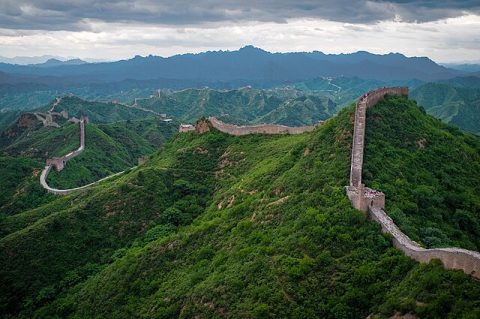
The Great Wall of China
One of the world's most impressive architectural feats, the Great Wall stretches over 13,000 miles. Visit the nearest restored sections at Badaling (about an hour from the city center) or the rugged Jinshanling for a more authentic experience. Best visited early morning to avoid crowds. The wall winds through dramatic mountain terrain offering breathtaking views.
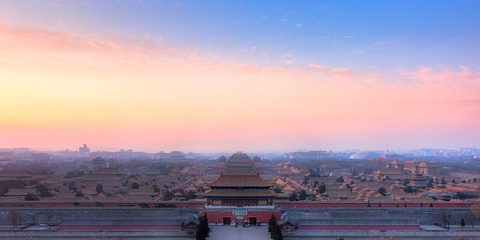
Forbidden City
The world's largest palace complex with nearly 1,000 buildings spanning nearly 183 acres. Home to 24 emperors of the Ming and Qing dynasties, this masterpiece of ancient Chinese architecture features ornate throne rooms, imperial gardens, and precious artifacts. Allow 3-4 hours for a thorough exploration of the outer and inner courts.
Tips for Landmarks & Monuments
- Reserve Forbidden City tickets in advance through the official Palace Museum site or WeChat mini-program; same-day tickets are not sold. Check the Summer Palace’s current ticket arrangements before visiting.
- Wear comfortable shoes as these sites require extensive walking
- Visit early morning (8-9 AM) to avoid peak tourist crowds
- Bring water and sun protection, especially during summer
- Hire a guide for deeper historical insights
World-class institutions preserving China's rich cultural heritage and contemporary art, from ancient artifacts to modern masterpieces.
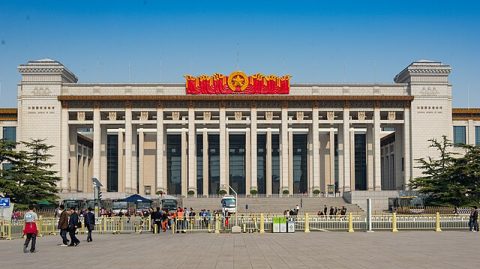
National Museum of China
One of the world's largest museums by floor area, located on Tiananmen Square. Houses extensive collections of Chinese art, ancient bronzes, jade, ceramics, and cultural relics dating back millennia. The museum covers both classical Chinese history and the revolutionary period. Admission is free, but all visitors need a real-name reservation in advance; bring the original ID used to book.
Palace Museum (Forbidden City Museum)
The museum housed within the Forbidden City contains over one million precious artifacts including imperial porcelain, jade carvings, calligraphy, paintings, and personal imperial belongings. The collection represents the finest achievements of Chinese imperial craftsmanship across dynasties.
Beijing Capital Museum
Verify the current exhibitions and gallery count with the museum before visiting. Features significant historical artifacts and interactive exhibits. The architecture itself is a contemporary masterpiece blending traditional and modern design.
798 Art District
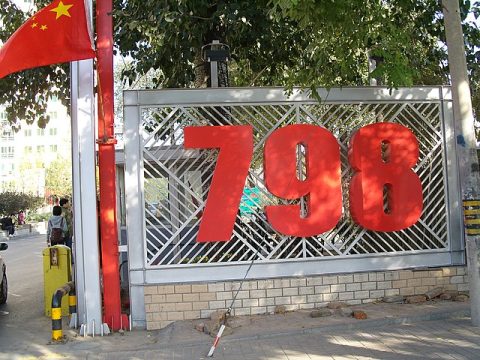
A cutting-edge contemporary art hub in a former military factory complex, now home to galleries, studios, restaurants, and boutiques. Features works by emerging and established Chinese and international artists. Free to explore the streets and most galleries, with some requiring admission. Perfect for art enthusiasts and photographers.
Tips for Museums & Galleries
- National Museum and Palace Museum require advance online booking
- Audio-guide availability and languages vary by museum; check the venue’s visitor information.
- Photography policies vary—check before visiting
- Weekday mornings have fewer crowds than weekends
- Many museums close on Mondays
Sacred places representing Buddhist, Taoist, and Chinese folk religions, offering spiritual experiences and architectural artistry.
Lama Temple (Yonghe Gong)
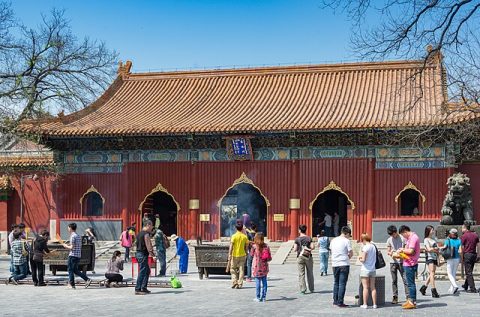
Beijing's most important Tibetan Buddhist temple complex, featuring colorful roofs, golden dragons, and intricate carvings. The main attraction is the impressive The statue is 26 meters tall in total, including 8 meters below ground; its above-ground height is 18 meters. Five interconnected courtyards showcase Buddhist art and monastic life. Active monks still reside here.
Great Bell Temple
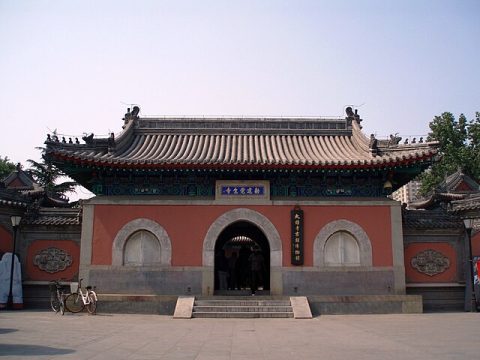
An ancient Buddhist temple housing the Great Iron Bell, Confirm the bell’s date and weight with the temple before publishing. The 108-bell carillon creates harmonious sounds. The temple features traditional Chinese architecture, bell museum exhibitions, and peaceful courtyards. Less crowded than major temples, offering a more intimate experience.
White Cloud Taoist Temple
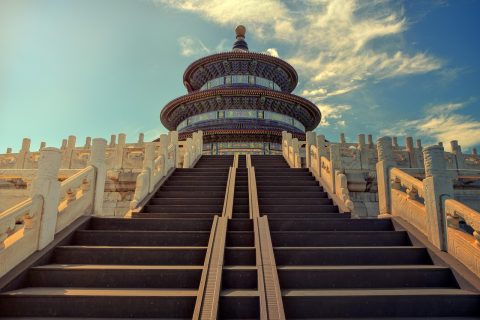
Beijing's largest Taoist temple complex The temple’s history is commonly traced to the Tang dynasty, but the specific 8th-century date needs confirmation from the temple., featuring distinctive architecture with white tiles and golden ornaments. The temple is an active place of worship with monks in residence. Multiple halls honor various Taoist deities. During Chinese New Year, it hosts massive festivals with temple fairs and traditional performances.
Confucius Temple
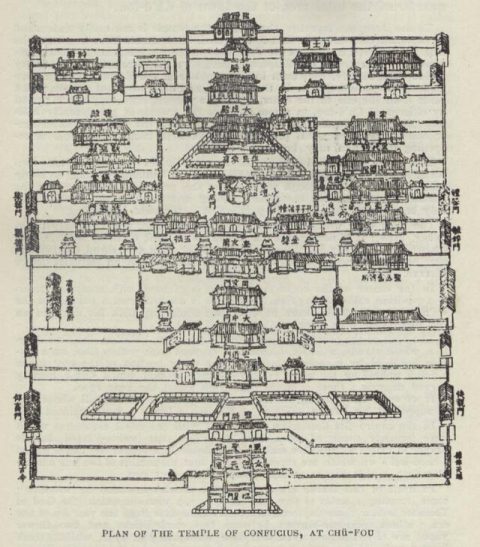
A tranquil temple dedicated to Confucius the great philosopher, featuring traditional Chinese courtyard architecture. The temple houses ancient stone tablets with historical inscriptions. Peaceful gardens and ancient cypress trees create a serene atmosphere perfect for reflection. Adjacent to the Imperial College Museum.
Tips for Religious Sites
- Dress respectfully when visiting active temples—cover shoulders and knees
- Remove shoes in certain temple areas
- Photography may be restricted in some inner sanctums
- Visiting early morning offers quieter, more spiritual experiences
- Incense burning creates smoky atmospheres—consider bringing a mask
Archaeological treasures and heritage structures revealing millennia of Chinese civilization, from Ming tombs to ancient palaces.
Ming Tombs
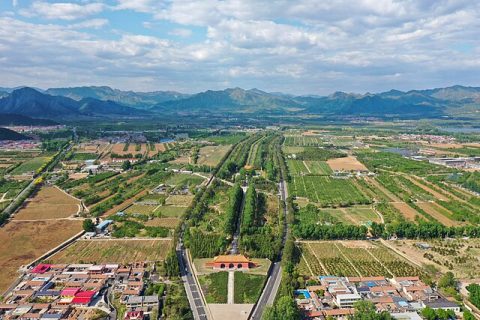
A vast necropolis containing 13 Ming Dynasty emperors in underground chambers beneath hillsides. The Sacred Way approaches the tombs with impressive stone sculptures of animals and officials. Only a few tombs are fully excavated and open to tourists. Changling is Yongle’s tomb; Dingling is the excavated tomb with an underground palace open to visitors.
Badaling Great Wall & Cable Car
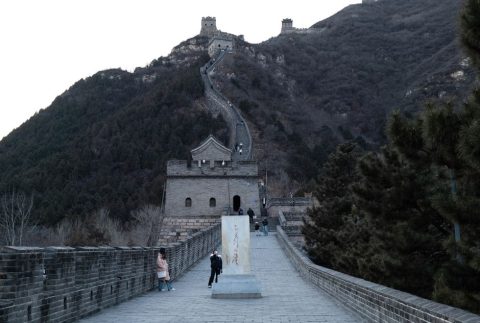
The most visited Great Wall section featuring well-preserved walls and towers Badaling has steep sections; the cited slope figure is incorrect—the visitor information describes a steep section reaching 70 degrees.. Take the cable car for easier access to higher sections, or hike for a more adventurous experience. The restored portions showcase Ming Dynasty construction with brick and stone. Panoramic views extend for miles across mountain terrain.
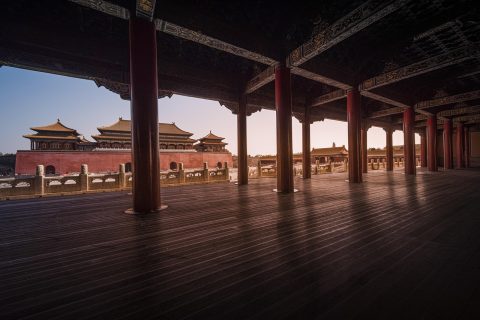
Ancient Observatory
A rare surviving structure from 1442 housing a collection of historic astronomical instruments. Located atop the old city wall, it features bronze instruments with intricate carvings including armillary spheres and astrolabes. The observatory is a museum with historic instruments and exhibitions; don’t promise a public panoramic-view deck. A fascinating blend of ancient science and astronomy.
Tips for Ancient & Historical Sites
- Great Wall sections require significant walking—wear proper hiking shoes
- Ming Tombs is best visited on a day trip combined with Great Wall
- Early morning visits avoid peak tour group crowds
- Bring plenty of water for outdoor historical sites
- Some sites have minimal shade—bring sun protection
Vibrant public spaces and lively thoroughfares showcasing urban energy, commercial vitality, and cultural atmosphere.
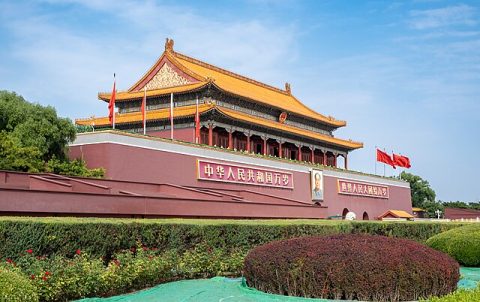
Tiananmen Square
The world's largest city square The square covers 440,000 square meters (about 109 acres). capable of holding 1 million people. Surrounded by the Forbidden City, National Museum, Great Hall of the People, and the Mausoleum of Mao. The square features the Monument to the People's Heroes and is a symbol of modern China. The square requires a real-name reservation; book a time slot before visiting, including for the flag-raising period.
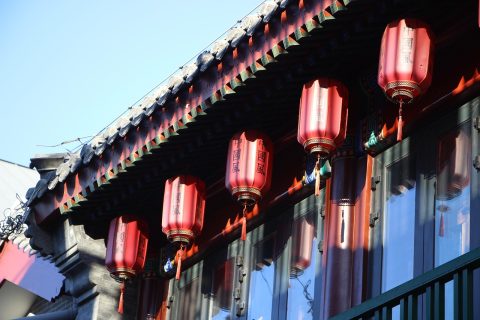
Qianmen Street
A reconstructed 700-year-old pedestrian shopping street featuring restored traditional architecture with red lanterns and intricate woodwork. The street offers restaurants, teahouses, souvenir shops, and street food vendors. Qianmen Gate marks the entrance with towering archways. Perfect for experiencing old Beijing atmosphere and purchasing traditional crafts.
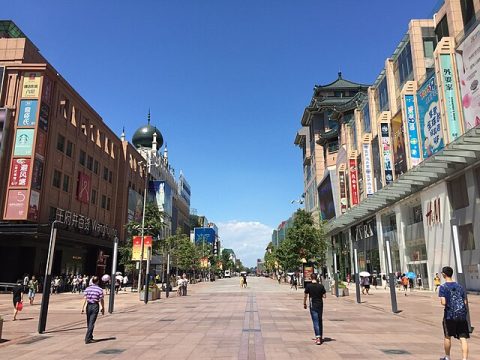
Wangfujing Street
Beijing's premier shopping and entertainment avenue spanning 1,255 meters lined with international brands, department stores, and flagship retailers. Features the Foreign Languages Bookstore and APM shopping mall. The street buzzes with energy day and night with restaurants, cafes, and street food stalls. Neon signs and storefronts create vibrant nightlife.
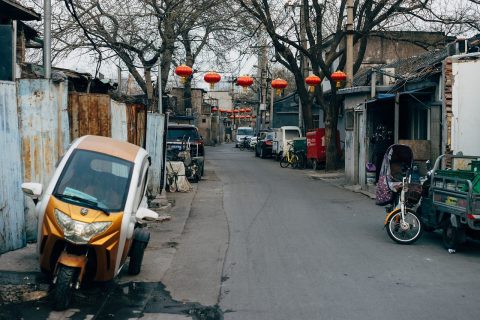
Hutong Alleys
Traditional narrow alleyways (hutongs) representing 700+ years of Beijing culture, lined with courtyard homes. Walking tours reveal local life, artisan workshops, teahouses, and historic residences. Some hutongs near Qianmen are commercialized while those near Bell Tower remain authentically residential. Rickshaw rides offer scenic tours through maze-like lanes.
Tips for Squares & Streets
- Tiananmen Square is best visited early morning before massive crowds arrive
- Wangfujing Street is extremely crowded on weekends and evenings
- Hutong exploration is best done with a knowledgeable local guide
- Many shops on Qianmen Street are tourist-oriented—bargain if interested
- Street food stalls offer unique snacks but ensure proper food safety practices
Distinctive areas showcasing Beijing's diverse character from imperial heritage to ultra-modern development and trendy cultural hubs.
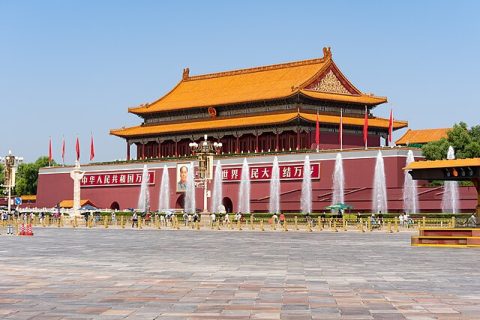
Dongcheng District
The historic cultural heart of Beijing containing major sites like Forbidden City, Tiananmen Square, Lama Temple, and hutong neighborhoods. This ancient imperial district blends historical monuments with vibrant modern commerce. Home to traditional teahouses, restaurants, and cultural experiences reflecting centuries of Beijing heritage.
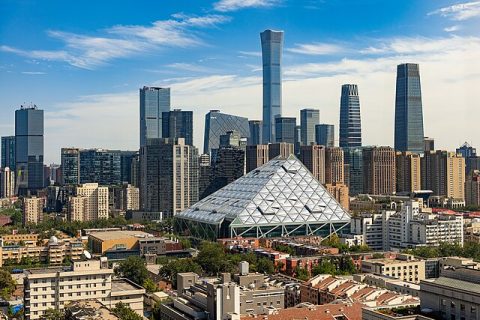
Chaoyang District
Beijing's business and entertainment hub featuring skyscrapers, luxury shopping, international restaurants, and nightlife. Home to Beijing Central Business District (CBD) with modern architecture and international brands. Features the CCTV Headquarters, Olympic venues, and trendy Sanlitun bar street. A showcase of modern China's development.
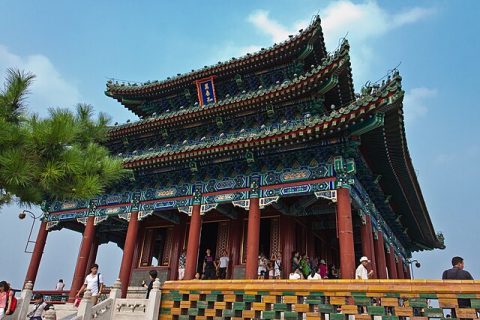
Xicheng District
A traditional residential area featuring hutongs, temples, and cultural sites including White Cloud Temple and Confucius Temple. Known for preserving old Beijing character with tree-lined streets and authentic local life. Less touristy than Dongcheng with better opportunities for genuine cultural experiences and local dining.
Tips for Neighborhoods & Districts
- Each district has distinct characteristics—plan visits based on interests
- Dongcheng concentrates most major tourist attractions
- Chaoyang offers modern shopping and dining experiences
- Hiring a guide helps navigate hutong neighborhoods effectively
- Public transportation connects districts efficiently
Serene green spaces and meticulously designed gardens offering respite from urban hustle with natural beauty and recreational opportunities.
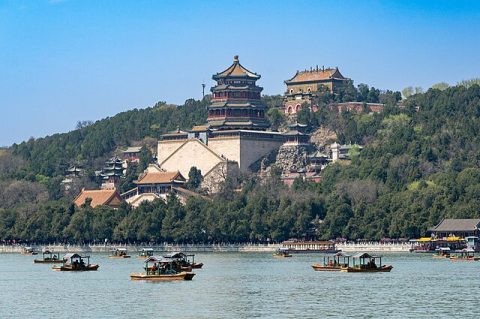
Summer Palace
A magnificent 741-acre UNESCO World Heritage imperial garden centered on Kunming Lake with traditional pavilions, temples, and scenic bridges. Built as a royal retreat, it showcases classical Chinese landscape design with artificial islands, marble boats, and corridors decorated with paintings. Boat rentals offer unique perspective across the serene lake.
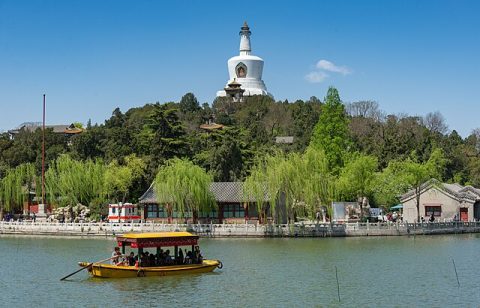
Beihai Park
An ancient imperial park with Beihai Lake at its center surrounded by pavilions, temples, and gardens. The stunning White Pagoda dominates the landscape from White Island in the lake center. The park offers traditional teahouses, restaurants, and peaceful walking paths. Popular for tai chi practitioners and locals enjoying scenic landscapes.
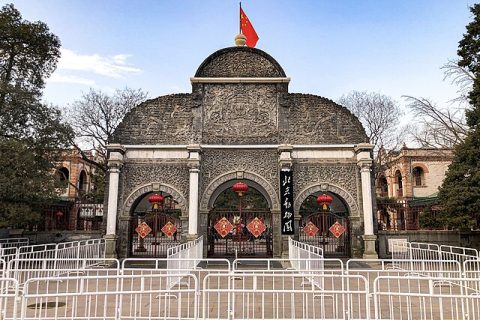
Beijing Zoo
China's oldest zoo established in 1906, home to over 2,000 animals including the iconic giant pandas. The zoo features diverse habitats from tropical zones to polar exhibits. Modern facilities provide good viewing platforms, though some areas remain basic. The giant panda pavilion is the main attraction attracting visitors worldwide.
Tips for Parks & Gardens
- Summer Palace and Beihai Park are best visited early morning or late afternoon
- Rent a boat at Summer Palace for unique perspectives and cool relief
- Temple fairs occur seasonally—check dates before visiting
- Many parks have teahouses for refreshing breaks
- Spring (cherry blossoms) and autumn offer the most pleasant park experiences
Guided experiences and interactive activities offering deeper engagement with Beijing's culture, cuisine, and contemporary life.
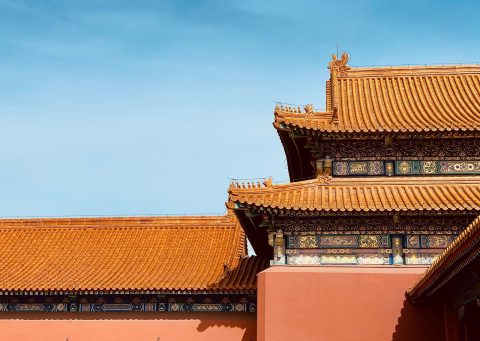
Traditional Beijing Opera Performance
Experience 400-year-old classical performance art combining music, acrobatics, martial arts, and elaborate costumes. Performances feature mythological tales and historical legends with distinctive falsetto singing. The National Center for Performing Arts and smaller traditional theaters offer nightly shows. English subtitles help international audiences follow complex narratives.
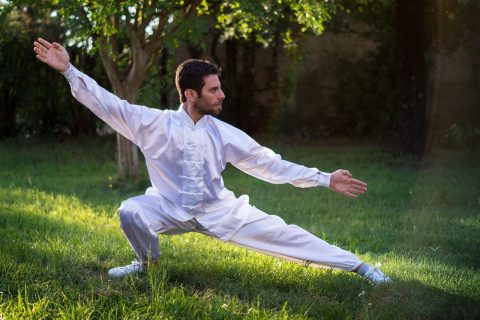
Tai Chi Class at Sunrise
Join local practitioners for traditional tai chi lessons in parks like Beihai or Temple of Heaven at sunrise. Professional instructors teach slow, meditative movements improving balance and flexibility. Sessions last 1-2 hours followed by tea. A peaceful, authentic way to experience Chinese wellness culture alongside locals.
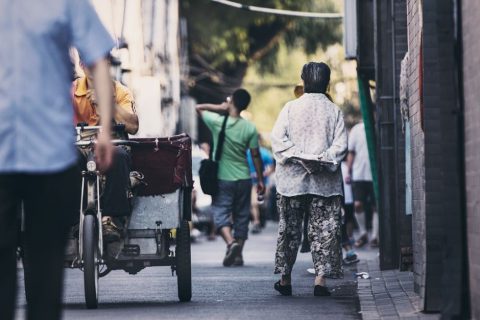
Hutong Walking & Rickshaw Tours
Explore traditional alleyways on foot or via traditional pedicab rickshaw tours guided by locals. Visit courtyard homes, artisan workshops, family-run restaurants, and teahouses. Tours reveal authentic Beijing life with stories of residents and historical sites. Evening tours showcase lantern-lit alleyways creating nostalgic atmospheres.
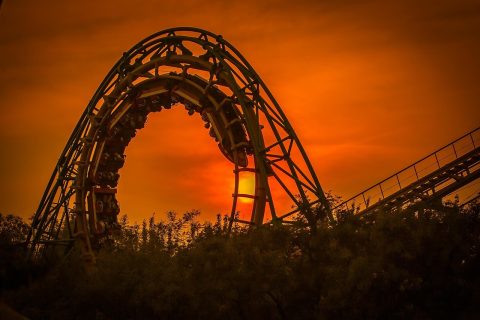
Cooking Class
Hands-on classes teaching traditional Peking duck preparation and regional Chinese cuisine. Professional chefs instruct techniques, ingredient selection, and authentic recipes. Classes include visits to local markets and concludes with enjoying your prepared meals. Perfect for food enthusiasts wanting deeper culinary understanding.
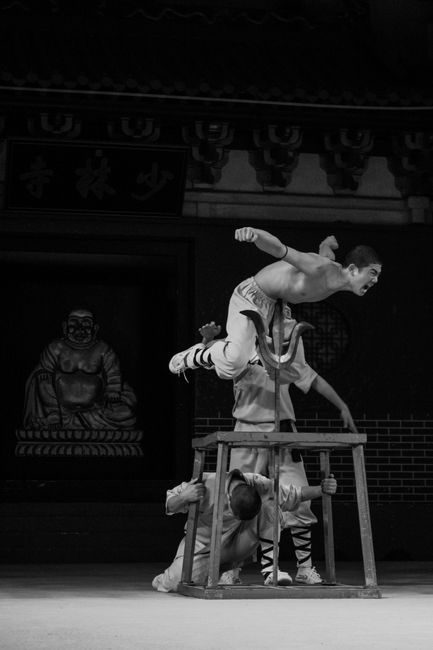
Martial Arts & Kung Fu Performance
Watch acrobatic Chinese martial arts performances featuring kung fu masters demonstrating fighting techniques, staff combat, and acrobatic feats. Shows combine entertainment with traditional combat skills. Professional troupes perform at theaters and venues citywide. Daytime and evening performances available with varying skill demonstrations.
Tips for Tours & Activities
- Book tours and performances through reputable agencies to ensure quality
- Many guided tours depart from major hotel lobbies or metro stations
- Morning tai chi classes require early wake-up but offer magical experiences
- Cooking classes should include market visits for complete culinary experience
- Traditional performances have peak seasons—book ahead during Chinese holidays
Nearby destinations offering varied experiences from ancient walls to scenic mountains, accessible by public transit or organized tours.
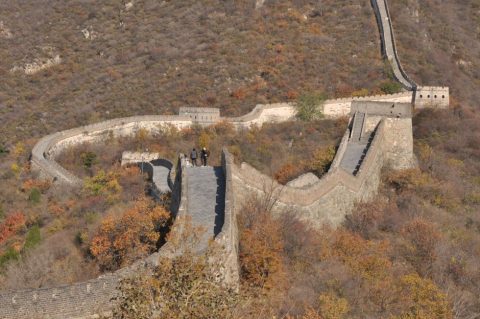
Great Wall at Jinshanling
A less-crowded Great Wall section perfect for hiking and photography with stunning mountain vistas. The wall features both restored brick sections and crumbling original walls showing authentic age and weathering. Hiking trails of varying difficulty wind through forested terrain. Sunrise and sunset offer dramatic lighting for photographers. Approximately 2 hours from Beijing.
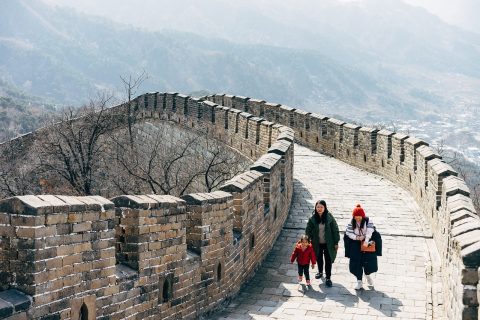
Mutianyu Great Wall & Toboggan
A scenic Great Wall section surrounded by lush forests with cable car access and a thrilling toboggan slide descent. The restored wall features well-preserved towers with excellent views. Cable cars provide easy ascent avoiding strenuous climbing. A 2.7-km toboggan offers fun descent with speed control. About 90 minutes from Beijing.
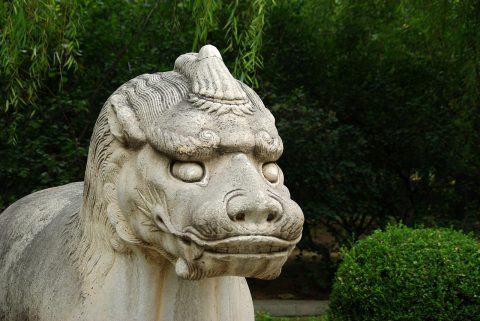
Ming Tombs Full Day Trip
Explore 13 imperial tombs of Ming Dynasty emperors in a vast necropolis with Sacred Way featuring guardian statues and stone sculptures. Archaeological excavations reveal underground chambers with precious artifacts and murals. The complex showcases imperial burial customs and architectural grandeur. Often combined with Great Wall visit. about an hour north of Beijing.
Tips for Day Trips & Excursions
- Day trips to Great Wall sections require early morning departures
- Hire private drivers for flexible itineraries or group tours for social experiences
- Pack plenty of water, snacks, and sun protection for outdoor excursions
- Great Wall hiking requires proper footwear and physical conditioning
- Combine multiple sites on single day trips for efficiency (Great Wall + Ming Tombs)
Contemporary and traditional artistic expressions scattered throughout the city, adding visual interest and cultural value to urban spaces.
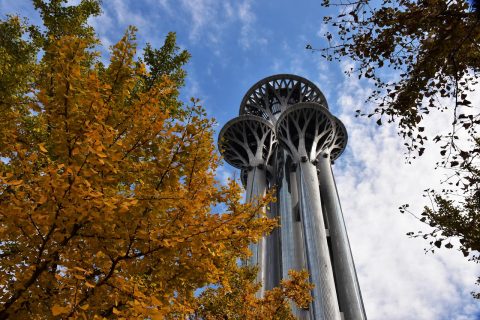
Olympic Green Sculptures
Large-scale public artworks in the Olympic Park created for 2008 Beijing Olympics. Modern sculptures, fountains, and installations showcase contemporary Chinese art. The National Stadium (Bird's Nest) and National Aquatics Center (Water Cube) are architectural masterpieces. Free area with walking paths, parks, and cultural venues creating dynamic urban arts space.
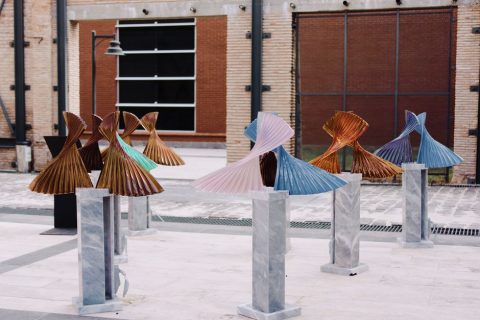
Art 798 District Galleries & Sculptures
A former military factory complex transformed into contemporary art district featuring galleries, studios, and outdoor sculptures. Modern art installations, murals, and sculptures line streets and courtyards. Cutting-edge exhibitions showcase emerging Chinese and international artists. Trendy cafes, restaurants, and boutiques blend cultural experience with leisure.
Tips for Fountains & Public Art
- Olympic Park is extensive—wear comfortable shoes for exploration
- Art 798 galleries have varying hours and admission fees
- Photography is excellent at both locations during golden hour
- Trendy cafes and restaurants in Art 798 provide good dining options
Real, highly-rated Restaurants in Beijing, sourced from Google Places (rating above 4★).
Shengyongxing Roasted Duck Restaurant Sanlitun Branch
Shengyongxing Roasted Duck Restaurant Sanlitun Branch is a highly-rated restaurant in Beijing, rated 4.7★ from 63 reviews. Located at China, Bei Jing Shi, Chao Yang Qu, Xin Dong Lu, 甲5号CN 北京市 邮政编码: 100027.
Jing
Jing is a highly-rated restaurant in Beijing, rated 4.6★ from 21 reviews. Located at China, Bei Jing Shi, Dong Cheng Qu, Jin Yu Hu Tong, 8号王府半岛酒店 邮政编码: 100006.
Opening Hours
- Monday: 11:00 AM – 10:00 PM
- Tuesday: 11:00 AM – 10:00 PM
- Wednesday: 11:00 AM – 10:00 PM
- Thursday: 11:00 AM – 10:00 PM
- Friday: 11:00 AM – 10:00 PM
- Saturday: 11:00 AM – 10:00 PM
- Sunday: 11:00 AM – 10:00 PM
Liu's Family And Restaurant
Liu's Family And Restaurant is a highly-rated restaurant in Beijing, rated 4.6★ from 177 reviews. Located at 8 Mei Shu Guan Dong Jie, Dong Cheng Qu, Bei Jing Shi, China, 100009.
Opening Hours
- Monday: 11:00 AM – 10:00 PM
- Tuesday: 11:00 AM – 10:00 PM
- Wednesday: 11:00 AM – 10:00 PM
- Thursday: 11:00 AM – 10:00 PM
- Friday: 11:00 AM – 10:00 PM
- Saturday: 11:00 AM – 10:00 PM
- Sunday: 11:00 AM – 10:00 PM
Explore Beijing on the Map
Ideal Visiting Seasons
Spring (April-May): Pleasant temperatures (15-25°C), blooming flowers, cherry blossoms in parks, and comfortable outdoor exploration. Air quality generally improves. This is peak tourist season with higher prices and crowds.
Autumn (September-November): Clear skies, mild temperatures (10-20°C), and vibrant autumn foliage. Excellent visibility for sightseeing and photography. Comfortable weather for outdoor activities. Generally considered the best season.
Summer (June-August): Hot and humid (25-35°C+), occasional rain, and high pollution levels. Monsoon season brings afternoon thunderstorms. Despite heat, it's popular with families on vacation. Avoid midday outdoor activities.
Winter (December-February): Cold (−5 to 5°C), dry, and occasionally snowy. Beautiful clear skies but requires heavy clothing. Heating indoors is excellent. Chinese New Year festivities create vibrant cultural experiences. Fewer tourists mean shorter queues.
Best Overall: September-October offers ideal weather, clear air, and comfortable conditions for all outdoor activities.
Getting Around Beijing
Beijing Subway: The most efficient transportation. The city government lists 27 operating lines. Stations are modern and signs are bilingual. Frequent trains every 2-5 minutes during peak hours. Fares are affordable (low distance-based fares). Purchase IC cards (一卡通) at stations for convenient travel. Avoid rush hours (7-9 AM, 5-7 PM). English signage at major stations aids navigation.
Buses: Extensive network of over 1,000 routes covering entire city. Cheap (1-2 RMB base fare) but slower than subway. Useful for sightseeing routes. Apps like Beijing Bus help navigate complex system. Obtain IC card for convenient payment.
Taxis: Metered taxis with with a starting fare shown on the meter. Red taxis are official; avoid unmarked vehicles. Didi app (similar to Uber) offers safer booking. Negotiate fares for long-distance trips or hire hourly rates.
Bicycle Sharing: Bikeshare programs (Mobike and Ofo are outdated examples; check current operators and availability locally.) offer convenient short-distance travel. Beijing has extensive bike lanes in many areas. Popular for hutong exploration and eco-friendly sightseeing.
Private Hire: Book private drivers through apps or tour companies for comfortable, flexible day trips (price varies; agree it first).
Airport Transfer: Both Capital and Daxing serve international and domestic flights; check your ticket for the airport.Beijing Daxing has its own airport express, which runs to Caoqiao; use the current fare and timetable for your destination. Airport buses (low fare), subway lines, and taxis provide connections to downtown (30-45 minutes).
✈️ Airport Transfer
Beijing Capital International Airport (PEK) to city center:
- Capital Airport Express serves Dongzhimen and Sanyuanqiao and costs CNY 25; the ride time depends on the station.
- Airport Shuttle Bus: Multiple lines cover major districts like Beijing South Station and Xidan in 45-70 minutes, a low fare depending on route
- Taxi: Metered ride to city center takes roughly 45-60 minutes and at a metered fare plus an airport surcharge, more in heavy traffic
- Private Transfer: Pre-booked car service to downtown hotels takes about 45 minutes and at a price to confirm when booking
Shopping Guide
What to Buy in Beijing: Silk products (scarves, robes, tapestries), jade and gemstone jewelry, traditional Chinese paintings and calligraphy, tea (pu-erh, oolong from premium shops), jade seals, cloisonné enamelware, peony flowers (spring), Beijing duck ceramics, and traditional medicine products.
Premium Shopping Areas: Wangfujing Street offers international brands and luxury shopping with modern malls. Qianmen Street features traditional shops, teahouses, and cultural products. Sanlitun Village combines upscale international brands with trendy cafes. Chaoyang District hosts designer boutiques and contemporary galleries.
Antique & Curio Markets: Panjiayuan Antique Market (weekends especially) offers furniture, art, ceramics, and collectibles with intense bargaining culture. Liulichang Street specializes in traditional art supplies, books, and cultural products. Guanjiayuan Art Market features contemporary art and sculptures.
Tea Markets: Maliandao Tea Street has 100+ tea shops offering various Chinese tea varieties. Expert tea masters provide guidance. Prices range from affordable to premium specialty teas. Conduct tastings before purchasing larger quantities.
Bargaining Tips: Haggling is expected at antique markets and street vendors (start at 50% of asking price). Department stores and chain shops have fixed prices. Polite negotiation often yields 10-30% discounts. Avoid pushy vendors in tourist areas offering suspiciously low prices on antiques.
Markets to Avoid: Fake products are prevalent in some tourist-oriented markets. Purchase antiques and luxury items at established shops with reputations. Be cautious of scams offering jade testing or private shopping opportunities in unmarked locations.
Annual Events & Festivals
Chinese New Year (Spring Festival): Typically January-February. Massive temple fairs at parks featuring traditional performances, food stalls, folk games, and cultural activities. The city is illuminated with red lanterns and decorations. Major fairs at Ditan Park, Longtan Lake Park. Peak crowds on first few days; quieter after Day 5.
Peony Flower Festival: April at gardens like Summer Palace, Juyongguan Gorge. Thousands of peonies bloom in spectacular displays. Garden photography becomes iconic. Peak blooming 10-day period varies annually based on weather.
Dragon Boat Festival: May-June. Traditional dragon boat races on lakes and rivers featuring decorated boats and competitive teams. Cultural performances and special food (zongzi) are consumed.
Beijing International Film Festival: Usually April. Premiere screenings, film exhibitions, and industry events throughout the city. International and Chinese films are featured in various cinemas.
Midi Music Festival: September-October. Large-scale rock and pop music festival featuring international and Chinese artists. Multi-day outdoor event with camping options near Beijing.
Beijing Design Week: September-October. Contemporary design exhibitions, installations, and cultural events celebrating architecture and product design across the city.
National Day Celebrations: October 1-7. Golden Week public holidays with parades, special exhibitions, and cultural performances. Heavy tourism and shopping crowds; expect reduced discounts.
Chrysanthemum Festival: October-November at parks and botanical gardens. Thousands of chrysanthemum varieties create stunning displays. Photography opportunities abound in traditional garden settings.
5-Day Itinerary Plan
Day 1: Imperial Beijing Heritage (8 hours)
- 8:00 AM: Start early at Tiananmen Square for sunrise viewing and monument walks. The flag-raising time changes with sunrise; check the official daily schedule and reserve a flag-raising time slot.
- 9:00 AM-12:00 PM: Visit Forbidden City, exploring outer and inner courts, throne rooms, imperial gardens. Book timed entry tickets online.
- 12:30-1:30 PM: Lunch at Qianmen Street traditional restaurants (Peking duck, noodles).
- 2:00-4:00 PM: Hutong rickshaw tour or walking exploration in surrounding alleyways, visiting local teahouses.
- 4:30-6:00 PM: Climb Jingshan Park for sunset views overlooking Forbidden City and city skyline.
- Evening: Dinner at a traditional Beijing restaurant, optional Beijing Opera performance.
Day 2: Great Wall Adventure (10 hours)
- 6:00 AM: Early departure for Badaling or Jinshanling Great Wall section.
- 7:00-11:00 AM: Hike Great Wall sections, explore towers, take photographs from scenic viewpoints.
- 11:30 AM-12:30 PM: Lunch at base facility restaurant.
- 1:00-3:00 PM: Continue exploring or relax, visit Great Wall museum exhibits.
- 3:30-5:00 PM: Return drive to Beijing with photo stops.
- Evening: Rest and recovery, light dinner, early sleep for next day.
Day 3: Sacred Sites & Temples (8 hours)
- 8:00-9:00 AM: Sunrise tai chi session at Beihai Park or temple grounds with local practitioners.
- 9:30 AM-11:30 AM: Visit Lama Temple (Yonghe Gong), observe Buddhist rituals, view Buddha statue.
- 12:00-1:30 PM: Lunch in Dongcheng District, traditional Chinese cuisine.
- 2:00-4:00 PM: Explore Confucius Temple and Imperial College, ancient stone tablets, peaceful courtyards.
- 4:30-6:00 PM: Visit White Cloud Taoist Temple, observe Taoist architecture and practices.
- Evening: Dinner at Buddhist-vegetarian restaurant, evening stroll through temple district.
Day 4: Museums & Contemporary Art (8 hours)
- 9:00 AM-12:00 PM: National Museum of China, exploring diverse Chinese history and art collections.
- 12:30-1:30 PM: Lunch near Tiananmen area.
- 2:00-5:00 PM: Explore 798 Art District galleries, contemporary sculptures, street art, and trendy cafes.
- 5:30-6:30 PM: Shopping at nearby boutiques and design shops.
- Evening: Dinner at Art District restaurant, evening art gallery viewing or museum special exhibitions.
Day 5: Summer Palace & Local Life (8 hours)
- 8:00-9:00 AM: Travel to Summer Palace.
- 9:00 AM-12:30 PM: Explore palace buildings, gardens, boat rental on Kunming Lake, visit pavilions and temples.
- 12:30-1:30 PM: Lakeside lunch at traditional teahouse.
- 2:00-4:00 PM: Visit nearby Beihai Park or shopping on Wangfujing Street.
- 4:30-6:00 PM: Cooking class preparation and market visit.
- Evening: Enjoy prepared dishes from cooking class, packing and departure preparations.
Best Photography & Instagram Locations
Golden Hour Photography (Sunrise/Sunset): Jingshan Park offers unobstructed panoramic views of Forbidden City and city skyline illuminated by golden light. Sunrise arrives around 4:30-5:30 AM; sunset around 6:00-7:00 PM (seasonal variation). Arrive early for best positioning and clear skies.
Great Wall Photography: Jinshanling section provides dramatic perspectives with mix of restored brick and crumbling walls against forested mountains. Morning light accentuates texture and shadows. Sunrise and sunset create golden glow on stone. Misty mornings create mystical atmospheres.
Forbidden City Symmetry: Photograph through ornate gates and doorways capturing repeating architectural elements and red walls. Morning light minimizes crowds and harsh shadows. Courtyards provide excellent composition with traditional architecture framing.
Summer Palace Lake Reflections: Kunming Lake offers serene water reflections of pavilions and bridges, especially at sunrise and twilight. Marble Boat creates iconic composition. Boat rental provides unique water-level perspectives. Autumn foliage reflects beautifully in calm waters.
Hutong Atmospheric Shots: Juer Hutong, Nanluoguxiang alleyways offer traditional courtyard gates, red lanterns, and local life scenes. Morning and evening light creates dramatic shadows on narrow lanes. Winter snow adds romantic atmosphere. Narrow alley framing creates depth.
Temple & Spirituality: Lama Temple golden roofs, incense smoke, and Buddhist imagery create mystical photos. White Cloud Temple white-tiled roofs contrast dramatically with blue skies. Worship activities and monk routines provide cultural storytelling opportunities.
Modern Architecture: CCTV Headquarters, Olympic Stadium, and contemporary mall designs offer geometric patterns and modern aesthetics. Night photography reveals neon reflections and urban energy. Contrast with traditional architecture tells Beijing's modern-ancient duality.
Street Markets: Panjiayuan Antique Market (weekends) offers colorful displays, vendor portraits, and authentic market energy. Early morning before crowds arrive provides clearest visibility. Varied textures and colors create dynamic compositions.
Night Photography: Wangfujing Street neon lights and illuminated storefronts create vibrant night scenes. CBD district skyscrapers create modern skyline shots. Temple lanterns and holiday decorations add atmospheric elements.
Best Times Overall: March-April (spring flowers, clear skies) and September-November (autumn foliage, blue skies, perfect light). Avoid summer (hazy air quality) and peak tourism hours (10 AM-3 PM).
Electrical Standards & Adapters
Voltage: 220V, 50 Hz throughout China. Different from the US (110V) and some other countries. European appliances (220V) work directly. North American appliances (110V) require voltage converters for safe operation.
Plug Types: China uses Type A (two flat pins), Type C (two round pins), and Type I (two flat angled pins) plugs. Many hotels feature Type A (American style). Purchase multi-type universal adapters at airports or electronics stores before arrival for flexibility across various outlet types.
Where to Buy Adapters: International airports sell adapters at inflated prices. Electronics malls in Chaoyang District, Zhongguancun offer competitive prices on voltage converters and adapters. Hotels provide adapters at front desk (sometimes free, sometimes chargeable).
Hotel Conveniences: Most modern hotels provide USB charging ports and international outlet adapters in rooms. Request adapters from front desk if unavailable in rooms. Budget hotels may lack these conveniences—plan accordingly.
Purchasing Electronics: China operates on 220V; electronics purchased locally are designed for this voltage. Bring back to 110V countries would require voltage converters. Some retailers sell dual-voltage appliances suitable for international travel.
Safety Tips: Never use improper voltage without conversion—risk of device damage and fire hazard. Verify converter wattage matches appliance requirements. Budget converters may not handle high-wattage appliances (hair dryers). Unplug devices during non-use and thunderstorms.
Must-Try Beijing Cuisine
Peking Duck (北京烤鸭): Beijing's most iconic dish featuring crispy-skinned roasted duck with tender meat. Traditionally served with thin wheat pancakes, sweet bean sauce, and cucumber-scallion garnish. Diners wrap duck slices in pancakes creating flavorful bundles. Restaurants like Quanjude, Dadong are legendary establishments. Cost ranges from 60-200+ RMB per whole duck depending on restaurant.
Jianbing (煎饼): A savory crepe breakfast staple filled with egg, crispy fried wonton, scallions, and sauce. Vendors prepare hot on griddles at street stalls. Inexpensive (3-5 RMB) and satisfying morning meal. Variations include different fillings and sauce combinations.
Malatang (麻辣烫): A DIY hotpot experience where diners select raw vegetables, noodles, meat, and seafood from displays, then cook in spicy broth at communal pots. Casual, interactive dining perfect for groups. Budget-friendly (30-50 RMB per person). Available at night markets and casual restaurants.
Baozi (包子): Steamed buns filled with pork, beef, or vegetables. Breakfast favorite available at dim sum restaurants and street vendors. Fluffy steamed dough envelops savory or sweet fillings. Inexpensive (1-3 RMB per bun) and available everywhere.
Dumplings (饺子): Beijing-style pork and vegetable dumplings prepared boiled, steamed, or pan-fried. Famous dumpling shops create varieties with different wrappers and fillings. Authentic experience at local restaurants over fancy establishments. Typically 6-10 dumplings per order (15-30 RMB).
Hot Pot (火锅): Communal interactive dining where diners cook raw ingredients in simmering broth at table. Meats, vegetables, tofu, mushrooms, and seafood are dunked briefly in hot broth. Modern restaurants offer creative broths (spicy, mild, medicinal). Popular for group dining (50-150 RMB per person depending on ingredients).
Noodles & Noodle Soups: Lanzhou beef noodles, chow mein, and cold sesame noodles are ubiquitous quick meals. Noodle shops serve hot soups with various toppings. Affordable (8-15 RMB) and quick service ideal for busy days. Excellent quality at dedicated noodle specialist shops.
Dining Tips: Lunch hours (11:30 AM-1:30 PM) and dinner (5:30-7:30 PM) experience peak crowds at popular restaurants. Arrive early or make reservations for upscale establishments. Many casual restaurants only have Chinese menus—download translation apps or point at other diners' dishes. Tipping is not customary; round up bill for service appreciation.
Night Markets: Wangfujing Street night market, Temple fairs offer food stalls with diverse street food. Try stir-fried scorpions, starfish, crickets (adventurous eaters), alongside more conventional skewers, crepes, and dumplings. Hygienic concerns at lesser-known stalls—choose busy vendors with visible sanitation.
Dietary Restrictions: Vegetarian options are abundant—Buddhist restaurants specialize in meat-free cuisine. Communicate dietary restrictions clearly (allergies, religion) as cross-contamination is common. Learning basic Chinese phrases for restrictions helps significantly.
Tourist Passes
More about Beijing
Photo credits (25)
- The Great Wall of China: photo by Severin.stalder, CC BY-SA 3.0, via Wikimedia Commons
- Forbidden City: photo by Pixelflake, CC BY-SA 3.0, via Wikimedia Commons
- National Museum of China: photo by xiquinhosilva, CC BY 2.0, via Wikimedia Commons
- Palace Museum (Forbidden City Museum): photo by user:kallgan, CC BY-SA 3.0, via Wikimedia Commons
- Beijing Capital Museum: photo by N509FZ, CC BY-SA 4.0, via Wikimedia Commons
- 798 Art District: photo by Cory M. Grenier, CC BY-SA 2.0, via Wikimedia Commons
- Lama Temple (Yonghe Gong): photo by xiquinhosilva, CC BY 2.0, via Wikimedia Commons
- Great Bell Temple: photo by User:Clithering, CC BY-SA 2.5, via Wikimedia Commons
- White Cloud Taoist Temple: photo by Unknown authorUnknown author, Public domain, via Wikimedia Commons
- Confucius Temple: photo by Unknown, Public domain, via Wikimedia Commons
- Ming Tombs: photo by Charlie fong, CC BY-SA 4.0, via Wikimedia Commons
- Ancient Observatory: photo by Steve46814, CC BY-SA 4.0, via Wikimedia Commons
- Badaling Great Wall & Cable Car: photo by Arian Zwegers from Brussels, Belgium, CC BY 2.0, via Wikimedia Commons
- Tiananmen Square: photo by xiquinhosilva, CC BY 2.0, via Wikimedia Commons
- Qianmen Street: photo by Zheng sun, CC BY-SA 4.0, via Wikimedia Commons
- Wangfujing Street: photo by Hal 0005, CC BY-SA 4.0, via Wikimedia Commons
- Hutong Alleys: photo by FLASHPACKER TRAVELGUIDE, CC BY-SA 2.0, via Wikimedia Commons
- Chaoyang District: photo by N509FZ, CC BY-SA 4.0, via Wikimedia Commons
- Dongcheng District: photo by N509FZ, CC BY-SA 4.0, via Wikimedia Commons
- Xicheng District: photo by Nikolaj Potanin from Russia, CC BY-SA 2.0, via Wikimedia Commons
- Summer Palace: photo by xiquinhosilva, CC BY 2.0, via Wikimedia Commons
- Beihai Park: photo by xiquinhosilva, CC BY 2.0, via Wikimedia Commons
- Beijing Zoo: photo by N509FZ, CC BY-SA 4.0, via Wikimedia Commons
- Great Wall at Jinshanling: photo by Richard Mortel, CC BY 4.0, via Wikimedia Commons
- Mutianyu Great Wall & Toboggan: photo by David Berkowitz, CC BY 2.0, via Wikimedia Commons


.jpg)

.jpg)

.jpg)


.jpg)
.jpg)


.jpg)
.jpg)
.jpg)
.jpg)


.jpg)
.jpg)
