Plan your trip to Chengdu
- How long
- 3 days: the Panda Base, the old streets and temples, plus a day trip to Leshan or Emei.
- Best for
- Food and panda lovers: Sichuan cuisine, giant pandas and a relaxed tea-house culture.
- Skip it if
- You cannot handle spicy food: Sichuan dishes are famous for their heat and numbing peppercorns.
If you only do three things
- The Chengdu Research Base of Giant Panda Breeding (go at opening).
- Wenshu Monastery, Kuanzhai Alley and a tea house at People's Park.
- A Sichuan hotpot and a day trip to the Leshan Giant Buddha.
A one-day route
- Morning: The Giant Panda Base right at opening (pandas are most active early).
- Midday: Lunch at a Sichuan restaurant; Wenshu Monastery.
- Afternoon: Kuanzhai Alley and a tea house in People's Park.
- Evening: Hotpot, then a walk around Taikoo Li or the Jinli area.
Before you go
- Two airports serve Chengdu: Shuangliu (about 16 km from the center) and Tianfu (farther out, with Metro Line 18 to the center).
- Sichuan Museum is free but needs advance registration.
- Leshan is a day trip by train; Jiuzhaigou and Huanglong need a flight or a very long drive.
- Check current ticket prices on the official sites.
Prices, opening status and transport in this plan checked against official sources on 30 September 2026.
Things to do in Chengdu
Chengdu is home to iconic landmarks that blend ancient heritage with modern development, from Buddhist temples to historical gates that have shaped the city's cultural identity.
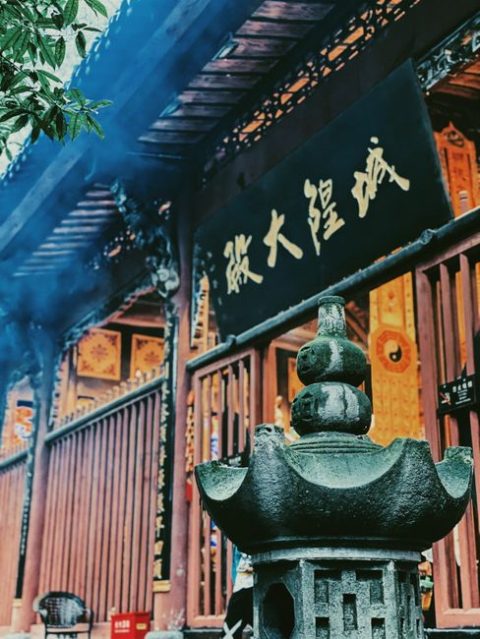
Wuhou Shrine (Temple of Marquis of Wu)
A sacred temple dedicated to Zhuge Liang, the legendary strategist of the Three Kingdoms period. This well-preserved complex features beautiful gardens, ancient halls, and historical artifacts spanning over 1,700 years. The shrine showcases exquisite architecture and serves as a pilgrimage site for history enthusiasts.
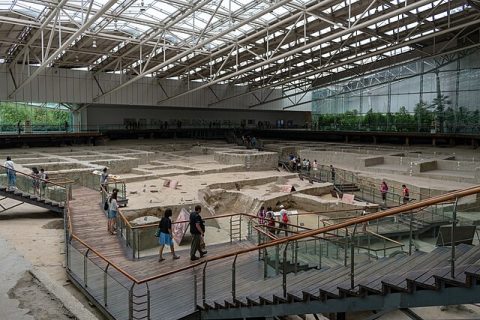
Jinsha Site Museum
An archaeological museum showcasing artifacts from the ancient Jinsha civilization dating back 3,200 years. The museum features gold masks, pottery, and bronze items that reveal the sophistication of this lost culture. Interactive exhibits and reconstructions bring history to life with stunning visual presentations.
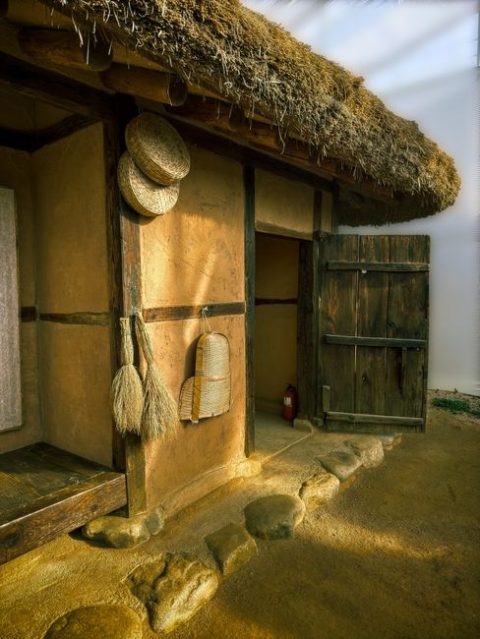
Dufu Thatched Cottage
The reconstructed home of Tang Dynasty poet Du Fu, one of China's greatest poets. Set in tranquil gardens with museums dedicated to his life and works. This peaceful retreat offers insight into ancient literary culture and features poetry inscriptions throughout the grounds.
Tips for Landmarks & Monuments
- Visit Wuhou Shrine early morning to avoid crowds and enjoy peaceful gardens
- Combine visits to multiple temples on the same day using public transport
- Photography is typically allowed; check specific rules at each site
Chengdu's museums offer comprehensive collections showcasing provincial history, art, and culture with excellent displays and interactive exhibits.
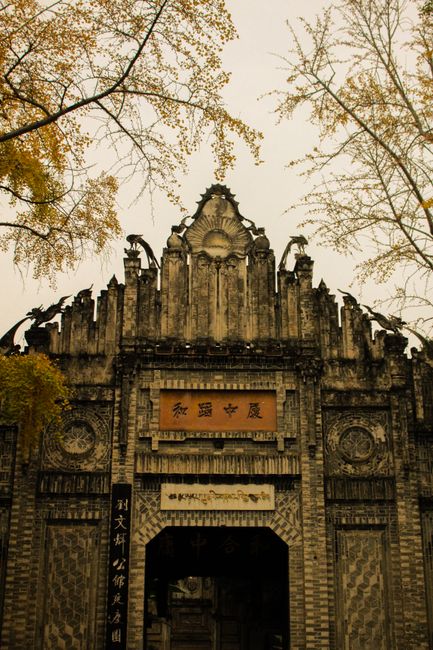
Sichuan Museum
The provincial museum featuring extensive collections of bronze vessels, Buddhist sculptures, and historical artifacts. The museum's layout covers Sichuan's history from ancient times to the modern era. Free admission with excellent English descriptions of major exhibits makes it highly accessible for international visitors.
Tips for Museums & Galleries
- Book Sichuan Museum online in advance during peak season
- Allow 2-3 hours for the Sichuan Museum's main collections
- Many museums offer free entry but require advance registration
- Most museums close on Mondays; plan accordingly
Chengdu's temples and religious sites represent centuries of Buddhist and Taoist traditions, featuring serene architecture and spiritual significance.
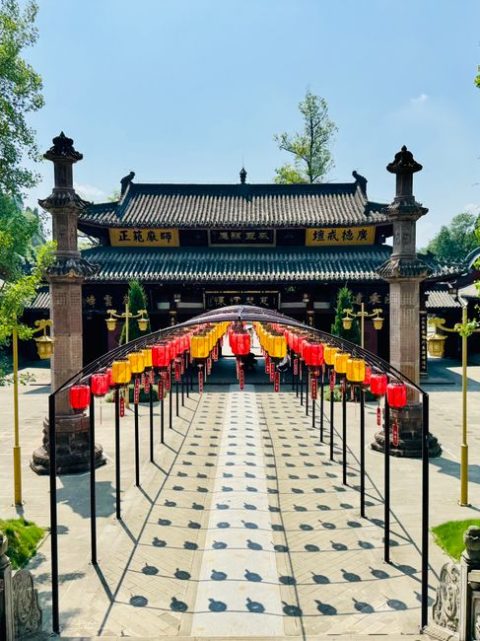
Wenshu Monastery
A stunning Buddhist temple established in the Tang Dynasty, dedicated to Wenshu (Manjusri), the bodhisattva of wisdom. The monastery features beautiful halls, tranquil courtyards, and an on-site vegetarian restaurant. The complex remains an active place of worship with monks in residence.
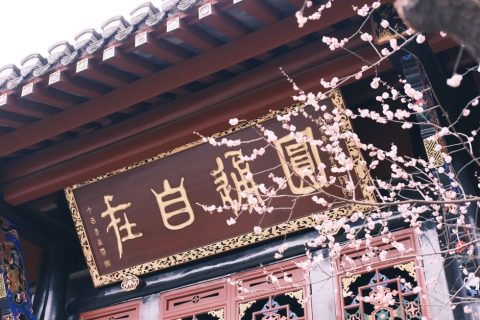
Qingyang Palace
Chengdu's largest and most important Taoist temple, dedicated to Laozi the founder of Taoism. The palace showcases intricate architecture, religious artworks, and ceremonial spaces. Active Taoist practices continue here, providing authentic insight into Chinese spiritual traditions.
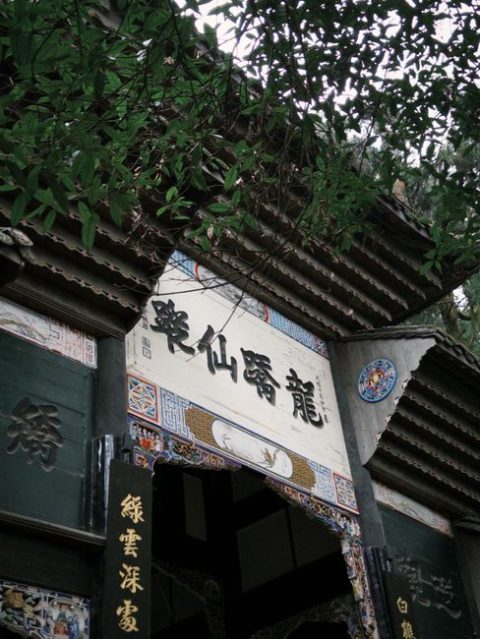
Baoguang Monastery
An ancient Buddhist temple featuring intricate stone pagodas and serene gardens. The monastery is renowned for its architectural beauty and peaceful atmosphere. Located outside the city center, it attracts fewer tourists, offering a more contemplative experience.
Tips for Religious Sites
- Remove shoes when entering temple halls; sandals recommended
- Dress respectfully; cover shoulders and knees
- Photography may be restricted in certain areas; always ask permission
- Visit early morning for meditative atmosphere and fewer crowds
Chengdu's parks offer peaceful green spaces, botanical collections, and recreational areas perfect for relaxation and nature appreciation.
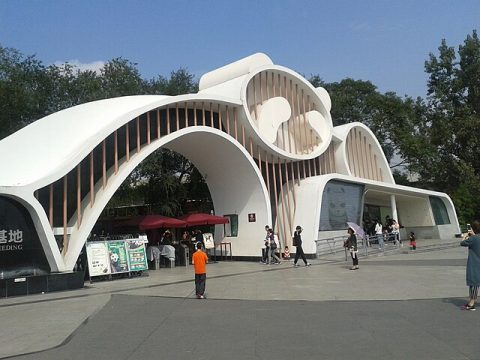
Chengdu Research Base of Giant Panda Breeding
The world's premier giant panda research and breeding facility with over 100 pandas in naturalistic habitats. Visitors can observe pandas at close range, learn about conservation efforts, and even participate in panda keeper experiences. The facility combines education with animal welfare excellently.
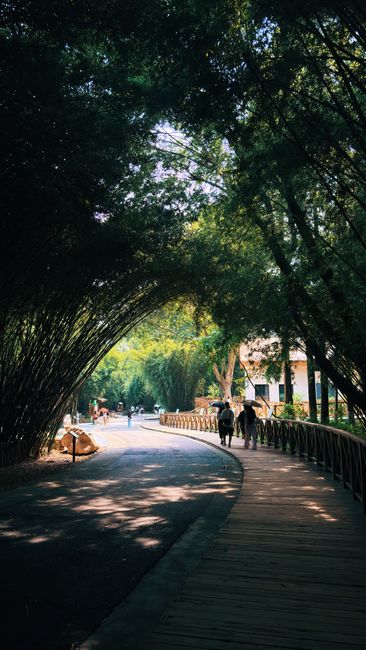
Broad and Narrow Alley Park (Kuanzhai Xiangzi)
Historic district adjacent to parks featuring Kuanzhai Alley dates to 1718, in the Qing Dynasty.. The alleyways showcase traditional Chengdu culture with modern amenities. Perfect for exploring local crafts, dining, and experiencing authentic city charm.
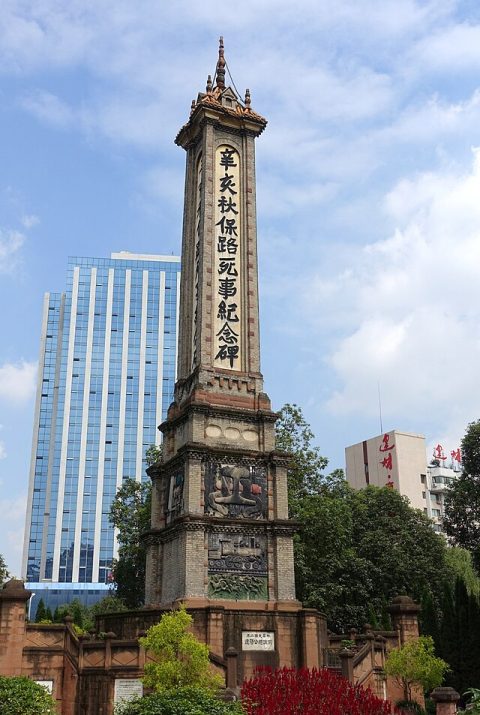
People's Park
Chengdu's main urban park featuring landscaped gardens, tea houses, and recreational spaces. The park is a gathering place for locals, offering glimpses of everyday Chengdu life. The scenic lake and century-old tea culture make it an ideal spot for relaxation and people-watching.
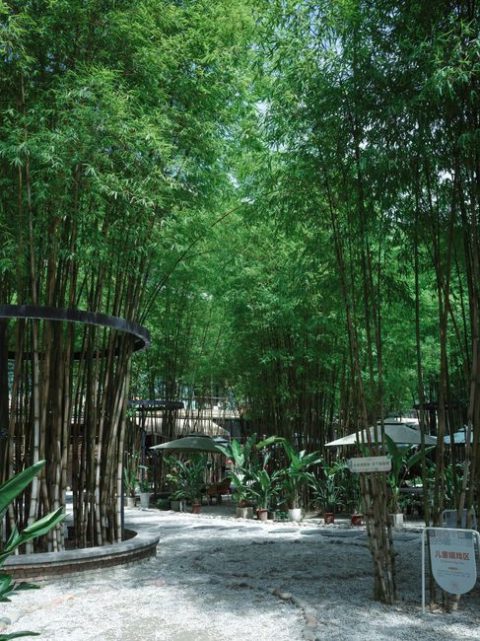
Chengdu Botanical Garden
A comprehensive botanical garden featuring diverse plant collections, themed garden sections, and exhibition greenhouses. The garden includes bamboo groves, medicinal plants, and seasonal flower displays. Perfect for nature photography and botanical education.
Tips for Parks & Gardens
- From March to October, entry starts at 7:30; from November to February, it starts at 8:00. Reserve online in advance.
- Wear comfortable walking shoes for exploring parks and gardens
- Bring sun protection; Chengdu parks have limited shade in summer
- Tea houses in parks are perfect for afternoon relaxation
Explore Chengdu's vibrant neighborhoods that showcase traditional culture, modern development, and authentic local life.
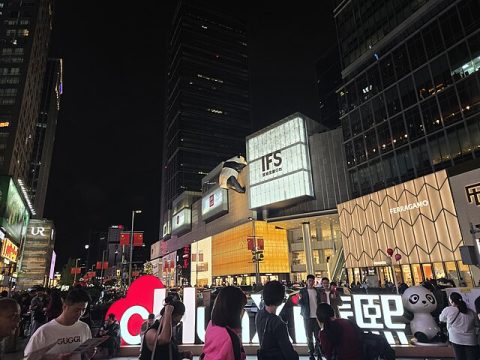
Chunxi Road
Chengdu's premier shopping and entertainment district featuring luxury brands, traditional shops, and restaurants. The pedestrian street is vibrant day and night with excellent people-watching opportunities. Modern high-rises blend with historic architecture, representing Chengdu's evolution.
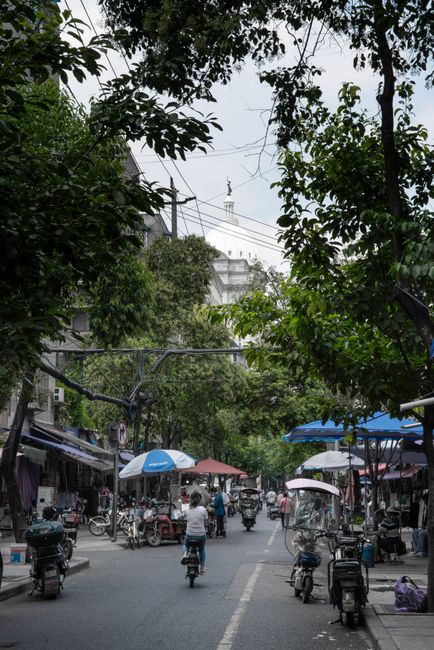
Yulei Market (Yulin Road)
Chengdu's famous late-night food and nightlife street with street vendors, restaurants, and bars. The bustling atmosphere comes alive after 9 PM with locals enjoying spicy Sichuan cuisine and drinks. This is authentic Chengdu culture at its liveliest.
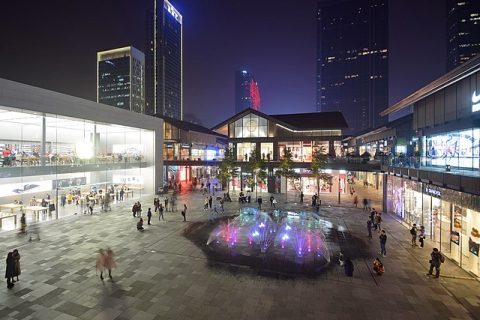
Taikooli (Taikoo Li Chengdu)
A modern lifestyle complex featuring upscale shopping, dining, and entertainment in a contemporary design setting. The area includes international brands, trendy restaurants, and cultural spaces. Popular with younger demographics and those seeking modern Chengdu.
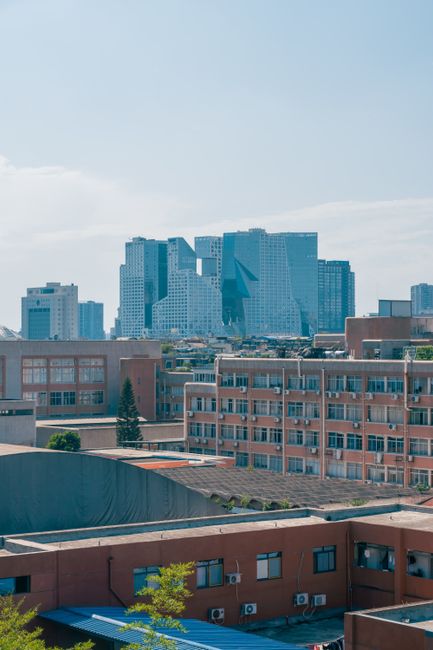
Jiuyanqiao Creative District
An emerging creative hub with art galleries, design studios, and hipster cafes. The neighborhood showcases Chengdu's contemporary artistic scene with murals, installations, and independent shops. Perfect for experiencing the city's younger, creative culture.
Tips for Neighborhoods & Districts
- Chunxi Road is best visited during evening for vibrant atmosphere
- Yulin Road gets crowded after 10 PM; go earlier if you prefer a quieter experience
- Mobile payment (WeChat Pay, Alipay) is essential in shopping districts
- Street vendors at Yulin Road may have limited English; bring translation app
Engage in memorable experiences that provide deeper insights into Chengdu's culture, nature, and traditions.

Panda Keeper Experience
An exclusive hands-on experience where you work alongside professional panda keepers for a full day. Visitors cannot feed animals in their enclosures; check the Base’s official channels for current visitor programs. This immersive program offers unparalleled access and unforgettable memories with these beloved animals.
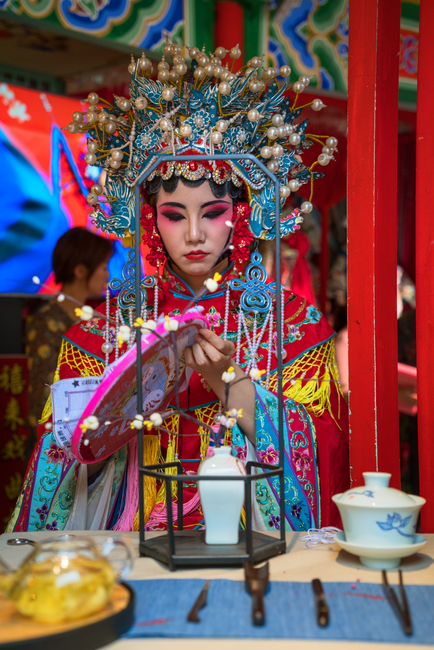
Traditional Sichuan Opera Performance with Dinner
Experience authentic Sichuan Opera with traditional cuisine and theatrical effects including face-changing performances and acrobatics. The performance combines storytelling, music, and martial arts in elaborate costumes. Many venues offer dinner packages featuring classic Sichuan dishes.
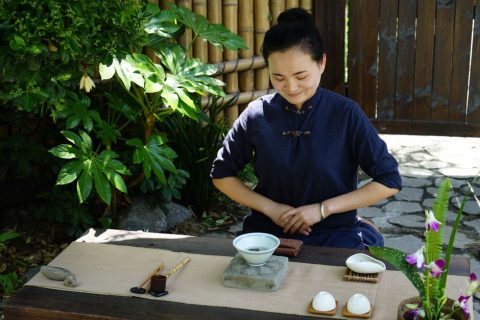
Tea Culture and Meditation Class
Learn traditional Chinese tea ceremony and meditation practices in authentic tea houses. Master instructors explain tea selection, brewing techniques, and philosophy. This immersive experience connects you with centuries-old practices central to Chengdu's leisurely lifestyle.
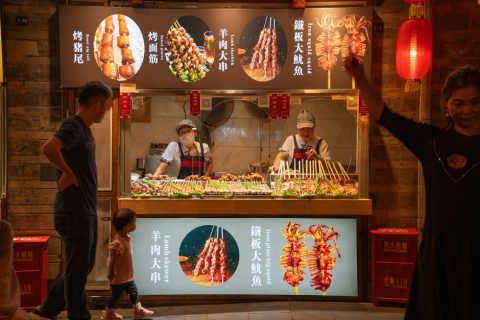
Sichuan Cuisine Cooking Class
Master the art of authentic Sichuan cooking with hands-on preparation and instruction from professional chefs. Learn about distinctive spices, flavor profiles, and traditional recipes. Classes include market visits and multi-course meal preparation with tasting.
Tips for Tours & Activities
- Book panda keeper experiences weeks in advance; they fill quickly
- Sichuan Opera performances are best booked through hotels or travel agents
- Tea and cooking classes work best in small groups; find classes with 4-8 participants
- Always confirm activity details and pickup/dropoff locations when booking
Explore remarkable destinations within easy reach of Chengdu, offering natural beauty and cultural significance.
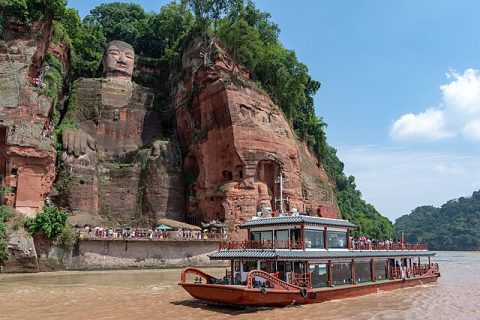
Leshan Giant Buddha
The world's largest stone Buddha statue (71 meters tall) carved into a cliff face during the Tang Dynasty. This UNESCO World Heritage site offers breathtaking views from multiple vantage points including boat trips around the base. The surrounding scenic area includes temples and tea plantations.
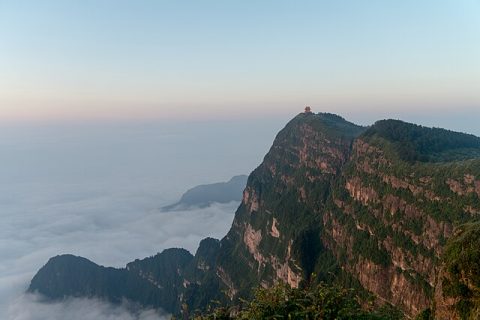
Emei Mountain
One of China's most sacred Buddhist mountains with temples, cable cars, and stunning panoramic views. The mountain features hiking trails, Golden Summit sunrise experiences, and diverse vegetation zones. Cable cars make it accessible for various fitness levels.
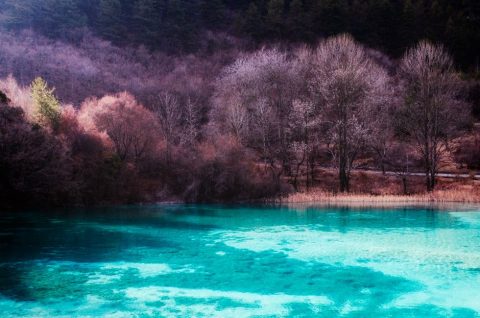
Jiuzhaigou National Park
A spectacular UNESCO World Heritage site featuring pristine lakes, waterfalls, and forest ecosystems with crystalline turquoise waters. The park showcases incredible natural beauty with seasonal color variations. Best visited in autumn when foliage colors are most vibrant.
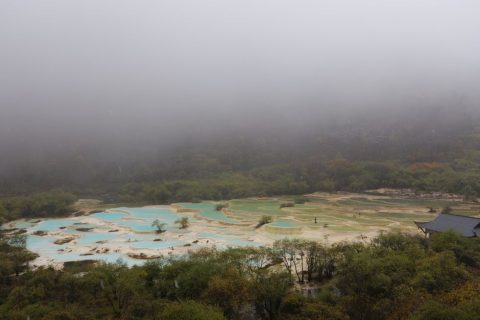
Huanglong National Park
Famous for travertine pools creating colorful landscape formations at high altitude. The park features hiking trails through pristine nature with geological wonders. Often combined with Jiuzhaigou visits for comprehensive scenic exploration.
Tips for Day Trips & Excursions
- Plan Leshan and Emei as separate trips unless you have confirmed a suitable transport schedule.
- Jiuzhaigou/Huanglong require flights; book accommodations in advance
- Best seasons: Spring (March-May) and Autumn (September-November)
- Mountain areas have altitude; allow acclimatization days for visitors from sea level
- Public buses are cheapest; consider private tours for convenience
Real, highly-rated Restaurants in Chengdu, sourced from Google Places (rating above 4★).
苍蝇馆子
苍蝇馆子 is a highly-rated restaurant in Chengdu, rated 4.9★ from 34 reviews. Located at M3JV+QQ9, Fu Qing Lu Er Duan, 李家沱 Cheng Hua Qu, Cheng Du Shi, Si Chuan Sheng, China, 610051.
Opening Hours
- Monday: 8:00 AM – 9:00 PM
- Tuesday: 8:00 AM – 9:00 PM
- Wednesday: 8:00 AM – 9:00 PM
- Thursday: 8:00 AM – 9:00 PM
- Friday: 8:00 AM – 9:00 PM
- Saturday: 8:00 AM – 9:00 PM
- Sunday: 8:00 AM – 9:00 PM
Ma Wang Zi Chuan Restaurant
Ma Wang Zi Chuan Restaurant is a highly-rated restaurant in Chengdu, rated 4.7★ from 103 reviews. Located at China, Cheng Du Shi, Jin Jiang Qu, CN 四川省 成都市 锦江区 东糠市街 1 1号附5 邮政编码: 610023.
Tivano
Tivano is a highly-rated restaurant in Chengdu, rated 4.7★ from 34 reviews. Located at China, Cheng Du Shi, Jin Jiang Qu, CN 四川省 成都市 锦江区 笔帖式街 81 81博舍地下1层 邮政编码: 610023.
Explore Chengdu on the Map
Best Times to Visit Chengdu
Spring (March-May): Mild temperatures (15-25°C), blooming flowers, and pleasant weather make spring ideal. The city hosts flower festivals during this period. Days are longer and rain is moderate.
Autumn (September-November): Cool temperatures (15-25°C), clear skies, and lower humidity create perfect conditions. This is peak tourist season with excellent visibility for outdoor activities. Mountain day trips are especially rewarding.
Summer (June-August): Hot and humid (25-35°C) with frequent rain. However, fewer tourists visit during this period, allowing easier access to attractions. Air-conditioned venues are essential.
Winter (December-February): Cool and grey (5-15°C) with occasional frost. The city experiences fog and limited sunshine. Heating is limited in many venues, making comfort challenging. Less ideal for outdoor exploration.
Seasonal Considerations: Chengdu's humidity is notably high year-round due to the Sichuan basin geography. The city averages 200+ rainy days annually, so rain gear is always recommended.
Getting Around Chengdu
Metro System: The modern metro covers major tourist areas with 12+ operational lines. Tickets are cheap and distance-based. Fares vary by distance. Cards can be purchased for convenient travel. English signage is available at main stations.
Buses: Extensive bus network covers the entire city at low fares. Bus apps help navigate routes; conductors speak limited English. Buses are crowded during rush hours (7-9 AM, 4-6 PM).
Taxis: Metered taxis are affordable and readily available. Flag fall is ¥7 with subsequent charges. Didi (Chinese Uber) is more reliable for foreigners; requires registration. Always have hotel address written in Chinese.
Bicycle Sharing: Multiple bike-sharing systems (Ofo, Mobike) offer convenient short-distance transport at low cost (¥0.5-2 per ride). Flat terrain makes biking around the city easy.
Airport Transport: Chengdu Shuangliu International Airport is 16 km from city center. Airport shuttle buses run every 30 minutes. Metro Line 10 connects airport to downtown. Taxis cost approximately ¥40-50.
Long-Distance Travel: Buses and trains connect to nearby cities. High-speed trains serve Leshan, Emei, and other destinations. Flights are available to Jiuzhaigou and other provinces.
✈️ Airport Transfer
Chengdu Tianfu International Airport (TFU) to city center:
- Metro Line 18 Express: Line 18’s direct service runs between Tianfu Airport and Chengdu South Railway Station in 33 minutes; transfer onward for Chengdu East or central districts, fare around 10 yuan
- Airport Shuttle Bus: Scheduled coaches to central Chunxi Road area in roughly 70 minutes, at a low fare
- Taxi: Metered ride to the city center takes about 50 minutes and at a metered fare (confirm the route)
- Private Transfer: Pre-booked car service to your hotel in about 50 minutes at a price to confirm when booking
Shopping in Chengdu
What to Buy: Tea is the top souvenir—Longjing and Dragon Well are premium choices. Sichuan embroidery showcases intricate traditional craftsmanship. Bamboo products, lacquerware, and silk textiles are authentic local crafts. Chengdu-style furniture and woodcarvings make unique purchases.
Key Shopping Districts: Chunxi Road features international brands alongside local shops. Kuanzhai Xiangzi (Broad and Narrow Alley) offers traditional handicrafts and antiques in atmospheric lanes. Taikoo Li caters to high-end shoppers with luxury brands. Huimin Street specializes in traditional crafts and souvenirs.
Markets: Hongxing Square Market offers fresh local products and souvenirs at lower prices. Lantern Festival Market (seasonal) features temporary stalls with handicrafts and food. Night markets like Yulin Road combine shopping with street food experiences.
Bargaining Tips: Haggling is expected at markets and small shops but not in malls. Start with 60-70% of asking price for handicrafts. Food and packaged goods have fixed prices. Establish rapport before negotiating seriously.
Payment Methods: WeChat Pay and Alipay are universal and preferred. Credit cards work at large shops and hotels but not everywhere. Cash (RMB) is still accepted but less common. ATMs are abundant throughout the city.
Festivals & Events in Chengdu
Spring Festival (January-February): China's most important holiday with temple fairs, traditional performances, and family celebrations. Many attractions remain open with special programming. Hotels are crowded; book well in advance.
Lantern Festival (February-March): Celebrated 15 days after Spring Festival with decorative lantern displays and cultural performances throughout the city. Major lantern shows light up temples and public spaces with traditional artistry.
Dates vary by year; in 2026, the Qingming holiday is April 4–6.: Tomb-sweeping festival with family gatherings and temple visits. Parks become gathering places; attraction crowds increase noticeably.
Dragon Boat Festival (June): Traditional celebration with dragon boat races on rivers, special zongzi (glutinous rice dumplings), and cultural events. The festival combines sporting activities with culinary traditions.
Mid-Autumn Festival (September-October): Celebrated with mooncakes, lanterns, and family gatherings. Public spaces host lantern displays and cultural performances. Mid-range crowds at attractions.
Chengdu Panda Festival (Annual): Dedicated celebration of Sichuan's iconic pandas with special exhibitions, educational programs, and cultural events at the panda research base and throughout the city.
Summer Culture Festival (July-August): Music performances, art exhibitions, and cultural activities throughout the city. Open-air concerts and street performances are common during this period.
5-Day Chengdu Itinerary
Day 1: Iconic Chengdu Heritage
- Morning: Visit Wuhou Shrine (2 hours) exploring ancient temples and historical artifacts
- Afternoon: Wander through Kuanzhai Xiangzi (Broad and Narrow Alley) for traditional architecture and local culture (2 hours)
- Evening: Dinner at traditional tea house in Kuanzhai Xiangzi followed by evening stroll along Jin River
Day 2: Pandas & Nature
- Early Morning: Visit Chengdu Research Base of Giant Panda Breeding (3-4 hours) when pandas are most active
- Afternoon: Rest at People's Park enjoying tea culture (1.5 hours)
- Evening: Sichuan Opera Performance with Dinner experiencing traditional arts (2.5 hours)
Day 3: Culture & Art
- Morning: Sichuan Museum exploring provincial history and artifacts (3 hours)
- Afternoon: Jinsha Site Museum learning about ancient civilization (2 hours)
- Evening: Explore Jiuyanqiao Creative District with contemporary art galleries and trendy cafes
Day 4: Religious Sites
- Morning: Wenshu Monastery experiencing Buddhist traditions (1.5 hours)
- Afternoon: Qingyang Palace exploring Taoist heritage (1.5 hours)
- Late Afternoon: Dufu Thatched Cottage appreciating literary history (1.5 hours)
- Evening: Relax at specialty tea house with river views
Day 5: Food & Markets or Day Trip
- Option A - Food Experience: Market visit followed by cooking class (4 hours), then explore Yulin Road late-night food scene
- Option B - Leshan Day Trip: Early departure to Leshan Giant Buddha (6-8 hours), return evening
- Option C - Relaxation: Botanical garden visit (2 hours), shopping at Chunxi Road (2 hours), final evening at authentic tea house
Best Photography Locations in Chengdu
Golden Hour at Jin River: The riverside promenade near Anshun Bridge offers stunning golden hour reflections during sunset (5:30-7 PM). Modern bridges and ancient pagodas create dramatic compositions. Water reflections amplify the visual impact.
Kuanzhai Xiangzi Architecture: Traditional Ming and Qing dynasty buildings provide excellent cultural photography opportunities throughout the day. Early morning (7-9 AM) offers soft light with fewer crowds. Narrow lanes create intimate compositions.
Panda Research Base: Capture adorable pandas in natural settings during feeding time (8-10 AM). Bamboo groves create authentic backgrounds. Overcast mornings reduce harsh shadows while showing panda behavior clearly.
Wuhou Shrine Temples: Ornate temple architecture and peaceful courtyards offer spiritual photographs. Golden afternoon light (3-5 PM) illuminates intricate details beautifully. Misty mornings create atmospheric compositions.
Tianfu Square Skyline: Modern city panorama during dusk (5:30-7 PM) with illuminated skyscrapers reflected in fountains. Blue hour photography (7-8 PM) captures vibrant city lights against twilight sky.
New Century Global Centre: Unique architectural photography opportunities, especially at night when exterior lighting creates dramatic effects. Interior fountain displays photograph well with wide-angle lenses.
Botanical Garden Spring Blooms: Cherry blossoms and azaleas peak in spring (March-April). Overcast conditions provide even lighting for flower photography without harsh shadows. Early morning mist adds atmospheric depth.
Street Food at Yulin Road: Vibrant evening scenes capture authentic Chengdu culture (9 PM onwards). Warm lighting from street vendors creates inviting photographs. Ask permission before photographing food vendors and locals.
Chengdu Botanical Garden at Sunrise: Golden light filters through trees creating beautiful textured photographs. Peaceful early morning hours offer solitude for landscape and macro photography. Bamboo groves are particularly photogenic.
Electricity & Power in Chengdu
Voltage & Frequency: Chengdu uses 220V AC with 50Hz frequency. This is standard throughout mainland China. Devices from countries using 110V may not be compatible without voltage conversion.
Plug Types: China primarily uses Type A (two flat parallel pins), Type C (two round pins in line), Type I (two flat parallel angled pins and grounding pin), and Type B (three rectangular pins) plugs. No single universal standard exists; multiple outlet types are common in the same building.
Adapters & Converters: Purchase a multi-adapter supporting types A, C, and I before arrival. These are inexpensive (¥30-100) and widely available in China. USB power adapters work with any voltage globally—highly recommended for phone and tablet charging.
Power Reliability: Electricity supply is reliable throughout Chengdu with rare outages. Hotels, restaurants, and shopping centers have consistent power. Power surges occur occasionally; surge protectors are advisable for electronics.
Charging Options: Hotels provide charging points in rooms. Coffee shops and restaurants throughout the city offer USB charging. Power banks are inexpensive (¥50-150) and convenient for sightseeing days.
Battery Considerations: If bringing specialized electronics (medical devices, specific power requirements), bring extra batteries and backup devices. Service centers may be limited for non-standard equipment.
Chengdu Cuisine & Dining Guide
Must-Try Dishes: Mapo Tofu (spicy pork and tofu) is Chengdu's signature dish—numbing and fiery flavors define Sichuan cuisine. Kung Pao Chicken (gongbao jiding) combines peanuts with spicy sauce elegantly. Chongqing Chicken (la zi ji) features tender meat buried in chili peppers for adventurous palates.
Specialty Items: Hot Pot is a communal dining experience where diners cook raw ingredients in simmering broth at the table. Chengdu Dumplings in various styles showcase local culinary skill. Rabbit Head Snacks (tu tou) are surprisingly popular local delicacies.
Sichuan Peppercorn Effects: The distinctive tingling sensation (hua) comes from peppercorns, not actual heat. This numbing effect is less intense than chili peppers but creates a unique mouthfeel. First-time diners should prepare for the unusual sensation.
Street Food Culture: Yulin Road is famous for late-night street food with hundreds of vendor stalls. Zhu Er Zi (braised pig ears) and Xiang La Crab are popular choices. Lantern Festival Markets (seasonal) offer diverse street snacks in festive settings.
Dining Tips: Restaurants typically close between 2-5 PM. Dinner service begins around 5 PM. Chopsticks are standard; forks are available upon request. Tipping is not customary. Tap water is generally not safe to drink; use bottled or treated water.; hot tea is offered at restaurants free.
Restaurant Types: Family-style restaurants offer dishes shared among groups (best for experiencing variety). Hotpot restaurants range from basic to upscale with premium broths. Casual noodle shops provide fast, affordable meals. Fine dining venues offer elevated Sichuan cuisine with refined presentations.
Ordering Guidance: Many restaurants lack English menus; photography of other tables or menu translation apps are helpful. Specify spice level when ordering: "wei la" (mildly spicy), "la" (spicy), "hen la" (very spicy). Gesturing works when language fails.
Budget Guidance: Street food costs ¥5-20. Casual restaurants average ¥30-80 per person. Mid-range restaurants cost more, and fine dining more still. Vegetarian options exist but are limited in traditional restaurants.
Tourist Passes
More about Chengdu
Photo credits (14)
- Wuhou Shrine (Temple of Marquis of Wu): photo by Sir1L0n, CC0, via Wikimedia Commons
- Jinsha Site Museum: photo by xiquinhosilva, CC BY 2.0, via Wikimedia Commons
- Dufu Thatched Cottage: photo by Gary Todd from Xinzheng, China, CC0, via Wikimedia Commons
- Sichuan Museum: photo by Daderot, CC0, via Wikimedia Commons
- Wenshu Monastery: photo by Daderot, CC0, via Wikimedia Commons
- Qingyang Palace: photo by Gary Todd from Xinzheng, China, CC0, via Wikimedia Commons
- Baoguang Monastery: photo by Gary Todd from Xinzheng, China, CC0, via Wikimedia Commons
- Chengdu Research Base of Giant Panda Breeding: photo by Kreisverkehrsampel, CC BY-SA 3.0, via Wikimedia Commons
- People's Park: photo by Daderot, CC0, via Wikimedia Commons
- Chengdu Botanical Garden: photo by 来斤小仓鼠吧, CC BY-SA 4.0, via Wikimedia Commons
- Chunxi Road: photo by Wimwamble, CC BY-SA 4.0, via Wikimedia Commons
- Taikooli (Taikoo Li Chengdu): photo by Baycrest, CC BY-SA 2.5, via Wikimedia Commons
- Leshan Giant Buddha: photo by xiquinhosilva, CC BY 2.0, via Wikimedia Commons
- Emei Mountain: photo by George N, CC BY 2.0, via Wikimedia Commons


.jpg)


.jpg)
.jpg)


.jpg)
