Plan your trip to Shanghai
- How long
- 3 days: the Bund and Pudong, the old city and Yu Garden, and the French Concession.
- Best for
- City lovers, food fans and architecture buffs: a huge, fast-moving metropolis mixing colonial-era waterfront, futuristic towers and old lanes.
- Skip it if
- You want quiet or nature: Shanghai is crowded and dense, and the big sights are very busy at holidays.
If you only do three things
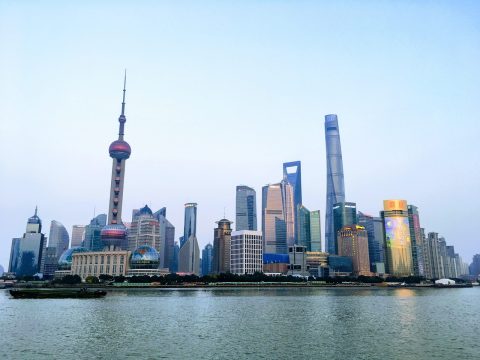
- The Bund at sunset and the Pudong skyline (Oriental Pearl, Shanghai Tower, Jinmao).
- The Shanghai Museum (reserve online in peak seasons) and Yu Garden.
- The French Concession and a river cruise or a ride on the Maglev.
A one-day route
- Morning: The People’s Square museum is closed Mondays except national holidays; individual advance reservations are generally not required, though special exhibitions may require tickets.
- Midday: Lunch (xiaolongbao), then Yu Garden and the old city.
- Afternoon: The French Concession by foot or bike.
- Evening: The Bund at sunset, then a Huangpu river cruise or the Pudong observation decks.
Before you go
- From Pudong Airport, the Maglev reaches Longyang Road station in about 8 minutes; Metro Line 2 reaches People's Square in about 65 minutes.
- Use a transit card or a mobile payment code for the metro and buses.
- Bring your passport for real-name ticket checks at major sights.
- Many museums and galleries (for example in M50) are closed on Mondays.
Prices, opening status and transport in this plan checked against official sources on 30 September 2026.
Things to do in Shanghai
Iconic structures that define Shanghai's skyline and cultural heritage, from colonial-era buildings to futuristic skyscrapers.
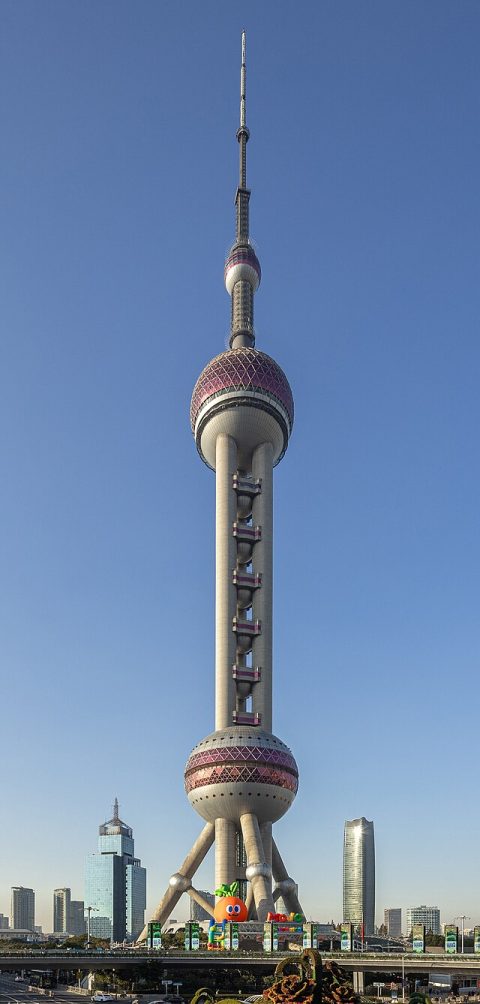
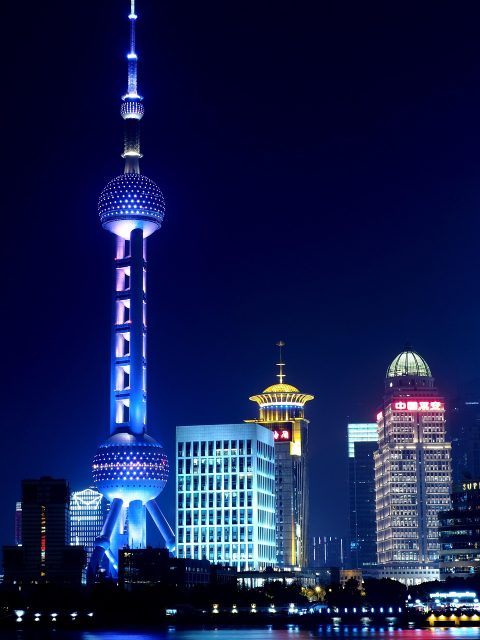
Oriental Pearl Tower
Shanghai's most recognizable landmark standing at 468 meters, featuring multiple observation decks, a rotating restaurant, and panoramic views of the entire city and Yangtze River estuary. The tower showcases the city's transition into modernity.

The Bund
Shanghai's most famous waterfront promenade featuring dozens of historic buildings in many architectural styles. The Bund combines historic colonial buildings with the futuristic Pudong skyline across the Huangpu River, offering restaurants, shops, and spectacular photography opportunities.

Shanghai Tower
The one of the world's tallest buildings and the tallest in China, at 632 meters, featuring the J Hotel, sky lobbies with observation decks on the 118th floor, and breathtaking views of Shanghai and beyond. Known for its spiraling design and vertical gardens.
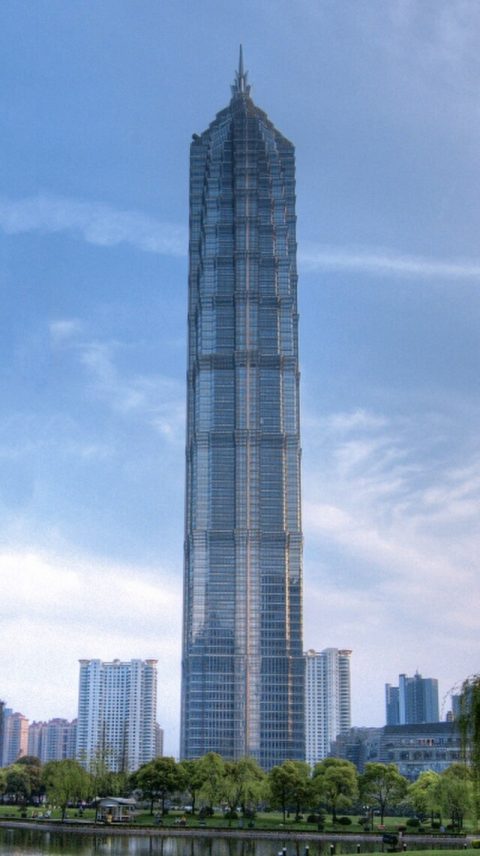
Jinmao Tower
An iconic 88-story skyscraper completed in 1998, combining traditional Chinese architecture with modern design. The Cloud 9 observation deck on the 87th floor offers 360-degree views, while the Grand Hyatt occupies the upper floors.
Tips for Landmarks & Monuments
- Visit The Bund at sunset for spectacular lighting and photography
- Purchase a combined ticket for Oriental Pearl and other observatories to save money
- Avoid weekends and holidays for shorter queues at observation decks
- Bring comfortable walking shoes for exploring the Bund's entire length
World-class institutions showcasing Chinese art, history, contemporary works, and international collections housed in stunning modern architecture.
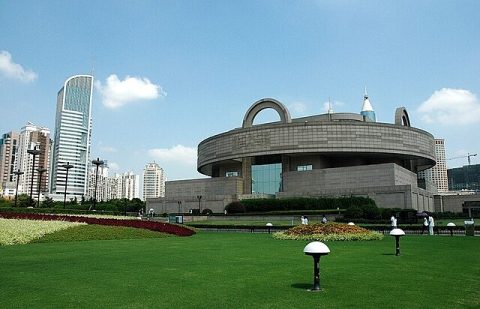
Shanghai Museum
One of China's most important museums The museum’s current official listing names 14 permanent galleries across its People’s Square and East sites. The building itself is an architectural treasure shaped like an ancient Chinese bronze vessel.
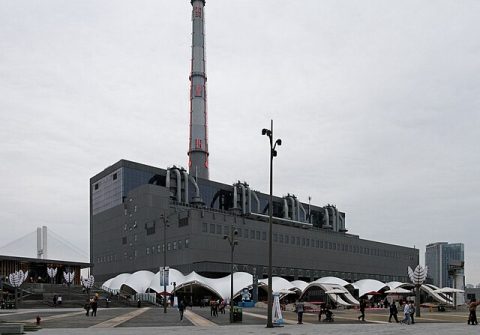
Power Station of Art
A former power plant transformed into a large contemporary art space, featuring experimental exhibitions, multimedia installations, and international contemporary artwork in an industrial setting. A symbol of Shanghai's creative renaissance.
China Art Museum
Located in the former China Pavilion from Expo 2010, this museum houses extensive collections of modern and contemporary Chinese art, including paintings, sculptures, and installations. The building itself is an architectural marvel inspired by traditional Chinese design.
M50 Creative Park
An art district housed in renovated factories featuring artist studios, independent galleries, fashion boutiques, and trendy cafes. This vibrant community showcases Shanghai's thriving contemporary art scene with regular exhibitions and cultural events.
Tips for Museums & Galleries
- Most museums offer free or discounted admission on certain days—check websites in advance
- Audio guides are available in multiple languages at major museums
- Individual visitors generally do not need reservations for the permanent galleries; advance booking is required for some special exhibitions and interactive spaces.
- Many galleries in M50 are closed on Mondays—visit Tuesday to Sunday
- Combine museum visits with nearby dining and shopping for a full cultural day
Sacred spaces representing Shanghai's diverse spiritual heritage including Buddhist temples, Taoist shrines, churches, and other houses of worship reflecting China's religious traditions.
Jade Buddha Temple
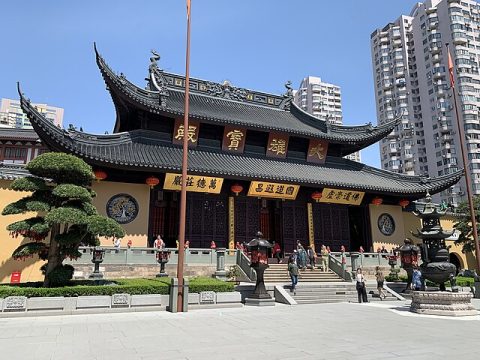
One of Shanghai's most important Buddhist temples, famous for its two rare jade Buddha sculptures brought from Burma in 1882. The serene temple features multiple halls, monks in residence, and beautiful traditional architecture surrounded by gardens within the bustling city.
City God Temple
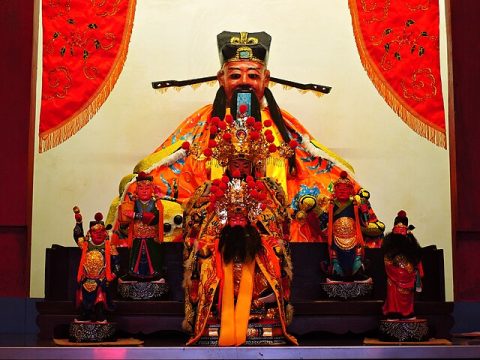
A stunning Ming Dynasty Taoist temple dedicated to the local deity protecting Shanghai. Features intricate wooden carvings, traditional architecture, and a bustling marketplace atmosphere. The adjacent food court offers traditional Shanghai snacks and local delicacies.
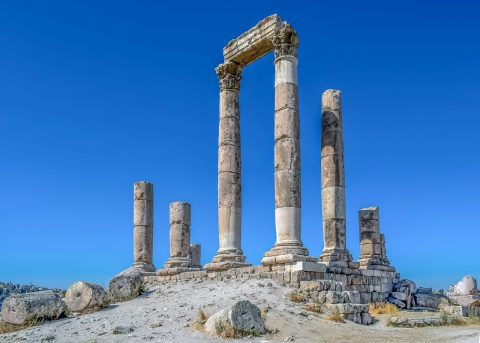
Longhua Ancient Temple
Shanghai's oldest temple dating back to 242 CE, featuring a 40-meter tall pagoda with seven levels. The peaceful grounds contain prayer halls, gardens, and a vegetarian restaurant, offering respite from the urban environment.
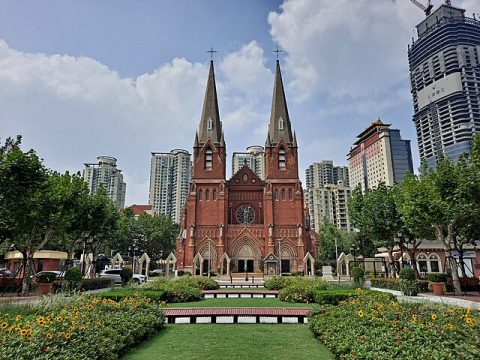
St. Ignatius Cathedral
A stunning neo-Gothic cathedral built in 1910 featuring twin spires reaching 60 meters high. One of Shanghai's most beautiful Western religious structures, the cathedral showcases intricate stained glass, detailed architecture, and hosts regular services and cultural events.
Tips for Religious Sites
- Remove shoes when entering Buddhist temples as a sign of respect
- Photography may be restricted in certain areas—always ask permission
- Visit Jade Buddha Temple early morning before crowds arrive
- Lunar New Year celebrations at temples attract thousands of visitors
- Modest clothing is recommended when visiting religious sites
Lush green spaces and meticulously designed gardens offering peaceful retreats, traditional Chinese landscape design, and recreational activities throughout Shanghai.
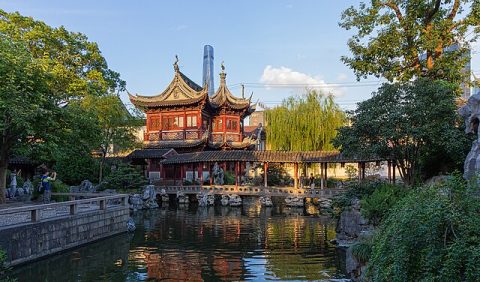
Yu Garden
A Ming Dynasty masterpiece spanning 20,000 square meters, featuring intricate landscaping, traditional pavilions, bridges, and ponds. Every element symbolizes harmony and prosperity. The garden is a perfect example of classical Chinese garden design with winding pathways and surprise vistas around each corner.
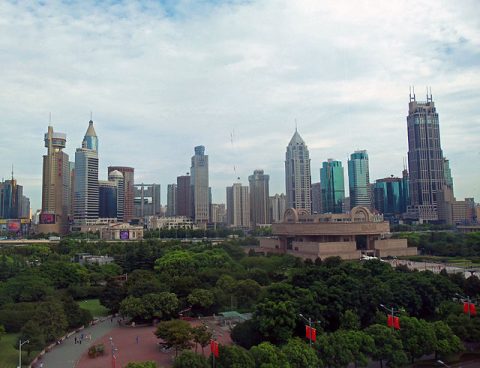
People's Park
A 72-hectare urban oasis in Huangpu District featuring landscaped gardens, scenic lakes, walking paths, and recreational facilities. Popular for tai chi practitioners in the mornings and offers a peaceful escape with modern amenities including cafes and cultural venues.
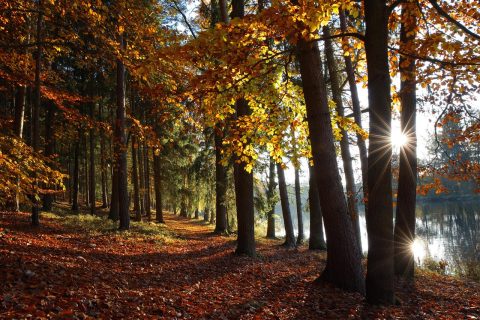
Longhua Lake Park
A scenic 1,056-hectare park featuring a large lake, gardens, walking trails, and the historic Longhua Pagoda. It's perfect for cycling, jogging, or relaxing by the water. The park offers beautiful views throughout the year and hosts cultural events and festivals.
Jing An Park
A charming 2.86-hectare urban park featuring traditional Chinese landscaping with pavilions, bridges, ponds, and botanical gardens. Located in the vibrant Jing An District, it's surrounded by shopping and dining options, making it ideal for a quick cultural and nature break.
Tips for Parks & Gardens
- Rent a bicycle to explore larger parks like Longhua Lake Park efficiently
- Visit Yu Garden early morning or late afternoon to avoid peak crowds
- Bring comfortable walking shoes and sun protection for outdoor park exploration
- Many parks have free entry—check official websites for any seasonal fees
- Tai chi and morning exercise groups in parks offer authentic cultural experiences
Distinct areas of Shanghai, each with unique character, architecture, and atmosphere ranging from historic quarters to trendy cultural districts and colonial-era neighborhoods.
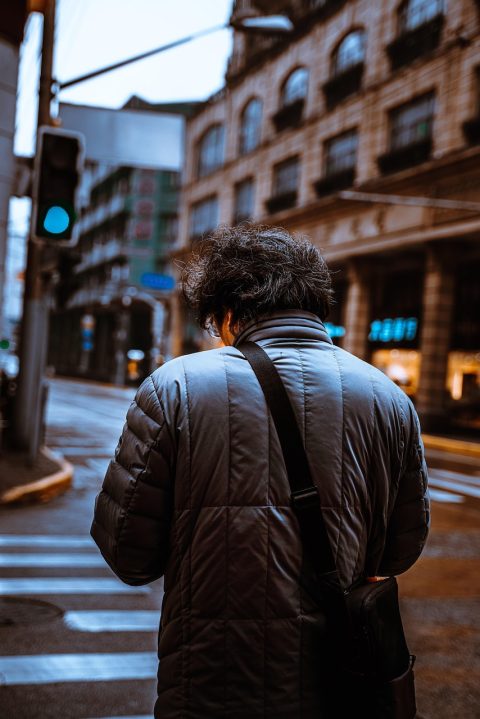
Old City
Shanghai's historic walled quarter featuring traditional Ming and Qing dynasty architecture, narrow alleyways, and the famous City God Temple. The maze-like streets are filled with antique shops, traditional restaurants, and small vendors, offering an authentic glimpse into Shanghai's pre-modern heritage.
French Concession
A charming historic neighborhood preserving colonial-era architecture with tree-lined streets, villas, cafes, and boutiques. Once Shanghai's most glamorous quarter, it retains European charm with Art Deco buildings, independent galleries, and some of the city's best restaurants and nightlife.
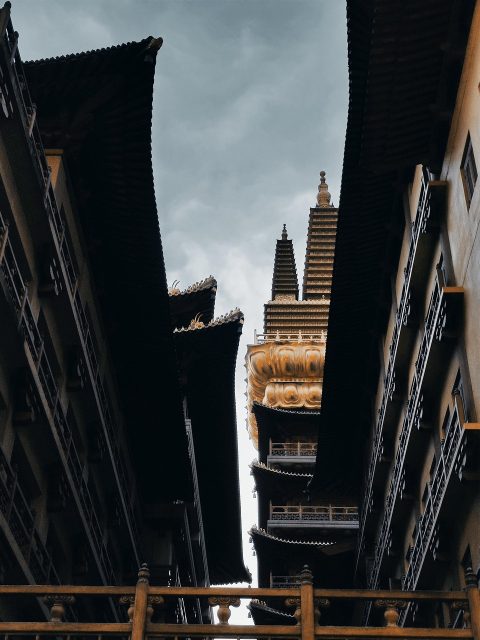
Jing An District
Shanghai's vibrant shopping and entertainment hub featuring luxury shopping malls, modern skyscrapers, restaurants, and cultural venues. Home to famous landmarks like Jing An Temple and Jing An Park, it's a perfect blend of traditional culture and contemporary commerce.
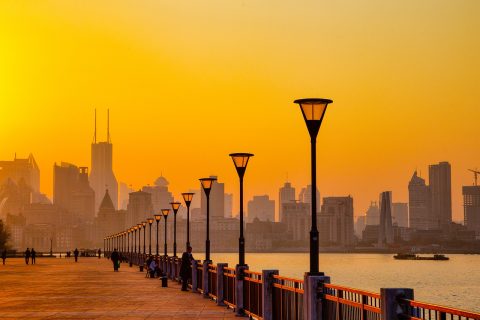
Huangpu River East Bank
The modern Pudong waterfront offering futuristic architecture, parks, luxury hotels, fine dining, and shopping. The glittering skyline views, particularly at night, showcase Shanghai's transformation into a global financial center with spectacular photo opportunities.
Tips for Neighborhoods & Districts
- Wander through Old City's narrow streets to discover hidden teahouses and antique shops
- French Concession is perfect for day exploring—combine with evening dining and nightlife
- Rent a bicycle to explore neighborhoods efficiently like locals do
- Jing An offers premium shopping experiences with international and local brands
- Visit Huangpu River parks at sunset for the best photography light
Guided experiences, outdoor activities, and specialized tours offering deeper insights into Shanghai's culture, history, food, and contemporary attractions.
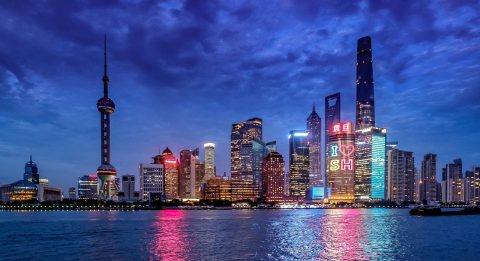
Shanghai River Cruise
A peaceful journey along the Huangpu River offering stunning views of the Bund's historic buildings and Pudong's modern skyline. Available during day and evening (when buildings are beautifully illuminated), with guided commentary explaining Shanghai's development and significant landmarks.
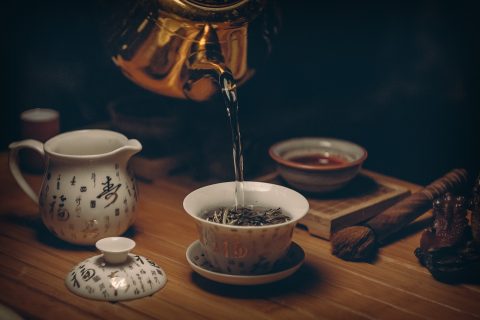
Traditional Tea Ceremony
An authentic experience in Chinese tea culture featuring expert preparation methods, tea tasting, and insights into tea history and traditions. Sessions typically occur in traditional teahouses or cultural centers where you'll learn about different tea types and proper brewing techniques.
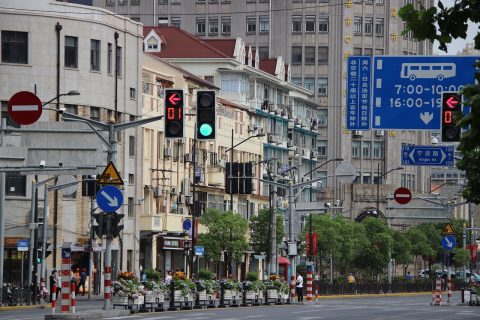
Street Food Tour
A culinary exploration of Shanghai's most delicious street food and traditional snacks led by expert guides. Visit local markets, street vendors, and traditional restaurants sampling xiaolongbao, shengian, and other iconic Shanghai dishes while learning about local food culture.
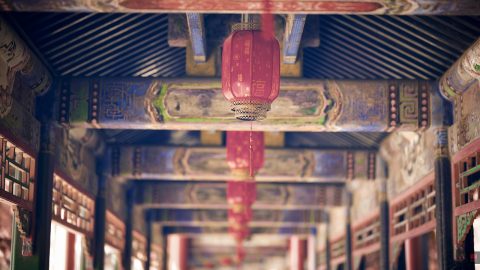
Chinese Calligraphy Class
Learn the ancient art of Chinese calligraphy from master artists in hands-on workshops. Students receive instruction on brush techniques, ink preparation, and character writing while understanding the philosophy and history behind this revered traditional art form.
Tips for Tours & Activities
- Book river cruises in advance, especially for evening departures during peak seasons
- Street food tours operate year-round but are most enjoyable in mild weather
- Tea ceremonies should be booked at least one day in advance
- Calligraphy classes require no prior experience—beginners are welcome
- Many tour operators offer English-speaking guides—confirm when booking
From traditional markets and silk shops to ultramodern shopping malls, Shanghai offers world-class shopping experiences spanning luxury brands, local crafts, and authentic Chinese products.
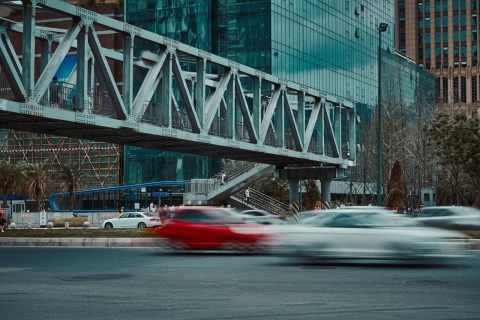
Nanjing Road Pedestrian Street
The world's busiest pedestrian shopping street stretching 1.6 kilometers with thousands of shops, restaurants, and entertainment venues. Features everything from luxury international brands to local boutiques, serving millions of visitors annually in an electric atmosphere.
Longhua Pearl Market
Shanghai's largest pearl and jewelry market offering genuine freshwater and seawater pearls at wholesale prices. Thousands of vendors sell pearls in all forms—loose, jewelry sets, and custom designs. Expert bargaining is expected and encouraged with price negotiations of 30-50% common.
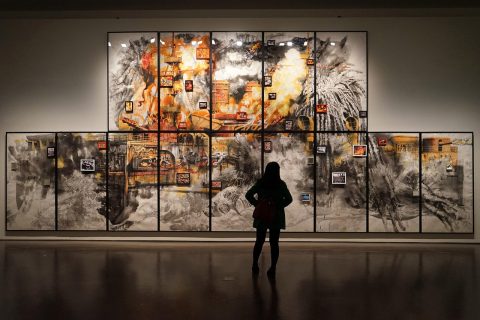
Silk Museum Shop
Purchase authentic Shanghai silk products including fabrics, scarves, and garments at the official museum shop. Products range from affordable scarves to high-end tailored silk clothing, with certificates of authenticity guaranteeing quality and genuine silk content.
South Bund Soft-Spun Fabric Market
The largest fabric market in Asia offering bolts of silk, cotton, linen, and designer fabrics at wholesale prices. Tailor shops within the market create custom garments rapidly. Popular for both local tailors and visitors seeking high-quality fabrics and custom clothing at unbeatable prices.
Tips for Shopping & Markets
- Bargaining is expected at markets—initial asking prices are often inflated
- Visit Nanjing Road early morning to avoid peak crowds
- At Pearl Market, bring a jeweler's loupe or UV light to verify authenticity
- South Bund market hours: 9am-6pm. Many vendors close between 1-2pm for lunch
- Carry cash for better bargaining leverage at traditional markets
Real, highly-rated Restaurants in Shanghai, sourced from Google Places (rating above 4★).
Ministry of Crab
Ministry of Crab is a highly-rated restaurant in Shanghai, rated 4.8★ from 23 reviews. Located at China, Shang Hai Shi, Huang Pu Qu, People's Square, 人民公园南京西路231号 邮政编码: 200003.
Opening Hours
- Monday: 10:00 AM – 10:00 PM
- Tuesday: 10:00 AM – 10:00 PM
- Wednesday: 10:00 AM – 10:00 PM
- Thursday: 10:00 AM – 10:00 PM
- Friday: 10:00 AM – 10:00 PM
- Saturday: 10:00 AM – 10:00 PM
- Sunday: 10:00 AM – 10:00 PM
Cejerdary
Cejerdary is a highly-rated restaurant in Shanghai, rated 4.8★ from 170 reviews. Located at 59 Guang Dong Lu, Waitan, Huang Pu Qu, China, 200002.
Opening Hours
- Monday: 10:00 AM – 10:00 PM
- Tuesday: 10:00 AM – 10:00 PM
- Wednesday: 10:00 AM – 10:00 PM
- Thursday: 10:00 AM – 10:00 PM
- Friday: 10:00 AM – 10:00 PM
- Saturday: 10:00 AM – 10:00 PM
- Sunday: 10:00 AM – 10:00 PM
Qingmeiju Muslim Restaurant
Qingmeiju Muslim Restaurant is a highly-rated restaurant in Shanghai, rated 4.8★ from 149 reviews. Located at 313 Feng Yang Lu, People's Square, Huang Pu Qu, Shang Hai Shi, China, 200003.
Opening Hours
- Monday: 10:30 AM – 10:00 PM
- Tuesday: 10:30 AM – 10:00 PM
- Wednesday: 10:30 AM – 10:00 PM
- Thursday: 10:30 AM – 10:00 PM
- Friday: 10:30 AM – 10:00 PM
- Saturday: 10:30 AM – 10:00 PM
- Sunday: 10:30 AM – 10:00 PM
Explore Shanghai on the Map
Best Seasons: Spring (March-May) and Autumn (September-November) offer ideal weather with temperatures between 15-25°C, low humidity, and clear skies—perfect for sightseeing.
Summer (June-August): Hot, humid, and rainy with temperatures exceeding 30°C. Indoor attractions and water-based activities become popular. Typhoon season (July-September) can disrupt travel plans.
Winter (December-February): Cool and dry (5-10°C) with occasional rain. Festival season including Lunar New Year makes January-February crowded. Fewer tourists make it an excellent value period.
Avoid: Lunar New Year holidays and National Day Golden Week (late September-early October) when domestic tourism peaks and prices surge dramatically.
Metro System: Shanghai's comprehensive subway network (about twenty lines) is the most efficient way to navigate the city. Fares cost 3-9 RMB depending on distance. Purchase a rechargeable metro card at any station for convenience.
Buses: Extensive bus network covers the entire city with fares around 1-3 RMB. Routes are posted at stops but signage is primarily in Chinese—use mobile apps for navigation.
Taxis: Yellow taxis are abundant, metered, and affordable. Uber/Didi (Chinese rideshare app) offer convenient app-based booking. Download the Didi app as Uber service is limited.
Bikes: Local bike-sharing services allow affordable short-distance travel. Register with mobile app and deposit required. Perfect for exploring neighborhoods.
Airport Transfer: Maglev train connects Pudong Airport to city center in 8 minutes. Regular shuttle buses and taxis available at all terminals. Download taxi apps or arrange pickup in advance.
✈️ Airport Transfer
Shanghai Pudong International Airport (PVG) to city center:
- Maglev Train: World's fastest commercial train reaches 300-431 km/h, covering the 30km to Longyang Road Station in 8 minutes for CNY 50 one-way
- The city’s published distance-based fare is ¥3 for up to 6 km, then ¥1 per additional 10 km; replace the ¥8 estimate with the current route fare.
- Airport Bus Line 1: Runs to Hongqiao Airport and central stops in roughly 60-90 minutes, CNY 20-30 depending on route
- Taxi: Metered fare to downtown Shanghai typically costs CNY 170-220 and takes 45-60 minutes depending on traffic
What to Buy:
- Silk Products: Scarves, fabrics, and garments at significantly lower prices than Western countries
- Pearls: Freshwater pearls at wholesale prices, particularly at Longhua Pearl Market
- Tea: Premium Chinese teas including pu-erh, oolong, and jasmine varieties
- Porcelain: Blue and white ceramics, fine china, and Ming dynasty reproductions
- Traditional Crafts: Painting, calligraphy, jade carvings, and embroidery
- Herbal Medicine: Ginseng, dried herbs, and traditional remedies
Where to Shop: Nanjing Road for department stores and luxury brands. Old City and antique markets for authentic goods. Traditional markets for souvenirs and local products at best prices.
Bargaining Tips: Expected at markets and street vendors. Start negotiations at 40-50% of asking price and work toward middle ground. Cash offers better leverage than cards. Never bargain at department stores, malls, or upscale retailers.
Chinese New Year/Spring Festival (January-February): The most important Chinese holiday celebrated with temple fairs, traditional activities, decorations, and family gatherings. City decorations are spectacular, but expect crowds and closed shops.
Tomb Sweeping Festival (April): Traditional occasion for honoring ancestors with temple visits and family gatherings increasing tourism to heritage sites.
Dragon Boat Festival (May/June): Celebrated with dragon boat races on rivers and lakes. Traditional foods like zongzi (sticky rice) are sold everywhere. Parks host cultural performances and festivities.
Mid-Autumn Festival (September/October): Celebrates the harvest moon with lantern displays, mooncakes, and family reunions. Cultural activities, light shows, and traditional celebrations throughout the city.
The 2026 festival ran June 12–21; its 2025 edition ran June 13–22: Major international film festival showcasing global cinema with premiere events, exhibitions, and celebrations of filmmaking.
National Day Golden Week (October 1-7): National holiday with one-week vacation causing massive domestic tourism. Prices surge, attractions become crowded, but special cultural events and festive atmosphere prevail.
Day 1 - Classic Shanghai: Start at The Bund early morning for fresh perspectives and photos. Visit Oriental Pearl Tower observation decks (book combined ticket). Take Huangpu River cruise afternoon. Explore French Concession for dinner and evening strolls through tree-lined streets with boutique cafes.
Day 2 - Cultural Shanghai: Morning meditation at Jade Buddha Temple followed by breakfast. Shanghai Museum for 2-3 hours exploring bronze, ceramic, and calligraphy galleries. Lunch at traditional restaurant. Afternoon exploring Yu Garden's Ming dynasty landscaping. Evening at City God Temple marketplace for dinner and street food sampling.
Day 3 - Modern Shanghai: Breakfast at a local noodle shop. Shanghai Tower sky lobby observation deck with 360-degree views. Pudong financial district walking tour. Lunch in Lujiazui. Afternoon shopping at Nanjing Road Pedestrian Street's international brands and local boutiques. Evening in Jing An District for dining and nightlife.
Day 4 - Hidden Gems: Explore M50 Creative Park artist studios and independent galleries. Visit Power Station of Art for contemporary installations. Longhua Lake Park for cycling, nature, and the ancient pagoda. Late afternoon at Longhua Pearl Market for souvenir shopping with local market experience. Dinner at a traditional neighborhood restaurant.
Day 5 - Neighborhood Deep Dives: Morning in Old City's winding streets discovering teahouses and antique shops. Take calligraphy class or tea ceremony. Afternoon at People's Park with locals enjoying tai chi. Street food tour sampling xiaolongbao, shengian, and soy-braised chicken. Evening exploring independent galleries and boutiques in French Concession neighborhoods.
The Bund (Waitan) - Best Time: Sunset 30 minutes before dusk: The iconic riverside promenade offers stunning views of colonial architecture with Pudong's futuristic skyline reflected in the Huangpu River. The east side of Bund provides unobstructed westward views perfect for sunset photography with warm golden light illuminating historic buildings.
Oriental Pearl Tower Observation Deck - Best Time: Sunset transitioning to night: Elevated 360-degree views capture Shanghai's entire skyline transformation from day to night. The city lights create magical photography opportunities as dusk falls and neon signs illuminate. Arrive 1.5 hours before sunset for best light conditions.
Yu Garden Classical Landscape - Best Time: Early morning light: Soft morning light filtering through traditional pavilions and reflecting in mirror-like ponds creates ethereal photography. Fewer visitors allow undisturbed compositions of iconic bridges, rocks, and architectural details. Golden hour light enhances traditional stonework and wooden structures.
French Concession Tree-Lined Streets - Best Time: Late afternoon golden hour: Tree branches create natural frames for colonial villas and Art Deco buildings bathed in warm golden light. The longer shadows and warm tones emphasize architectural details. Cycle slowly photographing quiet streets with dappled light patterns.
Huangpu River at Night - Best Time: 8-10 PM: Both riverbanks fully illuminate with spectacular building lighting and neon signs reflected in water. Day-to-night contrast showcases modern Shanghai's energy and scale. River cruises provide mobile photography platforms for dynamic compositions.
Voltage & Frequency: China operates on 220 volts, 50 Hz alternating current, different from North America (110V) and some other regions.
Plug Types: Chinese electrical outlets primarily use Type A (2 flat pins) and Type C (2 round pins) designs. Some hotels feature multiple outlet types accommodating international travelers. The standard Chinese outlet (Type I, 3 flat pins in V-configuration) is also common.
Travel Adapters: Universal multi-adapter converters are recommended covering Type A, C, and I. Available at airports, hotels, convenience stores, and online retailers. Purchasing adapters in China is cheaper than bringing them from overseas. Many modern devices (phones, laptops) automatically handle 110-240V with appropriate adapter.
Voltage Converters: For devices not dual-voltage, step-down converters (220V to 110V) are necessary. Heavy devices like hair dryers may require professional-grade converters. Check device labels before connecting to unfamiliar voltage sources.
Must-Try Shanghai Dishes:
- Xiaolongbao (Soup Dumplings): Steamed pork-filled dumplings with soup inside—order at dim sum restaurants or Jia Jia Tang Bao.
- Shengian (Pan-Fried Dumplings): Crispy-bottomed dumplings with soup filling, a Shanghai breakfast favorite.
- Soy-Braised Chicken (Hong You Chicken): Tender chicken braised in rich soy sauce—available at local street stalls.
- Shanghai Noodles: Thick chewy egg noodles stir-fried with vegetables and protein, served at local noodle shops.
- Eel Dishes: Stir-fried eel or rice with eel—popular specialty items showing Shanghai's regional cuisine.
- River Snails in Chili Broth: Seasonal specialty combining local snails in spicy aromatic sauce—try at night markets.
Dining Customs: Tipping is not expected in Shanghai. Restaurants add a 10% service charge to bills. Eating quickly is normal—lingering is discouraged at casual eateries. Sharing dishes family-style is customary at group meals.
Where to Eat: Street vendors and small local shops offer authentic Shanghai flavor at lowest prices. Hotel restaurants provide international options and hygiene assurance. The Bund's waterfront restaurants offer scenic dining with premium pricing. Old City marketplace provides traditional atmospheres with reasonable costs.
Tourist Passes
Shanghai Tourist Information and Service Centers
Free assistance, maps, recommendations, and information about attractions, events, and services throughout Shanghai The linked site does not substantiate these current center locations; verify the locations with Shanghai’s official tourism information before listing them.
www.shanghaitourism.netShanghai Metro Card
A rechargeable transit card (or a mobile payment code) for metro and bus rides, more convenient than buying individual tickets. Refundable upon exit with remaining balance.
www.shmetro.comMore about Shanghai
Photo credits (21)
- Oriental Pearl Tower: photo by This Photo was taken by Supanut Arunoprayote. Feel free to use any of my images, but please mention me as the author an, CC BY 4.0, via Wikimedia Commons
- The Bund: photo by 钉钉, CC BY-SA 4.0, via Wikimedia Commons
- Shanghai Tower: photo by Balon Greyjoy, CC0, via Wikimedia Commons
- Jinmao Tower: photo by xiquinhosilva, CC BY 2.0, via Wikimedia Commons
- Shanghai Museum: photo by Hanjiang 2009 (寒江2009), CC BY 2.0, via Wikimedia Commons
- Power Station of Art: photo by Kimon Berlin, CC BY-SA 2.0, via Wikimedia Commons
- M50 Creative Park: photo by MNXANL, CC BY-SA 4.0, via Wikimedia Commons
- China Art Museum: photo by DavidXiaoDaShan, CC BY-SA 3.0, via Wikimedia Commons
- Jade Buddha Temple: photo by Chainwit., CC BY 4.0, via Wikimedia Commons
- City God Temple: photo by 舟集 Boattoad, CC BY-SA 4.0, via Wikimedia Commons
- St. Ignatius Cathedral: photo by 钉钉, CC BY-SA 4.0, via Wikimedia Commons
- Yu Garden: photo by Stefan Fussan, CC BY-SA 3.0, via Wikimedia Commons
- People's Park: photo by Daniel Case, CC BY-SA 3.0, via Wikimedia Commons
- Jing An Park: photo by USMC Archives from Quantico, USA, CC BY 2.0, via Wikimedia Commons
- Old City: photo by World Imaging, CC BY-SA 3.0, via Wikimedia Commons
- French Concession: photo by me (w:User:pfctdayelise), CC BY-SA 2.5, via Wikimedia Commons
- Jing An District: photo by Lars Curfs (Grashoofd), CC BY-SA 3.0 nl, via Wikimedia Commons
- Huangpu River East Bank: photo by shankar s. from Dubai, united arab emirates, CC BY 2.0, via Wikimedia Commons
- Shanghai River Cruise: photo by KimonBerlin, CC BY-SA 2.0, via Wikimedia Commons
- Street Food Tour: photo by EeBrians, CC BY-SA 3.0, via Wikimedia Commons
- Nanjing Road Pedestrian Street: photo by Hermann Luyken, CC0, via Wikimedia Commons


.jpg)
.jpg)


_Mahavira_Hall,_Jade_Buddha_Temple,_Shanghai_-_img_04.jpg)


.jpg)


.jpg)
.jpg)

