Plan your trip to Wuhan
- How long
- 2-3 days: one for Wuchang (Yellow Crane Tower, Hubu Lane, Hubei Provincial Museum), one for East Lake, plus the Hankou riverfront.
- Best for
- Food lovers and travellers who like lakeside walking and cycling: Wuhan has a strong breakfast-street culture and East Lake has a 105-kilometer greenway.
- Skip it if
- You dislike heat and crowds: summers are very hot and humid, and the big sights are busy on holidays.
If you only do three things
- Hubu Lane for a street-food breakfast (in Wuchang), then the Yellow Crane Tower nearby.
- The Hubei Provincial Museum and the Marquis Yi bell set (free; book a timed, real-name slot in advance).
- East Lake for a lakeside walk or bike ride.
A one-day route
- Morning: Breakfast at Hubu Lane, then the Yellow Crane Tower.
- Midday: Lunch near the museum.
- Afternoon: The Hubei Provincial Museum.
- Evening: A stroll along East Lake and dinner in Wuchang.
Before you go
- From Tianhe Airport, Metro Line 2 reaches Hankou railway station in about 35-45 minutes for around 7 yuan; tell your hotel your final district first, as central Wuhan spans several areas.
- The Hubei Provincial Museum opens Tuesday to Friday 9:00-17:30 and weekends 9:00-20:30 from October 2026; individual reservations open up to five days ahead.
- The Guishan TV Tower partially reopened in February 2026; check its current opening arrangements.
- Line 12 (phase one) opened on 1 May 2026.
Prices, opening status and transport in this plan checked against official sources on 30 September 2026.
Things to do in Wuhan
Iconic structures and historical landmarks that define Wuhan's skyline and cultural heritage
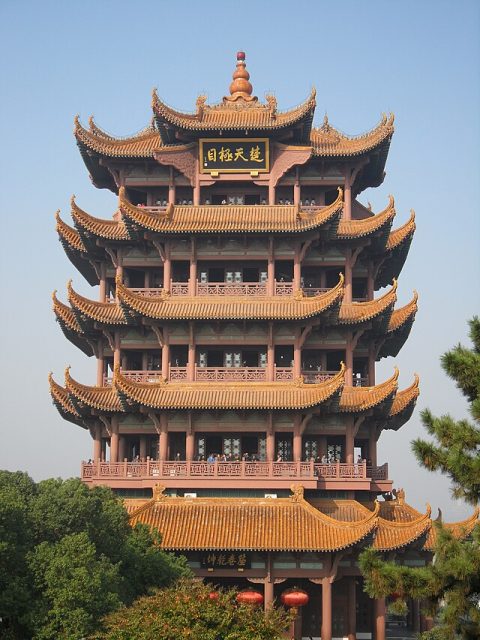
Yellow Crane Tower
One of China's most famous towers with a history spanning over 1,800 years. Located on Snake Mountain, this five-story iconic structure offers panoramic views of Wuhan and the Yangtze River. The tower is beautifully illuminated at night and represents the essence of classical Chinese architecture.
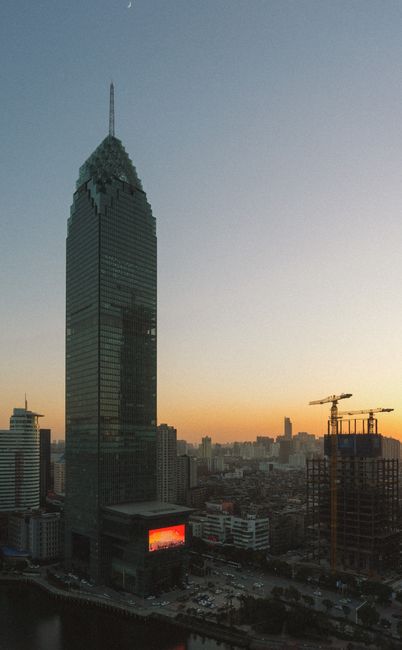
Guishan TV Tower (Wuhan Tower)
The Guishan TV Tower on Turtle Hill in Hanyang, built in 1986, is 221.2 meters tall (311.4 meters above sea level) and was once hailed as the "Mast of Asia". It partially reopened to the public on 17 February 2026 after an 18-year closure, with an official opening planned for 1 September 2026; check current opening arrangements before you go.
Tips for Landmarks & Monuments
- Visit Yellow Crane Tower in the late afternoon for best lighting and sunset views
- Buy tickets online to avoid queues during peak seasons
- Both landmarks offer excellent photography opportunities
World-class museums showcasing Chinese art, history, and cultural treasures
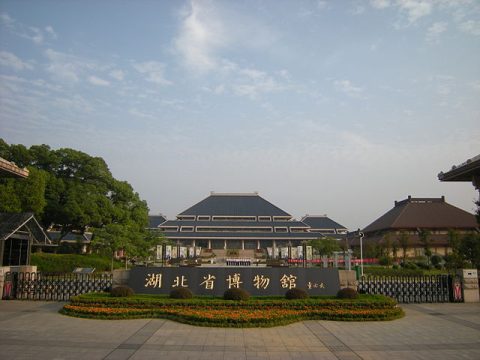
Hubei Provincial Museum
One of China's most important museums housing over 200,000 artifacts. The museum features the famous Marquis Yi's Bell Set, an extraordinary bronze collection from the Warring States period. Exhibits span from ancient pottery to modern art across multiple galleries.
Admission is free but requires a timed, real-name reservation (bring the ID you used). From October 2026 it opens Tuesday to Friday 9:00-17:30 and on weekends 9:00-20:30, and the Tianlai gallery in the South Building closes from 8 October.
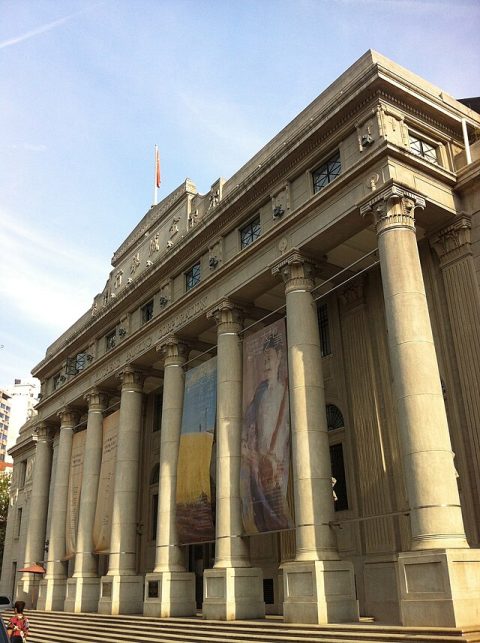
Wuhan Art Museum
A contemporary art space featuring modern and contemporary Chinese artworks, international exhibitions, and innovative installations. The museum frequently rotates exhibitions showcasing emerging artists alongside established masters.
Tips for Museums & Galleries
- Book museum visits in advance, especially for weekend visits
- Audio guides available in multiple languages
- Photography is generally permitted but check for restrictions on special exhibits
- Allow extra time for the Marquis Yi Bell Set exhibits
Temples, shrines, and sacred spaces reflecting Wuhan's spiritual heritage
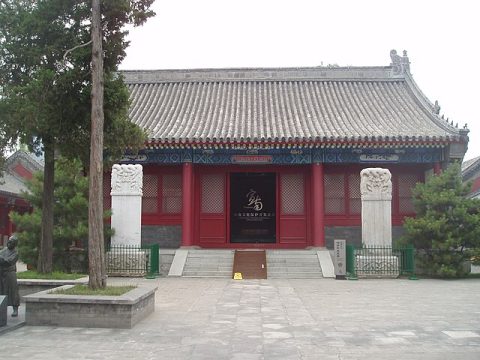
Changchun Temple
A Yuan-dynasty Taoist temple built to commemorate Qiu Chuji (Changchunzi). The temple features traditional architecture, ornate gates, and peaceful courtyards. Regular worship activities and festivals occur throughout the year, offering glimpses into local religious practices.
Tips for Religious Sites
- Dress respectfully when visiting temples
- Remove shoes in certain areas as indicated
- Photography may be restricted in inner sanctums
- Visit during religious festivals for authentic cultural experiences
Green spaces offering relaxation, scenic beauty, and recreational activities
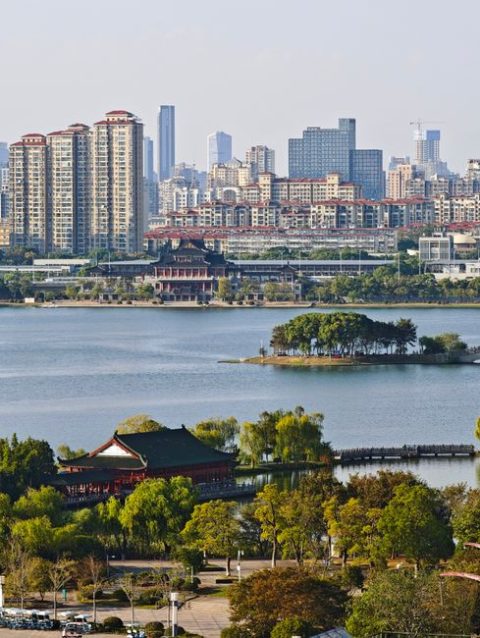
East Lake Scenic Area
One of Wuhan's major urban lakes (about 33 square kilometers of water, with a 105-kilometer greenway network). The lake features scenic walking paths, botanical gardens, cultural museums, and recreational facilities. Lakeside biking is particularly popular, with dedicated cycling routes circling the entire lake.
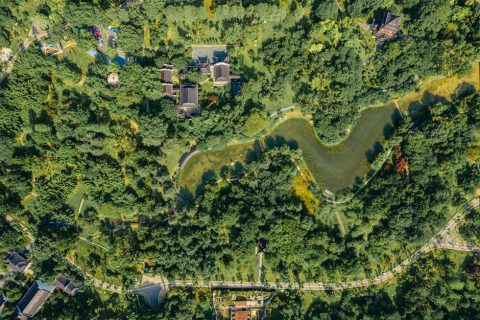
Moshan Botanical Garden
Developed from 1956 and formally established in 1958, this botanical garden showcases over 2,000 plant species arranged in themed gardens including bamboo groves, orchid exhibitions, and seasonal flower displays. The garden overlooks East Lake with stunning natural scenery.
Tips for Parks & Gardens
- Rent bikes for exploring East Lake's scenic routes
- Best visited in spring (cherry blossoms) and autumn (foliage)
- Early morning walks offer the most peaceful experience
- Bring comfortable walking shoes and sunscreen
Vibrant districts with distinctive character, local culture, and authentic experiences
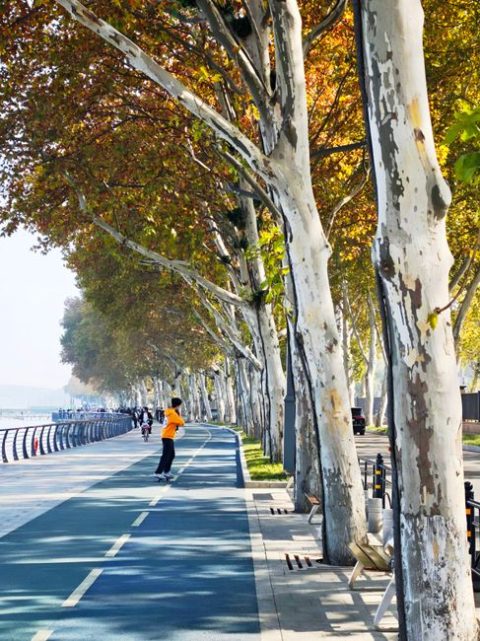
Hubu Lane
A historic food street in the Simenkou area of Wuchang district famous for its street food and local snacks. Lined with traditional shops and bustling food stalls, this narrow alley captures the essence of old Wuhan's commercial culture. Hundreds of food vendors sell everything from noodles to specialty desserts.
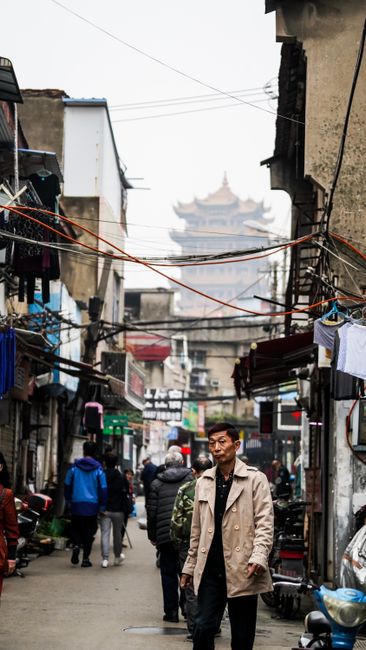
Jiqing Street
A renovated shopping street featuring traditional architecture mixed with modern boutiques and restaurants. The street beautifully combines heritage preservation with contemporary commerce, making it ideal for both shopping and cultural exploration.
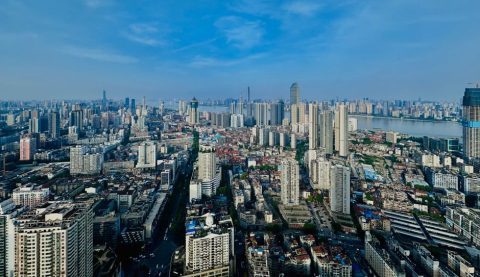
Hankou CBD District
Wuhan's modern business district featuring contemporary architecture, international brands, upscale restaurants, and luxury shopping centers. This area exemplifies Wuhan's rapid modernization and development as a 21st-century metropolis.
Tips for Neighborhoods & Districts
- Visit Hubu Lane in the evening for the complete street food experience
- Go hungry and come prepared for bold local flavors
- Wear comfortable shoes for exploring these bustling districts
- Hankou CBD offers respite with air-conditioned shopping centers
Arts & Cultural Centers
Venues celebrating performing arts, contemporary culture, and creative expression
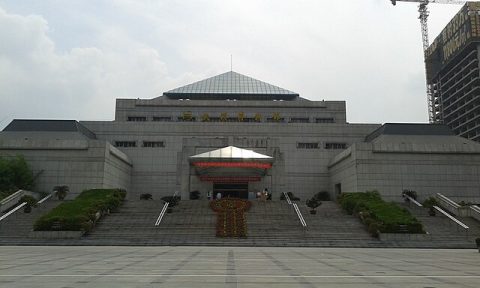
Wuhan Museum
Located at 373 Qingnian Road in Hankou, this museum chronicles Wuhan's urban development and local history. Exhibits detail the city's transformation from ancient settlement to modern metropolis, with collections spanning traditional crafts to contemporary art.
Tips for Arts & Cultural Centers
- Book opera and concert tickets well in advance
- Check performance schedules on official website
- Tour the exterior architecture even if no performances are scheduled
- Visit both venues together as they're adjacent
Guided experiences and recreational activities for exploring Wuhan
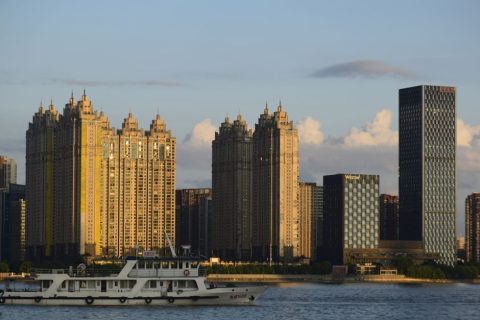
Yangtze River Cruises
Scenic boat tours along the Yangtze River offering spectacular views of Wuhan's skyline, bridges, and riverside landscapes. Options range from short evening cruises to full-day excursions. Night cruises feature illuminated landmarks and romantic atmosphere.
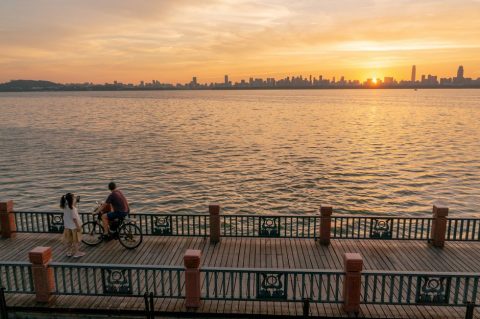
East Lake Cycling Tours
Organized biking tours around East Lake featuring scenic routes, historical stops, and cultural sites. Professional guides provide information about local ecology and history. Various difficulty levels accommodate different fitness levels.
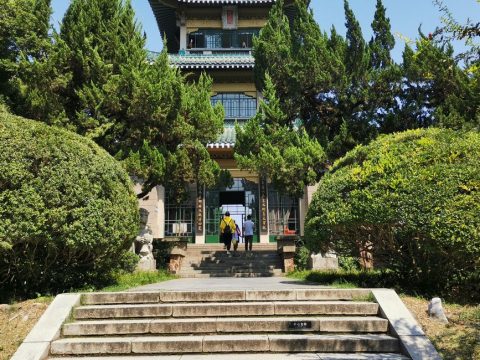
Wuhan Heritage Walking Tours
Guided walking tours exploring historic neighborhoods, temples, and cultural landmarks. Expert guides share stories about Wuhan's past, architectural styles, and local traditions. Tours typically cover 5-8 kilometers with frequent stops for photos and explanations.
Tips for Tours & Activities
- Book tours through hotel concierge or reputable tour operators
- River cruises are magical at sunset and after dark
- Bring plenty of water and sunscreen for cycling and walking tours
- Spring and autumn offer ideal weather for outdoor activities
Nearby destinations offering diverse experiences within easy reach of Wuhan
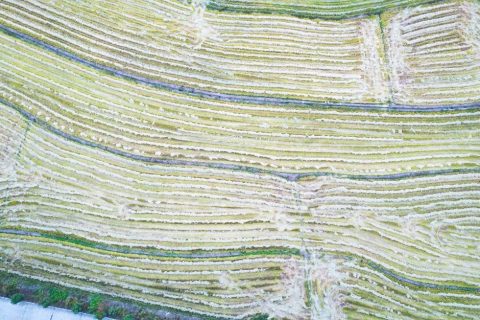
Daye District Tea Plantations
Daye is a separate city about 90 km from Wuhan, so identify the specific plantation before planning travel; visitors can experience traditional tea cultivation and processing. Seasonal harvests allow tourists to participate in tea picking, followed by traditional tea ceremonies and tastings in scenic hillside settings.
Tips for Day Trips & Excursions
- Rent a car or join organized tours for day trips
- Visit tea plantations during spring harvest season (March-May)
- Most day trips require 6-8 hours including travel time
Explore Wuhan on the Map
Best Time to Visit Wuhan
Spring (March-May) and autumn (September-November) offer ideal weather conditions with comfortable temperatures (15-25°C) and lower humidity. This is when parks bloom and the city is most enjoyable for outdoor activities.
Summer (June-August) is hot and humid, with temperatures exceeding 35°C, but features spectacular evening activities and night markets. Winter (December-February) is cold and gray but less crowded and suitable for museum visits.
Avoid the Chinese New Year period (late January-February) when attractions are crowded and transportation is congested.
Getting Around Wuhan
Metro System: Wuhan's metro network has more than ten lines (Line 12's first phase opened on 1 May 2026, taking the network to 553 km). Convenient for reaching major attractions and avoiding traffic.
Buses: Extensive bus network (250+ routes) connects all areas. Buses are affordable but can be crowded during peak hours.
Taxis & Rideshare: Taxis are plentiful and metered. Didi (Chinese Uber) offers reliable service at reasonable rates. English-language apps make navigation easier.
Bikes: Wuhan's shared-bike operators include Meituan, HelloBike and Qingju. Perfect for short journeys and exploring neighborhoods.
Ferries: Traditional ferries cross the Yangtze River, offering scenic and economical transport while experiencing river life.
Airport Transfer: Wuhan Tianhe International Airport (30 km away) offers shuttle buses, taxis, and metro connections to the city center.
✈️ Airport Transfer
Wuhan Tianhe International Airport (WUH) to city center:
- Metro Line 2: Direct to Hankou railway station in about 35-45 minutes, fare around 7 yuan
- Airport Shuttle Bus: Multiple routes to downtown drop-off points in 45-60 minutes, tickets around 20 yuan
- Taxi: Metered ride to city center takes 45-60 minutes and costs roughly 100-130 yuan depending on traffic
- Private Transfer: Pre-booked car service to your hotel in about 50 minutes, typically 180-250 yuan
Shopping in Wuhan
What to Buy: Wuhan specializes in silk products, traditional ceramics, preserved duck delicacies, and tea. Jade carvings and embroidery are popular souvenirs. Modern electronics and fashion are available at competitive prices.
Shopping Districts: Jiqing Street offers traditional shops and heritage souvenirs. Hankou CBD features international brands and luxury outlets. Wuhan Square hosts major department stores and shopping malls.
Markets: Hubu Lane is the ultimate destination for local street food and snacks. Yingwuzhou Market offers fresh produce and local goods. Evening markets have electric atmospheres with food vendors and entertainment.
Bargaining: Street markets and small shops allow negotiation, typically 10-20% discounts. Department stores and modern malls have fixed prices. Haggling is expected at tourist-oriented souvenir stalls.
Hours: Most shops open 10am-10pm. Markets operate earlier, often closing by 8pm. Department stores stay open until 9-10pm.
Annual Events & Festivals
Chinese New Year (Late January-February): The city celebrates with fireworks, temple fairs, dragon dances, and family reunions. Many attractions offer special performances.
Qingming Festival (April): Traditional tomb-sweeping festival with cultural activities and temple visits throughout the city.
Dragon Boat Festival (June): Dragon boat racing on the Yangtze River is spectacular, featuring traditional competitions and celebrations.
Mid-Autumn Festival (September-October): Lantern displays, mooncakes, and family gatherings. City parks feature elaborate lantern exhibitions.
National Day Celebrations (October 1): Fireworks displays, patriotic performances, and special city decorations. High tourist season with increased crowds.
Sample Day-by-Day Itineraries
Day 1: Historic Wuhan
Morning: Visit Yellow Crane Tower for panoramic city views. Mid-morning: Explore Changchun Temple for spiritual culture. Lunch: Enjoy local noodles and street food at Hubu Lane. Afternoon: Stroll through Jiqing Street for traditional shops and architecture. Evening: Take a Yangtze River sunset cruise for magical cityscape views.
Day 2: Cultural Exploration
Morning: Visit Hubei Provincial Museum to see ancient bronze bells and artifacts (free; reserve a timed slot in advance). Lunch: Casual meal in museum area. Afternoon: Visit Wuhan Museum in Hankou (373 Qingnian Road). Evening: Fine dining in the Hankou CBD district.
Day 3: Lakes & Nature
Full day exploring East Lake Scenic Area: morning bike ride along lakeside paths, lunch at lakeside restaurants, afternoon visit to Moshan Botanical Garden for seasonal flora, sunset at the lake shore. Evening: Lakeside restaurants with city views.
Day 4: Modern Wuhan & Shopping
Morning: The Guishan TV Tower on Turtle Hill (reopened in 2026; check opening arrangements). Lunch: Modern restaurants in Hankou CBD. Afternoon: Shopping at department stores and malls, exploring contemporary art galleries. Evening: Night markets and casual dining experiences.
Day 5: Heritage & Relaxation
Morning: Guided heritage walking tour through historic neighborhoods. Lunch: Local specialty restaurants. Afternoon: Visit Wuhan Art Museum. Late afternoon: Tea ceremony at a traditional tea house. Evening: Casual stroll and final street food experiences.
Best Photography Locations
Yellow Crane Tower: Golden hour shots of the tower against Yangtze River backdrop. Best at sunrise (6:30am) and sunset (6:00pm). Panoramic night cityscape photos after dark.
Wuhan Tower: 360-degree city views from observation decks. Clearest views typically early morning with less haze. Night photography shows city lights spectacularly.
East Lake Area: Lakeside reflections during golden hour, botanical garden seasonal flowers (spring cherry blossoms, autumn foliage), wildlife photography opportunities. Best light: early morning and late afternoon.
Hankou Waterfront: City skyline and bridge reflections. Perfect for dusk photography (5:30-7:00pm) when city lights activate against twilight sky.
Hubu Lane: Vibrant street photography with local life, food stall action, and traditional architecture. Evening provides warm ambient lighting (5:00-7:00pm).
Modern Architecture: Contemporary buildings in Hankou photograph best with dramatic lighting. Twilight hour captures architectural details and ambient city glow.
General Tips: Bring a tripod for night shots, use early mornings to avoid crowds, check weather forecasts for clear visibility, download offline maps for location scouting.
Electricity & Voltage
Standard Voltage: China uses 220V, 50Hz AC electric current. Significantly different from North American 110V systems.
Plug Types: Wuhan primarily uses Type A (two flat parallel pins), Type C (two round pins), and Type I (three flat pins in triangle configuration) plugs.
Adapters & Converters: Travelers from countries using different standards need universal travel adapters. Voltage converters (step-down transformers) may be necessary for 110V appliances, although most modern chargers are dual-voltage (110-240V).
Where to Buy: Adapters available at the airport, hotels, department stores, and electronics shops throughout Wuhan. Check voltage compatibility before plugging in devices.
Power Availability: Hotels and modern buildings have abundant outlets. Some older establishments may have limited power access. USB ports available in modern hotels and public areas.
Safety: Always check device voltage compatibility before connecting. Use surge protectors for expensive electronics. Avoid overloading outlets in older buildings.
Local Cuisine & Dining
Must-Try Dishes: Wuhan Noodles (热干面) are the signature dish—wheat noodles topped with sesame paste, soy sauce, and pickled vegetables. Preserved Duck (鸭) comes in various styles, particularly hot and spicy preparations. Fish Soup (鱼汤) is a warming specialty. Dim Sum and Wontons are breakfast staples.
Street Food: Hubu Lane offers incredible variety: oil-fried sticky rice cakes, stinky tofu, duck blood soup, and sticky rice with red beans. Food vendors typically operate 5pm-midnight for evening snacks.
Dining Customs: Restaurants typically serve shared dishes placed in center of table. Tipping is not standard in China. Banquets feature numerous courses served sequentially. Chopsticks are standard; forks available upon request.
Restaurant Types: Fine dining establishments in Hankou CBD offer contemporary cuisine with international options. Local restaurants serve authentic regional food. Casual noodle shops offer quick, affordable meals.
Food Safety: Eat at busy restaurants with high turnover. Street food from established vendors is generally safe. Drink bottled or filtered water. Avoid raw vegetables in some establishments. Ask for less oil/spice if concerned about digestion.
Hours: Breakfast 7-10am, lunch 11am-2pm, dinner 5-10pm. Night snacks and street food operate late into evening.
Tourist Passes
Public Transport Card
Rechargeable card accepted on metro, buses, and ferries throughout Wuhan. Offers 10-20% discount on fares compared to single tickets. Convenient for multiple journeys without carrying cash. Available at metro stations and convenience stores.
whqs.whrt.comMore about Wuhan
Photo credits (7)
- Yellow Crane Tower: photo by MonsieurRoi, CC BY-SA 3.0, via Wikimedia Commons
- Hubei Provincial Museum: photo by No machine-readable author provided. 风之清扬 assumed (based on copyright claims)., CC BY-SA 3.0, via Wikimedia Commons
- Wuhan Art Museum: photo by Towerman, CC BY-SA 3.0, via Wikimedia Commons
- Changchun Temple: photo by Angus Cepka, CC BY-SA 3.0, via Wikimedia Commons
- East Lake Scenic Area: photo by Vladimir Menkov, CC BY 4.0, via Wikimedia Commons
- Jiqing Street: photo by Windmemories, CC BY-SA 4.0, via Wikimedia Commons
- Wuhan Museum: photo by Doraemon.tvb, CC BY-SA 3.0, via Wikimedia Commons


