Plan your trip to Hangzhou
- How long
- 2-3 days: West Lake and its causeways, the Lingyin Temple area, and the Longjing tea villages.
- Best for
- Slow travellers and tea and garden lovers: West Lake is a UNESCO cultural landscape, best explored on foot or by bike, with temples, pagodas and tea terraces around it.
- Skip it if
- You dislike crowds: West Lake is very busy on weekends and Chinese holidays.
If you only do three things
- West Lake (walk or cycle the Su and Bai causeways).
- Lingyin Temple, founded in 326 AD.
- The Longjing tea villages and a tea tasting.
A one-day route
- Morning: Lingyin Temple early, before the crowds.
- Midday: Lunch near the lake.
- Afternoon: Cycle or walk a stretch of the West Lake causeways, with a stop at Leifeng Pagoda.
- Evening: Dinner and an evening stroll at Hefang Street or by the lake.
Before you go
- Xiaoshan Airport is about 27 km from the center; the metro, airport buses and taxis connect it to the city (check the metro app for the line).
- Book popular sights online in advance, and keep your passport handy for real-name checks.
- Leifeng Pagoda was rebuilt in 2002.
- Use Didi or licensed taxis; fares vary with traffic.
Prices, opening status and transport in this plan checked against official sources on 30 September 2026.
Things to do in Hangzhou
Hangzhou's iconic landmarks showcase centuries of architectural heritage and natural beauty, from the legendary West Lake to historic pagodas and monuments that define the city's character.
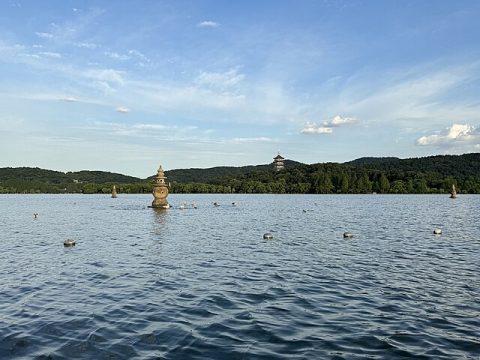
West Lake
UNESCO World Heritage Site and Hangzhou's crown jewel. This stunning freshwater lake is surrounded by temples, gardens, and scenic causeways. Famous for misty mornings and classical Chinese gardens. The lake covers 6.5 square kilometers. The three central islets are separate; Xiaoyingzhou, containing Three Pools Mirroring the Moon, requires a boat trip. Best visited during cherry blossom season (March-April) or autumn (September-November).
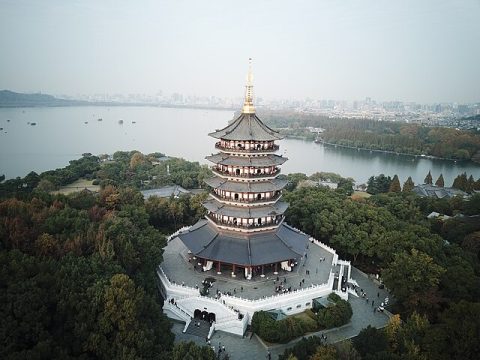
Leifeng Pagoda
An iconic octagonal brick pagoda rebuilt in 2002 on the foundations of the original Wuyue-period pagoda (975). Located on Xizhao Hill, south of West Lake. The pagoda stands 71.4 meters tall with five levels offering panoramic views of West Lake and the city. Features Buddhist relics and historical exhibits in the underground museum. The glass floors provide vertigo-inducing views straight down.
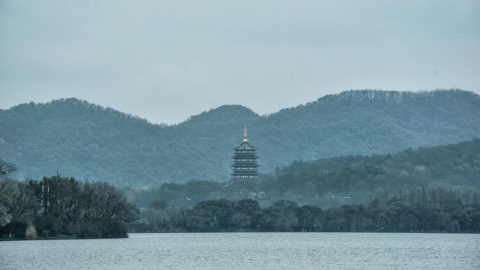
Six Harmonies Pagoda
Originally founded in 970; the surviving pagoda has a Southern Song brick core and wooden exterior, following destruction and rebuilding, one of the oldest structures in Hangzhou. Located on Moonlight Mountain overlooking the Qiantang River. The 60-meter tall octagonal tower offers 360-degree views of river valleys and city skyline. Contains intricate Buddhist carvings and architectural details. Admission includes access to the Buddhist temple complex at its base.
Tips for Landmarks & Monuments
- Rent bicycles to explore scenic routes around West Lake
- Visit early morning to avoid crowds and capture misty landscapes
- Purchase combination tickets for multiple attractions for discounts
- Best photography light in early morning and late afternoon
Hangzhou's spiritual heritage reflects Buddhist and Taoist traditions with ancient temples, monasteries, and meditation centers nestled in scenic mountain settings. These sacred sites offer both cultural insights and peaceful retreats.
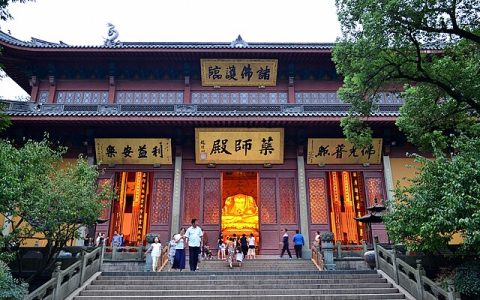
Lingyin Temple
One of China's ten most famous Buddhist temples, founded in 326 AD. Located in a lush valley at the base of Lingyin Mountain. The temple complex houses over 300,000 Buddhist relics and features intricate wooden carvings, ancient bells, and peaceful meditation areas. The main hall contains a massive gilded Buddha statue. The surrounding forest trails lead to hidden caves with Buddhist stone sculptures carved into mountainsides.
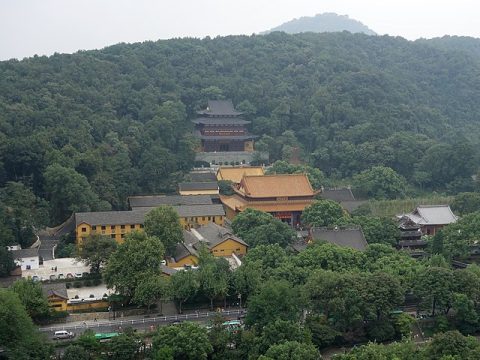
Jingci Temple
"Temple of Pure Mercy" sits directly across from West Lake's Leifeng Pagoda. Founded in 954 AD, it features striking red gates and traditional Buddhist architecture. Famous for its golden Buddha statue and peaceful courtyards. The temple garden overlooks West Lake with scenic pavilions. Visitors often light incense and participate in Buddhist meditation sessions. The temple teahouse serves traditional Hangzhou green tea.
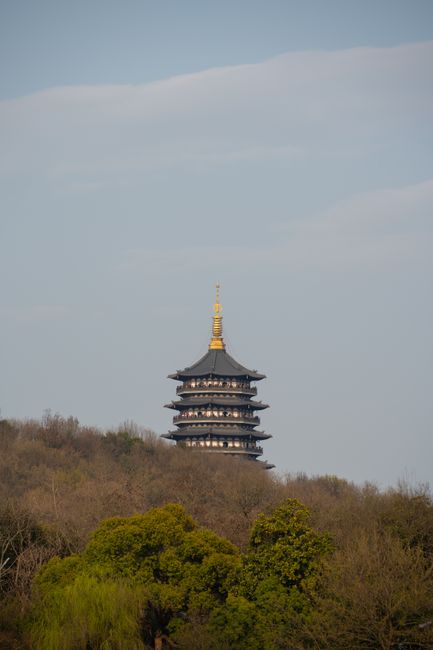
Yue Fei Mausoleum
Sacred site honoring the Song Dynasty general Yue Fei. The mausoleum features traditional red walls, ornate gates, and ritual spaces. Contains exhibits about the legendary general and his tomb. Surrounded by peaceful gardens and incense-filled halls. Visitors pay respects to this revered historical figure. The complex includes museums with historical artifacts and traditional architecture showcasing Song Dynasty design.
Tips for Religious Sites
- Check each temple separately. Lingyin Feilai Peak’s public visiting hours are 07:30–17:30, with last admission at 17:00.
- Remove shoes when entering main halls as a sign of respect
- Photography may be restricted in certain sacred areas
- Incense and offerings available for purchase at temple shops
- Best to visit on weekday mornings for peaceful experience
Hangzhou's cultural institutions showcase art, history, and heritage through comprehensive collections spanning ancient artifacts to contemporary creations, providing deep insights into Chinese civilization.
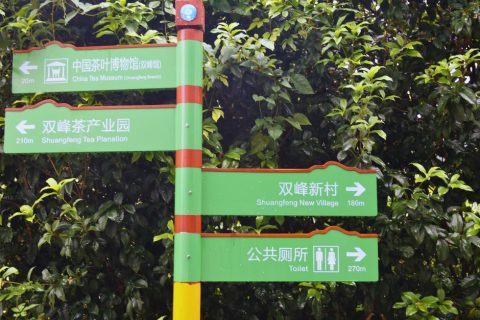
Hangzhou National Tea Museum
World's premier tea museum dedicated to Chinese tea culture and Hangzhou's famous Longjing (Dragon Well) tea. Six galleries feature tea history from ancient times, traditional processing methods, tea ceremonies, and global tea traditions. Interactive demonstrations show tea leaf picking, roasting, and brewing techniques. The museum garden contains original tea plantations. Visitors can participate in tea tasting sessions guided by experts who explain flavor profiles and production methods.
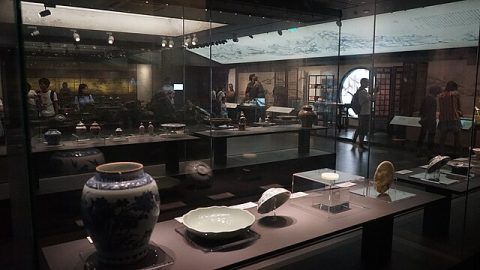
Hangzhou Museum
Comprehensive museum covering Hangzhou's 8,000 years of history through extensive artifact collections. Four main galleries showcase Neolithic pottery, Tang Dynasty art, Song Dynasty achievements, and contemporary development. Features interactive displays, virtual reality experiences, and multimedia presentations. The museum building itself is architecturally significant with bamboo-inspired design. Collections include ancient calligraphy, porcelain, bronze vessels, and historical documents preserving Hangzhou's cultural heritage.
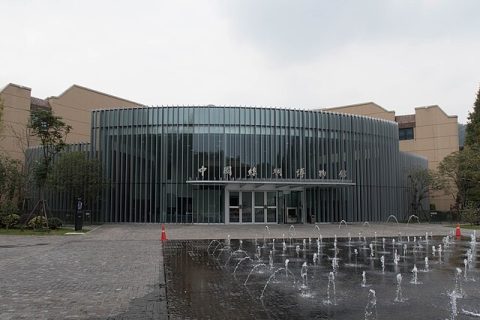
China National Silk Museum
Dedicated to China's legendary silk industry with extensive galleries exploring 5,000 years of silk production history. Features live silk worm demonstrations, traditional weaving looms in operation, and historic silk garments. Interactive exhibits show sericulture techniques, dyeing processes, and weaving methods. The museum shop sells authentic Hangzhou silk products. Visitors can observe artisans creating silk embroidery and traditional brocade patterns, understanding why Hangzhou remains China's silk capital.
Tips for Museums & Galleries
- Reserve tickets online for popular museums to skip queues
- Many museums offer free entry on specific weekdays
- Bring a camera for photo opportunities in galleries
- Allow extra time for interactive exhibits and demonstrations
- Museum cafes serve traditional Hangzhou snacks
Hangzhou's green spaces reflect classical Chinese garden design principles, combining natural landscapes with artistic cultivation. These peaceful environments offer respite and showcase horticultural traditions.
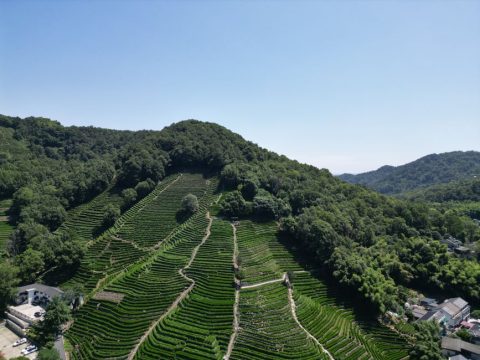
Longjing Tea Village
Picturesque village nestled in tea plantations producing world-famous Longjing Dragon Well tea. Terraced hillsides covered with emerald tea bushes create stunning landscapes. Traditional village architecture with stone-paved streets and old homes converted to tea tasting rooms. Visitors can participate in tea leaf picking (seasonal), watch traditional roasting demonstrations, and taste freshly brewed tea. The village atmosphere transports visitors back centuries. Local farmers offer tea-picking experiences and farm-to-cup tastings.
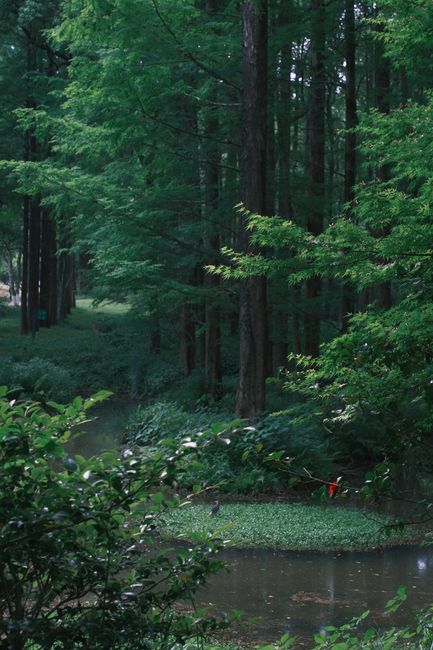
Botanical Garden
Sprawling 333-hectare garden Northwest of West Lake, at 1 Taoyuanling in Xihu District. Six specialty gardens showcase bamboo groves, medicinal plants, orchids, and rare species. Walking trails wind through forested areas with mountain views. The garden includes greenhouses with tropical plants and seasonal exhibitions. Peaceful meditation areas and scenic bridges offer perfect photography spots. Cherry blossoms in spring and chrysanthemums in autumn create stunning displays.
Tips for Parks & Gardens
- Spring (March-May) offers cherry blossoms and fresh greenery
- Autumn (September-November) provides crisp weather and colorful foliage
- Wear comfortable walking shoes for garden trails
- Bring water and sunscreen for outdoor exploration
- Early morning visits offer best lighting and fewer crowds
- Tea villages busiest during spring harvest season
Historic districts and vibrant streets in Hangzhou preserve traditional architecture and local culture while showcasing modern urban life, offering authentic glimpses into everyday Hangzhou.
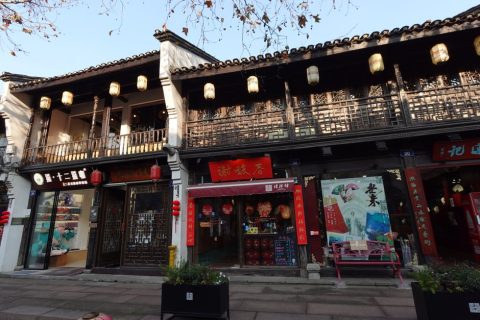
Hefang Street
Historic pedestrian street stretching 800 meters through Hangzhou's old city. Traditional storefronts sell silk, tea, souvenirs, and local crafts alongside modern shops. Classical architecture features tiled roofs, red lanterns, and ornate wooden facades. The street is lined with restaurants serving authentic local cuisine. Street-level galleries showcase local artists. Evening illumination creates magical atmosphere. This is Hangzhou's premier shopping and cultural destination where ancient and modern commerce blend seamlessly.
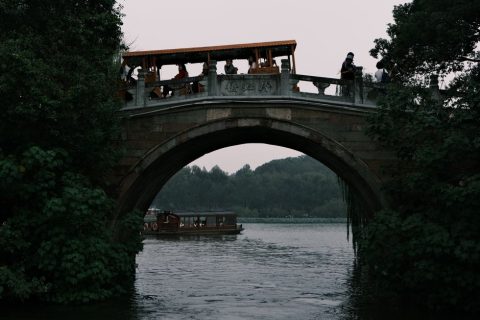
West Lake Causeway
Scenic causeway connecting different areas of West Lake with pedestrian paths, cycleways, and scenic overlooks. Classical arched bridges cross waterways where locals fish and relax. Weeping willows frame the path, creating classic Chinese landscape scenes. The causeway offers constantly changing views of temples, mountains, and water. Street vendors sell snacks and drinks. Walking the full causeway takes 2-3 hours and provides peaceful nature immersion. Sunset views are particularly stunning with golden light reflecting on water.
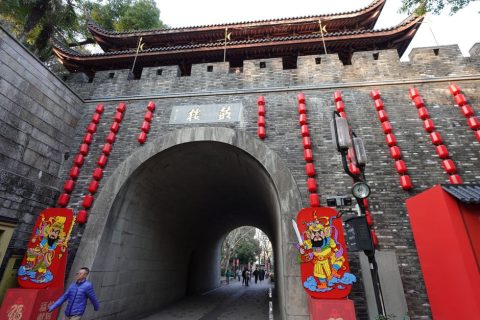
Qinghefang Ancient Street
Renovated Ming and Qing Dynasty street featuring traditional architecture and local heritage. Stone pathways wind past antique shops, tea houses, museums, and galleries. The street hosts cultural performances and exhibitions celebrating Hangzhou's artistic traditions. Visitors find calligraphy studios, paper-cutting workshops, and traditional craft shops. Historic buildings have been converted into cultural centers. The street offers peaceful exploration away from main tourist routes while maintaining authentic old-town character.
Tips for Neighborhoods & Districts
- Visit pedestrian streets early morning for photos without crowds
- Evening strolls offer beautiful lighting and local atmosphere
- Carry small bills for street vendors and small shops
- Most shops close between 2-3 PM for staff breaks
- Street food is authentic and inexpensive
Guided experiences and interactive activities provide deeper cultural engagement, from lake cruises to tea ceremonies, allowing visitors to participate in authentic Hangzhou traditions.
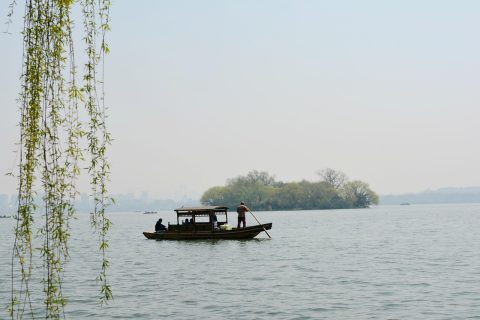
West Lake Boat Cruise
Traditional boat tours traverse scenic routes around West Lake with knowledgeable guides explaining historical sites and literary references. Options range from 30-minute express cruises to 2-hour comprehensive tours. Evening cruises offer romantic atmosphere with illuminated temples and gardens. Tea service available onboard with premium Longjing tea. Multiple departure points allow flexible itineraries. Boats feature covered seating and open-air viewing areas. The lake experience provides perspective impossible from shore, revealing landscape compositions classical poets celebrated.
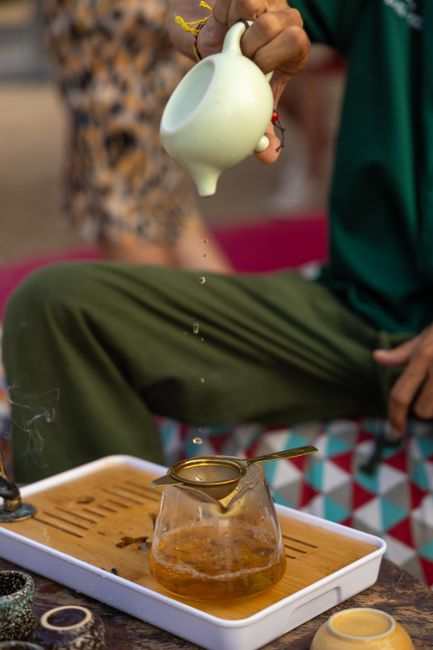
Traditional Tea Ceremony Experience
Participate in authentic Chinese tea ceremony (gongfu cha) with trained masters explaining philosophy and techniques. Sessions include tea leaf identification, water temperature selection, brewing methods, and tasting protocols. Ceremonies typically last 1.5-2 hours in peaceful tea houses. Small group settings allow personalized instruction. Visitors learn distinctions between tea varieties and develop appreciation for subtle flavor nuances. Many venues offer tea-leaf-picking experiences at mountain plantations during spring season, combining agricultural work with ceremony appreciation.
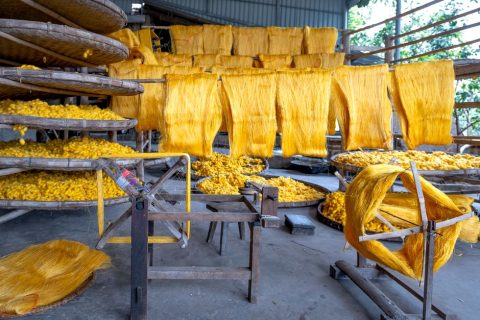
Silk Production Workshop
Hands-on workshops teaching traditional silk production from sericulture to finished products. Expert artisans demonstrate silk worm cultivation, cocoon harvesting, thread extraction, and weaving techniques. Participants try basic weaving on traditional looms and learn embroidery fundamentals. Workshops produce small mementos visitors take home. Sessions provide appreciation for silk's complexity and labor intensity. Instruction covers history of Hangzhou's silk trade and why region's climate and tradition made it the silk capital.
Tips for Tours & Activities
- Book activities in advance during peak seasons
- Arrive 15 minutes early for orientation
- Wear comfortable clothing for hands-on activities
- Ask guides about seasonal variations in experiences
- Many venues offer discounts for group bookings
- Photography typically permitted but confirm beforehand
Hangzhou's location provides easy access to neighboring attractions, from stunning natural landscapes to historic cultural sites, perfect for extending your exploration beyond the city.
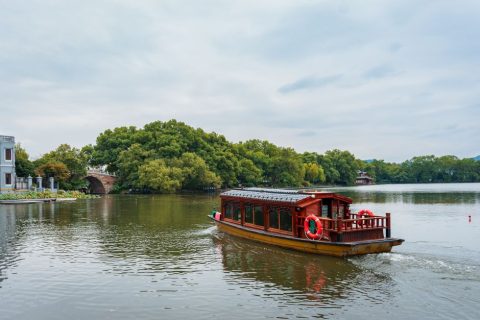
Wuzhen Ancient Water Town
Beautifully preserved water town Approximately 80 kilometres from Hangzhou; the operator’s 45-kilometre figure refers to Huzhou. Canals, stone bridges, and traditional architecture create picturesque scenery. Wooden buildings house tea houses, galleries, antique shops, and restaurants. Boat tours explore waterways and traditional neighborhoods. The town hosts annual arts festival attracting international artists. Theater performances occur nightly in historic venues. Staying overnight allows peaceful exploration after day tourists depart. Wuzhen represents traditional Jiangnan region culture and lifestyle before modern development altered landscape.
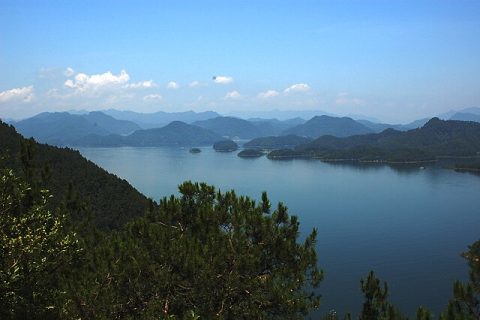
Qiandao Lake
Massive artificial lake Located west of central Hangzhou, in Chun’an County; distance varies with route and destination. Crystal-clear water reflects surrounding mountains and vegetation. Popular activities include island-hopping boat tours, hiking, fishing, and water sports. The lake region offers resorts ranging from luxury to budget-friendly. Underwater ancient city Lion City lies submerged in lake depths, attracting diving enthusiasts. The peaceful environment and natural beauty make it ideal escape from urban intensity. Day-trip or overnight visits both feasible from Hangzhou via organized tours.
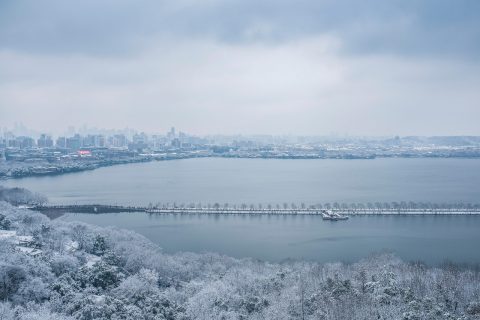
Moganshan Mountain
Scenic mountain resort 70 kilometers north of Hangzhou Moganshan’s elevations are several hundred metres; Zhejiang’s tourism guide gives an average elevation of approximately 500 metres. Bamboo-covered slopes, waterfalls, and hiking trails offer outdoor recreation and escape from heat. The mountain town features boutique hotels, cafes, and galleries attracting creative communities. Cool climate makes it ideal summer destination. Clear air provides stunning vistas of surrounding valleys. Hiking trails range from easy to challenging. Local specialties include bamboo shoots and bamboo crafts. Many day-trippers explore hiking trails and return to Hangzhou for evening; others overnight to experience mountain atmosphere.
Tips for Day Trips & Excursions
- Arrange transportation through hotels or tour companies
- Start early to maximize daylight for exploring
- Bring sunscreen, water, and sturdy shoes for outdoor activities
- Mountain and lake destinations have limited evening services
- Check weather before booking outdoor day trips
- Overnight trips allow more leisurely pace and authentic experiences
Hangzhou offers efficient transportation networks connecting airport, train stations, and attractions via metro, buses, taxis, and bike-sharing, making navigation convenient for visitors.
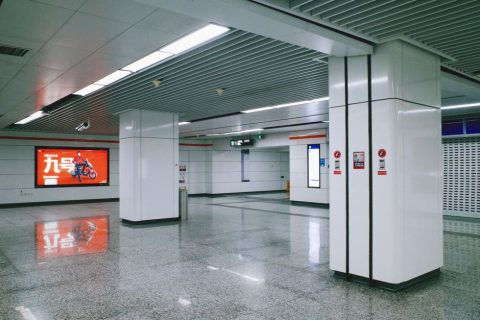
Metro System
Hangzhou Metro is a large, fast-growing network with many lines (check the current map in the metro app). Fares depend on distance. Cards and mobile payment accepted. Stations feature helpful signage in English and Chinese. The metro connects the airport with the city center in roughly 40-60 minutes (check the app for the right line). Most tourist attractions have nearby metro access. Rush hours (7-9 AM, 5-7 PM) experience crowding. Subway operating hours: 6 AM to 11 PM. Modern, clean stations and air-conditioned cars provide comfortable travel. Hangzhou Metro app provides navigation and route planning.
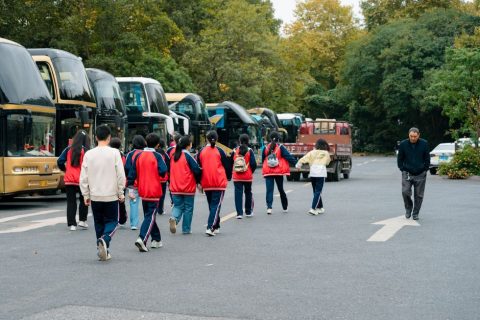
Public Buses
Extensive bus network with 400+ routes covering entire metropolitan area. Fares: 1-3 RMB for standard routes, higher for express buses. Easy mobile payment via Alipay/WeChat apps. Bus stops display routes in English. Many buses feature air-conditioning and electronic destination displays. Operating hours primarily 6 AM to 11 PM. Popular routes to attractions may have English-language announcements. Real-time tracking apps help plan journeys. Buses slower than metro but provide local neighborhood views and access to areas without metro coverage.
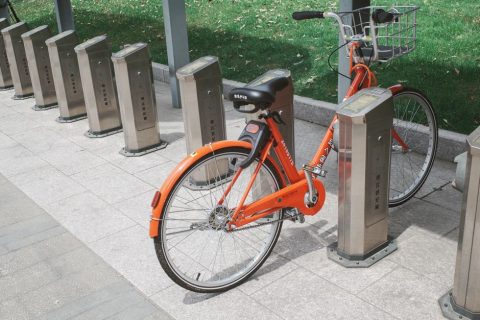
Bike Sharing & Cycling
Hangzhou's extensive cycling infrastructure features dedicated bike lanes throughout the city. Multiple bike-sharing systems (Helibike, Mobike) offer convenient short-term rentals. Charges vary by provider and time block; check the app. Reported HelloBike pricing had reached ¥1.8 per 30 minutes by 2025. Apps allow bike location and booking. Cycling preferred for West Lake exploration and scenic routes. The city hosts 3,000+ kilometers of cycling paths. Rental shops near attractions offer daily rentals for deeper exploration. Hangzhou's flat terrain suits cycling. Major traffic intersections have traffic lights with countdown timers for safety.
Tips for Transportation
- Purchase rechargeable transit card at metro stations for discounts
- Download Alipay/WeChat for mobile payment at all transport
- Download Hangzhou Transit app for real-time tracking
- Avoid rush hours when possible
- Cycling best on non-rainy days
- Taxis available but expensive, Standard city taxi flagfall is ¥13 for the first 3 kilometres, with applicable supplements.
Real, highly-rated Restaurants in Hangzhou, sourced from Google Places (rating above 4★).
Fang Chun Jian Jiao Steamed Dumplings
Fang Chun Jian Jiao Steamed Dumplings is a highly-rated restaurant in Hangzhou, rated 4.8★ from 23 reviews. Located at 481 Zhong Shan Nan Lu, Shang Cheng Qu, Hang Zhou Shi, Zhe Jiang Sheng, China, 310002.
Dragon Well Manor
Dragon Well Manor is a highly-rated restaurant in Hangzhou, rated 4.7★ from 27 reviews. Located at 399 Long Jing Lu, Xi Hu Qu, Hang Zhou Shi, Zhe Jiang Sheng, China, 310007.
Opening Hours
- Monday: 10:00 AM – 9:30 PM
- Tuesday: 10:00 AM – 9:30 PM
- Wednesday: 10:00 AM – 9:30 PM
- Thursday: 10:00 AM – 9:30 PM
- Friday: 10:00 AM – 9:30 PM
- Saturday: 10:00 AM – 9:30 PM
- Sunday: 10:00 AM – 9:30 PM
Green Tea Restaurant
Green Tea Restaurant is a highly-rated restaurant in Hangzhou, rated 4.6★ from 136 reviews. Located at 83 Long Jing Lu, Xi Hu Qu, Hang Zhou Shi, Zhe Jiang Sheng, China, 310007.
Opening Hours
- Monday: 10:00 AM – 10:00 PM
- Tuesday: 10:00 AM – 10:00 PM
- Wednesday: 10:00 AM – 10:00 PM
- Thursday: 10:00 AM – 10:00 PM
- Friday: 10:00 AM – 10:00 PM
- Saturday: 10:00 AM – 10:00 PM
- Sunday: 10:00 AM – 10:00 PM
Explore Hangzhou on the Map
Seasonal Overview
Spring (March-May): Ideal season with pleasant 15-25°C temperatures. Cherry blossoms peak in early April. Gardens and parks showcase flowers. Light clothing needed. West Lake experiences magical morning mists. Higher tourist crowds. Accommodation fills quickly.
Summer (June-August): Hot and humid, 28-35°C with occasional heavy rain. Less ideal for sightseeing. Tea leaf picking season ends. Summer festivals occur. Early mornings best for outdoor activities. Evening boat cruises popular. Expect crowded attractions.
Autumn (September-November): Excellent season rivaling spring. Cool, crisp weather 15-25°C. Dramatic clear skies. Chrysanthemums bloom in September-October. Autumn colors peak in November. Ideal for hiking and temples. Perfect photography conditions. Comfortable walking conditions.
Winter (December-February): Cold 0-10°C, occasional snow (rare). Fewer tourists, peaceful atmosphere. Heating in buildings often insufficient. Short daylight hours. Not recommended unless seeking solitude. Spring tea preparation occurs in late winter.
Shopping & Souvenirs
Must-Buy Items: Longjing Dragon Well tea (premium grades 500-5,000 RMB per catty). Silk products—scarves, fabrics, garments from government-approved shops. Silk embroidery artworks. Bamboo crafts from Moganshan mountain. Porcelain from nearby Jingdezhen. Vintage tea utensils from antique markets.
Shopping Districts: Hefang Street (800m historic street with souvenirs, tea, silk). Qinghefang Street (antiques, galleries, traditional crafts). Hubin Road (upscale malls, international brands). West Lake Causeway shops (tea and lake-themed items). Wanda Plaza (modern shopping mall).
Markets: Qingshui Fish Market (mornings, local produce, experience). Antique markets (weekends, jade, porcelain, furniture). Night markets (seasonal, street food, souvenirs).
Bargaining Tips: Expected in markets, not in retail stores. Start negotiations at 40-50% of asking price. Be respectful. Sealed tea products not negotiable. Government shops have fixed prices.
Events & Festivals
Chinese New Year (January-February): Most important holiday. Temples host prayers and celebrations. Fireworks light night skies (limited in urban areas). Family reunions result in crowded attractions. Hotels fill months ahead. Many shops close for 1-2 weeks.
Spring Tea Festival (April): Celebrates tea harvest with competitions, tastings, and cultural performances. Longjing tea village hosts tea-picking competitions. Museums organize exhibitions. Excellent time for tea-lovers. Peak tourist season.
West Lake Expo (May-June): The West Lake International Expo is a broad commerce and leisure programme, including shopping, exhibitions, performances and sports. Temporary installations and performances. Food festivals. Crowds very high. Advance tickets recommended.
Dragon Boat Festival (June): Direct visitors to the traditional dragon-boat celebrations at Xixi Wetland; the verified 2026 festival ran 19–21 June. Celebration of ancient poet Qu Yuan. Special rice dumplings (zongzi) sold everywhere. Holiday period sees family outings.
Mid-Autumn Festival (September-October): Moon-viewing festivals. Silk lantern installations on lakes. Mooncakes (traditional pastries) widely available. Evening celebrations and gatherings. Beautiful festival timing.
Hangzhou International Festival (September): Arts and culture festival with performances, exhibitions, and street celebrations. International artists participate. G20 Summit area hosts special events annually.
5-Day Itinerary
Day 1 - West Lake Classic: Arrive and settle into hotel. Afternoon: Walk Su and Bai causeways, which prohibit bicycles; cycle permitted perimeter roads, including Yanggong Causeway. Evening: Hefang Street dinner and shopping (1.5 hours). Watch sunset from West Lake. Total walking time: 4-5 hours. Accommodation near metro for flexibility.
Day 2 - Temple & Tea: Morning: Lingyin Temple hike through forested trails (3 hours). Lunch: Buddhist vegetarian cuisine. Afternoon: Longjing Tea Village exploration (2 hours) with tea tasting (1 hour). Evening: Tea ceremony workshop. Total: Full-day activity. Bring water, sunscreen, comfortable shoes.
Day 3 - Museums & Culture: Morning: Hangzhou Museum (2.5 hours). Lunch: Traditional Hangzhou cuisine. Afternoon: National Tea Museum (2 hours) with tasting. Evening: Qinghefang Street exploration and dinner. Total: 6-7 hours cultural activities. Less strenuous day for recovery.
Day 4 - Day Trip to Wuzhen: Early morning departure via tour or train (45 minutes). Full day exploring water town. Boat tours, galleries, shops, theater performance evening. Return to Hangzhou evening. Total: 12 hours with transportation. Stunning photography opportunities.
Day 5 - Relaxation & Shopping: Morning: Leifeng Pagoda and views (2 hours). Afternoon: Silk Museum workshop (2.5 hours). Late afternoon: Botanical Garden stroll (2 hours). Evening: Final shopping, local restaurant, West Lake night cruise. Total: Flexible pacing. Preparation for departure.
Best Photography Locations
West Lake Sunrise: Arrive 5:30-6 AM at Broken Bridge North area for mist-covered lake photography. Golden light reflects water. Tourists minimal. Misty conditions create atmospheric shots. Best spring and autumn.
Leifeng Pagoda at Sunset: Visit 4-5 PM for golden light illuminating pagoda against West Lake. Sky changes colors during hour before sunset. Distant mountains frame composition beautifully. Reflection in water doubles visual impact.
Longjing Tea Terraces: Shoot early morning (6-7 AM) with golden light on rows of tea bushes creating stunning patterns. Spring harvest season most vibrant. Use wide angles to capture terraced landscape.
Lingyin Temple Entrance: Early morning (6-7 AM) captures golden light, temple bells, morning prayer rituals. Fewer tourists. Mist may rise from surrounding forest. Architectural details clearly visible.
Hefang Street Evening: Red lanterns illuminate street after 6 PM. Traditional architecture glows warmly. Crowd activity creates dynamic images. Golden hour lighting before sunset ideal. 1-2 hour window optimal.
Qinghefang Ancient Street: Shoot late afternoon (4-5 PM) as light rakes across stone streets and traditional buildings. Ancient atmosphere most palpable. Stone textures and shadows create depth. Fewer crowds than Hefang.
West Lake Boat Perspective: Sunset cruises offer unique vantage points. Temples framed against colorful sky. Water reflections create mirror effects. Evening light golden and warm. Book evening cruise specifically for photography.
Electrical Standards
Voltage & Frequency: China operates on 220V alternating current (AC) at 50 Hz frequency. This differs from North America (110V, 60Hz) and some other regions (230V, 50Hz). Device compatibility depends on voltage range specifications.
Plug Types: Mainland China primarily uses Type A, Type C, and Type I plugs. Type A: Two flat parallel pins (North American standard). Type C: Two round pins (European standard). Type I: Two flat angle pins (Australian standard). Most hotels have multiple socket types available.
Adapter Recommendations: Universal travel adapters recommended for reliability. Purchase quality brands before traveling. Hangzhou hotels provide adapters at reception (sometimes for deposit). Electronics stores sell adapters (50-100 RMB). Multiple adapters recommended for simultaneous device charging.
Device Compatibility: Check device labels for voltage range. "100-240V" devices work in China. "100-120V only" devices require step-down transformer (expensive, not recommended). Most modern devices (phones, laptops, cameras) accept 220V. Never force incompatible plugs.
Power Strips: Bring quality extension strips with USB ports. Hotel rooms often have limited outlets in convenient locations. USB chargers increasingly standard in accommodations. Outlet strips with surge protection protect expensive electronics.
Culinary Experiences
Signature Dishes: West Lake Fish in Vinegar Gravy (Xi Hu Cu Yu): Freshwater fish in savory-sweet sauce, Hangzhou's most famous dish. Longjing Shrimp (Longjing Xia): Shrimp stir-fried with Longjing tea leaves, aromatic and delicate. Hangzhou Noodles (Long Xu Mian): Hand-pulled noodles in shrimp soup. Dongpo Pork: Braised pork belly in soy sauce, melt-in-mouth texture. Bamboo Shoot Dishes: Spring delicacy, fresh and tender.
Dining Experiences: Fine Dining: Government-approved restaurants with Michelin recognition. Dishes highlight local ingredients. 150-400 RMB per person. Mid-range Restaurants: Quality food in casual settings. Extensive Longjing shrimp and fish options. 60-120 RMB per person. Street Food: Dumplings, noodle stalls, tea snacks. 10-30 RMB per item.
Drinking Culture: Tea is primary beverage. Local beer brands Qingdao and Snow popular. Rice wine (huangjiu) traditional. Coffee culture growing in cosmopolitan areas. Tap water not potable; bottled water widely available.
Dining Tips: Restaurants open 11 AM-2 PM (lunch), 5 PM-10 PM (dinner). Lunch cheaper than dinner. Many restaurants only serve during meal times. English menus available in major restaurants. Pointing at other tables' dishes works. Tipping not customary. Eating while walking considered impolite.
Tourist Passes
More about Hangzhou
Photo credits (15)
- West Lake: photo by Takashishin, CC BY 4.0, via Wikimedia Commons
- Leifeng Pagoda: photo by David290, CC BY-SA 4.0, via Wikimedia Commons
- Six Harmonies Pagoda: photo by Photographs of YMCA buildings, people, and activities held in the collections of the Kautz Family YMCA Archives., CC BY 4.0, via Wikimedia Commons
- Lingyin Temple: photo by Tyg728, CC BY-SA 4.0, via Wikimedia Commons
- Jingci Temple: photo by Tyg728, CC BY-SA 4.0, via Wikimedia Commons
- Hangzhou National Tea Museum: photo by Fredlyfish4, CC BY-SA 4.0, via Wikimedia Commons
- Hangzhou Museum: photo by Amarespeco, CC BY-SA 4.0, via Wikimedia Commons
- China National Silk Museum: photo by Siyuwj, CC BY-SA 4.0, via Wikimedia Commons
- Botanical Garden: photo by Daderot., CC BY-SA 3.0, via Wikimedia Commons
- Longjing Tea Village: photo by Niklas Dougherty, CC BY-SA 4.0, via Wikimedia Commons
- Hefang Street: photo by HoweyYuan, CC BY-SA 4.0, via Wikimedia Commons
- West Lake Causeway: photo by Circa24, CC BY-SA 4.0, via Wikimedia Commons
- Qiandao Lake: photo by ZHart, CC BY 3.0, via Wikimedia Commons
- Metro System: photo by Benteds, CC BY 4.0, via Wikimedia Commons
- Public Buses: photo by S5A-0043, CC BY 4.0, via Wikimedia Commons

.jpg)


_Hangzhou_Public_Transport_Group_Trolleybus_Company_6-6129_%E6%B5%99A02569D_WE1314_Partial_Route_2024-12-14.jpg)