Plan your trip to Nanjing
- How long
- 2-3 days: one for the Purple Mountain sights, one for the Confucius Temple area and the city wall, plus a lake or museum day.
- Best for
- History lovers: a former capital with the Ming Xiaoling Mausoleum (UNESCO), the Sun Yat-sen Mausoleum and a 35 km Ming city wall.
- Skip it if
- You dislike heat and humidity: summers in Nanjing are very hot.
If you only do three things
- The Sun Yat-sen Mausoleum (392 steps) and the Ming Xiaoling Mausoleum on Purple Mountain.
- The Nanjing Museum, one of China's top museums.
- The Nanjing City Wall and the Confucius Temple and Qinhuai River district.
A one-day route
- Morning: The Sun Yat-sen Mausoleum and the Ming Xiaoling Mausoleum on Purple Mountain.
- Midday: Lunch near Purple Mountain or in the city.
- Afternoon: The Nanjing Museum or a walk on a restored stretch of the City Wall.
- Evening: The Confucius Temple and the Qinhuai River district for dinner and lights.
Before you go
- Metro line S1 links Nanjing Lukou Airport with the city (about 40 minutes to Nanjing South Railway Station).
- Book major museums and sights online in advance, and bring your passport for real-name registration.
- Nanjing's City Wall is about 35 km long.
- Check each site's current opening days and ticket prices.
Prices, opening status and transport in this plan checked against official sources on 30 September 2026.
Things to do in Nanjing
Iconic structures and historical monuments that define Nanjing's imperial heritage and architectural significance.
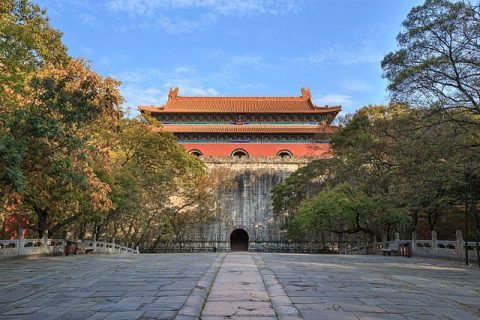
Ming Xiaoling Mausoleum
The grand tomb of the Hongwu Emperor, founder of the Ming Dynasty. This UNESCO World Heritage Site features the famous Spirit Way lined with stone guardian statues. The Sacred Way stretches 2.5 km with intricately carved The stone animals comprise lions, xiezhi, camels, elephants, qilin and horses—24 sculptures of six types. The main hall offers insights into Ming funerary architecture and imperial burial customs.
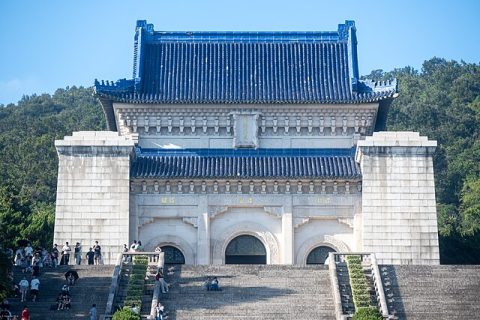
Sun Yat-sen Mausoleum (Zhongshan Mausoleum)
Honoring Dr. Sun Yat-sen, founder of the Republic of China. The mausoleum sits on the slopes of Purple Mountain, reached by a climb of 392 steps. The neoclassical design blends Eastern and Western architectural elements. Panoramic city views reward those who climb to the summit.
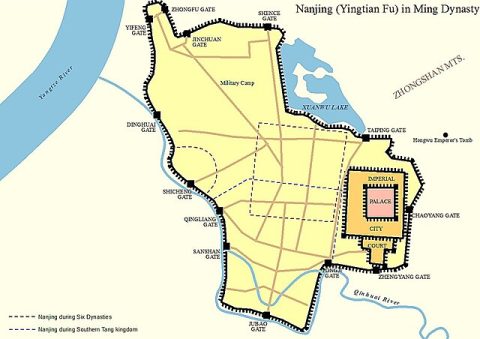
Nanjing City Wall
One of the longest and best-preserved ancient walls in China, originally built by the Hongwu Emperor in 1366. The rampart, up to about 20 meters high, The original inner-city wall measured 35.267 km; 25.091 km survives today. Walk the restored sections near Nanjing Museum or Longpan Road for views of historic gates and towers. The structure represents pinnacle Ming military architecture.
Tips for Landmarks & Monuments
- Wear comfortable walking shoes for extensive site exploration
- Visit early morning to avoid crowds and heat
- Bring water and sun protection year-round
- Hire a guide for deeper historical context
World-class museums showcasing Chinese art, history, and natural wonders with modern exhibition facilities.
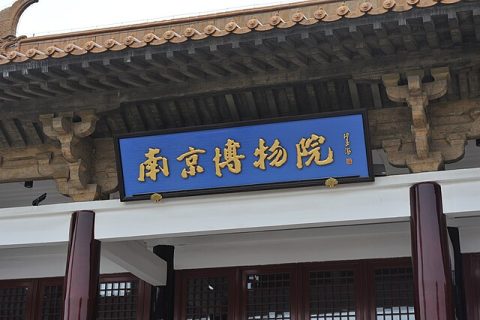
Nanjing Museum
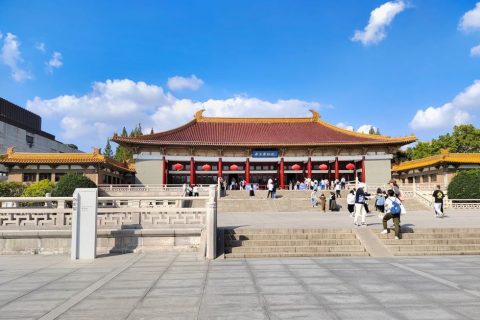
One of China's top three museums featuring over 400,000 artifacts spanning pre-historic to modern eras. Highlights include jade carvings, Ming and Qing porcelains, calligraphy, and textile collections. The museum's architecture itself blends traditional Chinese and modern design. Interactive exhibits and English-language plaques enhance accessibility.
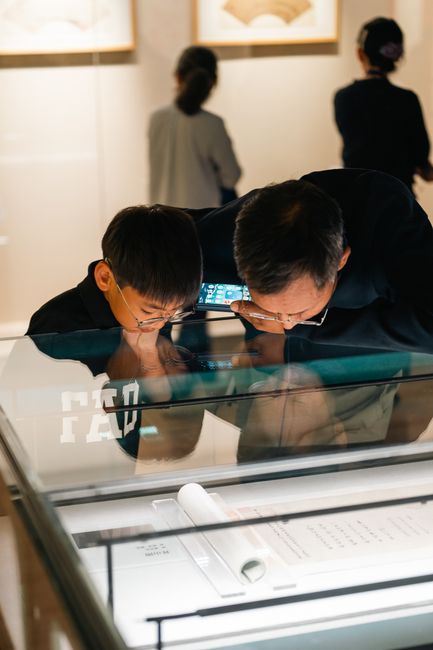
Nanjing Art Museum
Dedicated to contemporary and classical Chinese art with Temporary exhibitions have individual schedules; the September 2026 collection exhibition ran September 8–27. The museum houses works from the Song Dynasty through modern installations. Special focus on landscape painting and calligraphy traditions. Educational programs and artist talks enhance visitor engagement regularly.
Nanjing Museum of Traditional Chinese Medicine
Unique museum exploring China's ancient medical heritage with pharmaceutical artifacts, acupuncture instruments, and historical texts. Interactive demonstrations of herbal remedies and acupuncture techniques educate visitors. Displays showcase traditional healing methods spanning 2,000 years.
Tips for Museums & Galleries
- Book major museums online to skip queues
- Photography may be restricted in some galleries
- Allow extra time for artifact-heavy exhibitions
- Visit during weekday mornings for quieter experience
Sacred destinations representing Buddhism, Taoism, and Confucianism with centuries of spiritual significance.
Confucius Temple
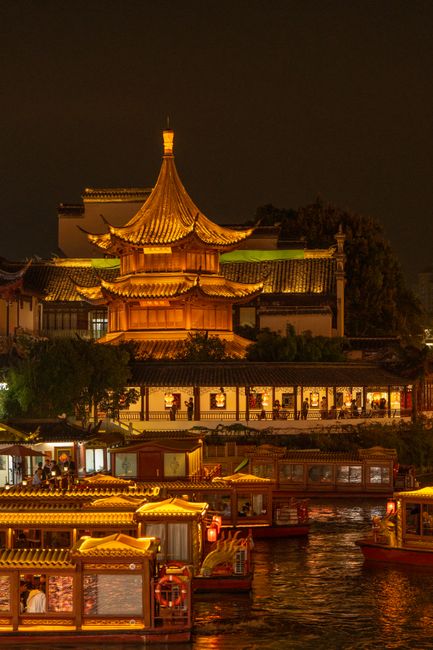
China's second-largest Confucian temple dedicated to the great philosopher. Founded in the Song dynasty (1034) and rebuilt several times, it features traditional courtyard architecture, ancient stele, and ceremonial halls. The temple hosts traditional cultural activities and summer festivals. The surrounding Qinhuai River area is vibrant with shops and restaurants.
Jiming Temple
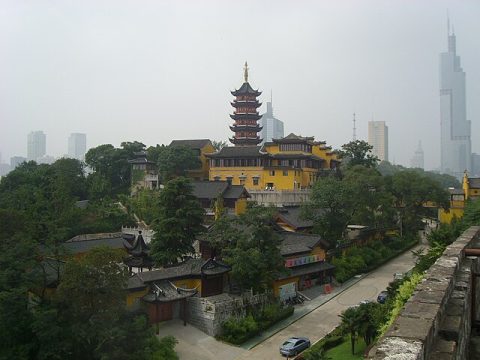
Situated on Jilong Hill, beside the city wall and Xuanwu Lake. with thousand-year history, this active Buddhist temple offers serene meditation spaces and panoramic city views. The main hall houses a large Buddha statue and ancient Buddhist texts. Morning prayers and rituals provide authentic spiritual experiences. Cable car access available for hill ascent.
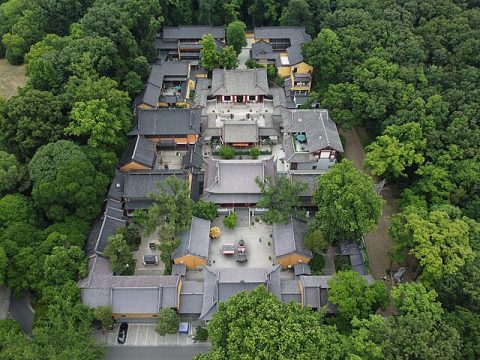
Linggu Temple
Historic Buddhist temple notable for its beamless brick hall, an architectural marvel from 1381. The Linggu Pagoda rises 60 meters offering aerial views of purple mountains. The temple complex includes meditation gardens, ancient trees, and peaceful courtyards perfect for contemplation.
Tips for Religious Sites
- Dress respectfully when entering active temples
- Remove shoes when required in prayer halls
- Photography in temples may be restricted
- Visit during morning hours for quieter experience
Archeological treasures and heritage structures documenting Nanjing's role as China's Six Dynasties capital.
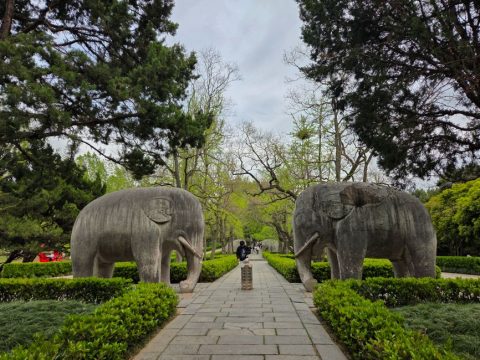
Ming Palace Ruins
Archaeological remains of the imperial palace complex built by Emperor Hongwu. Though largely ruined, the site preserves original drainage systems, foundation stones, and artifact-rich excavation areas. Modern museum displays artifacts and reconstructions. The landscape park setting blends history with green space, making it ideal for leisurely exploration.
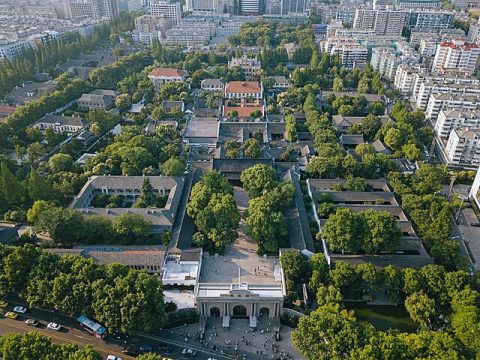
Presidential Palace
Historic building serving as residence and office for Republic of China presidents. The Western-influenced architecture The complex contains buildings from several periods: the Qing governor’s offices were rebuilt from 1870, and the present entrance dates to 1929. Period furniture, photographs, and documents illustrate early 20th-century political history. Beautifully preserved gardens complement the grand structure.
Tips for Ancient & Historical Sites
- Some sites require advance registration with government agencies
- Wear comfortable footwear for extensive walking
- Bring sun protection for open excavation areas
- Hire knowledgeable guides for deeper historical insights
Vibrant public spaces and historic pedestrian streets offering shopping, dining, and cultural experiences.
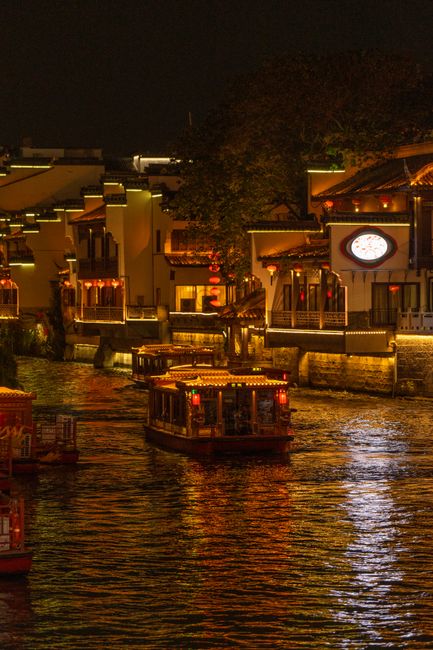
Qinhuai River District
The historic heart of Nanjing stretching along the Qinhuai River with traditional architecture, theaters, and restaurants dating to Ming-Qing eras. Walking streets lined with lanterns create magical evening ambiance. Boat cruises on the river offer unique sightseeing. Famous for authentic local cuisine and crafts.
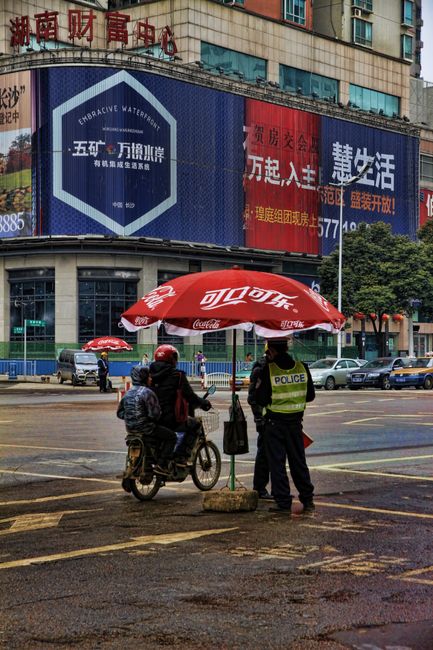
Hunan Road
Modern upscale shopping district blending international brands with traditional architecture. Tree-lined pedestrian mall features cafes, bookstores, and boutiques. The street perfectly balances retail therapy with cultural ambiance. Evening strolls reveal atmospheric restaurants and galleries.
Tips for Squares & Streets
- Visit Qinhuai River area at sunset for optimal photography
- Shop during weekday mornings to avoid crowds
- Street food is freshest during evening hours
- Comfortable shoes essential for extensive walking
Green spaces and botanical attractions showcasing nature and landscape design throughout the seasons.
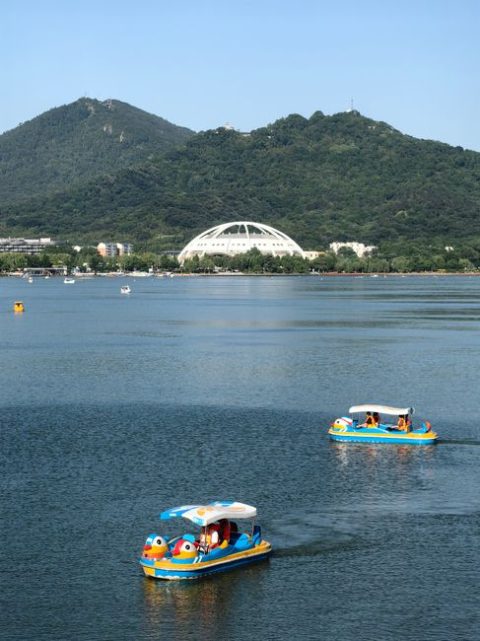
Xuanwu Lake Park
Urban oasis in the city center with scenic lake views, walking paths, and recreational facilities. The 5.13 km² scenic area, including 3.78 km² of lake and 1.35 km² of land. Cherry blossoms blanket the park in spring while lotus flowers dominate summer waters. Sunset walks along the embankment offer peaceful respite from urban bustle.
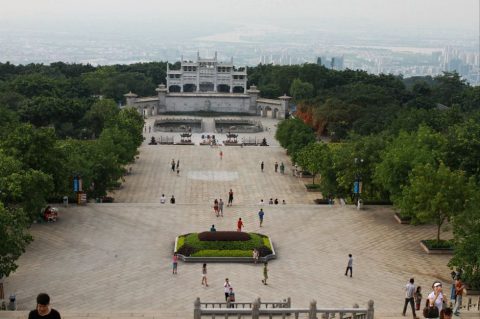
Purple Mountain National Park
Covering 3,100 hectares with diverse flora and scenic trails, Purple Mountain offers hiking, sightseeing, and nature immersion. Attractions throughout the park include temples, mausoleums, and scenic overlooks. Cable car systems help visitors reach higher elevations. Forested pathways and ancient temples create spiritually enriching experiences.
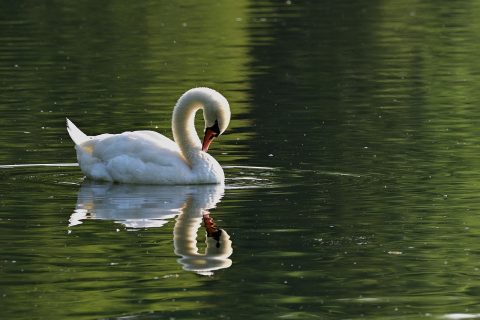
Mochou Lake Park
Historic garden-style park featuring pavilions, bridges, and lakeside paths named after a legendary beauty. The traditional landscape design incorporates water features, vegetation, and architecture harmoniously. Boat rentals and waterside cafes enhance the leisurely atmosphere. Seasonal flower displays transform the park's aesthetics throughout the year.
Tips for Parks & Gardens
- Bring insect repellent during summer months
- Wear sun protection despite tree shade in parks
- Spring and autumn offer most comfortable weather
- Parks crowded on weekends and holidays
Guided experiences and activities offering deeper engagement with Nanjing's culture and attractions.
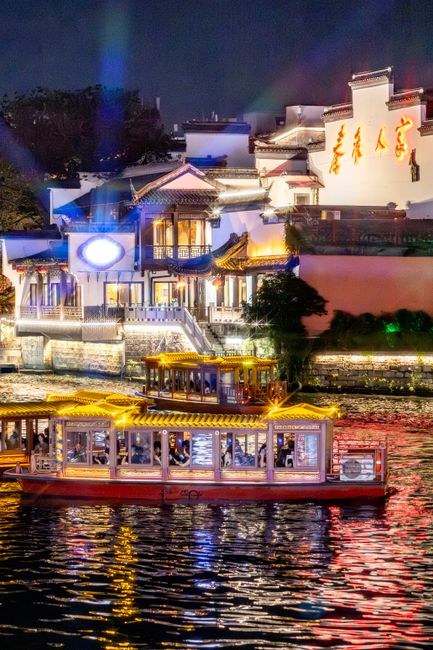
Nanjing River Cruises
Scenic boat tours along the Yangtze and Qinhuai Rivers showcasing historic waterfront areas and temple views. Evening cruises with dinner service combine sightseeing with dining experiences. Day cruises visit local islands and river towns. Professional guides provide historical commentary throughout journeys.

Traditional Calligraphy & Painting Classes
Hands-on workshops taught by local artists focusing on classical Chinese art techniques. Participants learn brush control, ink application, and composition principles. Half-day and full-day courses accommodate all skill levels. Materials provided and artwork available for purchase or shipment home.
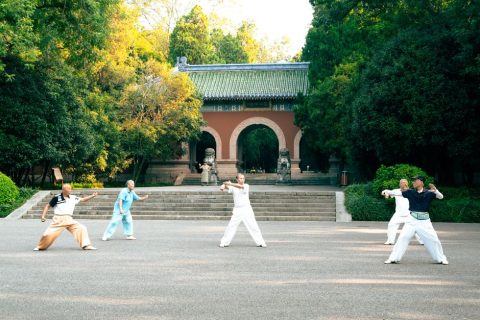
Tai Chi & Martial Arts Classes
Traditional Chinese exercise and combat training with certified instructors in parks and studios. Tai Chi improves balance and flexibility while martial arts classes teach classical techniques. Group and private lessons available for tourists of all ages. Early morning park sessions provide immersive cultural experiences.
Tips for Tours & Activities
- Book guided tours through hotels or official agencies
- Confirm language options in advance with tour operators
- Bring comfortable clothing for physical activities
- Classes often require minimum participant numbers
Nearby destinations offering cultural, natural, and historical experiences reachable within a few hours.
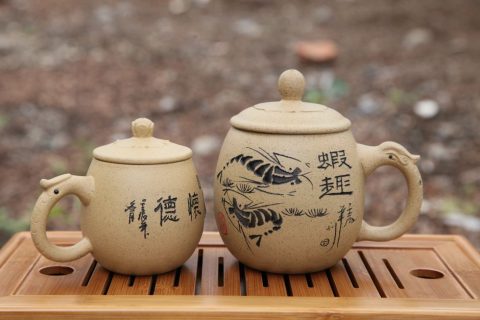
Yixing Ceramic Area
Allow roughly two hours from central Nanjing to Yixing, plus onward travel to individual pottery workshops. Workshops and kilns open to visitors for demonstrations and hands-on pottery instruction. Ceramic markets offer authentic pieces at reasonable prices. Museums showcase centuries of pottery evolution and artistic development.
Tips for Day Trips & Excursions
- Book tours through hotels for transportation and guide services
- Rent cars with drivers for personalized experiences
- Allow extra time for unexpected delays in traffic
- Pack snacks and water for longer excursions
Distinct areas with unique character offering authentic local experiences and specialized attractions.
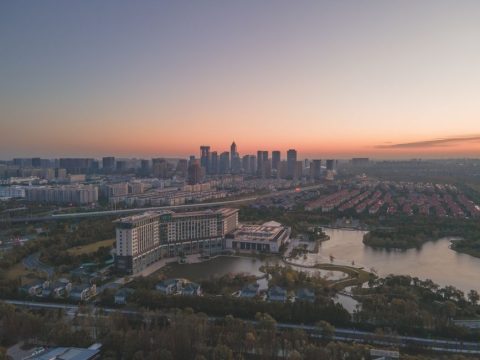
Xinjiekou District
Central business district combining modern shopping with historical landmarks. Department stores, international brands, and local boutiques offer diverse retail therapy. Surrounding alleys contain hidden restaurants and teahouses. The district pulses with contemporary urban energy while maintaining architectural connections to historical Nanjing.
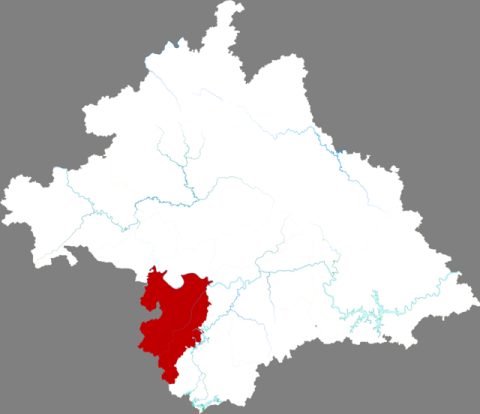
Jiangnan District
Historic riverside neighborhood preserving traditional architecture and cultural heritage. Narrow alleyways, traditional courtyard houses, and ancient temples characterize the district. Local teahouses and small restaurants serve authentic cuisine passed through generations. The area offers genuine glimpses into Nanjing's historical lifestyle.
Tips for Neighborhoods & Districts
- Explore neighborhoods on foot for authentic atmosphere
- Visit during daytime for safety and clear photography
- Respect local residents when photographing
- Small restaurants may lack English menus
Real, highly-rated Restaurants in Nanjing, sourced from Google Places (rating above 4★).
AL-JANNAT Indian Restaurant
AL-JANNAT Indian Restaurant is a highly-rated restaurant in Nanjing, rated 4.8★ from 52 reviews. Located at 3Q9H+58J, Shi Zi Qiao, Gu Lou Qu, Nan Jing Shi, Jiang Su Sheng, China, 210008.
Opening Hours
- Monday: 6:00 AM – 9:00 PM
- Tuesday: 6:00 AM – 9:00 PM
- Wednesday: 6:00 AM – 9:00 PM
- Thursday: 6:00 AM – 9:00 PM
- Friday: 6:00 AM – 9:00 PM
- Saturday: 6:00 AM – 9:00 PM
- Sunday: 6:00 AM – 9:00 PM
Muslim Maxiangxing Restaurant
Muslim Maxiangxing Restaurant is a highly-rated restaurant in Nanjing, rated 4.4★ from 20 reviews. Located at China, Nan Jing Shi, Gu Lou Qu, 江苏省南京市鼓楼区云南北路32号 邮政编码: 210009.
南京大排档
南京大排档 is a highly-rated restaurant in Nanjing, rated 4.4★ from 26 reviews. Located at China, Jiang Su Sheng, Nan Jing Shi, Xuan Wu Qu, 新街口地区应天大街 邮政编码: 210005.
Opening Hours
- Monday: 10:30 AM – 9:30 PM
- Tuesday: 10:30 AM – 9:30 PM
- Wednesday: 10:30 AM – 9:30 PM
- Thursday: 10:30 AM – 9:30 PM
- Friday: 10:30 AM – 9:30 PM
- Saturday: 10:30 AM – 9:30 PM
- Sunday: 10:30 AM – 9:30 PM
Explore Nanjing on the Map
Seasonal Guide
Spring (March-May): Cherry blossoms blanket parks with pleasant temperatures ranging 15-25°C. Moderate rainfall requires light jackets and umbrellas. Spring festivals celebrate cultural traditions throughout the city.
Summer (June-August): Extremely hot and humid with temperatures exceeding 35°C. Frequent thunderstorms cool afternoons. Visit early mornings or evenings. Lotus flowers peak in lakes during mid-summer.
Autumn (September-November): Ideal season with comfortable 15-25°C temperatures and clear skies. Golden foliage transforms parks. Rainfall minimal with low humidity. Most comfortable for extensive sightseeing.
Winter (December-February): Cold temperatures 2-8°C occasionally dip below freezing. Rare snow adds beauty to temples and gardens. Fewer tourists mean shorter lines. Heating availability varies in older attractions.
Getting Around Nanjing
Metro System: Nanjing Metro operates 15 lines following Line 6’s opening on September 29, 2026. Cards and single tickets available at stations. Operating hours vary by line, station and direction; Line 6’s last departure from Nanjing South toward Qixia Mountain is 23:38. English signage and announcements assist foreign visitors.
Buses: Extensive city bus network reaches all neighborhoods. English maps downloadable from tourist offices. Buses require exact change or transit cards. Routes 1, 3, and 13 cover popular tourist areas.
Taxis: Taxis are metered. Avoid unlicensed taxis for safety. Ride-hailing apps Didi offer app-based booking alternatives.
Bicycles: Public bike-sharing systems provide affordable daily rentals. Bike lanes on major streets make cycling safer. Return bikes to any designated station within network.
Airport: Nanjing Lukou International Airport is approximately 35 km from downtown, in Jiangning District. Metro line S1 connects the airport with the city (about 40 minutes to Nanjing South Railway Station). Airport buses have route-specific schedules and fixed fares; Line 1 starts at 08:00 and serves arriving flights through the final flight, costing ¥25.
✈️ Airport Transfer
Nanjing Lukou International Airport (NKG) to city center:
- Metro Line S1: Direct to Nanjing South Railway Station in about 40 minutes
- Airport Shuttle Bus: Runs to the downtown Nanjing Railway Station area in roughly 50 minutes
- Taxi: Metered ride to the city center takes 45 to 60 minutes; ask for a quote or use a ride-hailing app
- Private Transfer: Pre-booked car direct to your hotel in about 45 minutes; agree the price first
Shopping Guide
Traditional Crafts: Nanjing brocade, yunjin silk, and woodblock prints offer authentic souvenirs. Confucius Temple area shops display quality pieces with varying price points. Authenticate items through official government shops to ensure quality.
Shopping Districts: Hunan Road features international brands and upscale boutiques. Xinjiekou offers modern department stores. Qinhuai River area combines tourist shops with local markets.
Markets: Morning wet markets provide fresh produce and local goods. Antique markets near temples offer collectibles and restoration services. Weekend flea markets at various parks attract bargain hunters.
Modern Malls: Nanjing includes multiple modern shopping centers with cinemas, restaurants, and premium brands. Air conditioning provides refuge from summer heat.
Bargaining Tips: Markets and small shops accept negotiation typically yielding 10-20% discounts. Department stores maintain fixed prices. Group buying increases bargaining power slightly.
Annual Events & Celebrations
Chinese New Year (Late January-February): Lion dances, temple fairs, and traditional performances fill streets. Fireworks illuminate nights during celebrations. Many shops close 2-3 days; those open offer festive atmosphere.
Qingming Festival (April 5): Ancestral tomb visits and spring outings characterize the holiday. Parks overflow with family picnickers. Temple grounds host traditional ceremonies honoring deceased relatives.
Dragon Boat Festival (5th Lunar Month, June): Qinhuai River dragon boat races attract thousands of spectators. Traditional rice dumplings called zongzi sold everywhere. Evening water lantern releases create magical scenes.
Mid-Autumn Festival (8th Lunar Month, September): Moon-gazing traditions and lantern festivals celebrate family reunions. Street vendors sell mooncakes and traditional pastries. Temples host cultural performances under full moon.
Nanjing International Arts Festival (October): Theater performances, art installations, and cultural exchanges occur citywide. International performances blend with traditional Chinese arts. Tickets available through official channels.
5-Day Sample Itinerary
Day 1 - Historical Foundations: Start at Nanjing Museum (book online) for comprehensive historical overview. Afternoon walking tour of Nanjing City Wall sections near museum. Evening stroll through Qinhuai River District with dinner at riverside restaurant. Walk illuminated historic streets with temple views.
Day 2 - Imperial Heritage: Full day on Purple Mountain visiting Sun Yat-sen Mausoleum and Ming Xiaoling Mausoleum. Afternoon climb to Jiming Temple for city panoramas. Optional cable car reduces walking if needed. Sunset views from mountain peak provide excellent photography opportunities.
Day 3 - Spiritual Immersion: Morning visit Confucius Temple for guided cultural tour. Afternoon Linggu Temple exploration including pagoda climb. Evening return to central districts for dinner. Traditional teahouse experience rounds out cultural day.
Day 4 - Urban Exploration: Morning shopping at Hunan Road and Xinjiekou District. Afternoon at Xuanwu Lake Park with boat tour and lakeside relaxation. Evening Qinhuai River cruise with dinner service. Return early for rest after extended walking days.
Day 5 - Local Experiences: Optional day trip to ceramic workshops in Yixing. Alternatively, revisit favorite attractions or explore neighborhoods not yet visited. Final evening packing and reflection on discoveries made during stay.
Instagram-Worthy Locations & Photography Tips
Ming Xiaoling Mausoleum Spirit Way: Best at golden hour (sunrise/sunset) when light illuminates stone guardian statues beautifully. Stone animals cast dramatic shadows. Fewer visitors during early morning hours. Aerial drone photos capture entire processional avenue symmetry.
Purple Mountain Overlooks: City skyline panoramas work best in clear autumn weather. Morning mist creates atmospheric conditions. Sunset from pagodas provides silhouette compositions. Spring cherry blossoms frame mountain slopes gorgeously.
Qinhuai River Evening Scenes: Red lanterns and temple reflections photograph best at dusk. Camera settings of 400-1600 ISO needed without tripods. Walk both riverbanks for compositional variety. Bridges provide elevated vantage points.
Xuanwu Lake Cherry Blossoms: Late March to early April windows capture peak bloom. Soft pink petals frame lake reflections. Overcast days reduce harsh shadows for floral details. Macro photography captures delicate flower structures.
Confucius Temple Architecture: Traditional red walls and yellow-tiled roofs photograph brilliantly during daytime. Courtyard symmetry creates balanced compositions. Fewer crowds mid-weekday enable people-free architectural shots.
Power & Electronics
Voltage Standard: China uses 220V AC, 50 Hz electrical current nationwide. Different from North America (110V) and some other regions. Check device compatibility before plugging in.
Plug Types: Mainland China primarily uses Type A (two flat pins) and Type I (two angled flat pins) plugs. Universal adapters essential for most foreign devices. Multi-plug adapters accommodate various device types simultaneously.
Adapter Recommendations: Purchase quality adapters before arrival or immediately at airport duty-free shops. Budget hotels provide limited sockets; portable power banks compensate for insufficient outlets. Surge protectors protect expensive electronics from voltage fluctuations.
Device Charging: Most modern phone chargers and laptop adapters automatically adjust to 220V. Check labels for "100-240V" confirmation. USB charging ports increasingly available at hotels and cafes for convenient charging.
Where to Buy Adapters: Airport shops, hotel front desks, or electronics stores throughout city. Convenience stores like 7-Eleven and Family Mart stock basic adapters. Online ordering allows advance purchase if needed.
Culinary Guide to Nanjing
Must-Try Dishes: Nanjing salt-water duck is iconic, featuring tender preserved duck meat with balanced saltiness. Nanjing salted duck eggs provide rich, creamy yolks. Mahjong tofu represents vegetarian creativity with layered tofu sheets in savory sauce.
Rice Dishes: Nanjing fried rice variants incorporate local ingredients and production techniques. Mixed vegetable rice bowls offer affordable nutrition. Preserved vegetable rice provides umami-rich comfort food experiences.
Street Food & Snacks: Steamed xiaolongbao (soup dumplings) available throughout city. Spring rolls, sesame balls, and sticky rice cakes satisfy sweet cravings. Night markets around Qinhuai River offer endless snack varieties from dozens of vendors.
Dining Recommendations: Tourist-frequented restaurants near attractions offer moderate prices with English menus. Family-run establishments provide authentic experiences and generous portions. Hotel recommendations provide reliable quality assurance.
Restaurant Etiquette: Tipping unnecessary and generally not practiced. Sharing multiple small dishes common dining style. Public restrooms limited; dining establishments provide facilities. Smoking common in restaurants unless specifically marked non-smoking areas.
Dietary Considerations: Buddhist restaurants accommodate vegetarian requirements. Islamic restaurants serve halal meat. English menus absent in local establishments; translation apps assist menu interpretation. Always confirm ingredients with staff regarding allergies.
Tourist Passes
More about Nanjing
Photo credits (14)
- Ming Xiaoling Mausoleum: photo by Zhangzhugang, CC BY-SA 4.0, via Wikimedia Commons
- Sun Yat-sen Mausoleum (Zhongshan Mausoleum): photo by xiquinhosilva, CC BY 2.0, via Wikimedia Commons
- Nanjing City Wall: photo by SY, CC BY-SA 4.0, via Wikimedia Commons
- Nanjing Museum: photo by Siyuwj, CC BY-SA 4.0, via Wikimedia Commons
- Nanjing Art Museum: photo by Farm, CC BY-SA 2.5, via Wikimedia Commons
- Confucius Temple: photo by Unknown, Public domain, via Wikimedia Commons
- Jiming Temple: photo by Inhorw, CC BY-SA 2.5, via Wikimedia Commons
- Linggu Temple: photo by 西安兵马俑, CC BY-SA 4.0, via Wikimedia Commons
- Ming Palace Ruins: photo by Suicasmo, CC0, via Wikimedia Commons
- Presidential Palace: photo by Krzysztof Golik, CC BY-SA 4.0, via Wikimedia Commons
- Hunan Road: photo by Farm, CC BY-SA 3.0, via Wikimedia Commons
- Xuanwu Lake Park: photo by 钉钉, CC BY-SA 4.0, via Wikimedia Commons
- Mochou Lake Park: photo by 4084470 0.smil, CC BY 4.0, via Wikimedia Commons
- Xinjiekou District: photo by Haha169, CC BY-SA 4.0, via Wikimedia Commons


_at_West_Gate_of_Mochou_Lake_Park_in_Jiangsu,_China_20260411.jpg)
