Iconic structures and historical monuments that define Nanjing's imperial heritage and architectural significance.
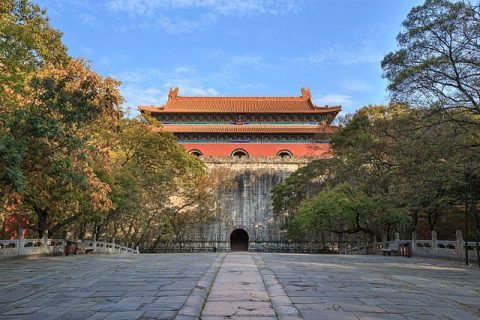
Ming Xiaoling Mausoleum
The grand tomb of the Hongwu Emperor, founder of the Ming Dynasty. This UNESCO World Heritage Site features the famous Spirit Way lined with stone guardian statues. The Sacred Way stretches 2.5 km with intricately carved The stone animals comprise lions, xiezhi, camels, elephants, qilin and horses—24 sculptures of six types. The main hall offers insights into Ming funerary architecture and imperial burial customs.
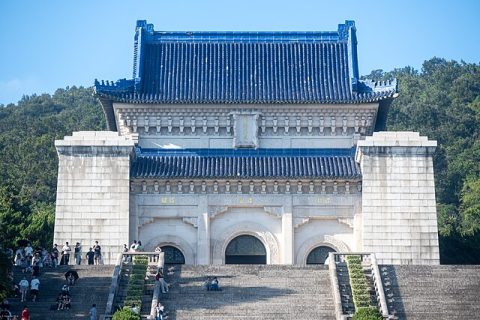
Sun Yat-sen Mausoleum (Zhongshan Mausoleum)
Honoring Dr. Sun Yat-sen, founder of the Republic of China. The mausoleum sits on the slopes of Purple Mountain, reached by a climb of 392 steps. The neoclassical design blends Eastern and Western architectural elements. Panoramic city views reward those who climb to the summit.
Nanjing City Wall
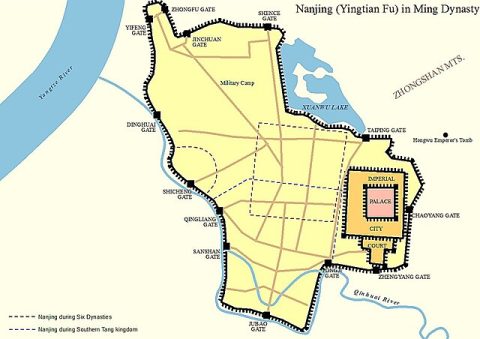
One of the longest and best-preserved ancient walls in China, originally built by the Hongwu Emperor in 1366. The rampart, up to about 20 meters high, The original inner-city wall measured 35.267 km; 25.091 km survives today. Walk the restored sections near Nanjing Museum or Longpan Road for views of historic gates and towers. The structure represents pinnacle Ming military architecture.
Tips for Landmarks & Monuments
- Wear comfortable walking shoes for extensive site exploration
- Visit early morning to avoid crowds and heat
- Bring water and sun protection year-round
- Hire a guide for deeper historical context