Plan your trip to Suzhou
- How long
- 2 days: the classical gardens and Pingjiang Road, plus Tongli or Luzhi if you have a third day.
- Best for
- Garden, history and craft lovers: UNESCO-listed classical gardens, canals and silk culture, just 30 minutes from Shanghai.
- Skip it if
- You want big sights or nightlife: Suzhou is a slow, garden-and-canal city, and the gardens get crowded on weekends and holidays.
If you only do three things
- The Humble Administrator's Garden, then the Lingering Garden or the Master of the Nets Garden.
- Suzhou Museum (free with online reservation).
- Pingjiang Historic District and Shantang Street by the canals.
A one-day route
- Morning: The Humble Administrator's Garden right at opening.
- Midday: Suzhou Museum (reserve online).
- Afternoon: The Lingering Garden or the Master of the Nets Garden.
- Evening: Pingjiang Historic District by the canal, or Shantang Street by night.
Before you go
- High-speed rail from Shanghai Hongqiao takes about 25-30 minutes.
- The Suzhou Museum is free but needs an online reservation.
- Avoid Chinese holidays and weekends at the main gardens.
- Check each garden's opening hours and ticket price before you go.
Prices, opening status and transport in this plan checked against official sources on 30 September 2026.
Things to do in Suzhou
Suzhou is renowned for its UNESCO World Heritage classical gardens, masterpieces of Chinese garden design featuring pavilions, bridges, water features, and carefully composed landscapes that blend natural and artistic elements.
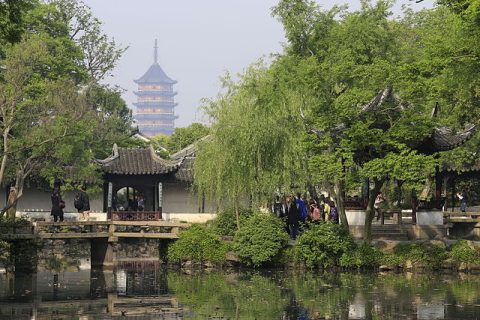
Humble Administrator's Garden
The largest classical garden in Suzhou, covering 52,000 sq meters. Features serene water features, pavilions with poetic names, ancient trees, and rock formations. The garden exemplifies the principle of balancing architecture with nature. Allow 2-3 hours for a leisurely visit.
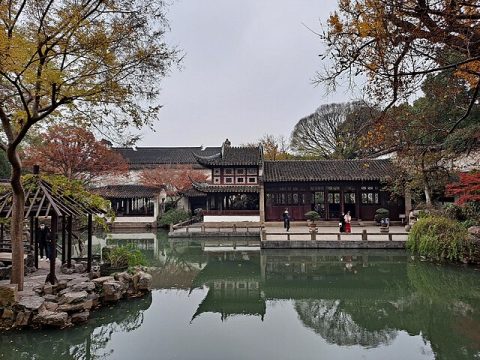
Lingering Garden
A Ming Dynasty masterpiece featuring exquisite architecture, intricate latticed windows, and refined landscaping. Known for its innovative design that creates different vistas from every angle. The garden demonstrates the principle of borrowed scenery from surrounding architecture.
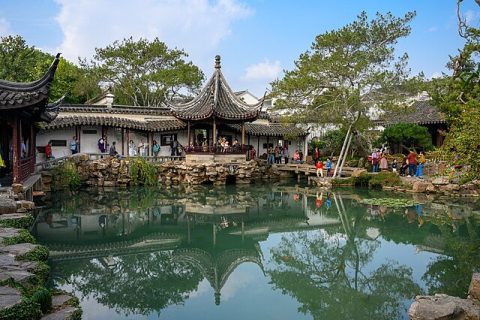
Master of the Nets Garden
The site began as a Southern Song residence and garden; the present garden was named and rebuilt in the Qing dynasty. Perfectly proportioned with authentic period features including a theater stage, living quarters, and garden pavilions. Evening performances of classical music are held in summer months.
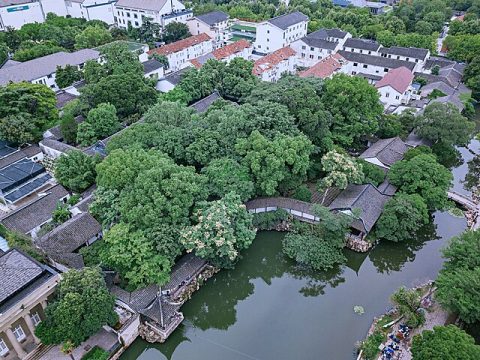
Surging Wave Pavilion
One of Suzhou's oldest gardens, Founded in 1045, during the Northern Song dynasty. Featuring a remarkable collection of scholar's stones, wisteria corridors, and waterside pavilions. The garden demonstrates classical design principles with emphasis on viewing angles and spatial composition.
Tips for Parks & Gardens
- Visit gardens in early morning (7-8am) to avoid crowds and enjoy mist over water
- Each garden has unique characteristics—visit at least 2-3 to appreciate the variety of classical design
- Bring comfortable walking shoes; gardens involve extensive walking
- Summer evenings feature classical music performances in some gardens
- Photography is excellent during golden hour (early morning or late afternoon)
Suzhou's spiritual heritage is reflected in ancient temples and religious structures representing Buddhism, Taoism, and Confucianism, featuring intricate carvings, historic artifacts, and peaceful meditation spaces.
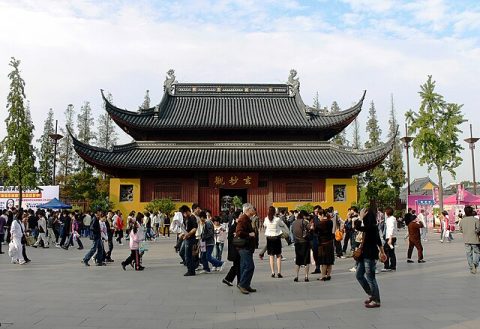
Xuanmiao Temple
A Taoist temple with a history spanning over 1,200 years. Features an impressive octagonal double-tiered roof covering the Hall of the Three Pure Ones. The temple compound includes bustling markets and traditional folk activities, blending spirituality with local culture.
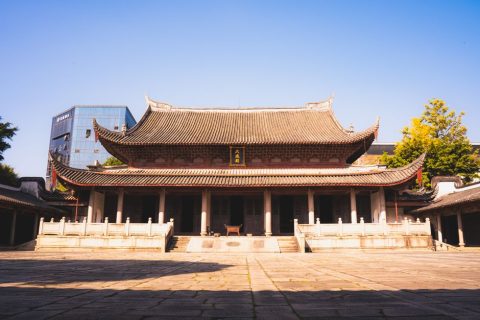
Confucian Temple
A serene academic sanctuary dedicated to Confucius, featuring traditional Ming Dynasty architecture. The temple includes a small museum with artifacts related to Confucian philosophy and local scholarly traditions. Peaceful courtyards offer respite from the city.
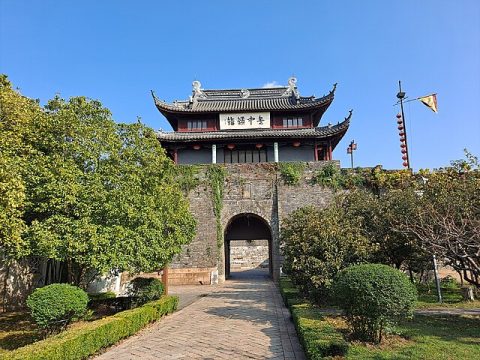
Ruiguang Pagoda
A remarkable octagonal pagoda dating to the Song Dynasty, featuring seven tiers and intricate Buddhist carvings. Located near Lingering Garden, this landmark provides panoramic city views and insight into Buddhist architectural traditions.
Tips for Religious Sites
- Temples are typically open 8am-5pm; some have shorter hours on rainy days
- Remove shoes before entering main prayer halls
- Photography may be restricted in certain inner sanctum areas
- Incense sticks are available for purchase; ask staff for proper etiquette
- Festival periods (Lunar New Year, Mid-Autumn) bring vibrant ceremonies and crowds
Suzhou's museums preserve the city's artistic heritage, traditional crafts, silk manufacturing traditions, and classical culture through comprehensive collections and interactive exhibits.
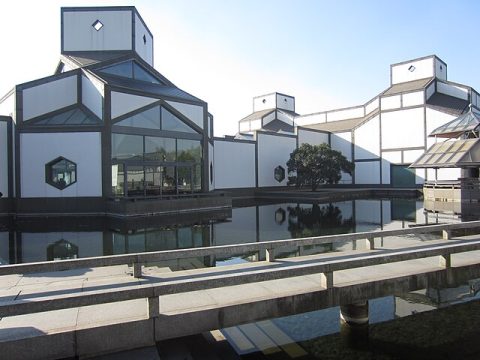
Suzhou Silk Museum
A world-class museum dedicated to silk production and the Silk Road. Features live silk-making demonstrations, historical looms, exquisite textile collections, and interactive workshops. Visitors can observe sericulture from cocoon to finished cloth. The gift shop sells authentic silk products.
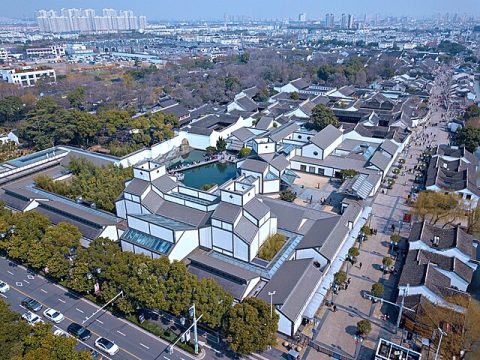
Suzhou Museum
A contemporary museum designed by renowned architect I.M. Pei, showcasing Suzhou's archaeological treasures and cultural heritage. The architecture itself is an attraction, blending modern design with classical garden elements. The museum’s core collections include archaeological finds, Ming- and Qing-era paintings and calligraphy, handicrafts, and ancient books; contemporary art appears in temporary exhibitions.
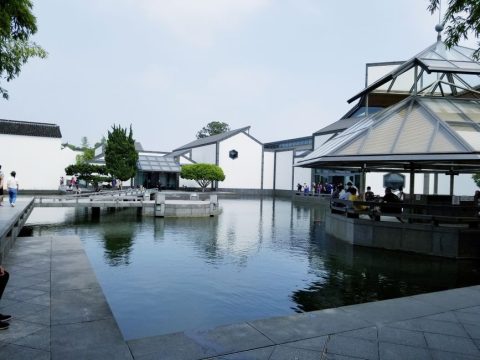
Suzhou Embroidery Museum
Dedicated to Suzhou's famous embroidery tradition, featuring exquisite handmade works, historical pieces, and contemporary designs. Live embroidery demonstrations showcase the painstaking technique. Finished pieces available for purchase directly from artisans.
Tips for Museums & Galleries
- Most museums close on Mondays; verify hours before visiting
- Suzhou Museum offers free entry (reserve online ahead)
- Audio guides are available in English at major museums
- Photography restrictions vary; ask at entrance for policies
- Plan 2-3 hours for major museums to fully appreciate collections
Suzhou's historic quarters preserve centuries of architectural tradition, featuring picturesque canals, ancient stone bridges, traditional shops, and lanes where classical elegance remains alive in daily life.
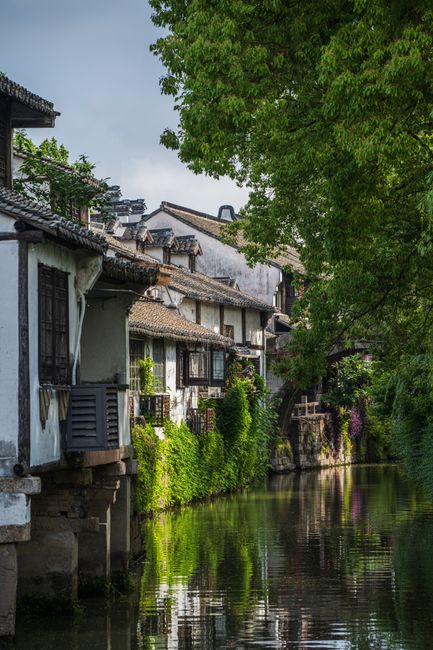
Pingjiang Historic District
Suzhou's most atmospheric historic area, featuring original Ming Dynasty canals lined with traditional whitewashed buildings. Stone bridges, narrow lanes, and waterfront shops create a living museum. The district retains authentic local character with genuine residents, shops, and restaurants.
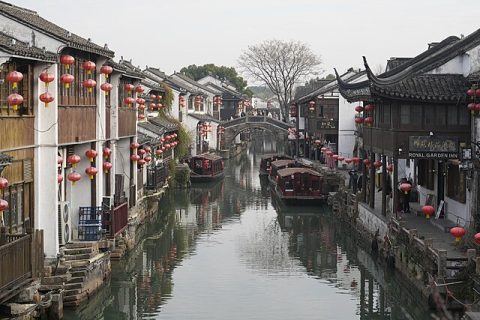
Shantang Street
Shantang Street is about 3,600 meters long; the historic street dates to 825 CE. Features original Ming and Qing Dynasty architecture. Ideal for leisurely strolls, photography, and sampling local snacks and crafts.
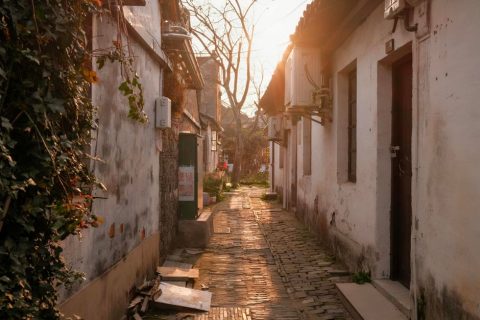
Guanqian Street
A commercial and cultural hub dating back centuries, blending historical architecture with modern shops. The street centers on Xuanmiao Temple and features traditional restaurants, silk shops, and antique markets. Excellent for shopping and experiencing local culture.
Tips for Neighborhoods & Districts
- Visit early morning (7-8am) to see locals practicing tai chi and enjoying street breakfasts
- Wear comfortable walking shoes; these districts involve extensive wandering on uneven stone streets
- Bring a camera—Pingjiang District is exceptionally photogenic with excellent light on canals
- Best visited during shoulder seasons (spring/autumn) when weather is mild and crowds moderate
- Evening strolls offer romantic atmosphere with lantern lighting along canals
Beyond Suzhou's city center lie picturesque ancient water towns accessible by short train or car rides, each preserving unique architectural styles and offering authentic experiences of traditional water-village life.
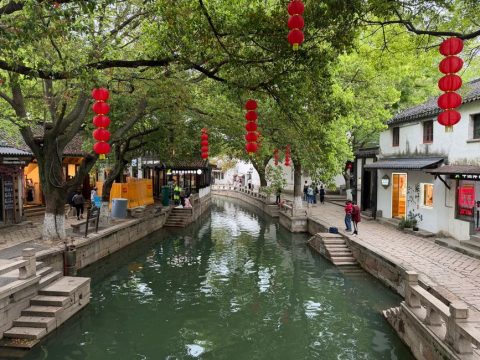
Tongli Ancient Town
A perfectly preserved water town with 15 classical gardens, 49 traditional bridges, and pristine canals. The town's architecture remains remarkably authentic with minimal commercial development. Excellent museums, calligraphy schools, and local teahouses provide cultural immersion.
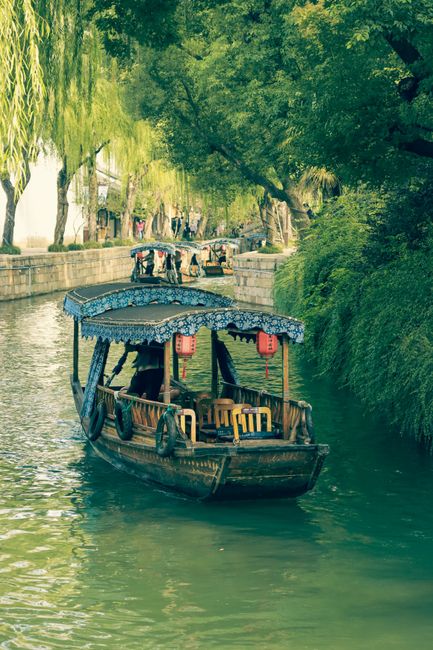
Luzhi Ancient Town
A lesser-known water town with excellent preservation and fewer crowds than Tongli. Features original canals, stone bridges, ancient temples, and traditional waterfront architecture. Known for authentic local life and tranquility. Several lakes surround the town offering scenic walks.
Tips for Day Trips & Excursions
- Water towns are accessible by organized day tours or independent travel via train/car
- Visit on weekdays to avoid weekend crowds from Shanghai tourists
- Boat rides provide the best perspective on traditional architecture and canal life
- Most towns have entrance fees (check each town's current ticket price)
- Plan full days; rushing through diminishes the tranquil experience these towns offer
Suzhou's artisan traditions thrive in dedicated workshops and markets where visitors can witness master craftspeople at work and purchase authentic handmade goods including silk, embroidery, jade, and wooden artworks.
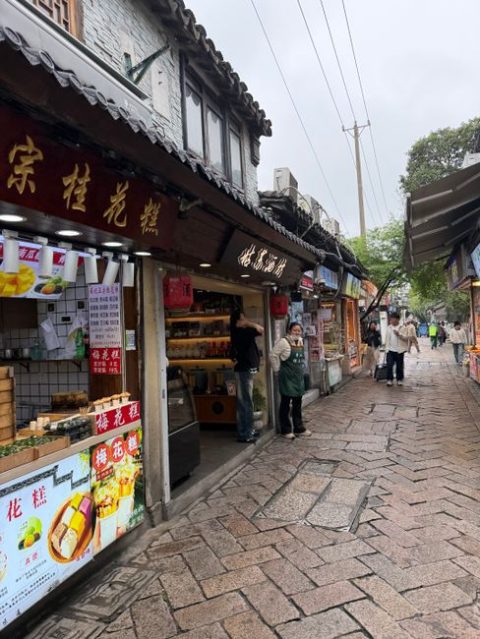
Antique Markets & Street Vendors
Guanqian Street and Pingjiang District host vibrant antique markets and street vendor areas. Find calligraphy tools, classical scroll paintings, jade pieces, ancient coins, and memorabilia. Bargaining is expected; authentic dealers appreciate serious collectors.
Tips for Shopping & Markets
- Visit artisan workshops in morning when craftspeople are most actively working
- Photography is usually permitted; ask artisans' permission before photographing close-up
- Authentic jade carving cannot be rushed; prices reflect years of apprenticeship and skill
- Many workshops are tucked into side streets; use local maps or ask hotel concierge for directions
- Purchasing directly from artisans guarantees authenticity and supports traditional crafts
Guided experiences and interactive activities offer deeper engagement with Suzhou's culture, from classical performances to cooking classes, photography tours, and spiritual practices.
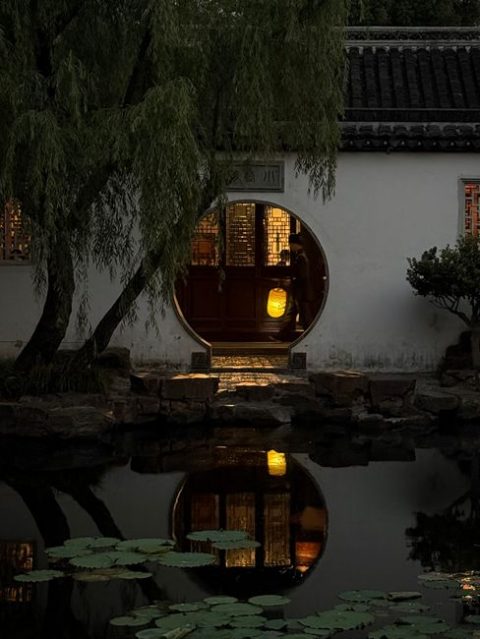
Garden Evening Performance
Intimate classical music and dance performances held in garden settings during summer months. Performances feature traditional Chinese instruments and graceful movements in authentic historical pavilions. The combination of classical architecture, candlelight, and performance creates magical atmosphere.
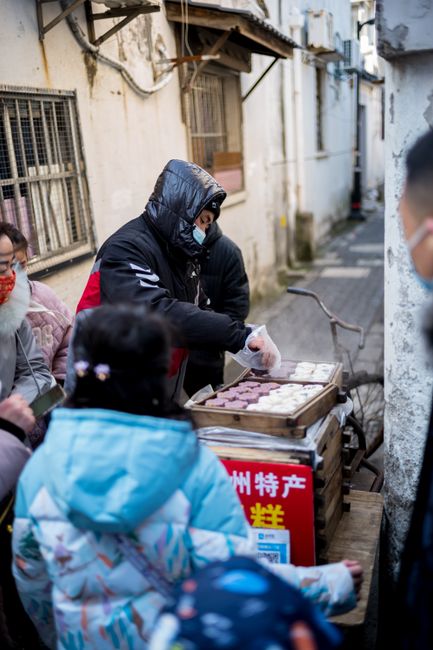
Suzhou Cooking Classes
Hands-on culinary experiences teaching Suzhou cuisine preparation with emphasis on seasonal ingredients and traditional techniques. Classes include market visits, ingredient selection, cooking instruction, and shared meals. English-speaking instructors accommodate international students.

Traditional Calligraphy Workshop
Learn Chinese brush calligraphy from accomplished artists in serene studio settings. Classes cover brush techniques, ink preparation, character formation, and artistic philosophy. No prior experience required; sessions produce beautiful pieces suitable for framing.
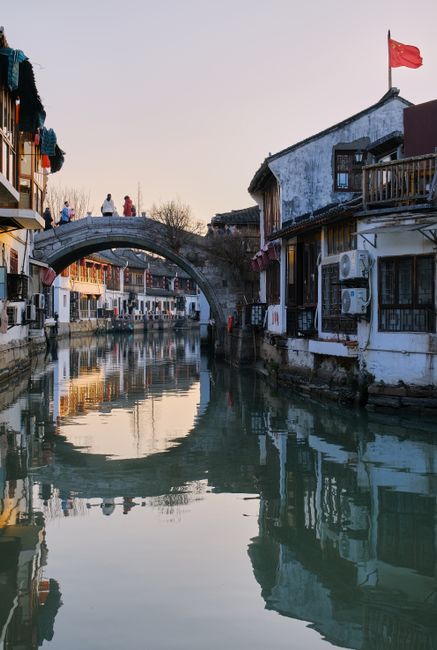
Photography Walking Tours
Guided tours with professional photographers exploring Suzhou's most photogenic locations and best lighting conditions. Tours visit early morning canal scenes, golden hour garden light, and hidden architectural details. Customizable itineraries for different skill levels.
Tips for Tours & Activities
- Book performances and classes through hotels or booking websites; prices vary by season
- Cooking classes require advance reservation; some offer hotel pickup included
- Summer evening performances are popular—book 1-2 weeks ahead during peak season
- Photography tours are ideal during shoulder seasons (March-May, September-November)
- Chinese language skills not required; English-speaking guides are available for most activities
Real, highly-rated Restaurants in Suzhou, sourced from Google Places (rating above 4★).
Tongdexing
Tongdexing is a highly-rated restaurant in Suzhou, rated 4.8★ from 41 reviews. Located at 6 Jia Yu Fang, Gu Su Qu, Su Zhou Shi, Jiang Su Sheng, China, 215005.
Opening Hours
- Monday: 10:30 AM – 2:00 PM, 5:00 – 9:00 PM
- Tuesday: 10:30 AM – 2:00 PM, 5:00 – 9:00 PM
- Wednesday: 10:30 AM – 2:00 PM, 5:00 – 9:00 PM
- Thursday: 10:30 AM – 2:00 PM, 5:00 – 9:00 PM
- Friday: 10:30 AM – 2:00 PM, 5:00 – 9:00 PM
- Saturday: 10:30 AM – 2:00 PM, 5:00 – 9:00 PM
- Sunday: 10:30 AM – 2:00 PM, 5:00 – 9:00 PM
Mammamia Pizzeria
Mammamia Pizzeria is a highly-rated restaurant in Suzhou, rated 4.4★ from 100 reviews. Located at Wuzhong District, Suzhou, China, 215027.
Opening Hours
- Monday: 7:00 AM – 10:00 PM
- Tuesday: 7:00 AM – 10:00 PM
- Wednesday: 7:00 AM – 10:00 PM
- Thursday: 7:00 AM – 10:00 PM
- Friday: 7:00 AM – 10:00 PM
- Saturday: 7:00 AM – 10:00 PM
- Sunday: 7:00 AM – 10:00 PM
Yangyang Dumpling Restaurant
Yangyang Dumpling Restaurant is a highly-rated restaurant in Suzhou, rated 4.4★ from 23 reviews. Located at 420 Shi Quan Jie, Cang Lang Qu, Su Zhou Shi, Jiang Su Sheng, China, 215005.
Opening Hours
- Monday: 10:30 AM – 2:30 PM, 5:00 – 9:00 PM
- Tuesday: 10:30 AM – 2:30 PM, 5:00 – 9:00 PM
- Wednesday: 10:30 AM – 2:30 PM, 5:00 – 9:00 PM
- Thursday: 10:30 AM – 2:30 PM, 5:00 – 9:00 PM
- Friday: 10:30 AM – 2:30 PM, 5:00 – 9:00 PM
- Saturday: 10:30 AM – 2:30 PM, 5:00 – 9:00 PM
- Sunday: 10:30 AM – 2:30 PM, 5:00 – 9:00 PM
Explore Suzhou on the Map
Optimal Seasons
Spring (March-May): Pleasant temperatures (15-25°C), blooming wisteria, comfortable garden walking. Peak tourist season.
Autumn (September-November): Clear skies, ideal photography conditions, comfortable temperatures (15-25°C), fewer crowds than spring.
Summer (June-August): Hot and humid (25-35°C), frequent rain, but garden evening performances available. Fewer international tourists.
Winter (December-February): Cold (0-10°C), occasional snow, sparse crowds. Gardens less scenic due to bare trees and gray skies.
Avoid: Golden Week (October 1-7) and Lunar New Year when crowds overwhelm attractions and prices spike.
Getting Around Suzhou
Metro System: Suzhou’s metro had nine lines in operation as of December 2024. Buy a single-journey ticket or use a supported transit card or QR-code app; the metro accepts several payment methods. Single journey costs 2-5 RMB depending on distance.
Buses: Extensive bus network (cheap per journey). Download apps like Amap or Baidu Map for real-time schedules.
Taxis & Ride-sharing: Taxis readily available but language can be barrier. Use Didi (Chinese Uber equivalent) through smartphone app for reliable service.
Bicycles: Suzhou is highly bikeable. Local bike-sharing services offer cheap rentals. Dedicated bike lanes throughout city.
Travel times depend on the station and service; check current train schedules and fares, and allow about 1 hour 40 minutes by airport coach from Hongqiao.
Local Tours: Many hotels arrange day trips to water towns with transportation included (check the price with your hotel).
✈️ Airport Transfer
Shanghai Hongqiao International Airport (SHA) to city center:
- Train duration varies by service and Suzhou station; consult 12306 for current options and fare, check the current ticket price
- The published Hongqiao–Suzhou coach information lists a fare of ¥53 and an approximate journey of 1.5 hours; confirm current departures before travel.
- Taxi: Metered taxi to central Suzhou takes about 1 to 1.5 hours and costs approximately 350 to 450 yuan
- Private transfer: Pre-booked car service to your Suzhou hotel takes about 1 to 1.5 hours and costs around 400 to 500 yuan
What to Buy & Where
Silk Products: The quintessential Suzhou souvenir. Purchase directly from authorized shops rather than street vendors. Scarves (100-500 RMB), robes (500-2000 RMB), and home décor available. Beware counterfeits; authentic silk has specific weight and sheen.
Embroidery: Handmade embroidered pieces including clothing, wall hangings, and accessories. Prices reflect hours of artisan work. Museums often have smaller, more affordable pieces.
Jade Carvings: Ranging from affordable pendants (50-200 RMB) to investment pieces (10,000+ RMB). Purchase from established galleries with authentication certificates for valuable pieces.
Suzhou Snacks: Mooncakes (mid-autumn festival specialty), local pastries, preserved fruits. Guanqian Street has renowned shops with long histories.
Tea: Green teas from surrounding regions, particularly Biluochun. Specialty tea shops on Shantang Street and in garden areas.
Antiques & Collectibles: Calligraphy, scrolls, ancient coins, cultural relics. Antique markets concentrated on Guanqian Street and Pingjiang District. Bargaining expected (30-50% reductions common).
Shopping Districts: Guanqian Street (commercial heart), Shantang Street (touristy but authentic), Pingjiang District (specialty shops), Modern malls (Suzhou Center, Aeon) for contemporary brands.
Annual Events & Festivals
Lunar New Year (January-February): Temple fairs with crowds, traditional performances, festive atmosphere. Tourist sites extremely crowded; book accommodation months in advance.
Qingming Festival (April): Ancestral tomb visits, generally quiet for tourists but spring gardens are stunning.
Dragon Boat Festival (May/June): Races on Suzhou canals, traditional food (zongzi), festive celebrations throughout the city.
Mid-Autumn Festival (September/October): Lantern displays, mooncake consumption, garden illuminations. Major shopping festival for gifts.
This describes an event in Wuxi, not Suzhou.
Garden Evening Performances: Summer classical music and dance performances (June-September) in Master of Nets Garden and other venues.
International Tea Festival: Spring celebration (April) featuring tea culture, tasting competitions, and cultural performances.
Sample Itineraries
Day 1: Classical Gardens Immersion
Morning: Humble Administrator's Garden (2.5 hours, arrive 7:30am to avoid crowds). Lunch: local noodle restaurant in garden area. Afternoon: Lingering Garden (2 hours). Evening: Shantang Street stroll, dinner at waterfront teahouse.
Day 2: Museums & Culture
Morning: Suzhou Museum (2-3 hours, free but reserve online). Lunch: Suzhou cuisine restaurant near museum. Afternoon: Suzhou Silk Museum with live demonstrations (2 hours). Evening: calligraphy workshop (1.5 hours) or evening garden performance if available.
Day 3: Historic Districts & Local Life
Early morning: Pingjiang Historic District exploration, tai chi observation on waterfront (7-8am). Breakfast at local teahouse. Morning: Xuanmiao Temple exploration and market browsing (2 hours). Afternoon: Guanqian Street shopping and antique markets. Evening: traditional dinner and evening canal boat ride.
Day 4: Water Town Excursion
Full day trip to Tongli or Luzhi (organized tour or independent travel 45-60 minutes away). Arrive 9am, explore temples and neighborhoods until 2pm. Lunch at local restaurant. Boat rides through canals (1 hour). Return by early evening. Alternative: Luzhi Ancient Town for fewer crowds.
Day 5: Specialized Interests
Morning: Embroidery Museum or Jade Carving Studio (2 hours). Lunch: local restaurant. Afternoon: Photography workshop or cooking class (3-4 hours). Evening: shopping on Shantang Street, traditional massage, final dinner at famous restaurant (book ahead).
Best Photography Locations & Timing
Pingjiang Historic District - Sunrise (6:30-7:30am): Misty canal light, reflections in still water, locals engaged in morning routines. Golden reflections on whitewashed buildings. Best light for moody atmospheric shots.
Shantang Street - Golden Hour (4:30-6:30pm): Warm sidelighting on ancient architecture, lanterns becoming visible. Canal reflections particularly stunning. Romantic evening light for street photography and architecture.
Humble Administrator's Garden - Early Morning (7-9am): Soft directional light through pavilions, mist rising from water features, minimal crowds. Reflections on pond surfaces. Best for composition and architectural detail photography.
Lingering Garden - Mid-morning (9-11am): Intricate latticed windows backlit, shadows creating interesting patterns on stone paths. Garden's innovative design creates perfect framing opportunities. Excellent for details and window/pattern photography.
Xuanmiao Temple & Guanqian Street - Late afternoon (3-5pm): Market activities, street vendors, temple roofs catching sidelight. Great for cultural and street photography with authentic activity.
Water Town Excursions - Early morning (7-8:30am): Bridges and arched reflections, misty atmospheric conditions, morning light on ancient buildings. Local fishermen and daily life activities. Most photogenic time with fewest tourists.
Master of Nets Garden - Evening (6-8pm): If attending evening performance, dramatic lighting, classical costumes, atmospheric pavilion settings. Unique cultural performance photography opportunities.
Power Supply & Adapters
Voltage & Frequency: China operates on 220V AC, 50Hz (compared to 110V in North America, 230V in Europe).
Plug Types: Primarily Type I (two angled flat pins) and Type A/C adapters also common. Rarely Type B (three rectangular pins).
Universal Adapters: Purchase before arrival or at Shanghai airport (avoid Suzhou airports/shops with inflated prices). Budget hotels may have limited spare adapters.
Voltage Converters: Essential for North American 110V appliances. European 230V devices typically work fine (check device rating). Don't rely on USB chargers as sole power source.
Where to Get Adapters: Airport shops, electronics markets (Suzhou's Loumen Electronics Market), major malls. Cost: 20-50 RMB depending on style.
Power Availability: Hotels provide power in rooms; cafés and restaurants have limited outlets. Some museums lack charging stations.
Culinary Specialties & Dining Guide
Signature Suzhou Dishes: Suzhou cuisine emphasizes delicate flavors, fresh seasonal ingredients, and artistic presentation. Squirrel Fish (crispy fried fish with sweet-sour sauce), Shrimp Paste Noodles (creamy umami-rich sauce), Mandarin Fish (tender freshwater fish prepared whole), Suzhou Mooncakes (multiple fillings including savory). Dim Sum (xiaolongbao—soup dumplings—are exceptional here).
Dining Experiences: Upscale restaurants in hotels, casual streetside vendors, traditional teahouses, waterfront restaurants on canals and gardens. Many award-winning chefs showcase Suzhou techniques.
Budget Guidance: Street meals 10-30 RMB, casual local restaurants 30-80 RMB per person, mid-range restaurants 80-150 RMB, upscale/hotel dining 150-400+ RMB. Cooking classes 300-600 RMB including ingredients and instruction.
Dining Tips: Lunch service typically 11am-2pm, dinner 5:30pm-9pm. Restaurants crowded during lunch and dinner rushes; visit mid-times for shorter waits. Payment methods: cash (RMB yuan), mobile payment (WeChat Pay, Alipay, increasingly common), credit cards in major restaurants. Small neighborhood places may be cash-only.
Dietary Requirements: Inform restaurants of vegetarian needs; translation apps helpful. English menus available at tourist-oriented establishments; major hotels can arrange specific requirements.
Street Food: Vendors offer xiaolongbao, scallion pancakes (cong you bing), sticky rice balls (tangyuan), regional pastries. Generally safe; choose busy stalls with high turnover.
Tourist Passes
More about Suzhou
Photo credits (12)
- Humble Administrator's Garden: photo by Zhangzhugang, CC BY-SA 4.0, via Wikimedia Commons
- Lingering Garden: photo by 钉钉, CC BY-SA 4.0, via Wikimedia Commons
- Master of the Nets Garden: photo by xiquinhosilva, CC BY 2.0, via Wikimedia Commons
- Surging Wave Pavilion: photo by Legolas1024, CC BY-SA 4.0, via Wikimedia Commons
- Xuanmiao Temple: photo by Gisling, CC BY 2.5, via Wikimedia Commons
- Confucian Temple: photo by Unknown, Public domain, via Wikimedia Commons
- Ruiguang Pagoda: photo by 钉钉, CC BY-SA 4.0, via Wikimedia Commons
- Suzhou Silk Museum: photo by Another Believer, CC BY-SA 4.0, via Wikimedia Commons
- Suzhou Museum: photo by Legolas1024, CC BY-SA 4.0, via Wikimedia Commons
- Suzhou Embroidery Museum: photo by 白色瑰宝, CC BY-SA 4.0, via Wikimedia Commons
- Shantang Street: photo by Chensiyuan, CC BY-SA 4.0, via Wikimedia Commons
- Guanqian Street: photo by そらみみ (Soramimi), CC BY-SA 4.0, via Wikimedia Commons


_-_16.JPG)


