Plan your trip to Hong Kong
- How long
- 3-4 days: Victoria Peak, Central and the Star Ferry, Kowloon, plus Lantau (Big Buddha) for a day.
- Best for
- City lovers and food fans: skyline views, dim sum, markets, old temples and quick hikes.
- Skip it if
- You dislike crowds and humidity: Hong Kong is dense, and summers are hot and wet.
If you only do three things
- The Peak (by Peak Tram) and the harbor views.
- The Star Ferry across Victoria Harbour.
- Dim sum, Temple Street or Ladies Market, and Lantau's Tian Tan Buddha.
A one-day route
- Morning: Dim sum, then the Peak Tram to Victoria Peak.
- Midday: Lunch in Central; Man Mo Temple.
- Afternoon: The Star Ferry to Tsim Sha Tsui; the Museum of Art.
- Evening: The Symphony of Lights from the Tsim Sha Tsui promenade; dinner in Kowloon.
Before you go
- The Airport Express reaches Central in about 24 minutes; check the current fare.
- An Octopus card works on the MTR, ferries and trams.
- Check the weather: typhoon signals and summer heat affect the Peak and Lantau.
- Check current entry rules and opening hours for Victoria Peak, Lantau and the museums.
Prices, opening status and transport in this plan checked against official sources on 30 September 2026.
Things to do in Hong Kong
Hong Kong's most recognizable symbols, from colonial-era architecture to modern engineering marvels

Star Ferry
The iconic Hong Kong experience, these historic green and white ferries have shuttled passengers across Victoria Harbour since 1888. Ride the upper deck at sunset for unforgettable views of the skyline and harbor. A journey takes just 10-15 minutes but captures the essence of old Hong Kong.
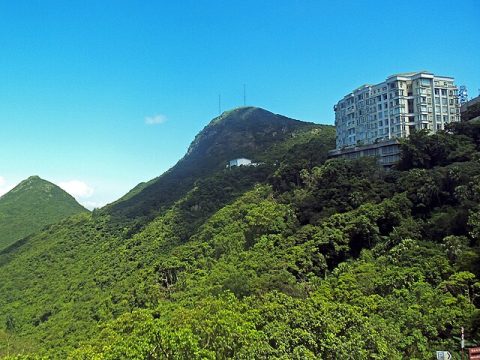
Victoria Peak
At 552 meters, Victoria Peak is 552 metres high; Hong Kong’s highest point is Tai Mo Shan, at 957 metres.360-degree panoramic views of the harbor, skyline, and surrounding islands. The iconic red Peak Tram has been operating since 1888. Visiting at sunset or night provides breathtaking city lights. The Peak Galleria and Peak Tower offer restaurants and shops.
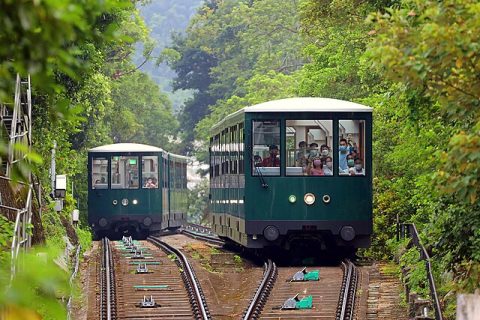
Peak Tram
A historic funicular railway opened in 1888, climbing 373 meters with a 27-degree gradient. The experience itself is iconic—sit by the window to watch the cityscape transform as you ascend. The peak experience is the journey, not just the destination.
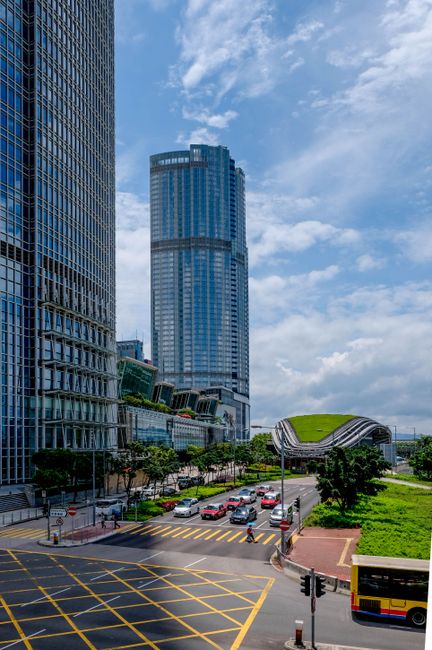
Central's Skyline
Hong Kong's world-famous harbor skyline features gleaming skyscrapers including the Bank of China Tower with its distinctive diamond lattice design. Best viewed from the Star Ferry or Central Waterfront. The Symphony of Lights evening show illuminates 44 buildings with laser and LED effects.
Tips for Landmarks & Monuments
- Visit Star Ferry in the evening to catch sunset reflections
- Peak Tram queues can reach 2+ hours; visit early morning or after 7 PM
- Walk down Peak Trail for a scenic descent through lush forest
- The Symphony of Lights show runs nightly at 8 PM from waterfront
World-class institutions showcasing Asian art, history, and cultural heritage
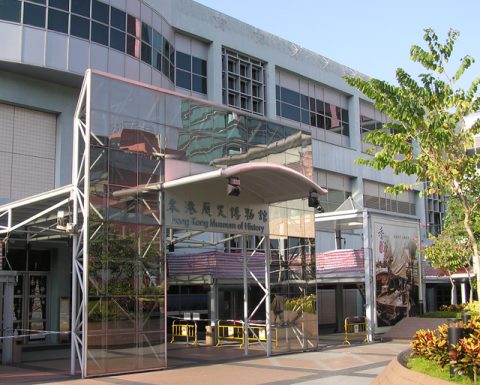
Hong Kong Museum of History
A comprehensive journey through Hong Kong's story spanning 4,000 years, from ancient Neolithic times to modern era. The ‘Hong Kong Story’ permanent exhibition reopened in a fully renovated form on 1 April 2026; check the museum for current displays. The museum contextualizes Hong Kong's transformation from fishing village to global hub in just 180 years.
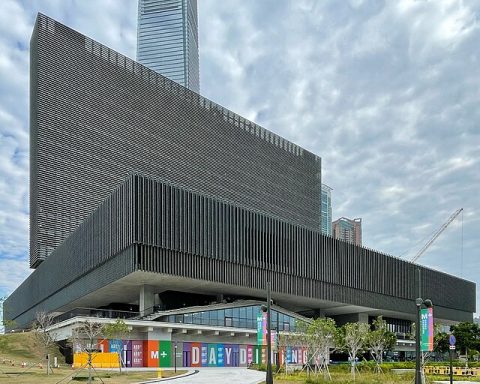
M+ Museum
A cutting-edge contemporary art museum in the West Kowloon Cultural District featuring visual art, design, and architecture. The striking building's facade is an artpiece itself. Rotating exhibitions focus on Asian and international contemporary works from the 20th century onwards.
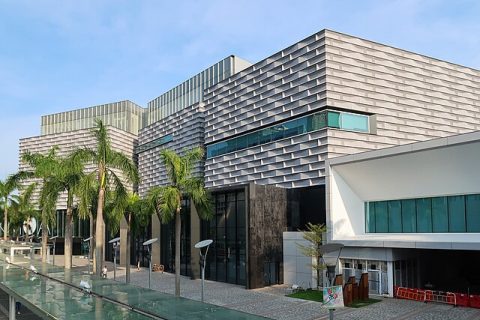
Hong Kong Museum of Art
Specializing in Chinese ink paintings, ceramics, and Asian contemporary art. The museum underwent major renovation and reopened in 2021. Houses over 17,000 artworks including rare historical pieces and modern installations reflecting Hong Kong's creative spirit.
Asia Society Hong Kong
A private institution promoting Asian culture and art housed in a renovated Victorian mansion in Happy Valley. Intimate galleries showcase rotating exhibitions of Asian contemporary art, design, and historical pieces. Known for sophisticated curatorial approach and elegant setting.
Tips for Museums & Galleries
- M+ sells its own admission ticket; check the museums’ official sites for current ticket offers.
- Many museums close Mondays; check ahead
- Hong Kong residents get free/discounted entry to government museums on certain days
- Photography often prohibited inside museums; check policies
Ancient temples and sacred spaces reflecting Hong Kong's Buddhist, Taoist, and Confucian heritage
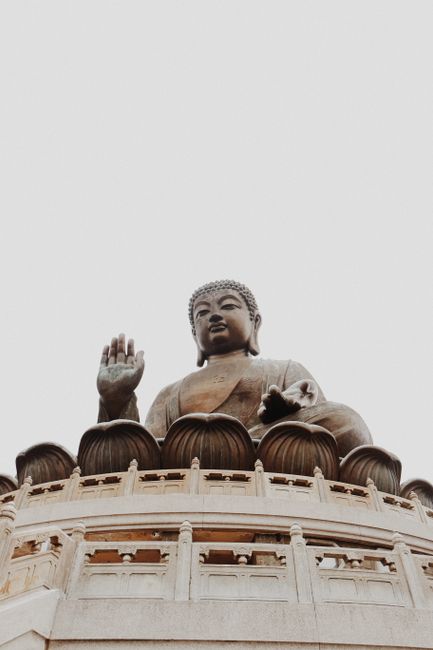
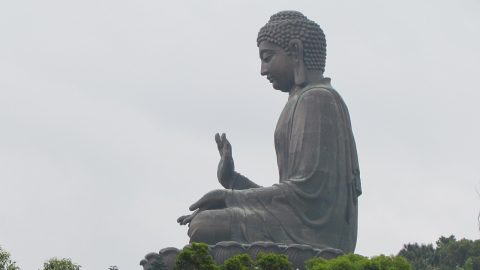
Po Lin Monastery & Tian Tan Buddha
Home to the iconic 34-metre seated bronze Buddha, including its base. The monastery sits in a valley with serene gardens. Visitors can climb 268 steps inside the statue for views. The monastery serves vegetarian meals to pilgrims and tourists.
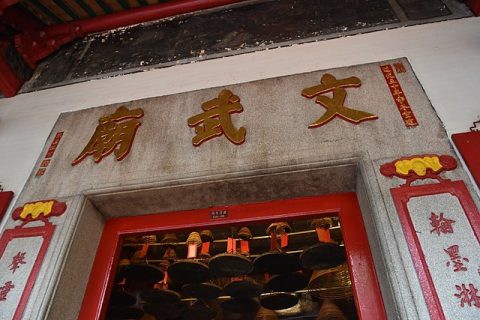
Man Mo Temple
One of Hong Kong's oldest temples, built in 1847, dedicated to gods of literature and martial arts. Located on Hollywood Road in Central, it offers respite from the bustling city. Atmospheric interior features hanging brass spirals of incense, intricate wooden carvings, and traditional altars emanating ancient spirituality.
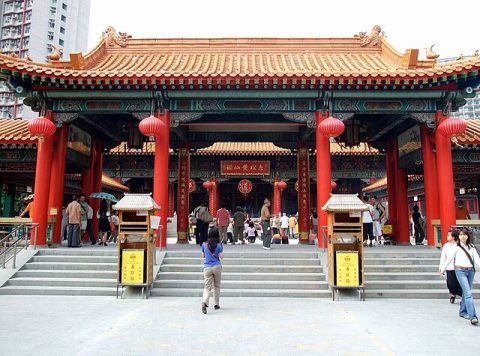
Wong Tai Sin Temple
A major Taoist temple built in 1921 dedicated to Wong Tai Sin, a healer deity. Intricate roof decorations, dragon pillars, and vibrant paintings showcase traditional Chinese craftsmanship. Visitors perform rituals and draw fortune sticks. The spacious courtyard hosts thousands daily, especially during Chinese New Year.
Tips for Religious Sites
- Remove shoes or be respectful when entering temple inner sanctums
- Incense burning rituals are common; respect ongoing ceremonies
- Visiting during Chinese New Year provides authentic cultural experiences
- Many temples serve vegetarian meals; donations welcome
Diverse neighborhoods each with distinct character, from bustling market streets to upscale shopping districts
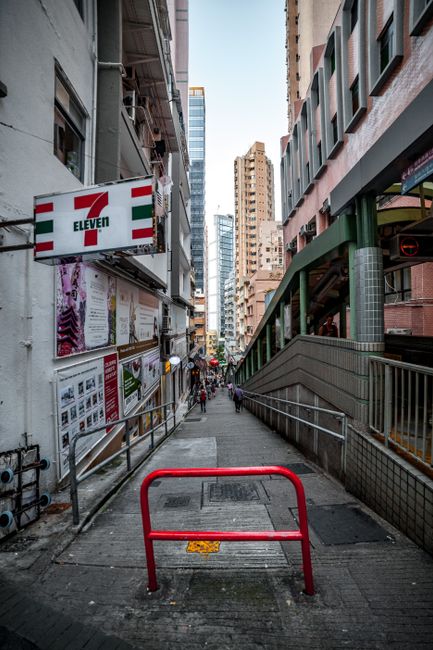
Central & Sheung Wan
Hong Kong's financial and colonial heart, where gleaming skyscrapers stand beside Victorian buildings. Hollywood Road features art galleries, antique shops, and temples. Mid-Levels offers stylish restaurants and boutiques. The area pulses with business energy by day and high-end dining by night. Excellent MTR connectivity.
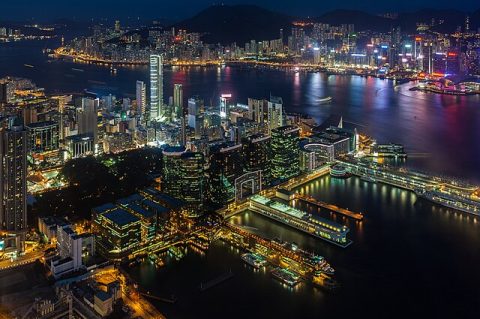
Tsim Sha Tsui
Hong Kong's premier tourist district on the Kowloon Peninsula waterfront, offering world-class shopping, dining, and entertainment. The Star Ferry terminal, museums, and hotels line Nathan Road. Stunning night views of Victoria Harbour. Upscale malls and restaurants cater to international visitors seeking luxury experiences.
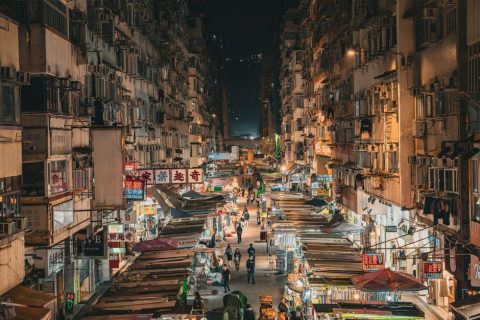
Mong Kok & Kowloon
Densely packed with energy, this neighborhood is the real Hong Kong—neon signs, street food vendors, and crowded markets. Ladies Market sells clothing and accessories; Electronics Street offers gadgets. The chaos and vitality contrast sharply with Central's corporate polish. Incredibly affordable dining and authentic street culture.
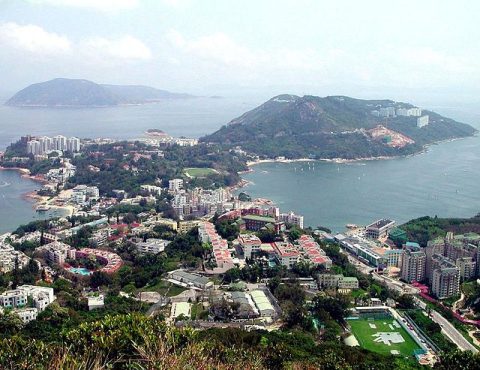
Stanley
A charming coastal village on Hong Kong Island's southern tip, famous for its seaside promenade, colonial-era buildings, and relaxed vibe. Stanley Market is a popular souvenir and clothing market. Beachside restaurants serve fresh seafood. A scenic escape from the urban frenzy; easily reached by scenic tram or minibus.
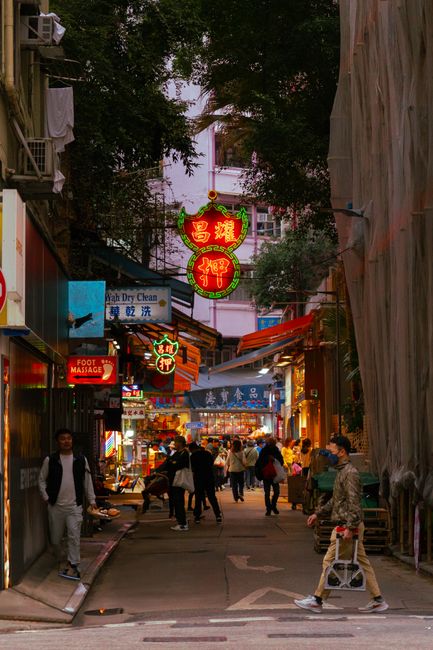
Ladies Market
A legendary street market in Mong Kok bustling with vendors hawking clothing, accessories, cosmetics, and souvenirs. Open afternoons until late evening. Haggling is expected and welcomed. Incredibly crowded but authentically Hong Kong—narrow alleys, neon signs, and energetic chaos create memorable experiences. Perfect for budget-conscious shoppers.
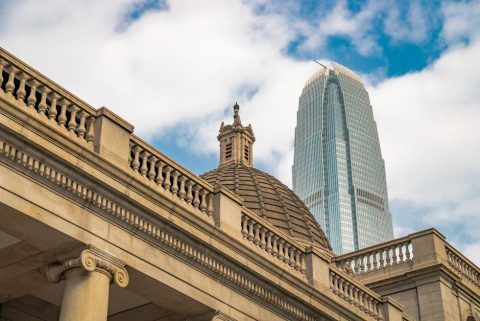
IFC Mall & Landmark
Ultra-luxury shopping destinations in Central featuring high-end international brands, designer boutiques, and Michelin-starred restaurants. The Landmark building is an architectural icon; IFC offers art installations alongside shopping. These malls define Hong Kong's sophisticated consumer culture and are Instagram-worthy for architecture and window displays.
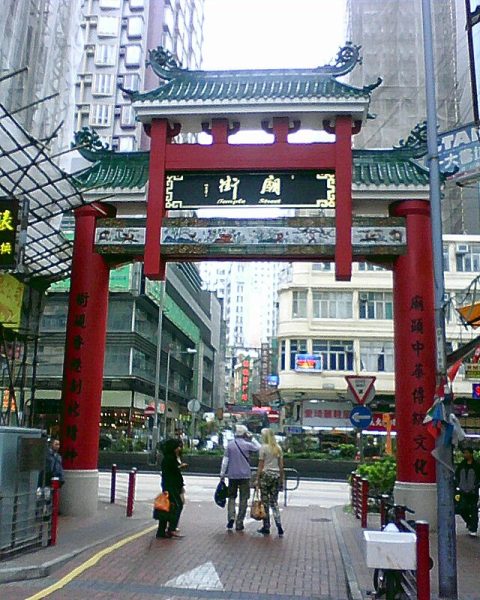
Temple Street Night Market
A colorful evening market in Kowloon pulsing with life after sunset, offering clothing, electronics, souvenirs, and street food. The atmosphere is vibrant; vendors enthusiastically engage shoppers. Fortune tellers and palm readers add mystique. Eating and shopping blend seamlessly—grab noodles from stall vendors while browsing wares.
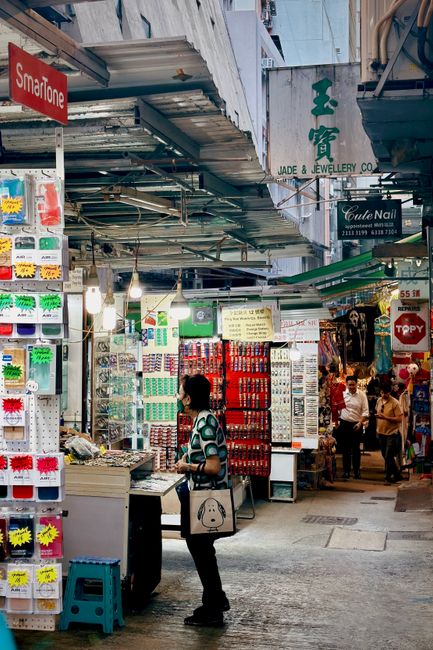
Jade Market
A traditional market renowned for jade stones and jewelry since the 1950s, located in Temple Street area. Hundreds of stalls offer everything from inexpensive trinkets to precious jade pieces. Requires knowledge to assess value; browsing is educational and fun. Morning hours are best. Experienced vendors respectfully assist newcomers.
Tips for Neighborhoods & Districts
- Central is expensive; stay in nearby Sheung Wan or Wan Chai for better value
- Mong Kok markets are best visited early morning before crowds
- Tsim Sha Tsui waterfront is perfect for sunset photography
- Stanley is quieter on weekdays; weekends attract families and tourists
- Markets are cash-heavy; bring HK dollars in small denominations
- Haggle respectfully at street markets; it's expected and part of the experience
- Early morning and late evening have fewer crowds at street markets
- Be cautious of counterfeit goods; stick to reputable vendors
Lush green spaces offering respite from urban intensity and scenic hiking trails
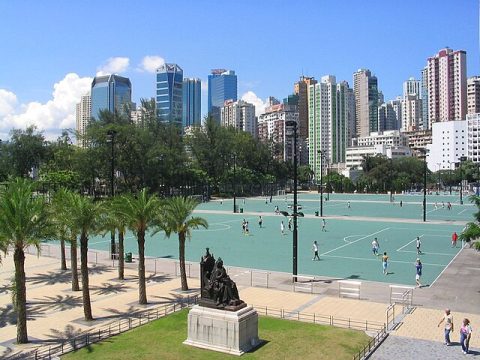
Victoria Park
Hong Kong's most popular urban park spanning 19 hectares in Causeway Bay, featuring sports facilities, gardens, and open spaces. The International Chinese New Year Night Parade takes place in Tsim Sha Tsui.; it's also venue for concerts and markets. Surrounded by restaurants and shops; easily accessible by MTR. Perfect for morning tai chi observation.
Hong Kong Zoological and Botanical Gardens” (the official name since 1975).
A peaceful urban sanctuary established in 1864, featuring diverse plant collections, scenic pathways, and water features. The Victorian gazebo and Orchid House are highlights. Morning mist and dappled sunlight create atmospheric photography opportunities. Traditional Chinese medicine garden showcases healing herbs and explanatory plaques.
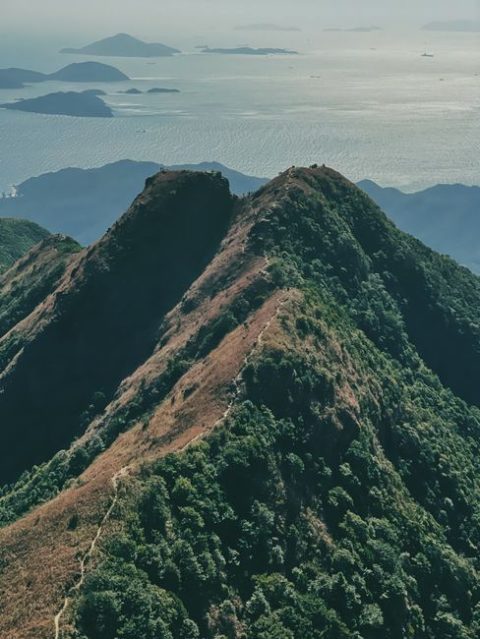
Peak Trail
A scenic 3.5 km hiking trail descending from Victoria Peak through verdant forest to Central. The trail offers stunning vistas, encounters with local bird species, and solitude away from tourist crowds. Takes 45 minutes to 1 hour depending on pace. Excellent alternative to the Peak Tram for descent; avoid rainy days for safety.
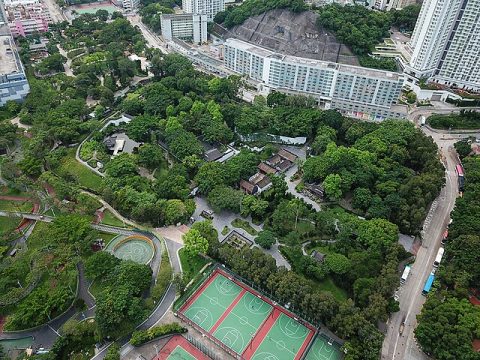
Kowloon Walled City Park
Built on the site of Asia's most notorious slum, this serene park honors the past while celebrating renewal. Featuring Chinese gardens, meditation pavilions, and historical displays, it's a peaceful oasis in urban Kowloon. The Yamen (administrative building) museum recounts the Walled City's turbulent history through photographs and artifacts.
Tips for Parks & Gardens
- Visit Botanic Gardens early morning to see tai chi practitioners
- Peak Trail can be slippery in wet conditions; wear sturdy footwear
- Victoria Park has free early morning concerts and cultural events
- Spring (March-April) and autumn (October-November) are ideal hiking seasons
Immersive experiences showcasing Hong Kong's waters, culture, and natural beauty
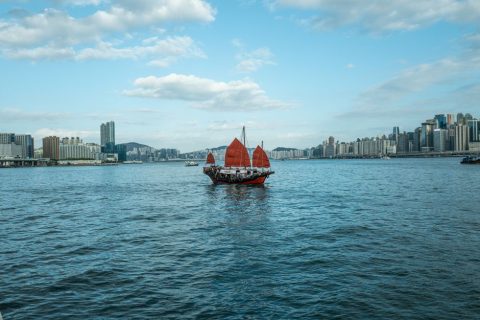
Traditional Junk Boat Cruises
Iconic red-sailed wooden junks recreate classic harbor experiences. Evening cruises include buffet dining and viewing the Symphony of Lights. The romantic red sails silhouette against city lights create unforgettable imagery. Multiple operators offer options from budget to luxury; advance booking recommended during peak seasons.
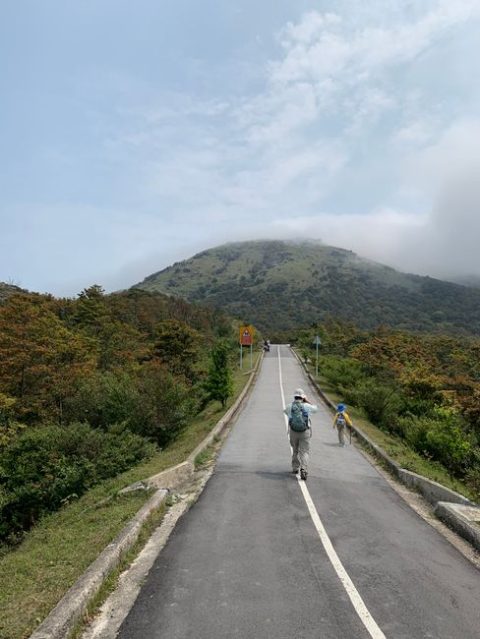
Lantau Island Day Trip
A comprehensive island exploration combining natural beauty with cultural sites. Visit the Tian Tan Buddha statue, Po Lin Monastery, scenic fishing villages, and beaches. The scenic Ngong Ping 360 cable car provides dramatic aerial perspectives. Varied restaurants serve seafood and local cuisine. Easily manageable as a self-guided day trip via public transport.
Hong Kong Disneyland
A world-class theme park on Lantau Island featuring classic Disney experiences adapted for Asian audiences. Themed lands showcase iconic attractions; elaborate parades and shows entertain all ages. Smaller than other Disney parks, making it more manageable. Special seasonal events and character meet-and-greets delight families. MTR station provides seamless access.
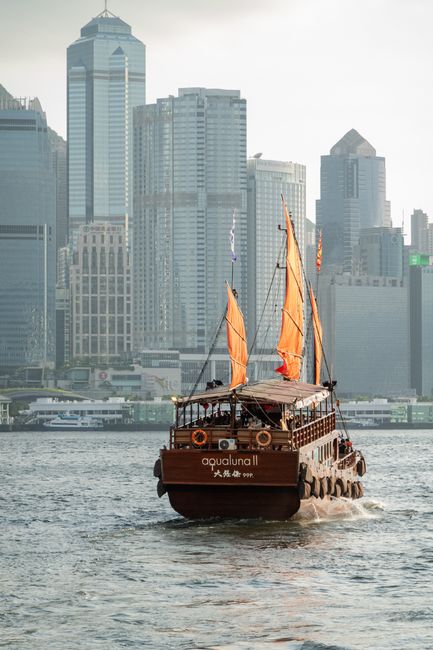
Aqua Luna Sunset Cruise
A premium traditional junk experience offering intimate sunset cruises on a historic wooden vessel. Wine and cheese are provided; small group sizes ensure personalized experiences. The refined ambiance contrasts with larger commercial cruises. Photography enthusiasts cherish the quality of light during golden hour—professional guides assist in capturing perfect shots.
Tips for Tours & Activities
- Book sunset cruises weeks ahead during peak season (October-March)
- Lantau Island is best visited on weekdays to avoid crowds
- Disneyland tickets can be purchased online at discounts
- Weather significantly impacts junk cruises; check forecasts
From street food stalls to Michelin-starred restaurants, Hong Kong is an undisputed culinary capital
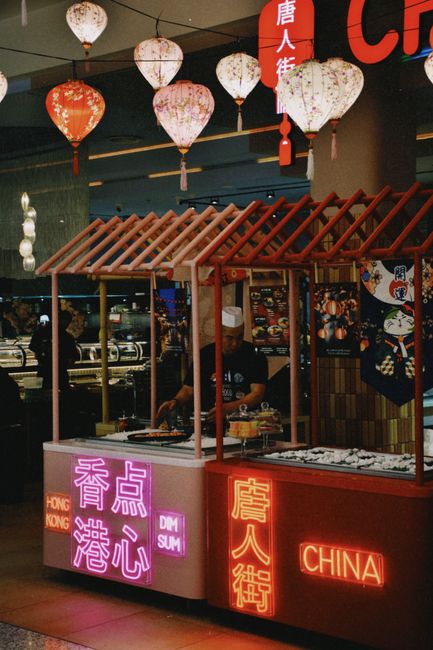
Dim Sum Tradition
Hong Kong's iconic morning and afternoon dining experience featuring dozens of small plates wheeled around on carts. Choose steamed dumplings, spring rolls, har gau (shrimp dumplings), and siu mai (pork dumplings). Traditional teahouses fill with families and business associates. Yum cha is the Cantonese name for this ritual, a social experience as much as a meal.
Pakeeza Food Restaurant
Pakeeza Food Restaurant is a highly-rated restaurant in Hong Kong, rated 4.9★ from 8860 reviews. Located at Level 2, Shop 51, Mirador Mansion, 58 Nathan Rd, Tsim Sha Tsui, Hong Kong.
Opening Hours
- Monday: 11:00 AM – 4:00 PM, 6:00 PM – 3:00 AM
- Tuesday: 11:00 AM – 4:00 PM, 6:00 PM – 3:00 AM
- Wednesday: 11:00 AM – 4:00 PM, 6:00 PM – 3:00 AM
- Thursday: 11:00 AM – 4:00 PM, 6:00 PM – 3:00 AM
- Friday: 11:00 AM – 4:00 PM, 6:00 PM – 3:00 AM
- Saturday: 11:00 AM – 4:00 PM, 6:00 PM – 3:00 AM
- Sunday: 11:00 AM – 4:00 PM, 6:00 PM – 3:00 AM
MY KITCHEN TIBETAN HALAL RESTAURANT
MY KITCHEN TIBETAN HALAL RESTAURANT is a highly-rated restaurant in Hong Kong, rated 4.8★ from 1104 reviews. Located at G/F, 2H Saigon St, Yau Ma Tei, Hong Kong.
Opening Hours
- Monday: 9:00 AM – 2:00 AM
- Tuesday: 9:00 AM – 2:00 AM
- Wednesday: 9:00 AM – 2:00 AM
- Thursday: 9:00 AM – 2:00 AM
- Friday: 9:00 AM – 2:00 AM
- Saturday: 9:00 AM – 2:00 AM
- Sunday: 9:00 AM – 2:00 AM
Tips for Food & Dining
- Dim sum is best from 10am-2pm; afternoon carts have fewer selections
- Street food vendors typically close by 11pm
- Michelin-starred restaurants require booking weeks in advance
- Seafood prices vary by season; winter generally offers better prices
Explore Hong Kong on the Map
Best Time to Visit
October-November (Autumn): Ideal weather with pleasant temperatures (20-25°C), low humidity, and clear skies. Comfortable for outdoor activities and sightseeing. Peak tourist season means higher prices and crowds.
December-February (Winter): Cool and dry (15-20°C), with occasional cool snaps. Excellent visibility for peak views and hiking. Chinese New Year (late January/February) brings festive celebrations and crowded attractions. Holiday rates apply.
March-May (Spring): Warming temperatures (20-28°C) but increasing humidity. Spring showers occur; pack an umbrella. Cherry blossoms and greenery create beautiful scenery. Fewer crowds than autumn.
June-September (Summer): Hot and humid (27-32°C) with frequent typhoons and heavy rainfall. Air quality sometimes compromised. Indoor attractions like museums and shopping malls become refuges from heat. Lowest prices and smallest crowds, but weather unpredictable. Avoid if possible.
Getting Around Hong Kong
MTR (Mass Transit Railway): The world-class rapid transit system connects most major attractions. Efficient, clean, and affordable. Purchase an Octopus Card (rechargeable transit card) for seamless transfers. English signage helps navigation.
Star Ferry: Iconic green and white ferries connect Hong Kong Island and Kowloon across Victoria Harbour. Inexpensive and atmospheric. Run 6:30am-11:30pm with frequent departures.
Buses: Extensive bus network covers areas MTR doesn't reach. Double-decker buses offer upper-deck viewing. Octopus Card works on buses; exact change required for cash payment.
Taxis: Red taxis cruise the streets. Reasonable rates for short trips; traffic jams can inflate costs. Less efficient for tourists unfamiliar with destination addresses.
Trams: Historic wooden trams traverse Hong Kong Island's north shore. The Peak Tram is a major attraction itself. Scenic and charming, though slow.
Ferries to Outlying Islands: Regular ferry service to Lantau, Cheung Chau, and Lamma Islands. Schedule-dependent; check ahead for weather disruptions.
✈️ Airport Transfer
Hong Kong International Airport (HKG) to city center:
- Airport Express: Fastest link to Hong Kong Station in Central, about 24 minutes, HK$115 one-way
- A21 serves Kowloon; the adult fare is HK$34.60. Journey time varies with traffic.
- Taxi: Metered ride to Central or Kowloon takes about 45 minutes and costs HK$300 to HK$400
- Private Transfer: Pre-booked car or limousine service to city hotels, around 45 minutes, from HK$500
Shopping in Hong Kong
What to Buy: Luxury goods (handbags, watches, jewelry), traditional Chinese items (jade, silk, calligraphy), electronics and gadgets, Chinese herbal medicines, silk products, and souvenirs from street markets.
Shopping Districts:
- Central & Mid-Levels: High-end boutiques, designer brands, art galleries, antique shops. Expensive but prestigious.
- Tsim Sha Tsui: International luxury brands, shopping malls (Harbor City, New World Centre), electronics stores. Tourist-friendly.
- Causeway Bay: Mid-range and luxury brands, Japanese department stores, cosmetics. Crowded but comprehensive.
- Mong Kok: Street markets (Ladies Market, Electronics Street), affordable fashion, accessories. Authentic Hong Kong experience.
Bargaining Tips: Expected at street markets, fabric shops, and some electronics stores. Never in malls or branded boutiques. Friendly negotiation is culturally appropriate; starting at 70% of asking price is reasonable. Walk away tactics sometimes prompt counter-offers.
Tax & Returns: No sales tax in Hong Kong (rare advantage). Return policies vary by store; ask before purchasing.
Festivals & Celebrations
Chinese New Year (January/February): Hong Kong's biggest festival. Firecrackers, family reunions, decorations, and celebrations last two weeks. Attractions crowded; expect higher prices. The New Year Night Parade in Victoria Park is spectacular.
Dragon Boat Festival (June): Colorful dragon boat races in Victoria Harbour commemorate ancient poet. Traditional sticky rice dumplings called zongzi consumed. Festive waterfront atmosphere.
Mid-Autumn Festival (September/October): Families gather for mooncakes and lantern displays. Lantern carnivals throughout the city create magical evenings. Beautiful tradition celebrating family bonds.
International Arts Festival (February/March): World-class performing arts, theater, dance, and music from global artists. Prestigious cultural event attracting top international talent.
Hong Kong Film Festival (April): Premier film festival screening international and Asian films. Celebrates Hong Kong's legendary film industry.
Jazz Festival & Art Basel: May and March respectively bring international music and visual art. Premium events attracting sophisticated audiences.
5-Day Sample Itinerary
Day 1 - Harbor & Skyline: Morning: Star Ferry crossing, stroll waterfront. Afternoon: Peak Tram to Victoria Peak, walk Peak Trail down. Evening: Dim sum dinner, Symphony of Lights viewing from waterfront. Overnight: Tsim Sha Tsui area.
Day 2 - Museums & Culture: Morning: Hong Kong Museum of History or M+ Museum. Afternoon: Explore Central & Sheung Wan—Hollywood Road galleries, Man Mo Temple, lunch at dai pai dong (open-air restaurants). Evening: Dinner in Mid-Levels wine bars.
Day 3 - Markets & Neighborhoods: Morning: Ladies Market shopping, Kowloon street exploration. Afternoon: Wong Tai Sin Temple spiritual experience. Evening: Temple Street Night Market browsing, street food dining, fortune telling.
Day 4 - Island Adventure: Full day: Lantau Island—Ngong Ping 360 cable car, Tian Tan Buddha, Po Lin Monastery vegetarian lunch, scenic hiking, return via scenic tram. Alternative: Hong Kong Disneyland.
Day 5 - Relaxation & Hidden Gems: Morning: Hong Kong Zoological and Botanical Gardens” (the official name since 1975). tai chi observation. Afternoon: Stanley seaside village exploration, beach walk, seafood lunch. Evening: Harbor sunset junk cruise with traditional dining aboard.
Best Photography Locations & Timing
Victoria Peak Lookout: Iconic skyline views anytime; sunset (5-7pm) and night (8-10pm) are magical. Golden hour light flatters buildings. Sunrise (6:30-7:30am) offers fewer crowds and dramatic shadows.
Star Ferry Upper Deck: Victoria Harbour crossing offers unobstructed views. Evening departures capture sunset reflections. North-facing window seats ideal for backlit shots.
Central Waterfront Promenade: Symphony of Lights show (8pm nightly) illuminates 44 buildings with synchronized lasers and LEDs. Best vantage points along Tsim Sha Tsui waterfront or Star Ferry piers.
Tsim Sha Tsui Waterfront: Evening cityscapes with Hong Kong Island's glowing skyline. Neon signs and harbor reflections create vibrant compositions. After 8pm during light show is optimal.
Traditional Neighborhoods: Temple Street night market (evening) buzzes with energy and neon colors. Mong Kok's dense signage and crowds capture urban essence. Peak times are sunset through 9pm.
Peak Trail Hiking: Morning light filtered through forest canopy creates atmospheric shots. Misty mornings offer moody, mysterious imagery. Clear afternoons showcase harbor vistas from elevation.
Electricity & Plugs
Voltage: Hong Kong operates on 220-240V AC at 50Hz. Most modern electronics (phones, laptops, cameras) have built-in voltage conversion (marked 100-240V). Verify your devices before plugging in directly.
Plug Types: Hong Kong uses three main plug configurations: British three-rectangular-prong Type G, European two round-pin Type C, and Australian three flat-prong Type I. Multi-device hotels and modern establishments often provide adapters.
Adapters & Converters: Purchase universal travel adapters before departure or at airport duty-free shops (convenience premiums apply). Department stores and electronics shops (Mong Kok) offer competitive pricing. Ensure adapters support required voltage.
Power Outlets: Available in all hotels, shopping malls, and restaurants. Older residential buildings may have limited outlets. Portable power banks are convenient for extended sightseeing; rechargeable USB power banks available at convenience stores.
Must-Try Dishes & Dining Tips
Classic Dishes:
- Dim Sum: Har gau (shrimp dumplings), siu mai (pork dumplings), char siu bao (barbecue pork buns), cheung fun (rice noodle rolls)
- Noodles: Wonton noodles in broth, chow mein (stir-fried noodles), rice noodle soups
- Seafood: Steamed whole fish with ginger and scallion, salt-baked shrimp, crab in black bean sauce
- Street Food: Fish balls in curry sauce, stinky tofu, egg waffles, turnip cakes
- Desserts: Egg tarts, mango sticky rice, black sesame soup
Dining Etiquette: Tipping is not customary (gratuity 10% sometimes added to bills). Chopsticks are standard utensils; don't stick upright in rice (funeral symbolism). Sipping soup directly from bowls is acceptable and common. Tea poured for you by others is reciprocated by tapping table as thanks.
Dining Tips: Cash-only dim sum carts; bring HK dollars. Peak hours (noon-2pm) guarantee cart access. Street food vendors close by late evening. Teahouses and dai pai dong (open-air restaurants) offer authentic, inexpensive meals. Reservations essential for popular restaurants. Many establishments don't accept cards.
Tourist Passes
Octopus Card
A rechargeable contactless card valid on MTR, buses, ferries, trams, and many convenience stores and restaurants. Significantly cheaper than single-journey tickets. Available at MTR stations (HK$150 initial value); valid indefinitely. Refundable deposit included. Essential for convenient public transport navigation.
www.octopuscards.comMTR Tourist Day Pass
Unlimited MTR travel for 24 hours from first scan. Cost-effective for intensive sightseeing days involving multiple trips. Available at MTR ticket offices and convenience stores (HK$75 for adults and HK$35 for children; valid for 24 consecutive hours from first use and restricted to qualifying tourists.). Better value than Octopus for day-trippers using MTR heavily.
www.mtr.com.hkHong Kong Museum Pass
Combined discounted entry to major museums including History, Art, and Science museums. The annual LCSD Museum Pass costs HK$50 for an individual pass and provides admission benefits at LCSD museums; many permanent exhibitions are already free. Valid for consecutive visits over several days. Available online or at museum entrances. Ideal for culture-focused visitors.
www.lcsd.gov.hkPeak Tram & Tower Combined Ticket
Discounted round-trip Peak Tram plus Peak Tower admission. More economical than purchasing separately. Saves 15-20% versus individual tickets. Available online with slight discounts.
www.thepeak.com.hkMore about Hong Kong
Photo credits (22)
- Star Ferry: photo by Baycrest, CC BY-SA 2.5, via Wikimedia Commons
- Victoria Peak: photo by Daniel Case, CC BY-SA 3.0, via Wikimedia Commons
- Peak Tram: photo by Samson Ng . D201@EAL, CC BY-SA 4.0, via Wikimedia Commons
- Central's Skyline: photo by Diliff, CC BY 3.0, via Wikimedia Commons
- Hong Kong Museum of History: photo by Sarah Stierch, CC BY 4.0, via Wikimedia Commons
- M+ Museum: photo by Lord Jaraxxus, CC BY-SA 4.0, via Wikimedia Commons
- Hong Kong Museum of Art: photo by Wpcpey, CC BY-SA 4.0, via Wikimedia Commons
- Asia Society Hong Kong: photo by Wpcpey, CC BY 4.0, via Wikimedia Commons
- Po Lin Monastery & Tian Tan Buddha: photo by Michal Osmenda from Brussels, Belgium, CC BY 2.0, via Wikimedia Commons
- Man Mo Temple: photo by Richard Mortel from Riyadh, Saudi Arabia, CC BY 2.0, via Wikimedia Commons
- Wong Tai Sin Temple: photo by Chong Fat, Public domain, via Wikimedia Commons
- Central & Sheung Wan: photo by LAUD Freiman Aldopoilslmy, CC BY-SA 4.0, via Wikimedia Commons
- Mong Kok & Kowloon: photo by Mk2010, CC BY-SA 4.0, via Wikimedia Commons
- Tsim Sha Tsui: photo by Diego Delso, CC BY-SA 3.0, via Wikimedia Commons
- Stanley: photo by Unknown, CC BY-SA 3.0, via Wikimedia Commons
- Victoria Park: photo by Baycrest, CC BY-SA 2.5, via Wikimedia Commons
- Peak Trail: photo by Mk2010, CC BY-SA 3.0, via Wikimedia Commons
- Kowloon Walled City Park: photo by Wpcpey, CC BY-SA 4.0, via Wikimedia Commons
- Jade Market: photo by Wpcpey, CC BY 4.0, via Wikimedia Commons
- Temple Street Night Market: photo by hkgalbert, CC0, via Wikimedia Commons
- Hong Kong Disneyland: photo by Ashwin Kumar, CC BY-SA 2.0, via Wikimedia Commons
- Seafood Restaurants: photo by FBenjr123, CC BY-SA 4.0, via Wikimedia Commons

.jpg)


.jpg)
_(32748033042).jpg)


.jpg)


.jpg)


