Plan your trip to Chongqing
- How long
- 2-3 days: Jiefangbei and Hongyadong, the hotpot and the river views, plus Dazu or the Three Gorges.
- Best for
- Food and cityscape lovers: a hilly mountain city with riverfront lights, hotpot and trains that pass through buildings.
- Skip it if
- You dislike steep hills and heat: Chongqing is hilly and very hot in summer.
If you only do three things
- Hongyadong and Jiefangbei at night.
- A Chongqing hotpot meal.
- The Dazu Rock Carvings (UNESCO) day trip.
A one-day route
- Morning: The Three Gorges Museum.
- Midday: Lunch: Chongqing noodles (xiaomian) or hotpot.
- Afternoon: Ciqikou Ancient Town.
- Evening: Hongyadong lit up at night; hotpot dinner.
Before you go
- Jiangbei Airport is about 20 km from the center; the metro links it to town.
- The Liziba station has a famous monorail passing through a building.
- Dazu is about 160 km away; use the high-speed train.
- Check current ticket prices and opening hours.
Prices, opening status and transport in this plan checked against official sources on 1 October 2026.
Things to do in Chongqing
Iconic structures that define Chongqing's modern and historical identity
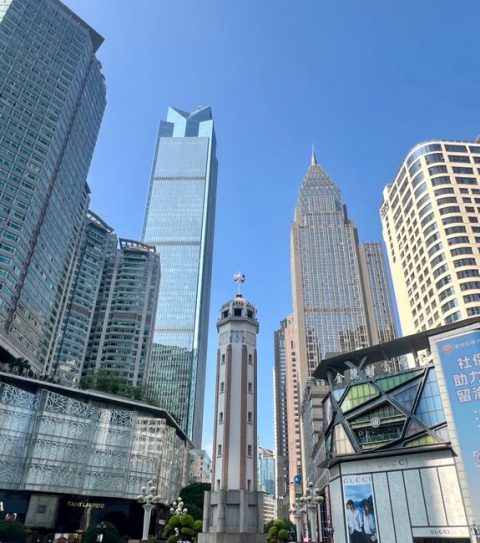
Jiefangbei Liberation Monument
An iconic 27.5-meter monument standing in the heart of downtown Chongqing, completed in 1947 to commemorate the city's liberation. This bustling commercial and cultural hub features shopping centers, restaurants, and serves as the city's main gathering point. The monument offers excellent photo opportunities, especially at night when illuminated.
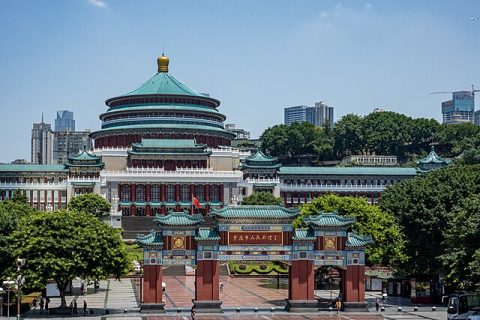
People's Great Hall of Chongqing
A grand building constructed in 1954, serving as the seat of government. The grand architecture, featuring an ornate dome and classical design, represents a significant piece of post-liberation architecture. Visitors can admire the exterior and surrounding area with its symmetrical design and historical significance.
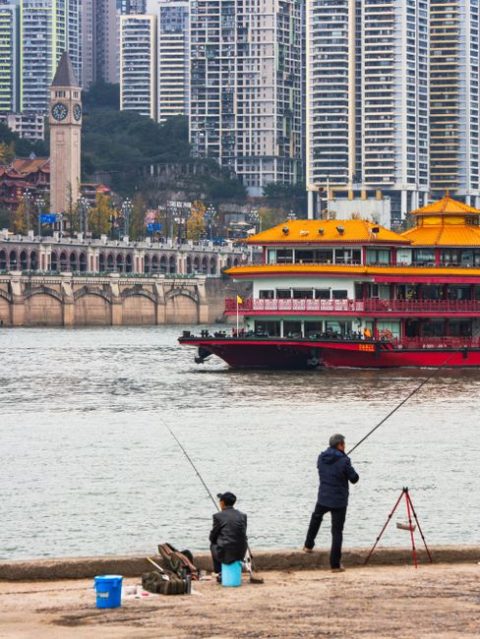
Chaotianmen Monument
Standing at the confluence of the Yangtze and Jialing Rivers, this plaza features a modern monument celebrating Chongqing's status as a major river port. The viewpoint offers panoramic vistas of both rivers, the city skyline, and bustling river traffic. A popular spot for sunset photography and evening walks.
Tips for Landmarks & Monuments
- Visit Jiefangbei during evening hours for stunning illuminated views
- The Chaotianmen area is best explored during daytime for river photography
- Combine landmark viewing with shopping and dining at adjacent commercial areas
Cultural institutions showcasing Chongqing's history, art, and natural heritage
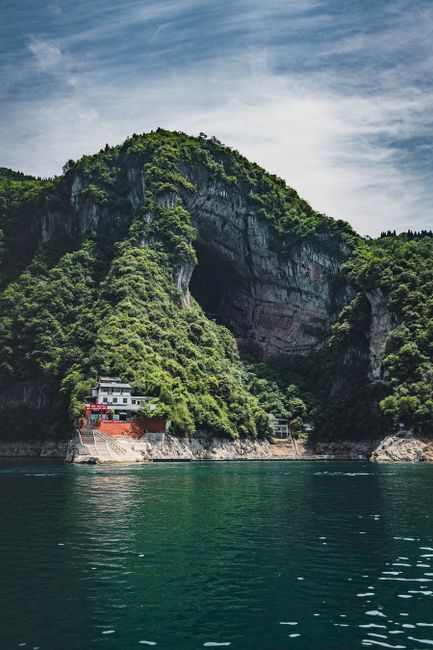
Chongqing China Three Gorges Museum
Located at 236 Renmin Road, beside People’s Square and the People’s Great Hall, this museum comprehensively documents the Three Gorges region's natural and cultural history. The collection includes artifacts from submerged ancient civilizations, geological displays, and contemporary photography. Modern facilities provide interactive exhibits about the famous dam project and environmental impact studies.
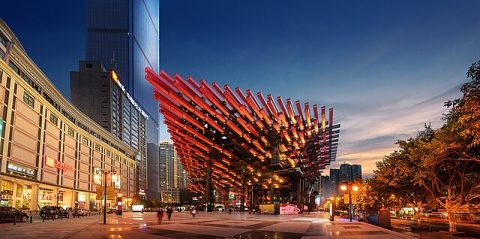
Chongqing Art Museum
A contemporary art space featuring rotating exhibitions of Chinese and international modern art. The museum's architecture is itself a work of art, with clean minimalist design. Collection spans painting, sculpture, installation, and photography with emphasis on contemporary Chinese artists and experimental works.
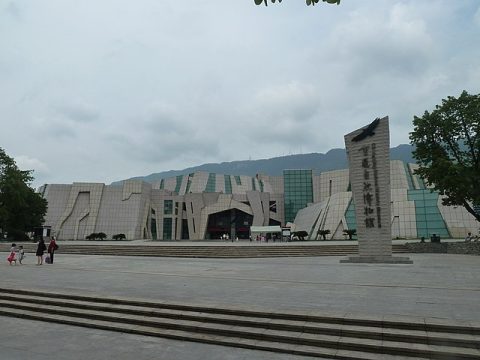
Chongqing Natural History Museum
Showcasing the region's diverse ecosystems and prehistoric life, this museum features extensive fossil collections and biodiversity displays. Interactive exhibits allow visitors to learn about Chongqing's geological evolution, native species, and environmental conservation efforts.
Tips for Museums & Galleries
- Most museums are closed on Mondays; plan accordingly
- Photography policies vary; check before entering
- Guided tours in Mandarin are available at major museums
- Many museums offer discounted rates for students and seniors
Spiritual destinations representing Buddhism, Taoism, and folk traditions
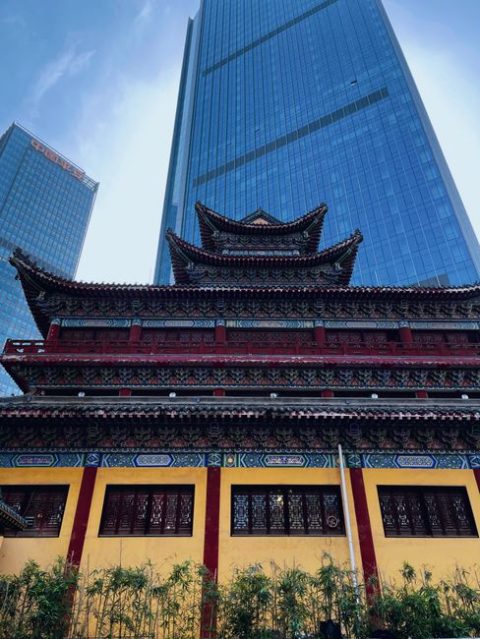
Luohan Temple
An active Buddhist temple featuring intricate carvings of 500 Arhat (Luohan) statues, each depicting different expressions and characters. The main hall showcases exceptional craftsmanship with detailed relief work. The temple complex includes courtyards, meditation areas, and hosts regular Buddhist ceremonies accessible to respectful visitors.
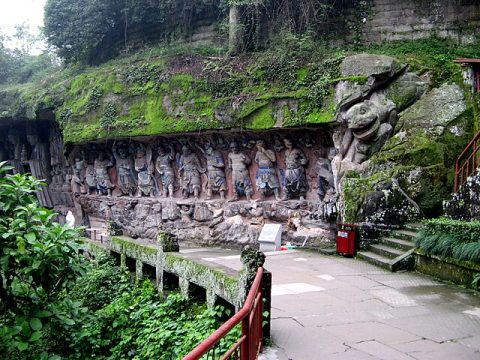
Dazu Rock Carvings
UNESCO World Heritage Site located 160km from Chongqing, featuring thousands of Buddhist and Taoist stone carvings dating from the 9th-13th centuries. Cliff faces are covered with intricate religious sculptures and inscriptions. The carvings represent a pinnacle of medieval Chinese artistic achievement with exceptional preservation.
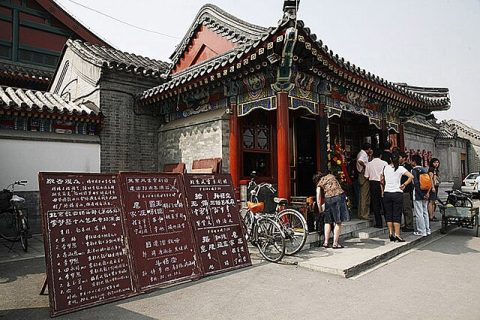
Huguang Guild Hall
A beautifully preserved Qing Dynasty meeting hall for merchants from Hunan and Guangdong provinces. The wooden architecture showcases traditional craftsmanship with ornate carvings, painted beams, and classical design elements. Now functioning as both a temple and museum, it provides insight into historical trading networks and folk traditions.
Tips for Religious Sites
- Wear comfortable shoes for temple exploration
- Remove shoes when entering main prayer halls
- Early morning visits offer fewer crowds and better photography light
- Dazu carvings require guided tours; book in advance during peak season
Green spaces offering escape from urban bustle and scenic beauty
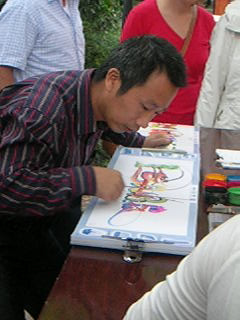
Eling Park
Perched on a hilltop offering 360-degree panoramic views of Chongqing's skyline and the Yangtze River. Features walking trails, landscaped gardens, and a viewing pavilion. The park is particularly beautiful at sunrise and sunset. Traditional tea houses provide refreshments while enjoying the vistas.
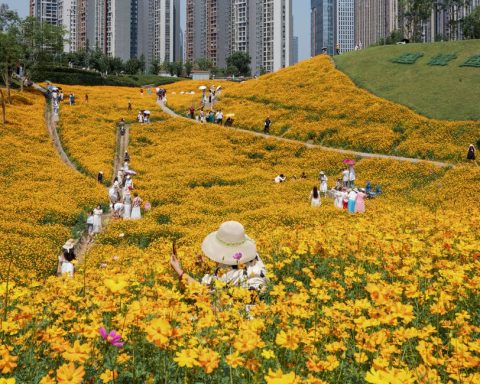
Nanshan Botanical Garden
Sprawling 40-hectare garden showcasing diverse plant species in themed sections including cherry blossoms, azaleas, and medicinal plants. Walking paths wind through forests and hillside landscapes. The garden offers peaceful refuge and excellent nature photography opportunities with views over the city below.
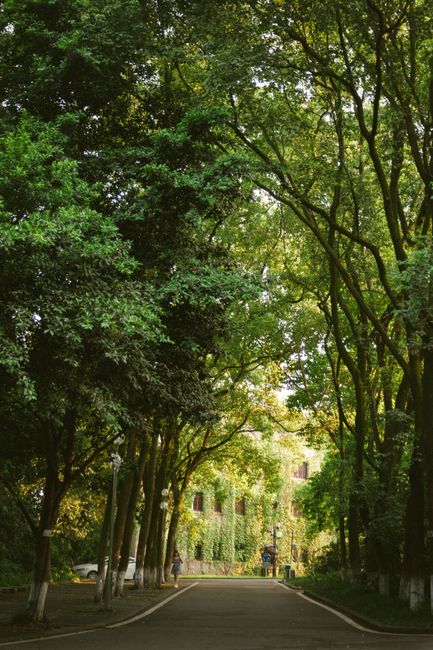
Jiangbei Wuling Forest Park
Natural forest park in the northern part of Chongqing featuring hiking trails through native vegetation. The park provides educational opportunities about local ecosystems and offers refreshing walks away from urban areas. Multiple trailheads accommodate various fitness levels.
Tips for Parks & Gardens
- Spring (March-May) is ideal for visiting Nanshan Botanical Garden for flower blooms
- Bring water and comfortable shoes for trail exploration
- Visit parks early morning to avoid crowds
- Mosquito repellent recommended during summer months
Distinctive areas reflecting Chongqing's heritage and contemporary culture
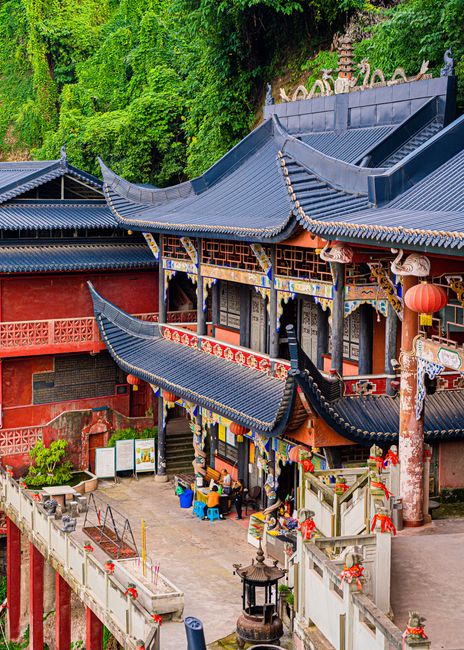
Laociqu (Old Town)
The ancient heart of Chongqing featuring traditional architecture, narrow alleyways, and historic buildings from the Ming and Qing dynasties. Stone steps descend dramatically to the riverside. The district retains traditional restaurants, tea houses, and shops. Evening strolls offer atmospheric experiences and photo opportunities.
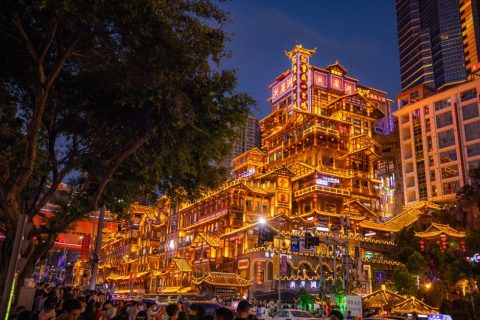
Hongyadong Scenic Area
An 11-story complex. The unique structure houses restaurants, bars, shops, and viewing platforms. Stunning night illumination creates a magical atmosphere reflected in the river. One of Chongqing's most photogenic locations.
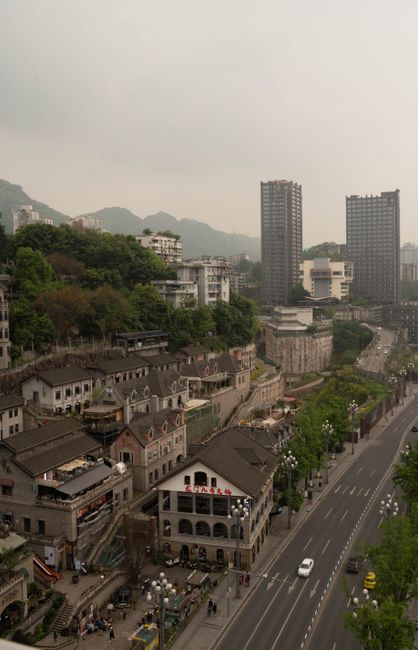
Tianyu Hot Spring Area
A modern district centered around natural hot springs with numerous spa facilities and resorts. Traditional Chinese medicine-based wellness treatments are offered alongside modern amenities. The area combines relaxation with dining and entertainment options in a landscaped setting.
Tips for Neighborhoods & Districts
- Laociqu is best explored on foot; wear comfortable shoes for stone steps
- Hongyadong is most stunning after dark when lights come on
- Book hot spring facilities in advance during weekends
- Both old town and Hongyadong offer excellent local dining opportunities
Guided experiences and interactive activities for deeper exploration
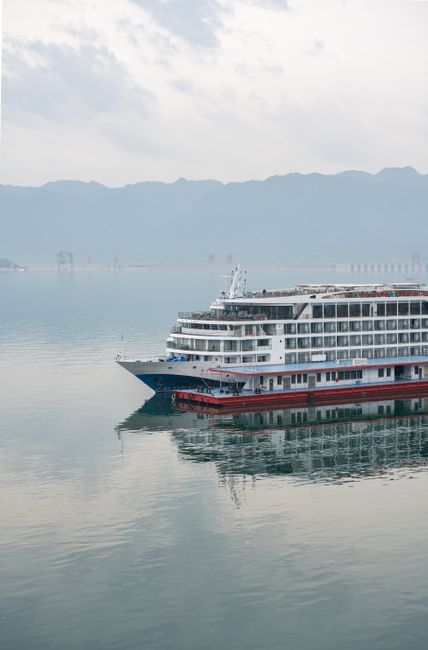
Three Gorges Yangtze River Cruise
Multi-day cruises through China's most spectacular river gorges featuring dramatic limestone cliffs, cascading waterfalls, and ancient temples. Ships range from basic to luxury with various itinerary lengths (3-5 days typical). Excursions include village visits, scenic walks, and cultural performances. Cruises depart from Chongqing upstream ports.
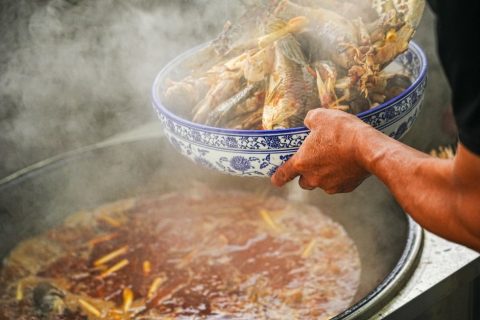
Chongqing Hotpot Cooking Class
Learn to prepare authentic Chongqing hotpot, the city's signature spicy dish, in a hands-on cooking class. Instructors teach proper broth preparation, ingredient selection, and traditional dining etiquette. Classes conclude with enjoying your prepared meal and sampling various dipping sauces.
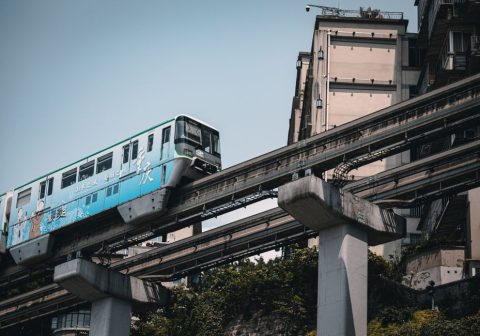
Monorail & Urban Exploration Tour
Guided tour riding Chongqing's unique monorail system through the mountainous terrain, followed by exploration of different neighborhoods. The monorail offers unique perspectives of the city's vertical landscape. Tours include local food tastings and visits to lesser-known cultural sites.
Tips for Tours & Activities
- Book river cruises weeks in advance, especially during peak seasons
- Hotpot classes should be booked through hotels or tour operators
- Three Gorges cruises departing from Yichang (downstream) offer alternative perspectives
- Most tours include English-speaking guides; request in advance
Nearby attractions within easy reach from Chongqing
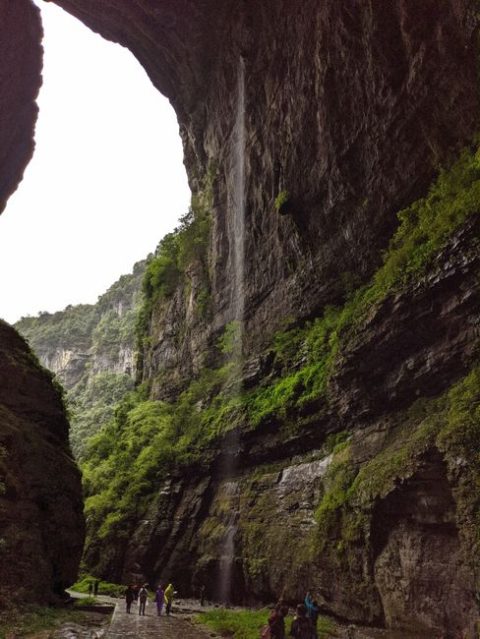
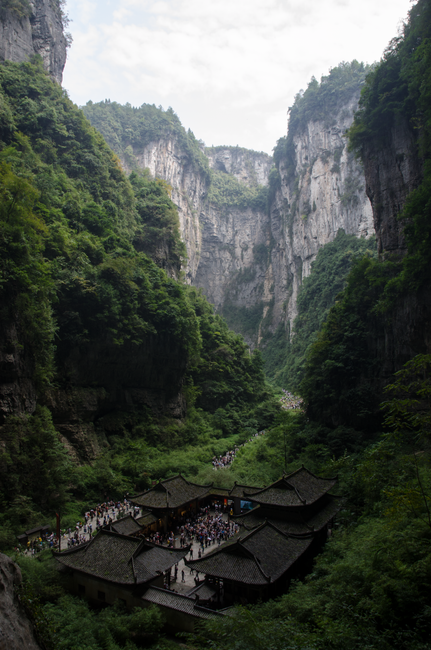
Wulong Karst National Geology Park
Located 150km from Chongqing, this UNESCO site features spectacular karst formations including sinkholes, natural bridges, and underground rivers. The main attractions are Dragon Bridge, Furong Cave, a large limestone cave; the scenic area also features the Three Natural Bridges, and Tiankeng (sinkhole) scenic areas. Multiple hiking trails offer varying difficulty levels through stunning natural landscapes.
Jinyun Mountain National Forest Park
Just 40km north of Chongqing, this mountain park offers hiking trails through primary forest, mountain peaks with panoramic views, ancient temples, and medicinal springs. Multiple trails cater to different fitness levels. Cable cars provide alternative transportation for those preferring easier access to higher elevations.
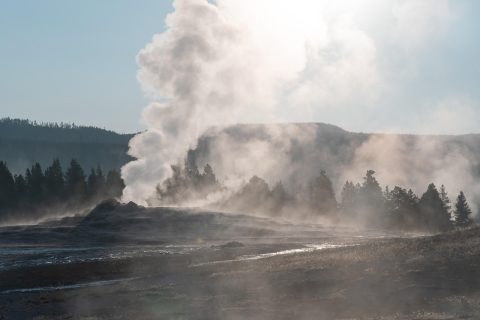
Shiniuzhai National Geological Park
A scenic park 120km away featuring dramatic cliffs, winding hiking trails, and traditional Miao village experiences. A thrilling glass skywalk stretches across a cliff edge 300 meters above the valley floor. The park combines natural beauty with cultural immersion and adventure activities.
Tips for Day Trips & Excursions
- Rent a car or join organized tours for day trips
- Start early morning to maximize daylight hours
- Bring plenty of water, snacks, and sun protection
- Wulong is best visited during dry months (April-October)
- Hiking shoes strongly recommended for all excursions
Bustling public gathering places and urban plazas
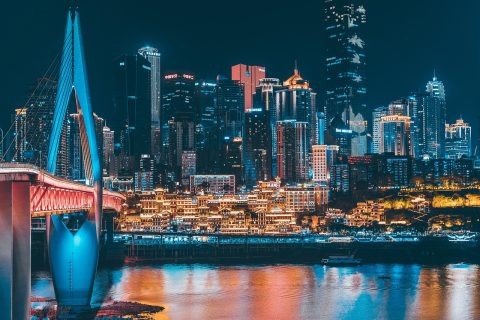
Chaotianmen Square
The iconic plaza at the confluence of the Yangtze and Jialing Rivers, offering expansive river views and city vistas. The square features modern sculptures, illuminated monuments, and open spaces perfect for strolling. Particularly vibrant during evening hours with locals gathering to socialize. Street performers and food vendors add to the lively atmosphere.
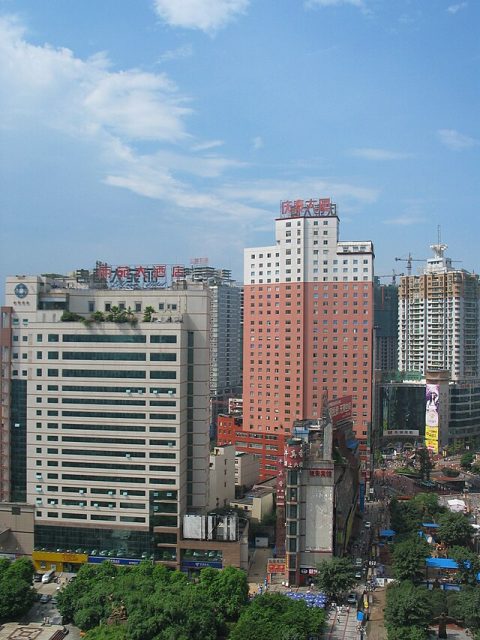
Three Gorges Square
A waterfront plaza celebrating the Three Gorges region with commemorative monuments, landscaped gardens, and river-view seating areas. The square features artistic installations reflecting the region's cultural heritage. Evening illumination creates atmospheric ambiance, making it popular for evening walks.
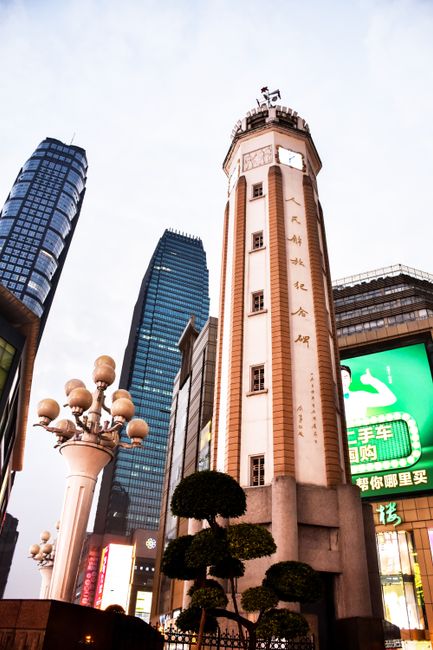
Jiaochangkou Central Square
A bustling commercial and cultural hub featuring shopping centers, restaurants, and entertainment venues surrounding a central plaza. Public art installations and seasonal decorations enhance the space. The area is vibrant during day and night with a steady flow of both locals and tourists.
Tips for Squares & Streets
- Chaotianmen is best visited at sunset for photography
- All squares are free and accessible 24/7
- Food vendors operate during evening hours at most squares
- Crowds peak during weekends and after 7 PM
Real, highly-rated Restaurants in Chongqing, sourced from Google Places (rating above 4★).
Yi Er Gu Bai Muslim Chongqing Hotpot
Yi Er Gu Bai Muslim Chongqing Hotpot is a highly-rated restaurant in Chongqing, rated 4.7★ from 29 reviews. Located at China, Chong Qing Shi, Yu Zhong Qu, CN 重庆市 渝中区 中兴路 9 9号附5号 邮政编码: 400010.
Chongqing Haochi Street
Chongqing Haochi Street is a highly-rated restaurant in Chongqing, rated 4.3★ from 80 reviews. Located at HH4G+9X9, Ba Yi Lu, Yu Zhong Qu, Chong Qing Shi, China, 400012.
Explore Chongqing on the Map
Seasonal Guide
Spring (March-May): Pleasant temperatures (15-25°C), cherry blossoms bloom, low humidity. Ideal for outdoor exploration and hiking. Occasional rainfall.
Summer (June-August): Hot and humid (25-38°C), frequent rain. Less comfortable but good for river activities. Thunderstorms common in afternoons.
Autumn (September-November): Comfortable temperatures (15-25°C), clear skies, low humidity. Excellent for sightseeing and outdoor activities. Many consider this peak season.
Winter (December-February): Cool and dry (5-15°C), occasional frost but rarely snow. Fewer tourists, good for cultural site visits. Short daylight hours.
Recommended visit duration: 3-5 days minimum to experience main attractions; 1-2 weeks ideal with Three Gorges cruise.
Getting Around
Monorail: The unique cable-supported monorail navigates Chongqing's mountainous terrain. Modern system with English signage. Single tickets are cheap. Most convenient for exploring different neighborhoods.
Metro: Modern subway system with expanding lines. Tickets are cheap and distance-based. English signage on newer lines. Purchase rechargeable cards at stations.
Buses: Extensive network covering entire city. Buses cost 1-2 RMB. Routes less English-friendly; download transit apps. Crowded during rush hours.
Taxis & Ride-sharing: Taxis readily available. Didi (Chinese Uber) widely used and payment through WeChat/Alipay. Base fare approximately 6-8 RMB.
River Ferries: Scenic transport across Yangtze River. Prices 1-3 RMB. Memorable alternative to bridges during peak hours.
Car Rental: International license required. Roads mountainous and driving challenging. Not recommended without local experience.
✈️ Airport Transfer
Chongqing Jiangbei International Airport (CKG) to city center:
- From T2, Line 3 serves the airport; Line 10 also serves T2 and T3, but does not run directly to Jiaochangkou. Fares are distance-based under the current tariff, effective July 30, 2025.
- Airport Shuttle Bus: Multiple routes to central areas like Jiefangbei and Shapingba in 45-60 minutes, RMB 15-20
- Taxi: Metered taxi to city center takes 40-50 minutes and costs approximately RMB 80-120 depending on traffic
- Private Transfer: Pre-booked car service direct to hotel in about 40-50 minutes, typically RMB 150-250
Must-Try Cuisine
Chongqing Hotpot: The city's signature dish featuring spicy broth infused with Sichuan peppercorns, chilis, and aromatics. Ingredients cooked at table. Ranges from super-spicy to mild versions. An essential cultural experience.
Xiaolongbao: Soup dumplings with thin dumpling skin containing savory broth and meat filling. Eaten in single bite after adding vinegar and soy.
Chongqing Xiao Mian: Spicy noodle soup with sesame paste, chilis, and peppercorns. Breakfast staple served in countless small eateries. Very affordable, 5-10 RMB.
Dumplings & Baozi: Steamed buns with various fillings (pork, vegetables, shrimp). Ubiquitous street food and breakfast items.
Stir-fried Dishes: Local vegetables, mushrooms, and proteins in spicy sauces. Dishes like spicy eggplant or fish with fragrant peppers are specialties.
River Fish: Fresh catches prepared multiple ways (steamed, spicy stir-fried). Regional specialties worth trying at riverside restaurants.
Dining Tips: Small local restaurants offer better authentic food than tourist-focused establishments. Lunch 11 AM-1 PM, dinner 5-7 PM. English menus rare; point to pictures or use translation apps. Tipping not expected.
Shopping & Markets
Jiefangbei Commercial District: Main shopping hub with department stores, brands, and specialty shops. Multiple malls connected by underground passages. Prices reasonable compared to Western cities.
Hongyadong: Tourist-oriented shops mixed with local stores selling souvenirs, handicrafts, and regional products. Good for gifts though prices inflated.
Chaotianmen Night Market: Bustling evening market with food stalls, clothing, souvenirs, and electronics. Prices negotiable. Vibrant atmosphere, arrive after 7 PM.
Local Specialties: Chongqing specialty items include preserved mustard greens, bamboo crafts, stone carvings, Laozi wine, and spice blends. Available at tourist shops and markets.
Department Stores: Parkson, Macy's, and local chains throughout city center. Prices comparable to malls worldwide. Good for reliable quality.
Bargaining: Expected in markets and with street vendors. Department stores have fixed prices. Negotiate 10-30% discount in markets by comparing multiple stalls.
Annual Events & Holidays
Chinese New Year (Spring Festival): January/February. City decorations, temple fairs, family gatherings. Businesses close 1 week; book accommodations early.
Qingming Festival: April 4-5. Traditional tomb-sweeping holiday. Parks crowded with families. Some attractions may have adjusted hours.
Labour Day Holiday: May 1. Three-day public holiday causing increased tourism and higher prices.
Dragon Boat Festival: May/June. Celebrations along Yangtze with racing events, sticky rice dumplings consumed traditionally. Cultural performances in parks.
Mid-Autumn Festival: September/October. Family reunions and moon-gazing. Moon cakes widely sold and consumed. Evening lantern displays.
National Day Holiday: October 1-7. Golden Week with peak tourism, crowded attractions, inflated prices. Book accommodations months ahead.
Chongqing International Photography Festival: Held annually, various dates. Exhibitions and cultural events throughout city.
Sample Itineraries
Day 1 - Downtown Cultural Immersion: Start at Jiefangbei Monument (8:00 AM), explore surrounding shopping centers and monuments. Mid-morning visit People's Great Hall exterior (10:00 AM). Lunch at local restaurant sampling Chongqing cuisine. Afternoon visit China Three Gorges Museum (2:00 PM). Evening explore Chaotianmen Square and riverside (5:00 PM-8:00 PM). Dinner with river views.
Day 2 - Riverside & Architecture: Morning cable car ride for unique transport experience. Visit Nanshan Botanical Garden or Eling Park (9:00 AM-12:00 PM). Lunch overlooking city. Afternoon explore Hongyadong Scenic Area (2:00 PM-5:00 PM). Evening return to Hongyadong for night illumination photography. Dinner at cliff-side restaurant.
Day 3 - Heritage & Religion: Early morning visit Luohan Temple (7:00 AM). Mid-morning explore Laociqu Old Town (9:00 AM-12:00 PM). Lunch in traditional restaurant with stone steps to riverside. Afternoon visit Huguang Guild Hall (2:00 PM). Late afternoon tea at traditional tea house. Evening walk through historic neighborhoods, capture sunset photos.
Day 4 - Day Trip Adventure: Depart early for Wulong Karst Park (6:00 AM). Explore Dragon Bridge and Furong Cave (8:00 AM-2:00 PM). Picnic lunch or local restaurant. Hike scenic trails (2:00 PM-4:00 PM). Return to city by evening (7:00 PM-8:00 PM). Rest and dinner.
Day 5 - Modern City & Art: Morning visit Chongqing Art Museum (10:00 AM). Lunch at mall food court exploring different cuisines. Afternoon shopping at local markets (2:00 PM-4:00 PM). Late afternoon relax at hot spring facility in Tianyu area (4:00 PM-6:00 PM). Evening return to Jiefangbei for final photos and celebration dinner.
Best Photography Locations
Chaotianmen Square at Sunset: Golden hour light illuminates the two river confluence. Best time 5:00-6:30 PM. Bring polarizing filter for water reflections. Best from square level and elevated viewing decks.
Hongyadong After Dark: Architectural lighting creates magical atmosphere. Best time 8:00-11:00 PM. Golden hour shows detail; full darkness shows dramatic lighting. Reflections in water are spectacular. Multiple vantage points from across river.
Eling Park Panorama: 360-degree city views, especially effective for skyline shots. Best times sunrise (6:30-7:30 AM) and sunset (5:00-6:30 PM). Bring wide-angle lens. Smog and haze vary; check air quality.
Laociqu Stone Steps at Dawn: Morning light creates dramatic shadows on ancient architecture. Fewer crowds before 8:00 AM. Vertical composition emphasizes steps descending to river. Misty mornings add atmosphere.
Three Gorges Museum Exterior: Modern architecture reflects in water features. Best during overcast conditions reducing harsh shadows. Daytime and evening both offer different aesthetics.
Monorail & Urban Landscape: Unique elevated perspective of city threading through mountains. Shoot from monorail windows or stations. Best midday for clarity; golden hour for warm tones.
River Ferry Crossing: Capture Chongqing's urban waterfront from water level. Evening ferries offer silhouettes against illuminated skyline. Bring tripod for stability on moving vessel.
Power & Connectivity
Voltage & Frequency: China uses 220 volts AC at 50 Hz. Different from most Western countries (110V/60Hz).
Plug Types: Primary plug type is Chinese Type A/I (two flat pins, sometimes with round pin). Other types include Type C (European two round pins) and Type B (three pins). Many sockets accept multiple types.
Adapters Required: If arriving with North American (Type B) or UK (Type G) plugs, universal adapters essential. Multi-type travel adapters recommended. Available at airports, hotels, and electronics stores.
Voltage Converters: Essential for 110V appliances. Dual-voltage devices (many chargers, adapters) work with 220V. Check device specifications before plugging in.
WiFi & Internet: Most hotels and restaurants offer free WiFi. Quality varies; mobile hotspots sometimes more reliable. China requires WeChat Pay or Alipay for many services; international cards have limitations.
Mobile Phones: China uses GSM networks. Check compatibility with local carriers (China Mobile, China Unicom, China Telecom). Purchase local SIM cards at airports (inexpensive). International roaming expensive.
Important Apps: Download WeChat, Alipay, Didi, Google Translate (before arriving as Google blocked in mainland). Offline maps also helpful given GPS inconsistencies.
Tourist Passes
Chongqing Tourist Card
Discounted access card covering major attractions and reducing entry fees by 10-50%. Includes metro/monorail boarding. Available for 3, 7, or 14-day periods at 100-300 RMB depending on duration. Sold at tourist information centers, major hotels, and select shops. Requires ID registration.
www.cqta.com.cnYangtze River Three Gorges Premium Pass
Package combining Three Gorges cruise with shore excursions and accommodations. Prices vary 2000-8000 RMB depending on ship class and itinerary. Includes meals, guided tours, and cultural performances. Advance booking essential, especially April-October. Check cruise company websites for current offerings.
www.cqta.com.cnWulong Scenic Area Annual Pass
Year-round unlimited access to all Wulong Karst Park attractions (Dragon Bridge, Furong Cave, Tiankeng). 298 RMB cost with validity from purchase date. Excellent value for multiple visits. Passport required for registration. Available at park entrance or advance purchase through tourism websites.
www.cqwulong.comMore about Chongqing
Photo credits (13)
- Jiefangbei Liberation Monument: photo by Juukeihc, CC BY-SA 3.0, via Wikimedia Commons
- People's Great Hall of Chongqing: photo by Iswzo, CC BY-SA 4.0, via Wikimedia Commons
- Chongqing China Three Gorges Museum: photo by Eng.Justus Byebirooha, CC BY-SA 3.0, via Wikimedia Commons
- Chongqing Art Museum: photo by Artyukh Igor, CC BY-SA 2.0, via Wikimedia Commons
- Chongqing Natural History Museum: photo by STW932, CC BY-SA 4.0, via Wikimedia Commons
- Luohan Temple: photo by xiquinhosilva, CC BY 2.0, via Wikimedia Commons
- Huguang Guild Hall: photo by china_puwa / Alex Yang, CC BY-SA 2.0, via Wikimedia Commons
- Dazu Rock Carvings: photo by G41rn8, CC BY-SA 4.0, via Wikimedia Commons
- Eling Park: photo by Hugo LUC, CC BY-SA 4.0, via Wikimedia Commons
- Nanshan Botanical Garden: photo by Col Ford and Natasha de Vere, CC BY 2.0, via Wikimedia Commons
- Three Gorges Yangtze River Cruise: photo by Adam Schorsch, CC BY 2.0, via Wikimedia Commons
- Chaotianmen Square: photo by LowensteinYang, CC BY-SA 4.0, via Wikimedia Commons
- Three Gorges Square: photo by Oliver Ren, Public domain, via Wikimedia Commons
.jpg)


.jpg)


