Explore Stockholm's medieval heart and historical districts where cobblestone streets and preserved buildings tell stories of centuries past.
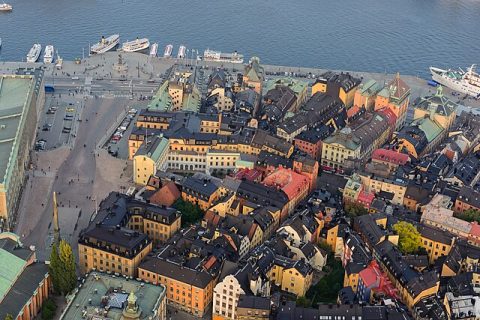
Gamla Stan (Old Town)
Stockholm's historic heart dates to the 13th century and is one of Europe's largest and best-preserved medieval city centers. Wander labyrinthine cobblestone streets lined with ochre-colored buildings, discovering hidden courtyards, artisan shops, and cozy cafés. The district encompasses the Royal Palace, Stockholm Cathedral, and Nobel Prize Museum. Stortorget, the main square, was the site of the infamous Stockholm Bloodbath of 1520 and is now surrounded by colorful merchants' houses and inviting restaurants.
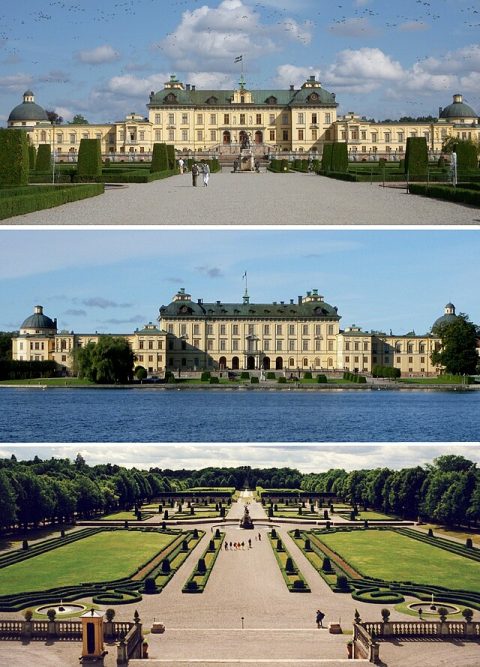
Drottningholm Palace
A UNESCO World Heritage Site and the private residence of the Swedish royal family, this magnificent 17th-century palace sits on Lovön island. Often called the Versailles of the North, it features stunning baroque and rococo interiors. The palace grounds include a Chinese Pavilion, English gardens, and the remarkably preserved 18th-century Court Theatre, which still hosts performances using original stage machinery. The palace is accessible by boat, making the journey itself an experience.
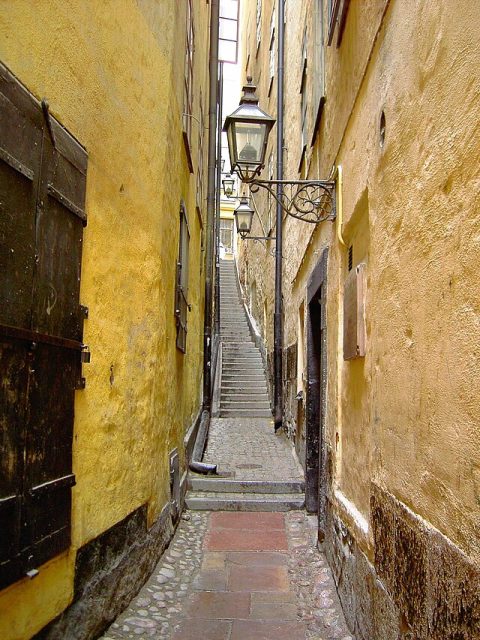
Mårten Trotzigs Gränd
Stockholm's narrowest alley, measuring just 90 centimeters at its narrowest point, climbs steeply between medieval buildings. Named after a 16th-century merchant, this atmospheric passage epitomizes Gamla Stan's medieval character. The 36 steps offer a glimpse into how the city's topography shaped its development. It's a favorite spot for photographers seeking quintessential Old Town atmosphere.
Tips for Ancient & Historical Sites
- Best Time: Visit Gamla Stan early morning or late evening to avoid cruise ship crowds
- Walking Shoes: Cobblestone streets require comfortable footwear
- Drottningholm Access: Take the scenic boat ride from Stockholm city center for the full experience
- Hidden Gems: Explore side streets away from Västerlånggatan to discover quieter courtyards and authentic shops
- Evening Atmosphere: Gamla Stan is magical at dusk when gas lamps illuminate the medieval streets