Geneva's exceptional museums showcase world-class art collections, scientific achievements, and humanitarian history. From internationally renowned art galleries to specialized museums exploring watchmaking, science, and human rights, these institutions provide profound cultural and educational experiences that reveal Geneva's sophisticated character and global contributions.
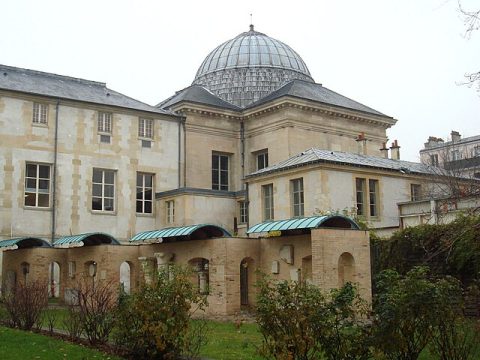
Musée d'Art et d'Histoire
This comprehensive art and history museum spans Egyptian antiquities, medieval manuscripts, Renaissance paintings, and modern artwork across 70 galleries. Its diverse collections include works by Monet, Rembrandt, and Rodin, plus exceptional decorative arts, armor, and cultural artifacts. The Egyptian mummy collection and medieval religious sculptures are particularly impressive. A dedicated section explores Geneva's reformation history, featuring religious manuscripts and artifacts documenting John Calvin's influence. The architecture itself—a Belle Époque palace—provides an elegant setting. Free permanent collections make it exceptionally accessible for comprehensive cultural immersion without time constraints.
International Red Cross & Red Crescent Museum
This profoundly moving museum documents humanitarian efforts across centuries, from battlefield medicine to modern disaster response. Interactive exhibits explore real humanitarian crises, challenging visitors to make ethical decisions in simulated scenarios. The meditative spaces encourage reflection on human suffering and resilience. Collections include historical artifacts, photographs, and personal testimonies from humanitarian workers worldwide. The museum powerfully illustrates Geneva's pivotal role in establishing international humanitarian law and organizations. Emotionally impactful rather than entertainment-focused, it offers essential perspective on human compassion and global cooperation. Modern, thoughtfully designed galleries make heavy subject matter accessible and meaningful.
Patek Philippe Museum
This world-renowned watchmaking museum showcases five centuries of Swiss horological mastery through 2,500 timepieces, many extraordinarily rare and valuable. Visitors explore the evolution from mechanical clocks to modern complications (perpetual calendars, minute repeaters, chronographs). Exquisite craftsmanship is evident in every exhibit, from jeweled movements to artistic cases featuring enamel, precious metals, and gemstones. Interactive displays explain watchmaking techniques and complications. The museum building itself reflects 16th-century design excellence. Audio guides provide technical detail or simplified explanations based on visitor interest. Watching time-lapse videos of artisans assembling movements reveals meticulous Swiss precision defining the brand's 180+ year legacy.
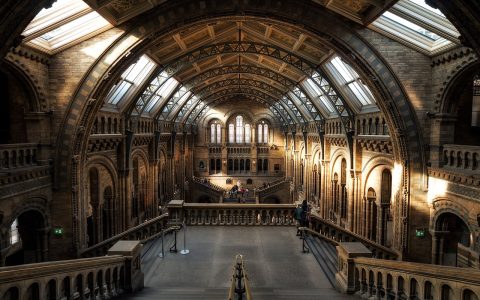
Musée d'Histoire Naturelle
This comprehensive natural history museum features extensive zoological collections, gemstone exhibitions, and geological displays. A giant whale skeleton dominates the entrance, creating awe-inspiring first impressions. Exhibits explore Alpine wildlife, extinct species, and geological formations. Interactive displays appeal to children while providing scientific depth for adults. The precious stones collection showcases gems from around the world with explanations of formation and properties. Diorama displays depict Alpine habitats with remarkable naturalism. The museum's educational focus makes it both entertaining and informative, offering accessible science education through beautiful, well-curated presentations explaining natural world complexity.
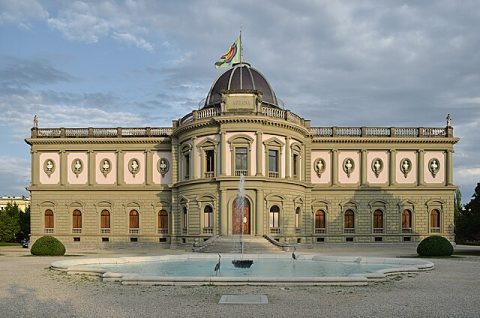
Musée Ariana
Dedicated to decorative arts and ceramics, this specialized art museum occupies an Italian Renaissance-style palazzo overlooking Lake Geneva. Collections span European and Asian pottery, porcelain, and glass from medieval periods through the 20th century. Exhibits feature exceptional Islamic ceramics, Chinese porcelain, and European decorative traditions. The museum's intimate scale allows close appreciation of craftsmanship in delicate objects. Stunning views across the lake from gallery windows enhance the aesthetic experience. Rotating exhibitions complement permanent collections, exploring ceramics' technical and artistic evolution. The building itself—designed as an art collector's residence—provides charming architectural context for appreciating fine decorative arts.
Tips for Museums & Galleries
- Many Geneva museums offer free entry to permanent collections, making cultural exploration highly accessible
- The Red Cross Museum requires emotional preparation—it addresses serious humanitarian subjects thoughtfully but powerfully
- Patek Philippe Museum requires advance booking; book during hotel stay or online days ahead
- Combine multiple museums via tram routes to minimize travel time between locations
- Allocate at least 2 hours minimum for each major museum to appreciate collections adequately