Dubai has redefined shopping as entertainment with spectacular malls that are destinations in themselves, featuring aquariums, ski slopes, and architectural wonders alongside world-class retail therapy.
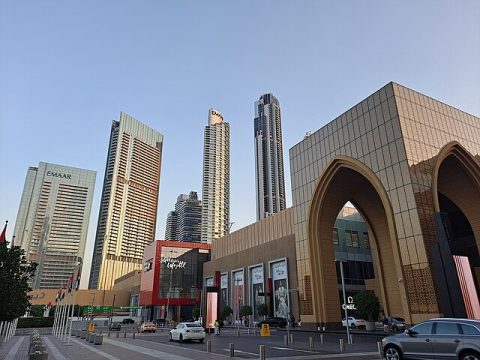
The Dubai Mall
Call it “one of the world’s largest malls by total area.” Emaar describes it that way. The Dubai Aquarium and Underwater Zoo showcases thousands of aquatic animals in a massive suspended tank visible from multiple levels. The Olympic-sized ice rink hosts public skating and shows. Additional attractions include VR Park, KidZania, and the Souk section replicating traditional Arabian markets. Dining options span from fast food to Michelin-worthy restaurants. Fashion Avenue houses luxury brands in an elegant setting. The mall connects directly to Burj Khalifa and hosts the Dubai Fountain shows visible from multiple viewing areas.
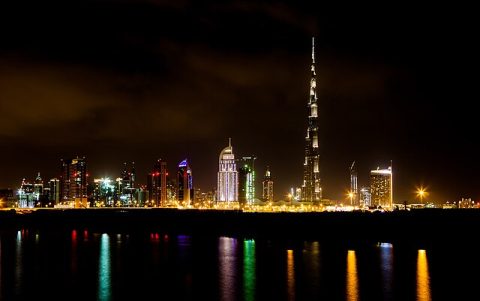
Downtown Dubai
The city's prestigious central district centers around Burj Khalifa and Dubai Mall, representing Dubai's modern identity. The area encompasses luxury hotels, high-end residences, Souk Al Bahar, and the Opera District. Dubai Opera hosts world-class performances from ballet to concerts in a distinctive dhow-shaped building. The Mohammed Bin Rashid Boulevard features upscale dining and retail. Address Hotels provide luxury accommodation with fountain views. The district is highly walkable by Dubai standards with covered walkways connecting attractions. Evening illumination creates spectacular ambiance. This concentration of premium experiences makes Downtown essential for first-time visitors.
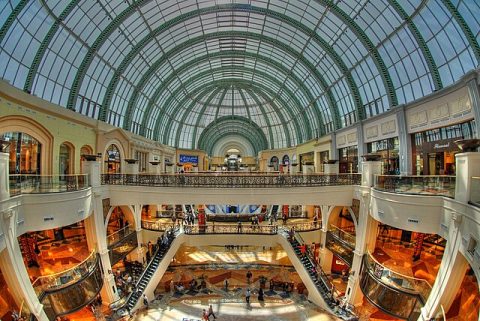
Mall of the Emirates
This premier shopping destination houses Ski Dubai, the Middle East's first indoor ski resort and snow park featuring real snow, ski slopes, and resident penguins. Beyond the unprecedented winter sports facility, the mall offers over 600 retail brands from high-street to luxury labels. The Magic Planet entertainment zone and VOX Cinemas provide additional entertainment. Multiple dining areas include everything from casual eateries to fine dining restaurants. The mall's architecture features soaring ceilings and natural light, creating an airy shopping environment. Regular events, fashion shows, and seasonal celebrations add to the experience.
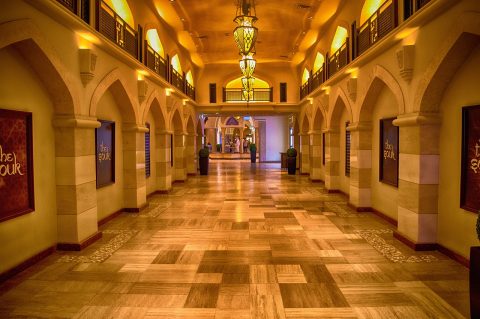
Gold Souk
Located in Dubai's historic Deira district, this traditional covered market dazzles with over 300 retailers displaying elaborate gold jewelry in stunning profusion. The souk holds a Guinness World Record for the world's largest gold ring The record-setting Najmat Taiba ring is listed at 63.856 kg. Visitors find 18K, 21K, and 22K gold pieces alongside precious gems and pearls. The traditional atmosphere with wooden-roofed walkways contrasts dramatically with Dubai's modern face. Skilled bargaining can yield significant discounts from displayed prices. The souk is particularly enchanting in evenings when illuminated and bustling with activity. Quality is generally high with strict regulations ensuring authenticity.
Al Fahidi Historical District
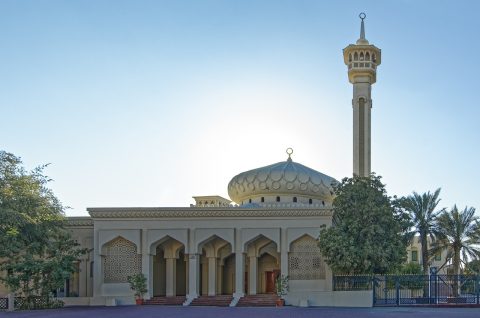
Dubai's oldest heritage neighborhood features traditional wind-tower architecture in narrow lanes that transport visitors to pre-oil Dubai. The restored district houses art galleries, museums, cultural cafes, and heritage guesthouses within traditional coral and gypsum buildings. The XVA Art Hotel showcases contemporary Middle Eastern art. The Coffee Museum documents coffee's cultural significance. Traditional courtyards provide cool retreats from desert heat. Cultural activities include art exhibitions, poetry readings, and traditional music performances. The Arabian Tea House serves authentic Emirati cuisine in atmospheric settings. This district demonstrates Dubai's commitment to preserving heritage amid rapid modernization.
Dubai Marina
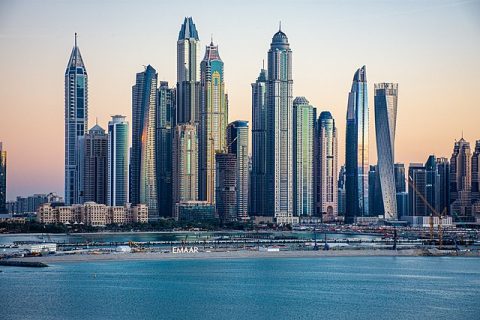
This man-made canal city features impressive skyscrapers surrounding a 3-kilometer waterfront promenade lined with restaurants, cafes, and yachts. The area represents modern Dubai lifestyle with international dining, beach clubs, and luxury living. The Marina Walk offers pleasant strolling with views of illuminated towers reflected in water. Dubai Marina Mall provides shopping and entertainment. Boat tours depart regularly showcasing waterfront architecture. The adjacent Jumeirah Beach Residence (JBR) offers public beach access and The Walk outdoor shopping district. Evening atmosphere buzzes with residents and tourists dining alfresco. The area is well-connected via metro and tram systems.
Spice Souk
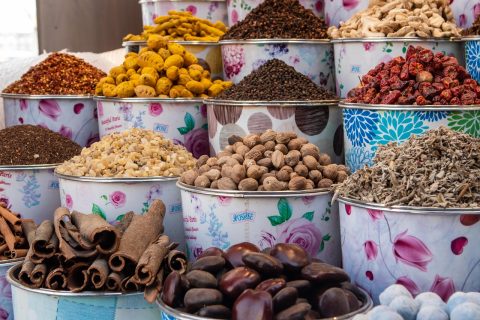
Adjacent to the Gold Souk, this aromatic traditional market overflows with colorful spices, dried fruits, nuts, and traditional herbs piled in fragrant mountains. The sensory experience includes saffron, cardamom, frankincense, and exotic blends unique to Arabian cuisine. Friendly vendors offer samples and cooking advice while demonstrating the traditional souk bargaining culture. Beyond spices, shops sell traditional remedies, incense, rose water, and dates. The narrow lanes capture old Dubai's trading heritage predating the modern metropolis. Prices are negotiable and significantly lower than supermarkets, making it practical for purchasing ingredients and gifts.
Deira & Bur Dubai
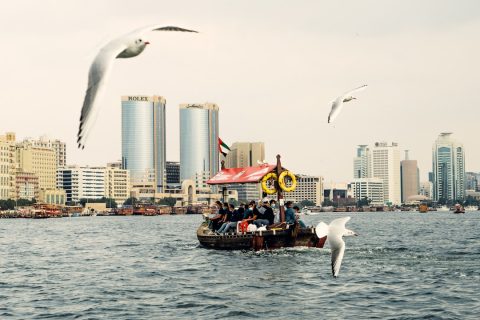
These historic districts flanking Dubai Creek preserve the city's trading heritage and offer authentic local experiences away from tourist megaprojects. Traditional souks, heritage houses, and bustling streets reveal everyday Emirati and expat life. The Creek itself remains active with traditional abra water taxis crossing between districts. Deira's Gold, Spice, and Perfume Souks attract bargain hunters. Bur Dubai's textile souk and Hindi Lane showcase multicultural heritage. Traditional restaurants serve regional cuisines at local prices. The areas maintain gritty authenticity contrasting sharply with polished modern Dubai, offering valuable cultural perspective.
Tips for Neighborhoods & Districts
- Visit Dubai Mall on weekday mornings (before 11 AM) to avoid massive crowds, especially during Dubai Shopping Festival
- Download mall apps for interactive maps, parking assistance, and exclusive dining/retail offers
- At souks, start bargaining at 40-50% of the asking price and settle around 60-70% for fair deals
- Combine Gold and Spice Souk visits as they're adjacent use an abra (water taxi) crossing from Bur Dubai for authentic experience
- Check Dubai Mall's fountain show schedule and secure viewing spots 15 minutes early for popular evening performances
- Visit Al Fahidi during cooler morning or late afternoon hours the traditional architecture lacks air conditioning
- Take an abra (water taxi) across Dubai Creek for 1 AED it's the most authentic and economical transport experience
- Dubai Marina evenings offer the best atmosphere with illuminated towers and waterfront dining arrive around 6-7 PM
- Downtown Dubai is extremely walkable but use covered walkways during hot days to avoid direct sun exposure
- Combine Al Fahidi with Dubai Museum and nearby souks for comprehensive old Dubai exploration in one trip