Beyond the volcanoes and black sand beaches, Big Island hides a quieter side, tide pools, forest reserves, and coastlines shaped by the island's youngest lava flows. These spots see a fraction of the crowds but reward the effort with some of the most memorable moments on the island.
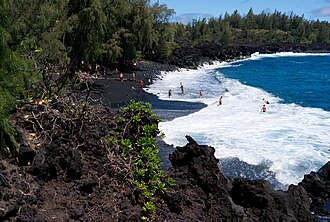
Kehena Beach
Reached by a steep, unmarked jungle trail off Highway 137, this secluded black sand beach in the Puna district has long been a gathering spot for a free-spirited local crowd, and clothing is optional on parts of the shore. Spinner dolphins frequently appear just offshore, sometimes swimming close enough to see clearly from the sand. The setting is dramatic, framed by lava cliffs and dense tropical vegetation, with a bohemian energy that feels worlds away from resort beaches. There are no facilities, no lifeguards, and the shorebreak can be strong, so it suits confident swimmers rather than families with small children. Visitors should be respectful of the local community that treats this as a low-key retreat rather than an attraction. Weekday mornings tend to be quieter, and drumming circles sometimes form here around sunset.
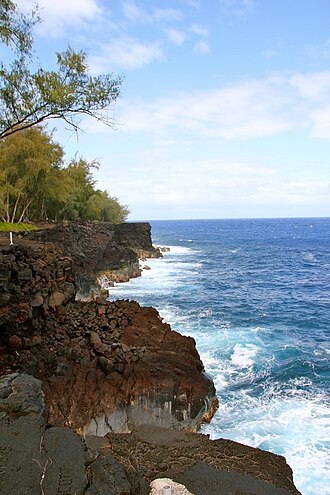
MacKenzie State Recreation Area
A dense ironwood forest planted in the early twentieth century covers this coastal park on the Puna coastline, creating an eerie, shaded canopy that feels more like the Pacific Northwest than tropical Hawaii. Trails wind along dramatic sea cliffs where waves crash against jagged black lava, and the park is said locally to be haunted, adding an atmospheric edge to a walk here. It sits along the old King's Highway, a historic footpath once used by Hawaiian royalty, and remnants of that trail can still be traced through the trees. The park is free, rarely busy, and popular with local campers, though swimming is unsafe due to rough surf and no sandy entry. It is an easy stop for a quiet picnic or short walk while exploring the Puna coast, with almost no tourist infrastructure to interrupt the mood.
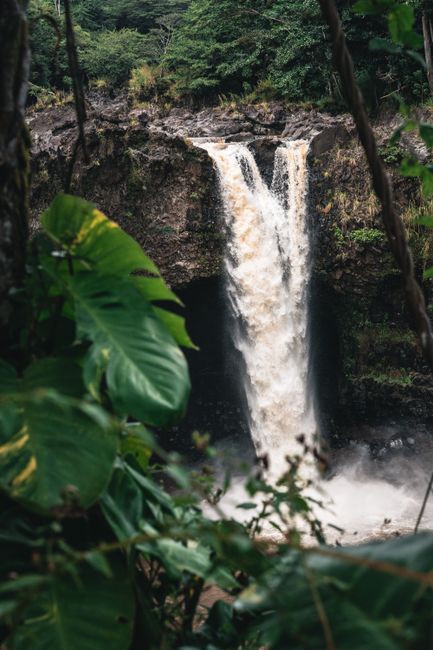
Boiling Pots (Pe'epe'e Falls)
Just upstream from the better-known waterfalls of Hilo, the Wailuku River tumbles through a series of connected lava-rock pools that churn and bubble like they are boiling, an illusion created by underground lava tubes forcing air up through the water. The viewing area is a short walk from a small roadside parking lot, making it an easy detour that most visitors driving past never realize is there. After heavy rain the pools swell dramatically and the churning intensifies, though swimming is strictly prohibited and has caused fatalities in the past. The surrounding riverbank is shaded and peaceful, a nice contrast to the open, sun-exposed viewpoints elsewhere on the island. It is best visited in the morning when light filters through the trees onto the water. A few minutes here rounds out a Hilo waterfall stop that most itineraries skip entirely.
Wai'opae Tide Pools (Kapoho)
Tucked into a lava-rock coastline in the Puna district, this network of naturally formed tide pools offers some of the calmest, clearest snorkeling on the island. Warmed by the sun and sheltered from surf, the pools teem with tropical fish, urchins, and the occasional sea turtle, making them ideal for families and beginner snorkelers. The surrounding area sits within a marine life conservation district, so no fishing or collecting is allowed. Go early in the morning for glassy water and soft light, and bring reef-safe sunscreen since the pools are shallow and enclosed. There are no lifeguards, facilities, or shade, so pack water and check tide conditions before visiting. Because it is unmarked and off the main highway, most visitors never find it, leaving the pools blissfully uncrowded even on busy weekends.
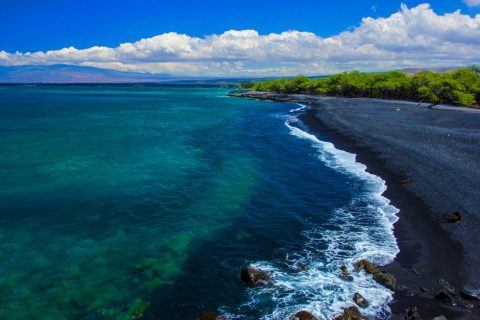
Kaimu Black Sand Beach (Kalapana)
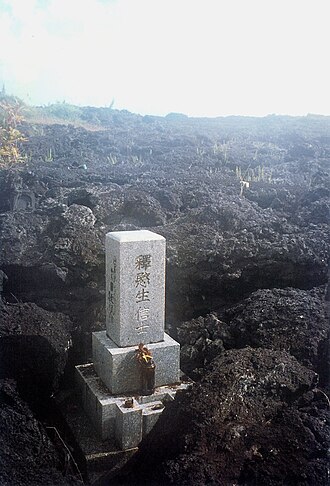
This beach did not exist before 1990, when lava from Kilauea buried the original Kaimu Bay and its famous coconut grove under a fresh field of black rock. Today a young palm grove has reclaimed the shoreline, and visitors can walk across the cooled lava to a wild, rugged beach where swimming is dangerous but the scenery is extraordinary. It is a rare chance to see land that is, geologically speaking, brand new. Nearby Kalapana village has a handful of food trucks and a laid-back market some evenings, giving the area a distinctly local, unhurried feel that contrasts with more polished tourist stops. Bring sturdy shoes for the uneven lava surface and expect intense midday heat with almost no shade. Sunset here, with waves crashing against jagged black rock, is quietly spectacular and rarely crowded.
Tips for Hidden Gems
- Most of these spots have no facilities, shade, or cell signal, so bring water, sun protection, and download offline maps beforehand.
- Ocean conditions at unguarded beaches like Kehena and Kaimu can be dangerous; never turn your back on the surf and skip swimming if waves look rough.
- Respect posted conservation rules at Wai'opae, no touching or removing marine life or coral.
- Visit early morning for the best light, fewer people, and cooler temperatures on exposed lava terrain.