Plan your trip to Big Island
- How long
- 5-7 days: Hawaii Volcanoes National Park, Mauna Kea stargazing, Kona and Hilo.
- Best for
- Volcano and stargazing lovers: active volcanoes, black-sand beaches and snow-topped Mauna Kea.
- Skip it if
- You want one climate: the island has many, from lava fields to rainforest.
If you only do three things
- Hawaii Volcanoes National Park.
- Mauna Kea summit area stargazing (check road and altitude rules).
- Punalu'u Black Sand Beach and Pu'uhonua o Honaunau.
A one-day route
- Morning: Hawaii Volcanoes National Park.
- Midday: Lunch in Volcano Village.
- Afternoon: Punalu'u Black Sand Beach.
- Evening: Dinner in Kona; stargazing from Mauna Kea Visitor Station.
Before you go
- Kona and Hilo each have an airport; rent a car.
- Check volcano and air-quality conditions at the park.
- Mauna Kea is above 4,000 m; altitude rules apply.
- Check current prices and permits.
Prices, opening status and transport in this plan checked against official sources on 1 October 2026.
Things to do in Big Island
The Big Island's most iconic sights are shaped by fire, from active lava fields to sacred summits that anchor Hawaiian culture and modern astronomy alike.
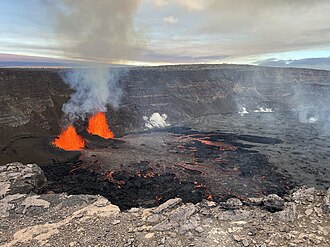
Kilauea Volcano
One of the world's most active volcanoes and the centerpiece of Hawaii Volcanoes National Park. Visitors can view the steaming Halema'uma'u crater from the Kilauea Overlook and walk sections of the Crater Rim Trail. Eruption activity changes constantly, so check the park website before visiting.
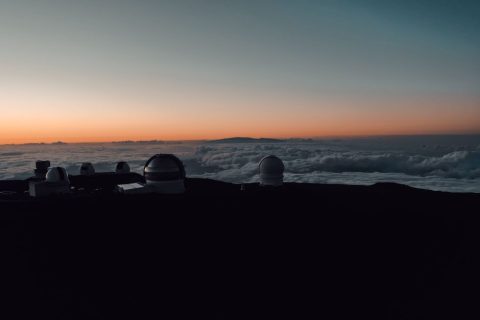
Mauna Kea Summit
The summit is 13,796 feet (4,205 m) above sea level, this dormant volcano is the tallest mountain in the world measured base to peak and home to some of the world's premier astronomical observatories. The summit offers panoramic sunset views above the clouds and, The Visitor Information Station is at 9,200 feet; check its current stargazing activities and safety guidance before going.
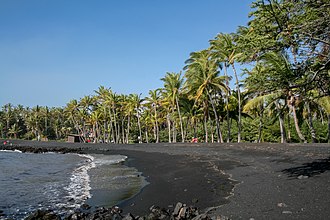
Punalu'u Black Sand Beach
A striking beach of jet-black volcanic sand formed by lava meeting the sea, frequented by endangered green sea turtles that bask on the shore. Do not touch or approach the turtles — federal law requires a distance of at least 10 feet.
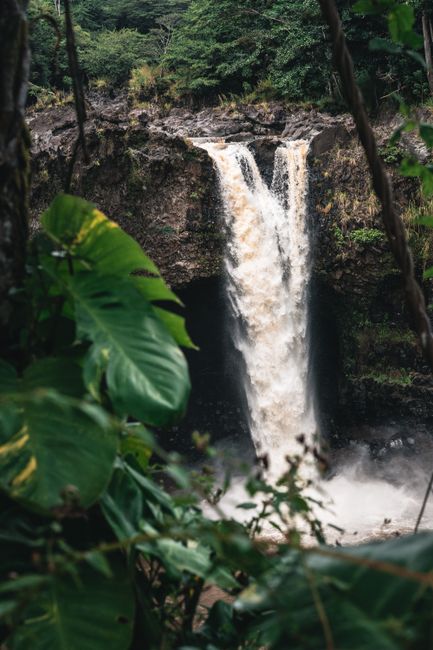
Rainbow Falls (Waianuenue)
A 80-foot waterfall in Hilo that plunges into a pool set within a lava cave, named for the rainbows that often form in its mist during morning sun. Easily accessible with a short paved path and viewing platform.
Tips for Landmarks & Monuments
- Check current eruption status before visiting Hawaii Volcanoes National Park.
- Bring warm layers for Mauna Kea — summit temperatures can drop below freezing even in summer.
- Arrive at Punalu'u early morning to see turtles before tour buses arrive.
Small but rich collections preserve Hawaiian royal history, natural science, and the island's volcanic and astronomical significance.
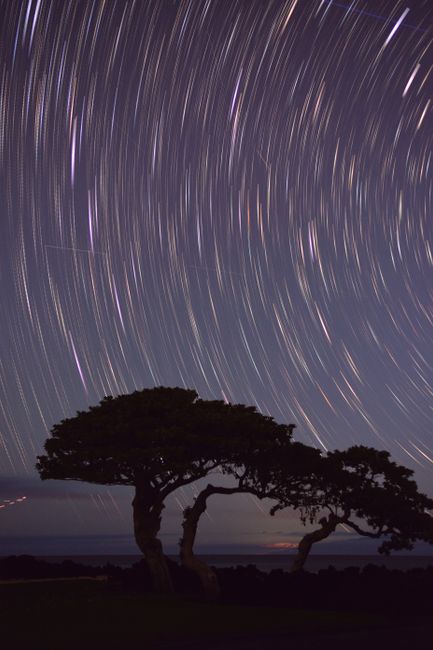
Imiloa Astronomy Center
A planetarium and science center in Hilo that connects Hawaiian voyaging traditions and star navigation with modern astronomy conducted atop Mauna Kea. Interactive exhibits and a full-dome planetarium theater make it a highlight for families.
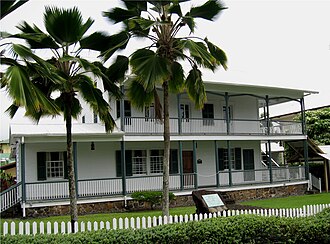
Lyman Museum
Hilo's oldest missionary house paired with a natural and cultural history museum covering Hawaiian geology, plantation-era immigration, and native flora and fauna. A compact, well-curated stop for understanding the island's layered history.
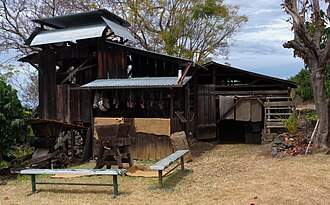
Kona Coffee Living History Farm
A restored early-1900s coffee homestead where costumed interpreters demonstrate traditional Kona coffee farming, roasting, and pounding processes. Free samples of fresh-roasted coffee are included with admission.
Tips for Museums & Galleries
- Imiloa's planetarium shows sell out on weekends — book same-day tickets early.
- Combine the Kona Coffee Living History Farm with a stop at a working coffee mill nearby.
Sacred Hawaiian heiau (temples) and places of refuge reflect centuries of native spiritual and legal tradition predating Western contact.
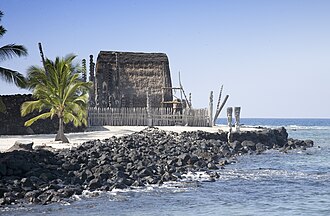
Pu'uhonua o Honaunau (Place of Refuge)
A national historical park preserving an ancient pu'uhonua, a sacred sanctuary where defeated warriors and law-breakers could seek absolution. Reconstructed temples, royal fishponds, and wooden ki'i (carved images) sit along a dramatic lava-rock coastline.
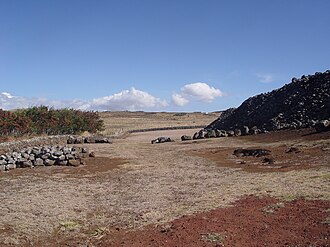
Mo'okini Heiau
One of Hawaii's oldest and most sacred temples, a massive lava-rock structure on the remote North Kohala coast used historically for royal ceremonies and human sacrifice. Remains a site of active cultural practice — Treat Moʻokini Heiau as a sacred cultural site; verify access and guidance locally before visiting..
Tips for Religious Sites
- These are active sacred sites, not just historical exhibits — keep voices low and do not remove rocks or artifacts.
- Pu'uhonua o Honaunau's tide pools nearby are good for snorkeling after your visit.
From tropical botanical gardens to a volcanic national park spanning sea level to summit, the Big Island's green spaces showcase its extraordinary climate range.
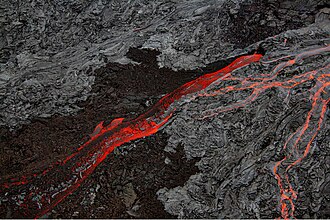
Hawaii Volcanoes National Park
A UNESCO World Heritage Site encompassing two active volcanoes, lava tube caves, steaming vents, and rainforest trails. The Thurston Lava Tube and Devastation Trail are accessible highlights alongside the main crater overlooks.
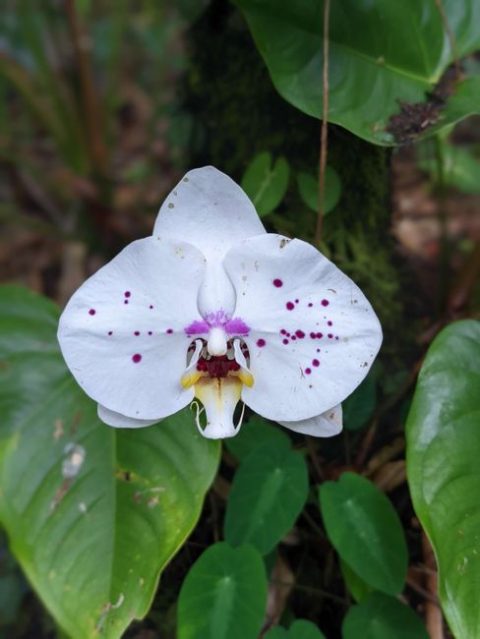
Hawaii Tropical Bioreserve & Garden
A lush botanical garden along the dramatic Onomea Bay coastline north of Hilo, Check the garden’s current collection description.
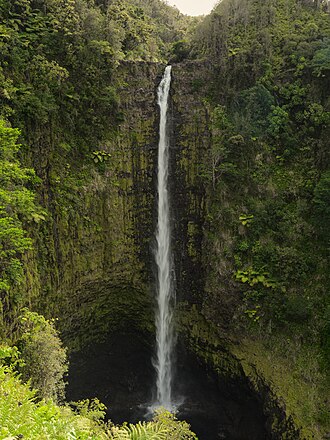
Akaka Falls State Park
A short, paved loop trail through bamboo groves and ginger leads to a viewpoint of the 442-foot Akaka Falls, one of the tallest and most photographed waterfalls on the island.
Tips for Parks & Gardens
- Hawaii Tropical Bioreserve & Garden requires a small parking reservation fee — book online ahead of time.
- Akaka Falls parking fills quickly; arrive before 9am on weekends.
The Big Island's two coasts have distinct characters — a historic port town on the wet, green east side and a resort-lined sunny coast on the west.
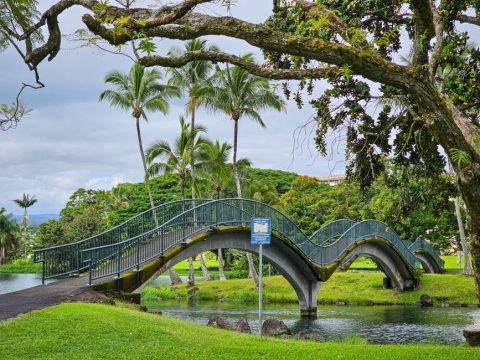
Downtown Hilo
A historic waterfront town with early-1900s storefronts, farmers markets, and a laid-back, rainy-side charm quite different from the resort coast. The Hilo Farmers Market runs Wednesdays and Saturdays with fresh tropical fruit and local crafts.
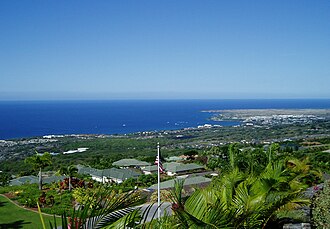
Kailua-Kona
The island's sunny west-coast hub, centered on Ali'i Drive with oceanfront restaurants, shops, and Kamakahonu Bay where King Kamehameha I once lived. The main departure point for Kona coffee farms and snorkel/dive charters.
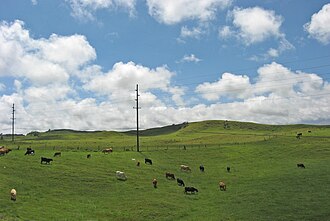
Waimea (Kamuela)
An upcountry ranching town on the slopes of Mauna Kea, home to the historic Parker Ranch, cooler climate, and a growing farm-to-table food scene distinct from the coastal resorts below.
Tips for Neighborhoods & Districts
- Hilo and Kona have very different weather — Hilo is wet and lush, Kona is dry and sunny, often on the same day.
- Waimea is a good lunch stop when driving between Kona and the volcano side.
The Big Island's volcanic terrain and clear coastal waters support some of Hawaii's most distinctive outdoor experiences.
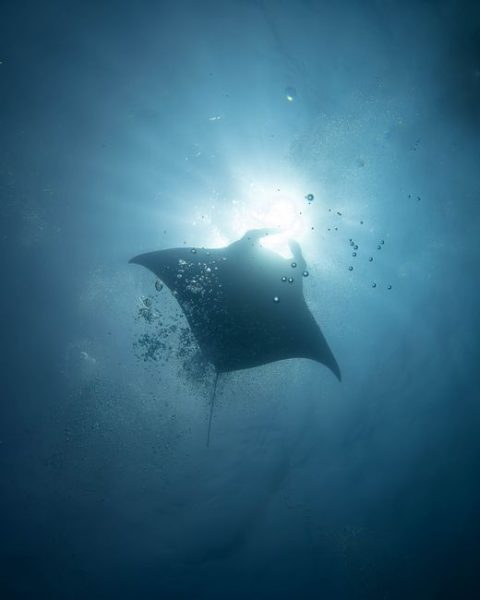
Manta Ray Night Snorkel/Dive
An after-dark boat excursion off the Kona coast where lights attract plankton and, in turn, gentle giant manta rays that glide within feet of snorkelers. One of the most sought-after wildlife encounters in Hawaii.
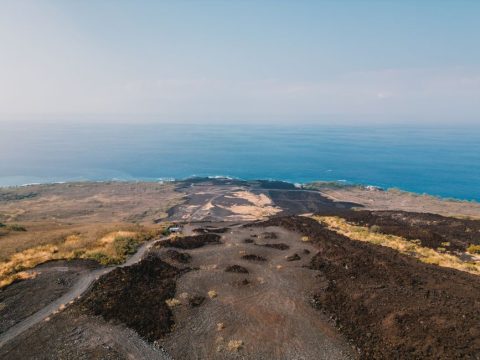
Lava Boat Tour
When active surface flows reach the ocean, licensed boat operators run tours to view lava entering the sea from a safe offshore distance. Availability depends entirely on current eruption activity — confirm with operators before booking.
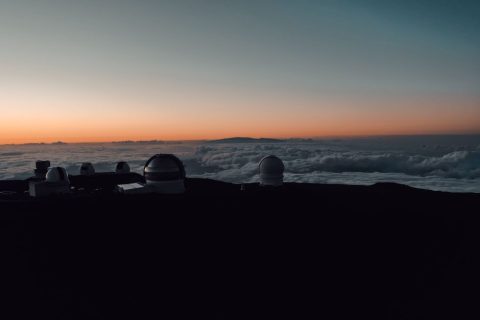
Mauna Kea Stargazing Tour
Guided small-group tours drive to the visitor station and summit for sunset above the clouds followed by expert-led telescope stargazing, avoiding the altitude and road hazards of a self-driven visit.
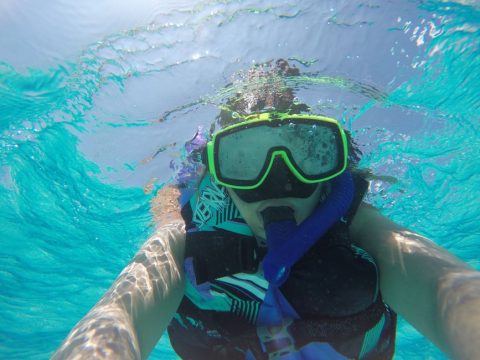
Kealakekua Bay Snorkeling
A marine life conservation district with some of the best snorkeling on the island, accessible by kayak or boat tour, near the Captain Cook Monument. Coral reefs here host spinner dolphins and vibrant reef fish.
Tips for Tours & Activities
- Book manta ray and lava boat tours several days ahead in high season (June-August, December-January).
- Kealakekua Bay access by land requires a steep hike or 4WD road — most visitors go by kayak or boat tour instead.
The Big Island's size (larger than all other Hawaiian islands combined) rewards full-day loop drives connecting its volcanic, coastal, and upcountry regions.
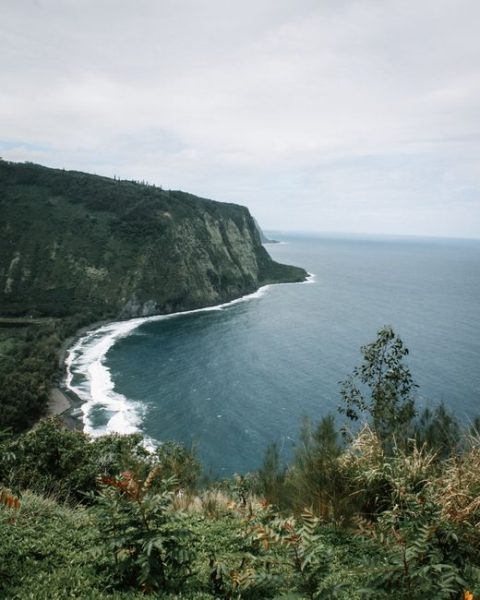
Waipio Valley Lookout
A dramatic overlook of a mile-wide, steep-walled valley with black sand beach and cascading waterfalls, considered sacred in Hawaiian tradition as the childhood home of King Kamehameha I. Valley-road access is subject to county restrictions and closures; check current rules before planning a descent.
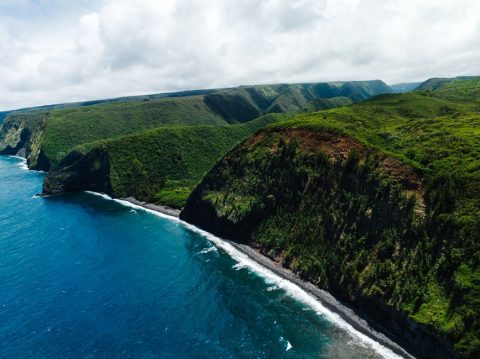
Hamakua Coast Scenic Drive
A winding coastal route north of Hilo through former sugar plantation towns, one-lane bridges, and jungle valleys, passing Akaka Falls and the Waipio Valley overlook along the way.
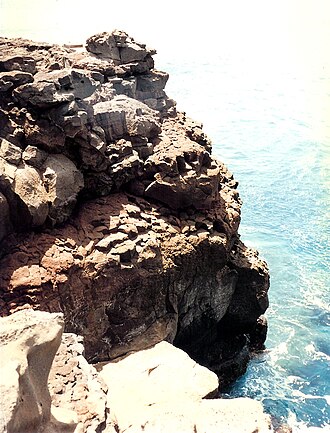
South Point (Ka Lae)
The southernmost point of the United States, a windswept lava coastline with dramatic cliffs, ancient canoe moorings, and access to the green sand beach at Papakolea via a rugged coastal walk.
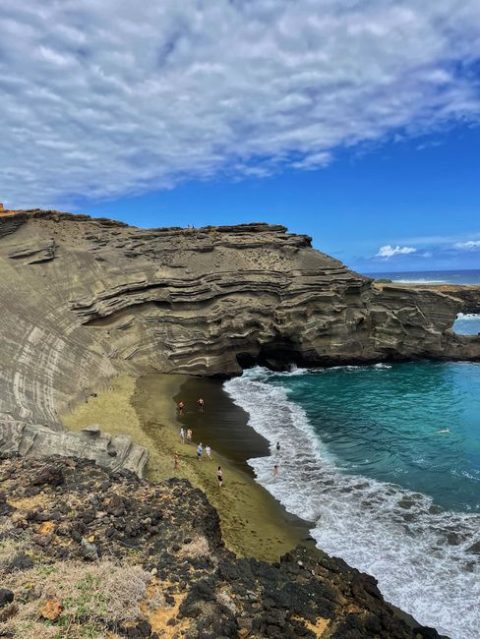
Papakolea Green Sand Beach
One of only four green sand beaches in the world, its distinctive color coming from olivine crystals eroding out of a volcanic cinder cone. Reached via a strenuous 2.5-mile coastal walk or a paid 4WD shuttle from local operators.
Tips for Day Trips & Excursions
- A full loop drive around the island (Kona to Hilo via the volcano, back via Hamakua) takes a full day — fill the gas tank, stations are sparse in remote stretches.
- Green sand beach shuttle operators charge a flat cash fee — bring small bills.
The Big Island has no European-style Christmas market, but its winter holiday season is full of local color: paniolo (Hawaiian cowboy) parades, tree lightings, and craft fairs replace snow and mulled wine with leis, ukulele carols, and tropical breezes.
Most events cluster in Hilo and Waimea in the first two weeks of December 2026, with resort light displays running through New Year.
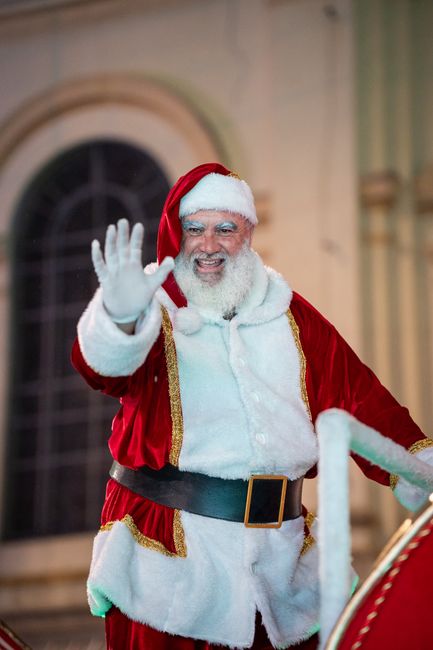
Hilo Festival of Lights and Christmas Parade
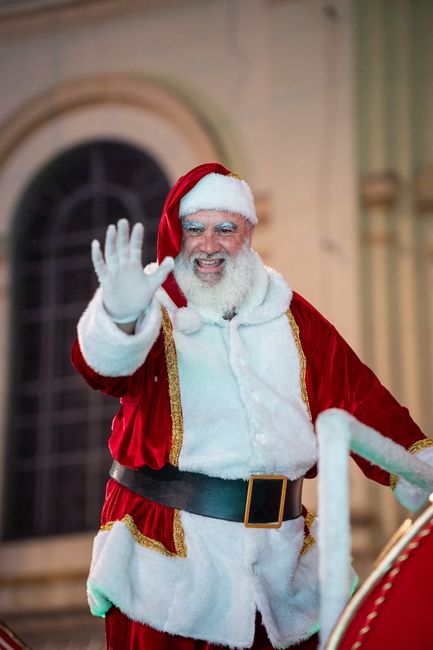
Downtown Hilo kicks off the season with a tree-lighting ceremony at Kalakaua Park, followed by a festive parade along Kamehameha Avenue. Expect marching bands, hula halau, decorated floats, and food booths run by local nonprofits. The event typically falls on the first Friday and Saturday of December, drawing families from across the island for one of the biggest free gatherings of the year.
Streets around the park are closed to traffic during the parade, and vendors sell shave ice, malasadas, and holiday plate lunches alongside the standard craft tables. It is a low-key, community-driven event rather than a commercial market, so come for the atmosphere and small local gifts rather than big shopping.
Waimea Christmas Twilight Parade
Waimea, the Big Island's paniolo (cowboy) heartland, hosts an evening holiday parade featuring illuminated floats, horseback riders, and local ranching families in place of typical winter iconography. It is usually held on a Saturday in early December along the town's main road, with crowds gathering for cocoa, chili, and live music beforehand.
The parade reflects Waimea's ranching heritage more than a conventional Christmas theme, making it one of the more distinctive holiday traditions in Hawaii. Arrive early to grab curbside seating, since the route through the small upcountry town fills quickly with both residents and visitors staying nearby.
Christmas in the Country Craft Fair
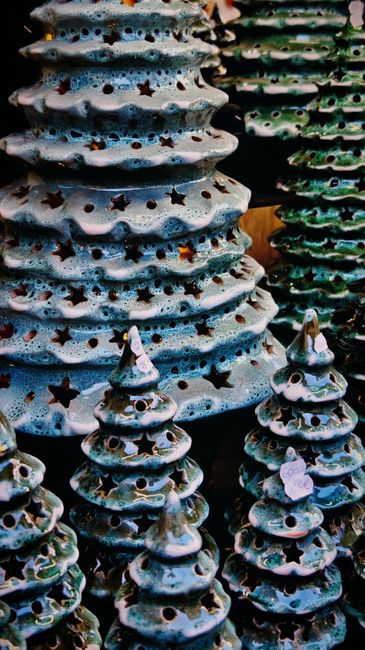
Held at the Kahilu Theatre grounds in Waimea, this juried craft fair is the closest thing the Big Island has to a traditional Christmas market. Dozens of local artisans sell pottery, woodwork, jewelry, and Hawaiian-themed ornaments, with proceeds supporting the theatre's arts programs. It generally runs over the first weekend of December.
Food trucks and coffee stands set up alongside the booths, and the cool upcountry air (Waimea sits at higher elevation than the coast) makes it one of the few spots on the island that actually feels a little wintry. Expect a relaxed, small-town pace rather than large commercial crowds.
Kailua Village Stroll Holiday Lighting
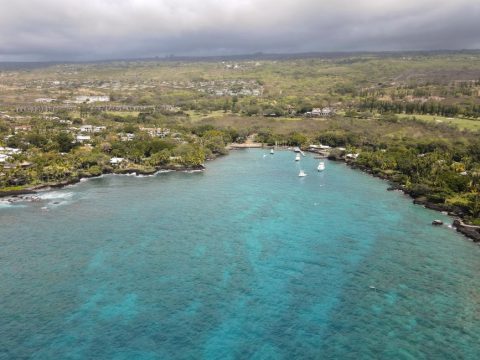
Along Alii Drive in Kailua-Kona, shops and historic sites such as Hulihee Palace and Mokuaikaua Church are strung with lights for the season, and the town hosts occasional evening strolls with live music, hula performances, and open-late storefronts. It is a casual, self-guided way to soak up holiday cheer against a backdrop of palm trees and the ocean.
Unlike the Hilo or Waimea events, there is no single fixed date. It is more of a season-long atmosphere across December, so travelers can simply walk the strip after sunset any evening for lit-up storefronts, oceanfront views, and the occasional pop-up vendor selling Hawaiian-made gifts.
Resort Holiday Light Displays
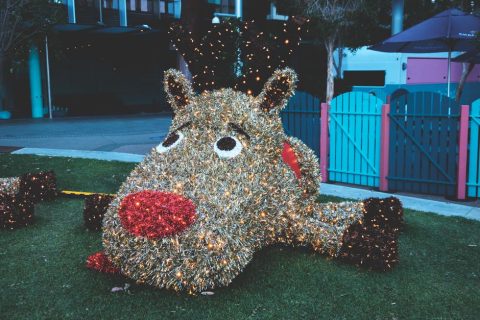
Large Kohala Coast resorts, including Hilton Waikoloa Village, put up elaborate light displays, oversized decorations, and photo-friendly Christmas trees each December, often paired with visits from Santa and holiday-themed keiki (children's) activities. These are open to the public in common areas even for non-guests, making them an easy stop for families with kids.
The mood leans more tropical Mele Kalikimaka than snowy North Pole, with live Hawaiian music, torch lighting ceremonies, and poolside holiday events replacing the market-stall format found in colder climates. It is best enjoyed in the evening after the day's heat has faded.
Tips for Christmas Market
- The Big Island has no snow or European-style Christmas market; expect parades, craft fairs, and light displays instead.
- Waimea sits at higher elevation and is noticeably cooler in the evenings than coastal Kona or Hilo, so bring a light jacket for its events.
- Parking fills up fast in downtown Hilo and along Alii Drive during parade nights, so arrive well before start time.
- Check exact December 2026 dates close to your trip, since parade and fair schedules shift slightly year to year.
Big Island keeps its after-dark scene low-key and oceanfront rather than club-heavy, with open-air bars, brewpubs, and the occasional kava house standing in for a downtown strip. Most action clusters along the Kailua-Kona waterfront and in a few Puna outposts known for local-style live music.
Huggo's on the Rocks
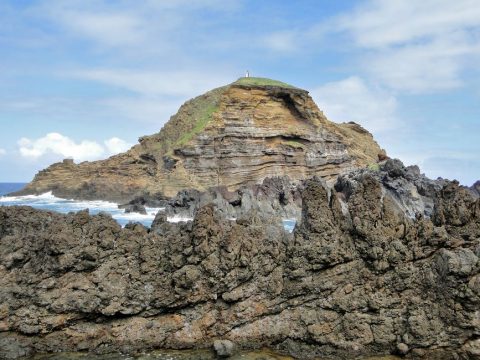
A barefoot-friendly, open-air lounge built right over the water in Kailua-Kona, where the tide laps beneath the tables as the sun goes down. Expect live island music most evenings, tropical cocktails, and a laid-back crowd mixing visitors with locals grabbing pupus after work. The adjacent sand floor bar area gets lively on weekends, and the sunset hour is the busiest stretch, so arriving early nets the best seating. It is more mellow lounge than dance club, geared toward conversation and ocean views rather than late-night partying. Live acoustic and slack-key sets are common, and the drink menu leans on fresh local fruit. A relaxed dress code and no cover charge make it an easy stop to fold into an evening stroll along Alii Drive.
Blue Dragon Musiquarium and Coastal Cantina
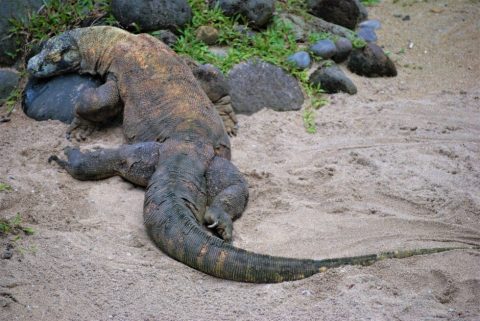
Tucked near Kawaihae Harbor, this quirky roadhouse-style venue pairs a full cantina menu with a genuinely eclectic live music calendar spanning jazz, reggae, blues, and singer-songwriter nights. The interior mixes local art, string lights, and a small stage, giving it more character than a typical resort bar. It draws a mixed crowd of North Kohala residents, ranch hands, and visitors staying near Waikoloa or Hawi looking for something with actual atmosphere after dark. Tables fill quickly on show nights, so calling ahead is wise even though reservations are not strictly required. The bar pours a solid selection of Hawaii-brewed beer and tropical cocktails. It is one of the few spots on this coast where live music runs late, making it a good anchor for an evening out away from the main resort strip.
Kona Brewing Company Original Brewpub
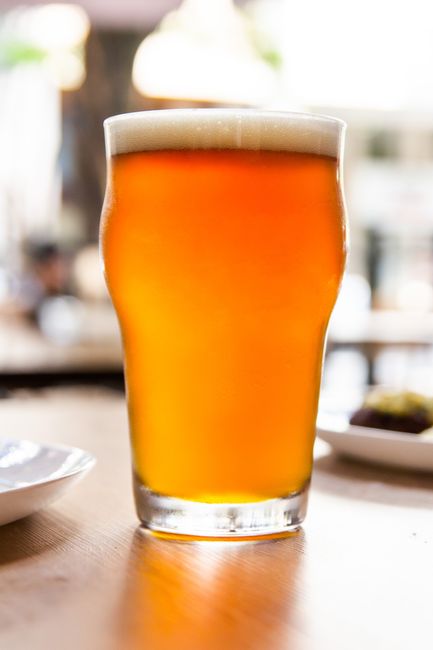
The flagship brewpub behind one of Hawaii's best-known beer labels sits just off Alii Drive, pouring flagship ales alongside small-batch and taproom-only releases you will not find bottled. The open-air patio gets a steady evening crowd of surfers, off-duty boat crews, and travelers comparing notes over a flight of Big Island-brewed beer. Pizza and pupus keep the mood casual rather than club-like, and there is occasional live music on weekend nights. It is a dependable, unpretentious place to end a beach day, with reliably good service and no cover charge. Happy hour pricing draws a bigger after-work crowd, so early evening is the liveliest window. Families and solo travelers alike tend to feel equally comfortable here, which keeps the energy easygoing rather than rowdy.
Kanaka Kava
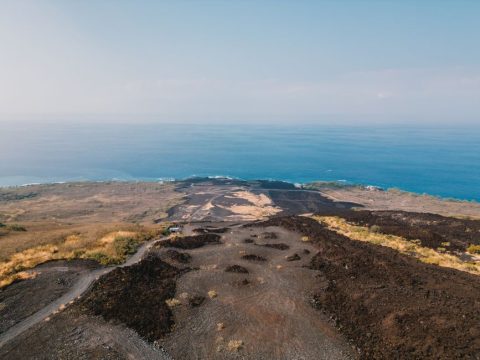
A shaded, open-sided kava bar in the Kona Marketplace where the drink of choice is a coconut shell of traditional Hawaiian awa (kava) rather than beer or cocktails. The atmosphere is communal and unhurried, with low tables, cushions on the ground, and regulars who are happy to explain kava etiquette to first-timers. It is an unusual and distinctly local alternative to a typical bar scene, offering a mellow, almost meditative buzz instead of a boisterous night out. Simple Hawaiian plates and smoothies round out the menu for anyone who wants food alongside the kava. Evenings bring a mix of local musicians, artists, and travelers trading stories under string lights. It closes earlier than most bars, so this is best treated as a sunset-to-early-evening stop rather than a late-night destination.
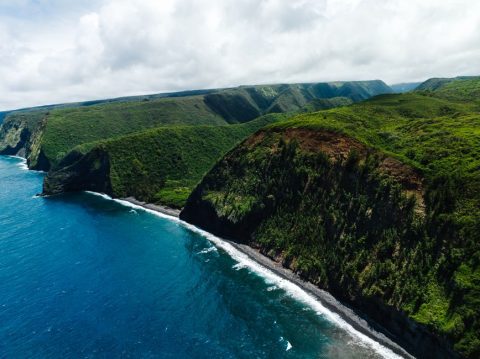
Uncle Robert's Awa Club
Held on Wednesday nights in the Puna district near Kalapana, this open-air night market and kava club is one of the most authentically local late-night gatherings on the island. Food trucks, craft vendors, and a stage with live reggae and Hawaiian music keep the grounds busy well past sunset, with the crowd skewing toward island residents rather than tourists. The setting near the lava-formed coastline gives it a raw, off-the-grid feel that resort nightlife cannot match. Kava is poured alongside plate-lunch style food, and the vibe stays friendly and unhurried throughout the night. It is a weekly tradition rather than a nightly option, so timing a visit for a Wednesday is essential. Cash is generally the easiest way to pay vendors on-site.
Tips for Nightlife & Entertainment
- Big Island nightlife winds down early compared to Oahu or Maui — most bars and lounges quiet down by 10-11pm outside of special events.
- Kailua-Kona's Alii Drive has the highest concentration of bars and brewpubs within walking distance of each other.
- Uncle Robert's Awa Club only runs on Wednesday nights, so plan the visit around that specific evening.
- Rideshare and taxi coverage is limited after dark in rural areas, so arrange transportation back to your accommodation in advance.
Big Island keeps children entertained well beyond the beach towel, with a free rainforest zoo, hands-on ocean science exhibits, calm tide-pool coves and a landscaped waterfront park built for wandering little legs. Most of these stops are outdoors, shaded and low-cost, making them easy to slot between longer adventures.
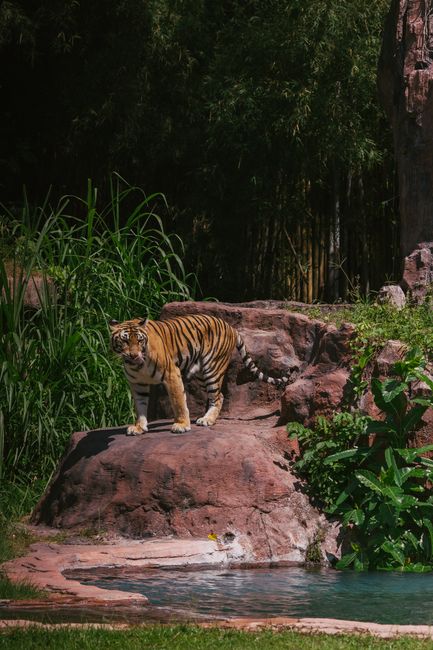
Panaewa Rainforest Zoo and Gardens
The only naturally occurring rainforest zoo in the United States, Panaewa sits on the outskirts of Hilo and is free to enter, though donations are welcome. Winding shaded paths lead past pygmy hippos, Bengal tigers, spider monkeys and a walk-through aviary of colorful birds, all set among dense tropical foliage that keeps the whole visit pleasantly cool. A small petting zoo area lets younger children get close to goats and other gentle animals, and there is a playground and picnic area for a break between exhibits.
The grounds are flat, stroller-friendly and rarely crowded, so families can move at a relaxed pace without long lines. Plan on one to two hours, longer if kids want to linger at the petting zoo. Bring mosquito repellent, as the lush setting attracts bugs, and pack water since shaded benches are plentiful but food options on-site are limited.
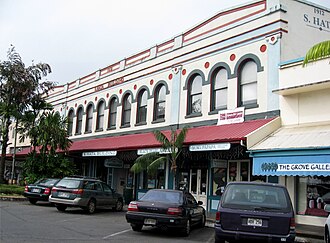
Mokupapapa Discovery Center
Tucked into a storefront in downtown Hilo, this free interactive museum run by NOAA brings the remote coral reefs of the Papahanaumokuakea Marine National Monument to life for kids who cannot make the trip themselves. A massive saltwater aquarium teeming with reef fish anchors the main room, surrounded by touch-friendly models, a mock submersible kids can climb into, and displays on Hawaiian monk seals and sea turtles. Staff and volunteers are on hand to answer questions, making it an easy, air-conditioned stop on a hot or rainy afternoon.
Exhibits are geared toward elementary-age children but engaging enough for toddlers and teens alike, and the compact layout means little ones will not get restless. Budget about 45 minutes to an hour. It pairs well with a walk along the nearby waterfront, and admission cost is zero, so it is a low-stress addition to any Hilo itinerary.
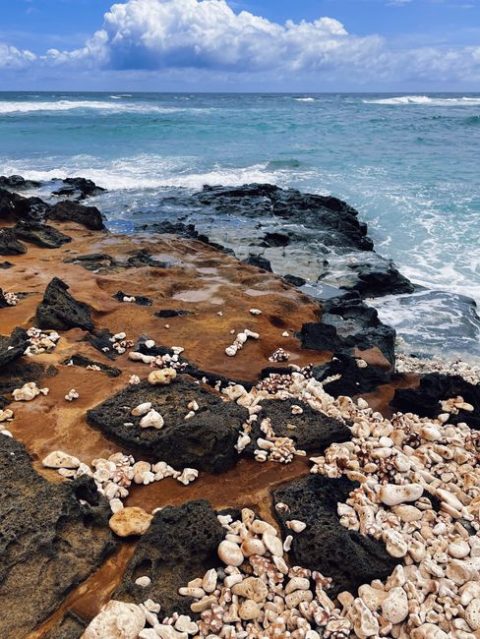
Old Kona Airport Park Tide Pools
A decommissioned airstrip north of Kailua-Kona has been converted into a sprawling beach park where shallow, current-free tide pools make it one of the safest spots on the island for young children to splash and spot marine life. Sea urchins, small reef fish and the occasional octopus hide among the rocks, and the calm coves are ideal for a first snorkel or simple wading. A grassy lawn behind the shoreline has picnic tables and shade, plus a playground for kids who need a break from the water.
Because the park sits away from the resort strip, it stays noticeably quieter than other beaches. Reef shoes are strongly recommended given the volcanic rock, and there is little shade directly at the pools, so sunscreen and hats matter. Plan for two to three hours to let kids fully explore the pools without rushing.
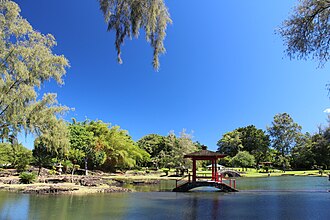
Liliuokalani Park and Gardens
This 24-acre Japanese garden along Hilo Bay offers wide, flat paths, ornamental ponds and a footbridge to the small offshore island of Coconut Island, all of which make it an easy, scenic place for kids to run around after a long car ride. Coconut Island itself has grassy areas and a low platform locals use for jumping into the calm bay, a favorite with older children on warm days. Banyan trees, stone lanterns and koi ponds give younger kids plenty to point at and explore without any admission fee or set route to follow.
The park is open and shaded in patches, with restrooms and parking right at the entrance, so it works well as a short, low-effort stop rather than a full excursion. An hour or so is enough for most families, more if the kids want to wade near Coconut Island.
Tips for With Kids
- Pack reef-safe sunscreen, hats and reusable water bottles, as shade and shops are limited at outdoor parks.
- Reef or water shoes make tide-pool exploring far more comfortable and protect little feet from sharp volcanic rock.
- Mornings are cooler and less crowded at the zoo and gardens; save air-conditioned museum stops for the hottest part of the day.
- Bring cash for optional donation boxes at free attractions like the zoo and discovery center.
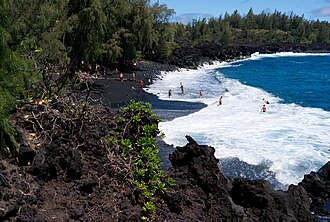
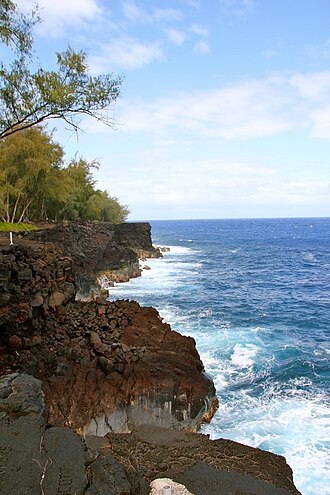
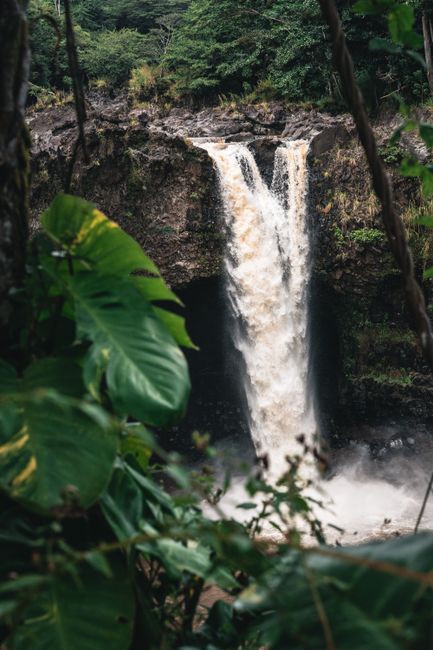
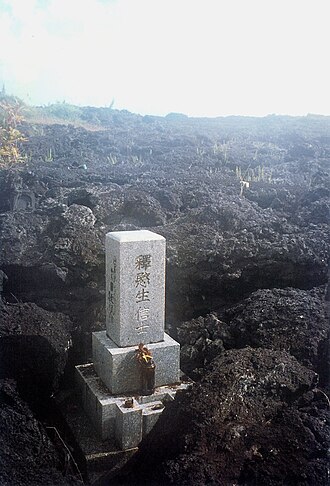
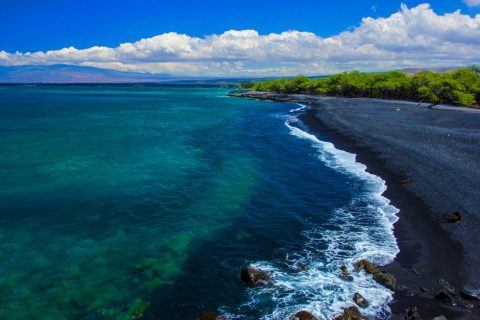
Big Island life follows a rhythm of festivals and gatherings that unfold across the island each year, from ancient hula traditions to coffee harvest celebrations. This 2026 calendar highlights the recurring events, concerts, and seasonal happenings that give visitors a reason to time their trip around something unforgettable.
Merrie Monarch Festival
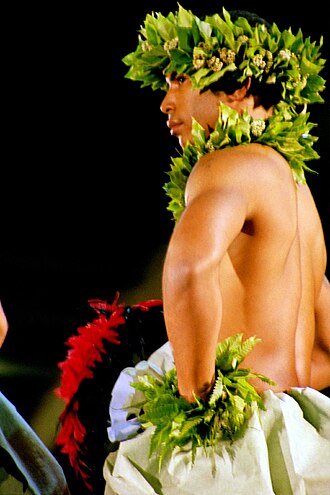
Held annually in Hilo, the Merrie Monarch Festival is the worlds most prestigious hula competition, drawing halau (hula schools) from across Hawaii and beyond. In 2026 the festival runs from April 5 to April 11, The 2026 festival ran April 5–11; the craft fair ran April 8–11, and the royal parade was Saturday, April 11. Expect kahiko (ancient) and auana (modern) hula performances, live Hawaiian music, and a vibrant arts marketplace selling featherwork, quilts, and lauhala weaving. Tickets to the stadium sell out within minutes each December, so most visitors watch the free live broadcast at outdoor viewing parties around Hilo. Even without a ticket, the surrounding week is full of energy, with hula halau rehearsing in parks and lei-making demonstrations happening downtown. It is a rare, authentic window into living Hawaiian culture rather than a staged tourist show.
Ironman World Championship
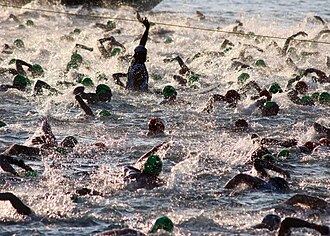
Kailua-Kona becomes the center of the endurance sports world each October when the Ironman World Championship returns to its birthplace. The 2026 race is scheduled for October 10, with race-week festivities beginning around October 5, including the underpants run, parade of nations, and carbo-loading party along Alii Drive. Thousands of athletes swim 2.4 miles in Kailua Bay, bike 112 miles across the lava fields toward Hawi, then run a marathon back to the finish line on Alii Drive, often late into the night under stadium lights. Spectators line the seawall for the swim start and gather downtown for the emotional midnight finish. Even non-athletes enjoy the buzzing atmosphere, with vendor expos, live coverage screens, and a town-wide celebration of grit and endurance. Hotel rooms in Kona book up months in advance, so plan accommodations early if visiting during race week.
Kona Coffee Cultural Festival
Celebrating the islands famous harvest, the Kona Coffee Cultural Festival takes over Kailua-Kona and the upland coffee farms for ten days in 2026, running from November 6 to November 15. Now in its ninth decade, the festival includes farm tours, a coffee recipe contest, a cupping competition judged by industry experts, and the popular Miss Kona Coffee pageant. The 2026 festival runs November 6–15; its listed opening procession is a lantern parade from Kailua Pier to Hale Halawai, while the farm tours let visitors watch cherry-picking and processing firsthand at family-run estates. Food booths sell coffee-infused treats from malasadas to barbecue rubs, and evening events showcase local art and music. Timed to coincide with the peak of the coffee harvest, it is the best week of the year to taste fresh-picked Kona coffee directly from the growers. Many farm tours require advance reservations as they fill quickly.
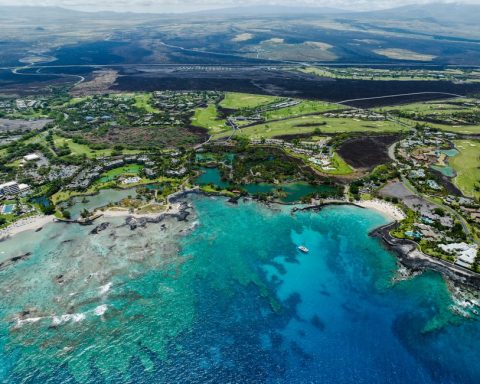
Big Island Summer Concert Series
Each summer, the open-air pavilion at the Queens Marketplace in Waikoloa hosts a free evening concert series featuring local Hawaiian musicians, slack-key guitarists, and island bands. In 2026 the series runs weekly on Friday evenings from June 5 through August 28, typically starting around sunset. Visitors bring blankets or beach chairs to the grassy lawn while food trucks and nearby restaurants supply plate lunches and shave ice. The lineup mixes contemporary Hawaiian reggae with traditional falsetto singing and ukulele performances, and many nights include a short hula demonstration between sets. Its an easy, low-cost way to spend a warm evening with genuine local flavor rather than a resort-produced luau. Parking is free in the Queens Marketplace lot, and the shopping center's shops and restaurants stay open late on concert nights. Arrive early during peak weeks in July, as the lawn fills up fast with families and returning snowbirds.
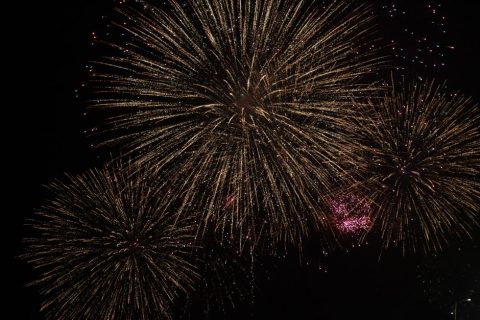
New Years Eve Fireworks at Kailua Pier
Ringing in the new year Big Island style, the community gathers along Kailua Pier and Alii Drive on December 31, 2026 for a fireworks display over Kailua Bay starting at midnight. Families picnic on the seawall through the evening, with local vendors selling shave ice, malasadas, and grilled plate lunches while a DJ or live band keeps the waterfront lively before the countdown. Boats anchor offshore for a front-row view, and nearby restaurants along Alii Drive host their own countdown parties with reserved patio seating. Unlike big-city fireworks shows, this is a relaxed, family-friendly affair where kids run along the seawall and strangers share aloha over shared blankets. Arrive by early evening to claim a spot on the seawall, since parking in downtown Kailua-Kona fills up fast. It is a fitting, laid-back way to close out the year on island time.
Tips for Events Calendar
- Book accommodations for Merrie Monarch, Ironman, and Kona Coffee Festival weeks many months in advance, as these are the islands busiest periods.
- Stadium tickets for Merrie Monarch's competition nights are extremely limited; watch the free livestream or attend the daytime parade and craft fair instead.
- Farm tours during the Kona Coffee Cultural Festival often require reservations, so book those slots as soon as the schedule is released.
- Parking near Alii Drive fills quickly during Ironman race week and New Years Eve, so arrive early or plan to walk from nearby lots.
Explore Big Island on the Map
The Big Island is a year-round destination with warm coastal temperatures averaging 75-85°F (24-29°C). April-May and September-November offer the best mix of good weather and lower prices, avoiding summer and winter holiday crowds. Note the island's dramatic microclimates: Kona/Kohala (west) stays sunny and dry nearly all year, while Hilo (east) is wet year-round with December-March its rainiest months. Whale watching season (humpback whales) runs December through April.
Rental car is essential — the Big Island has no public transit network suited to visitors, and attractions are spread across an island larger than Connecticut. Two main airports serve visitors: Ellison Onizuka Kona International Airport (KOA) on the west side and Hilo International Airport (ITO) on the east side.
- Hele-On Bus: Hele-On is free through Dec. 31, 2028, and includes frequent service on some routes; check route schedules, as airport service is limited.
- Driving distances: Kona to Hilo is about 2 hours via Saddle Road or Hamakua Coast; a full island loop is roughly 225 miles.
- Summit travel on Maunakea requires 4WD or AWD; Waipiʻo access is restricted, and check road conditions and rental terms for other unpaved routes. — most rental agreements prohibit standard cars on these routes.
✈️ Airport Transfer
Ellison Onizuka Kona International Airport at Keahole (KOA) to city center:
- Rental Car: Most visitors rent a car on-site, with rates starting around 45 dollars per day and pickup taking about 15 minutes
- Shuttle Van: Shared shuttle service to Kailua-Kona resorts takes about 20 minutes and costs around 30 dollars per person
- Taxi: Metered taxi to Kailua-Kona hotels takes roughly 15 minutes and costs about 35 to 45 dollars
- Private Transfer: Pre-booked private car service to Waikoloa or Kohala Coast resorts takes 30 to 45 minutes and costs around 90 to 120 dollars
Kona coffee is the signature souvenir — buy directly from farm stands along the Kona coffee belt for the freshest beans and best prices. Other local buys include macadamia nuts, Hawaiian sea salt, ukuleles, and local artist work found at the Hilo Farmers Market (Wed/Sat) and Kona's farmers markets. Look for a "100% Kona" label — blends labeled "Kona Blend" can be as little as 10% Kona coffee.
The Merrie Monarch Festival (March/April, Hilo) is the world's most prestigious hula competition, drawing visitors from across the Pacific — book accommodations up to a year ahead if visiting during this week. Other notable events include the Kona Coffee Cultural Festival (November) and the Ironman World Championship (Kailua-Kona, October), which fills the west side's hotels for race week.
Day 1: Kona Coast
Morning snorkeling at Kealakekua Bay, afternoon exploring Kailua-Kona town and Kona coffee farms, evening manta ray night snorkel.
Day 2: Volcano Country
Full day at Hawaii Volcanoes National Park — crater overlooks, Thurston Lava Tube, Devastation Trail, and (activity permitting) an evening glow viewing.
Day 3: Hilo & Hamakua Coast
Downtown Hilo and farmers market, Rainbow Falls, then the scenic Hamakua drive to Akaka Falls and the Waipio Valley lookout.
Day 4: Mauna Kea & Upcountry
Relaxed morning, afternoon drive up to Waimea, sunset and stargazing at the Mauna Kea Visitor Information Station.
Day 5: South Point & Green Sand Beach
Drive to Ka Lae, hike or shuttle to Papakolea Green Sand Beach, and stop at Punalu'u Black Sand Beach for turtles on the way back.
The Kilauea Overlook at blue hour captures the crater's steam glowing orange if there's active lava. Mauna Kea summit at sunset offers a rare above-the-clouds shot. Punalu'u Black Sand Beach is best photographed early morning with turtles on the sand and soft light. The Waipio Valley Lookout is stunning in late afternoon when the valley walls catch golden light.
Hawaii uses the standard US electrical system: 120V, Type A/B plugs (two flat pins, or two flat pins plus a round ground pin). No adapter is needed for US devices; visitors from outside North America will need a plug adapter and possibly a voltage converter.
Must-try dishes include poke (fresh raw fish salad, best from local grocery stores and fish markets), loco moco (rice, hamburger patty, egg, gravy), malasadas (Portuguese-style fried doughnuts), and fresh Kona coffee. Hilo's farmers market is the best spot for tropical fruit — try lilikoi (passion fruit), rambutan, and apple bananas. Poke bowls from local grocery deli counters (not tourist-focused restaurants) are often the best value and freshest option.
Where to Stay in Big Island
- Downtown Hilo — best for budget travelers and first-time visitors who want a walkable base with local diners, the farmers market, and easy access to waterfalls and Hawaii Volcanoes National Park. Rates here tend to run lower than the resort coast, and the atmosphere is laid-back and authentic.
- Kailua-Kona — the pick for nightlife seekers and families alike, with an oceanfront strip of restaurants, bars, and shops, plus resort pools, snorkeling coves, and organized tours right along Alii Drive. Its cluster of hotels and condos also suits business travelers attending conferences at the larger resort properties.
- Waimea (Kamuela) — a quieter, cooler upcountry option for travelers who prefer ranch-town charm over beach crowds. It works well for those exploring the islands interior, visiting local farms, or seeking a peaceful overnight stop between Hilo and Kona.
For a first visit, splitting time between Kailua-Kona and Downtown Hilo covers both coasts and lets you experience the islands contrasting landscapes without long daily drives.
Big Island Travel Budget
Hawaii Island runs pricier than mainland US destinations due to shipping costs and a near-mandatory rental car, but spending varies widely by travel style.
- Budget ($120-170/day): Hostel dorm or budget motel in Hilo or Kailua-Kona runs $65-95. Plate lunches, food trucks and grocery-store meals cost $30-45. A compact rental car (essential here) with gas averages $50-70/day. A private-vehicle pass is $30 and valid for seven days; the pass covers the vehicle’s occupants. (about $4-5/day), and most beaches, lookouts and hikes are free.
- Mid-range ($350-480/day): A comfortable hotel or condo near Kona or Waikoloa costs $200-300. Sit-down meals and a poke bowl or two add up to $70-100. A mid-size SUV rental plus gas runs $70-90. Budget $45-70 for activities like a snorkel cruise, coffee farm tour or manta ray night swim.
- Luxury ($900-1,500+/day): Oceanfront resorts along the Kohala Coast start at $500-900. Fine dining and chef-driven tasting menus run $150-250. A premium SUV or private driver adds $150-200. A helicopter tour over the volcano or a private snorkel charter typically costs $300-500 per person.
Tip: Book rental cars and Volcanoes National Park lodging (Volcano House) well in advance, as availability is limited island-wide.
Is Big Island Worth Visiting?
Yes, Big Island is worth visiting because no other Hawaiian island packs this much natural extremity into one destination: active volcanoes, black and green sand beaches, a snow-capped summit, and rainforest waterfalls all within a single day's drive.
- Unmatched geological diversity: As the youngest and largest island in the chain, it spans eleven of the world's thirteen climate zones, so travelers move from lava fields to alpine summit to tropical jungle without leaving the island.
- Living volcanic landscapes: Hawaii Volcanoes National Park offers a rare chance to witness ongoing eruptions and fresh lava flows up close, something few destinations on Earth can offer.
- Beaches unlike anywhere else: The black and green sand beaches, formed by that same volcanic activity, stand apart from typical tropical coastlines and reward those willing to explore beyond the resort strip.
For travelers seeking dramatic scenery, outdoor adventure, and landscapes that feel genuinely otherworldly, Big Island delivers an experience unlike any other Hawaiian destination.
Tourist Passes
Hawaiʻi Tri-Park Annual Pass ($55), covering Hawaiʻi Volcanoes, Haleakalā, and Puʻuhonua o Hōnaunau.
Covers unlimited entry to Hawaii Volcanoes National Park for one year — worthwhile for return visitors or anyone staying more than a few days near the park, since a single-visit pass is valid only 7 days.
www.nps.govMore about Big Island
Photo credits (28)
- Kilauea Volcano: photo by USGS/K. Lynn, Public domain, via Wikimedia Commons
- Mauna Kea Summit: photo by Robert Linsdell from St. Andrews, Canada, CC BY 2.0, via Wikimedia Commons
- Punalu'u Black Sand Beach: photo by Diego Delso, CC BY-SA 3.0, via Wikimedia Commons
- Rainbow Falls (Waianuenue): photo by Eric Tessmer, CC BY 4.0, via Wikimedia Commons
- Imiloa Astronomy Center: photo by Robert Linsdell from St. Andrews, Canada, CC BY 2.0, via Wikimedia Commons
- Lyman Museum: photo by W Nowicki, CC BY 3.0, via Wikimedia Commons
- Kona Coffee Living History Farm: photo by Frank Schulenburg, CC BY-SA 3.0, via Wikimedia Commons
- Pu'uhonua o Honaunau (Place of Refuge): photo by Carol M. Highsmith, Public domain, via Wikimedia Commons
- Mo'okini Heiau: photo by Mailseth, CC BY-SA 3.0, via Wikimedia Commons
- Hawaii Volcanoes National Park: photo by Brocken Inaglory, CC BY-SA 3.0, via Wikimedia Commons
- Akaka Falls State Park: photo by Dllu, CC BY-SA 4.0, via Wikimedia Commons
- Downtown Hilo: photo by W Nowicki, CC BY 3.0, via Wikimedia Commons
- Kailua-Kona: photo by Travisthurston, CC BY-SA 3.0, via Wikimedia Commons
- Waimea (Kamuela): photo by Bonus Onus, CC BY-SA 3.0, via Wikimedia Commons
- Kealakekua Bay Snorkeling: photo by dronepicr, CC BY 2.0, via Wikimedia Commons
- Waipio Valley Lookout: photo by Paul dexxus, CC BY 2.0, via Wikimedia Commons
- South Point (Ka Lae): photo by Holly Cheng, CC BY-SA 3.0, via Wikimedia Commons
- Papakolea Green Sand Beach: photo by Natarajanganesan, CC BY-SA 4.0, via Wikimedia Commons
- Mokupapapa Discovery Center: photo by W Nowicki, CC BY 3.0, via Wikimedia Commons
- Liliuokalani Park and Gardens: photo by AlaskaDave, CC BY-SA 3.0, via Wikimedia Commons
- Wai'opae Tide Pools (Kapoho): photo by Howcheng, CC BY-SA 3.0, via Wikimedia Commons
- Kaimu Black Sand Beach (Kalapana): photo by Father of JGKlein, used with permission, Public domain, via Wikimedia Commons
- Kehena Beach: photo by Frank Schulenburg, CC BY-SA 3.0, via Wikimedia Commons
- MacKenzie State Recreation Area: photo by daveynin from United States, CC BY 2.0, via Wikimedia Commons
- Boiling Pots (Pe'epe'e Falls): photo by Robert Linsdell from St. Andrews, Canada, CC BY 2.0, via Wikimedia Commons
- Merrie Monarch Festival: photo by This file was created by Thomas Tunsch. It is not in the public domain and use of this file outside of the licensing ter, CC BY-SA 3.0, via Wikimedia Commons
- Ironman World Championship: photo by U.S. Navy photo by Chief Journalist Deborah Carson, Public domain, via Wikimedia Commons
- Kona Coffee Cultural Festival: photo by Bnummer, CC BY-SA 4.0, via Wikimedia Commons

_(21770618626).jpg)


_(23162884739).jpg)


.jpg)


,_Hawaii.jpg)


_(23608426435).jpg)


