Honolulu's iconic landmarks tell the story of Hawaii's rich history, from royal palaces to military memorials that shaped the Pacific.
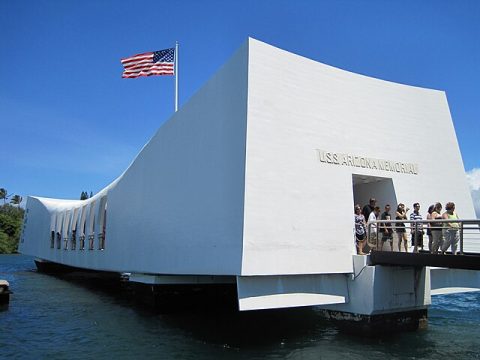
Pearl Harbor National Memorial
The most visited destination in Hawaii, Pearl Harbor commemorates the December 7, 1941 attack that thrust America into World War II. The memorial complex includes the USS Arizona Memorial built over the sunken battleship, the Battleship Missouri where Japan surrendered, the USS Bowfin Submarine Museum, and the Pearl Harbor Aviation Museum. Visitors can see oil still leaking from the Arizona and explore authentic wartime aircraft and vessels. The experience is deeply moving and educational, offering profound insights into this pivotal moment in history.
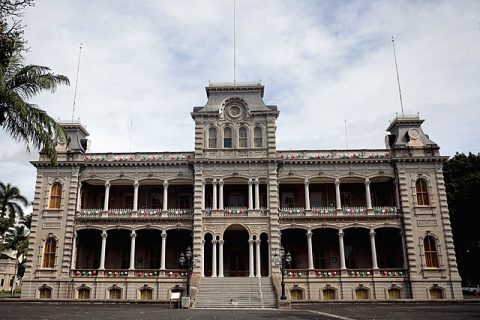
Iolani Palace
The only royal palace on American soil, Iolani Palace was home to Hawaii's last reigning monarchs, King Kalakaua and Queen Liliuokalani. Built in 1882, this magnificent building showcased the kingdom's sophistication with electricity and telephone service before the White House. The palace features opulent throne rooms, royal bedchambers, and priceless Hawaiian artifacts. Guided tours reveal the tragic story of Hawaii's overthrow in 1893 and the queen's imprisonment. The palace grounds include the coronation pavilion and royal barracks, offering a glimpse into Hawaii's monarchical past.
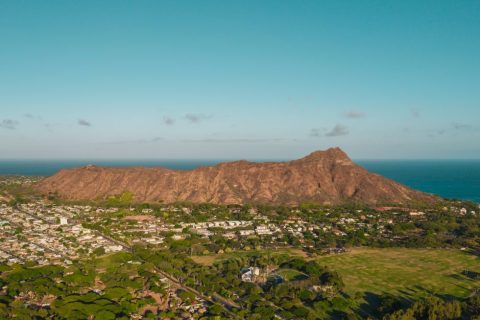
Diamond Head State Monument
Diamond Head (Le'ahi in Hawaiian) is Honolulu's most recognizable natural landmark, a 300,000-year-old volcanic crater that defines the Waikiki skyline. The moderately challenging 1.6-mile round-trip hike takes you through historic military tunnels and up steep staircases to a breathtaking 360-degree panorama of Honolulu, Waikiki Beach, and the Pacific Ocean. The summit’s fire-control station was completed in 1911, the trail features bunkers and observation posts; visitors need a reservation (check the state parks site). Start early to avoid heat and crowds, and bring water and sun protection for this unforgettable experience.
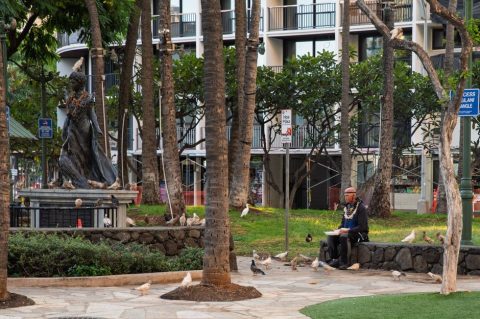
King Kamehameha Statue
This iconic bronze statue honors King Kamehameha I, who unified the Hawaiian Islands in 1810. Standing before the Ali'iolani Hale (Supreme Court building), the statue depicts the warrior king draped in a golden cloak with arm outstretched in a welcoming gesture. On special occasions, particularly King Kamehameha Day (June 11), the statue is adorned with lei garlands that cascade dozens of feet. The statue represents Hawaiian pride and cultural identity, making it one of the most photographed landmarks in downtown Honolulu.
Tips for Landmarks & Monuments
- Pearl Harbor tickets are free but must be reserved in advance at recreation.gov - they sell out quickly
- Arrive at Pearl Harbor early; Bags larger than a small wallet are prohibited; paid storage is available nearby.
- Book Iolani Palace tours weeks in advance, especially for basement gallery access
- Diamond Head reservations required; book online and arrive at your designated time slot
- Combine downtown landmarks (Iolani Palace, King Kamehameha statue, Kawaiahao Church) in one morning