Beyond the crowded piers and famous facades, Key West hides a quieter side: overgrown gardens, oddball museums, and cemetery lanes where the island's eccentric history lives on. These spots reward travelers willing to wander a few blocks off Duval Street.
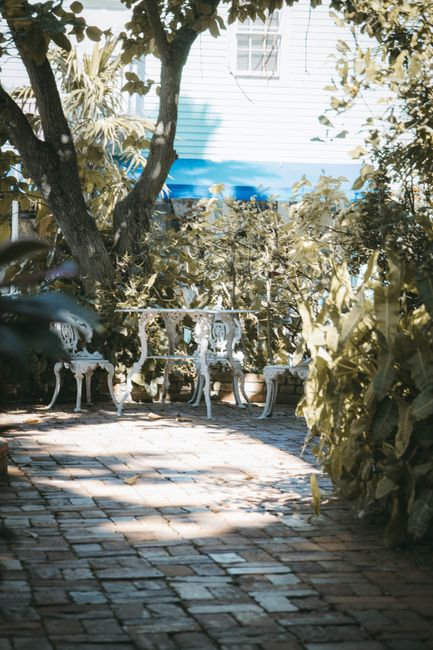
Nancy Forrester's Secret Garden
Hidden behind an unmarked gate near Simonton Street, this dense botanical hideaway feels nothing like the manicured gardens elsewhere on the island. Founded decades ago by a naturalist and artist, it is planted almost entirely with native and rare tropical species, sheltering resident macaws and free-roaming cats among the ferns and towering bamboo. There are no gift shops or crowds here, just a shaded, humid tangle of paths that make Duval Street feel a world away. Entry is by small donation, and visitors often have the place nearly to themselves. It is best appreciated slowly, camera in hand, as an antidote to the island's louder attractions and a genuine local secret many residents still do not know exists.
Key West Cemetery
Tucked on Solares Hill, this 19th-century burial ground is one of the island's most atmospheric and least-visited attractions. Above-ground vaults and wind-worn headstones reflect Key West's Bahamian, Cuban, and naval heritage, but the real draw is the dry local humor carved into the marble. Look for the infamous epitaph reading I Told You I Was Sick, alongside monuments to sponge divers, sailors, and yellow fever victims. Free self-guided maps are available at the Sexton office near the Margaret Street entrance, or join a low-key walking tour led by longtime residents. Shaded by gumbo-limbo and frangipani trees, it is a peaceful, strange, and strangely moving detour that most cruise-ship visitors never discover.
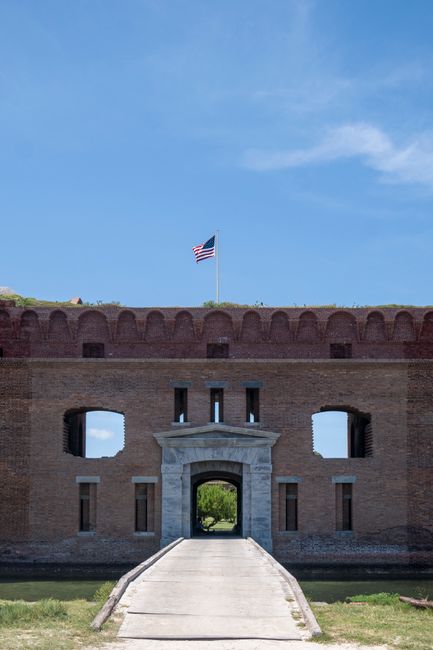
Fort East Martello Museum
Overshadowed by its more famous sibling near the beaches, this Civil War-era brick fortress near the airport draws far fewer visitors despite its strange charm. Inside the vaulted casemates, exhibits cover shipwrecks, Cuban refugee rafts, and local folk art, but the star attraction is Robert the Doll, a supposedly haunted 1906 toy said to curse anyone who photographs him without permission. Climb the spiral watchtower for a breezy view over the salt ponds and airport runway, quite different from the postcard sunsets downtown. Because it sits outside the main tourist loop, the fort stays uncrowded even in high season, making it an easy, offbeat stop for history buffs and curious skeptics alike.
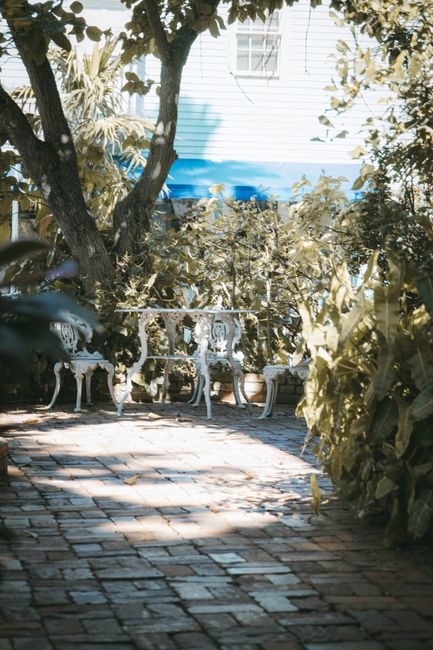
Key West Tropical Forest and Botanical Garden
Florida's southernmost botanical garden sits on a quiet freshwater wetland far from the harbor bustle, preserving native hardwood hammock that once covered much of the island. Volunteer-run and rarely crowded, its shaded boardwalks pass butterfly-friendly plantings, a native tree collection, and a small memorial garden honoring islanders. Unlike the manicured tropical stops downtown, this 28-acre reserve feels genuinely wild, with gumbo-limbo, mahogany, and orchids growing as they would have centuries ago. Birdwatchers come early for migratory songbirds, while others simply enjoy the rare quiet. A small nominal admission supports ongoing habitat restoration, and the modest visitor center offers context on the island's vanishing native ecosystem that few tourists ever learn about.
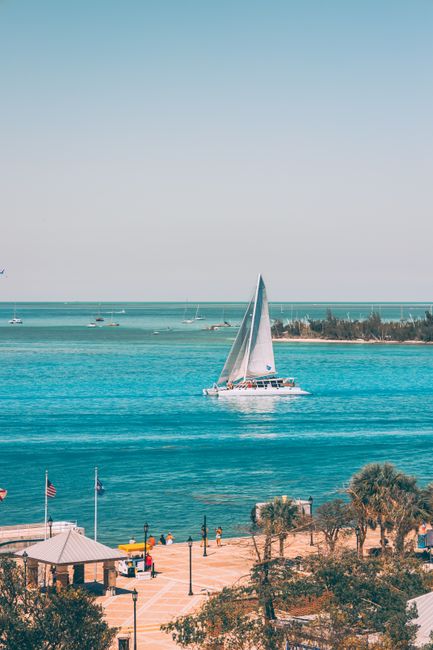
Reynolds Street Pier
While tour buses funnel everyone toward Mallory Square, locals quietly gather at this unassuming pier near the Truman Annex for the same sunset without the crowds, street performers, or souvenir carts. It doubles as a favorite spot for shore fishing and casual swimming off a small ladder into the harbor, with benches facing west toward the open water and passing sailboats. There are no vendors or ticket booths, just a stretch of open concrete where residents walk dogs, toss fishing lines, and watch the same colors spread across the sky that draw thousands elsewhere. Bring a drink, arrive an hour before dusk, and claim a spot on the seawall for one of the island's best-kept evening rituals.
Tips for Hidden Gems
- Visit Nancy Forrester's Secret Garden and the Botanical Garden in the cooler morning hours to beat both heat and humidity.
- Bring cash for small donation-based sites like the Secret Garden, which do not always take cards.
- Arrive at Reynolds Street Pier about an hour before sunset to secure a seawall spot.
- Photographing Robert the Doll without silently asking permission is considered bad luck by staff and locals alike.