Beyond the boardwalk and the big-name rides, Myrtle Beach hides a quieter side worth seeking out. These spots trade crowds for salt marsh boardwalks, small museums, and memorial parks that most vacationers drive right past.

Franklin G. Burroughs-Simeon B. Chapin Art Museum
Tucked a few blocks from the beach in a quiet residential stretch, this small museum is one of Myrtle Beach's most overlooked cultural stops. It rotates thoughtful exhibits of regional and contemporary art, from Lowcountry landscapes to traveling contemporary collections, inside a bright, modern building that feels a world away from the arcade noise nearby. Admission is free, which makes it an easy detour on a rainy afternoon or a break from sun exposure. The museum also hosts a permanent collection tied to local history and coastal life, giving visitors context on the area beyond its resort identity. Docents are friendly and low-key, happy to point out favorite pieces without pushing a formal tour. It rarely appears on typical itineraries, so galleries are often nearly empty even during peak season, making it a genuinely peaceful counterpoint to the boardwalk crowds.
Vereen Memorial Historical Gardens
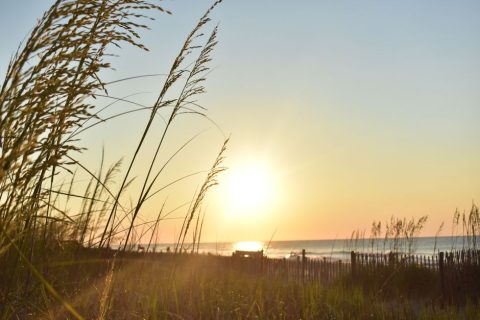
North of the main tourist strip, this quiet preserve sits along the Intracoastal Waterway and is easy to miss unless you already know it exists. A network of elevated boardwalks and shaded trails winds through maritime forest, salt marsh, and old family cemetery plots that trace back generations of local history. Interpretive signs explain the site's past as farmland and its role in coastal ecology, but the real draw is simply the stillness: herons wading in the marsh, moss-draped oaks, and boat traffic drifting by on the waterway. It is free to enter and rarely crowded, making it a favorite among locals for an early morning walk or a slow, unhurried escape from beach traffic. There are no vendors or amenities beyond a small parking area, so bring water. Best visited in cooler morning hours when wildlife is most active and the light through the canopy is at its softest.

Warbird Park
A small, free memorial park in North Myrtle Beach that most vacationers never notice, Warbird Park displays a handful of vintage military aircraft on outdoor pedestals, including fighter jets from past conflicts, alongside plaques honoring local veterans. It sits just off the main highway, but its low profile means it rarely draws a crowd, even in the height of summer. Aviation enthusiasts and history buffs can walk right up to the planes for close inspection and photos, something not possible at larger, ticketed museums. The park doubles as a quiet green space with benches and shade trees, making it a pleasant stop to stretch your legs between beach days. There is no admission fee and no set hours beyond daylight, so it works well as a short, spontaneous detour. It is a modest but sincere tribute that gives visitors a glimpse of the region's military history away from the resort corridor.
Conway Riverwalk
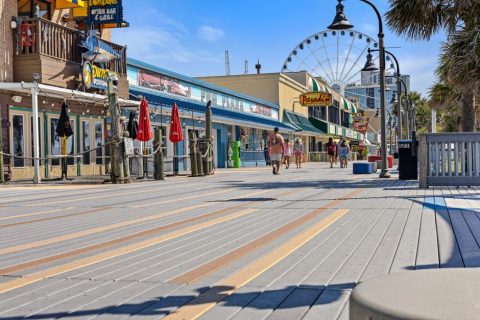
A short drive inland from the beach, the historic town of Conway offers a wooden riverwalk along the Waccamaw River that most Myrtle Beach visitors skip entirely in favor of staying on the coast. The path winds past moss-covered cypress trees, small shops, and cafes housed in restored early-1900s buildings, giving a completely different flavor of the area's culture and history. Boat tours depart from the riverwalk dock for slow cruises through blackwater swamp scenery, spotting alligators, turtles, and wading birds along the way. The town itself retains a genuine small-Southern-city feel, with a historic downtown that predates the resort development along the coast by well over a century. Evenings bring a relaxed, uncrowded atmosphere with restaurants overlooking the water. It makes for an easy half-day trip that pairs well with a riverboat tour for anyone wanting to see the region beyond its beaches.
Tips for Hidden Gems
- Rent a bike or scooter to string these spots together without fighting beach-town parking.
- Weekday mornings are quietest, especially at the gardens and Warbird Park.
- Pair a Conway Riverwalk visit with a blackwater swamp boat tour for the best wildlife viewing.
- The art museum is a smart backup plan for a rainy or overcast beach day.