Sarajevo's landmarks tell the story of a city where four religions coexist and multiple empires left their mark. From Ottoman bridges to Austro-Hungarian architecture, these monuments embody the city's unique character as the Jerusalem of Europe.
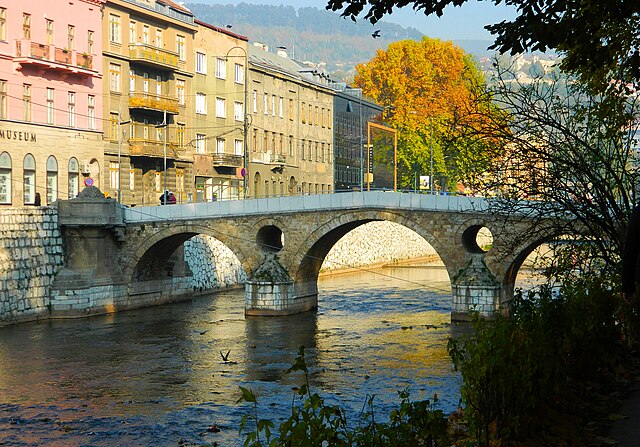
This historic Ottoman bridge gained worldwide fame as the site where Archduke Franz Ferdinand was assassinated on June 28, 1914, triggering World War I. The elegant stone bridge, built in 1798, spans the Miljacka River and connects the old town with modern Sarajevo. Today it stands as a powerful symbol of how local events can reshape global history. The nearby museum corner marks the exact spot of the assassination.
The iconic wooden fountain in the heart of Baščaršija square is Sarajevo's most photographed monument. Built in Ottoman style with its distinctive pseudo-Moorish design, Sebilj has become the symbol of the city. Legend says that anyone who drinks from Sebilj will return to Sarajevo. The fountain's wooden pavilion and copper dome create a picturesque focal point surrounded by cafés and copper workshops.
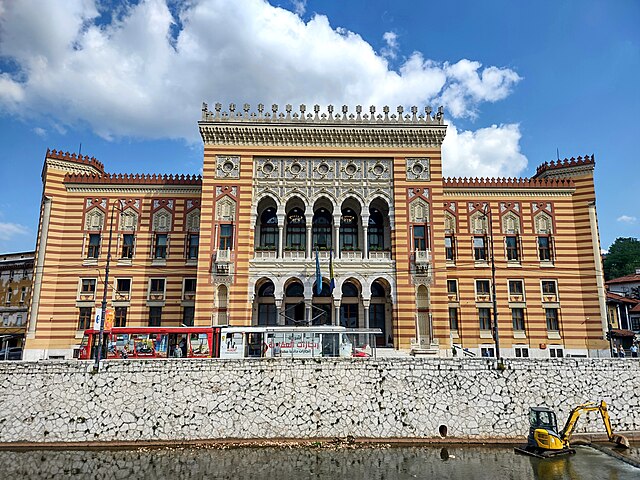
This magnificent Austro-Hungarian building from 1896 showcases stunning pseudo-Moorish architecture with its striped façade and ornate interior. Originally the city hall, it later housed the National Library until being severely damaged during the 1992-95 siege. After meticulous restoration completed in 2014, Vijećnica reopened as a symbol of Sarajevo's resilience. The interior features breathtaking stained glass, geometric patterns, and a grand central atrium.
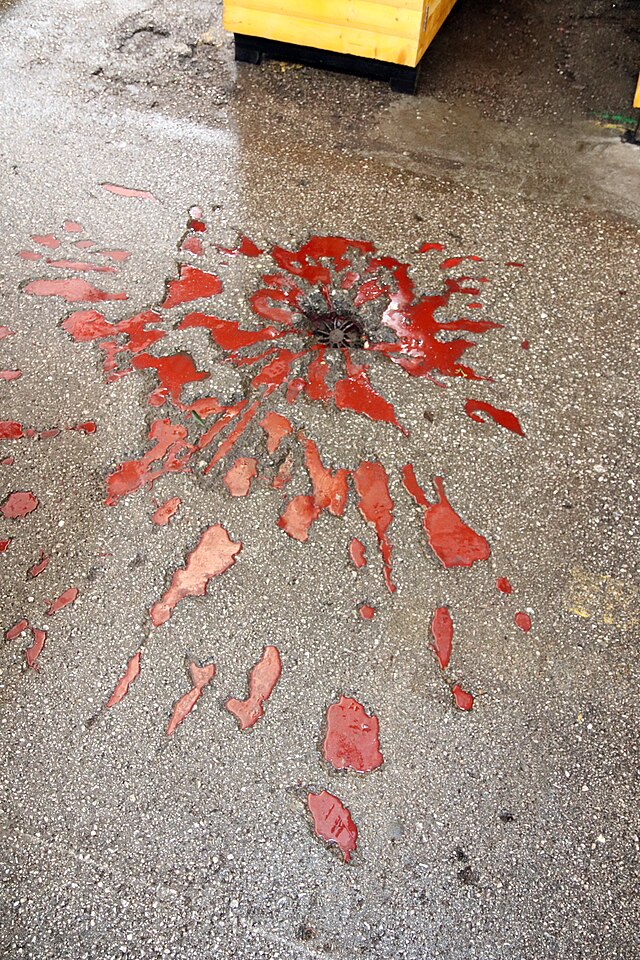
These powerful memorials mark locations where mortar shells killed civilians during the 1992-95 siege. The shrapnel scars in the pavement have been filled with red resin, creating flower-like patterns throughout the city. Each 'rose' represents lives lost and serves as a stark reminder scattered across everyday streets, ensuring the siege's victims are never forgotten.
Located on Ferhadija Street, this memorial flame has burned continuously since 1946, honoring the victims of World War II and Sarajevo's liberation. The modest monument serves as a gathering point and historical marker in the city center. It represents the city's commitment to remembering its past while the bustling modern street life continues around it.
Tips for Landmarks & Monuments
- Photography: Visit Sebilj fountain early morning (6-8 AM) for the best light and fewer crowds
- Combined visit: Latin Bridge and Vijećnica are within 5 minutes walk - plan them together
- Respect: When encountering Sarajevo Roses, pause respectfully - these are memorial sites
- Evening magic: Vijećnica is beautifully illuminated at night