Sarajevo's neighborhoods tell distinct stories: Baščaršija preserves Ottoman soul, Austro-Hungarian streets showcase European elegance, and hillside areas bear scars and memories of the siege. Walking these districts reveals the city's layered identity.
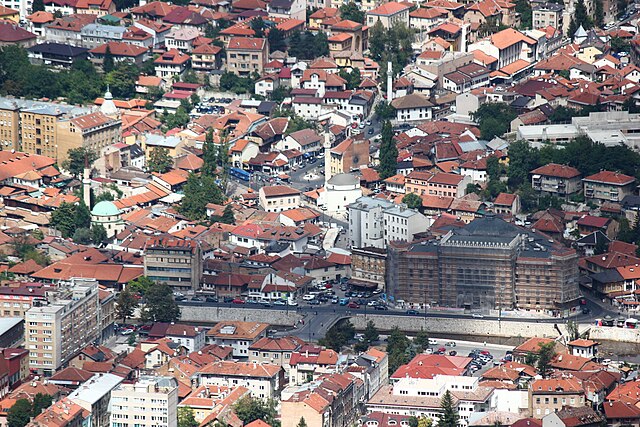
Sarajevo's historic Ottoman-era bazaar is the city's vibrant heart, established in the 15th century. Narrow cobblestone streets wind past copper workshops, carpet sellers, jewelers, and traditional restaurants. The aroma of ćevapi, Turkish coffee, and baklava fills the air. Artisans still practice traditional crafts in tiny workshops. The district's mosques, fountains, and caravanserais create an authentic Ottoman atmosphere. This is where Sarajevo's soul resides.
The main pedestrian promenade connecting Ottoman Baščaršija with Austro-Hungarian Sarajevo. This lively street marks the Meeting of Cultures where Eastern and Western architecture blend. Lined with shops, cafés, and street performers, Ferhadija pulses with urban energy. The Eternal Flame memorial and various historical buildings make it both a shopping destination and cultural corridor. The street represents Sarajevo's bridge between civilizations.
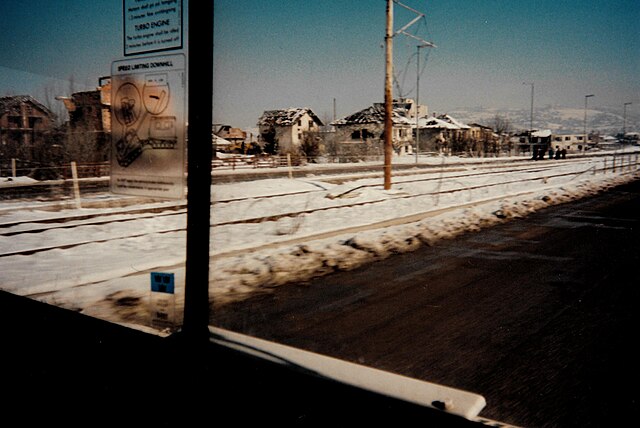
The main boulevard, nicknamed Sniper Alley during the siege, was the most dangerous street in the world where citizens risked death crossing open spaces. Today this tree-lined avenue is peaceful, but plaques and memorials mark the tragedy. The Boulevard connects downtown with the Parliamentary Assembly and passes the bombed Holiday Inn (now reopened). Walking here provides visceral connection to recent history.
This historic Muslim cemetery on the hillside contains graves of Bosnian heroes, scholars, and siege victims. The site includes a memorial dedicated to murdered children of the siege. The Šehidsko mezarje (Martyrs' Cemetery) section holds rows of white tombstones for those who died defending Sarajevo (1992-95). The location offers panoramic city views and profound historical reflection. Visiting this hillside is a moving tribute to sacrifice and resilience.
This atmospheric Ottoman-era residential district climbs the hillside above Baščaršija. Narrow stone streets, traditional houses with wooden balconies, and the Yellow Bastion (Žuta Tabija) create authentic old Sarajevo ambiance. The neighborhood offers magnificent sunset views over the city. Climbing through Vratnik to the fortress provides both historical immersion and spectacular vistas.
Tips for Neighborhoods & Districts
- Baščaršija timing: Visit early morning for authentic atmosphere, evening for vibrant café culture
- Shopping bargaining: Expected in souvenir shops but not in restaurants
- Walking shoes: Cobblestones and hills require comfortable footwear
- Sunset views: Yellow Bastion in Vratnik offers the best panoramas around 6-7 PM
- Free walking tours: Start daily from Sebilj fountain - excellent orientation