Sarajevo's museums preserve centuries of cultural convergence, artistic achievement, and recent history. From ancient manuscripts to contemporary conflict documentation, these institutions offer profound insights into the city's complex identity and resilient spirit.
This extraordinary museum preserves the 800-meter tunnel that served as Sarajevo's lifeline during the 1992-95 siege. Dug beneath the airport runway, it connected the besieged city with free territory, allowing passage of food, weapons, and people. Visitors can walk through a preserved 20-meter section and explore the Kolar family home where the tunnel entrance was hidden. Powerful exhibits include siege artifacts, photographs, and video testimonies.
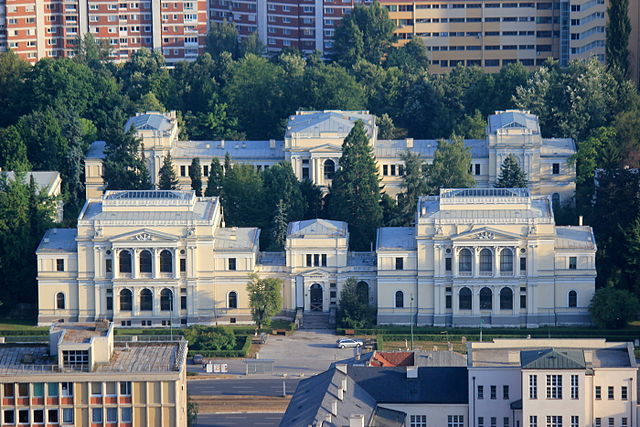
Established in 1888, this is the country's oldest and largest museum. The stunning Austro-Hungarian building houses archaeology, ethnology, and natural history collections. The highlight is the Sarajevo Haggadah, a priceless 14th-century Jewish illuminated manuscript. The museum nearly closed due to post-war funding issues but reopened in 2015. Its botanical garden offers a peaceful retreat with native and exotic plant species.
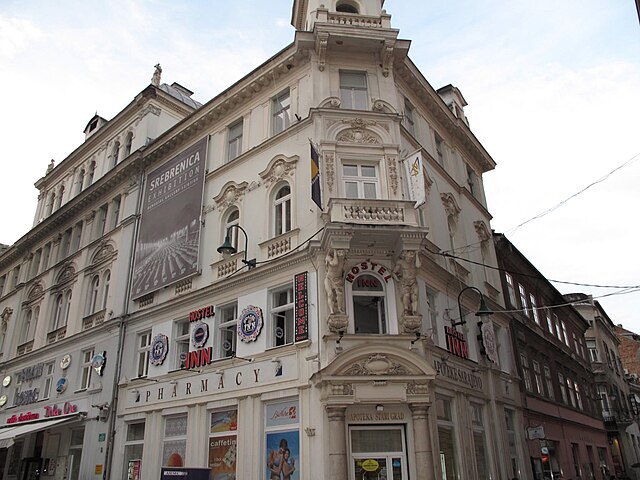
This powerful memorial gallery documents the Srebrenica genocide through photographs, video testimonies, and personal belongings. The date in the name marks when over 8,000 Bosniak men and boys were systematically murdered. The emotionally intense exhibition honors victims and educates visitors about Europe's worst atrocity since World War II. The gallery provides essential historical context and serves as a call for justice and reconciliation.
Located within the historic mosque complex, this museum showcases Ottoman Islamic art and manuscripts from Bosnia's rich cultural heritage. Collections include calligraphy, rare books, carpets, and artifacts from the 16th-century Gazi Husrev-beg endowment. The museum illustrates the sophistication of Ottoman Sarajevo and the enduring legacy of the city's most important Ottoman-era benefactor.

This unique international contemporary art collection was created during the siege when global artists donated works in solidarity with Sarajevo. Over 150 artists including Michelangelo Pistoletto and Marina Abramović contributed. Currently housed in temporary spaces while awaiting a Renzo Piano-designed building, the collection represents art as resistance and hope during wartime.
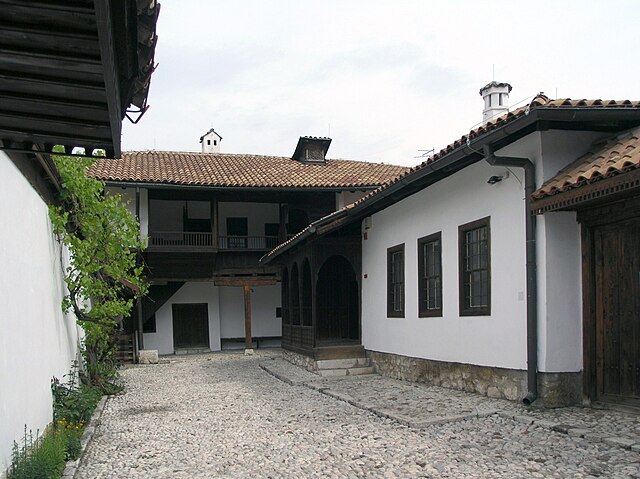
This beautifully preserved 18th-century Ottoman townhouse offers an authentic glimpse into traditional Bosnian Muslim domestic life. The house features separate men's (selamluk) and women's (haremluk) quarters, original furnishings, and period decor. The architecture demonstrates how Ottoman families balanced privacy and hospitality. The courtyard garden and fountain complete the atmospheric experience.
Tips for Museums & Galleries
- Tunnel Museum: Book taxi or tour as it's 6km from center; public transport is limited
- Emotional preparation: Gallery 11/07/95 and Tunnel Museum contain difficult content - allow time to process
- Sarajevo Haggadah: Call ahead to confirm it's on display at National Museum
- Combined tickets: Some museums offer discounts for students and seniors
- Friday closures: Many museums close early on Fridays or are closed entirely