Rio boasts exceptional green spaces, from the world's largest urban forest to manicured botanical gardens, providing natural refuge within the metropolis.
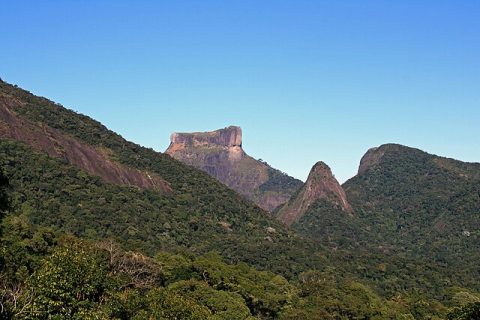
Tijuca National Park
The world's largest urban forest covers 12.4 square miles of Atlantic rainforest within Rio's city limits. This remarkable reforestation project transformed 19th-century coffee plantations back into lush jungle. The park encompasses several peaks including Corcovado (Christ the Redeemer), contains over 350 species of plants, and harbors diverse wildlife including monkeys, toucans, and butterflies. Hiking trails of varying difficulty lead to waterfalls, caves, and panoramic viewpoints. Key attractions include Cascatinha Waterfall, Vista Chinesa (Chinese View) lookout, and Pedra da Gávea rock formation. The forest provides cool, shaded respite from beach heat and showcases Rio's extraordinary biodiversity. Guided tours recommended for safety and wildlife spotting.
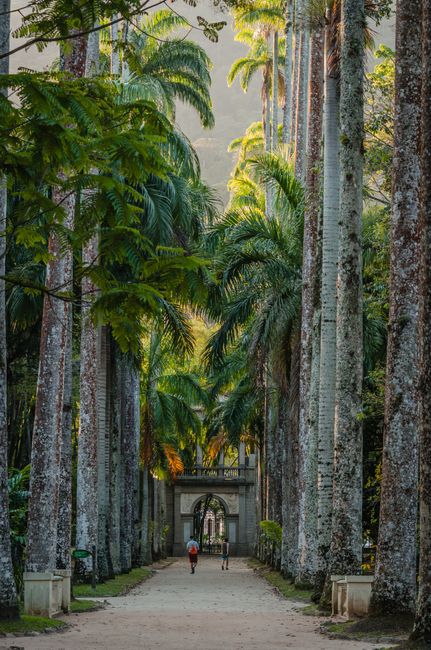
Botanical Garden (Jardim Botânico)
Founded in 1808 by Portuguese King João VI, this 340-acre garden showcases over 6,500 plant species from Brazil and worldwide. The garden's most iconic feature is the Avenue of Royal Palms towering 130-foot palms creating a majestic green cathedral. Collections include orchids, bromeliads, cacti, insectivorous plants, and medicinal herbs. The Japanese garden, sensory garden, and Amazon section offer diverse botanical experiences. Historic fountains, sculptures, and monuments dot the landscaped grounds. The garden combines scientific research with public education and recreation. Perfect for peaceful walks, photography, and learning about tropical flora. Cool, shaded paths provide pleasant escape from city heat. Bird watching opportunities abundant.
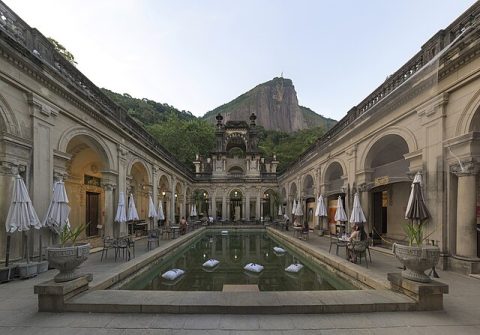
Parque Lage
This public park at the foot of Corcovado mountain features a magnificent mansion housing the School of Visual Arts. The Italian-style villa with swimming pool and surrounding gardens creates a romantic, European atmosphere. Free admission makes it popular with locals and visitors. The mansion's cafe in the courtyard serves meals with Christ the Redeemer visible above perfect photo opportunity. Walking trails through Atlantic forest lead toward Corcovado. The park combines natural beauty with architectural charm, offering peaceful environment for picnics, walks, and cultural events. Art exhibitions often displayed in the mansion. The contrast of formal gardens and wild forest creates unique ambiance.
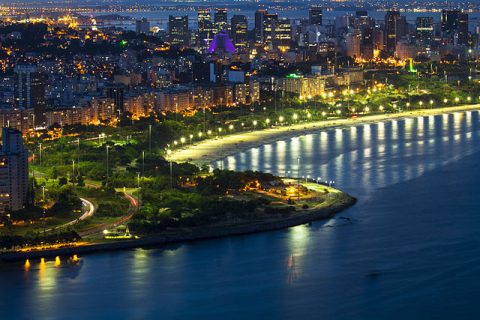
Flamengo Park (Aterro do Flamengo)
This 300-acre waterfront park along Guanabara Bay, designed by landscape architect Roberto Burle Marx, is Rio's largest leisure area. The park features sports facilities, playgrounds, bicycle paths, walking trails, and gardens. Weekend mornings see thousands of Cariocas cycling, jogging, or practicing sports. Multiple museums including the Museum of Modern Art are located within the park. The Marina da Glória at the southern end hosted Olympic sailing events. The park offers stunning views of Sugarloaf Mountain and the bay. Free outdoor activities make it popular with families and fitness enthusiasts. Sunday's closed lanes transform the area into car-free recreation zone.
Tips for Parks & Gardens
- Visit parks in early morning for cooler temperatures and active wildlife
- Bring insect repellent for Tijuca forest hikes
- Botanical Garden is stroller-friendly and excellent for families
- Parque Lage's cafe fills up quickly; visit mid-morning or late afternoon
- Tijuca hiking requires proper shoes, water, and preferably a guide