Rio's public squares and streets serve as social gathering spaces, each with distinct character, history, and role in the city's daily life and celebrations.
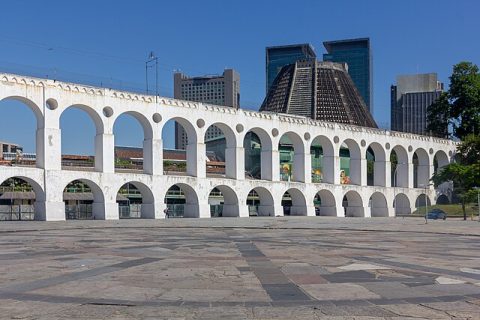
Arcos da Lapa (Lapa Arches)
This iconic 18th-century aqueduct (1750) originally transported water from Carioca River to downtown. The monumental white arches, standing 56 feet high, now carry the historic Santa Teresa tram connecting downtown to the hilltop neighborhood. The arches have become a symbol of Rio, especially at night when illuminated. The area underneath buzzes with nightlife, street vendors, and musicians, particularly on weekends. The structure's 42 arches span 886 feet, representing impressive colonial engineering. The surrounding Lapa neighborhood is famous for samba clubs, bars, and bohemian atmosphere, making the arches both historical monument and gateway to Rio's nightlife.
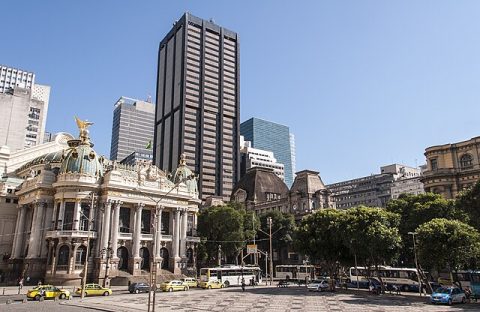
Cinelândia (Praça Floriano)
Rio's most culturally significant square is surrounded by magnificent Belle Époque buildings including the Municipal Theater, National Library, and National Museum of Fine Arts. Named after cinemas that once dominated the area, Cinelândia serves as downtown's cultural heart. The square features fountains, monuments, and outdoor cafes where locals gather for conversation and people-watching. Frequent cultural events, protests, and street performances animate this historic space. The square connects to Avenida Rio Branco, downtown's main boulevard. Best visited during weekdays when surrounding buildings are active and restaurants are open for lunch.
Tips for Squares & Streets
- Visit Lapa Arches during evening hours to experience the vibrant nightlife scene
- Combine Cinelândia with tours of surrounding cultural institutions
- Weekends in Lapa can be very crowded; weekday evenings are more manageable
- Stay aware of belongings in crowded areas, especially at night