Sofia's ancient heritage dates back over 7,000 years, with the modern city built literally on top of the Roman city of Serdica. Excavated ruins coexist with contemporary metro stations and shopping streets, offering visitors a unique glimpse into multiple historical layers beneath their feet.
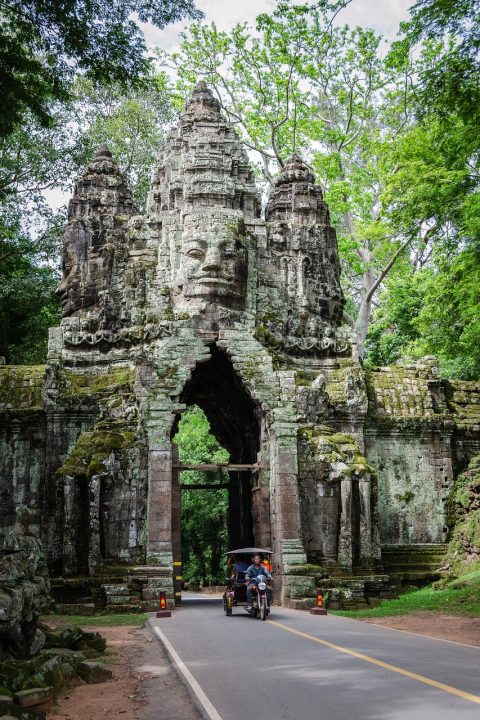
Ancient Serdica Complex
A spectacular open-air archaeological site showcasing the ruins of ancient Roman Serdica, preserved beneath and around the modern Serdika metro station. The complex features streets, buildings, and city walls from the 4th-6th centuries AD, including Roman baths and early Christian basilicas. Visitors can walk on glass floors above the excavations or descend to explore the ruins up close. Free to visit 24/7, offering a surreal experience of ancient history integrated into contemporary urban life. The juxtaposition of ancient Roman stones with modern commuters passing overhead is uniquely Sofia.
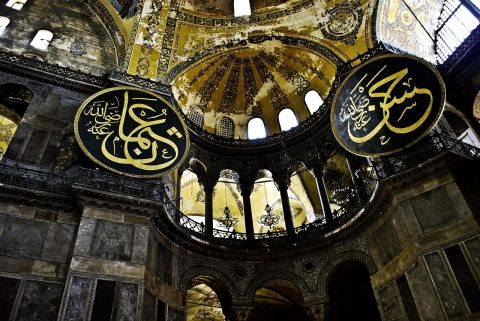
Regional History Museum Sofia (Former Central Mineral Baths)
Housed in the stunning Art Nouveau building that once served as Sofia's public baths (1913), this museum tells the story of Sofia from ancient times to the 20th century. The building itself is an attraction, featuring colorful ceramic tiles, ornate decorations, and original bath fixtures. Natural hot mineral water still flows in front of the building where locals fill bottles daily. The museum's collections include archaeological finds, traditional crafts, and historical photographs documenting Sofia's transformation.
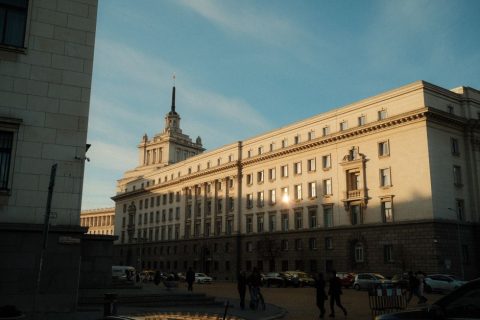
National Institute of Archaeology with Museum
This museum houses comprehensive collections covering Bulgarian archaeology from prehistoric to medieval times. Located in a historic building, it presents artifacts from Thracian, Greek, Roman, and Bulgarian cultures. The exhibits include ancient gold treasures, pottery, sculptures, and inscriptions. Provides essential context for understanding Bulgaria's rich ancient heritage. The museum's collections support ongoing archaeological research at the Bulgarian Academy of Sciences.
Tips for Ancient & Historical Sites
- Underground access: The Serdica ruins can be explored from both Serdika I and Serdika II metro stations
- Free mineral water: Fill your bottle at the taps outside the former Central Baths - locals swear by its health benefits
- Archaeological walks: Join a free walking tour to understand the historical context of the ruins
- Photography friendly: Ancient sites welcome photographers - capture the contrast of ancient and modern