Sofia's skyline tells stories spanning millennia, from 4th-century rotundas to 20th-century Soviet monuments. The city's architectural tapestry reflects Byzantine, Ottoman, and Communist influences, creating a unique urban landscape where golden church domes rise beside socialist-era buildings.
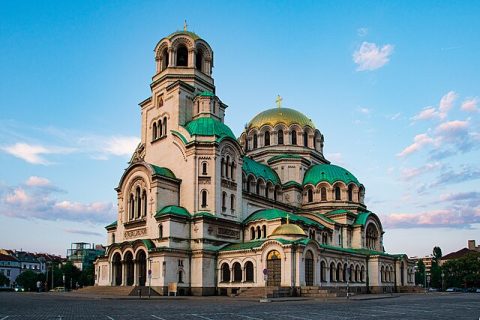
Alexander Nevsky Cathedral
One of the largest Orthodox cathedrals in the Balkans, this Neo-Byzantine masterpiece features stunning golden domes and holds up to 5,000 worshippers. Built as a memorial to the 200,000 Russian soldiers who died in the Russo-Turkish War liberating Bulgaria, the cathedral's interior dazzles with Italian marble, Brazilian onyx, and intricate iconography. The crypt houses Bulgaria's finest icon collection with over 300 pieces dating from the 9th to 19th centuries. Photography inside is not permitted to preserve the sacred atmosphere.
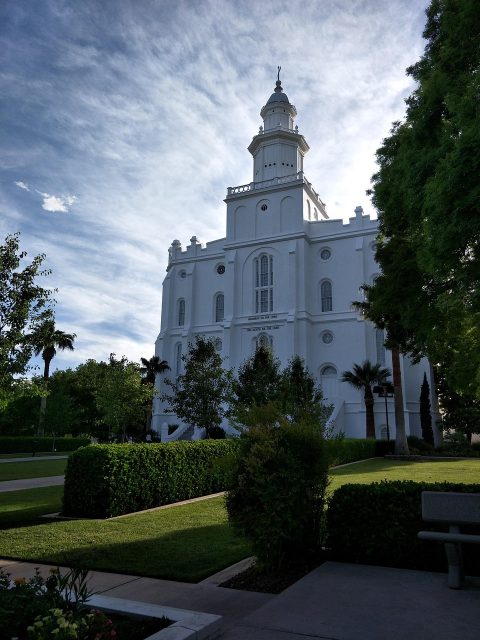
The Rotunda Church of St. George
Built in the 4th century AD, this is Sofia's oldest building and one of the best-preserved early Christian buildings in the Balkans. The circular red-brick rotunda features three layers of stunning medieval frescoes dating from the 10th, 12th, and 14th centuries. Nestled between modern buildings and the Presidency, this ancient gem stands as a testament to Sofia's Roman past, originally constructed during the reign of Emperor Constantine the Great.
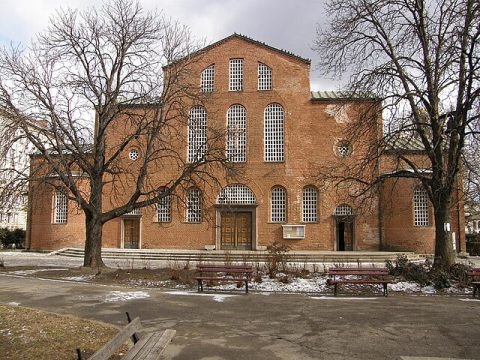
Saint Sofia Church
The namesake of the city, this ancient basilica dates back to the 6th century and stands on the site of several earlier churches. One of Sofia's oldest surviving buildings, it features beautiful medieval frescoes and ancient floor mosaics. The church witnessed centuries of history, serving as a mosque during Ottoman rule. The bronze Saint Sofia Monument outside, erected in 2000, replaced a Soviet-era statue of Lenin and has become an iconic city symbol.
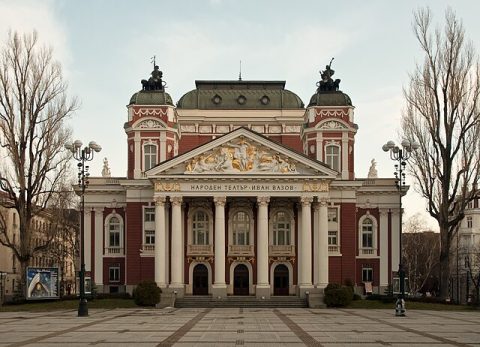
Ivan Vazov National Theatre
Bulgaria's oldest and most prestigious theater, this magnificent Neo-Classical building from 1907 features an impressive columned façade and ornate interior. Named after Bulgaria's greatest writer, the theater hosts performances by the country's finest actors. The beautiful exterior includes statues and an 'easter egg' detail above the entrance that delights keen-eyed visitors. The theater's front garden provides a lovely spot for photos, especially when illuminated at night.
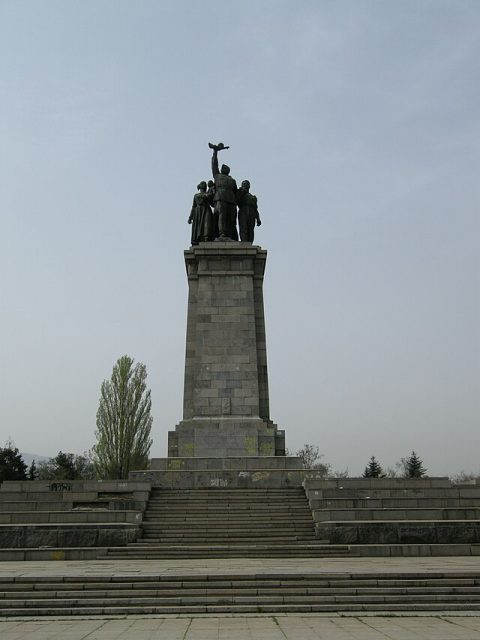
Monument to the Soviet Army
This controversial Communist-era monument in Knyazheska Garden The monument was dismantled beginning in 2023; the area was fenced off for years, with the city now describing plans to restore public use of the garden, where activists repaint the soldiers as pop culture icons. The imposing 1954 monument commemorates the Soviet Army's role in WWII. Whether you view it as historical heritage or political symbolism, it's an fascinating piece of Sofia's complex 20th-century narrative and provides insight into Bulgaria's relationship with its Soviet past.
Tips for Landmarks & Monuments
- Photography etiquette: Photography is not allowed inside Alexander Nevsky Cathedral, but the exterior provides spectacular photo opportunities
- Changing of the Guard: Visit the Presidency building every hour to watch the ceremonial guard change
- Best lighting: Golden hour (sunset) offers the most dramatic lighting for photographing Sofia's monuments
- Combined visits: Many major landmarks are within walking distance in the city center, plan a 2-3 hour walking route