Siem Reap is home to the magnificent Angkor archaeological complex, a UNESCO World Heritage Site containing the temples of Angkor Wat, Bayon, and Ta Prohm. These 12th-century masterpieces showcase Khmer architectural brilliance and intricate stone carvings.
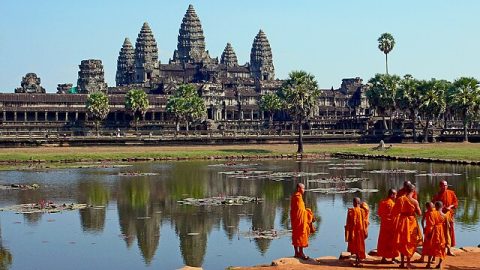
Angkor Wat
The largest religious monument in the world and Cambodia's most iconic structure. Built in the 12th century for King Suryavarman II, this Hindu temple dedicated to Vishnu showcases stunning bas-reliefs depicting scenes from Hindu epics. The temple's five towers symbolize Mount Meru. Visit at sunrise for magical light and reflections in the moat, or at sunset for dramatic silhouettes.
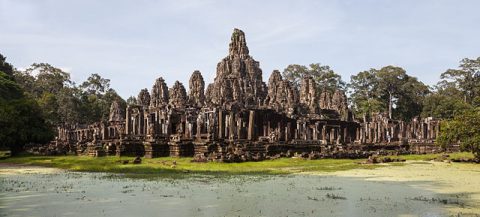
Bayon Temple
The stunning 12th-century state temple of King Jayavarman VII, famous for its many towers, most carved with four monumental stone faces (37 towers remain standing; the original count is traditionally given as 49 or 54). The temple features intricate bas-reliefs depicting daily life, warfare, and religious ceremonies. Its mysterious smiling faces have captivated millions of visitors, making it one of Southeast Asia's most photographed monuments.
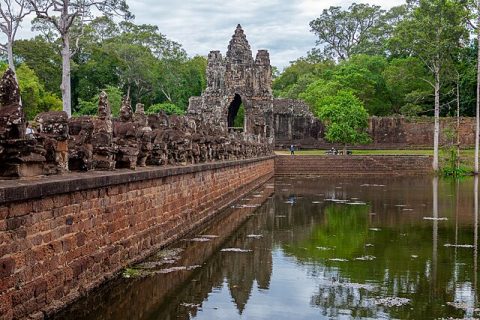
Angkor Thom
The magnificent walled capital city of the Khmer Empire, spanning 9 square kilometers. Built by King Jayavarman VII in the late 12th century, this vast complex features the grand South Gate with its impressive stone towers, royal palaces, and the Terrace of the Elephants with intricate carved reliefs depicting royal processions and hunting scenes.
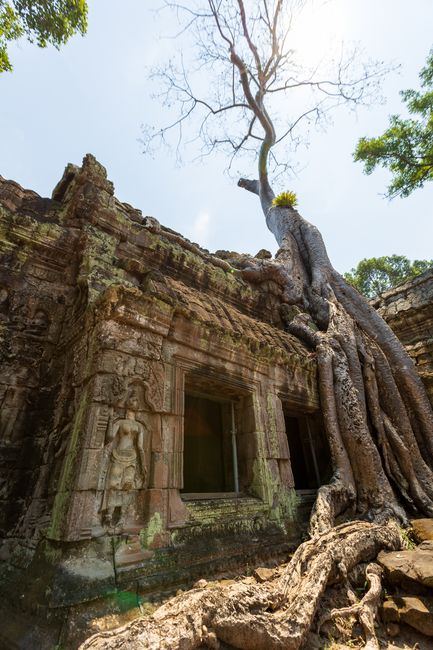
Ta Prohm Temple
The legendary 'Tomb Raider Temple' where massive tree roots dramatically intertwine with ancient stone structures, creating a mystical, jungle-reclaimed atmosphere. Built in the late 12th century, this temple remained hidden by the forest until modern restoration. The surreal blend of nature and architecture makes it one of the most visually stunning and photographed temples in the complex.
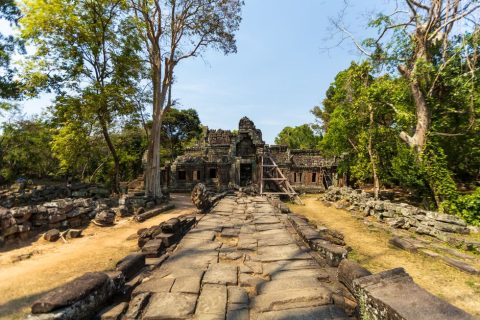
Wat Thmei Temple
A peaceful contemporary Buddhist temple featuring a striking memorial stupa dedicated to victims of the Khmer Rouge. The temple showcases traditional Khmer architecture while serving as an active place of worship. Visitors can observe daily monk activities, participate in meditation sessions, or simply experience the serene spiritual atmosphere in the central courtyard.
Tips for Religious Sites
- Choose a 1-day ($37), 3-day ($62) or 7-day ($72) Angkor pass
- Hire a knowledgeable guide to understand temple history and architecture
- Wear comfortable walking shoes and bring sun protection
- Start early to avoid crowds and heat at major temples
- Respect sacred spaces; dress modestly when entering temples
- Dress respectfully when entering temples (cover shoulders and knees)
- Remove shoes before entering prayer halls and sacred areas
- Avoid pointing at Buddha images or monks
- Photography may be restricted in certain areas; ask before shooting
- Early morning visits allow you to observe monk chanting rituals