Cairo's museums house the world's most significant collections of Egyptian antiquities, from golden death masks to mummified pharaohs. These institutions offer climate-controlled sanctuary from the desert heat while providing deep insight into Egypt's extraordinary past.
Grand Egyptian Museum (GEM)
The Grand Egyptian Museum is the world's largest archaeological museum, located near the Giza Pyramids. With over 100,000 artifacts displayed across state-of-the-art facilities, the GEM showcases the complete treasures of King Tutankhamun including items never before displayed. The museum's striking pyramid-inspired architecture features a huge triangular entrance and multiple glass triangular elements. Note: check the museum's official site for current opening hours and which galleries are open. The GEM offers interactive exhibits, multimedia presentations, and stunning pyramid views, representing a modern complement to Egypt's ancient heritage.
Egyptian Museum (Tahrir Square)
Located in downtown Cairo's Tahrir Square, the Egyptian Museum houses over 120,000 artifacts spanning thousands of years. Mariette was appointed director of a new museum in 1858; the current Tahrir museum opened in 1902, it remains one of the world's most important museums. The collection includes the famous golden mask of Tutankhamun, royal mummies, delicate pharaonic jewelry, colorful vases, and rare artifacts. The Royal Mummies Hall is particularly impressive, displaying actual preserved pharaohs. The museum is not air-conditioned, so visit in the morning for comfort. Consider hiring a guide to fully appreciate the historical context of the extensive collection.
National Museum of Egyptian Civilization
The National Museum of Egyptian Civilization offers a comprehensive journey through Egypt's history from prehistoric times to the present day. Located in Fustat (Old Cairo), this modern museum features the relocated Royal Mummies Hall where visitors can view the preserved remains of Egypt's greatest pharaohs including Ramses II and Hatshepsut in a climate-controlled, respectful environment. The museum also showcases Egyptian culture through crafts, textiles, and daily life artifacts, providing a broader perspective beyond the pharaonic era.
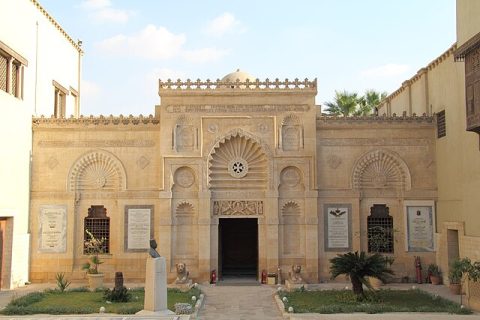
Coptic Museum
Located in Coptic Cairo, the Coptic Museum holds over 16,000 artifacts documenting the presence and evolution of Christianity in Egypt. Founded in 1908, the museum's collection spans from early Christian times through the Islamic era, featuring manuscripts, textiles, icons, woodwork, and metalwork gathered from monasteries across Egypt. The museum building itself is beautiful, and its lush green grounds provide a peaceful retreat. This is essential for understanding Egypt's Christian heritage and the Coptic Orthodox Church's significant role in the country's history.
Tips for Museums & Galleries
- Combo visits: Combine GEM morning visit with afternoon Giza Pyramids tour
- Gift shops: Museum gift shops, especially at the Egyptian Museum, offer premium quality souvenirs
- Photography rules: Check current photography policies; some areas prohibit cameras
- Stay hydrated: The Egyptian Museum lacks air conditioning; bring water