Helsinki's architectural landmarks showcase a fascinating blend of neoclassical grandeur, Art Nouveau elegance, and innovative modern design. These iconic structures tell the story of Finland's journey from Swedish and Russian rule to independence, creating one of Europe's most distinctive urban landscapes.
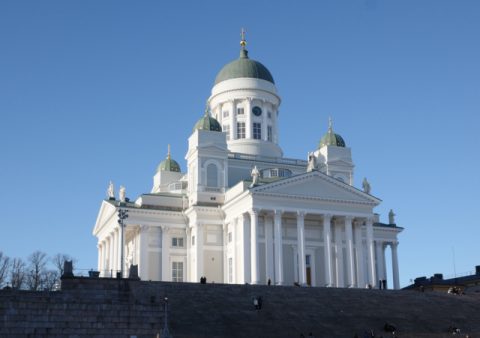
Helsinki Cathedral (Tuomiokirkko)
The iconic white neoclassical cathedral dominates Senate Square and serves as Helsinki's unofficial symbol. Built between 1830-1852 and designed by Carl Ludvig Engel, this Lutheran cathedral features a distinctive green dome flanked by four smaller domes, creating a striking silhouette visible throughout the city. The interior showcases statues of Lutheran reformers Martin Luther, Philipp Melanchthon, and Mikael Agricola. The cathedral sits atop an impressive staircase, offering panoramic views of the city center and harbor.
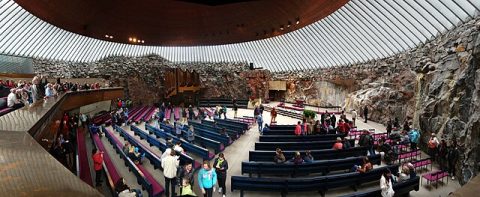
Temppeliaukio Church (Rock Church)
One of Helsinki's most extraordinary attractions, this Lutheran church carved directly into solid rock opened in 1969. The innovative design features a copper dome with 180 glass panels allowing natural light to flood the interior, creating a unique atmosphere. The rough rock walls provide exceptional acoustics, making it a popular venue for concerts. The church represents Finnish architectural ingenuity and has become one of the city's most photographed sites.
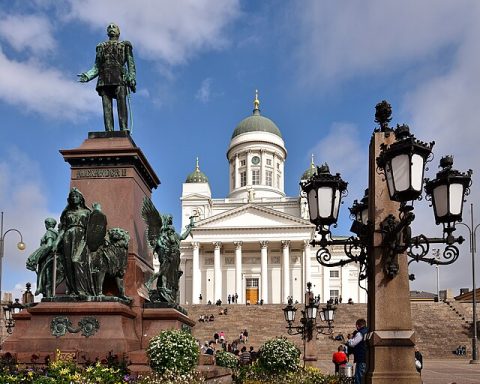
Senate Square (Senaatintori)
The heart of neoclassical Helsinki, Senate Square is surrounded by important buildings including Helsinki Cathedral, the Government Palace, the main building of the University of Helsinki, and the National Library. Designed by Carl Ludvig Engel in the early 19th century, the square exemplifies the Empire style architecture that defines much of central Helsinki. The square hosts major events including Christmas markets and serves as the perfect starting point for exploring the city.
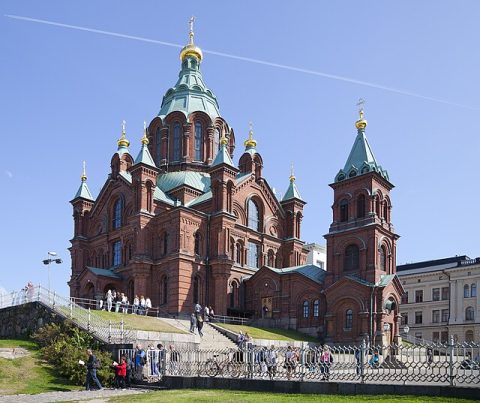
Uspenski Cathedral
This stunning A cathedral of the Orthodox Church of Finland, under the Ecumenical Patriarchate of Constantinople. Built in 1868 during Russian rule, it sits atop a hillside in the Katajanokka district, offering magnificent views over the harbor. The interior features beautiful icons, ornate chandeliers, and religious artwork reflecting Byzantine and Slavic traditions. The cathedral stands as a powerful reminder of Helsinki's complex history under Russian influence.
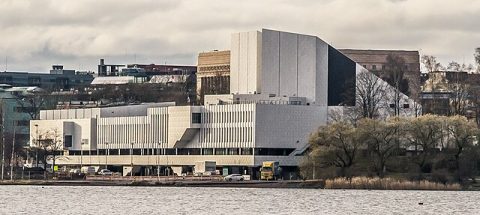
Finlandia Hall
Designed by renowned Finnish architect Alvar Aalto, Finlandia Hall (completed 1971) is a masterpiece of modernist architecture and Aalto's final major work. The building's distinctive white Carrara marble facade and copper roof make it instantly recognizable along the Töölönlahti Bay. It has been renovated and hosts events and guided visits; check the hall's site for what is open to visitors. The hall serves as a concert venue and congress center.
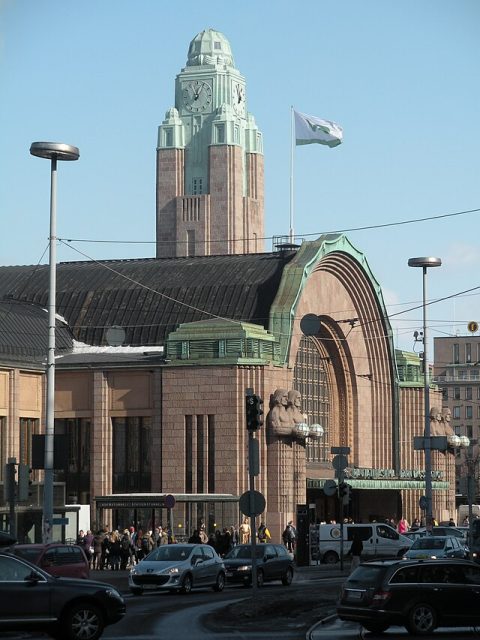
Helsinki Central Railway Station
Completed in 1919 and designed by Eliel Saarinen, this Art Nouveau masterpiece is recognized by the BBC as one of the world's most beautiful train stations. The building features distinctive granite facade, a clock tower, and four monumental statues holding spherical lamps at the entrance. Beyond its transportation function, the station is a major architectural landmark showcasing Finnish National Romanticism. The interior details and decorative elements make it worth exploring even if not traveling by train.
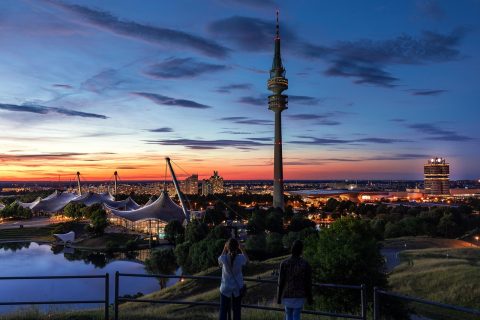
Olympic Stadium
Built in 1934–1938 and inaugurated in 1938; it subsequently hosted the 1952 Olympics, this functionalist stadium underwent extensive renovation and reopened in 2020. The 72.71-meter tower The architects stated that symbolic considerations did not determine the tower’s height. The stadium continues to host sporting events and concerts while serving as a symbol of Finnish athletic achievement and architectural heritage. A visit includes access to the tower and sports museum.
Tips for Landmarks & Monuments
- Best photography times: Visit Senate Square and Helsinki Cathedral early morning or during golden hour for stunning photos with fewer crowds.
- Combo visit: Purchase tickets online in advance for Temppeliaukio Church to avoid queues, especially during peak summer months.
- Free admission: Most churches have free entry, but may close during services or private events - check schedules before visiting.
- Stadium tower: The Olympic Stadium tower provides the best panoramic city views; visit on clear days for visibility up to 40 kilometers.