Helsinki's world-class museums showcase everything from Finnish national history and cutting-edge contemporary art to design innovation and maritime heritage. The city's museum scene reflects its commitment to culture, creativity, and preserving the nation's unique identity.

Amos Rex
One of Helsinki's most innovative museums, Amos Rex opened in 2018 in a former bus station combining historic Lasipalatsi building with stunning underground exhibition spaces. The museum features distinctive dome-shaped skylights at street level and specializes in contemporary art and experimental exhibitions. Winner of multiple architectural awards, Amos Rex quickly became one of Finland's most visited museums, showcasing both international and Finnish contemporary artists in thought-provoking installations.
National Museum of Finland
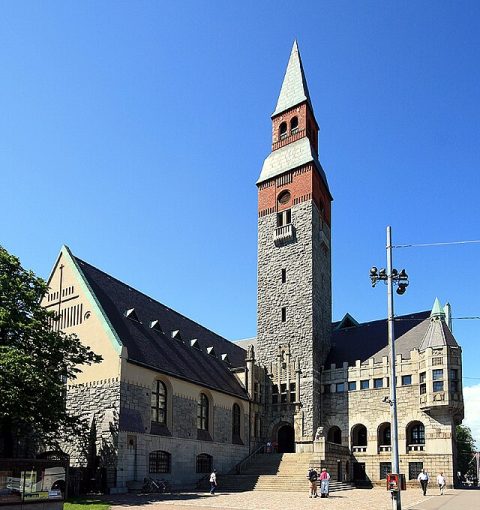
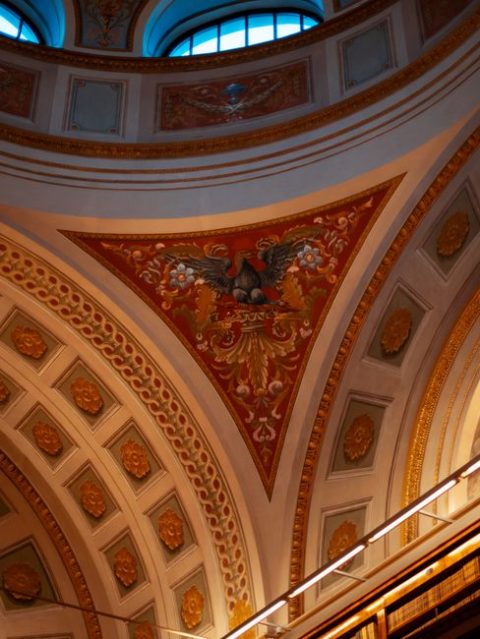
Housed in a magnificent National Romantic-style building from 1910, this museum presents Finnish history from prehistoric times to present day. The permanent exhibitions include archaeological treasures, medieval artifacts, and comprehensive displays on Finnish culture and society. The building itself is an architectural landmark with a distinctive tower and beautifully painted ceilings. The museum provides essential context for understanding Finland's journey to independence and modern identity.
Ateneum Art Museum
Finland's most prestigious art museum houses the largest collection of Finnish art alongside significant European works from the 19th and 20th centuries. The collection includes masterpieces by Finnish national painters like Akseli Gallen-Kallela, Albert Edelfelt, and Helene Schjerfbeck, as well as works by Van Gogh, Cézanne, and Gauguin. The Neo-Renaissance building was completed in 1887 and opened to the public in 1888. Essential for understanding Finnish cultural identity through art.

Design Museum Helsinki
Celebrating Finnish design excellence, this museum explores how Finland became a design superpower. Exhibitions showcase iconic Finnish design from textiles and ceramics to furniture and glassware by masters like Alvar Aalto, Marimekko, and Iittala. The museum traces the evolution of Finnish design from traditional crafts to modern innovation, highlighting the Finnish philosophy of functional beauty and democratic design accessible to all. A must-visit for design enthusiasts.
Kiasma Museum of Contemporary Art
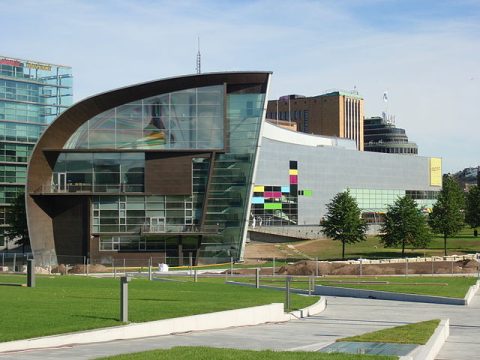
Part of the Finnish National Gallery, Kiasma focuses on contemporary art from the 1960s onwards. The distinctive curved building designed by American architect Steven Holl opened in 1998 and has become an architectural landmark. The museum features rotating exhibitions of Finnish and international contemporary art, experimental installations, and innovative multimedia works. The building's fluid spaces and natural light create unique viewing experiences for cutting-edge artistic expression.
Helsinki City Museum
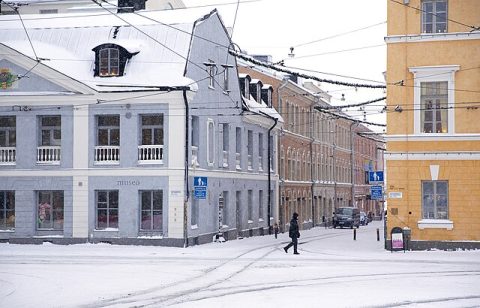
This excellent free museum chronicles Helsinki's transformation from small coastal town to modern capital. Located in the heart of the city, exhibitions cover urban development, daily life, notable residents, and major historical events. Interactive displays and extensive photograph collections bring Helsinki's history to life. The museum ranks among Europe's finest city museums for its engaging presentation and comprehensive scope. Multiple locations around the city offer different perspectives on Helsinki's past.
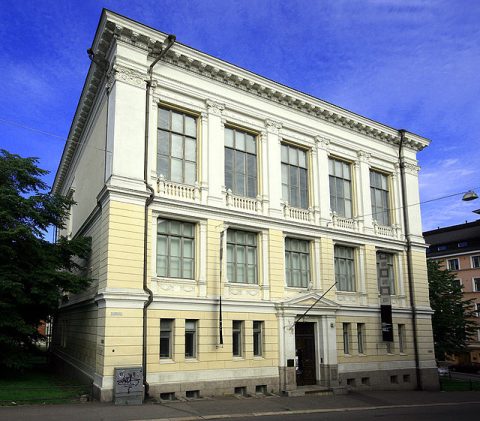
Museum of Finnish Architecture
Dedicated to Finnish architectural heritage and innovation, this specialized museum presents exhibitions on famous Finnish architects like Alvar Aalto, Eliel Saarinen, and contemporary practitioners. The collection includes drawings, models, and photographs documenting Finland's architectural evolution. Located in the Design District, the museum complements the Design Museum to provide comprehensive understanding of Finnish design philosophy. Essential for architecture enthusiasts and those interested in Nordic modernism.
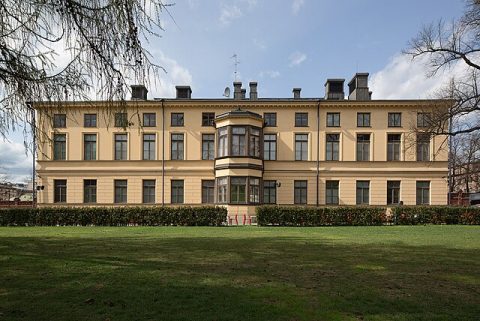
Sinebrychoff Art Museum
Finland's only museum dedicated to old European master paintings (14th-19th centuries), housed in a preserved 19th-century mansion. The collection includes works by Rembrandt, El Greco, and other European masters alongside decorative arts. The historic Sinebrychoff residence rooms showcase aristocratic life in 19th-century Helsinki. The museum offers an intimate setting to appreciate classical European art and provides context for Finland's cultural connections to broader European traditions.
Tips for Museums & Galleries
- Museum pass savings: The Helsinki Card includes free admission to most major museums - excellent value for museum enthusiasts.
- Free admission days: Many museums offer free entry on specific days; check individual websites for details.
- Combo tickets: The Finnish National Gallery ticket covers Ateneum, Kiasma, and Sinebrychoff museums for better value.
- Exhibition quality: Amos Rex and contemporary museums change exhibitions frequently - check current shows before visiting to match your interests.