Tampere's landmarks tell the story of Finland's industrial revolution and national romantic movement. From observation towers with panoramic views to iconic rapids and historic buildings, these sites define the city's character.
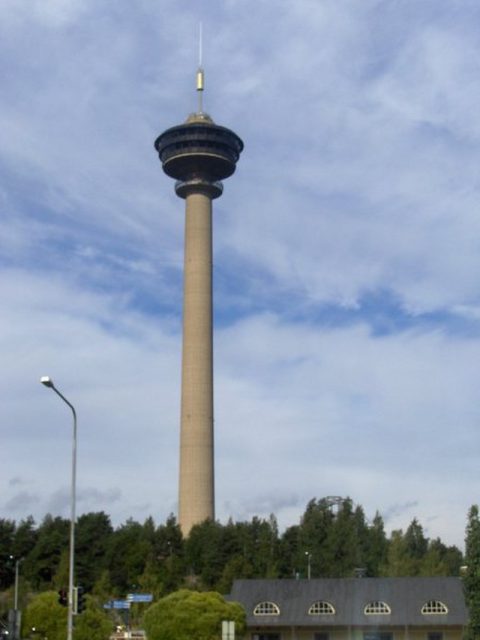
Näsinneula Observation Tower
Standing at 168 meters, Näsinneula is the tallest observation tower in the Nordic countries and Tampere's most recognizable landmark. Located in Särkänniemi Adventure Park, this concrete tower offers breathtaking 360-degree views of the city and surrounding lakes. The tower features a revolving restaurant that completes a full rotation in 45 minutes, allowing diners to enjoy panoramic vistas while savoring Finnish cuisine. On clear days, visibility extends up to 20 kilometers. Built in 1971, the tower has become synonymous with Tampere's skyline. The observation deck provides an unparalleled perspective of the city nestled between its two lakes, making it perfect for photography enthusiasts and first-time visitors wanting to orient themselves.
Pyynikki Observation Tower & Ridge
Perched atop the Pyynikki esker (a glacial ridge rising 80 meters), this granite observation tower offers spectacular views of both lakes and the city center. The real treasure here is the legendary café at the tower's base, famous throughout Finland for its munkki (doughnuts). These sugar-dusted doughnuts are so popular that queues often stretch down the street, rain or shine. The surrounding Pyynikki Park features beautiful walking trails through pine forests and the Pyynikki Summer Theatre with its revolving auditorium. Visit in autumn for stunning foliage colors, or in winter for a magical snow-covered landscape. The tower itself dates to 1929 and provides a more intimate, nature-immersed viewing experience compared to Näsinneula.
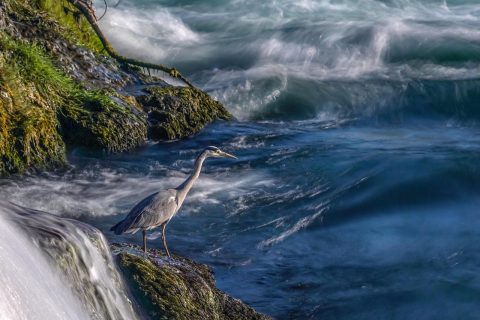
Tammerkoski Rapids
The Tammerkoski rapids are the beating heart of Tampere, flowing through the city center and connecting the two lakes. These powerful rapids powered Tampere's industrial revolution in the 19th century, and the historic red-brick factories lining the watercourse now house museums, restaurants, and shops. Walking along the rapids is free and provides stunning photo opportunities, especially in winter when ice formations create dramatic landscapes. The rapids drop 18 meters and were instrumental in establishing Tampere as Finland's leading industrial city. Today, the Tammerkoski area represents the perfect blend of industrial heritage and modern urban life. Don't miss the Finlayson area on the western bank, a beautifully renovated former textile mill complex now filled with boutiques, cafés, and cultural venues.
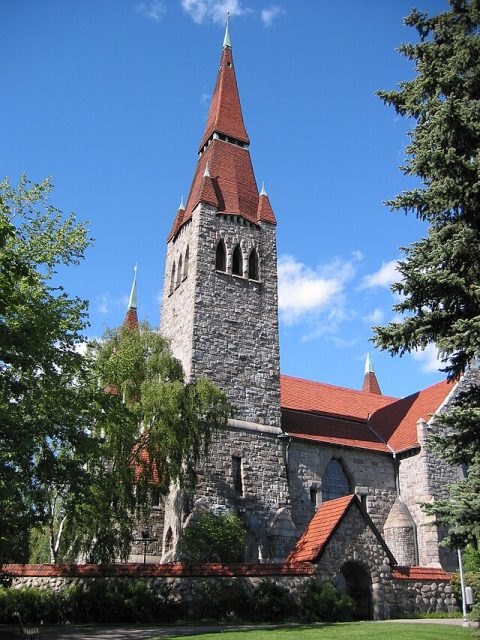
Tampere Cathedral (Tuomiokirkko)
Built between 1902-1907, Tampere Cathedral is a masterpiece of Finnish National Romantic style architecture designed by Lars Sonck. The exterior's grey granite and distinctive tower are impressive, but the real treasures lie inside. The cathedral is famous for Hugo Simberg's symbolist frescoes, including the haunting "The Wounded Angel" and the controversial "Garden of Death" ceiling painting showing skeletons tending a garden. These artworks stirred debate when unveiled but are now considered Finnish cultural treasures. The church also features stunning stained glass windows and one of Finland's finest church organs. Free to enter, this is a must-visit for art and architecture enthusiasts. The building beautifully represents the Finnish national awakening period and offers peaceful respite in the city center.
Tips for Landmarks & Monuments
- Visit Näsinneula at sunset for magical lighting and fewer crowds, then enjoy dinner in the revolving restaurant
- Arrive early at Pyynikki café (opens 9-10 AM) to avoid long queues for the famous doughnuts
- Walk the Tammerkoski rapids on both sides to appreciate different perspectives and access to the Finlayson area
- Visit the Cathedral during weekday mornings for peaceful viewing of the frescoes without tour groups