Berlin turns into one of Europes great winter-market cities each December, with dozens of Weihnachtsmärkte spread across its historic squares and neighborhoods. From the elegant, ticketed WeihnachtsZauber at Gendarmenmarkt to the sprawling, free market beneath Charlottenburg Palace, visitors can expect mulled wine (Glühwein), roasted chestnuts, handmade ornaments, and festive lights well into late December 2026.
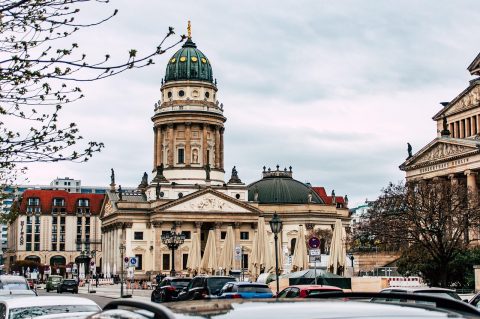
WeihnachtsZauber at Gendarmenmarkt
Set between the twin domed cathedrals and the Konzerthaus, this is Berlins most picturesque Christmas market, typically running from late November through December 26, 2026. Unlike most Berlin markets, it charges a small entry fee, which keeps crowds manageable and funds a nightly stage program of choirs and live music.
Stalls sell handcrafted jewelry, glassware, and wooden toys rather than mass-produced souvenirs, and food stands lean toward regional specialties like Flammkuchen and spiced Glühwein served in collectible mugs. The candlelit setting, framed by two grand 18th-century churches, makes it especially popular for evening visits, so arriving right at opening or on a weekday helps avoid the densest crowds.
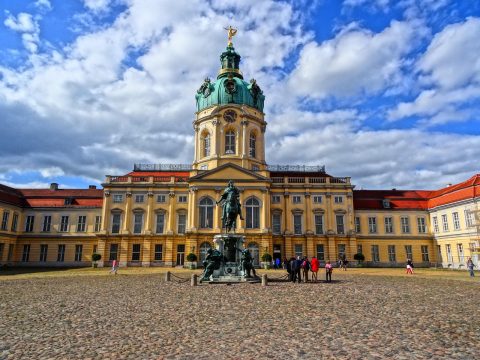
Christmas Market at Charlottenburg Palace
Held on the grand forecourt of Charlottenburg Palace, this is one of the citys largest and most atmospheric markets, generally open from late November until shortly before New Year 2026. Free to enter, it draws both locals and tourists for its baroque backdrop, illuminated avenue of trees, and a large ice-skating area near the palace gates.
Around 250 wooden stalls line the grounds, offering everything from mulled wine and Bratwurst to artisan gifts and a dedicated childrens area with a carousel and puppet shows. Because the palace itself stays lit and partially open, its an easy way to combine sightseeing with the market in a single evening outing, especially by tram or bus from central Berlin.
Photographers favor the golden hour just before dusk, when the palace facade and market lights overlap.
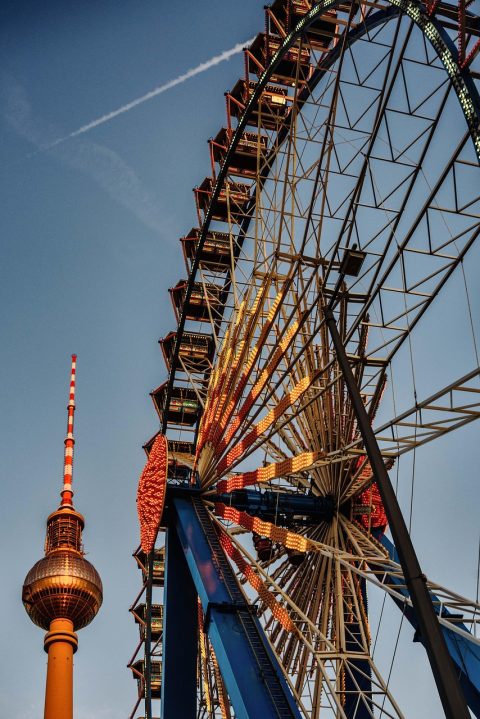
Alexanderplatz Christmas Market
Centered around the TV Tower and World Clock, Alexanderplatz hosts one of Berlins most central and easily reached markets, usually running from late November through early January. Its known for a large Ferris wheel offering skyline views and a bustling, festival-like atmosphere that stays open later than most.
Expect classic Glühwein stands, currywurst, roasted almonds, and rows of stalls selling ornaments and winter accessories, alongside carnival-style rides that make it especially popular with families and groups. Its size and central transit links mean it can get crowded on weekend evenings, so a weekday afternoon visit is quieter and easier for photos of the tower lit up above the stalls.
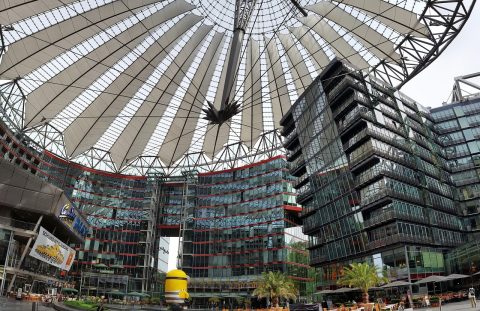
Winterwelt at Potsdamer Platz
Rather than a traditional market alone, Potsdamer Platz hosts Winterwelt, a large winter festival combining market stalls with Berlins biggest outdoor ice rink and an Alpine-style toboggan run, typically open from late November into mid-January. Its a good option for travelers wanting active winter entertainment alongside the usual food and gift stalls.
Skate rental and toboggan tickets are sold on-site, and the surrounding stalls offer the standard Glühwein, waffles, and roasted nuts. The modern glass-and-steel architecture of Potsdamer Platz gives it a very different feel from the historic squares elsewhere in the city, making it a nice contrast stop on a multi-market day.
Historic Spandau Christmas Market
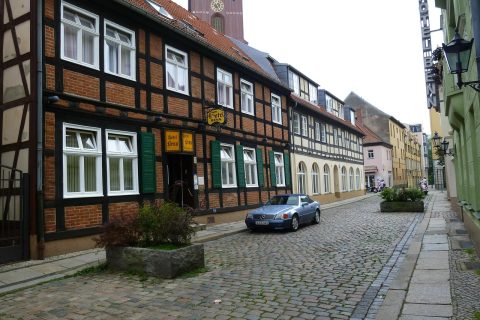
Tucked into Spandaus medieval old town, this market is considered one of the oldest and most traditional in the Berlin area, generally running for about three weeks in early-to-mid December 2026. Its smaller and less touristy than the central markets, set among half-timbered buildings and narrow cobbled streets.
Local vendors sell handmade crafts, honey, and seasonal food, with a strong emphasis on regional Brandenburg products rather than generic souvenirs. Reaching it takes a short U-Bahn ride from central Berlin, but the payoff is a more relaxed, neighborhood atmosphere that gives a sense of how the city celebrated Christmas before the large-scale markets became major attractions.
Tips for Christmas Market
- Most markets run from late November through December 26, 2026, with a few continuing into early January; check individual dates closer to the visit since they shift slightly each year.
- Bring cash — many smaller stalls still do not accept cards, and Glühwein mugs usually require a small refundable deposit (Pfand).
- Weekday afternoons are far less crowded than weekend evenings, especially at Alexanderplatz and Gendarmenmarkt.
- Dress for cold, damp weather and wear comfortable shoes, as most markets are outdoors on cobblestone or gravel.
- Combine nearby markets on the same trip — Gendarmenmarkt and Alexanderplatz are both easily reachable by U-Bahn or a short walk from central Mitte.