Beyond the postcard landmarks, Berlin hides a stranger and more layered city: Cold War ruins reclaimed by graffiti artists, an abandoned amusement park slowly being swallowed by forest, and rooftop gardens few tourists ever find.
These spots reward the curious traveler willing to venture past the usual circuit.
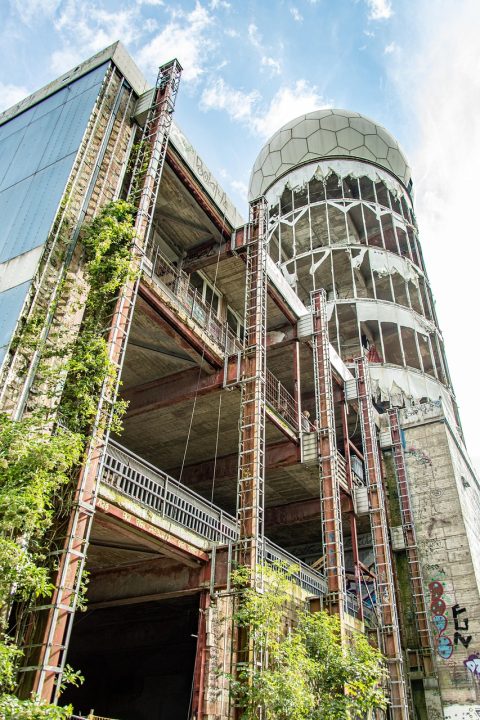
Teufelsberg Cold War Listening Station
Perched on a hill built from WWII rubble, this abandoned NSA listening station is one of Berlin's strangest sights. Its geodesic radomes now form a canvas for some of the city's best street art, and wandering the crumbling corridors feels like exploring a Cold War time capsule. The hill itself, Teufelsberg, offers sweeping views over the western forests of Grunewald, especially striking at sunset.
Guided tours explain the site's espionage history, when American and British operatives eavesdropped on Soviet communications from these very towers. Independent visits are also possible for a small entry fee. Wear sturdy shoes, as the interior floors are uneven and the paint fumes from ongoing art projects can be strong. It is a favorite among photographers and urban explorers alike, and rarely crowded outside weekends.
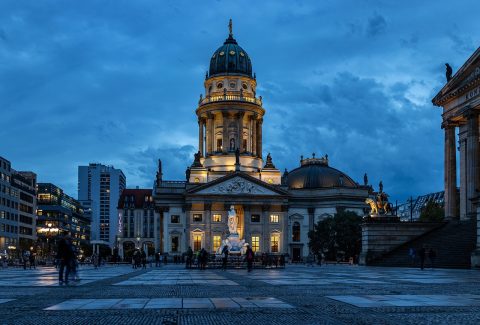
Spreepark Plänterwald
This derelict amusement park in the Plänterwald forest closed in 2001 and sat frozen in time for two decades, its rusting Ferris wheel still visible above the treetops. After years as an illegal urban-exploration magnet, it now operates limited, officially guided Spreepark tours that let visitors walk among the overgrown dinosaur statues, swan boats, and roller-coaster tracks reclaimed by nature.
The atmosphere is equal parts eerie and beautiful, a genuine relic of East German and reunification-era Berlin that most guidebooks skip entirely. Evening and night tours are especially popular for the surreal lighting. The site is being slowly redeveloped into a public park and art space, so parts of it change year to year. Book ahead, as tour slots are limited and often sell out on weekends.
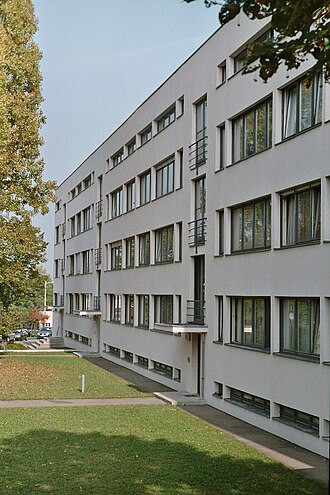
Museum der Dinge (Museum of Things)
Tucked above a courtyard on Oranienstrasse, this quirky design museum is a floor-to-ceiling archive of everyday German objects, from Bauhaus-era kitchenware to kitsch souvenirs and packaging spanning a century. Rather than curated wall text, most items sit in dense glass cabinets, inviting visitors to browse like an eccentric collector's attic.
It is a favorite of design students and typography nerds, offering a very different lens on German material culture than the grand state museums. The collection traces how industrial design shaped daily life through war, division, and consumerism. Small and easy to combine with a walk through the surrounding streets, it rarely appears on standard itineraries despite being a genuine local favorite. Give yourself at least an hour to really absorb the density of objects on display.
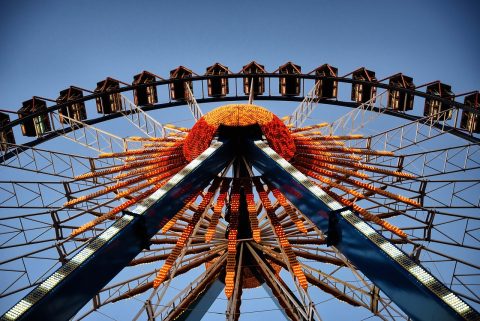
Flak Tower Ruins at Humboldthain
Beneath a quiet park in Gesundbrunnen lies one of the last accessible WWII flak towers, a massive anti-aircraft bunker that Allied forces tried and failed to fully demolish after the war. Guided tours run by the Berliner Unterwelten association take small groups through the bunker's dark, partially collapsed interior, explaining its role sheltering thousands of civilians during air raids.
Above ground, the ruined bunker walls have been grassed over into a climbing garden with views across northern Berlin, a strange contrast to the darkness below. It is one of the few places in the city where the physical scars of the war remain so visible and tangible. Torches and warm clothing are recommended, as the underground sections stay cold and damp year-round. Tours fill up quickly, so advance booking is essential.
Klunkerkranich Rooftop Garden
Hidden atop a Neukölln shopping center parking garage, this makeshift rooftop bar and garden has become a beloved local secret, reachable only via an unmarked elevator ride most visitors would never guess leads anywhere interesting. Mismatched furniture, string lights, and a small stage for live music create a relaxed, community-built feel far removed from polished tourist venues.
The real draw is the panoramic skyline view at sunset, stretching over rooftops toward the city center, best enjoyed with a drink from the small bar. It operates seasonally and depends heavily on weather, so it is worth checking ahead before making the trip. Weekday evenings are quieter and feel more like joining a neighborhood gathering than visiting an attraction, which is exactly the point.
Tips for Hidden Gems
- Book Spreepark and Flak Tower tours online at least a few days ahead, as English-language slots sell out fast.
- Teufelsberg and Spreepark both involve uneven terrain, so wear closed, sturdy shoes.
- Klunkerkranich is weather-dependent and closes in winter and during rain, so check social media before heading over.
- Combine Museum der Dinge with a stroll along Oranienstrasse for a low-key afternoon away from the crowds.