Berlin's iconic landmarks tell the story of a city that has witnessed triumph and tragedy, division and reunification. From the remnants of the Berlin Wall to the neoclassical grandeur of the Brandenburg Gate, these monuments are essential touchstones for understanding modern European history.
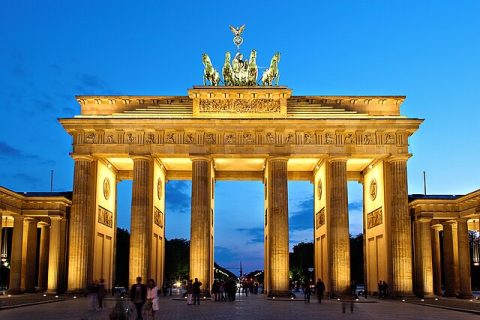
Brandenburg Gate
Berlin's most iconic landmark, this neoclassical triumphal arch was completed in 1791 and stands as a powerful symbol of German reunification. Once part of the Berlin Wall's death strip, it now represents freedom and unity. The Quadriga sculpture atop the gate depicts the goddess of victory driving a chariot. Visit at sunset for stunning photography opportunities, or join the crowds on New Year's Eve for the city's largest celebration.
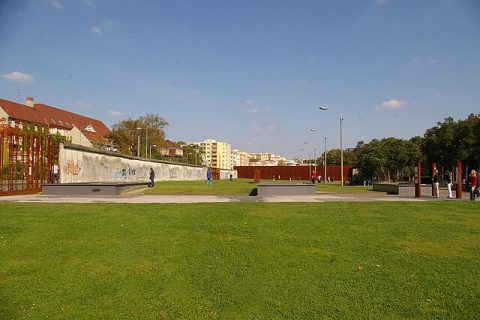
Berlin Wall Memorial
The official memorial to the divided city, this site preserves a preserved section of the Wall and border grounds; the site includes original traces and reconstructions. The outdoor exhibition extends 1.4 km along Bernauer Strasse, featuring a Documentation Center with observation tower, Chapel of Reconciliation, and Window of Remembrance commemorating 132 civilians who died at the Wall, including people who were not trying to flee. The preserved 'death strip' provides a sobering glimpse into Cold War reality.
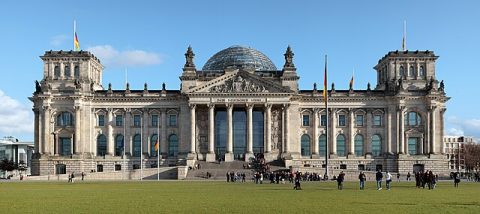
Reichstag Building
Home to the German Parliament, this magnificent building combines historic architecture with Norman Foster's stunning modern glass dome. The dome offers 360-degree panoramic views of Berlin and features a mirrored cone that reflects natural light into the parliamentary chamber below, symbolizing governmental transparency. Free audio guides explain the building's tumultuous history, from the 1933 fire to its post-reunification renovation.
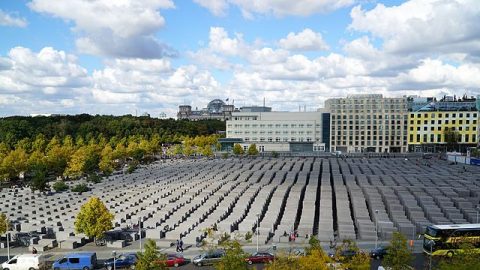
Holocaust Memorial
Officially the Memorial to the Murdered Jews of Europe, this powerful installation consists of 2,711 concrete stelae arranged in a grid pattern on undulating ground. Designed by Peter Eisenman, the abstract field creates a disorienting, maze-like experience that evokes loss and confusion. The underground information center provides historical context with personal stories, diary excerpts, and farewell letters from Holocaust victims.
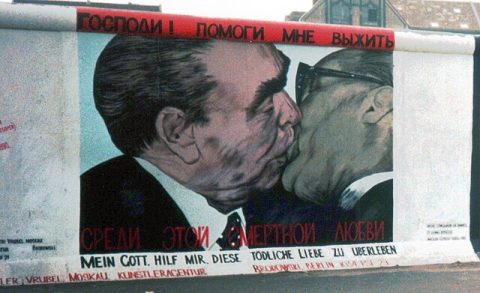
East Side Gallery
A 1.3-kilometre section of the former inner Wall, painted by artists in 1990., transformed into an open-air gallery 118 artists painted the Wall here in 1990. Spanning 1.3 km along the Spree River, iconic works include Dmitri Vrubel's 'Fraternal Kiss' and Birgit Kinder's 'Trabant Breaking Through.' This vibrant testament to freedom and artistic expression has become one of Berlin's most photographed attractions.
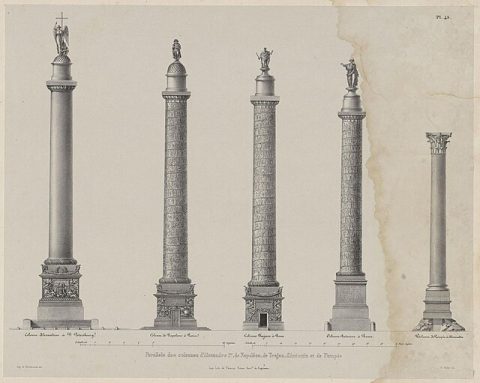
Victory Column
The Siegessäule rises 67 meters above the Tiergarten, topped with a gilded statue of Victoria. Built in 1873 to commemorate Prussian military victories, it was relocated by the Nazis to its current prominent location. Climb 285 steps to the observation platform for spectacular views across the Tiergarten to the Reichstag and Brandenburg Gate. The monument gained pop culture fame from Wim Wenders' film 'Wings of Desire.'
Tips for Landmarks & Monuments
- Book Reichstag visits at least 2-3 weeks in advance through the official website - free entry but advance registration required
- Visit the Brandenburg Gate at sunrise or sunset to avoid crowds and capture the best photographs
- Allow 2-3 hours for the Berlin Wall Memorial to fully appreciate the exhibitions and preserved structures
- The Holocaust Memorial is open 24/7 but visit the information center during operating hours for complete context
- Combine Victory Column with a walk or bike ride through the Tiergarten for a full morning or afternoon